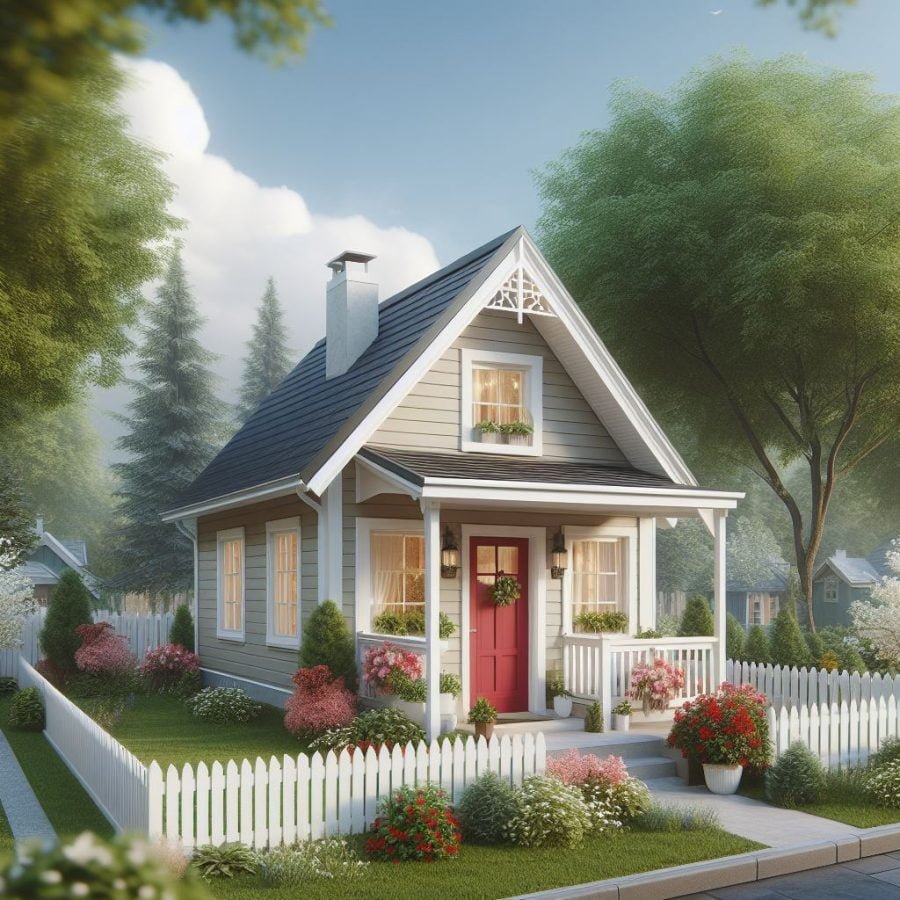
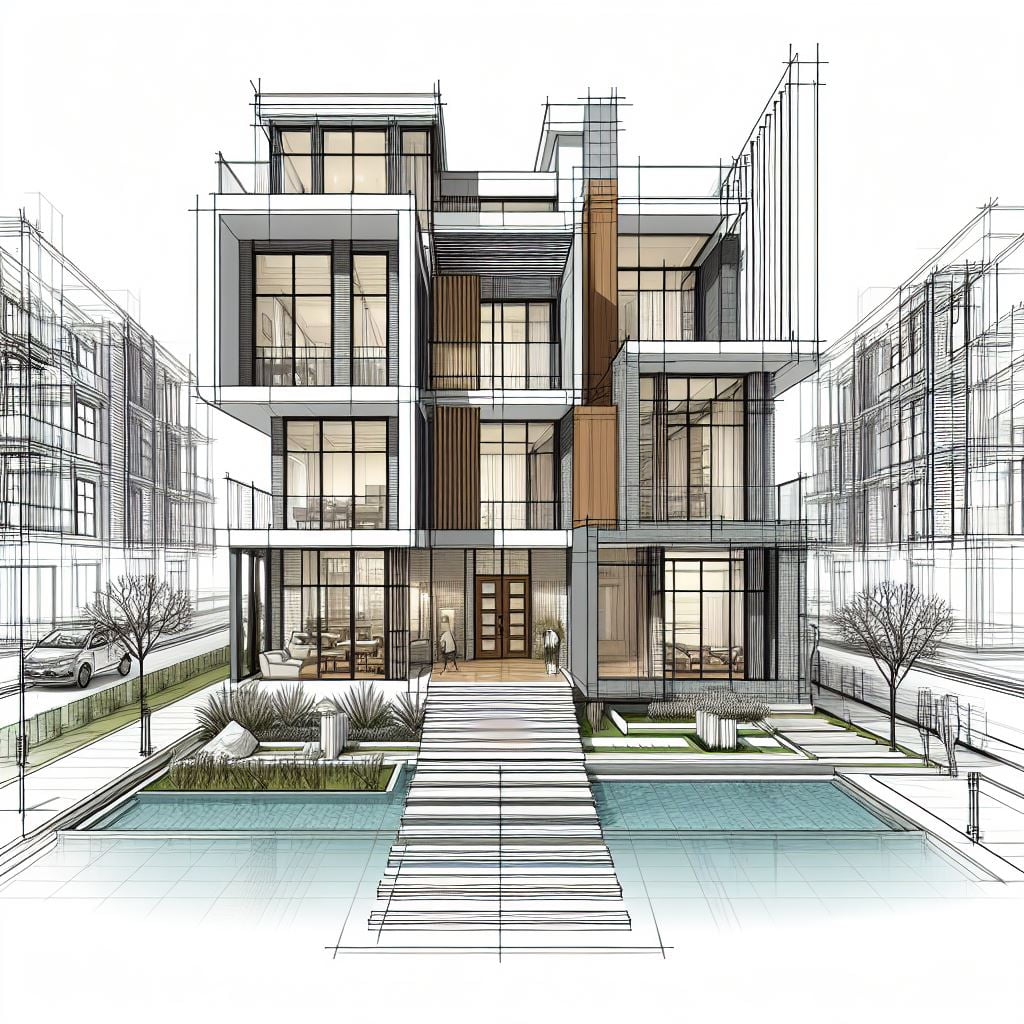
If you’re looking to invest in Gurgaon real estate, you have two choices: residential or commercial property. Your investment goals will help you make the right decision. Residential property, like an apartment, gives you wealth over a long time as its value appreciates. With commercial property, like office spaces, you get high cash flow from rental yields.
Each option has its own benefits and risks. Knowing these differences helps you pick the best investment opportunity. Here, we will clearly break down residential and commercial real estate in Gurgaon. This will help you figure out the right fit for your investment strategy. Let’s dive in.
What is Residential Real Estate?
Residential real estate properties are for individuals or families. It’s the most common and safest asset class. It‘s seen as the fundamental need for shelter. Gurgaon has the corporate sectors, and their workforce contributes to the demand for housing.
Types of Residential Real Estate in Gurgaon
The investment options here cater to diverse budgets and lifestyle needs:
Apartments/Flats: These are the most prevalent assets in Gurgaon. Ranging from affordable compact units to ultra-luxury penthouses in high-rise condominiums. Sectors along the Dwarka Expressway and New Gurgaon offer strong potential for future capital appreciation.
Villas/Independent Floors: Catering primarily to the luxury and HNI segment, these properties offer privacy and expansive living spaces. Locations like Golf Course Road and parts of Sohna Road command a significant premium.
Plotted Developments: This involves investing in land that offers the flexibility for custom construction later. This option often delivers high long-term capital growth but involves a longer waiting period.
What is Commercial Real Estate?
Commercial real estate in Gurgaon includes any property used exclusively for business purposes to generate profit. Investing here means you are buying a stake in the city’s economic engine. Since the city is a magnet for Fortune 500 companies and startups, its commercial sector is globally competitive.
Types of Commercial Real Estate in Gurgaon
The commercial market offers specialised investment avenues, each with a distinct risk-reward profile:
Grade A Office Spaces: These are the backbone of Gurgaon’s economy. Investment here means owning space in modern, professionally managed corporate towers in established hubs like Cyber City, Udyog Vihar, and the Golf Course Extension Road.
Retail Spaces: This includes shops within premium malls (like those on MG Road) or high-street retail formats. Success here is highly dependent on footfall, visibility, and the surrounding residential catchment area.
SCO (Shop-cum-Office) Plots: An emerging and highly popular hybrid model. These low-rise structures offer ground-floor retail and upper-floor office/service space, providing flexibility and dual revenue potential, especially along major expressways.
Serviced Apartments/Hotel Assets: Properties catering to the city’s significant corporate travel and extended business stay requirements, offering strong, hospitality-linked rental income.
Residential vs. Commercial Real Estate: Comparative Investment Analysis
It’s important to understand the performance dynamics of each asset class. Residential property and commercial property are different in how they deliver returns and manage risk. So, here is a direct comparison of the key parameters that impact your investment decision in the Gurgaon market.
Parameter
Residential Real Estate
Commercial Real Estate
Primary Return Focus
Capital Appreciation (Long-term wealth)
Rental Yield(Immediate Cash Flow)
Typical Rental Yield
2% to 4% (Modest)
6% to 10%+ (Superior)
Lease Tenure
Short (11-month agreements)
Long (3 to 9+ years with escalation)
Property Management
Higher effort, frequent tenant turnover
Lower effort, professional corporate tenants
Operational Costs
Owner typically pays maintenance/taxes
Tenant often pays most costs (Triple Net Lease)
Initial Capital
Lower Entry Barrier, Easier Financing
Significantly Higher Capital Required
Liquidity/Exit Strategy
High (Easier/Faster Sale)
Lower (Slower Sale, relies on specific buyers)
The Core Differences
Returns Profile
For residential, the market value of your property will increase substantially over the years. The rental income is often too low to generate strong savings or cover your entire EMI. Your biggest profit comes when you eventually sell. This is why you need to buy residential property in Gurgaon in high-growth, infrastructure-led areas.
For commercial, you are betting on the lease income. The high rental yield ensures a substantial, immediate, and consistent cash flow. You profit monthly from the lease, not just from the final sale.
Lease Structure & Stability
Residential leases are short. You constantly face the costs and hassles associated with finding new tenants, painting, and minor repairs.
Commercial tenants are businesses with professional agreements and long-term commitments, providing stability and peace of mind. The lease often includes automatic rent escalation every 3 years.
Capital & Risk
Commercial real estate in Gurgaon demands deep pockets. The per-square-foot cost and the overall investment size are much larger than residential. Also, the risk is different: residential risk is tied to the local housing supply, while commercial risk is tied to the corporate economic cycle. A downturn in the IT sector, for instance, can impact office space demand.
Which One Should You Choose for Your Portfolio?
To answer which is the best real estate investment in Gurgaon, I would say that it’s the investment that aligns perfectly with your financial goals.
Choose Residential If:
You have a long-term goal (7+ years): You are primarily seeking wealth creation through capital compounding.
You need high liquidity: You want an asset that you can sell relatively quickly if the need arises.
You require tax efficiency: You want to benefit from personal tax deductions available on home loan interest and principal repayment.
Your capital is limited: The lower entry barrier makes it the smart way to start your Gurgaon investment journey.
Choose Commercial If:
You prioritise strong cash flow: You prioritise a high, stable, and consistent monthly income stream from the investment.
You have substantial capital: You can meet the high initial investment and manage the slightly more complex financing structure.
You prefer professional tenants: You value the stability and reduced management burden that comes with corporate leases. You will want to specifically focus on finding the right Grade A asset to buy commercial property in Gurgaon.
To Sum Up
Ultimately, the wisest strategy often involves diversification. Holding a residential property secures your long-term capital growth and offers liquidity, while a commercial asset provides immediate, high-yield cash flow.
You’ll have to understand these two powerful asset classes. When you truly get the idea of the immense potential Gurgaon’s real estate holds, only then can you make an informed decision.
Discover the top 10 must-follow architectural websites every architect should follow for inspiration, design trends, competitions, and practical building resources. Architecture is not just about buildings; it’s about culture, creativity, innovation, and the stories we shape through design. In today’s digital world, staying updated with the latest architectural projects, competitions, design trends and technological breakthroughs is easier than ever—thanks to some brilliant online resources. But here’s the catch: with hundreds of platforms out there, which ones are truly worth your time?
If there’s one website that has become synonymous with architecture itself, it’s ArchDaily. Founded in 2008, this platform has grown into one of the most visited architecture websites globally.
What makes it unique?
ArchDaily offers daily project updates, news, competitions, product catalogs, and interviews with leading architects. It covers everything from small-scale residential projects to massive urban designs, giving readers exposure to different design contexts.
Rich project library with detailed drawings and plans. Insightful articles on sustainability, design processes, and materials. A go-to place for students looking for case studies and professionals searching for inspiration. ArchDaily is like that one-stop solution—whether you want to explore a modern house in Japan, a cultural center in Europe, or cutting-edge sustainable designs from around the globe.
2. Home Depot – Practical Building Resources at Scale
While known primarily as a home improvement retailer, Home Depot’s online platform is an invaluable resource for architects and designers working on practical, real-world projects.
Why architects should use it:
A massive catalog of construction materials, fixtures, and tools. Easy access to pricing information for cost estimations. A helpful resource for clients and homeowners alongside professional projects.
For architects working at the intersection of design and construction execution, Home Depot’s website helps ground design visions into buildable reality.
3. Build.com – Digital Marketplace for Fixtures & Finishes
Build.com is another fantastic resource, especially for architects who want to bridge the gap between design intent and client-ready specifications.
What makes it valuable:
Huge collection of lighting, plumbing, hardware, and appliances. Great for exploring interior finishes and integrating them into design proposals. Allows architects to recommend real, purchasable products to clients. For those balancing creativity with client budgets and execution, Build.com simplifies the transition from concept to construction.
Architectural Digest (AD) is one of the most recognizable names in design media. Although it leans more toward luxury interiors and lifestyle, it remains an essential read for architects interested in aesthetic sensibilities and design culture.
Why follow AD?
Stunning showcases of celebrity homes and luxury projects. Strong coverage of interior trends and high-end architecture. Features that bridge the gap between architecture and lifestyle. While it may not always dive deep into technical aspects, AD helps architects understand the cultural impact of architecture and how design influences lifestyle on a global stage.
5. Dezeen – Where Architecture Meets Design & Culture
Founded in London in 2006, Dezeen has become a powerhouse in not just architecture, but also interior design, fashion, and technology.
Why follow Dezeen?
Dezeen is more than just an architecture blog—it’s a cultural hub. The platform dives into how design shapes everyday life, with features on architecture, interiors, furniture, and even future tech innovations like AI and robotics.
What you’ll find:
Interviews with world-renowned architects and designers. Coverage of international architecture and design awards. A balance between global trends and avant-garde ideas. Architects who want to stay ahead of design trends beyond just buildings will find Dezeen indispensable.
Launched in 1999, Designboom holds the title of being the world’s first online design magazine. With over two decades of history, it continues to inspire millions of architects and designers every month.
Why it stands out:
Designboom brings together architecture, industrial design, art, and technology in one place. Its strength lies in showcasing creative crossovers—how different disciplines influence architectural innovation.
Highlights:
Unique student competitions and open calls for projects. Global news covering everything from futuristic skyscrapers to tiny experimental homes. A strong focus on visual storytelling through high-quality images and graphics. If you want to explore architecture at the intersection of creativity and technology, Designboom is the place to be.
7. Archinect – For Architects, By Architects
Created in 1997, Archinect is one of the longest-running architectural communities on the web. It’s a mix of news, jobs, forums, and academic resources.
What makes it a must-follow:
Archinect is not just a website—it’s a community. You’ll find thought-provoking articles, architectural debates, and career opportunities.
Best features:
A robust job board for architects and design professionals. A platform for sharing portfolios and networking. Active forums where students and architects exchange ideas. If you’re looking to connect with fellow professionals and stay updated with industry discussions, Archinect is an essential resource.
8. Bustler – Competitions & Events Hub
For students and professionals who thrive on competitions, Bustler is the ultimate destination.
Why it’s unique:
Bustler focuses primarily on architecture competitions, events, and breaking news. It’s the sister site of Archinect and is highly regarded for keeping architects informed about opportunities to showcase their talent.
Why architects love it:
Regular updates on global competitions. A chance to see how different firms approach design challenges. Great exposure for students looking to build their portfolio. In short, Bustler is your ticket to testing your skills, pushing creative boundaries, and gaining recognition in the architecture world.
9. Architizer – Connecting Architects with Products
Architizer is best known for its A+ Awards, one of the world’s largest architecture awards programs. But the platform offers much more than that.
Key features:
A massive database of products and materials for architects. Case studies that connect real projects with the products used. A global showcase of contemporary architecture. For practicing architects, Architizer is invaluable—it saves time when searching for the right products and provides inspiration for integrating them into projects.
10. World Architecture Community – A Global Exchange of Ideas
World Architecture Community (WAC) is an international platform that blends news, competitions, and networking.
What makes it stand out:
WAC is highly community-driven. Architects and students can submit their projects, participate in discussions, and get global exposure.
Why it’s useful:
Access to worldwide competitions. Global projects and features from both renowned firms and emerging architects. A great way to see how architecture is shaping cultures worldwide. For architects who want to broaden their horizons and interact with a global audience, WAC is an ideal platform.
Why Following These Websites Matters
The architectural world is fast-paced, dynamic, and constantly evolving. By following these websites, architects can:
Stay inspired with new ideas and global design trends.
Keep up with competitions, events, and professional opportunities.
Learn technical know-how and innovative construction methods.
Expand their professional network and career prospects.
Conclusion
In the age of digital information, inspiration is just a click away. Whether you’re sketching your first design as a student or leading a global architecture firm, the right online resources can fuel your creativity and sharpen your professional edge.
These Top 10 Architectural Websites—from ArchDaily’s project library to Detail’s technical insights—are more than just websites. They are gateways to the future of architecture, shaping how we design, build, and think about the spaces around us.
So bookmark them, subscribe to their newsletters, and make them part of your daily design ritual. Because in architecture, learning never stops, and the more perspectives you explore, the better your own designs become.
Staircase designs are one of the important elements of architecture, which guides the path to go vertically. They allow users to travel vertically from a certain height distance to another, acting as a vertical bridge, an easy innovation of history, probably more than 6000 BCE. History has shown a constantly changing trend in the design and evolution of stairs (w.r.t. materials, design, the addition of elements, structure) with every architectural period 9 from ancient civilization to the 21st century.
In today’s world, we often see synonyms of the stairs in more advanced ways such as Lifts, elevators, stairlifts, ladders, escalators, walkways, and ramps, which function similarly to the stairs.
A step comprises two parts of the staircase- Riser and Tread.
Riser
The Vertical element that adds height to the tread is known as a riser. Closed staircases have risers in various styles and materials, whereas Open stairs do not have risers, so they are known as open-tread staircases. The number of Risers is calculated by dividing the floor-to-floor height by the height of 1 Riser.
According to the National Building Code of India, Chapter 3, under the staircase provision, the maximum riser height shall be 150 mm irrespective of the building type. There should be a maximum of 12 risers in a single flight.
Tread
The horizontal element, i.e. the base of the staircase on which the user steps in to move vertically is known as a tread. All staircases have treads irrespective of the width and thickness. The number of Treads is always one less than the number of Risers. According to the National Building Code of India, the minimum tread should not exceed 250 mm.
The wide step or platform provides a resting space or indicates a change in the direction of the staircase. The landing should be placed after every 12 risers in a flight.
Flight
A vertical series of steps bridging between two levels of a structure.
Nosing
The extended edge part of the tread is known as nosing. It is used to protect from injury as most of the walking activity takes place on the tread. The most commonly used materials for nosing are marble, vinyl, aluminium, wood, etc.
Handrail
A handrail is a rail placed right above the pitch to hold and support the user. It is also termed a bannister. Every staircase set has a handrail as one of the components. It commonly ranges between 80 and 90 cm. For the elderly or physically abled- a different railing is provided on the left side of the stair directly attached to the wall. The handrail is fixed on balustrades which supports to stand erect. Add elegance with a stair handrail design glass option for a sleek and modern look.
Newel Post
The vertical support column placed at the beginning and the end of the handrail provides support to both the handrail and balustrades. It is generally 9×9 cm.
The staircase design house is a wonderful and comfortable creation of the ancient period for going vertically. Earlier it was strictly restricted to mud staircases or stone staircases serving only the function of going upstairs. But, with growing time, there’s been a prominent growth in the design aspects of staircases. How important it is for a residence to have a pleasing yet durable staircase.
Choosing the right staircase design house plan is crucial for both aesthetics and functionality. Let’s discuss some of the staircase designs in different scenarios for a residence.
Generally, staircases have been restricted to dog-legged, straight, u-turn staircases in residential and commercial buildings. Classical or lavish buildings, especially vast residences or palaces, enjoyed spiral and bifurcated staircases. Nowadays, staircase designs have been modernized and gone beyond the mundane, improving fluid connections to upper and lower floors.
These changes have been consistent in the visual appeal of the staircase structure and steps, railing, materials, etc. A staircase design modern style can instantly give your home a contemporary upgrade.
Floating Staircases
These staircases tend to determine the idea that treads are in the air or floating in a particular direction, this appears without support obstructing the natural view. These minimalistic trending staircases in a house offer unobstructed views. The design not only avails in linear geometry but also has proofs in curves.
Cantilever Staircases
The staircases where tread appears to be in the air as if in the air and without any support. The support is hidden in minimalistic ways. The difference between the floating staircase and the cantilever staircase is there is hidden structural support in these staircases. The tension is visually strong.
Staircase Design Inside House
Staircases inside homes are not only a way to go upwards but also add to the aesthetics of the interiors. A staircase designed well and placed in a nice spot surely changes the outlook. If designed there, it can add an element to the living room and provide a room for light in the interiors with a touch of nature. Let’s cover some aesthetic staircase designs in different materials and styles. The perfect stair design inside house plans can make your interiors more dynamic and spacious.
Stair Design with Storage
Maximizing space under the stairs can be utilized. It can be used as a storage space, a place for an interior garden, or any other useful or recreational purpose. Innovative stair design with storage is perfect for maximizing small spaces.
Staircase spaces can be designed as special nook spots with little storage where one can read, spend lazy time, or sit idly and keep small things as storage or for decoration. Architects design these spaces for the pantry for the kitchen or extend a kitchen space alongside a staircase, such as for firewood storage or setting up a minibar. Clever stair design small space solutions help maximize functionality without compromising on style.
Dull and abandoned spaces under the staircase can be transformed into a useful study/office space with a large book wall below and along the stairways. The picture below sets a high bar for a classy library space built below the stairs.
Empty spaces can make a house look mundane. The staircase is not just a way of going upstairs but a short journey that can change the outlook of the house. The journey should be pleasing and at least be made useful. Adding low-maintenance greenery to the interiors allows proper ventilation and fresh air to enter the room, which makes users feel calm and pleasant.
Every time architects and designers try their best to beat the monotony and transform an abandoned space under the staircase into beautiful imagery, the ideas never cease.
Staircase Railing Designs
Railings are an important element in the staircase design as they are used as a holding element or support to move vertically. Railings have undergone a beautiful and useful transformation from heavy ornate traditional wooden railings to sleek modern glass railings. Depending upon the style of the interiors or exteriors wherever the staircases are best placed, different materials and designs have been prominently chosen for them.
A stylish stair railing design can transform your staircase into a stunning focal point. Opting for a staircase design glass structure brings an open and airy feel to your interiors. Enhance elegance and visibility with a glass railing design for stairs.
Based on material choice:
Glass Railings
For a sleek and contemporary interior style, glass railings are a perfect choice. A frameless glass in glass railings is a popular choice. Tempered clear glass, colourful glasses, black glass, textured glass, etc. are some of the glasses used in the glass grills. These glass railings are fixed through metal clips, an EPDM gasket is also provided for protection from vibration and insulation.
The railing provides an unobstructed view and is durable enough to withstand. It can be used with or without a frame. The glass railing is often used with aluminium or other metal posts, steel posts, etc.
Steel Railings
Steel in railings look classy, aesthetically pleasing, and are durable. Different types of steel are used in railings preferably stainless steel. Steel can be used as an overall material in the railings, or it can be used in combination with glass railings, wooden railings, glacier panels, etc. It can also be used in different ways such as in geometric style, with LED Lights, there have been thousands of adaptations happening to make steel railings elegant. Choose modern stairs railing designs in steel for a sleek and minimalist look.
Oak and Pine are the most preferred woods used for railings. Oak is durable and provides a natural look but it is a bit expensive, whereas Pine wood is less durable as compared to Oak, but offers various reasons to use it for the staircase railings. Warm and timeless, stair design wood choices bring natural beauty into your home.
Cable Railings
Cable railings are widely used in the exterior of commercial and pool areas. These railings are corrosion-resistant and weather resistant which makes them the best option to use near water-side areas such as pools, etc. Generally, stainless steel is used as cables in staircases or general railings.
These railings offer unobstructed views because cables are less known hurdles. Their strength and durability depend on the type of material, size, and how close the cables and posts are held together.
The journey to the stairs before climbing should be pleasing and designed carefully. That allows the architect to have an insight into the user’s mind of what he/she must be going through, it depicts a trail of emotion. Therefore, a staircase hallway or lobby can be designed depending on the interior of that house or the approach to staircase design.
House stairs design should complement your home’s interior style while ensuring safety and comfort. The staircases have always been a discussion of evolution. When one thinks they can’t be more enhanced, an innovative element adds up.
Adding a sculpture or an artistic element can add drama or fun to the lobby. It can define the user’s personality. The sculpture in the above picture cuts off the monotony of a similar colour scheme with nothing to catch sight of. The introduction of an artistic element makes the lobby look interesting.
Introducing a flower vase or a coffee table in the lobby can bring out the sweet and dreamy side of the interiors. The furniture can give a classy, royal, and elegant look. The lobby space can also be treated with the living area furniture such as a couch or console, depending on the location of the staircase inside.
Mosaic tiles, patterned tiles, or any other classic or chequered floor tiles or a pattern can also enhance the lobby. Adding creative and attractive tiles for your stairway with staircase design tiles for both safety and visual appeal. Sometimes, the users want to opt for minimalism and want less furniture to be placed. A staircase lobby can work well with a chandelier in the centre with an eye-catching floor pattern. Enhance the look of your steps with creative stair tiles design that suits both indoor and outdoor spaces.
Introducing a green space to the lobby
Durable and stylish staircase design outdoor options are essential for garden or patio areas.
Tiles are an important aspect of staircase design. The appropriate choice of tiles can elevate the aesthetic and safety of a staircase. The selection of tiles may vary depending on the interior mood board, the safety, and durability of the building, and the cost.
These tiles are best suited for interiors. Ceramic patterned tiles bring the aesthetic and cultural aspect of the staircase. These are durable, water-resistant, and easy to clean and maintain.
Quarry tiles are a prominent choice, as they look similar to terracotta tiles and provide a natural look. These tiles are extremely durable, quite affordable, and long-lasting.
Glass Tiles add visual interest and an unobstructed view to the user. These tiles add depth to the environment. Glass lets the user feel like he/she is floating upwards. These types of tiles are quite popular in modern staircases.
Tiles Lighting
LED lights are often used in tiles for ambient illumination. The tranquillity of the space can be felt through ambient lighting, which adds a guiding effect to the house.
Wall-mounted aluminium step light provides a minimalistic look to the staircases. These lights go well with the sleek and sharp design of the interiors.
Staircases have transformed lives and houses in many effective ways such as adding visual appeal to the lobby spaces. From mud/rope ladders to moving stairs called escalators, staircases have evolved with generations and will continue to do so. Diverse and innovative staircases also inspire level architecture designs.
Modern Architecture emphasises functionality and simplicity. Bangalore which is frequently referred to as the Silicon Valley of India is a prominent city in the technology sector and is home to a growing number of architectural firms. Because it combines modern and traditional architectural elements to create a unique and dynamic environment this city’s architecture is crucial in defining its urban landscape and cultural identity.
Founded in 1996 by Manoj Ladhad, Sandeep J, and Vimal Jain, Architecture Paradigm values its people and their commitment to core principles as its greatest assets. The firm is known for its young team, whose design instincts are honed by real-world experience across diverse projects. Their design philosophy center’s on the belief that architecture can profoundly impact lives by creating environments that celebrate the human experience. They employ a collaborative approach, engaging closely with clients and consultants to develop appropriate architectural expressions.
Emphasizing the significance of landscape, they draw inspiration from both built and natural environments to enrich their designs. Architecture Paradigm is dedicated to crafting meaningful spaces that resonate with human senses, aiming to enhance the quality of life and contribute positively to society.
Headquarters- Based in India
Types of Built Projects- Residential Architecture and Educational Architecture
Locations of Built Projects- Multiple cities across India Style of work- Most of their projects have raw structures and geometric shapes that are very Minimal yet very sophisticated and bold bringing out the raw structure.
Khosla Associates is an modern architecture company started by Sandeep Khosla in 1995, mainly focusing on tropical residential design with deep respect for local materials and concepts, further redefining the same with contemporary design sensibilities. Their layouts focus on enhancing experiences, aiming to create beautiful, serene and dramatic spaces.
The firm also pays attention to global and local trends in style and lifestyle, evident in its diverse portfolio of bars, restaurants and hotels across India. The work of Khosla Associates is frequently featured in prominent architectural and interior design publications worldwide.
Headquarters- Based in Bangalore, India
Types of Built Projects- Residential Architecture, Interior Design and Educational Architecture
Locations of Built Projects- Multiple cities across India
Style of work- Most of their projects are known for their contemporary architectural style emphasising the balance between modernism and traditional Indian elements. They have integrated innovative design principles with sustainable practices that showcase deep sensitivity to the site context and cultural nuances.
One of the Co-founders and Directors at Sponge Collaborative, Manushi Ashok, specialising in panorama architecture and concrete design, a multi-disciplinary strategic planner and design firm worker at the forefront of nature-based solutions integrated with blue-green infrastructure solutions, sustainable mobility, inclusive housing, and vibrant public spaces to help build resilient cities while focusing on revolutionary solutions for urban areas.
They assist the community with strategic insights and innovative solutions to foster urban ecosystem resilience. Their projects apply to yield co-benefits across sectors, leading to enhanced community well-being and environmental sustainability.
Headquarters- Based in Bengaluru, India
Types of Built Projects- Residential Architecture and Educational Architecture
Locations of Built Projects- Multiple cities across India
Style of work- They specialise in sustainable building practices, focusing on inclusive urban design and resilient landscapes. Their work unifies different systems and connects various areas of expertise in architectural and environmental design.
Often, they create living experiences that showcase best practices in urban design and landscape architecture. Their approach emphasises collaboration and innovation across these fields.
Dutta Kannan Architects, also known as DKA, was founded in 1984 by SK Dutta. In 1999, the name was changed to DKA when the two studios—Bangalore and Kolkata—were commanded by Indraneel Dutta. They pay society back by developing spaces that enhance the quality of life and incorporate the use of local materials while also implementing eco-friendly practices. Mostly, their work aims to combine functionality with aesthetic appeal, ensuring that their work can serve the individual client and the greater community.
Headquarters- Based in Bengaluru, India
Types of Built Projects- Residential, Commercial, Institutional, Hospitality, Healthcare, Institutional.
Locations of Built Projects- Multiple cities across India and International
Style of work- DKA focuses on architectural practice that focuses on modern and innovative space planning with flavours of contemporary design and sustainable practices. They emphasise a blend of functionality and aesthetics in their projects, including residential, commercial, and institutional designs.
Mindspace Architects is a design company centred on innovation and functionality in space creation. Mr Sanjay Mohe, the great visionary architect, founded it together with Vasuki Prakash and Suryanarayanan. The company’s primary objective was to address the increasing demand for environmental sustainability while creating aesthetically pleasing spaces in urban settings.
Their finished and ongoing projects reflect their dedication to society by aiming at building usable, beautiful and green spaces that can contribute positively towards urban development as well as community well-being.
Besides meeting market requirements, the firm focuses on sustainability and community needs so that designs that not only meet people’s demands but also enhances their quality of life.
Headquarters- Based in Bengaluru, India
Types of Built Projects- Residential Architecture, Interior Design and Educational Architecture
Locations of Built Projects- Multiple cities across India
Style of work- They have added some unique design features and approaches. Most of their concentration goes toward the relation between nature and architecture, careful use of materials, and learning to create spaces that facilitate community engagement.
Their work may also include adaptive reuse of existing structures and integrating practices of green buildings, thus showing concern for sustainability and innovation in contemporary architecture.
Soumitro Ghosh and Nisha Mathew were the co-founders of the firm Mathew and Ghosh Architects in 1995. With experience in textile art and architecture, Nisha Mathew brings a curatorial essence to the practice. Her recent work includes curating the India Pavilion at the London Design Biennale in 2021. Nisha has a multifaceted career that often explores spiritual themes throughout her creative journey.
Partner Soumitro Ghosh, a graduate of the School of Architecture at CEPT Ahmedabad, enhances the firm with his extensive experience, having previously collaborated with renowned figures such as Pritzker Laureate B.V Doshi.
The firm’s multilateral approach encompasses urban planning, sustainability, architecture, interiors and product design. Their diverse portfolio includes urban parks, memorials, conservation initiatives, hospitality ventures, corporate offices, and religious and residential structures. Furthermore, their design exhibitions captivate the audience with creative ways to venture into interiors, furniture, jewellery, art and installations.
Headquarters- Based in India
Types of Built Projects- Residential Architecture, Commercial Architecture and Office.
Locations of Built Projects- Multiple cities across India
Style of work- Their work encompasses residential architecture, characterized by contemporary design amalgamated with local materials and focusing on the Indian climate.
Sustainability, functionality, and the relationship between architecture and the surroundings are commonly highlighted as key aspects of their design approach. The architecture firm also takes up commercial projects, seeking to blend modern aesthetics with practical needs.
The founders of The Purple Ink Studio are Aditi Pai and Akshay Heranjal. They started the studio in 2011 in Bengaluru, India, along with Nishita Bhatia and Arpita Pai. The firm started with a modest beginning and aimed to shift design perceptions by creating free-spirited architecture. They sought to explore art in various forms and used the stories and lessons in art as inspiration for their designs.
The studio was established with the vision of transforming architectural and design practices. The founders aimed to foster a collaborative environment that embraces independent thought processes, turning their team into a proficient culture of collective artistic achievement. They believe in the power of a diverse skill set and the creative potential that arises from collaboration, which they refer to as the “power of the Pack.”
The Purple Ink Studio contributes to society by creating architectural designs that reflect a deep understanding of art and community needs. By advocating for innovative and thoughtful design, they engage in diverse collaborations that extend beyond architecture, addressing social and environmental challenges. Their projects are designed to enhance people’s experiences and foster connections within communities, promoting a sense of belonging and well-being.
Headquarters- Based in Bengaluru, India
Types of Built Projects- Residential Projects, Commercial Spaces, Educational Institutions, Community Spaces, Recreational and Clubhouses, Cultural Facilities and Landscapes Projects.
Locations of Built Projects- Various regions across India
Style of work- They have combined innovative design with a collaborative spirit, encouraging independent thought within a creative team. A free-spirited approach pushes architectural boundaries while focusing on context and local culture.
By fostering community engagement, they enhance residents’ quality of life through thoughtful, functional spaces.
Their unique blend of creativity, context, and eco-consciousness positions.
The company Cadence, based in Bengaluru, India, was founded by the architects Siddharth Shukla and Abhinav Raghunathan. The firm targets to foster an experience of connection between the constructed environment and its occupants, promoting sustainability and enhancing the best of lifestyles inside the areas they create. Through prioritizing personal revel, Cadence contributes positively to society by addressing diverse architectural challenges and offering aesthetically captivating and functional layout answers.
Headquarters- Based in India
Types of Built Projects- Residential Architecture, Commercial Architecture and Office.
Locations of Built Projects- Multiple cities across India
Style of work- Their designs are functional and aesthetic, modern in roots with an overlay of local culture. This incorporates principles of sustainable and responsive design in every project to make it easy to interact between the interior and exterior spaces.
Cadence believes in engaging clients through the design process to foster collaboration; at the very end, results should always reflect the vision and lifestyle needs of the client.
They afford diversified portfolios for unique residential homes and cultured community spaces that define the quality and innovation expected in architecture.
The founders of Biome Environmental Solutions are Chitra Vishwanath and Vishwanath S. A multidisciplinary firm working on ecological architecture and intelligent water and sanitation designs since its inception in 1990. In their work, they strive to showcase their ecological design practices that can be mainstream and relevant in various contexts, including geography, typology and scale, balanced by the client’s aspirations for aesthetics, functionality and budget.
Headquarters- Based in India
Types of Built Projects- Residential Architecture, Commercial Architecture, Educational Facilities and Eco-lodges and Sustainable Tourism
Locations of Built Projects- Multiple cities across India
Style of work- They have a holistic, sustainable design, attempting to harmonise architecture with the natural environment, from environmentally friendly residential designs and community buildings to innovative, eco-lodges with highly energy-efficient and low- ecologically-impact constructions.
The participation of the client in each project is featured in the whole design process to reflect the requirements and values of the occupant.
Biome works on natural materials and bioclimatic architecture intending to strive for the quality of life while conserving it. They create functional and inspiring spaces that allow for links between people and nature through reflective design.
The founder of Funktion Design is Madhusudhan Sridhar. The firm was established to create innovative architectural solutions that cater to various scales and sectors. They strive to help society by focusing on sustainable design practices, enhancing community spaces, and improving the quality of life through thoughtful architecture. Their projects often emphasise functionality and the importance of the built environment in shaping human experiences.
Headquarters- Based in India
Types of Built Projects- Residential Architecture, Commercial Architecture and Institutional
Locations of Built Projects- Multiple cities across India
Style of work- The company places a strong emphasis on environmentally conscious design, skilfully fusing eco-friendly procedures and materials to encourage environmental stewardship.
Their work includes both adaptive reuse and modern architecture, with a focus on user experience and respect for ecological and cultural settings. Funktion Design seeks to enrich the built environment and make it more responsive to the demands of its residents by concentrating on designing spaces that promote community participation and increase quality of life.
One of India’s leading architectural and urban design firms, Morphogenesis was founded by Manit Rastogi and Sonali Rastogi. It’s a practice founded on the principle of creating culturally relevant and sustainable spaces that can ensure improved well-being for communities. Designs include eco-friendly practices geared at reducing ecological footprints while integrating and making provisions for the local traditions and identities expressed.
Morphogenesis contributes to urban development by enabling public spaces to be functional and accessible. They further raise awareness of sustainable lifestyles and responsible architecture through education and community outreach. Ultimately, the goal of Morphogenesis is to positively impact society by fostering environments that support social interaction, economic growth, and environmental stewardship.
Headquarters- Based in India
Types of Built Projects- Residential Architecture, Educational Architecture, Offices, Hospitality, Institutional, Landscapes, Interiors and Commerical.
Locations of Built Projects- Multiple cities across India
Style of work- They have an integrated approach to architectural design, with the core of sustainable development and innovation.
Their design philosophy couples environmental context, cultural narratives, and state-of-the-art technology to provide function and aesthetics in every project. In their pursuit of adaptive reuse and smart urban design, Morphogenesis looks at spaces that would foster community interaction. Collaborative practice lets a multidisciplinary team rise to urban planning and complex architectural challenges. This involves unique solutions in sensitivity to their contexts, satisfaction of clients’ needs, improved built environment, and respect for ecological limits.
The founders of Crest Architects are Ar. Vishwas Venkat and Ar. Vikas M V. primarily based in Bangalore, Crest Architects is a multidisciplinary structure and interior layout company. Their challenge is to redefine residential, institutional, commercial, and hospitality design by providing custom-designed indoor spaces and landscape designs. The agency specializes in new and progressive architectural solutions that meet the precise needs of every patron. Their design philosophy emphasizes a harmonious combo of shape and characteristic, ensuring that initiatives are not only visually attractive but additionally contextually suitable and environmentally responsive.
Headquarters- Based in India
Types of Built Projects- Residential Architecture, Educational Architecture, Offices, Hospitality, Institutional, Landscapes, Interiors and Commerical.
Locations of Built Projects- Multiple cities across India
BetweenSpaces was founded by Divya Ethirajan and Pramoad Jaiswall in 2010, an architectural and interior design firm. The firm is an innovative architectural firm renowned for seamlessly blending functionality with aesthetic appeal. Founded on the principle of creating harmonious environments that transcend spatial boundaries. They have established itself as a leader in contemporary architectural design, with a portfolio spanning residential, commercial, and cultural projects, the firm’s commitment to sustainability and client collaboration ensures each design is tailored to enrich the human experience. Through meticulous attention to detail and a passion for creative exploration, Betweenspaces continues to redefine architectural excellence.
Headquarters- Based in India
Types of Built Projects- Residential Architecture, Commercial Architecture and Institutional
Locations of Built Projects- Multiple cities across India
Style of work- Betweenspaces is considered to be one of the top architecture firms, well recognized for its modern stylishness and unique design methods but also depends on creating smooth in-between spaces that majorly pay attention to both usability and beauty. The firm incorporates eco-friendly practices as well as working together with its clients throughout all projects. The spaces designed by them promote natural light entry and give a chance for movement thus creating a positive impact on user performance. It includes houses, shops and public edifices showing that it makes long-lasting harmonious designs which not only elicit customer satisfaction but also make the world a better place.
Grey Scale Design Studio
Rishika Gupta
Grey Scale Studio, founded by Rishika Gupta in Bangalore, is celebrated for its minimalist, functional design approach. Gupta’s vision merges modern aesthetics with local traditions, creating spaces that are both beautiful and practical. The studio addresses urban needs with a focus on environmental sustainability and cultural preservation, using local materials and craftsmanship. Through context-driven architecture, Grey Scale Studio strengthens the bond between people and their environment, fostering vibrant, resilient communities while positively impacting the city’s heritage and future.
Headquarters- Based in India
Types of Built Projects- Residential Architecture, Commercial Architecture and Institutional
Locations of Built Projects- Multiple cities across India
Style of work- They have a minimalist approach, integrating nature and innovative materials to craft serene and functional spaces. They excel in spatial efficiency, maximizing usability through thoughtful layout planning. Emphasizing contemporary aesthetics, their designs blend elegance with modern functionality, catering to diverse client needs. Each project reflects a commitment to quality and creativity, creating environments that are visually captivating and harmoniously integrated with their surroundings.
The founder of Earthitects is George Ramapuram, leading a well-established company based in Bangalore, India. Their goal is to create spaces that harmonize with nature, grounded in the values of the land. Instead of building “on” nature, they believe the best approach is to build “around” it. Their guiding principle is ecologically sensible design and the careful selection of materials that allow Mother Nature to “Age Gracefully.”
Headquarters- Based in India
Types of Built Projects- Residential Architecture, Commercial Architecture and Institutional
Locations of Built Projects- Multiple cities across India
Style of work- They have an architectural approach that is sustainable and earth-friendly. They are known for their designs that are environmentally concscious and blend with one’s surroundings through incorporating passive design strategies, and use of natural materials from the area.
Thes designs highlight vernacular architecture principles by embracing the local cultures and traditions although they they incorporate modernity into them. Architects put much emphasis on energy efficiency and sustainable buildings such that it is mot only beautiful but also emphasis on energy efficiency and sustainable buildings such that it is not only beautiful but also beneficial to the environment. This wholistic approach to design, thus improving both the built environment and enhances quality of life for occupants through careful innovative architectural practices.
1Leapingfrog Studio
1leapingfrog studio was founded by architects Bhyrav B.R and Aatira L. Zacharias. They strive to elevate the level of their work, treating it with respect, and ensuring that the space given to creativity allows ideas to amplify something much greater than themselves. Every project they undertake is infused with a unified awareness—poetry, music, food, movies, art, travel, love, loss, memories, friendships, and life. These elements are what inspire them, particularly during the moments of turmoil that every designer experiences, regardless of age.
Headquarters- Based in India
Types of Built Projects- Residential Architecture, Commercial Architecture and Institutional
Locations of Built Projects- Multiple cities across India
Studio ma+rs is an interior and architecture design studio based in Bangalore, India. The company was established by Ar. Anisha Menon and Ar. Sabyasachi Routray who are focused on relevant design which is not merely about form but more about why and how the project is formed. Process plays an important part in their design.
Headquarters- Based in India
Types of Built Projects- Residential Architecture, Commercial Architecture and Institutional
Locations of Built Projects- Multiple cities across India
The Design Boulevard Design Boulevard was established by Muzamil Hasham in the year 2012. He is committed to transforming urban environments with innovative and sustainable architectural solutions. With a deep dedication to societal well-being, the firm seamlessly blends functionality and aesthetic appeal in its projects. He envisions creating spaces that fulfil practical needs while enhancing community life and promoting environmental balance. His passion for architecture fuels a mission to humanise urban landscapes, encouraging inclusivity and cultural integration through intentional design. Design Boulevard’s impact goes beyond buildings, striving to create a positive, enduring influence on the communities they serve.
Headquarters- Based in India
Types of Built Projects- Residential Architecture, Commercial Architecture and Institutional
Locations of Built Projects- Multiple cities across India
Style of work-
RC Architecture
Established in 1996 by as Rapid Corporation in Bangalore, the firm experienced steady growth in both its client base and team strength, leading to its registration as a Private Limited Company in 2001 under the name R.C. Architecture Pvt. Ltd. RCA is the result of a collaborative effort by a team of over 40 designers and engineers, whose enthusiasm and creativity have driven the firm’s successes.
The wafer check valve is a compact unidirectional valve designed to effectively prevent fluid backflow, making it widely used in space-constrained piping systems. Named “wafer” due to its thin, disc-like design, it is installed directly between two flanges, ensuring a space saving solution for modern piping layouts. With its lightweight construction and efficient functionality, this valve holds a significant position in both industrial and commercial applications.
The core components of a wafer check valve include the disc, spring, and seat. Its working mechanism operates as follows:
Forward Flow: When fluid flows in the designated direction, the fluid pressure pushes the disc open, allowing the fluid to pass through.
Reverse Flow: When fluid flows in the reverse direction or pressure drops, the spring in the reliable check valve quickly pushes the disc back onto the seat, forming a seal to prevent backflow.
This simple mechanical structure ensures stability and reliability while minimizing maintenance requirements.
Advantages of Wafer Check Valves
Compared to other types of check valves, wafer check valves offer several notable advantages:
Compact Design: The ultra-thin profile saves installation space.
Lightweight: Facilitates transportation and installation while reducing the overall load on the piping system.
This is the most common connection method, as wafer check valves are renowned for their compact design:
Slim and Lightweight Body: The valve is sandwiched between two flanges.
Secured with Flange Bolts: Fixed in place without requiring additional support structures.
Applicable Scenarios: Pipeline systems with space or weight constraints, such as industrial production lines and building water supply systems. Advantages: Simple structure, easy installation, and cost-effective space-saving design.
The raised-face connection features bolt holes around the wafer lug check valve body for direct connection to pipeline flanges:
Threaded Holes on the Body: Allow for one-sided disassembly, offering greater flexibility for maintenance.
Slightly Heavier than Wafer Type: Provides enhanced stability.
Applicable Scenarios: Systems requiring frequent disassembly and maintenance or pipelines demanding higher support strength. Advantages: Supports blind-end use, maintaining a seal even when connected to a flange on only one side.
Welded to the Pipeline: The valve body is secured to the pipeline through welding, eliminating the need for flanges or bolts.
Ideal for High-Pressure, High-Temperature Applications: Ensures durability and reliability under extreme conditions.
Applicable Scenarios: Nuclear power plants, natural gas transmission, and other environments with stringent sealing requirements. Advantages: Completely eliminates leakage, resulting in a more compact structure. Disadvantages: Difficult to disassemble and maintain, requiring a high level of technical expertise for installation.
Check valves threaded are designed with threads on both ends of the valve body.
Direct Connection: Designed to connect directly to threaded pipelines without requiring flange fittings.
Suitable for Small-Diameter Pipelines: Commonly used in compact piping systems.
Applications: Household water supply, laboratory gas transmission, and other small-scale systems. Advantages: Quick to install and ideal for low-cost applications.
Material Selection for Wafer Check Valves
Wafer check valves are available in a variety of materials to suit different operating conditions:
Body Materials: Stainless steel, carbon steel, PVC, ductile iron, etc.
Disc Materials: Stainless steel, bronze, or composite materials for enhanced corrosion resistance.
Seal Materials: Commonly EPDM, Viton, or PTFE, ensuring excellent sealing performance.
Material selection should be optimized based on the chemical properties of the medium, as well as the operating temperature and pressure.
Installation Considerations for Wafer Check Valves
Proper installation of a wafer check valve is critical to its performance:
Confirm Flow Direction: Install the valve according to the flow direction indicated on the valve body to ensure one-way flow.
Pipe Alignment: Ensure the pipe flanges are properly aligned to prevent stress concentration that could damage the valve body.
Bolt Tightening: Evenly tighten the flange bolts to maximize sealing performance.
Regular Inspection: Regularly check the condition of the disc and spring, especially in systems with frequent opening and closing cycles.
Maintenance and Upkeep of Wafer Check Valves
Although wafer check valves require minimal maintenance, regular upkeep can extend their service life:
Regular Cleaning: Remove debris inside the valve to prevent blockages.
Seal Inspection: Check the condition of the sealing elements and replace worn components promptly.
Spring Check: Ensure the spring in a spring wafer check valve maintains its elasticity to prevent sealing failure caused by fatigue.
The Lotus Temple, located East of Nehru Place in New Delhi, India, is one of the seven Baha’i Houses of Worship worldwide. It symbolizes a united world. The Temple was designed and constructed by Ar. Fariborz Sahba and Flint & Neill COWI respectively. Its foundation was laid in 1953. The complete temple structure was completed in 1986.
House of Worship
The Lotus Temple was designed to provide a sacred place symbolizing peace, love, and harmony, irrespective of religion, gender, age, and background. Sahba explored India before reaching a final planning of the Lotus Temple, he observed Indian Temple architecture. He realized the importance of Lotus and decided to bring similar freshness and purity to his design.
Propagating the ideologies of the Baha’i who believe in no god and have the energy to work for themselves to achieve better in life. The Temple doesn’t require following any religion or tradition and is solely independent. The main aim of building the Lotus Temple was to add contemplative space, a prayer hall in particular for all religions, which is above every division, binding humans and emotions with divinity and oneself.
Architecture of Lotus Temple
Fariborz Sahba’s piece or ‘peace of art’ deserves to be reached to the world. Lotus Temple has derived its inspiration from the half-opened Lotus, which represents the national flower of India symbolizing peace and serenity.
The site has a slope difference of 10 m and there are natural contours on the site. A large part of the landscape along the way of the prayer hall is covered with manmade contours, placing the temple on the topmost part of the site. The Temple Complex houses an annual hall and an ancillary building that includes a library, an information centre, an administrative building, and some restrooms.
The concept of choosing the Lotus had to be converted into a geometric form, translating into the form of a structure. The Lotus temple comprises nine arches of flat, cylindrical, and conical shape with an angular interval of 40 degrees, largely supporting the entire structural load. The structure was designed by architects and engineers using complex equations and mathematical proofs at tests. It was so complex that it took almost two years to design drawings on paper.
Its main aesthetic, the floating Lotus, is surrounded by nine leaves in water. The outer structure is built into three parts associated with the number nine. Nine shells, nine entrances, and nine pools surrounding Lotus. The nine-based construction suggests that the number nine is the last digit which refers to completeness and the nine virtues of faith.
The first set of the Lotus petals which are open suggests the entrance to the annual hall. The second set of leaves open surrounding the innermost set, i.e. the third set of nine petals which are partly opened and form the ceiling of the annual hall. The centre of the lotus, opened from the top, is a steel structure covered with glass, protecting the hall against the weather.
The Lotus petals, though delicate in design, are made of concrete providing strength and stability to the structure. These nine pools open to each entrance allow proper ventilation and a cool breeze to enter the building, which works against the scorching heat of Delhi.
The above model is kept in the Information centre of the ancillary building. The width of the entrance leaves is 15.4m wide and grows to 22.5m at the upper extreme.
The inner dome of the temple is round and parabolic-conical shaped. The height of the inner dome rises to 28 meters. The space between the ribs of the inner dome after a certain height, is covered by 60 mm thick shells. The construction is based on a nine radial-grid system.
The Ringstone symbol, marked at the top of the interior dome signifies the relationship between human and divine power which believes in manifest humanity and preaches it. The inner dome surface is exposed concrete with architectural patterns all over the outer surface.
The ancillary hall can nearly accommodate 2500 people to gather and worship. The hall receives ample natural light through nine entrances and glass surfaces. The natural light acts as a healing and soothing effect. Wooden seatings are placed in a circular arrangement with minimum slope.
The Exhibition area is located in the basement. The passage to the Exhibition passes through the poolside, which is located beneath the prayer hall. The location of nine pools allows a cool breeze to enter inside, making the place stay cooler and ventilated for longer hours.
The Exhibition space involves teachings and principles educating visitors about the Baha’i faith and culture. It showcases scriptures and writings about the Baha’i faith.
The Information centre was placed opposite the House of Worship along the way of the Prayer Hall to provide more information about the Baha’i culture and their sayings.
It also contains a beautiful Library, open to visitors interested in learning more about Baha’i culture. The library houses over 2000 books in more than 111 translations and provides a peaceful environment.
The linear pattern is followed for the landscape design of the Lotus Temple. There are natural contours available on the site and it has a slope of 10 degrees down. Some man-made contours are added to contrast the natural landscape for aesthetic purposes. The contours don’t hide the architecture of the temple, they contrast the White complex.
Recycled water and rainwater harvesting are the main sources of irrigating the lush lawns and they’re properly maintained with regular trimming and removing weeds. The temples preserve many flora species and also conserve resources.
As the temple is open in the crucial hours of the day and operated for more than 10 hours each day, solar panels have been installed which acquires electricity usage up to 45 percent, cutting costs.
The Landscape style of the Lotus Temple is minimalistic and has a very geometric approach in context to modern India symbolizing one religion of humanity. Contemplative gardening like meandering walkways encourages exploration and cuts monotony.
Small pools near the built-up area add a soothing atmosphere and improve ventilation around the temple complex.
Materials
The Lotus temple reinforcement in the white concrete is galvanized and protected from being rusted. One visiting the temple can find petals’ outer and inner surfaces cladded with White Marble onto the concrete surface of shells using anchors and steel members. The Marble was quarried from Mount Penteli in Greece and cut in Italy and is of high quality adding life to the ethereal beauty of the temple.
The structural formwork of the temple structure has a timber joist supporting the panel.
The White Cement used all over the temple was exported from Korea, as good quality was needed to build the structure during that time. The Temple is a complex craft executed by many skilled labourers. The stairs to the prayer hall were made of red sandstone.
In the Interiors, wooden seating in the hall complements the white marble depicting class, serenity, and peace.
Awards
Lotus Temple has received many awards for its tremendous structure. Some of the prestigious ones include:
Award of Excellence in 1987 by the US for emulating a building like a flower.
In 1987, Fariborz Sahba was awarded ‘Excellence in Religious Art and Architecture’
American Concrete Institute awarded Lotus Temple for ‘Excellence in concrete structure’ in 1989
GlobArt Academy 2000 to Fariborz Sahba in Vienna, Austria.
Publications
Articles
Fariborz Sahba, the Architect of Lotus Temple received fame for building the outstanding complex structure inspired by the regional concept ‘Lotus’. By 2003, Fariborz had appeared for more than 500 interviews and numerous articles published.
A few of the major publications are mentioned below:
In February and December 1987, ‘Progressive Architecture Magazine’
‘Encyclopaedia Iranica’ in 1989
With the title ‘Illuminating Engineering Society in North America’ in Lighting Design + Application Magazine
In 2016, in BBC Travel under the title, ‘Most Beautiful Places of Worship’
Books
Forever in Bloom by Time Books International in 1992
The Dawning Place of the Remembrance of God by Thomas Press in 2002
Frequently Asked Questions
Q. What is the Lotus Temple opening and closing timings ? A. The Lotus Temple is one of the most popular attractions in Delhi. It remains open 6 days a week. In summers – 9:00 am to 7:00 pm and in winters – 9:00 am to 5:30 pm. The temple remains closed on Monday.
Q. What is the Lotus Temple Entry Fee? A. There is no entrance fee to visit the Lotus Temple. The temple cares about maintaining silence and decorum while in the prayer hall. Photography is prohibited unless special permissions are granted.
Q. How to Reach Lotus Temple? A. The nearest metro station is the Violet line at Kalkaji Metro Station, a 5-minute walk to the temple from the metro station. The route to Kalkaji and Lotus temple entrance runs parallel. One can take private cabs/taxis to reach the temple.
Q. What are the Attractions near Lotus Temple? A. Kalkaji Devi Temple – a very popular temple in Delhi, is 600m away, Hauz Khas village, and ISKCON Temple, are some of the nearby places tourists love to visit. The Lotus Temple is surrounded by numerous tourist attractions nearby:
When it comes to making a lasting first impression, the exterior design of your home plays a crucial role. Whether you’re preparing to sell or simply want to make your home more inviting for guests and passers-by, enhancing curb appeal can significantly boost the overall aesthetic and value of your property. A well-maintained exterior not only creates a welcoming atmosphere but also showcases your personal style. Below are some tried-and-true design ideas to help make your house stand out and turn your exterior into a beautiful, inviting space.
Exterior Design of a House
Table of Contents
Start with a Clean Slate: Estate Clean Out
Before diving into any exterior design upgrades, it’s essential to lay a solid foundation by starting with a clean slate. Understanding estate cleanouts is a vital first step in enhancing your home’s curb appeal. Over time, homes can accumulate clutter, debris, old furniture, and even unwanted items left behind from previous owners. An estate clean-out service can help remove all of this, clearing the way for fresh landscaping, painting, or new exterior features.
Estate clean-outs are particularly helpful when you’re dealing with accumulated junk or neglected spaces. If your yard is overgrown with weeds or littered with old furniture and tools, it may seem overwhelming to imagine how to start making changes. A professional clean-out service can take care of this by removing everything that doesn’t belong, allowing you to focus on improving the areas that need attention to improve the exterior design of your home.
Additionally, these services help with yard waste, such as broken branches, fallen leaves or damaged plants. Once your exterior space is cleared, you’ll be able to see the potential your home holds and the clean-up will provide the blank canvas needed for a beautifully designed home exterior. With the clutter gone, it’s easier to plan landscaping, painting, and other curb appeal improvements.
Refresh Your Front Door and Entryway
To enhance your exterior design your front door is one of the first things people notice when approaching your home, so making it stand out is key to creating great curb appeal. Consider painting your front door with a bold color that complements the overall design of your home. Colors like navy blue, deep red, or even shades of green can make your door a focal point that draws attention.
If the door is old or worn, consider replacing it entirely. Modern doors come in various styles, from classic wooden designs to more contemporary metal or fiberglass options, and they can instantly elevate the look of your home.
Along with the door itself, don’t forget about the entryway. Adding a new welcome mat, a couple of potted plants, or even a stylish outdoor light fixture can make the space feel more inviting and polished. This small upgrade can give your entire exterior a fresh, welcoming vibe.
Landscape with Purpose
Exterior Design
Landscaping is one of the most impactful ways to enhance exterior design. A lush, healthy lawn sets the tone for the rest of your exterior, creating an inviting, polished look. Ensure that your lawn is well-maintained by mowing regularly, fertilizing it, and ensuring it gets enough water. If your lawn has bare patches or is struggling to grow, you may want to consider reseeding or investing in sod for a fuller, greener appearance.
Strategic planting is also essential in creating visual interest in your front yard. Mix perennial flowers, shrubs, and trees that complement the style of your home and bloom throughout different seasons for year-round beauty. Colorful flowers along borders or a statement tree near the entrance can provide height and dimension to your landscape.
Incorporating garden borders, such as stone, metal, or wooden edging, can help define areas and keep your plantings neat and contained. It’s important to plan your landscape design carefully, taking into account the scale of your home, the local climate, and the maintenance required.
Install or Upgrade Walkways
Walkways lead guests to your front door, making them an essential part of your home’s curb appeal. If your current walkway is cracked, uneven, or outdated, consider replacing it with a more attractive and functional option. There are many materials to choose from, such as natural stone, brick, or even gravel, each offering a unique look that can suit various home styles.
When designing your walkway, aim for smooth curves that lead the eye toward the front door. A well-designed path not only enhances the look of your front yard but also provides a welcoming touch, guiding visitors easily into your home.
Lighting to Highlight the Best Features
Outdoor lighting can completely transform the appearance of your home after dark, allowing its best features to shine even at night. Consider installing subtle landscape lighting along pathways, in flower beds, and around key features such as trees or sculptures. Using LED or solar-powered lights is a cost-effective and eco-friendly way to illuminate your yard.
In addition to lighting up your yard, don’t forget about your front door and porch area. Soft lighting around these areas can create a warm and inviting glow, making your home feel cozy and welcoming from the outside.
Exterior Design:Fresh Paint and Exterior Upgrades
Nothing improves a home’s exterior like a fresh coat of paint. If your home’s exterior is looking weathered or faded, applying a new layer of paint can bring it back to life. Choose colors that complement the surroundings and highlight the architectural style of your home. Lighter shades can make a small home appear larger, while darker hues give a grand, sophisticated feel.
Another way to refresh your exterior is by power washing the surfaces around your home, including driveways, patios, and siding. Power washing removes dirt, grime, and stains, giving your home a clean and polished look without the need for costly repairs or renovations.
Update Windows and Shutters
Windows and shutters can have a significant impact on the appearance of your home’s exterior. If your shutters are old or in disrepair, consider replacing them with new ones in a style that complements your house. Painted shutters can add contrast and visual interest, especially if they’re in a bold or contrasting color.
Adding window boxes filled with seasonal flowers is another great way to enhance the look of your home. Window boxes can soften the lines of your home’s exterior and bring a burst of color, especially in the spring and summer months.
Fencing and Gates
Installing a fence around your property can help define your boundaries and enhance the overall design. Whether you prefer a rustic wooden fence, a classic picket fence, or a more modern metal design, fencing adds privacy and structure to your front yard.
Adding a decorative gate at the entrance of your walkway or driveway can also give your home a more distinguished look, adding charm and elegance to the exterior.
Small Details That Make a Big Difference
Sometimes, the smallest details can make the biggest impact. Consider upgrading your mailbox to match the design of your home. Choose a sleek, modern mailbox or a charming, vintage design, depending on the style of your house.
Outdoor furniture, such as a bench or rocking chairs on your front porch, can also make your home feel more inviting. Add cushions and throws for a cozy touch, and you’ve got a space where you can relax and enjoy your front yard.
Conclusion
Enhancing your home’s curb appeal doesn’t have to be a large, overwhelming project. By starting with a clean slate and making thoughtful design choices, you can transform your exterior into a beautiful, welcoming space. Whether it’s refreshing the front door, upgrading the landscape, or adding lighting, each detail plays a role in making your home stand out.
If you’re ready to get started, begin by removing clutter and debris with an estate clean-out service. Once you have a blank canvas, the possibilities are endless. Happy designing!
Have you ever wondered which butterfly valve manufacturers are truly the best? We’ve got the answers to help you make the right choice for your projects. As an industrial valve consultant with years of experience, I’ve spent years analyzing and working with various manufacturers. I checked 7 manufacturers and found that NTVAL Group stands out for their exceptional quality and reliability.
In this review, we will dive into the top seven butterfly valve manufacturers, detailing their strengths, innovations, and why they are industry leaders.
So let’s get started!
Photo Credits: NTVAL Group
Table of Contents
Taloar (Changzhou) Control System Co., Ltd. – Best for High-End Brands
Taloar is a prominent global provider of flow control products and services. Specializing in designing and manufacturing products for various industrial and commercial applications, the company remains at the forefront by continually introducing new technologies and investing in automated production lines. No doubt about it, this dedication enables them to effectively meet the unique requirements of over 70 industries.
Key Products: Their main products include PTFE-Lined Butterfly Valve and Wafer Type Butterfly Valve. The PTFE-Lined Butterfly Valve is known for its high resistance to corrosive environments, making it ideal for chemical applications. The Wafer Type Butterfly Valve offers a compact and lightweight design, providing easy installation and maintenance for various industrial processes.
Takeaway Note:
Taloar is best for businesses seeking high-end, durable, and innovative flow control solutions. However, their premium quality might come with a higher price tag, which may not be ideal for budget-conscious projects.
Dalian Heavy Valve Company Limited – Best for Innovation
Dalian Heavy Valve focuses on every detail in researching, producing, and selling to supply top-quality valves with supreme service. The company has a professional technical team with extensive experience, and you know what? This guarantees their products have a long service life and timely delivery.
Key Products: Their main products include Rubber Sealing Butterfly Valve and Metal Sealing Butterfly Valve. The Rubber Sealing Butterfly Valve offers excellent sealing properties and durability, suitable for water and wastewater treatment applications. The Metal Sealing Butterfly Valve provides superior performance in high-temperature and high-pressure environments, making it ideal for industrial use.
Takeaway Note:
Dalian Heavy Valve is ideal for companies looking for innovative and reliable valve solutions. However, their extensive focus on innovation may result in longer lead times for custom orders.
NTVAL is a dynamic and leading valve manufacturer dedicated to delivering innovative solutions to customers in engineering industries. Now get this: They offer a wide variety of materials and adhere to strict design and manufacturing standards, making them a top player in the valve industry.
Key Products: Their main products include Butterfly Valves and Ball Valves. Butterfly Valves are designed for reliable performance in various applications, including oil, gas, and water treatment. Ball Valves are known for their durability and precise control, suitable for high-pressure and high-temperature environments.
Takeaway Note:
NTVAL Group is best for businesses needing comprehensive and high-quality engineering solutions. They provide a reliable partnership for diverse industrial needs with a strong reputation for excellence.
Tianjin Union Valve Co., Ltd. – Best for Custom Solutions
Tianjin Union Valve is a well-known valve manufacturer committed to product excellence and standardized internal management practices. They employ over 200 professionals and use state-of-the-art equipment. The cool thing is their capabilities extend to providing both standard and custom valve solutions.
Key Products: Their main products include Flange Center Butterfly Valve and Eccentric Butterfly Valve. The Flange Center Butterfly Valve is designed for easy installation and reliable performance in various industrial applications. The Eccentric Butterfly Valve offers high efficiency and durability, suitable for use in demanding environments.
Takeaway Note:
Tianjin Union Valve is best for businesses needing custom valve solutions tailored to specific requirements. However, their specialized products might come with longer lead times for custom orders.
SIO is known for its quality and commitment to manufacturing high-performance butterfly valves and automation valves. The company has expanded its scope to include a wide range of valve products, enabling customers to choose the best design, materials, and seats for the most demanding industrial applications. And the best part is, their versatility makes them suitable for various needs.
Key Products: Their main products include High-Performance Butterfly Valve and Control Valve. The High-Performance Butterfly Valve is suitable for high-pressure and high-temperature applications, offering excellent reliability and durability. The Control Valve is designed for precise control in various industrial processes, providing efficient operation.
Takeaway Note:
SIO is ideal for businesses seeking versatile valve solutions for demanding applications. However, their broad product range might require careful selection to match specific needs.
Powell Industrial Valves – Best for Long-Term Reliability
Powell Industrial Valves has been dedicated to customer satisfaction since its inception. The company offers a wide range of industrial valves, all manufactured to the highest quality standards. No doubt about it, their mission to continually improve operations and product quality sets them apart in the valve industry.
Key Products: Their main products include High-Performance Butterfly Valve and Gate Valve. The High-Performance Butterfly Valve provides reliable operation in various industrial applications, while the Gate Valve guarantees long-term durability and efficient flow control.
Takeaway Note:
Powell Industrial Valves is best for businesses prioritizing long-term reliability and high-quality standards. However, their focus on durability may result in higher upfront costs.
DBV Valve Co., Ltd. – Best for Industrial Innovation
DBV Valve Co., Ltd. is a trusted partner in industrial valves, known for its dedication to quality and innovation. The company offers a variety of valves and specializes in valve control and automation to meet industry needs. Here’s the kicker: their innovative approach keeps them ahead in the market.
Key Products: Their main products include Butterfly Valve and Check Valve. The Butterfly Valve is designed for reliable performance in various industrial applications, providing efficient flow control. The Check Valve offers durability and reliability, preventing backflow and providing smooth operation.
Takeaway Note:
DBV Valve Co., Ltd. is best for businesses looking for innovative industrial valve solutions. However, their focus on innovation might lead to a higher learning curve for users unfamiliar with their advanced technologies.
3 Tips to Consider When Choosing a Butterfly Valve Manufacturer
Selecting the right butterfly valve manufacturer is crucial for guaranteeing the success and reliability of your projects. Here are some key factors to consider when making your choice:
Strong Reputation: Look for manufacturers with a strong reputation in the industry. This usually means they have proven reliability and a track record of quality service. For example, a company with many positive reviews and long-term clients is likely trustworthy. Sounds impressive, right?
ISO and CE Certification: Confirm the manufacturer follows industry standards and holds relevant certifications like ISO and CE. This shows that their manufacturing processes meet high-quality benchmarks. Certified manufacturers verify that their products are safe and reliable.Please accept cookies to access this content
Automated Production Lines: Check that the manufacturer uses advanced technology like automated production lines. For instance, automated systems reduce human error and speed up production, resulting in higher quality valves.
Conclusion
Finding the right butterfly valve manufacturer can be challenging, but NTVAL stands out with its dedication to quality and innovation. We have a proven track record of delivering top-notch valves that meet the highest industry standards. Our team is committed to providing solutions tailored to your specific needs, guaranteeing reliability and efficiency in every product.
In conclusion, this guide has highlighted the best butterfly valve manufacturers, helping you make an informed decision. If you’re looking for a reputable manufacturer, NTVAL excels in quality, customization, and customer service. Contact us today to learn how we can support your projects with our exceptional products and expertise.
As corporate businesses race to innovate and optimize, they are increasingly turning to generative AI for its transformative potential. Generative AI has proven invaluable in automating repetitive tasks, enhancing decision-making, and creating unprecedented opportunities in content creation, product development, and customer engagement. This surge in adoption highlights the need for skilled professionals who understand generative AI’s nuances, making a generative AI course more valuable than ever.
Generative AI refers to algorithms and models that can produce new, original content based on input data. Unlike traditional AI, which mostly classifies or predicts, generative AI creates—whether it’s text, images, code, music, or complex simulations. At the heart of generative AI are sophisticated deep learning models, such as Generative Adversarial Networks (GANs) and Transformer models like GPT (Generative Pre-trained Transformer), which are designed to mimic human-like creativity and reasoning.
Generative AI’s Impact Across Corporate Sectors
Marketing and Advertising
One of the first adopters of generative AI, the marketing and advertising sector uses it to create personalized content, generate ad copy, and streamline audience targeting. Generative AI tools analyze vast amounts of consumer data to produce hyper-targeted ads that resonate with specific audiences.
This technology has revolutionized content creation, as AI-generated images, social media posts, and videos can be created in seconds, offering companies a faster, scalable way to engage consumers. Moreover, tools like ChatGPT and other generative AI models can craft blog posts, emails, and advertisements that align with a brand’s tone and message.
Product Design and Development
Generative AI has redefined how companies approach product design and development. By inputting data into AI models, companies can explore various design possibilities, simulate real-world testing, and improve prototypes faster. For example, in the automotive and aerospace industries, generative AI assists in creating lightweight and durable designs by generating multiple configurations that human designers might overlook.
This application extends beyond physical products to software as well. In software development, AI-generated code accelerates the development process, enhances coding accuracy, and simplifies troubleshooting.
Customer Service and Support
Generative AI has also elevated customer service standards by enabling businesses to provide 24/7 support through intelligent chatbots and virtual assistants. These AI-driven systems handle customer queries, guide users through website features, and troubleshoot issues. What’s more, generative AI models are learning to understand nuanced questions, improving their ability to assist customers effectively.
Finance and Risk Management
In finance, generative AI is applied to risk assessment, fraud detection, and decision-making. Generative AI models analyze historical data, detect anomalies, and assess potential risks with a level of precision unmatched by traditional analytical tools. The insurance industry also benefits from generative AI by using it to assess claims, streamline underwriting, and create predictive models for claim trends.
Furthermore, in banking, AI helps reduce fraud by monitoring transactions in real time, identifying suspicious patterns, and flagging potential threats.
One of the primary reasons businesses adopt generative AI is the potential for significant cost savings. Tasks that previously required human labour or were too complex and time-consuming are now performed by generative AI models with incredible speed and efficiency. These efficiencies allow companies to allocate resources more strategically and focus human talent on higher-level tasks.
Enhanced Creativity and Problem Solving
Generative AI also fosters creativity by offering novel solutions and options for complex problems. It enables professionals to visualize outcomes and explore potential scenarios, thus streamlining decision-making. For instance, in fields like architecture and engineering, generative AI can create hundreds of potential structural designs based on specific parameters, allowing designers to choose the most viable options.
The data-processing capabilities of generative AI have transformed how companies make decisions. With its capacity to analyse large datasets and identify meaningful insights, generative AI supports decision-making based on real-time data. This data-centric approach has enabled businesses to forecast trends, optimize marketing strategies, and make informed strategic decisions that align with their growth objectives.
Conclusion
Generative AI has undeniably changed the corporate business landscape, bringing unprecedented capabilities for automation, innovation, and efficiency. As businesses increasingly rely on this technology to remain competitive, the demand for skilled professionals in generative AI and machine learning will only grow.
For those entering or advancing in this field, understanding the intricacies of generative AI is essential to capitalize on the opportunities ahead, and a gen AI course can be a crucial first step in preparing for a future where AI is indispensable in corporate business.
Understanding Spatial inequality or spatial heterogeneity is a major need of the hour, stating the different verses of differences. In terms of socioeconomics, this condition impacts the major sectors of healthcare, infrastructure, public services, welfare, and so on. Such distribution occurs in, Urban- Urban, Urban-Rural divide, majorly where the differential factor is more, even being the part of the same geographical unit. This heterogeneity has also affected the population health, and understanding the wide inequality of provisions can act as a support for the development of policies, strategies, and interventions acting for the morbidity and mortality of different diseases.
SPATIAL HETEROGENEITY THROUGH SOCIAL LENS
While talking in terms of socio-spatial inequalities, they spread all over the world, which were created due to the differences in social and economic patterns. Even though it cannot be easily seen through naked eyes being on the ground, but when we take up a look from a different perspective we can understand that the reality is far away from what we see every day. The difficulties people face problems to live due to the extremities in wealth and privileges provided.
PERSPECTIVE OF BUILT ENVIRONMENT
In terms of Town and Urban planning, architecture, and civil engineering, we refer to the built environment as the man-made surrounding which helps the societies to settle down providing a variety of provisions such as shelter, buildings (commercial, residential, institutional, etc.), streets, walkways and so on. But when we link spatial inequality with the built environment, a different world can be imagined.
According to some influential scholars, researchers as well as photographers a study could be analysed, how much discrepancy occurs just because of the difference in the standard of living of people creating spatial inequality to its extreme? A very famous photographer Johnny Miller took a view above a ground, aerial view of few countries and led to the conclusion that this thought of people has led to an unequal patch of the built environment.
This inequality has led to the ecological imbalance too, by creating a difference in the use of resources and availability of resources in some places becomes a burdened situation on the environment as well. Most of the factories built nearby water bodies have created a really bad impact on them whereas the “so-called, economically backward” areas experience a shortage of water.
This is really an alarming situation all over the world where people should understand how much homogeneity and uniformity is required in any sector, instead of which we people are trying to create bars of differences and creating non uniform patterns leading to an ill effect on the environment and indirectly or directly impacting us, worsening with the progressing days. Hard to accept but yes, the mentality and thought process of people is getting corrupted with time formulating some such disturbing situations for the whole world.
It’s really heart breaking to see people die just due to the lack of healthcare facilities which is again a result of spatial inequality being consistently maintained. Few of the live examples are proof of how all this has impacted our cities, let’s see some of them.
HUBLI- DHARWAD
“The twin cities” the reason behind taking up this is due to its historical emergence as a twin city and then with time getting transformed into a neoliberal urban area with a set of various policies such as democratic decentralization, introducing e-governance system and majorly privatization of water. It’s the area is located on the Mumbai- Bangalore corridor, which is an Urban- Urban divisional space. This area is known to be the 3rd largest urban centre after Bangalore and Mysore. The two cities, Hubli and Dharwad are distant by 18kms from each other but are governed under a single administrative unit which was united under Hubli- Dharwad Municipal Corporation (HDMC) in the year 1962.
There is another city located on the way from Hubli to Dharwad namely, Navnagar, known for being agriculturally rich and getting upgraded into an Urban activity center. According to the administration, Navnagar comes under the Dharwad municipal division, famous for being the first city of Karnataka to get privatization of water done for 24X7 and setting up ward committees all over the 67 different wards providing e governance system for the public grievances, But what about the inequality occurring as constraints in the growth of the cities, taking place in the undulating terrain and creating a Spatial gap impacting the location of different facilities.
Now, this contrast the “SLUMS” came into existence. Now they are the ones lagging and facing the taxing situations in the sectors of healthcare, connectivity, sanitary issues, and much more, Isn’t it what we gained from Spatial inequality. Now, this is how they have affected the facilities and provisions, let’s move on to a new reformation of cities over history.
Hubli-Dharwad growth map@ Google earth image
SURAT
“the city of diamonds and textiles”. The city is internationally famous for these two industries and has caused some surprisingly high growth in few years. This spatial development occurred over years but has caused an alarming situation for the environment, being situated in the eco-sensitive areas it is a very crucial point to be kept in mind, not to be harmful to the areas of Arabian sea on one side and lower mangrove area on the other side. It was a difficult situation to tackle as towards west(Arabian sea) it was not possible to expand the city, so people started targeting the southwest area(towards lower lying waterbody and mangroves) due to lower land prices, creating rupture of rules and regulations.
The expansion took place connecting the city to the Navsari area, but the environment was still in a state of concern. Many of the developers came into the picture and moved into this area to take over the development process, taking advantage of the rupture which had occurred. This caused the spatial juxtaposition as both Navsari and Surat have their peripheral region to be expanded. This still creates alarming conditions all over the south-western region which is highly eco-sensitive but is trapped under the rent-seeking contractors and developers enforcing real estate projects taking advantage of the low-cost lands, but causing very ill effects on the environment.
Now, this was the situation where we could see how bad the condition is occurring due to the spatial inequality in both the cities, Surat and Navsari, even leading to political conflicts as well. Let’s have a look at another city with almost a similar situation but degrading at a faster rate.
Topomaps by US Army maps services 1955, Landsat 2000 and Google earth 2012
INDORE
“the mini Mumbai”. The city located in Madhya Pradesh has been the fastest-growing metropolitan city with a very dense concentration of economic activities going on there. The application of spatial inequality or in other words, Neoliberal Urbanism is heavily exhibited in the area creating a variety of situations. In accordance with the JNNURM, allowance for private participation and providing flexibility for managing land was approved. With the ongoing process, a major part of declination occurred in the agricultural field of action by 14 percent reduction of land.
This made the village panchayats provide a no-objection certificate through the ruptured method with non-regular or illegal processes to the rent-seeking developers to have an approach easier to dealing with the areas. Unwantedly and unplanned development have occurred leading to expansion of areas which are majorly the contribution of these private developers and the rest done by the MP housing board and the governmental bodies of Indore. Now the question arises, how come it is harmful to proceed with Spatial Inequality in it? The very much relevant answer is the declination of agricultural lands, converting them into real estate projects. This has induced an imbalance in the ratio of built and unbuilt environments causing discrepancies.
All these cities being the metropolitan areas are on a major hold of this situation but then they are encouraging rent-seeking developers through the ruptured legal bodies misusing the neoliberal urbanism. Had it been done in a planned and proper manner, it would have occurred at a correct pace and would not have created the differences which occurred due to the heterogeneity in spaces, infrastructure, and public provisions as well.
In accordance to researchers and scholars observing the historical development of cities, practically visible through aerial perspective, analysed by world-famous photographers and through the historical up-gradation of maps. These things have led to the conclusion, in some cities where agglomerations took place in an unsystematic manner have led to drowning the quality of our ecosystem creating spatial imbalance and unnecessary expansions in the eco-sensitive zones making our environment much more vulnerable and at a greater pace than expected.
This as stated earlier has resulted in so much inequity also in terms of provisions that are majorly designed for the betterment of humans especially healthcare and infrastructure. Is it really what we want our life and living to be like? Is it what we want for our future generations? No, none of us prays for our life to be like this, all we want is to have a good and desired life and betterment for our future generations, but can we be a bit less self-centred this time? Can we just think of the coming future, the present condition of nature, just for the sake of our development we have forgotten the essence of life and nature and just going on and on with the unnecessary experiments on our nature?
Let’s raise a voice against the Misuse of spatial inequality and use the concept to lead a good life and a better environment, joining hands against all the ill practices, fractured regulations, and non-regular methods.
Analysing Spatial Growth in peri urban areas using spatial metrics: A case study of Indore, AMAN SINGH RAJPUT