

Innovation, uniqueness, and excellence are crucial in the field of architecture. It is a type of art that has a significant impact on society and changes the actual setting in which we live. Throughout history, numerous prestigious awards have been created in the field of architecture to honour the brilliance and commitment of architects.
These awards encourage inventiveness, support ecologically responsible practices, and develop international architectural discourse in addition to celebrating excellence and awards in architecture. In this post, we’ll discuss the many prize categories in the subject of architecture.
History of Awards in Architecture
Awards have been given in the field of architecture since the Roman Empire. Emperor Augustus paid architect Vitruvius to build an aqueduct in the first century AD, marking the earliest known payment for building. For their creative designs and accomplishments, architects have received praise and awards from kings, governments, and other institutions throughout history.
Different Types of Awards in Architecture
Different types of awards in architecture are listed below:
The Pritzker Architecture Prize

The Pritzker Architecture Prize, which was established in 1979, is often regarded as the highest honour in the field of architecture. It is usually referred to as the Nobel Prize of architecture and was founded by the Pritzker family of Chicago, Illinois, namely Jay A. Pritzker and his wife Cindy. The award is meant to honour architectural companies or individual architects that have greatly advanced humanity through their innovative designs and long-lasting effects on the built environment.
The Pritzker Prize recognizes the importance of architecture in shaping our society and annually honours the remarkable achievements of a living architect or architectural practice. The laureates are chosen by a global jury of eminent specialists, commentators, and academics in the field.
Along with rewarding exceptional talent in design, the prize emphasizes the importance of architects in tackling societal issues, fostering intercultural understanding, and enhancing sustainable practices. The best performers are renowned for taking chances, pushing boundaries, and creating environments that inspire and motivate others.
A cash prize and a bronze medallion make up the Pritzker Prize. The laureates are recognized at a prestigious ceremony conducted at various architectural landmarks across the world, and their work is displayed in publications and exhibitions, further bringing attention to their architectural achievements and philosophies.
The Pritzker Prize has honoured architects from numerous nations and architectural movements over the years. Frank Gehry, Zaha Hadid, Renzo Piano, Norman Foster, Tadao Ando, and countless more well-known individuals are among the honorees.
Royal Gold Medal
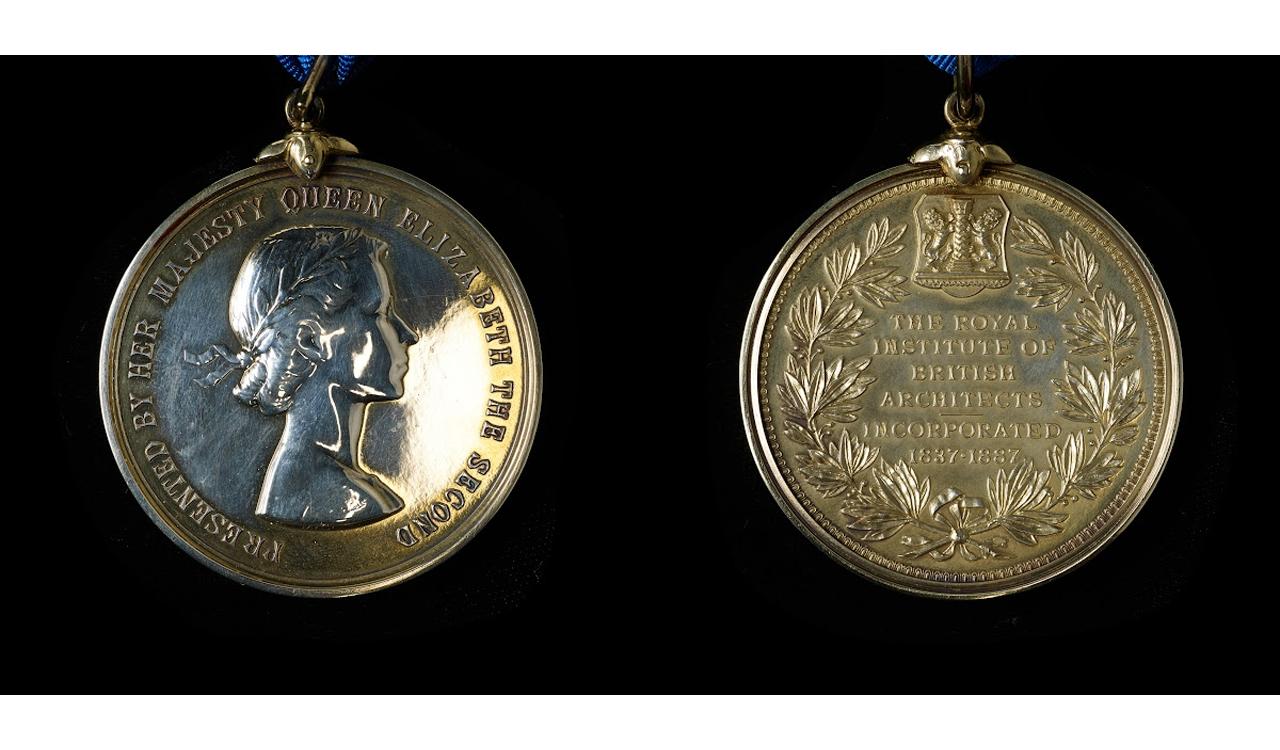
The Royal Gold Medal is recognised as a career-defining honour and is the highest distinction in the field of architecture. The Royal Institute of British Architects (RIBA) bestows it on a yearly basis. The Royal Gold Medal first came into being in 1848, which is when it first began. Its original name was the Royal Gold Medal for Architecture, and it was established to honour people who had made noteworthy contributions to the industry.
Notable architects who have made contributions to architectural theory and history are among those who have received the Royal Gold Medal. The medal honours their contributions to knowledge, scientific discoveries, and influence on architecture in addition to their tangible works.
A group of specialists, including famous architects and members of the RIBA Council, chooses the Royal Gold Medal winner. In reviewing nominations, the committee takes into account the nominees’ body of work, inventiveness, contribution to architectural theory, and influence on architectural practice and education. The chosen honoree is presented with a gold medal and feted at a ceremony and exhibition.
The Royal Gold Medal is a representation of the highest honour in architecture, and those who get one enjoy great prominence and acclaim. The honour also serves as motivation for architects all around the world, inspiring them to pursue excellence and make significant contributions to the development of architecture.
Influential architects like Frank Lloyd Wright, Le Corbusier, Louis Kahn, Norman Foster, Zaha Hadid, and Sir David Adjaye are among the notable recipients of the Royal Gold Medal.
Stirling Prize

The Royal Institute of British Architects (RIBA) honours the best building in the UK or the world each year with the renowned Stirling Prize. The Stirling Prize was established in 1996 and is named after renowned British architect Sir James Stirling. It emphasizes construction projects that are noteworthy for their inventive architectural design, uniqueness, practicality, sustainability, and advantages for the surrounding area and community.
Each year, a distinguished panel of judges made up of architects, businessmen, and critics thoroughly evaluates the proposals that make the shortlist. The judges inspect the nominated buildings and assess their architectural value, aesthetic appeal, construction quality, and user satisfaction. The winning concept is chosen after taking into account all of its design elements as well as how well it will serve society and the environment.
A significant celebration of architectural success, the Stirling Prize presentation brings together participants, industry titans, and architects. The shortlisted and winning concepts are displayed at exhibits, conferences, and media coverage after the winner is announced, expanding the dialogue about architecture and influencing future generations of architects.
The Stirling Prize has been given to a large number of architectural endeavours, including residences, public spaces, educational facilities, and cultural institutions. Some of the prominent winners include the Scottish Parliament in Edinburgh, the MAXXI Museum in Rome, the Switch House at Tate Modern in London, and the Bloomberg European Headquarters in London.
The Aga Khan Award for Architecture

The Aga Khan Award for Architecture, a distinguished international award given annually since 1977, honours architectural achievements that have had a positive influence on Muslim communities and society at large. The His Highness the Aga Khan Award honours outstanding architectural achievement and the ability of design to enhance quality of life in a variety of cultural situations. Every three years, it is awarded. The Aga Khan is the title of the hereditary Imam of Shia Ismaili Muslims.
The goal of the Aga Khan Award for Architecture is to recognize architectural endeavors that uphold the values of social inclusion, environmental sustainability, and cultural heritage preservation.
An expert jury made up of eminent architects, scholars, and professionals from various fields relating to architecture and urban planning participates in the award selection process. Based on their architectural merit, contextual significance, environmental sustainability, innovation, and positive social impact, the jury assesses the selected projects.
The Aga Khan Award for Architecture gives winners not only recognition and distinction, but also a forum for exchanging ideas and best practices in the fields of architecture and urban design. Exhibitions, publications, and seminars that include the winning concepts promote discussion and serve as inspiration for architects and designers all over the world.
The Wadi Hanifa Wetlands in Riyadh, Saudi Arabia, the Petronas Towers in Kuala Lumpur, Malaysia, and the restoration of the historic city of Mostar in Bosnia and Herzegovina have all previously won the Aga Khan Award for Architecture. These programmes show how architecture can influence communities, foster cultural identity, and build environmentally friendly spaces.
Conclusion
Architecture awards are essential for discovering and advancing the innovation of the profession and motivating upcoming generations of architects. The honours bestowed in the field of architecture are numerous, and the ones described here are just a handful. These awards are presented to great design, creative design, and sustainable practices. They include national awards like the Pritzker Architecture Prize as well as regional recognitions like the RIBA Awards. These awards honour the architects while encouraging the following generation to enter the field and change the world as the architectural scene develops.