
Aishita John

Modern Architecture emphasises functionality and simplicity. Bangalore which is frequently referred to as the Silicon Valley of India is a prominent city in the technology sector and is home to a growing number of architectural firms. Because it combines modern and traditional architectural elements to create a unique and dynamic environment this city’s architecture is crucial in defining its urban landscape and cultural identity.
Architecture Paradigm

Founded in 1996 by Manoj Ladhad, Sandeep J, and Vimal Jain, Architecture Paradigm values its people and their commitment to core principles as its greatest assets. The firm is known for its young team, whose design instincts are honed by real-world experience across diverse projects. Their design philosophy center’s on the belief that architecture can profoundly impact lives by creating environments that celebrate the human experience. They employ a collaborative approach, engaging closely with clients and consultants to develop appropriate architectural expressions.
Emphasizing the significance of landscape, they draw inspiration from both built and natural environments to enrich their designs. Architecture Paradigm is dedicated to crafting meaningful spaces that resonate with human senses, aiming to enhance the quality of life and contribute positively to society.
Headquarters- Based in India
Types of Built Projects- Residential Architecture and Educational Architecture
Locations of Built Projects- Multiple cities across India
Style of work- Most of their projects have raw structures and geometric shapes that are very Minimal yet very sophisticated and bold bringing out the raw structure.

Projects By Architecture Paradigm Here
Khosla Associates

Sandeep Khosla & Amaresh Anand
Khosla Associates is an modern architecture company started by Sandeep Khosla in 1995, mainly focusing on tropical residential design with deep respect for local materials and concepts, further redefining the same with contemporary design sensibilities. Their layouts focus on enhancing experiences, aiming to create beautiful, serene and dramatic spaces.
The firm also pays attention to global and local trends in style and lifestyle, evident in its diverse portfolio of bars, restaurants and hotels across India. The work of Khosla Associates is frequently featured in prominent architectural and interior design publications worldwide.
Headquarters- Based in Bangalore, India
Types of Built Projects- Residential Architecture, Interior Design and Educational Architecture
Locations of Built Projects- Multiple cities across India
Style of work- Most of their projects are known for their contemporary architectural style emphasising the balance between modernism and traditional Indian elements. They have integrated innovative design principles with sustainable practices that showcase deep sensitivity to the site context and cultural nuances.

Projects by Khosla Associates Here
Sponge Collaborative

One of the Co-founders and Directors at Sponge Collaborative, Manushi Ashok, specialising in panorama architecture and concrete design, a multi-disciplinary strategic planner and design firm worker at the forefront of nature-based solutions integrated with blue-green infrastructure solutions, sustainable mobility, inclusive housing, and vibrant public spaces to help build resilient cities while focusing on revolutionary solutions for urban areas.
They assist the community with strategic insights and innovative solutions to foster urban ecosystem resilience. Their projects apply to yield co-benefits across sectors, leading to enhanced community well-being and environmental sustainability.
Headquarters- Based in Bengaluru, India
Types of Built Projects- Residential Architecture and Educational Architecture
Locations of Built Projects- Multiple cities across India
Style of work- They specialise in sustainable building practices, focusing on inclusive urban design and resilient landscapes. Their work unifies different systems and connects various areas of expertise in architectural and environmental design.
Often, they create living experiences that showcase best practices in urban design and landscape architecture. Their approach emphasises collaboration and innovation across these fields.
Modern Architecture of DKA


Dutta Kannan Architects, also known as DKA, was founded in 1984 by SK Dutta. In 1999, the name was changed to DKA when the two studios—Bangalore and Kolkata—were commanded by Indraneel Dutta. They pay society back by developing spaces that enhance the quality of life and incorporate the use of local materials while also implementing eco-friendly practices. Mostly, their work aims to combine functionality with aesthetic appeal, ensuring that their work can serve the individual client and the greater community.
Headquarters- Based in Bengaluru, India
Types of Built Projects- Residential, Commercial, Institutional, Hospitality, Healthcare, Institutional.
Locations of Built Projects- Multiple cities across India and International
Style of work- DKA focuses on architectural practice that focuses on modern and innovative space planning with flavours of contemporary design and sustainable practices. They emphasise a blend of functionality and aesthetics in their projects, including residential, commercial, and institutional designs.

MINDSPACE

Mindspace Architects is a design company centred on innovation and functionality in space creation. Mr Sanjay Mohe, the great visionary architect, founded it together with Vasuki Prakash and Suryanarayanan. The company’s primary objective was to address the increasing demand for environmental sustainability while creating aesthetically pleasing spaces in urban settings.
Their finished and ongoing projects reflect their dedication to society by aiming at building usable, beautiful and green spaces that can contribute positively towards urban development as well as community well-being.
Besides meeting market requirements, the firm focuses on sustainability and community needs so that designs that not only meet people’s demands but also enhances their quality of life.
Headquarters- Based in Bengaluru, India
Types of Built Projects- Residential Architecture, Interior Design and Educational Architecture
Locations of Built Projects- Multiple cities across India
Style of work- They have added some unique design features and approaches. Most of their concentration goes toward the relation between nature and architecture, careful use of materials, and learning to create spaces that facilitate community engagement.
Their work may also include adaptive reuse of existing structures and integrating practices of green buildings, thus showing concern for sustainability and innovation in contemporary architecture.

Mathew and Ghosh Architects
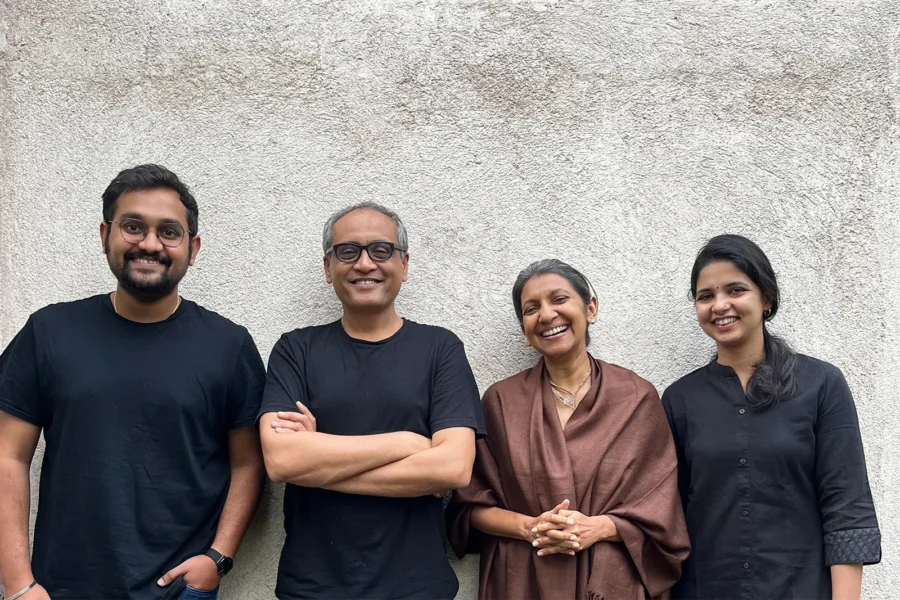
Soumitro Ghosh and Nisha Mathew were the co-founders of the firm Mathew and Ghosh Architects in 1995. With experience in textile art and architecture, Nisha Mathew brings a curatorial essence to the practice. Her recent work includes curating the India Pavilion at the London Design Biennale in 2021. Nisha has a multifaceted career that often explores spiritual themes throughout her creative journey.
Partner Soumitro Ghosh, a graduate of the School of Architecture at CEPT Ahmedabad, enhances the firm with his extensive experience, having previously collaborated with renowned figures such as Pritzker Laureate B.V Doshi.
The firm’s multilateral approach encompasses urban planning, sustainability, architecture, interiors and product design. Their diverse portfolio includes urban parks, memorials, conservation initiatives, hospitality ventures, corporate offices, and religious and residential structures. Furthermore, their design exhibitions captivate the audience with creative ways to venture into interiors, furniture, jewellery, art and installations.
Headquarters- Based in India
Types of Built Projects- Residential Architecture, Commercial Architecture and Office.
Locations of Built Projects- Multiple cities across India
Style of work- Their work encompasses residential architecture, characterized by contemporary design amalgamated with local materials and focusing on the Indian climate.
Sustainability, functionality, and the relationship between architecture and the surroundings are commonly highlighted as key aspects of their design approach. The architecture firm also takes up commercial projects, seeking to blend modern aesthetics with practical needs.

Projects are done by Mathew and Gosh Architects Here
The Purple INK Studio

Aditi Pai and Akshay Heranjal with Nishita Bhatia and Arpita Pai.
The founders of The Purple Ink Studio are Aditi Pai and Akshay Heranjal. They started the studio in 2011 in Bengaluru, India, along with Nishita Bhatia and Arpita Pai. The firm started with a modest beginning and aimed to shift design perceptions by creating free-spirited architecture. They sought to explore art in various forms and used the stories and lessons in art as inspiration for their designs.
The studio was established with the vision of transforming architectural and design practices. The founders aimed to foster a collaborative environment that embraces independent thought processes, turning their team into a proficient culture of collective artistic achievement. They believe in the power of a diverse skill set and the creative potential that arises from collaboration, which they refer to as the “power of the Pack.”
The Purple Ink Studio contributes to society by creating architectural designs that reflect a deep understanding of art and community needs. By advocating for innovative and thoughtful design, they engage in diverse collaborations that extend beyond architecture, addressing social and environmental challenges. Their projects are designed to enhance people’s experiences and foster connections within communities, promoting a sense of belonging and well-being.
Headquarters- Based in Bengaluru, India
Types of Built Projects- Residential Projects, Commercial Spaces, Educational Institutions, Community Spaces, Recreational and Clubhouses, Cultural Facilities and Landscapes Projects.
Locations of Built Projects- Various regions across India
Style of work- They have combined innovative design with a collaborative spirit, encouraging independent thought within a creative team. A free-spirited approach pushes architectural boundaries while focusing on context and local culture.
By fostering community engagement, they enhance residents’ quality of life through thoughtful, functional spaces.
Their unique blend of creativity, context, and eco-consciousness positions.
Cadence

Smaran Mallesh, Narendra Pirgal and Vikram Rajasekaran
The company Cadence, based in Bengaluru, India, was founded by the architects Siddharth Shukla and Abhinav Raghunathan. The firm targets to foster an experience of connection between the constructed environment and its occupants, promoting sustainability and enhancing the best of lifestyles inside the areas they create. Through prioritizing personal revel, Cadence contributes positively to society by addressing diverse architectural challenges and offering aesthetically captivating and functional layout answers.
Headquarters- Based in India
Types of Built Projects- Residential Architecture, Commercial Architecture and Office.
Locations of Built Projects- Multiple cities across India
Style of work- Their designs are functional and aesthetic, modern in roots with an overlay of local culture. This incorporates principles of sustainable and responsive design in every project to make it easy to interact between the interior and exterior spaces.
Cadence believes in engaging clients through the design process to foster collaboration; at the very end, results should always reflect the vision and lifestyle needs of the client.
They afford diversified portfolios for unique residential homes and cultured community spaces that define the quality and innovation expected in architecture.

Projects are done by Cadence Here
Biome Environmental Solutions
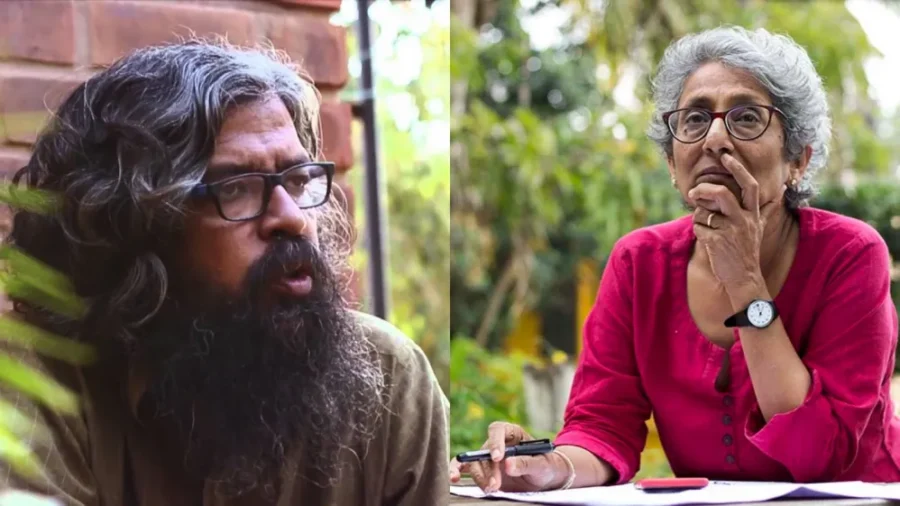
Chitra Vishwanath and Vishwanath s
The founders of Biome Environmental Solutions are Chitra Vishwanath and Vishwanath S. A multidisciplinary firm working on ecological architecture and intelligent water and sanitation designs since its inception in 1990. In their work, they strive to showcase their ecological design practices that can be mainstream and relevant in various contexts, including geography, typology and scale, balanced by the client’s aspirations for aesthetics, functionality and budget.
Headquarters- Based in India
Types of Built Projects- Residential Architecture, Commercial Architecture, Educational Facilities and Eco-lodges and Sustainable Tourism
Locations of Built Projects- Multiple cities across India
Style of work- They have a holistic, sustainable design, attempting to harmonise architecture with the natural environment, from environmentally friendly residential designs and community buildings to innovative, eco-lodges with highly energy-efficient and low- ecologically-impact constructions.
The participation of the client in each project is featured in the whole design process to reflect the requirements and values of the occupant.
Biome works on natural materials and bioclimatic architecture intending to strive for the quality of life while conserving it. They create functional and inspiring spaces that allow for links between people and nature through reflective design.

Projects are done by Biome Environmental Solutions Here
Funktion Design Studio

The founder of Funktion Design is Madhusudhan Sridhar. The firm was established to create innovative architectural solutions that cater to various scales and sectors. They strive to help society by focusing on sustainable design practices, enhancing community spaces, and improving the quality of life through thoughtful architecture. Their projects often emphasise functionality and the importance of the built environment in shaping human experiences.
Headquarters- Based in India
Types of Built Projects- Residential Architecture, Commercial Architecture and Institutional
Locations of Built Projects- Multiple cities across India
Style of work- The company places a strong emphasis on environmentally conscious design, skilfully fusing eco-friendly procedures and materials to encourage environmental stewardship.
Their work includes both adaptive reuse and modern architecture, with a focus on user experience and respect for ecological and cultural settings. Funktion Design seeks to enrich the built environment and make it more responsive to the demands of its residents by concentrating on designing spaces that promote community participation and increase quality of life.

Projects are done by Funktion Design Here
Morphogenesis

Manit Rastogi and Sonali Rastogi.
One of India’s leading architectural and urban design firms, Morphogenesis was founded by Manit Rastogi and Sonali Rastogi. It’s a practice founded on the principle of creating culturally relevant and sustainable spaces that can ensure improved well-being for communities. Designs include eco-friendly practices geared at reducing ecological footprints while integrating and making provisions for the local traditions and identities expressed.
Morphogenesis contributes to urban development by enabling public spaces to be functional and accessible. They further raise awareness of sustainable lifestyles and responsible architecture through education and community outreach. Ultimately, the goal of Morphogenesis is to positively impact society by fostering environments that support social interaction, economic growth, and environmental stewardship.
Headquarters- Based in India
Types of Built Projects- Residential Architecture, Educational Architecture, Offices, Hospitality, Institutional, Landscapes, Interiors and Commerical.
Locations of Built Projects- Multiple cities across India
Style of work- They have an integrated approach to architectural design, with the core of sustainable development and innovation.
Their design philosophy couples environmental context, cultural narratives, and state-of-the-art technology to provide function and aesthetics in every project. In their pursuit of adaptive reuse and smart urban design, Morphogenesis looks at spaces that would foster community interaction. Collaborative practice lets a multidisciplinary team rise to urban planning and complex architectural challenges. This involves unique solutions in sensitivity to their contexts, satisfaction of clients’ needs, improved built environment, and respect for ecological limits.

Projects are done by Morphogenesis HERE
Crest Architects

Ar. Vishwas Venkat and Ar. Vikas M V.
The founders of Crest Architects are Ar. Vishwas Venkat and Ar. Vikas M V. primarily based in Bangalore, Crest Architects is a multidisciplinary structure and interior layout company. Their challenge is to redefine residential, institutional, commercial, and hospitality design by providing custom-designed indoor spaces and landscape designs. The agency specializes in new and progressive architectural solutions that meet the precise needs of every patron. Their design philosophy emphasizes a harmonious combo of shape and characteristic, ensuring that initiatives are not only visually attractive but additionally contextually suitable and environmentally responsive.
Headquarters- Based in India
Types of Built Projects- Residential Architecture, Educational Architecture, Offices, Hospitality, Institutional, Landscapes, Interiors and Commerical.
Locations of Built Projects- Multiple cities across India
Style of work-

Projects are done by Crest Architects HERE
BetweenSpaces

Divya Ethirajan and Pramoad Jaiswall
BetweenSpaces was founded by Divya Ethirajan and Pramoad Jaiswall in 2010, an architectural and interior design firm. The firm is an innovative architectural firm renowned for seamlessly blending functionality with aesthetic appeal. Founded on the principle of creating harmonious environments that transcend spatial boundaries. They have established itself as a leader in contemporary architectural design, with a portfolio spanning residential, commercial, and cultural projects, the firm’s commitment to sustainability and client collaboration ensures each design is tailored to enrich the human experience. Through meticulous attention to detail and a passion for creative exploration, Betweenspaces continues to redefine architectural excellence.
Headquarters- Based in India
Types of Built Projects- Residential Architecture, Commercial Architecture and Institutional
Locations of Built Projects- Multiple cities across India
Style of work- Betweenspaces is considered to be one of the top architecture firms, well recognized for its modern stylishness and unique design methods but also depends on creating smooth in-between spaces that majorly pay attention to both usability and beauty. The firm incorporates eco-friendly practices as well as working together with its clients throughout all projects. The spaces designed by them promote natural light entry and give a chance for movement thus creating a positive impact on user performance. It includes houses, shops and public edifices showing that it makes long-lasting harmonious designs which not only elicit customer satisfaction but also make the world a better place.
Grey Scale Design Studio

Rishika Gupta
Grey Scale Studio, founded by Rishika Gupta in Bangalore, is celebrated for its minimalist, functional design approach. Gupta’s vision merges modern aesthetics with local traditions, creating spaces that are both beautiful and practical. The studio addresses urban needs with a focus on environmental sustainability and cultural preservation, using local materials and craftsmanship. Through context-driven architecture, Grey Scale Studio strengthens the bond between people and their environment, fostering vibrant, resilient communities while positively impacting the city’s heritage and future.
Headquarters- Based in India
Types of Built Projects- Residential Architecture, Commercial Architecture and Institutional
Locations of Built Projects- Multiple cities across India
Style of work- They have a minimalist approach, integrating nature and innovative materials to craft serene and functional spaces. They excel in spatial efficiency, maximizing usability through thoughtful layout planning. Emphasizing contemporary aesthetics, their designs blend elegance with modern functionality, catering to diverse client needs. Each project reflects a commitment to quality and creativity, creating environments that are visually captivating and harmoniously integrated with their surroundings.

Projects are done by Grey Scale Design Studio Here
Earthitects

The founder of Earthitects is George Ramapuram, leading a well-established company based in Bangalore, India. Their goal is to create spaces that harmonize with nature, grounded in the values of the land. Instead of building “on” nature, they believe the best approach is to build “around” it. Their guiding principle is ecologically sensible design and the careful selection of materials that allow Mother Nature to “Age Gracefully.”
Headquarters- Based in India
Types of Built Projects- Residential Architecture, Commercial Architecture and Institutional
Locations of Built Projects- Multiple cities across India
Style of work- They have an architectural approach that is sustainable and earth-friendly. They are known for their designs that are environmentally concscious and blend with one’s surroundings through incorporating passive design strategies, and use of natural materials from the area.
Thes designs highlight vernacular architecture principles by embracing the local cultures and traditions although they they incorporate modernity into them. Architects put much emphasis on energy efficiency and sustainable buildings such that it is mot only beautiful but also emphasis on energy efficiency and sustainable buildings such that it is not only beautiful but also beneficial to the environment. This wholistic approach to design, thus improving both the built environment and enhances quality of life for occupants through careful innovative architectural practices.
1Leapingfrog Studio

1leapingfrog studio was founded by architects Bhyrav B.R and Aatira L. Zacharias. They strive to elevate the level of their work, treating it with respect, and ensuring that the space given to creativity allows ideas to amplify something much greater than themselves. Every project they undertake is infused with a unified awareness—poetry, music, food, movies, art, travel, love, loss, memories, friendships, and life. These elements are what inspire them, particularly during the moments of turmoil that every designer experiences, regardless of age.
Headquarters- Based in India
Types of Built Projects- Residential Architecture, Commercial Architecture and Institutional
Locations of Built Projects- Multiple cities across India
Style of work-

Projects are done by 1leapingfrog Studio Here
Studio ma+rs

Ar. Anisha Menon & Ar. Sabyasachi Routray
Studio ma+rs is an interior and architecture design studio based in Bangalore, India. The company was established by Ar. Anisha Menon and Ar. Sabyasachi Routray who are focused on relevant design which is not merely about form but more about why and how the project is formed. Process plays an important part in their design.
Headquarters- Based in India
Types of Built Projects- Residential Architecture, Commercial Architecture and Institutional
Locations of Built Projects- Multiple cities across India
Style of work
Design Boulevard

The Design Boulevard Design Boulevard was established by Muzamil Hasham in the year 2012. He is committed to transforming urban environments with innovative and sustainable architectural solutions. With a deep dedication to societal well-being, the firm seamlessly blends functionality and aesthetic appeal in its projects. He envisions creating spaces that fulfil practical needs while enhancing community life and promoting environmental balance. His passion for architecture fuels a mission to humanise urban landscapes, encouraging inclusivity and cultural integration through intentional design. Design Boulevard’s impact goes beyond buildings, striving to create a positive, enduring influence on the communities they serve.
Headquarters- Based in India
Types of Built Projects- Residential Architecture, Commercial Architecture and Institutional
Locations of Built Projects- Multiple cities across India
Style of work-
RC Architecture

Established in 1996 by as Rapid Corporation in Bangalore, the firm experienced steady growth in both its client base and team strength, leading to its registration as a Private Limited Company in 2001 under the name R.C. Architecture Pvt. Ltd. RCA is the result of a collaborative effort by a team of over 40 designers and engineers, whose enthusiasm and creativity have driven the firm’s successes.
- Vijay Dsouza. Founder at RC Architecture.