
Tag: colorfularchitecture

  • Color Therapy: Is it Important in Architectural Spaces

    Color Therapy: Is it Important in Architectural Spaces

    When we think of color in terms of home design, we frequently focus on how the colors appear rather than how they make us feel.

    The study of colors as a factor in influencing behavior is known as color psychology. For his investigations into the characteristics and significance of colors in our life, Carl Jung has been recognized as one of the pioneers in this field. According to a remark from Jung, “colors are the subconscious’ native tongue.”
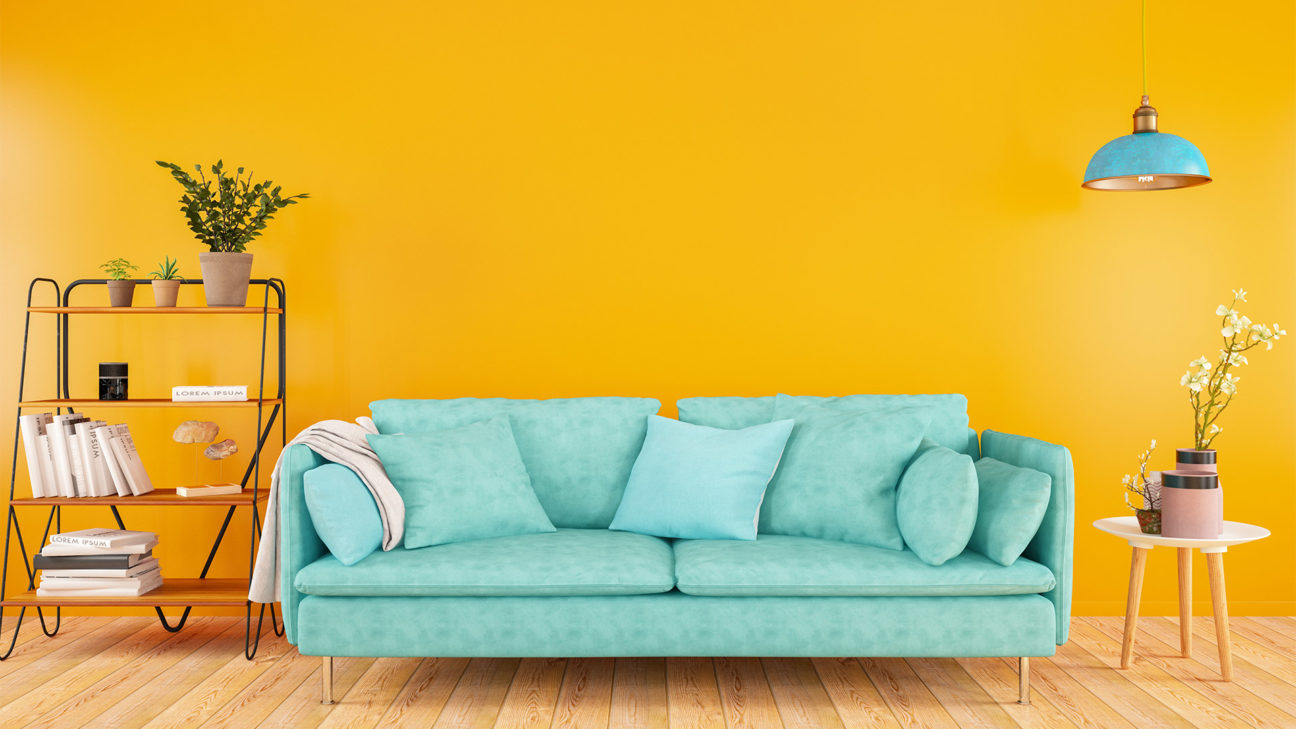
    Usage of serene colors to lighten up a living room
    Usage of serene colors to lighten up a living room

    What makes color therapy so crucial?

    In addition to these advantages, color therapy can raise consciousness and assist people in realizing the importance of incorporating particular colors into their daily lives. Additionally, it can support a body’s natural healing process, promoting general health. People’s emotions can be affected by the characteristics of colors.

    The majority of people today view color therapy as a supplemental or alternative medicine treatment. 

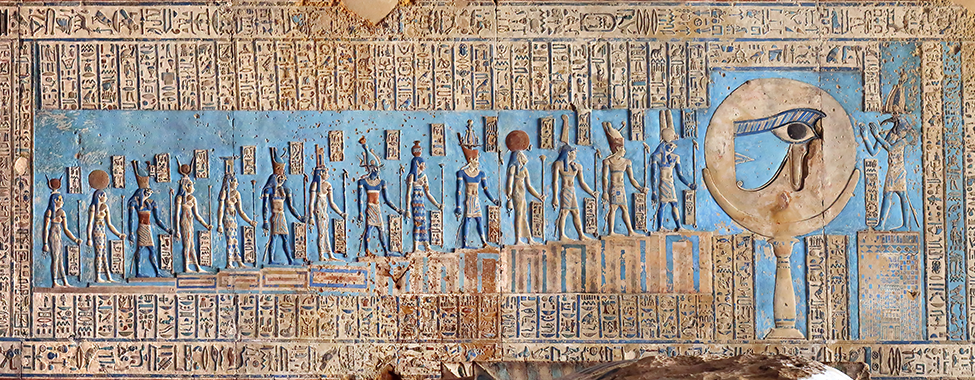
    Chromotherapy, commonly referred to as color therapy, is a type of therapy that makes use of light and color to address particular mental and physical health issues. This type of therapy dates back to the time of the ancient Egyptians. They used colored glasses and sunlit rooms for therapeutic purposes.
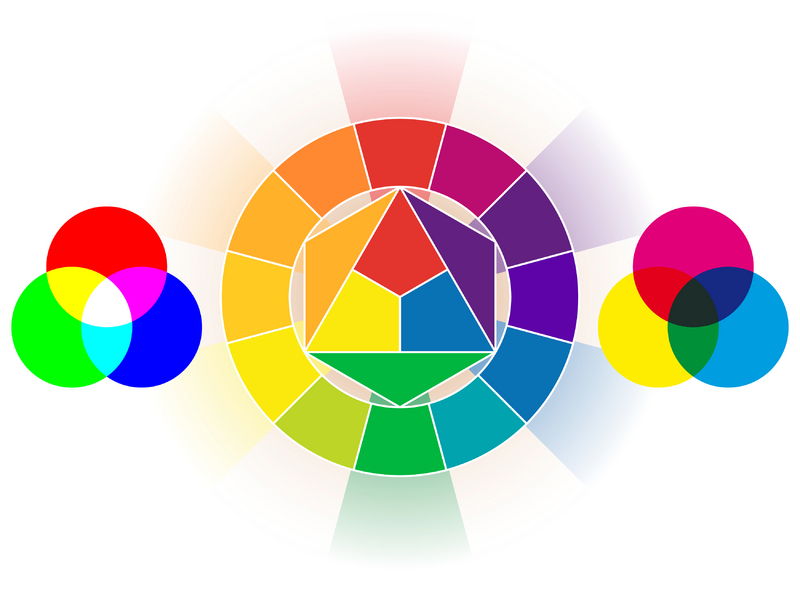
    Color in different moderations and shades can lead to mesmerizing spaces
    Color in different moderations and shades can lead to mesmerizing spaces

    Chromotherapy is a form of medicine that uses wavelengths in the visible spectrum (colors we can see) to treat various illnesses. It was developed from traditional color-based therapies.

    Unobvious sensations, like the flavor of food, are influenced by color. People’s emotions can be affected by the characteristics of colors.

    Chromotherapy is employed in spas and wellness facilities in today’s much more advanced period. Light therapy and Aromatherapy, a brand-new and developing wellness discipline, are both used as therapies. Different colors target various body regions and provide various effects. If they wish to unwind or feel tranquil, sauna users can select blue light. If they wish to detox, they can select pink light.

    Three fundamental qualities can be used to distinguish and categorize colors:

    1. A color’s name is hue.
    2. Value/Tone refers to the hue’s degree of lightness or darkness (how much white or black is present). High values are brighter and are referred to as tints, whilst low values are darker and are referred to as shades.
    3. Color vividness (from light to intense) is measured by chroma/saturation. High chroma is more vivid than low chroma, which seems washed out. In other words, this is how saturation changes when it approaches or moves away from grayscale values.
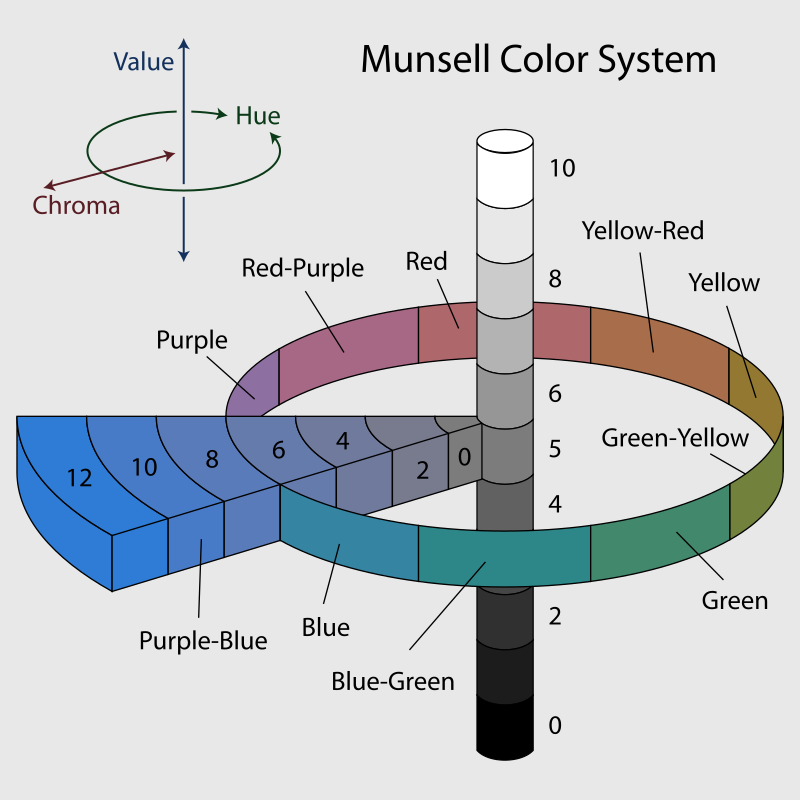
    The Munsell Color System
    The Munsell Color System

    According to color therapists, color can enter our bodies through either our skin or eyes. Each visible hue has a certain wavelength and frequency. Every distinct frequency affects people differently and serves various functions. Typically, warm hues are employed for energizing effects while cold hues are used for soothing ones.

    You may either do it visually, by gazing at a given color and hoping that your body will react as you want it to, or you can do it physically by reflecting certain colors onto certain regions of your body in an effort to treat a specific condition.

    Despite significant growth in popularity over the years, color therapy is still not a widely used therapy in Western medicine. It is viewed as being quite experimental by many medical professionals.

    You can make your living place happier and more contented by applying color therapy to home décor. Since colors are proven to affect our mood, using them effectively in the house is crucial. Each color has a unique frequency and vibration that can help your home feel good and set the proper atmosphere.
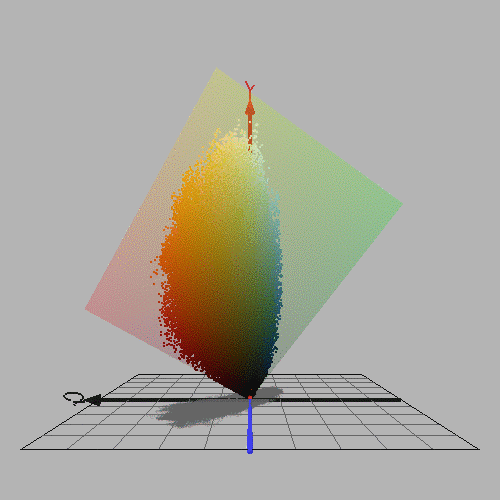
    RCB

    The colors R.C.B. plotted in YCbCr color space in the program ColourSpace by Philippe Colantoni.

    Colors and Vaastu go hand in hand. If you want to paint the walls purple, stick to light shades like lavender or light violet and only use this hue in the east, west, and southeast corners of the room. For a calming and comfortable night’s sleep, choose purple or violet colors in your bedroom. Pink is another fire color used in feng shui.

    A Synopsis of Color Therapy’s History

    It is no secret that the sun and its light source, or lack thereof, may have a significant impact on us. Some nations started experimenting with color and its therapeutic properties thousands of years ago. 
    Color Therapy: Is it Important in Architectural Spaces In addition to these advantages, color therapy can raise consciousness and assist people in realizing the importance of incorporating particular colors into their daily lives. Additionally, it can support a body's natural healing process, promoting general health. People's emotions can be affected by the characteristics of colors.

    The therapeutic properties of light and color were understood by ancient societies all throughout the world, beginning with the Egyptians. 

    Color therapy and healing are well recognized in Egypt, Greece, and China. Several instances include:

    1. Changing the hue of space with the hopes of curing a given ailment.

    using natural colors in their environment (blue from skies, green with grass, etc.)

    1. Crystals were used in the healing rooms to diffuse the sunlight.
    2. As far back as 2000 years ago, there is evidence of attempts to use color therapy for healing. Johann Wolfgang Goethe, who researched the physiological effects of color, wrote several books about it as it grew in popularity over the years. However, as we just discussed, a lot of people are wary of the use of color and light in treatment or healing.

    What is Art Therapy?

    A distinct but connected area of applied psychology is art therapy. It derives from psychoanalytic views from the 1970s, which contended that some of our feelings and experiences can only be communicated through pictures and colors.

    Color therapy types

    Different colors are said to be able to treat various illnesses in color therapy. According to color therapists, your physical state may be caused by a lack of a particular color. The most popular hues used in color therapy are listed here, along with suggestions for how to use each one.

    Red
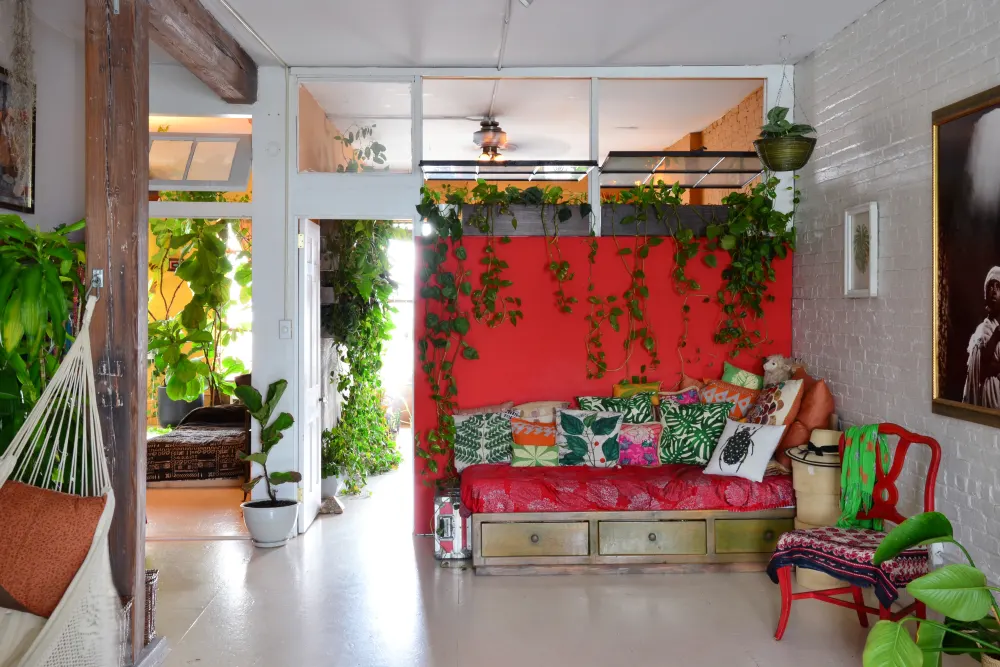
    Red as a Color therapy space
    Red as a Color therapy space

    Red can excite or revitalize someone who may be feeling down or worn out. Red is used cautiously in color therapy, since it can potentially agitate those who are already agitated. The fire element is symbolized by the color red in Feng Shui. Red may be overpowering when used excessively in home decor.

    Red can be combined with paler hues of other colors to create a harmonious effect.

    Blue
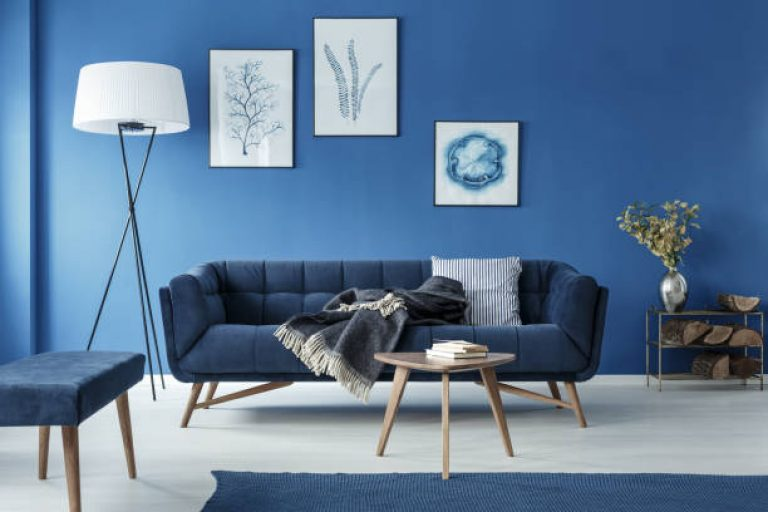
    Blue as a Color therapy space
    Blue as a Color therapy space

    Blue is a chromatherapy color used to relieve pain and sadness. Darker blue hues are thought to have sedative effects as well, making them beneficial for those who struggle with insomnia or other sleeping disorders. When trying to create a relaxing atmosphere, blues are a fantastic choice. Most rooms look best in blue, notably the kids’ room and the study. Bathrooms can also benefit from the usage of blue tones.

    Furthermore, reliable research indicates that blue light during the day can enhance:

    • alertness
    • attentiveness, 
    • Response,
    • and general attitude

    Blue light, however, can injure humans at night because it interferes with our circadian cycles or biological clocks. This is due to the hormone melatonin, which promotes sleep in our bodies, being suppressed by it.

    Green
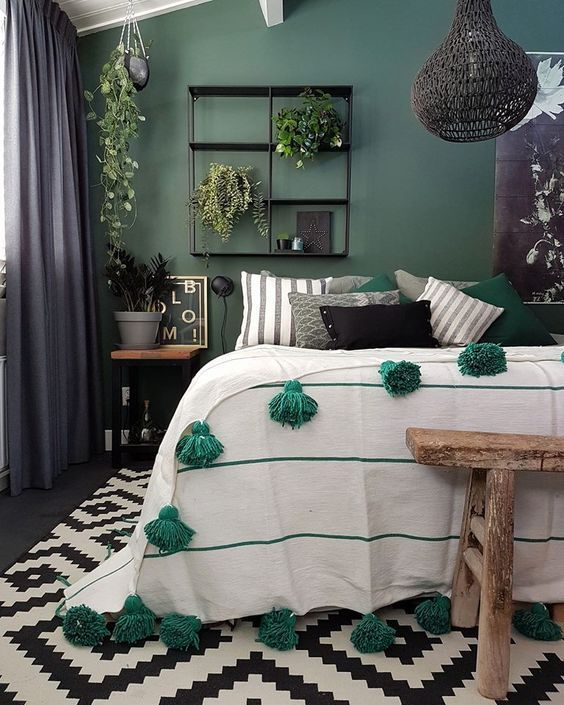
    Green as a Color therapy space
    Green as a Color therapy space

    Aromatherapists claim that because green is the color of nature, it may calm and soothe a person. The color green can lift your spirits. Shades of green can be used in your home’s décor in a variety of ways, from walls to furnishings. Including green in your home’s decor can give it an earthy, grounded sense.

    Yellow
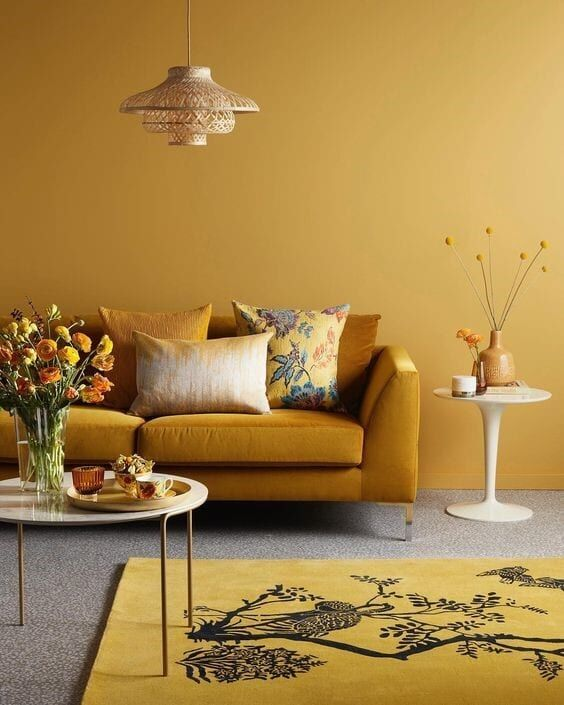
    Yellow as a Color therapy space
    Yellow as a Color therapy space 

    Yellow can uplift your spirits and make you feel joyful and hopeful. Yellow is the greatest color to use in your home if you want to make it more cheerful. You can use this color for the exterior of your property. Traditional-style homes look best with this incredibly versatile color.

    Use softer yellow hues in bathrooms and bedrooms to create a cozier atmosphere. If you have children at home, you can combine various yellow and white tones on pillows and wallpaper.

    Orange 
    Color Therapy: Is it Important in Architectural Spaces In addition to these advantages, color therapy can raise consciousness and assist people in realizing the importance of incorporating particular colors into their daily lives. Additionally, it can support a body's natural healing process, promoting general health. People's emotions can be affected by the characteristics of colors.
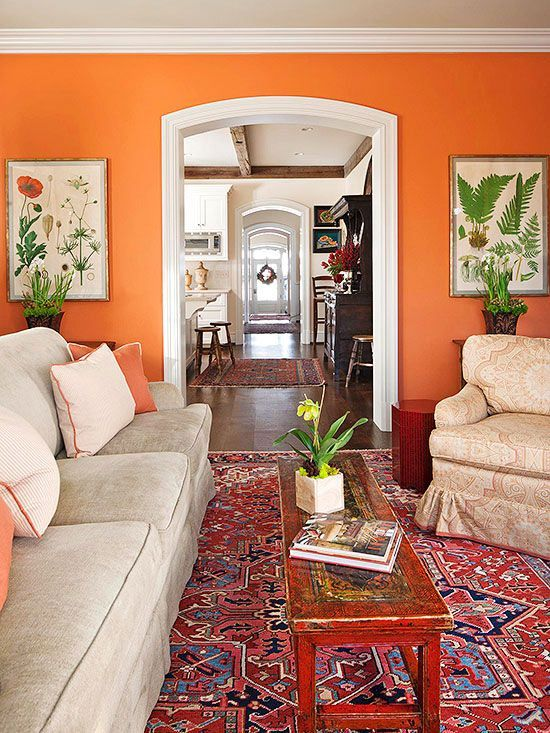
    Orange as a Color therapy space 

    Like yellow, orange may be utilized to make people feel joyful. It is also believed that the vibrant, pleasant color might increase hunger and mental activity. Orange fosters friendliness and extroversion while also inspiring creativity. Children’s play spaces, art studios, and gyms are the greatest places to use this color. Orange is a common color option for kids’ rooms since it boosts productivity and keeps kids happy and upbeat. 

    Indigo 
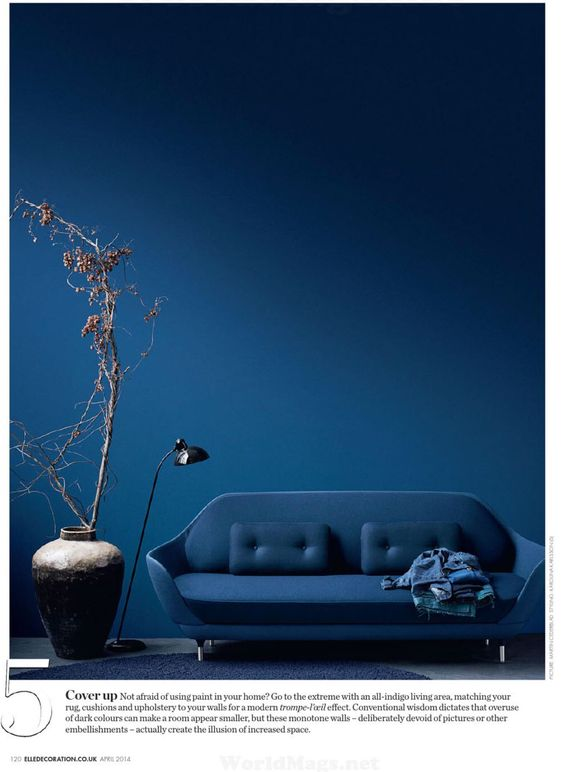
    Indigo as a Color therapy space
    Indigo as a Color therapy space

    The hue indigo has an impact on our sleep patterns, mental clarity, wisdom, self-esteem, and intuition.

    Violet colour
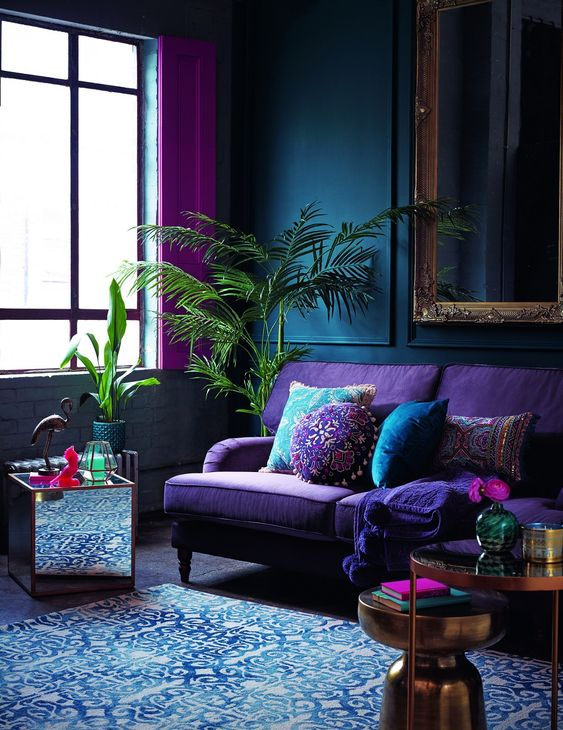
    Violet as a Color therapy space
    Violet as a Color therapy space

    The Crown Chakra, which is situated at the top of the head, is connected to it. Clarity, dreams, spirituality, sleep patterns, dreams, the pineal gland, and light sensitivity are all connected to it.

    The warmth of the surroundings may also affect color preference. People who are overheated choose cool colors like blue and green, whereas those who are chilly frequently choose warm hues like red or yellow. Additionally, it has been discovered that introverts are more drawn to cool colors whereas extroverts choose warmer hues.

    Here are some ideas to help you better see and plan your space:

    • Space might appear larger or smaller depending on the color used.
    • Using too much red in your home decor might lead to stress and behavioral problems.
    • Blue can cause cough, colds, and other comparable illnesses when used excessively.
    • Need healing and color therapy? Use various green hues.
    • People with behavioral concerns should wear yellow.
    • Violet is fantastic for enhancing your decision-making and creativity.

    Usage Of Blue Light In Japan’s Railways to lessen suicide rates:

    A scientific study that would later inspire millions of viral news stories and social media posts was published in 2013. The idea was incredible—blue lamps at train stations would deter suicides there. And researchers could even demonstrate an 84 percent decrease in suicides.

    A growing number of railroad companies are installing blue-light emitting equipment at stations to deter people from attempting suicide by jumping in front of trains since it is believed that blue streetlights can help prevent suicides and street crime.

    Nudge strategies are methods of behavior modification that, despite appearing minor, can have surprisingly significant effects. The hypothesis was that blue light could influence people’s moods. This idea was supported by a 2017 study that found that lying in a room filled with blue light helped persons who had undergone psychological stress return to a state of relaxation more quickly.
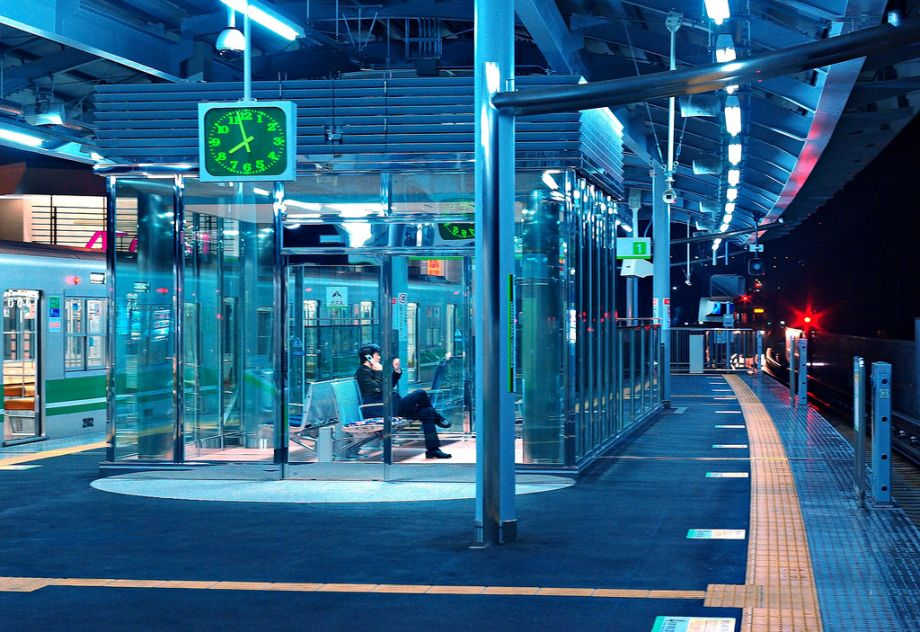
    Usage Of Blue Light In Japan’s Railways to lessen suicide rates
    Usage Of Blue Light In Japan’s Railways to lessen suicide rates

    There are at least two examples of blue light installations from Britain throughout the world. One is at a train crossing in Scotland, and the other is at the Gatwick airport train station.

    In an effort to enhance the city’s ambiance, Glasgow, Scotland, installed blue streetlights in 2000. Following that, there were considerably fewer crimes in the blue-lit zones.

    In 2005, the Nara, Japan, prefectural police installed blue lamps throughout the prefecture and discovered that the frequency of crimes fell by roughly 9% in those areas.

    Who Benefits from Color Therapy?

    It has reportedly been shown to aid in a variety of areas, including “positively affect academic performance” and “aggressive/hostile behavior.” Additionally, it might lessen the signs of learning difficulties including dyslexia and attention deficit hyperactivity disorder (ADHD). It mentions that it might even benefit medical conditions like epilepsy, sleeplessness, migraines, and eyesight problems.

    The Advantages of Color Therapy

    Color therapy has been shown to provide a number of advantages over the years, from mental to physical. The following are a few advantages of color therapy:

    1. Stress reduction: People who are tense or anxious may find that certain hues, such as blue and green, are calming.
    2. Increase your appetite: When you struggle to feel the want to eat, warm and energizing colors may increase your appetite.
    3. Reduce the symptoms of seasonal affective disorder: The shorter days and lack of sunlight during the colder months make people more susceptible to seasonal affective disorder. Warm hues like yellow and orange could lessen the symptoms of this disease.
    4. It has been demonstrated that colors like red and yellow can increase your energy and motivation.

    Conclusion

    This therapy has been studied to treat various physical and mental health issues, including seasonal affective disorder (S.A.D.), age-related cognitive decline, depression, and hypertension, among others.

    However, chromotherapy has been referred to as pseudoscience by many in the medical community who think it has a solid scientific foundation. While some colors have been proven to be healthy for people, some sources contend that the precise description of which wavelengths are healthy and how these advantages manifest themselves is not clear enough to be applied in a medical environment.

  • Colourful Urban Architecture: 15 Global Cities in Vibrant Colours

    Colourful Urban Architecture: 15 Global Cities in Vibrant Colours

    Cities have decorated their constructed environments with eye-catching and fascinating colourful schemes throughout human history. Colours have risen in the urban environment to combat environmental factors such as heat and sun gain, as well as to build what has now become a tradition. These cities have drawn the attention of visitors as well as architects and urban planners who have been charmed by the vibrant streetscape that greets them.

    When we think about cities, colour selection isn’t the first thing that comes to mind. In fact, we hardly observe architecture in today’s fast-paced world. In the concrete metropolises we’ve been accustomed to, few buildings and structures stand out. Cities, on the other hand, do not have to be associated with grey. Chefchaouen is difficult to conceive as a rainbow metropolis or as a completely blue town. Around the world, there are a plethora of vibrant cities waiting to be discovered.

    Let your imagination wander to the vivid locales of far-off places if the grey of mid-winter gets you feeling a little down. A vivid photo can spark wanderlust like nothing else, and some of the world’s most attractive towns are bathed in sage, lavender, blue, and other vibrant hues. The colours of a place may leave a lasting impression on our travel experiences, whether it’s a street with every hue of the rainbow or an entire town done out in monochrome blues or pinks. It also makes your trip photos the envy of all your pals, thanks to Instagram.

    I have compiled a list of the most vibrant cities around the globe, with a focus on lesser-known gems. Sure, there are a few obvious choices on this list, but there are plenty of sherbet-coloured towns that will hopefully inspire and leave you yearning for more.

    Cities of Colour

    Mehrangarh Fort
    Photo by Curbed.com

    Jodhpur, India, is a meandering maze of blue-box dwellings, all nestled beneath the majestic Mehrangarh fort. The indigo hue stands out against the bordering desert and is especially beautiful at night.

    To distinguish themselves from the rest of the community, the priestly caste of Jodhpur, India, painted their homes blue generations ago. It wasn’t long until the remainder of the old city, Brahmins and non-Brahmins alike, followed suit and painted their houses blue. Despite the fact that the city has grown well beyond its original boundaries, its core is almost exclusively indigo.

    Colorful architecture
     Photo by TheCoolist

    Today, if you ask a few people in the neighbourhood about the colour decision, you’ll get a lot of different responses. Some think the blue keeps their dwellings cool in the blazing Indian sun, while others claim it fights off bugs. The effect is stunning, regardless of the cause. Travellers visiting Jodhpur may see one of the world’s most colourful cities, with each brick, beam, and wall coloured in this cool, soothing style.

    Jaipur, India

    Hawa Mahal
    Hawa Mahal

    While many towns have been painted blue, Jaipur in Rajasthan, India, is one of the few places on the planet where the prevailing colour is pink. According to legend, in 1876, King Sawai Ram Singh had the city painted pink to prepare for the visit of Prince Albert and Queen Victoria to India. Since then, the entire city has remained terra-cotta pink, much to the joy of Instagram-obsessed tourists.


    Panjim, Goa, India

    FountainHas
    FountainHas on OutlookIndia

    The significance of Portuguese culture can be found in Goa’s culture, gastronomy, and architecture. Portuguese architecture was distinguished by its use of immaculate white buildings or the use of white to highlight openings on colourful façade. Many of the buildings in Panjim are coloured in vivid colours, including blue, green, yellow, orange, and red, with white frames surrounding their doors and windows.

    FountainHas is a well-known street in the city with a row of brightly coloured structures sequentially placed. The colourful variety of the many structures reflects the Goan culture’s unconventional, joyful, and free spirit.


    Cultural Village, Busan, South Korea

    Gamcheon Culture Village
    Gamcheon Culture Village by lonelyplanet

    Gamcheon Culture Village, in the Korean seaside city of Busan, is the perfect blend pretty and chaos. The former slum is a hodgepodge of pastel-coloured dwellings nestled into the side of the mountain.

    After an artistic makeover in 2009, when students chose to light up the neighbourhood with ingenious touches up the stairs, down the lanes, and around the corners, this historically rich mountainous slum became a tourist destination. It’s now a vibrant, eccentric town of Lego-shaped residences, cafes, and galleries, perfect for a walk and a few selfies.


    Yazoo City, Mississippi


    A small town in Mississippi, Yazoo City, is as distinct as its title implies. Even though it is only 10 square miles in size, it has enough to offer to make a visit worthwhile. With a name like Yazoo City, pull over simply to look at the name, which is derived from a local river. Yazoo City is a flourishing community in Yazoo County, Mississippi, despite a terrible fire in the early 1900s and a catastrophic flood in 1927.


    La Boca, Buenos Aires, Argentina

    La Boca is well-known for its distinctive multicoloured wooden houses. The neighbourhood is actually home to artist colonies that perform on the streets. It is most renowned for its tango dance performances. El Caminito, or “the little walkway,” is a hub where tourists from all over the world can come to enjoy the street shows, buy trinkets and souvenirs, or just take in the scenery and admire the shanty houses.


    Oia, Greece

    Colourful Urban Architecture: 15 Global Cities in Vibrant Colours Cities have decorated their constructed environments with eye-catching and fascinating colourful schemes throughout human history. Colours have risen in the urban environment to combat environmental factors such as heat and sun gain, as well as to build what has now become a tradition. These cities have drawn the attention of visitors as well as architects and urban planners who have been charmed by the vibrant streetscape that greets them.
    Photo by curbed.com

    Every day at dusk, the small settlement that looks to be carved into the edge of a crater and totally painted in white glistens and dazzles. Old houses were all painted white, mostly to reflect sunshine and keep interiors from becoming too heated.

    The village includes tight corridors, alleyways, and steps with white walls and blue window and door shutters, which add to the village’s attractiveness and complement the surrounding hills and ocean. This picturesque village, located just a few kilometres from Santorini, is a famous tourist destination where visitors come to marvel at the island’s pristine and breathtaking landscapes.

    San Francisco, USA

    San Francisco
    Photo by TheCoolist

    San Francisco, despite its reputation as America’s most culturally progressive city, is home to a spectrum of colours. The variegated paint style that changes from door to door reflects the vivid architectural individuality of this closely packed peninsula metropolis. The Painted Ladies, a row of houses in San Francisco’s Lower Haight district, are one of the city’s best-known works of art, although vibrant colours can be spotted all throughout the city.

    Tokyo, Japan

    The aesthetic of Japan’s capital is quite distinct. This colour scheme incorporates the bright neon of Tokyo’s advertising as well as other vibrant hues. It’s difficult to imagine a city with more colour than Tokyo, and this palette captures that vibrancy against the city’s famous inky night sky.

    Tokyo is among the world’s busiest and most colourful cities, with a population of over 9 million. Countless of neon signs and an atmosphere that never sleeps can be found in areas like Kabukicho, a famed entertainment and bright district.


    Old San Juan, Puerto Rico

    Old San Juan
    Photo by TheCoolist

    If colour were an addiction, addicts would have long since fled to Old San Juan. Old San Juan, Puerto Rico, is a vibrant kaleidoscope of colour in every aspect, a city with a culturally rich legacy shared by the Taino natives and European explorer descendants.

    The architecture in Old San Juan varies from one step to another, with some being warm and primary and others being bright and pastel. The blue bricks that pave the alleys of this UNESCO World Heritage Site were transported over from Spain piece by piece during the 16th century. Its people are as colourful, diverse, and lovely as the colours that adorn its streets, and their welcome is something that everyone should experience.


    Chefchaouen, Morocco

    Chefchaoen’s environment is reminiscent of Jodhpur in India, with its many tones of blue. Historic buildings, painted in various colours of cyan, powder blue, and periwinkle, frame the cobblestone walkways and alleys.

    The “Blue Pearl of Morocco” is named from the various shades of blue that appear to cascade down the hill. The city is a lovely maze of ramps and stairs, nicely framed against the homes and buildings. 

    Some say the city was painted blue by Jewish refugees fleeing Hitler, while others say the colour of combat mosquitoes. One popular theory is that the city is designed to resemble the sea, which it does quite well, situated between the hill and the sea.

    Singapore

    Little India, Singapore

    Little India in Singapore is one of the most colourful areas in the country, whether you visit the Sri Veeramakaliamman Hindu temple or the Chinese House of Tan Teng Niah. Colors of many hues can be found on beautifully patterned structures or in the little colourful figurines that adorn the facades of holy sites.


    Procida, Italy

    Italy
    Photo by curbed.com

    Procida, Italy, is less well-known than Cinque Terre, but this off-the-beaten-path island off the coast of Naples is just as lovely. Sherbet-coloured buildings tower above dazzling waterways, flanked by narrow lanes. The most vibrant hues may be found in Marina Corricella, where legend has it that fishermen used vivid colours to distinguish their homes from the sea.


    Guanajuato, Mexico

    Colourful Urban Architecture: 15 Global Cities in Vibrant Colours Cities have decorated their constructed environments with eye-catching and fascinating colourful schemes throughout human history. Colours have risen in the urban environment to combat environmental factors such as heat and sun gain, as well as to build what has now become a tradition. These cities have drawn the attention of visitors as well as architects and urban planners who have been charmed by the vibrant streetscape that greets them.
    Photo by arch2o

    Guanajuato, Mexico’s silver city, is known for its cultural and mineral significance during the colonial period and afterwards. The Guanajuato silver mines were the most productive in the world for 250 years, producing 30% of all silver produced. As the mines were being investigated, a city grew up around them, as seen by the colonial-era architecture. Yet, from one end of town to the other, the spirit of Guanajuato is mirrored in the hue of those structures, which range from light to dark.

    The vibrant city of Guanajuato, like the other cities on this list, is now a UNESCO World Heritage Site. This is one of Mexico’s most attractive cities, with narrow alleyways, Baroque and neoclassical architecture, and the red and yellow Cathedral Basilica Nuestra Seora de Guanajuato.

    Juzcar, Spain

    Spain

    Photo by UnusualPlaces

    Juzcar, located 113 kilometres from Malaga and 25 kilometres from Ronda in the autonomous province of Andalusia, has become a popular tourist destination and one of Spain’s most recognisable settlements. The lovely hamlet, which was once a classic white village, was transformed into the world’s first and only official Smurfs village. 

    Juzcar turned all-blue in the summer of 2011 as a promotional effort for the Smurfs movie, while other places donned blue for religious or practical reasons. Despite the fact that the change was intended to be temporary, the idea was so effective in drawing tourists that locals voted to preserve the unique coloration.

    Colour and architecture have a way of inspiring people to explore deeper, feed their hunger for knowledge, and marvel at beautiful things. These are just a handful of good cities that have become popular tourist destinations and centres for photography, travel, and art over the years and continue to entice visitors with their bright beauty.

  • Colors in Architecture: 7 Architects Famous For The Use of Colors

    Colors in Architecture: 7 Architects Famous For The Use of Colors

    Introduction 

    Colors have been a vital element in our world, both in nature and in man-made architectural structures. Color always played an important role in human evolution, to help in developing feelings and emotions. Color in architecture helps create a perception of the general environment of the space. Our brain has a way to process and judge the emotional purpose of the type of space that is being portrayed.

    There are many renowned Architects and astonishing architectural structures all over the world known for their vivid and bold use of color, attracting people and triggering various emotions in them, and helping them experience and feel them.

    Importance of Colors in Architecture

    Colors
    Source

    Color is a sensory experience; hence, its influences are very emblematic, associatory, synesthetic, and emotional. The body and mind are a whole due to which neuropsychological aspects, psychosomatic effects, visual aspects, and color psychological effects are the factors of color in terms of design comfort.

    Color is incorporated into the designed considerations that demand adherence to take care of human psychological and physiological well-being within their artificial environment or structures created by humans. Differing from the use of colors, a building environment also can become under-stimulated or over-stimulated. Using color is an important factor only for humans psychologically, but is a way to create a statement all over the world.

    7 Architects who love using color in their designs 

    Antoni Gaudi 

    Casa Vicens

    The Casa Vicens, on 24 Carolines Street, was the first house designed by Spanish architect Antoni Gaudí. In 1883, Manel Vicens commissioned Antoni Gaudí to build as his summer home. Then known as Gràcia, now a cosmopolitan neighborhood, was a separate town. Colors were mostly drawn from nature, mythology, religion, and the culture of Barcelona. Antoni Gaudí’s remarkable use of colors like blue, red, white, green, yellow, etc. is clear in the polychromatic tile, brick, and stonework in projects.

    Casa Batlló

    Casa Batlló is a structure in the center of Barcelona. It was designed by Antoni Gaudí and is believed to be one of his masterpieces. Antoni Gaudí explored fluid shapes, patterns, and colors in the Casa Batlló, designed for the wealthy cotton tycoon Josep Batlló as a jolting contradiction to the rigid forms around it. Gaudi redesigned a remodel of a formerly built house in 1904 by Gaudí and had been refurbished numerous times after that. Domènec Sugrañes, Josep Canaleta and Joan Rubió, Gaudí’s assistants who also helped with the renovation of Casa Batlló.

    The concept was drawn from Antoni Gaudí’s blend of animal shapes, curves of the vines, traces of bone and skeleton, and his use of lustrous colored bits of glazed ceramic of warmer colors like white, yellow, orange, and red and glass to produce a masterpiece. 

    Theo van Doesburg

    Café l’Aubette

    Theo van Doesburg was a self-educated artist and architect who was one of the major proponents of De Stijl. Theo van Doesburg used his concepts about bold colors with dynamism in the spaces that were designed in collaboration. The De Stijl movement commenced by an association of painters, sculptors, artists, and architects in the Netherlands in 1917. The Beaux art school dominated Western design in the 19th century, rejecting the decorative and spatial belief, participants of the movement instead advocated for the relative purity of abstraction. 

    Using several surfaces and planes in the space helped Theo van Doesburg to work with distinct tones, contrasting faces, horizontal and vertical components, and geometry. Especially the use of bold primary colors that became a statement in terms of abstraction and purity.

    Luis Barragán 

    Casa Gilardi 

    casa gilardi
    Source

    This Casa Gilardi was designed just like a house, enhancing the facades, and adding natural elements like light and water. The dark, bold Mexican hues of red, blue, and yellow convey the cultural respect Luis Barragán has for his works. Casa Gilardi was constructed around an existing tree and was strongly influenced by painters; this was one of their most colorful works of his.

    Luis Barragán has worked along a lot of contemporary concepts and kept in mind the environmental considerations. The colors, textures, compositional components are a result of Mexican culture. The inspiration of painters such as Diego Rivera and Frida Kahlo, but particularly in this house.

    Peter Cook

    Departments Of Law and Central Administration

    Peter Cook of Robotham Architectural Bureau has won the inauguration Colour Prize at World Architecture Festival 2014 for its Departments of Law and Central Administration, Vienna University of Economics and Business project in Austria. The award then was first of its kind, the only criterion for the use of color as an essential part of the exterior of the design.

    The Departments of Law and Central Administration has given a boost in the trend of using color, helping to add push for the recently launched Human Cities initiative, where color plays as one of its main design elements. Colour Futures emphasizes AkzoNobel’s wealth of color proficiency and profound understanding of the evolutionary power of color.

    Ricardo Bofill

    La Muralla Roja

    La Muralla Roja, Spanish for ‘The Red Wall,’ is a housing project in La Manzanera in Spain’s Calpe. The project makes strong references to the famous architecture of the Arab Mediterranean Area because the architects inspire the Mediterranean tradition of the casbah. The striking red color that completely washes the outer and inner facades was selected to appreciate contrast with nature and balance its purity.

    colors
    Source

    Kafka Castle

    El Castillo de Kafka is an iconic complex of 90 apartments in Sant Pere de Ribes, near Sitges in Catalonia, Spain. It was designed by Ricardo Bofill Taller de Arquitectura and was completed in 1968. Ricardo Bofill, a Spanish Postmodern architect, was known for apartment buildings as memorable as well as thought-provoking. El Castillo de Kafka is a swelling mass of purple cubes and mind-baffling angles, boldness, and a refreshing break from any standard or global tradition. 

    Michael Graves 

    coletta
    Source

    St. Coletta was founded in 1959 by a couple with a child diagnosed with Down Syndrome. The couple had to deal with the struggle to find a proper educational system that worked for their child. Hence, they opted to establish the school as a special education environment that helped to service and educate children with severe or multiple disabilities. The use of bright colors and simple forms by Michael Graves makes it very comfortable and fitting for the children that are going to use the building, as it is exciting, lively, and appealing.

    Few examples of a few colorful structures 

    Kuggen Building by Wingårdh Arkitektkontor

    Kuggen building is owned by a real estate company, Chalmersfastigheter, for the Chalmers University of Technology in Gothenburg, Sweden, designed by Wingårdh Arkitekt Kontor. Kuggen, in Swedish, means cogwheel similarly the building is cylindrical, a distinctive structure with rotating exteriors, in the middle of the town square is an urban planning pattern with roots in the Italian Renaissance.

    A rotating screen shades the top floors are brocade of glazed terracotta panels of vivid colors, takes on different appearances differing for different viewing angles which also change according to daylight conditions. The red colors refer to the industrial paint that was strongly associated with the wharves and the harbor. There is also a contrasting green patch influenced by an autumn leaf. These details change the building’s aura from one side to another, and over the day.

    BioMuseo by Frank Gehry

    Biomuseo is a museum concentrating on the natural history of Panama, whose bridge was formed currently in geologic time, with the major influence being on the ecology of the Western Hemisphere. Biomuseo is on the Amador Causeway in Panama City, Panama, it was designed by renowned architect Frank Gehry.

    The Biomuseo aimed to offer an impressive and informative experience regarding the biodiversity and emergence of the isthmus in Panama to encourage all Panamanians to learn and value this natural component of their identity. Hence, the vivid use of colors was incorporated into the design to attract international attention.

    Santa Monica Civic Parking Garage by Moore Ruble Yudell Architects & Planners

    civic gateway
    Source 

    A Civic Gateway completed a Master Plan for the Civic Center in Santa Monica, where California defined a new civic gateway at Fourth Street and the new Olympic Drive to the latest district that comprises the renovated historic City Hall and Courthouse and the new Public Safety Building.

    The Santa Monica Civic Parking structure is the first LEED® certified building in the United States. Monica Civic Parking has photovoltaic panels on the roof, east and west facades help provide for most of the building’s energy requirements. The design uses components such as canopies and photovoltaic panels to assist with self-shading panels to reduce heat spots.

    Netherlands Institute for Sound and Vision by Willem Jan Neutelings and Michiel Riedijk

    The Netherlands Institute for Sound and Vision was devised as an ideal cube, where half of it seems to be buried underground. Netherlands Institute for Sound and Vision residences broadcasting documents, offices, and a museum, creating it a cultural attraction for the city of Hilversum. The Netherlands Institute for Sound and Vision is a structure wrapped in a skin of colorful cast-glass panels with a mixture of bold and vibrant colors.

    Conclusion 

    Color has always played an important role or is said to be one of the key elements of designing. Applying colors in design not only helps to make a statement but has various other benefits as it helps to define depths and meaning in structure. Use of color to mold a dynamic surrounding, especially in terms of urban planning and designing. 

    Using colors in architecture also displays its cultural significance in the geographical location. Colors, textures, materials help make architectural features more prominent and beautiful. Color used also helps to experiment with new materials as well as elements to create various textures, illusions, and emphasis in a structure. Architects and designers are now breaking the traditional norms and use of colors, making bolder choices to make an impact.