
Introduction
Architecture is a timeless art form that has captured the imagination of humanity across the ages, shaping the world we inhabit. At the heart of this creative endeavor lies a guiding principle that exudes elegance and order – symmetry. From ancient marvels that have withstood the test of time to modern architectural wonders that challenge convention, symmetry has been a fundamental force, infusing structures with harmony and visual appeal.
Delve into the captivating world of symmetry in architecture, appreciating its intrinsic beauty and profound influence as it meticulously transforms buildings into mesmerizing works of art, evoking resonance with the human spirit.
Historical Perspectives

Abu Simbel Egyptian Temple©www.re-thinkingthefuture.com

Throughout architectural history, ancient civilizations like Egypt and Greece shine as beacons of symmetry. The awe-inspiring pyramids and grand temples of the Egyptians showcased their mastery of bilateral symmetry, symbolizing divine order and cosmic balance. Similarly, the Greeks epitomized their pursuit of proportional harmony and aesthetic perfection through symmetrical designs like the iconic Parthenon, reflecting the Greek reverence for symmetry and the Golden Ratio. Beyond these ancient civilizations, symmetry’s influence extended into the Renaissance period, where architects like Andrea Palladio emphasized classical symmetry in their designs, seeking visual balance and elegance.
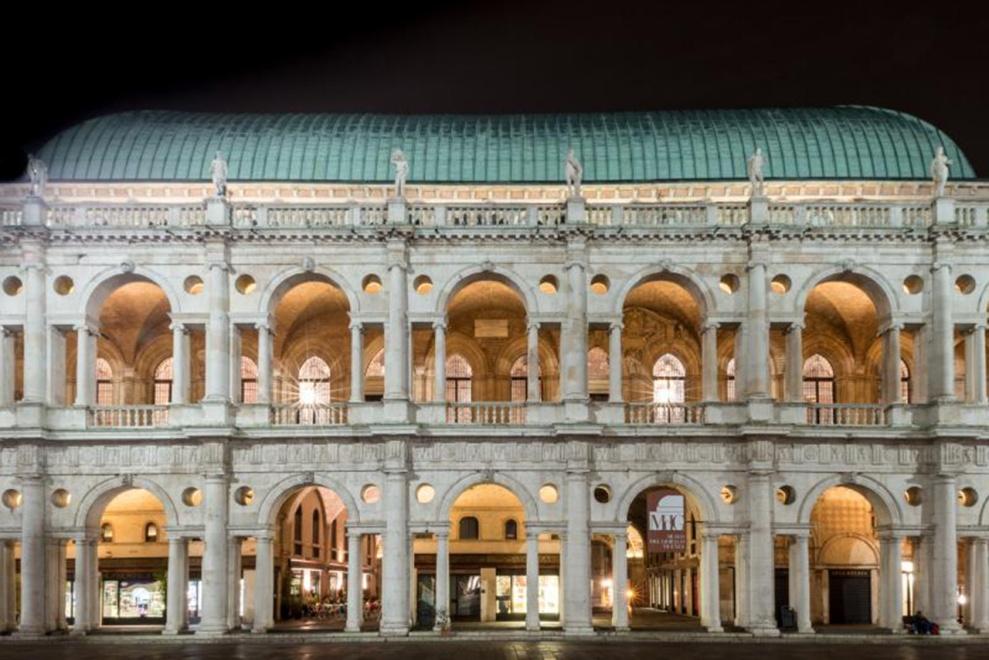
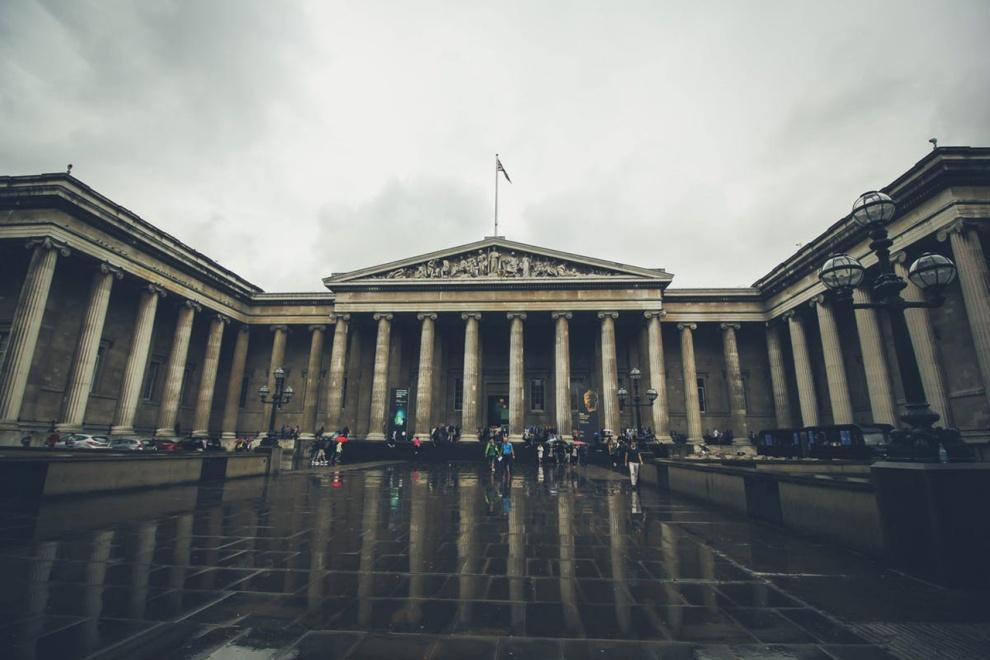
Grand public buildings and palaces during the neoclassical movement of the 18th and 19th centuries embraced symmetry, symbolizing power and authority. The White House in the United States and the British Museum in London are prominent examples of symmetrical designs that exude grandeur and elegance. Even in the soaring Gothic cathedrals and intricate patterns of Islamic architecture, symmetry reigns, creating a sense of vertical and horizontal balance. Symmetry, woven into the fabric of architectural history, continues to be a timeless principle that captivates and inspires, shaping the world we inhabit with its enduring beauty and tranquility.
Types of Symmetry in Architecture
In architecture, symmetry can manifest in various forms, each adding a unique touch to the overall design. The following are some of the most common types of symmetry observed in architectural compositions:
Bilateral Symmetry

Bilateral symmetry, also known as reflectional symmetry, is one of the most prevalent types found in architecture. It involves mirroring one half of a structure or design along a central axis, resulting in two identical or nearly identical halves. Bilateral symmetry exudes balance and stability, commonly seen in classic buildings like palaces, temples, and cathedrals. The facades mirror each other, creating a harmonious and visually appealing effect.
In India, the Taj Mahal stands as a magnificent testament to bilateral symmetry. As visitors approach the main entrance, they are led into a central hall housing Mumtaz Mahal’s tomb. Surrounding this central space, identical chambers and passageways are meticulously arranged on both sides. The symmetrical design extends to the intricate minarets, domes, and decorative elements on the facade, evoking a profound sense of equilibrium.
Radial Symmetry
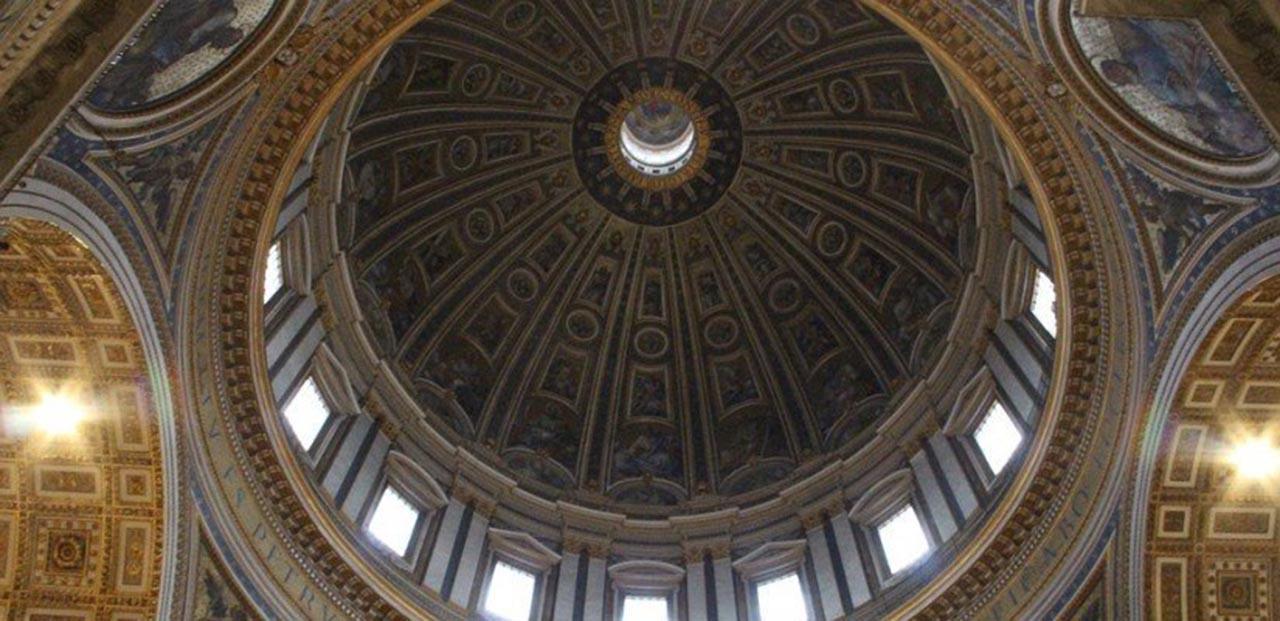
Radial symmetry is characterized by the arrangement of elements around a central point. In architectural designs, this type of symmetry is often presented in circular or polygonal structures, such as domes or rotundas. These structures radiate a sense of harmony and unity from the central focal point.
St. Peter’s Basilica, a breathtaking Renaissance-era church nestled in Vatican City, is a true masterpiece of radial symmetry. The center of attention is undoubtedly its grand dome, a crowning achievement crafted by the renowned artist Michelangelo. This majestic dome serves as the heart of the basilica, from which an awe-inspiring arrangement of columns emanates like the spokes of a celestial wheel, creating a mesmerizing and harmonious design that leaves visitors in wonder at its beauty and grace. This radial arrangement draws the viewer’s attention to the central focal point, creating a feeling of unity and spiritual significance.
Translational Symmetry
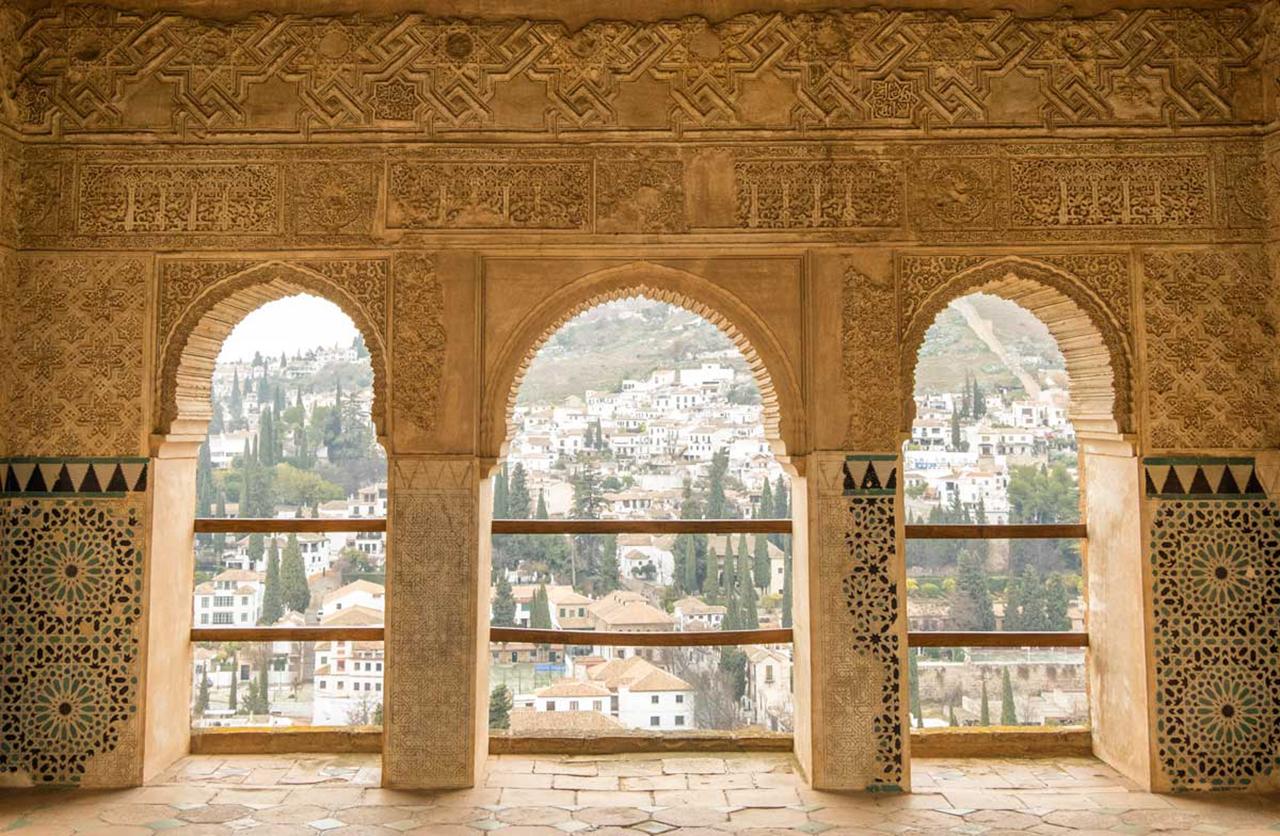
Translational symmetry also referred to as sliding symmetry, entails the repetition of patterns or elements seamlessly and continuously. It is often prominent in architectural details like decorative motifs, friezes, and tile designs. By repeating patterns, architects can create a visually pleasing and cohesive look throughout a building or space.
The Alhambra, a palace and fortress complex in Granada, Spain, is renowned for its intricate tile work featuring translational symmetry. Elaborate geometric patterns cover the walls and ceilings, and these motifs repeat seamlessly throughout the various chambers and halls. The repetitive use of the same pattern creates a visually cohesive and enchanting atmosphere.
Rotational Symmetry
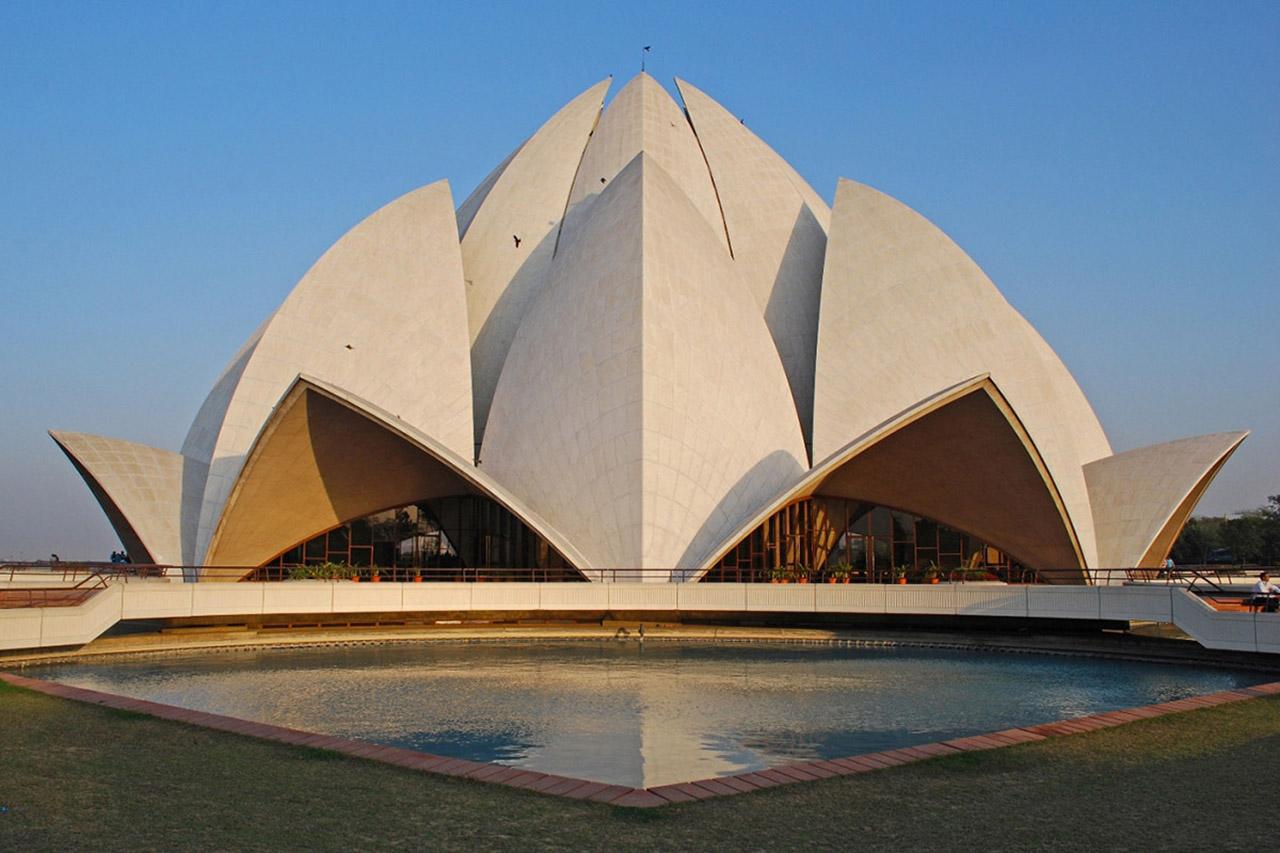
Rotational symmetry occurs when an element or a group of elements can be rotated around a central point and still maintains its original appearance. It is commonly observed in elements like spirals, columns, and staircases, where repeating patterns rotate around a central axis. Rotational symmetry adds a sense of movement and rhythm to architectural designs.
The Lotus Temple in New Delhi, India, exemplifies rotational symmetry with its lotus-like design featuring twenty-seven petals radiating outward from a central core. This dynamic arrangement maintains its original appearance, adding a sense of movement and rhythm to the temple’s form. Beyond its aesthetic appeal, the temple holds deep spiritual significance, symbolizing purity, elegance, and unity in the Bahá’í faith. Visitors are drawn to its open and symmetrical space, fostering a profound sense of oneness with the divine and humanity.
Fractal Symmetry
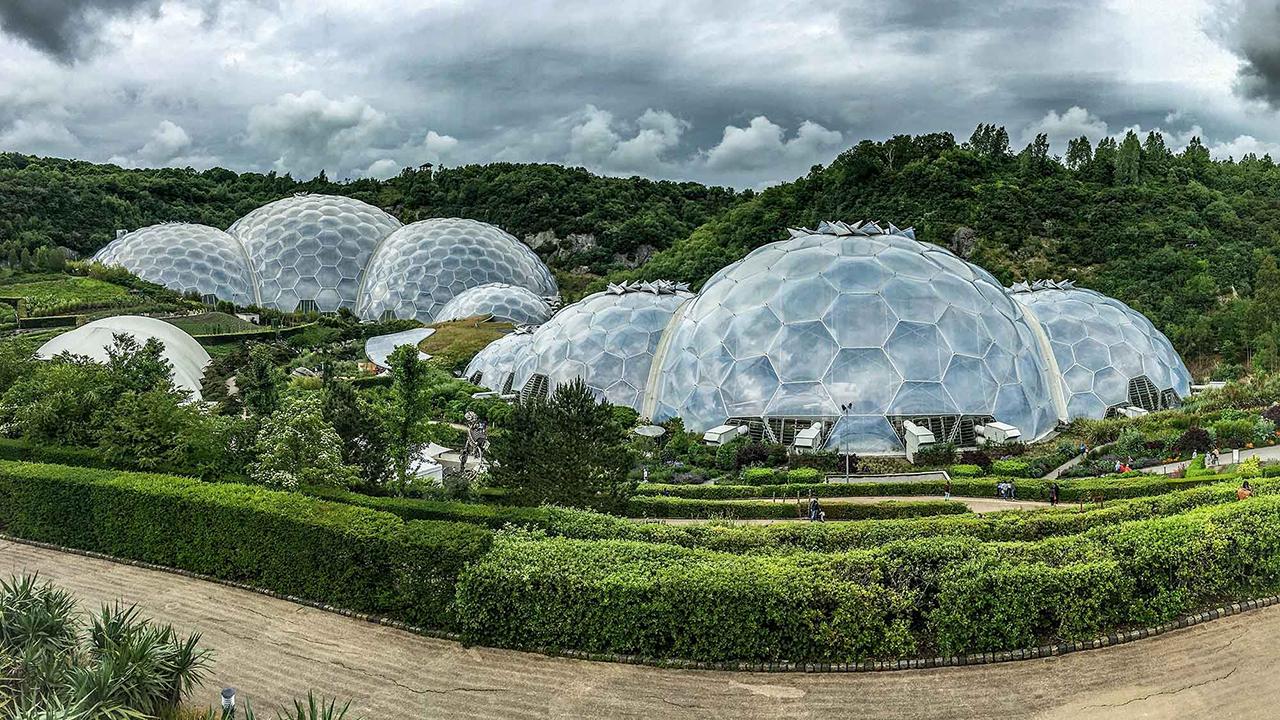
Fractal symmetry is a more complex and less conventional form of symmetry found in some contemporary architecture. It involves self-replicating patterns at various scales, creating intricate and detailed structures. The use of fractal geometry in architecture can result in visually captivating and organic designs.
The Eden Project in Cornwall, UK, is a botanical garden complex featuring large geodesic domes known as biomes. These biomes house diverse climates and ecosystems, and their complex structure exemplifies fractal symmetry. The biomes are composed of smaller geometric components that repeat and come together to create a larger and more intricate whole. The repetitive and self-similar patterns in the biomes’ design showcase the principles of fractal geometry, resulting in a visually stimulating environment for visitors. The Eden Project demonstrates how fractal-inspired designs can be applied to create unique and sustainable architectural solutions for large-scale structures.
Symmetry in Exterior Design
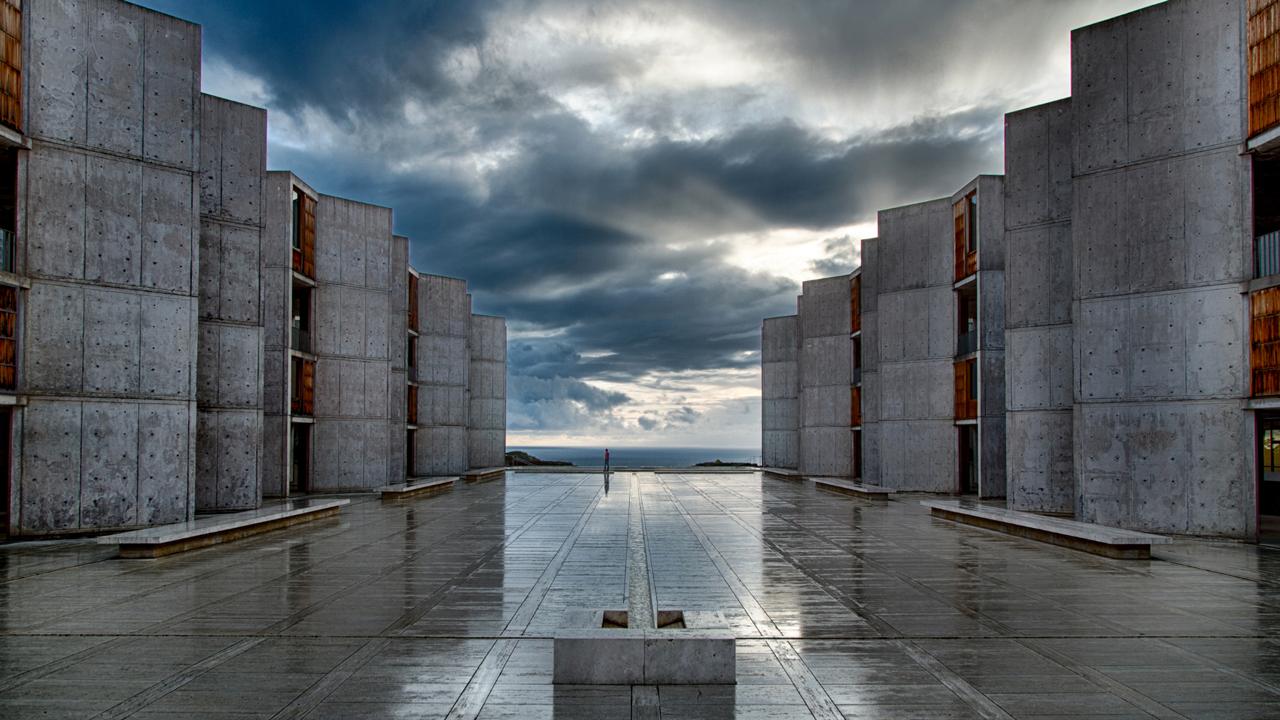
Symmetry in exterior design remains a timeless and essential aspect of architectural aesthetics, enriching the visual allure of structures across various historical periods and architectural styles. Architects, from ancient times to the modern era, have harnessed the power of symmetry to create visually pleasing and cohesive exteriors. The Salk Institute in California, designed by architect Louis Kahn, showcases contemporary architecture with a symmetrical layout. Its main building features two mirror-image wings flanking a central courtyard, creating a sense of balance and elegance. This symmetrical design fosters collaboration among researchers while contributing to the institute’s timeless and visually appealing exterior.
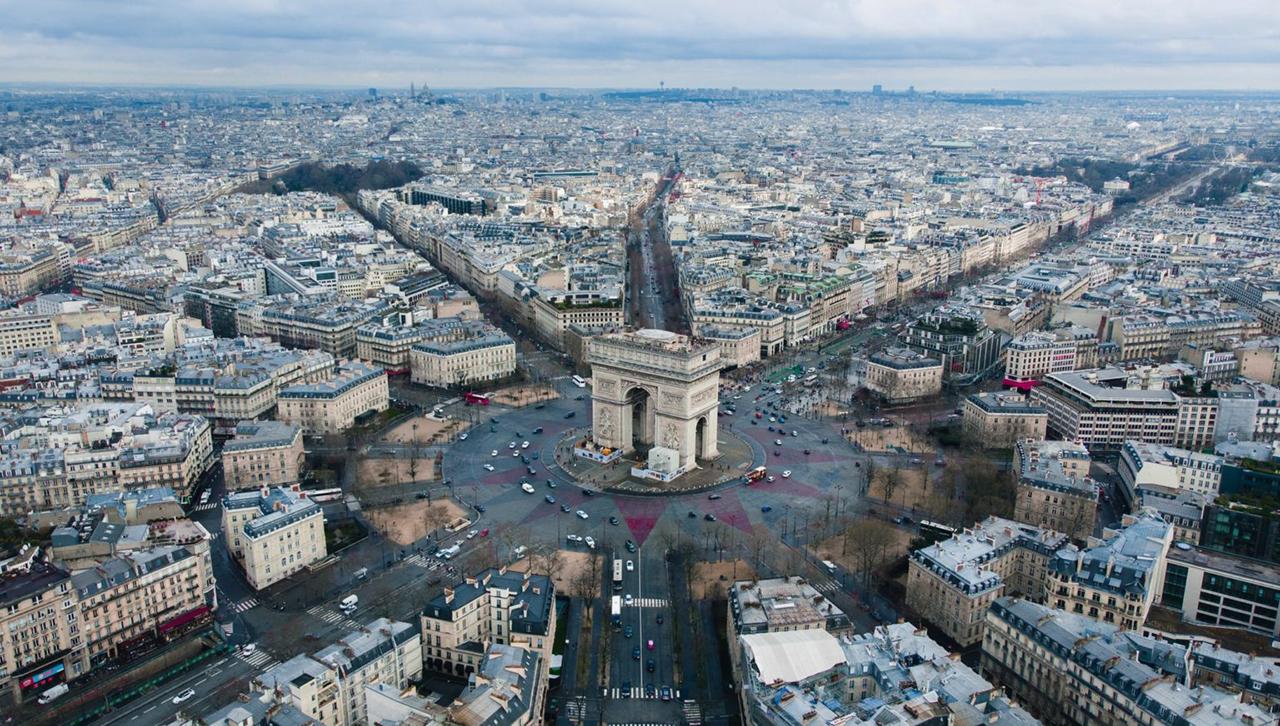
Symmetry goes beyond individual buildings; it extends to urban design and city planning. Throughout history, architects and urban planners have employed axial symmetry to shape the layout of cities, capitals, boulevards, and public squares. By aligning prominent landmarks and thoroughfares symmetrically, they establish a sense of direction and visual continuity, contributing to a cohesive and harmonious urban environment. Notable examples of axial symmetry in city planning can be found in the grand boulevards of Paris, like the Champs-Élysées, which showcases a magnificent vista anchored by iconic landmarks and monuments on either side. The exterior design evokes balance and timeless beauty.
Symmetry in Interior Spaces
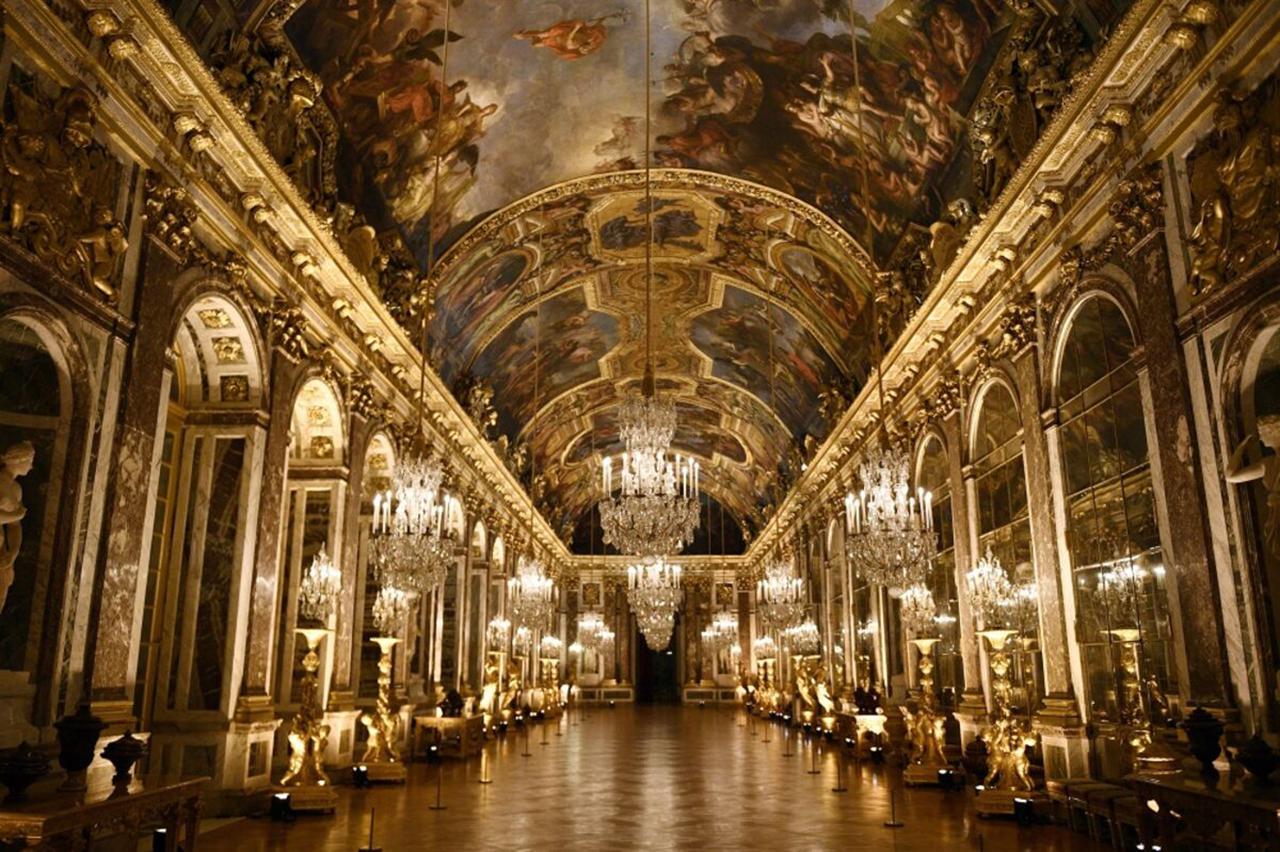
Symmetry in interior spaces remains a versatile and impactful design principle, influencing various types of buildings and settings. In grand halls, palaces, and religious structures, symmetrical layouts elevate the ambiance to a level of awe-inspiring grandeur. Deliberately arranging elements on both sides of a central axis creates spatial proportion and balance. For instance, the iconic Hall of Mirrors in the Palace of Versailles exemplifies the captivating beauty of symmetrical interior design, with its magnificent mirrors reflecting the splendor of the hall, creating an illusion of endless grandeur.
Beyond monumental spaces, the charm of symmetry extends to residential architecture, where homeowners seek to create an atmosphere of balance and tranquility. Symmetrically aligned rooms and windows allow for an organized and harmonious flow within the living spaces, evoking a feeling of serenity and order. This concept is further accentuated by the thoughtful placement of furniture and decor, strategically arranged to maintain equilibrium and visual cohesion throughout the interiors. Symmetrical design elements in residential spaces contribute to a sense of stability and comfort, enhancing the overall experience of the inhabitants and creating an inviting and soothing ambiance.
Challenging Tradition: Asymmetry in Modern Architecture

In modern architecture, a new wave of creativity challenges the dominance of symmetry as architects embrace asymmetry to create dynamic and captivating spaces. The Dancing House in Prague, designed by Vlado Milunić and Frank Gehry, exemplifies this approach with its whimsical and asymmetrical design, resembling a pair of dancers in motion. Its curving lines and irregular shapes evoke a sense of movement and fluidity, making it a symbol of architectural innovation and artistic expression. Asymmetrical compositions, like the Dancing House, redefine architectural aesthetics and provoke thought by embracing a more daring and unconventional approach.
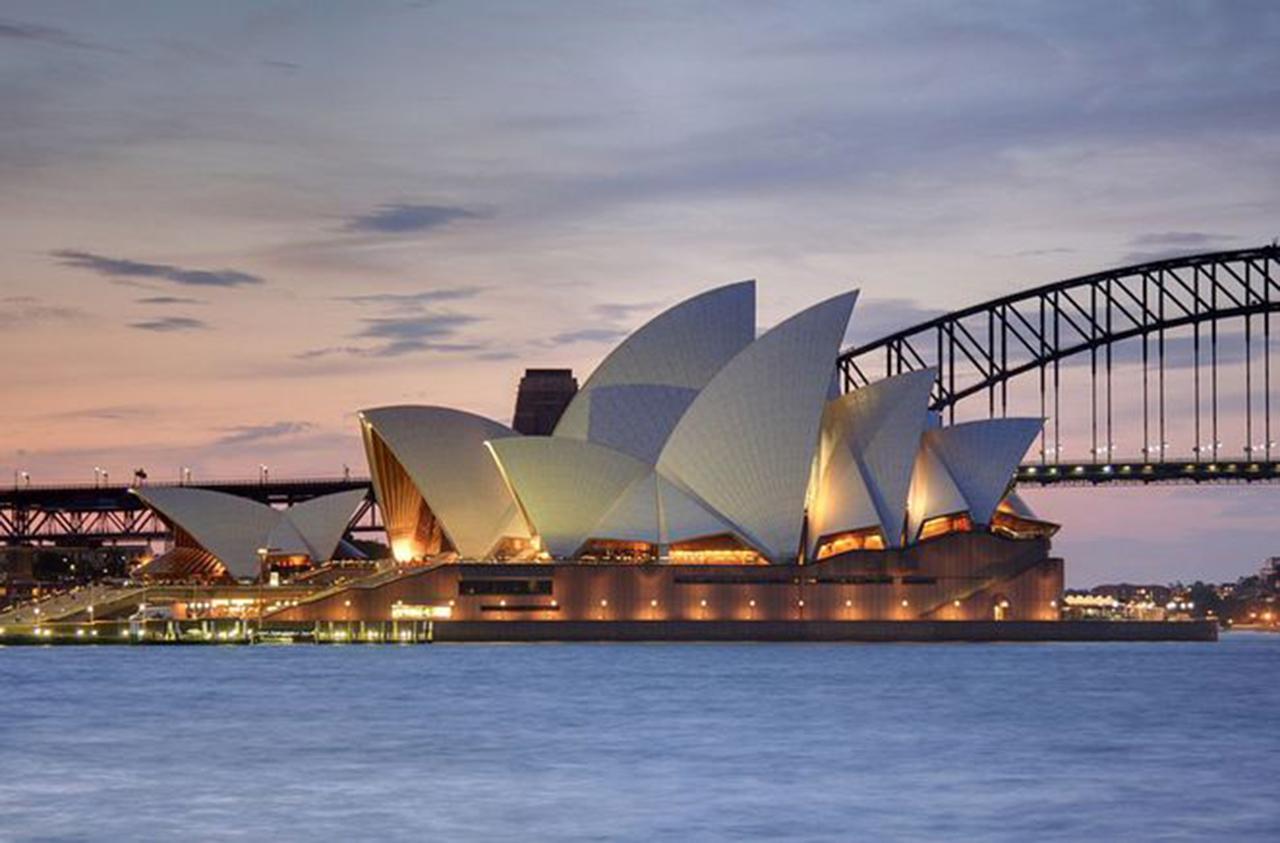
Similarly, the Sydney Opera House, designed by Jørn Utzon, stands as an iconic symbol of modern architecture. Its distinctive sail-like forms and irregular contours challenge the notion of symmetry, creating a building that is both functional and artistically captivating. The asymmetrical design of the Sydney Opera House is a testament to the architect’s willingness to push the boundaries of traditional architecture. Asymmetry provides architects with a liberating sense of freedom and creativity by breaking away from rigid symmetrical structures. This empowers architects to create bold, dynamic, and unconventional designs that challenge perceptions and provoke thought.
The Psychology of Symmetry in Architecture
Symmetry in architecture goes beyond aesthetics and has a profound psychological impact on individuals experiencing built spaces. As human beings, we have an inherent preference for balance and order, and symmetrical designs tend to resonate with our minds on a subconscious level. This preference is deeply rooted in our evolutionary history, where symmetry in natural forms often indicated health, strength, and reproductive fitness. When encountering symmetrical architectural compositions, people tend to perceive them as more pleasing, harmonious, and inviting.
Symmetry engenders feelings of stability and predictability, fostering a sense of calmness and comfort. In public spaces like museums, government buildings, or places of worship, symmetrical designs evoke an air of grandeur and authority, reinforcing the structure’s significance. Studies reveal that exposure to symmetrical environments positively impacts mood and well-being. Symmetrical spaces can contribute to reduced stress levels and enhanced cognitive clarity. In educational settings, symmetrical classroom designs are believed to support better learning outcomes by reducing distractions and providing a focused atmosphere.
Cultural Aspects of Symmetry in Architecture
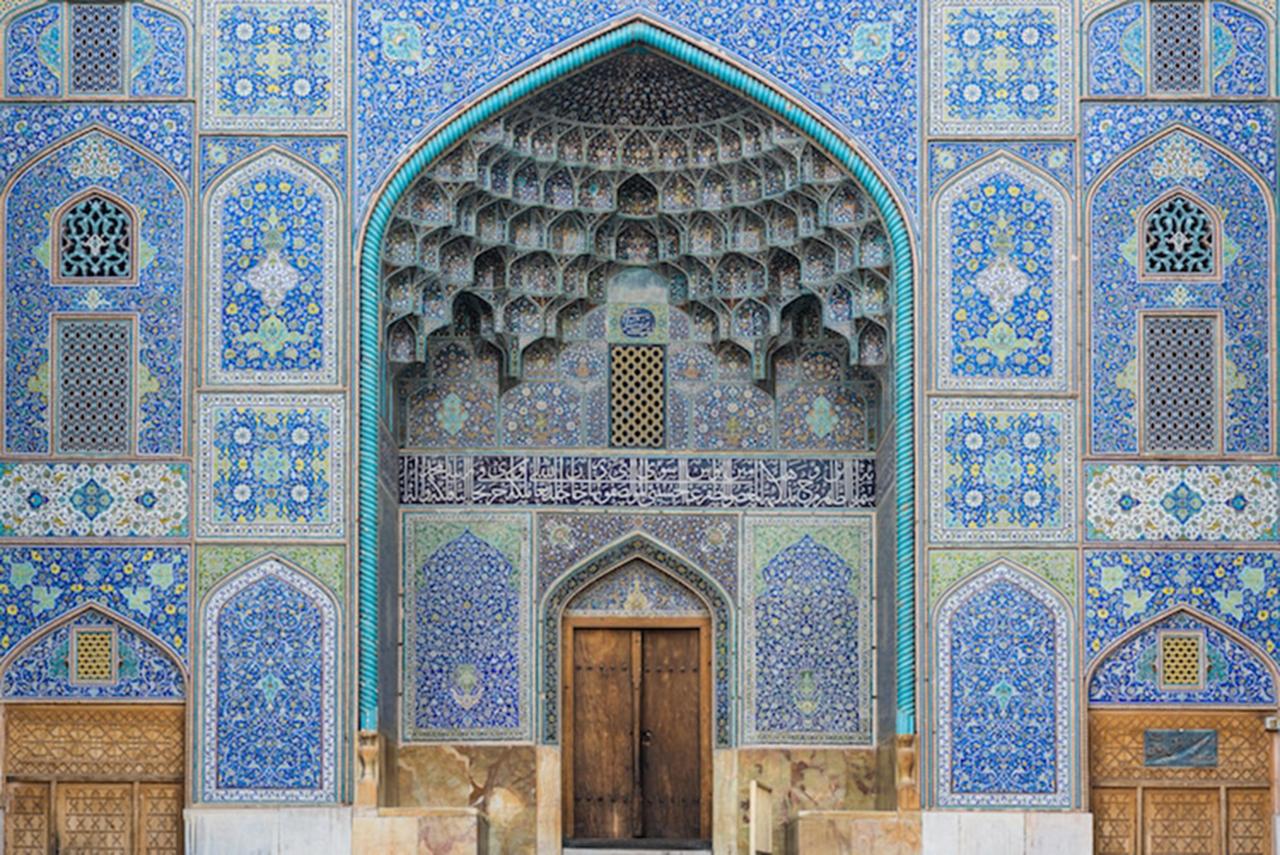
The prevalence of symmetry in architecture is also deeply intertwined with cultural beliefs, traditions, and aesthetics. Different cultures have incorporated symmetrical designs in their architectural styles for various reasons, often reflecting their unique perspectives on cosmology, religion, and societal values. In Islamic architecture, for example, symmetry holds symbolic significance as a reflection of the order and harmony inherent in the divine creation. Islamic geometric patterns, based on principles of symmetry and repetition, adorn mosques, palaces, and madrasas. The intricate details within the architecture exhibit the boundless nature of divine creation, embodying a sense of interconnectedness.

Asian architectural traditions, such as Japan and China, emphasize balance and harmony through symmetrical layouts, guided by principles of feng shui to promote positive energy flow. Symmetry plays a pivotal role in feng shui principles, guiding the placement of doors, windows, and key architectural elements to maintain equilibrium. In contrast, the modernist movement of the 20th century challenged rigid symmetrical designs and create spaces that aligned with a more organic and dynamic architectural vision. Understanding cultural symmetry in architecture reveals diverse global expressions. Each culture’s use of symmetry reflects distinct worldviews, showcasing how architecture embodies cultural identity and heritage.
Conclusion
Symmetry is a timeless principle in architecture. From the awe-inspiring wonders of ancient civilizations to the cutting-edge designs of today, symmetry has proven to be a potent tool for creating balance and order in architectural compositions. While it remains a guiding principle in many architectural styles, the emergence of asymmetrical designs has injected new vitality into the field. Ultimately, symmetry in architecture serves as a testament to the enduring pursuit of beauty, and the innate human desire for visual harmony. Whether embracing symmetry or exploring asymmetry, architects continue to push boundaries, shaping the future of architecture and captivating our imagination.