
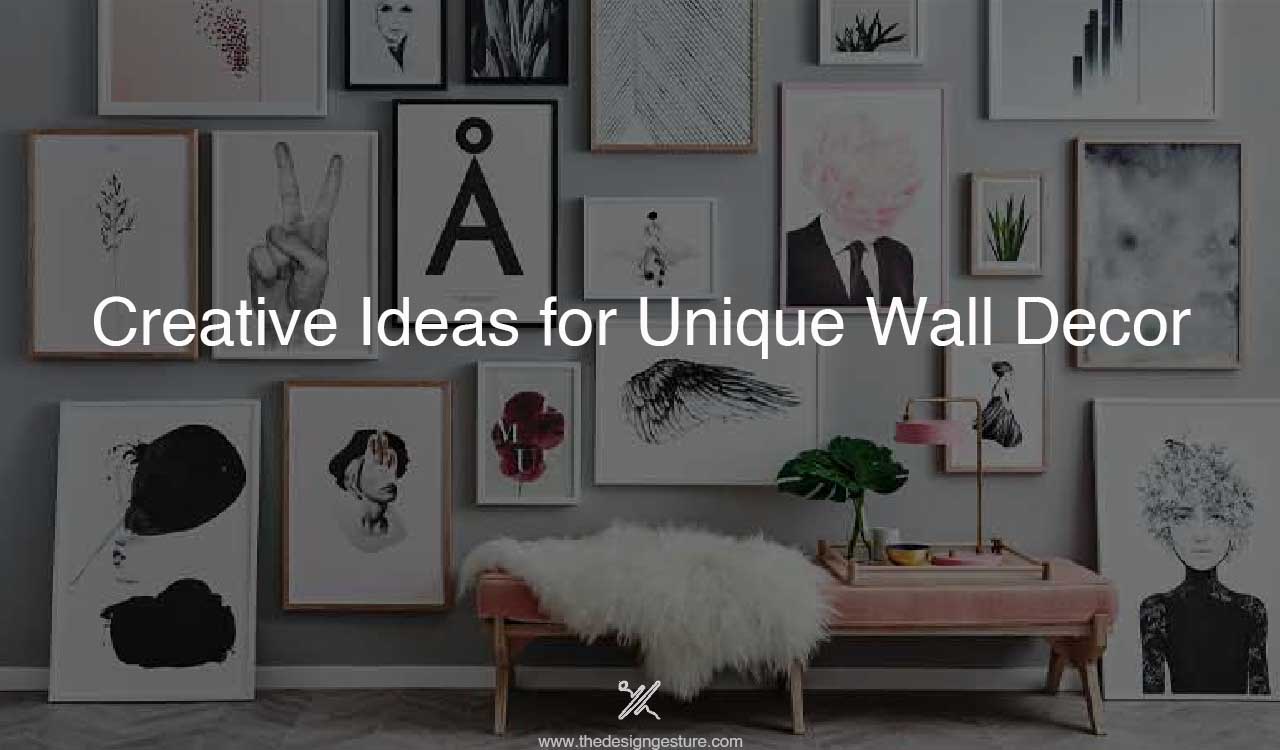
Decorating your walls is an art in itself, offering a canvas to express your personal style and bring life to any room. Whether you’re looking to revamp your living space or add a touch of personality to a bland wall, there are endless creative possibilities. This article delves into innovative and unique ideas for wall decor that can transform any space into a vibrant and personalized environment.
Understanding Your Space
Before diving into wall decor, it’s crucial to understand the unique aspects of your space. Consider the room’s layout, natural light, and existing color palette. A well-lit room can handle bold, dark colors, while a smaller space often benefits from lighter hues and mirrors to create an illusion of openness. Assessing the wall size is important too; larger walls can accommodate grander pieces, whereas smaller walls might call for more subtle or minimalistic decor. This initial assessment ensures that your chosen wall decor complements and enhances your room, rather than overwhelming it.
Mixing Textures and Materials
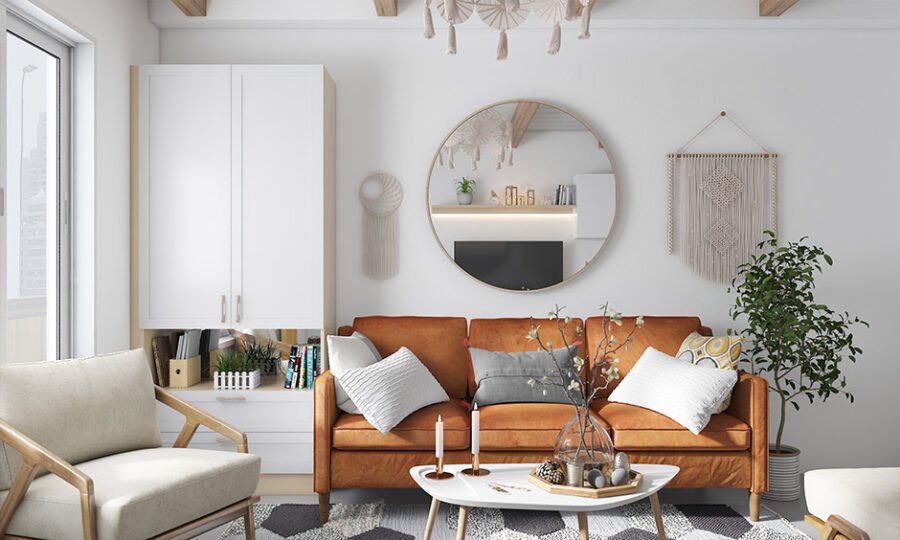
The magic of unique wall decor often lies in the artful mixing of textures and materials. Combining different elements can create a dynamic and visually engaging space. Imagine juxtaposing the rough, organic feel of a reclaimed wood piece with the sleek, modern touch of a metal sculpture. This contrast not only adds depth but also brings a tactile quality to your walls. Incorporating textiles, like woven tapestries, can introduce softness and warmth, while glass or mirrored elements add a hint of elegance and light. By thoughtfully selecting a variety of materials and textures, you can craft a wall display that is not only aesthetically pleasing but also a reflection of your diverse taste and style.
Incorporating Personal Elements
Personalizing your space with meaningful elements can transform your wall decor from ordinary to extraordinary. Start by showcasing items that tell your story, such as framed family photos, cherished travel souvenirs, or artwork created by loved ones. For a truly unique touch, consider adding custom portraits of your cat to celebrate a furry family member. Displaying such personal items not only adds a layer of uniqueness to your decor but also infuses your space with memories and personality. It’s these personalized touches that make a house feel like a home, creating an environment that reflects your life’s journey and the things that matter most to you.
DIY Wall Decor Ideas
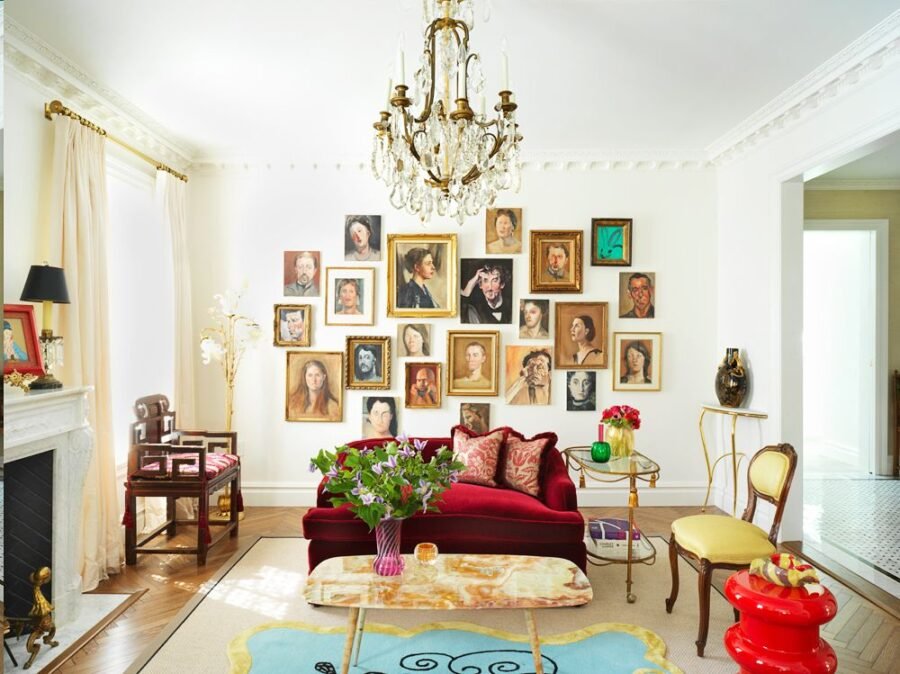
Embracing DIY projects can add a unique and personal touch to your wall decor. Simple yet creative ideas like creating a mural with washi tape or crafting a wall hanging from yarn and beads can make a significant impact. Repurposing old frames into a chic photo collage or transforming a simple wooden pallet into a rustic art piece are other great options. These DIY projects not only offer a sense of accomplishment but also allow for customization to perfectly match your style and space. With a little imagination and some hands-on work, you can create distinctive and personal wall decor that truly stands out.
The Power of Color in Wall Decor
Color is a transformative tool in wall decor, profoundly impacting a room’s ambiance. Choosing the right colors can evoke emotions, from calm blues that create a serene atmosphere to vibrant reds that energize a space. Consider the psychological effects of color when selecting art, accents, or paint. For instance, soft pastels can make a room feel more spacious and light, while deep, rich hues add a touch of drama and sophistication. Balancing color with the room’s lighting and existing decor is key. Thoughtfully selected colors in wall decor can harmonize a space, reflecting your personality and setting the desired mood.
Utilizing Wall Space Innovatively
Maximizing wall space, especially in smaller or uniquely shaped rooms, requires innovative thinking. Utilize vertical space by installing floating shelves that provide both storage and display opportunities without cluttering the room. Consider wall-mounted planters for a touch of greenery that doubles as art. In narrow areas, a vertical gallery wall of smaller art pieces or photographs can create visual interest without overwhelming the space. For corners or awkward angles, custom-built pieces or wraparound shelving can turn these challenges into focal points. By thinking creatively, every inch of wall space can be transformed into an integral part of your room’s design.
Embracing Artistic Wallpapers
Artistic wallpapers offer an instant and impactful way to elevate any room’s aesthetic. The resurgence of wallpaper brings a plethora of options, from bold, graphic patterns to delicate, hand-painted designs. They can act as a feature wall, adding depth and interest, or cover an entire room for a cohesive look. Modern removable wallpapers are a boon for those who love to change their decor frequently or for renters seeking a temporary solution. Choosing a wallpaper that resonates with your personal style can transform a plain wall into a stunning piece of art, making a significant statement in your home’s decor.
Sustainable and Eco-Friendly Decor
Incorporating sustainable and eco-friendly elements into wall decor is not just a trend but a conscious choice for a healthier environment. Opting for decor made from recycled or sustainably sourced materials can significantly reduce your ecological footprint. Think reclaimed wood wall art, bamboo frames, or decorations crafted from recycled metal. Using natural, non-toxic paints for wall murals or accents is another way to be eco-conscious. Additionally, purchasing art from local artisans can support sustainable practices within communities. This approach to wall decor not only adds aesthetic value to your home but also promotes a lifestyle that respects and preserves our planet, making your space both beautiful and responsible.
Conclusion
In conclusion, transforming your walls into a canvas of personal expression and style can be achieved through a myriad of creative approaches. From incorporating personal elements like custom portraits of your cat to embracing the dynamic use of color, textures, and sustainable materials, each choice contributes to the unique narrative of your space. DIY projects add a personal touch, while innovative use of wallpapers and space maximization cater to both aesthetic and functional needs. Ultimately, wall decor is an evolving art, reflecting individual tastes and evolving trends. By carefully selecting and combining these elements, you can create a living space that resonates with your personality and stands out in both style and substance.
Home is where the heart is, and transforming it into a space that reflects your personality and meets your needs is an exciting journey. From the living room to the bedroom, each area of your home offers a unique opportunity for creative expression and functional design. This article will explore a variety of innovative decor ideas that can breathe new life into every corner of your home, ensuring it’s not just a place you live, but a place you love.
Living Room: The Heart of the Home
The living room is often the centerpiece of a home, where families gather and memories are made. To give this space a fresh and inviting feel, start with a color palette that reflects your personal style. Soft, neutral tones can create a calming environment, while bold colors can add vibrancy and energy. Incorporate textured fabrics in your upholstery and curtains for depth. Innovative storage solutions like ottomans with hidden compartments or sleek shelving units can help keep the space clutter-free. For a focal point, consider a statement piece of art or a unique coffee table that reflects your taste.
Kitchen: Combining Functionality with Style
The kitchen is more than just a place to cook; it’s a space where functionality meets creativity. Upgrade your kitchen with smart storage solutions like pull-out cabinets and wall-mounted racks to maximize space. Incorporate modern appliances that blend seamlessly into your decor. A kitchen island can serve as both a prep area and a gathering spot. Choose durable yet stylish materials for countertops and backsplashes, such as quartz or subway tiles. Don’t forget lighting – pendant lights over the island or under-cabinet lighting can enhance the ambiance while providing practical illumination.
Bedroom: A Personal Sanctuary
Your bedroom should be a personal retreat, a place where you can unwind and rejuvenate. Select a soothing color palette for walls and bedding to promote relaxation. Invest in high-quality bedding for maximum comfort. Consider adding a reading nook or a small workspace if the room allows. Wall-mounted bedside lamps or sconces can save space and add a touch of elegance. For storage, look for beds with built-in drawers or headboards with shelves. Personal touches like framed photos or a favorite piece of art can make the space uniquely yours.
Bathroom: A Spa-Like Experience
Transform your bathroom into a spa-like sanctuary with a few simple changes. Replace outdated fixtures with modern, water-efficient models. A walk-in shower with a rainfall showerhead can add luxury and style. Use light, airy colors to make the space feel larger and more open. For storage, consider floating vanities or mirrored medicine cabinets. Soft lighting and a few plants can create a calming atmosphere. High-quality towels and bath mats in coordinating colors can add both comfort and elegance to the space.
Outdoor Spaces: Extending Your Living Area
Don’t neglect your outdoor spaces when considering home decor. Patios, decks, and gardens can become additional living areas with the right touches. Comfortable outdoor furniture, weather-resistant rugs, and a few throw pillows can create an inviting atmosphere. For evening enjoyment, add string lights or lanterns. A fire pit or outdoor fireplace can be a great focal point and provide warmth on cool evenings. Consider adding a small herb garden or potted plants to bring life and color to the space.
Roofing: Enhancing Curb Appeal and Functionality
The roof is not only a critical component of your home’s structure but also an aspect of decor. Consulting an Arlington roofing contractor can provide options for materials and styles that complement your home’s architecture and improve its functionality. Modern roofing materials can offer energy efficiency, durability, and aesthetic appeal. A well-chosen roof can enhance your home’s curb appeal, increase its value, and provide long-term protection against the elements.
Lighting: Setting the Mood
Lighting plays a crucial role in setting the mood and functionality of each room. Consider the purpose of each space and choose lighting accordingly. Ambient lighting is essential for overall illumination, while task lighting is important for activities like reading or cooking. Accent lighting can highlight artwork or architectural features. Dimmer switches can help adjust the mood for different occasions. Experiment with different types of lighting fixtures, from chandeliers to floor lamps, to find the perfect balance for each room.
Home Office: A Productive and Inspiring Space
With more people working from home, creating a productive and inspiring home office is essential. Choose a location with good natural light to boost your mood and energy levels. A comfortable, ergonomic chair and a spacious desk are must-haves. Keep the decor minimal and clutter-free to promote focus. Use shelves or cabinets for organized storage. Personalize the space with art or plants to keep the area lively and inspiring. Remember, a well-designed home office can significantly enhance your work-from-home experience, blending functionality with personal style.
Entryway: Making a Lasting First Impression through Decor
The entryway is your home’s first impression, so make it count. Utilize this space with smart, functional decor. A stylish console table, a decorative mirror, and a small seating area can create an inviting atmosphere. Opt for built-in storage or a sleek coat rack to keep the area tidy. Use lighting to create a warm welcome – a pendant light or a statement lamp can add character. Decorative elements like a rug or wall art can tie the space together. A well-decorated entryway sets the tone for the rest of your home, making it both welcoming and elegant.
Conclusion
Embarking on a journey to transform your home with innovative decor ideas is a venture that melds practicality with personal expression. Each room, from the cozy corners of your living room to the functional spaces of your kitchen and bathroom, presents a unique canvas for creativity. By incorporating thoughtful design elements, from sleek home office setups to welcoming entryways, you can infuse each space with character and style. Remember, the goal is not just to create a visually appealing home, but to craft an environment that resonates with your lifestyle and comfort. Embrace this opportunity to turn your home into a harmonious blend of beauty, functionality, and personal flair, making every aspect a testament to your tastes and a sanctuary for your everyday life.
The Interior design turns the house into a home. Interior design of homes is essential because it creates individualized areas to suit the requirements and tastes of the occupants. Careful consideration of color palettes, furniture layouts, lighting, and decorative accents is required while interior designing. It aims to improve each room’s overall functioning and environment, going beyond simple adornment. Interior design infuses living spaces with a layer of warmth and uniqueness. The residents’ discerning choice of furniture, which harmonizes seamlessly with the architectural style, mirrors their distinctive personalities.
The field of interior design of homes adapts to prevailing trends and lifestyles. However, fundamentally, its objective is to craft spaces that afford inhabitants a profound sense of ease and identity. Each room’s furniture arrangement is thoughtfully designed to promote comfort and functionality, guaranteeing that every space performs its intended role with ease. Artificial and natural illumination are thoughtfully employed to evoke an array of atmospheres, ranging from vibrant and invigorating to cozy and welcoming. From soft textiles and warm woods to sleek metals and stone finishes, the choice of materials adds character and tactile richness.
A foundational principle of the interior design of homes is functionality, highlighting the utility and efficiency of every space within a residence. Setting functionality as the priority entails carefully examining each room’s main function while accounting for the demands and lifestyle of its users. Seating arrangements play a crucial role in achieving functional harmony. Placing furniture strategically to create conversational groupings can enhance the usability of the space. Ergonomic and strategically arranged seating fulfills its utilitarian function and enhances the overarching ambiance.
Appreciating how people move through a place is another way to put utility first. Accessibility and usefulness are improved when paths are uncluttered and clear. Interior designers create settings that effortlessly correspond with the everyday activities and demands of the inhabitants by prioritizing usefulness early on in the design process. This approach enhances the functionality of the space and establishes the groundwork for the incorporation of decorative elements.
Visual Balance
A well-thought-out and aesthetically beautiful interior environment must achieve visual equilibrium. The proper allocation of visual weight in a room is imperative to avert the overpowering or incongruity of any singular element. This is known as visual balance. As a result, a delightful and aesthetically gratifying space is fashioned, characterized by harmony and equilibrium. Putting furniture in an equilibrium-creating arrangement is one method to attain visual balance. Accessory items of the right scale may counterbalance larger, heavier furniture pieces, keeping any one space from being unduly crowded or empty.
To provide order and formality, symmetrical arrangements replicate pieces on each side of a central axis. As opposed to this, asymmetrical balance creates an impression of movement and relaxation by dispersing visual weight unevenly. In addition to furniture arrangement, color and texture play vital roles in visual balance. Integrating a mix of colors and textures across various elements in the room helps distribute visual interest evenly, preventing any single element from dominating the overall aesthetic.
Interior design of modern house
Consideration of visual balance extends beyond the arrangement of furniture to encompass the entire design scheme, including wall decor, lighting fixtures, and other accessories. Artwork and decorative items can be strategically positioned to uphold balance, ensuring that the eye navigates seamlessly. To attain visual equilibrium, scale and proportion play pivotal roles. Avert an imbalanced or crowded appearance by meticulously ensuring that each piece of furniture or decor aligns proportionately with the spatial dimensions. This consideration becomes especially critical in compact areas where maintaining an open and uncluttered feel is imperative.
Dual-Purpose Furniture
In the realm of interior design of homes, the strategic arrangement of furniture is paramount for optimizing utility, especially within more confined living spaces. Versatile furniture that serves several purposes is essential for optimizing the usefulness of each component. This method improves the space’s overall efficiency in addition to meeting the inhabitants’ practical demands. An exemplary instance of dual-purpose furniture is a sleeper sofa, serving as a restful sleeping space when needed and transforming into a comfortable seating arrangement otherwise. This innovation presents a pragmatic solution without compromising comfort, rendering it particularly advantageous in compact settings such as guest rooms or studio apartments.
Storage benches and ottomans that have integrated storage spaces are clever additions to interior design of homes that skillfully blend aesthetic appeal and utility. Particularly in living rooms and bedrooms, these versatile furniture pieces are a notable asset. They not only offer comfortable seating alternatives but also discreet storage solutions. Simultaneously, their concealed storage compartments allow homeowners to discreetly stow away items like throws, magazines, or remote controls, maintaining a clutter-free and organized living space.
In bedrooms, benches with built-in storage prove to be equally beneficial. Positioned at the foot of the bed, these benches serve as a convenient locale for donning shoes or arranging clothing, all while providing a covert storage resolution for surplus linens, pillows, or personal effects. Their multifaceted design contributes to space optimization and upholds a well-ordered bedroom environment. In addition to meeting functional storage demands, the addition of storage seats and ottomans improves the room’s overall design.
In the realm of interior design of homes, collapsible or foldable dining tables and chairs represent astute and space-conserving. These versatile furniture pieces offer practicality without compromising on style. The primary benefit of extending dining tables and chairs is its flexibility in accommodating evolving requirements. These components are easily collapsible and storable when not in use, liberating additional floor space. This versatility is particularly advantageous in residences where the dining room may serve multifunctional purposes.
The practicality of neatly folding away these items augments the overall functionality of the space, empowering residents to maximize their living areas without compromising the comfort of a dedicated dining space. In compact apartments or studio living, foldable dining furniture allows for a seamless transition between mealtime and other activities. Foldable dining tables and chairs are presently offered in a diverse array of configurations and materials. These items apply to a variety of interior tastes because of their adaptability, which ranges from sleek and modern designs to more traditional or rustic forms.
Murphy beds, occasionally denoted as wall beds, are ingenious and utilitarian furnishings that are increasingly becoming an integral element of modern interior design, especially in residences where optimizing available space takes precedence. These beds afford homeowners the flexibility to transform a bedroom into a multifunctional space. The capability to conceal the bed behind the wall liberates space for alternative uses. Beyond their functional benefits, wall beds are designed with aesthetics in mind. Modern Murphy beds often come in sleek and stylish designs, seamlessly integrating into the overall decor of a room.
Wall beds are adaptable additions to studio flats, home offices, and visitor rooms, among other sections of the house. Wall beds are particularly advantageous in guest rooms or multipurpose spaces. During periods when guests are not accommodated, the bed can be seamlessly stowed away, permitting the room to fulfill alternative functions. A separate home office is becoming common in many houses in the age of remote work. A wall bed is a useful option for dual-purpose rooms in offices since it guarantees that the area can easily be converted into a guest bedroom.
Farmhouse Decor: Rustic Farmhouse Style for Cozy Living
Farmhouse decor has become a beloved trend in interior design, known for its rustic charm and cozy appeal. Incorporating farmhouse decor into your home blends natural materials like wood and metal with soft, neutral tones to create a warm, welcoming environment. Signature elements such as distressed furniture, exposed beams, and vintage accents add a touch of simplicity and authenticity, making any space feel lived-in and comfortable. Whether it’s a modern take on farmhouse style or a more traditional approach, farmhouse decor beautifully combines the old with the new.
Interior Design Styles
The term “interior design styles” describes unique and recognizable methods of furnishing and organizing interior spaces. Diverse design elements, aesthetics, and inspirations contribute to each style’s unique and meticulously coordinated appearance. These designs serve as wellsprings of inspiration for homeowners and interior designers seeking to craft spaces. Interior design of homes trends, whether based on modern minimalism, eclectic blends, or classic elegance, provide guidelines for constructing aesthetically pleasing and well-balanced living environments.
A form of interior design style known as “contemporary” relates to the current trends that are popular right now. It creates homes that are sleek, sophisticated, and tailored to the current aesthetic preferences. This style embraces a fluid approach, incorporating elements from various design eras while maintaining a focus on what is “in the now.” Clean lines, neutral color palettes, and open spaces define contemporary interiors.
Simplicity in designs and sleek surfaces characterize contemporary furniture, seamlessly integrating cutting-edge materials and technology. The contemporary design philosophy places a premium on practicality over aesthetics, striving to craft environments that appeal visually and support modern lifestyles. Modern houses typically make extensive use of natural light and feature open floor designs. Typically, neutral hues are paired with a pop of color from a vibrantly colored couch, painting, etc.
Residences embodying minimalist interior design of homes exude a sense of clarity and tranquility, derived from their commitment to simplicity. uncluttered areas. Open areas with plenty of natural light and a purposeful lack of decoration are important design components. The minimalist style frequently takes cues from Eastern design philosophies, advocating for mindfulness and purposeful utilization of space. This methodology cultivates a visually serene atmosphere and promotes a deliberate and uncluttered way of life.
The outcome is a residence emanating timeless elegance, where each element serves a specific purpose. Because simplicity is the foundation of minimalism, a bright color scheme is unorthodox. Simple lines against neutral walls can be used, or you can utilize chrome-colored home decor pieces and arrange them in different arrangements. It gives your minimalist house a vibrant design. Use the less is more approach when designing a minimalist environment, and regularly edit and replace objects as the seasons change to prevent a heavy, cluttered, and overstimulating look.
Homes designed in the eclectic interior design style are rich and multilayered, including elements from centuries-spanning design eras and styles. Rooms with eclectic designs strive to balance textures and colors so as not to overpower the eye and have several focus points. Textures are typically used in eclectic houses with a muted color scheme to give interest to the interior design. Therefore, a lot of designers aim to include one texture throughout the house three times or more. Essential elements for a modern eclectic home are statement objects.
Eclectic rooms welcome the unexpected and inspire a fun and imaginative investigation of design possibilities. Examples of this include bright patterns combined with neutral tones or antique furniture placed next to modern artwork. Eclectic design is a compelling and dynamic style that challenges accepted conventions. Generally, walls are kept basic. They enable the designer to include statement-making accessories. An occupied wall will not allow the accessories’ brilliance to shine through.
In industrial design, utility and aesthetics converge harmoniously. An industrial-style dwelling, as the nomenclature suggests, showcases structural elements typically concealed. The designer endeavors to amalgamate modern elements with an organic aura and vintage allure, crafting a chic space that distinctly underscores practicality and purpose. Homes may be made into edgy, character-rich rooms with the unique, urban-inspired style of industrial interior design, which embraces the raw, unpolished appearance. This design, which takes cues from factories, warehouses, and loft areas, emphasizes exposed structural features.
Functionality is prioritized in industrial interior design of homes, as seen by the thoughtful furniture placement and utilization of multipurpose items. Open shelf and storage options frequently highlight commonplace items, highlighting their beauty and fostering an air of well-organized disarray. Pendant lights with industrial flair often hang from high ceilings, adding a dramatic and statement-making element to the overall design. Floor lamps and task lighting contribute to a layered and dynamic lighting scheme. Accessories in industrial interior design of homes often include vintage signage, metal accents, and salvaged industrial machinery or tools. This curated mix of elements brings a sense of history and authenticity to the space, reinforcing the industrial narrative.
Bohemian, or boho, interior design of homes encapsulates the unorthodox and easygoing ethos of bohemian lifestyles. Distinguished by an easygoing and unstructured ambiance, this style frequently draws inspiration from diverse global cultures, melding elements from various regions to construct a visually stimulating and dynamically expressive space. With some striking patterns and vivid colors for the cabinetry and accents, its laid-back vibe is rooted in nature. Bohemian homes frequently feature mismatched furniture, which may be found in well-worn and recycled items as well as vintage and homemade pieces.
Furniture pieces in boho interior design of homesoften feature intricate details, carved wood, and a mix of textures. Bohemian interiors welcome and harness natural light, fostering a luminous and expansive ambiance. Big and little plants are crucial to bohemian decor. A distinctive aspect of bohemian interior design of homes is the emphasis on personal collections and unique finds. Vintage items, travel souvenirs, and handmade crafts contribute to the storytelling aspect of the design. Essentially, boho interior design of homes is a jubilation of diversity and an affection for the unconventional. It fosters a bold approach to amalgamating styles.
Scandinavian Interior Design Style
Scandinavian interior design of homes radiate peace and classic elegance because of their practicality, simplicity, and emphasis on light-filled, spacious areas. Utilizing light, which is frequently accomplished through wide windows, adds to the space’s overall brightness and sense of natural connectedness. In Scandinavian interiors, white walls form a neutral backdrop, allowing furnishings and accessories to take center stage. Wood, a key material, is often left in its natural state, showcasing its warmth and grain.
In Scandinavian interior design of homes, textiles are essential. Cozy blankets, wool rugs, and plush cushions all contribute warmth and texture. These components support the Danish concept of hygge, which refers to a comfortable and contented atmosphere. Minimal accessories are used, and minimalist design is highly valued. Decorative accents and artwork frequently serve a purpose or hold personal importance, which adds to the overall impression of utility and simplicity. Furniture layout and placement demonstrate how carefully space is used in Scandinavian designs. Multifunctional and useful furniture, such as storage options and modular shelving systems, maximizes available space.
The appeal of natural materials, coziness, and a link to the raw beauty of the outdoors are all embraced by rustic interior design of homes. The use of exposed beams, stone, and raw, worn wood are essential components of rustic interior design. These materials give the room character, since they frequently keep their inherent textures and flaws. In rustic interiors, earthy and warm color palettes prevail. Pieces may feature simple, straightforward designs, showcasing the beauty of the natural materials. Handcrafted items and antique finds contribute to the overall sense of authenticity.
Cozy throws, plush rugs, and soft cushions in earthy tones add comfort and a touch of luxury. Rustic interior design of homes is incomplete without a fireplace, which provides both aesthetic and practical value. The rustic appeal is enhanced by uncovered brick or stone hearths, which also serve as a meeting spot and add to the room’s general coziness. Vintage or handcrafted decor items contribute to a sense of history and a lived-in feel. All things considered, rustic interior design of homes welcomes age-related flaws and exudes authenticity. It is a timeless and enduring design that yields residences imbued with warmth, groundedness, and close affinity to the natural environment.