

When it comes to making a lasting first impression, the exterior design of your home plays a crucial role. Whether you’re preparing to sell or simply want to make your home more inviting for guests and passers-by, enhancing curb appeal can significantly boost the overall aesthetic and value of your property. A well-maintained exterior not only creates a welcoming atmosphere but also showcases your personal style. Below are some tried-and-true design ideas to help make your house stand out and turn your exterior into a beautiful, inviting space.
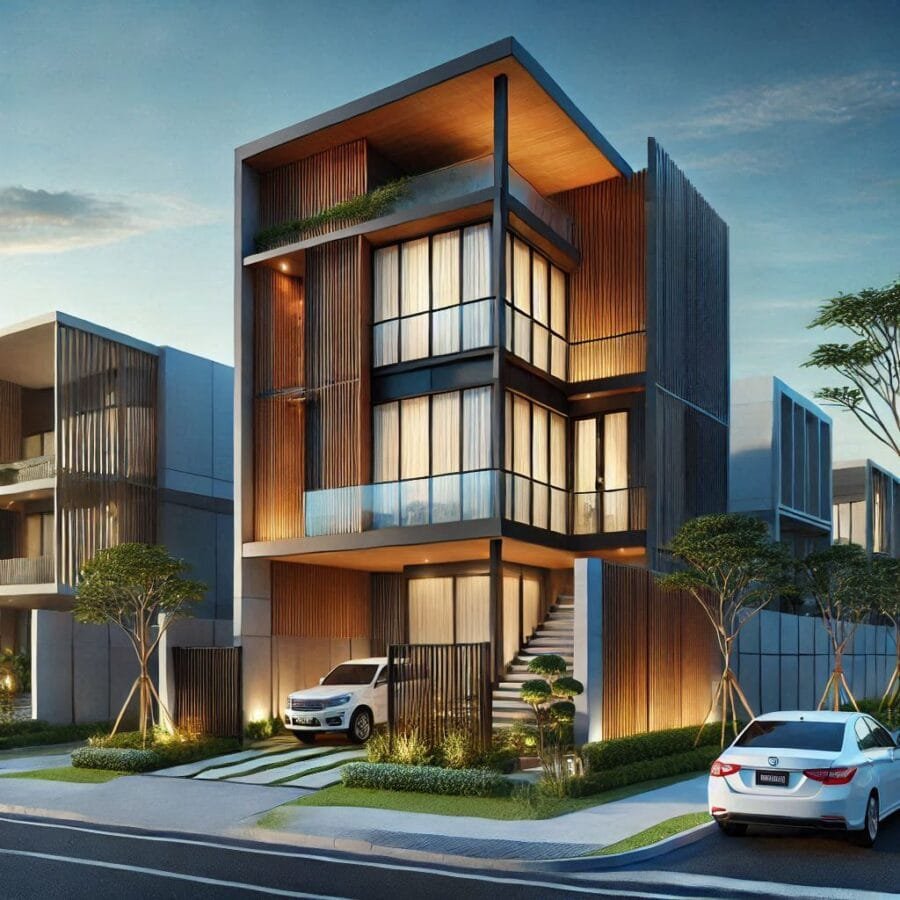
Start with a Clean Slate: Estate Clean Out
Before diving into any exterior design upgrades, it’s essential to lay a solid foundation by starting with a clean slate. Understanding estate cleanouts is a vital first step in enhancing your home’s curb appeal. Over time, homes can accumulate clutter, debris, old furniture, and even unwanted items left behind from previous owners. An estate clean-out service can help remove all of this, clearing the way for fresh landscaping, painting, or new exterior features.
Estate clean-outs are particularly helpful when you’re dealing with accumulated junk or neglected spaces. If your yard is overgrown with weeds or littered with old furniture and tools, it may seem overwhelming to imagine how to start making changes. A professional clean-out service can take care of this by removing everything that doesn’t belong, allowing you to focus on improving the areas that need attention to improve the exterior design of your home.
Additionally, these services help with yard waste, such as broken branches, fallen leaves or damaged plants. Once your exterior space is cleared, you’ll be able to see the potential your home holds and the clean-up will provide the blank canvas needed for a beautifully designed home exterior. With the clutter gone, it’s easier to plan landscaping, painting, and other curb appeal improvements.
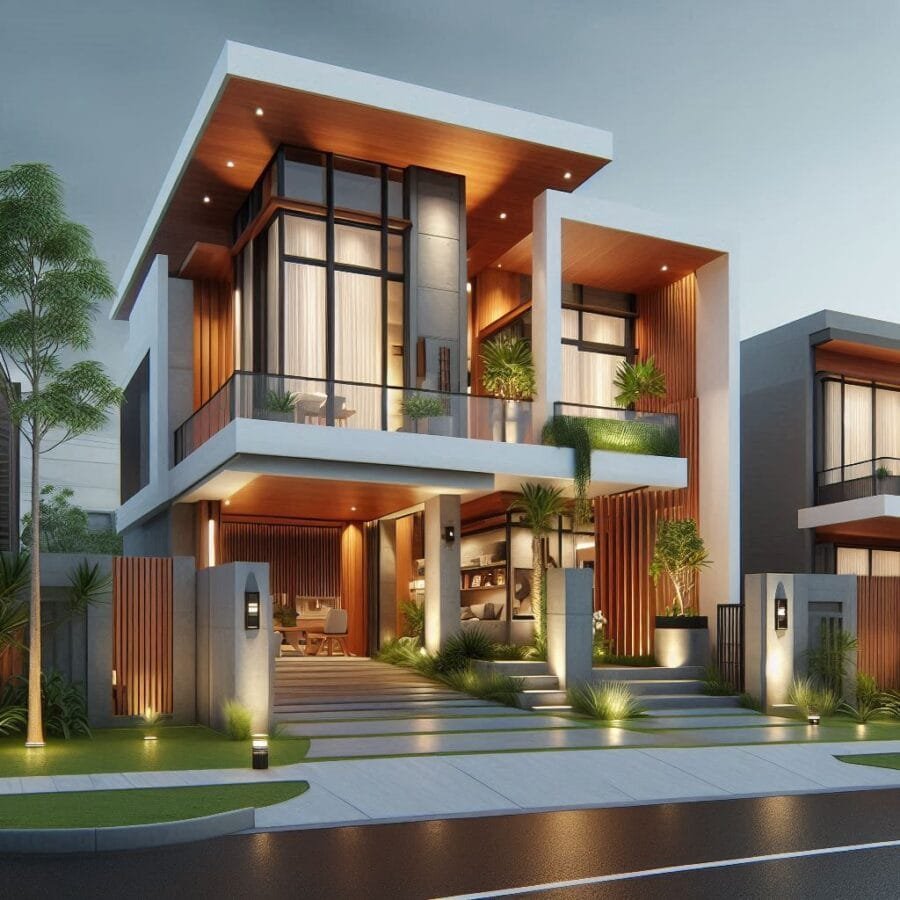
Refresh Your Front Door and Entryway
To enhance your exterior design your front door is one of the first things people notice when approaching your home, so making it stand out is key to creating great curb appeal. Consider painting your front door with a bold color that complements the overall design of your home. Colors like navy blue, deep red, or even shades of green can make your door a focal point that draws attention.
If the door is old or worn, consider replacing it entirely. Modern doors come in various styles, from classic wooden designs to more contemporary metal or fiberglass options, and they can instantly elevate the look of your home.
Along with the door itself, don’t forget about the entryway. Adding a new welcome mat, a couple of potted plants, or even a stylish outdoor light fixture can make the space feel more inviting and polished. This small upgrade can give your entire exterior a fresh, welcoming vibe.
Landscape with Purpose
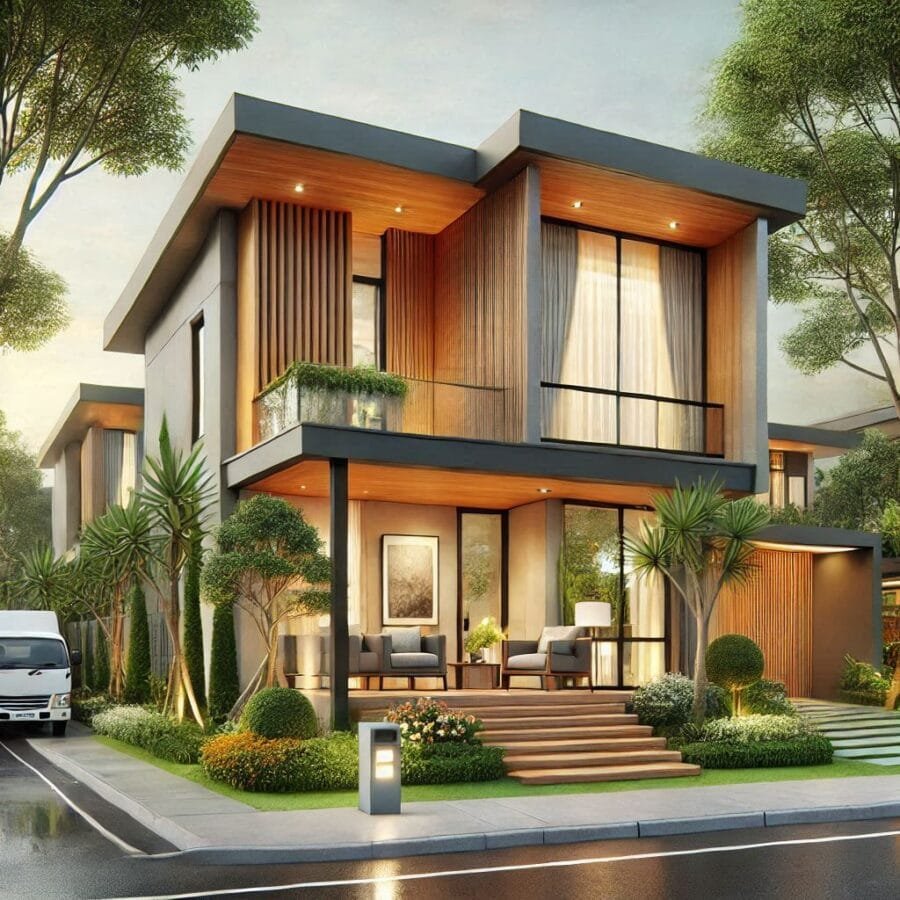
Landscaping is one of the most impactful ways to enhance exterior design. A lush, healthy lawn sets the tone for the rest of your exterior, creating an inviting, polished look. Ensure that your lawn is well-maintained by mowing regularly, fertilizing it, and ensuring it gets enough water. If your lawn has bare patches or is struggling to grow, you may want to consider reseeding or investing in sod for a fuller, greener appearance.
Strategic planting is also essential in creating visual interest in your front yard. Mix perennial flowers, shrubs, and trees that complement the style of your home and bloom throughout different seasons for year-round beauty. Colorful flowers along borders or a statement tree near the entrance can provide height and dimension to your landscape.
Incorporating garden borders, such as stone, metal, or wooden edging, can help define areas and keep your plantings neat and contained. It’s important to plan your landscape design carefully, taking into account the scale of your home, the local climate, and the maintenance required.
Install or Upgrade Walkways
Walkways lead guests to your front door, making them an essential part of your home’s curb appeal. If your current walkway is cracked, uneven, or outdated, consider replacing it with a more attractive and functional option. There are many materials to choose from, such as natural stone, brick, or even gravel, each offering a unique look that can suit various home styles.
When designing your walkway, aim for smooth curves that lead the eye toward the front door. A well-designed path not only enhances the look of your front yard but also provides a welcoming touch, guiding visitors easily into your home.
Lighting to Highlight the Best Features
Outdoor lighting can completely transform the appearance of your home after dark, allowing its best features to shine even at night. Consider installing subtle landscape lighting along pathways, in flower beds, and around key features such as trees or sculptures. Using LED or solar-powered lights is a cost-effective and eco-friendly way to illuminate your yard.
In addition to lighting up your yard, don’t forget about your front door and porch area. Soft lighting around these areas can create a warm and inviting glow, making your home feel cozy and welcoming from the outside.
Exterior Design: Fresh Paint and Exterior Upgrades
Nothing improves a home’s exterior like a fresh coat of paint. If your home’s exterior is looking weathered or faded, applying a new layer of paint can bring it back to life. Choose colors that complement the surroundings and highlight the architectural style of your home. Lighter shades can make a small home appear larger, while darker hues give a grand, sophisticated feel.
Another way to refresh your exterior is by power washing the surfaces around your home, including driveways, patios, and siding. Power washing removes dirt, grime, and stains, giving your home a clean and polished look without the need for costly repairs or renovations.
Update Windows and Shutters
Windows and shutters can have a significant impact on the appearance of your home’s exterior. If your shutters are old or in disrepair, consider replacing them with new ones in a style that complements your house. Painted shutters can add contrast and visual interest, especially if they’re in a bold or contrasting color.
Adding window boxes filled with seasonal flowers is another great way to enhance the look of your home. Window boxes can soften the lines of your home’s exterior and bring a burst of color, especially in the spring and summer months.
Fencing and Gates
Installing a fence around your property can help define your boundaries and enhance the overall design. Whether you prefer a rustic wooden fence, a classic picket fence, or a more modern metal design, fencing adds privacy and structure to your front yard.
Adding a decorative gate at the entrance of your walkway or driveway can also give your home a more distinguished look, adding charm and elegance to the exterior.
Small Details That Make a Big Difference
Sometimes, the smallest details can make the biggest impact. Consider upgrading your mailbox to match the design of your home. Choose a sleek, modern mailbox or a charming, vintage design, depending on the style of your house.
Outdoor furniture, such as a bench or rocking chairs on your front porch, can also make your home feel more inviting. Add cushions and throws for a cozy touch, and you’ve got a space where you can relax and enjoy your front yard.
Conclusion
Enhancing your home’s curb appeal doesn’t have to be a large, overwhelming project. By starting with a clean slate and making thoughtful design choices, you can transform your exterior into a beautiful, welcoming space. Whether it’s refreshing the front door, upgrading the landscape, or adding lighting, each detail plays a role in making your home stand out.
If you’re ready to get started, begin by removing clutter and debris with an estate clean-out service. Once you have a blank canvas, the possibilities are endless. Happy designing!