
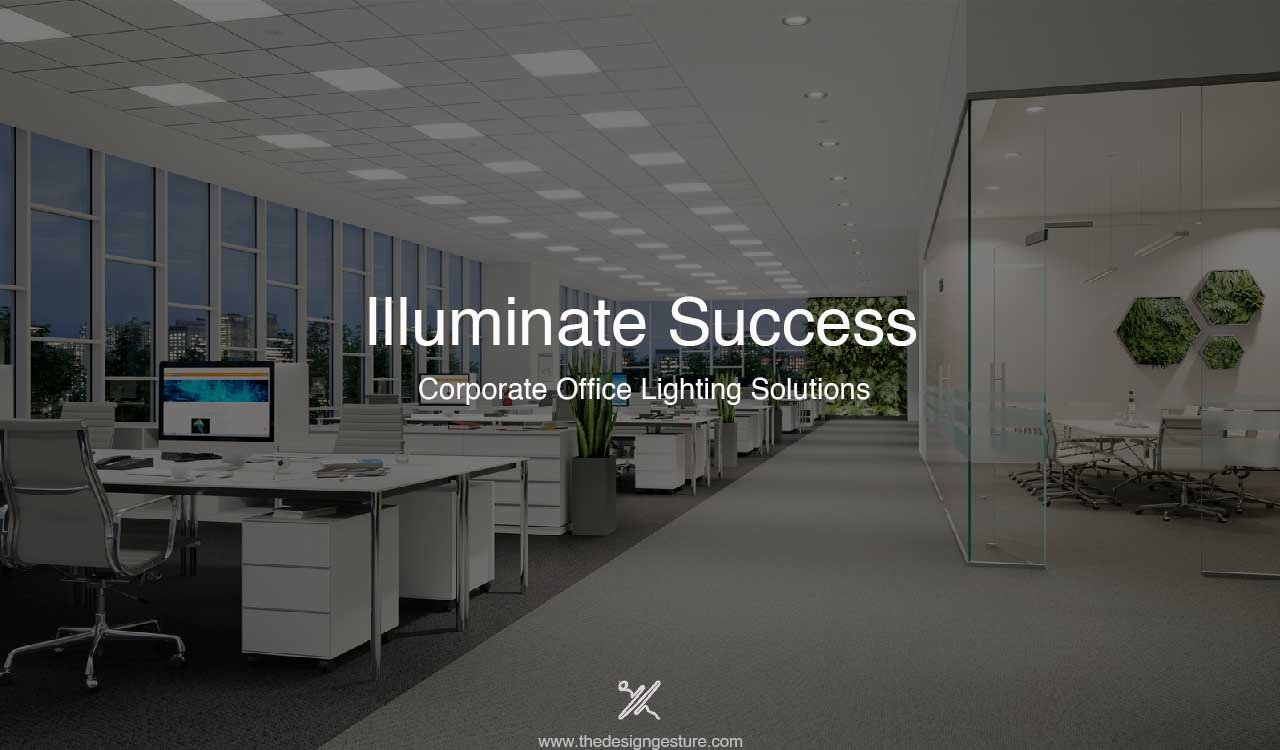
Tag: lighting

  • Illuminate Success: Corporate Office Lighting Solutions

    Illuminate Success: Corporate Office Lighting Solutions

    Architecture has various elements and techniques that add to a functional space to be effective for human usage. One of them is lighting in architecture. Architectural lighting design supports and accentuates specific architectural features to encourage, develop, or underline a building’s ethos—its beauty, history, and purpose, like for corporate office lighting.

    Lighting design and architectural lighting can resemble one another but are not identical. The earlier is more interested in architecture. To ensure that light is used and distributed properly, the latter frequently takes ergonomics or functionality into account—any feature that enhances one’s capacity to live, work, function, relax, or play. Architecture, design, and technology all come together in architectural lighting. The effects of light on the brain and body, as well as physics, engineering, and other fields of study, are also taken into consideration with the physical impact. The brain needs a calm and subtle environment in order to process ideas and thoughts. 
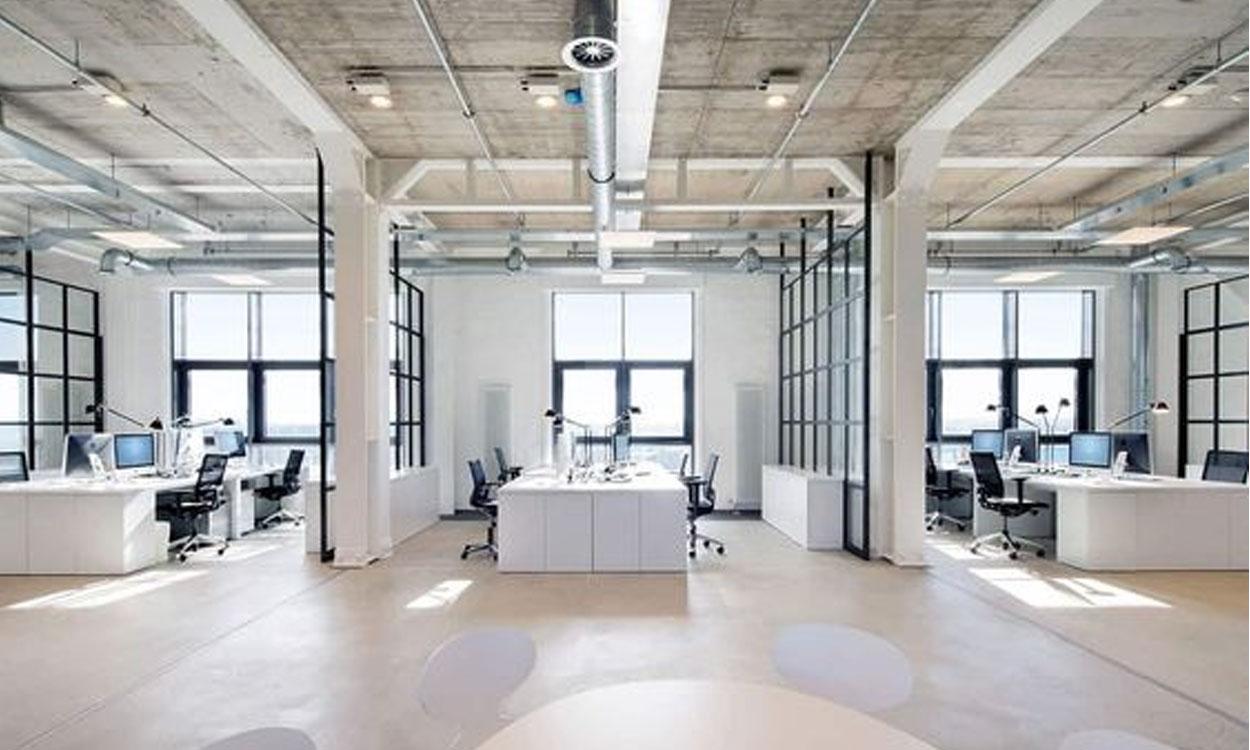
    Illuminate Success: Corporate Office Lighting Solutions Architecture has various elements and techniques that add to a functional space to be effective for human usage. One of them is lighting in architecture. Architectural lighting design supports and accentuates specific architectural features to encourage, develop, or underline a building's ethos—its beauty, history, and purpose, like for corporate office lighting.
    Image Source: Pinterest

    As architectural elements affect human mood and behavior so do lighting does. The characteristics of a structure can convey information about history, identity, or ideals. The use of architectural lighting can help the narrative come to life.

    Importance of Architectural Lighting

    Lighting has a significant impact on visibility and appearance along with the experience it leads in all spaces, including homes, industries, and workplaces. While poor lighting design might detract from the appeal of a catching place, adequate and beautiful lighting can improve the appearance of a dull space. Therefore, it is imperative to have adequate outdoor architectural lighting arrangements in accordance with the needs of the space.

    Architectural lighting design is a technique that demonstrates how light and its manifestations will affect the feel and look of the places. Architects have shown how illumination and its absence may have a startling impact on people’s health and productivity, whether utilizing electric light, natural light, or a combination of the two. However, designers and architects are becoming increasingly interested in the impact of lighting as a result of the use of new lighting with cutting-edge technologies for improvement.

    Corporate Office Lighting

    Lighting has a direct relation to the mood and behavior of the employees. The office or the workspaces should opt for balanced lighting which promotes positivity and calmness in the space and creates a work environment. 

    Productivity with Office Lighting

    The type of light that employees are exposed to influences not only mood, circadian rhythms, and physical health but also productivity and creativity. This is true whether the light source at a workplace is natural, artificial, bright and blue, or dim and yellow.

    According to Star Davis, who is in charge of WeWork’s worldwide team of committed lighting specialists, “There are a lot of interesting studies around the nature of your environment and how it affects your brain’s ability to perceive and function in different ways.”  Davis added, “Having lights around allows people to be more creative and have more creative ideas.” When it comes to creativity, being well-rested, awake, and enthusiastic are key factors, and the correct lighting can help you achieve these states.

    However, dim illumination might strain your eyes and leave you feeling sleepy and exhausted. On the contrary, lighting that is too bright might harm your eyes, interfere with your ability to sleep, and cause migraines. The extra mental effort required to fill in the spaces might wear you out and limit your capacity for creativity and productivity, according to Davis.

    Natural Light in Offices

    The benefits of proper illumination in the workplace, particularly natural light, are enormous for workers. Studies even demonstrate that employees rank natural sunlight as the best office element that makes the environment more comfortable and suitable. But with blinds or shades that block out possible views of the outside and natural light in order to lessen glare or uncomfortable heat.
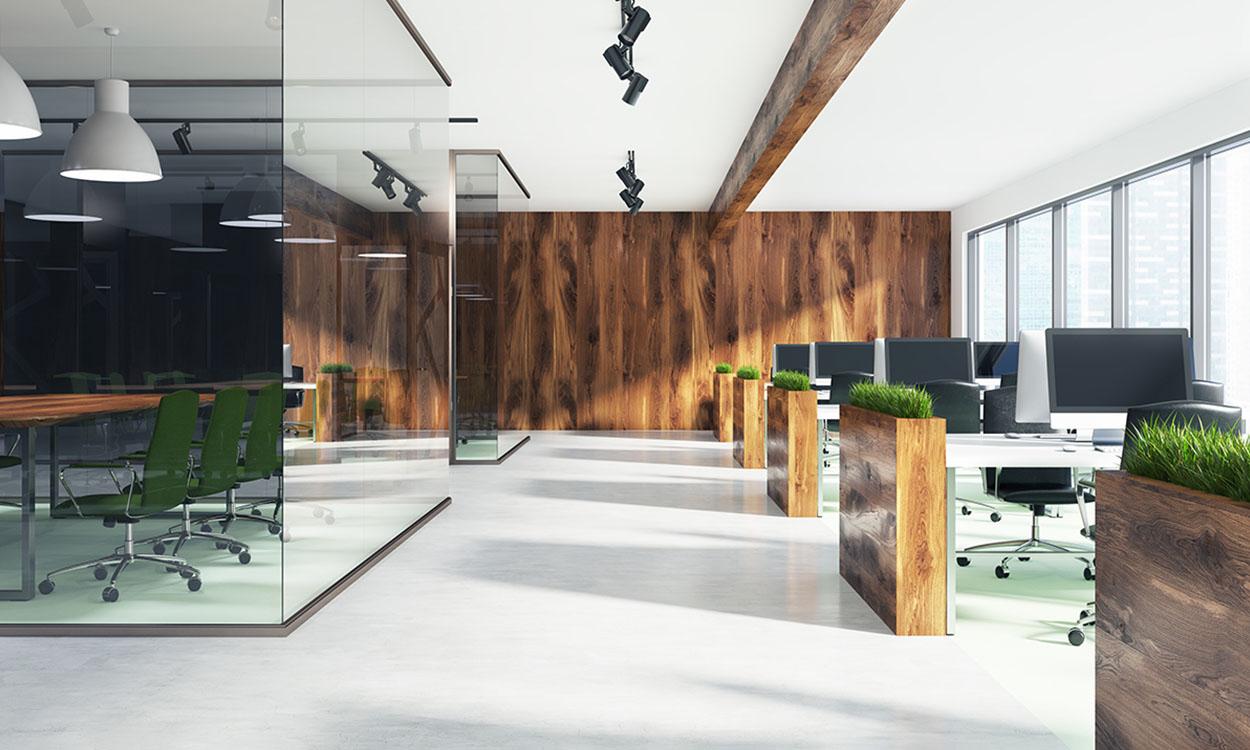
    Illuminate Success: Corporate Office Lighting Solutions Architecture has various elements and techniques that add to a functional space to be effective for human usage. One of them is lighting in architecture. Architectural lighting design supports and accentuates specific architectural features to encourage, develop, or underline a building's ethos—its beauty, history, and purpose, like for corporate office lighting.
    Image Source

    The practice of daylighting, which involves strategically positioning windows, skylights, and reflective surfaces to let natural light into a building’s interior, maximizes the benefits of natural light in the workplace for energy efficiency, comfort, productivity, and morale. 

    Incorporating glass partition panels separates people and provides acoustic seclusion in offices, whether or not the building has been designed to maximize daylighting. This increases the number of employees who can benefit from natural light in the workplace. Using nature as an inseparable element in design will positively influence the employees. One of the positives can be a welcoming atmosphere which increases the productivity of the employees. Additionally, it encourages better sleep for employees making them energetic and positive. Overall, it has made a great experience for work satisfaction. 

    Corporate Lighting

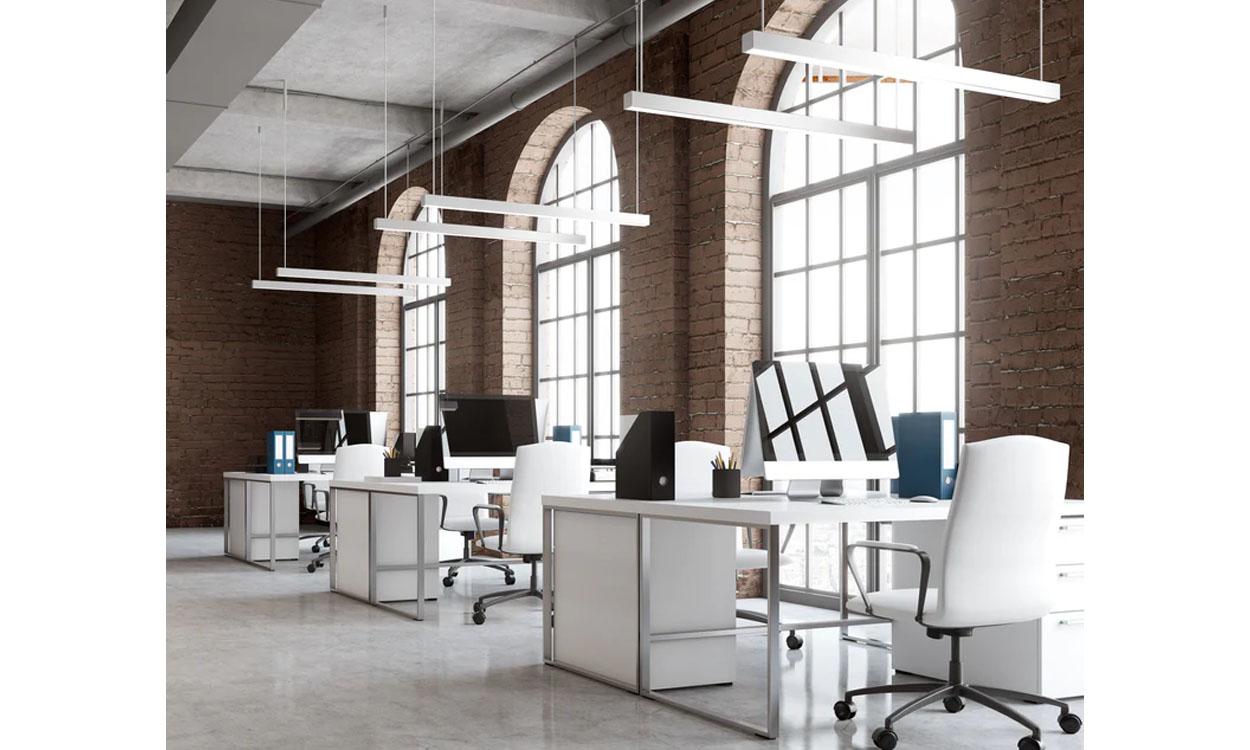
    The approach towards lighting also depends on the type of office and workspaces. For example, banks would require different lighting while a private office would require some different light. It also depends on how much the area and how many people are going to occupy the space. The larger office working area often needs clean and continuous light which keeps the whole space with enough light. 

    Apart from natural light, ambient lighting is also needed in offices. It creates a more comfortable and subtle environment for the workers to engage with and connect to have a good mood and mind. Using the color temperature in lighting is also quite effective. Additionally, task lighting is also an indeed plus point to pay attention to. Task lighting allows to particular creates an environment for individual employees to focus more on the work and increases productivity. With additional flexibility, energy use can be decreased and the environment can be improved.
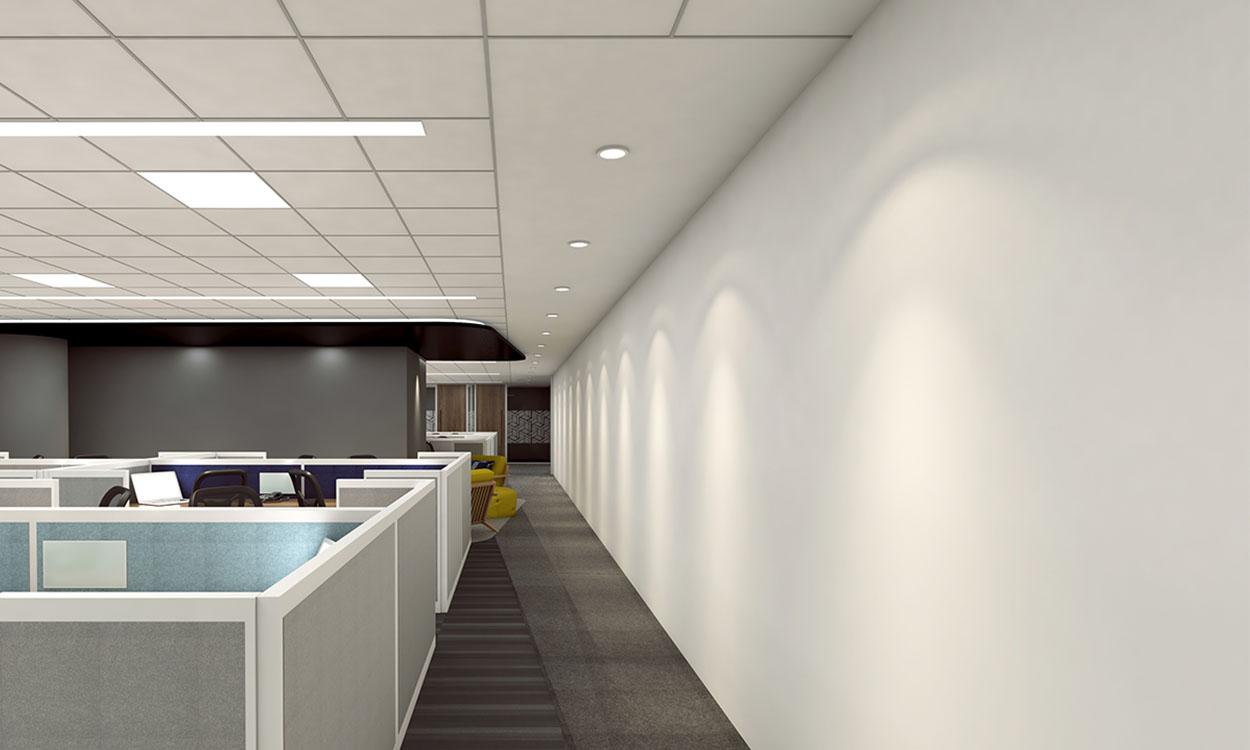
    Illuminate Success: Corporate Office Lighting Solutions Architecture has various elements and techniques that add to a functional space to be effective for human usage. One of them is lighting in architecture. Architectural lighting design supports and accentuates specific architectural features to encourage, develop, or underline a building's ethos—its beauty, history, and purpose, like for corporate office lighting.
    Image source
    Illuminate Success: Corporate Office Lighting Solutions Architecture has various elements and techniques that add to a functional space to be effective for human usage. One of them is lighting in architecture. Architectural lighting design supports and accentuates specific architectural features to encourage, develop, or underline a building's ethos—its beauty, history, and purpose, like for corporate office lighting.
    Image Source

    Also, professional experts for lighting should be consulted. The experts can assist in developing a lighting strategy so that the particular requirements and aesthetics of the office space are addressed. 

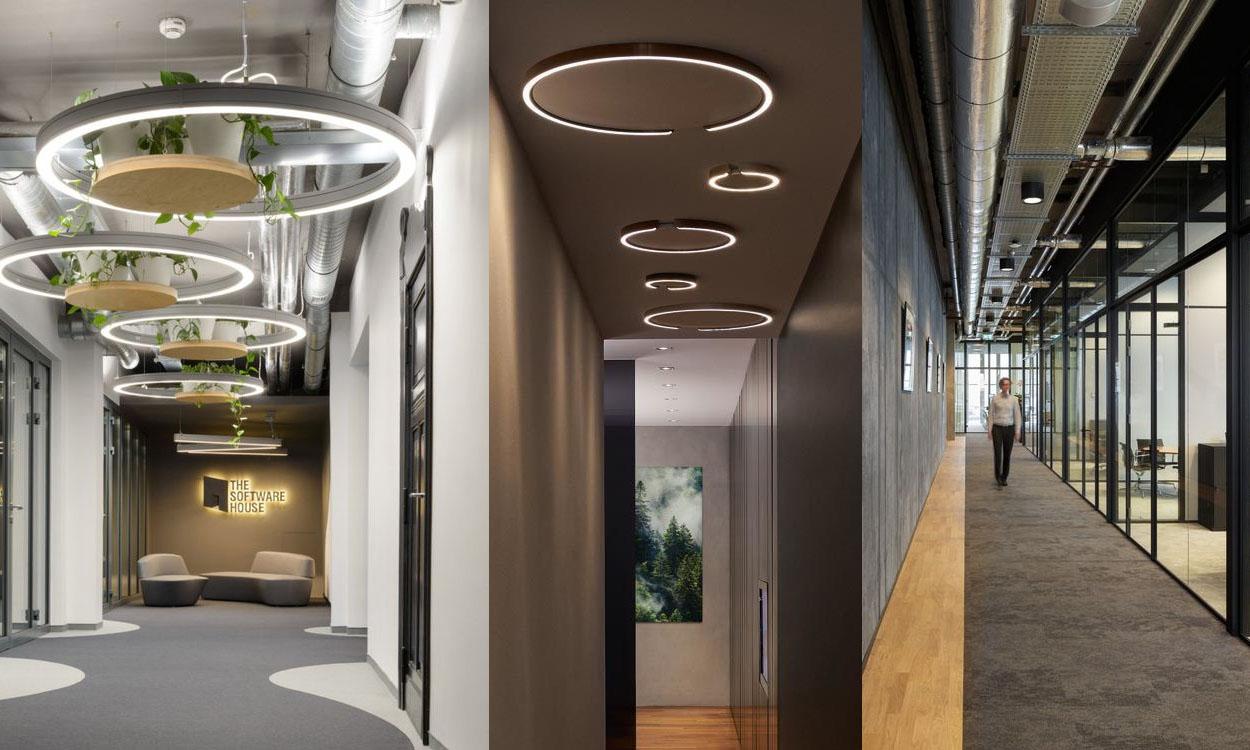
    Designing for lighting, and considering the functional space demarcation can also be fruitful. As in not all spaces would be in need of strong lighting. All functional spaces would need lighting based on that which makes it more convenient in approach as well to enhance the space and environment. Also, the lighting plays an important role in the transition of spaces. 
    Corporate Office Lighting

    Corporate office lighting ought to be a thoughtfully thought out and implemented component of office design. Along with supporting the company’s sustainability objectives and aesthetic choices, it should place a priority on worker comfort, productivity, and energy efficiency.

  • 5 Simple Ways to Make a Dark Hallway Lighter

    5 Simple Ways to Make a Dark Hallway Lighter

    Dark hallways can seem like such a black hole: there’s limited light and a feeling of claustrophobia.

    But with a few easy changes, you can make your dark hallway feel less like a dungeon and more like a welcoming entrance.

    In this guide, I’ll show you how to make a dark hallway lighter and brighter. I’ll cover everything from lighting your hallway to selecting the right paint colour for your walls.

    So, without further ado, let’s jump right into it.

    Ways To Make a Dark Hallway Lighter

    Paint the Walls

    dark hallways
    Brighten Up Dark Hallways With These 6 Best Paint Colors

    Consider using lighter wall colours[1]  such as white or a pale neutral shade to make your dark hallway lighter. Lighter wall colours can reflect more natural and artificial light.

    Light colours create a brighter and more inviting atmosphere in your hallway. A light colour palette for your walls can instantly transform the space and make it more open and spacious.

    In addition to making your hallway appear brighter, using lighter wall colours also has the added benefit of visually expanding the space. This is particularly useful if you have a narrow or small hallway. It can help make the area feel less cramped and claustrophobic.

    Add Mirrors

    Hang mirrors on the walls to maximise the light reflection and make your hallway appear brighter. Mirrors are a simple yet effective way to brighten up a dark space.

    You can make the illusion of more natural light and make the area more open and welcoming.

    Here are a few tips on how to incorporate mirrors into your hallway:

    • Group mirrors together: Create a focal point by hanging multiple mirrors in different sizes and shapes. This not only adds visual interest but also amplifies the reflection of light.
    • Use hallway tables: Place a hallway table with a mirror above it near the entrance of your hallway. This functional piece of furniture reflects light and adds depth to the space.
    • Hang mirrors opposite windows or light fixtures: By positioning mirrors across from windows or light fixtures, you can effectively bounce natural or artificial light around the hallway, brightening up even the darkest corners.
    • Experiment with different mirror styles: Play around with varying styles of mirrors, such as framed or frameless, to find the one that best suits your hallway’s aesthetic and enhances the light reflection.

    Install Brighter Lighting

    You can achieve a brighter hallway by replacing your dim or outdated light fixtures with brighter ones, such as recessed lighting or wall sconces. Recessed lighting provides illumination and can be placed strategically to light up the hallway.

    On the other hand, wall sconces can add additional light and create a cosy atmosphere. Pendant lights are an excellent option for hallways with high ceilings as they bring the light closer to eye level. Installing brighter lighting fixtures can transform your dark hallway into a well-lit and inviting space.

    In addition to lighting, consider incorporating miscellaneous hallway furniture that can enhance the brightness of the space. As mentioned in the previous subtopic, mirrors can reflect light and make the dark hallway feel larger and brighter.

    You can also consider adding light-coloured furniture, such as console tables or benches. Light-colored furniture reflects light and creates an illusion of spaciousness.

    Install Skylights or Windows

    5 Simple Ways to Make a Dark Hallway Lighter Dark hallways can seem like such a black hole: there's limited light and a feeling of claustrophobia.

    To bring more natural light into your dark hallway, consider installing skylights or windows for a brighter and more inviting atmosphere. Skylights are a great option if your hallway is on the top floor or has a roof above it. They allow sunlight to stream in from above.

    On the other hand, windows can be installed on the walls to let in light from the outside. This is particularly beneficial if your hallway is on a lower level or can’t accommodate skylights.

    Hang Light- Coloured Artwork or Photos

    5 Simple Ways to Make a Dark Hallway Lighter Dark hallways can seem like such a black hole: there's limited light and a feeling of claustrophobia.

    Brighten your hallway by hanging artwork or photos with light-coloured frames or mats.

    Here are a few reasons why incorporating light-coloured artwork or photos can make a difference:

    • Reflection of light: Light tones on the walls will help to reflect more light, creating a brighter atmosphere in your hallway. By choosing artwork or photos with light-coloured frames or mats, you can enhance this effect and make the most of the available natural or artificial light.
    • Illusion of depth: Artwork with bright or natural scenes can create an illusion of depth and open the space. Selecting pieces depicting landscapes or vibrant colours can make your hallway appear larger and more expansive.
    • Positive energy: Bright and cheerful artwork or photos can bring a sense of positivity and joy to your hallway. Surrounding yourself with images that make you happy can create a welcoming and uplifting environment for yourself and your guests.
    • Personal touch: Hanging your artwork or photos in light-coloured frames or mats allows you to showcase your creativity and personality.

    Keep the Hallway Clutter-free

    skylight

    You can create a more open and spacious hallway by decluttering the space and keeping it free from unnecessary items. A clutter-free hallway improves the overall appearance and allows more light to flow through.

    Here are some practical tips to help you keep your hallway clutter-free:

    • Install wall hooks: Hang coats, bags, and other frequently used items on wall hooks to keep them off the floor and maintain a tidy space.
    • Use storage baskets or bins: Place a few strategically placed storage baskets or containers to collect items such as shoes, hats, and scarves, preventing them from scattering around the hallway.
    • Implement a shoe rack: A designated shoe rack will help keep shoes organised and prevent them from piling up near the entrance, creating a cleaner and more open feel.
    • Utilise hallway storage solutions: Opt for hallway furniture with storage, such as benches or console tables with drawers, providing a place to store small items out of sight. A cluttered hallway can make the space feel dark and cramped. Incorporating hallway storage solutions that organise your belongings can make a big difference.

    Use Light-coloured Flooring

    Light-coloured flooring in your dark hallway can instantly brighten up the space and make it more open and inviting.

    Here are some reasons why light-coloured flooring is an excellent choice for your hallway:

    • Reflects Light: Light-coloured flooring helps to reflect natural and artificial light, making the hallway appear brighter and more spacious.
    • Creates a Sense of Freshness: Light-coloured flooring gives a clean and fresh look to the hallway, making it feel more welcoming and inviting.
    • Enhances the Décor: Light-coloured flooring acts as a neutral backdrop, letting you experiment with different colours and patterns in your hallway decorations.

    Frequently Asked Questions (FAQs)

    Are there any specific types of light-coloured flooring that work best in dark hallways?

    There are a few options that work well in brightening up the space. Light-coloured wood floors, such as pine or white oak, can create an airy feel and reflect more light, making the hallway appear brighter. Light-coloured tiles, such as light grey or beige, can also help brighten a dark hallway, especially with proper lighting. Additionally, light-coloured carpets or rugs, such as cream or light beige, can add brightness and warmth to the hallway.

    How often should I clean the mirrors in my hallway to maintain maximum light reflection?

    To maintain maximum light reflection in your hallway mirrors, cleaning them regularly is essential. How often you clean will depend on how often the mirrors get dirty. As a general rule, you should aim to clean them at least once a week to keep them free from dust, smudges, and fingerprints.

    Are there any specific types of artwork, decor or photos that are known to enhance light in a dark hallway?

    Several types of artwork or photos can enhance light in a dark hallway. Here are a few suggestions:

    • Mirrors: Adding mirrors to a dark hallway can help reflect and amplify existing light sources, making the space appear brighter and more spacious. Place mirrors strategically to capture and reflect light from windows or artificial sources.
    • Light-themed artwork: Choose artwork with light as the subject matter or incorporate bright colours. Paintings or photographs with subjects such as sunrises, sunsets, or sunlight streaming through windows can create the illusion of light in a dark hallway.
    • Abstract or vibrant artworks: Opt for abstract or vibrant paintings with bold colours and energetic compositions. These can add visual interest and a sense of vitality to the hallway, creating a more dynamic and illuminated atmosphere.
    • Illuminated or backlit artwork: Consider installing backlit artwork or using illuminated frames to emit light in the hallway actively. This can serve as a light source and enhance the overall brightness of the space.

    Conclusion

    Whether painting the walls, adding new windows, or installing light fixtures, a host of options are available to make a hallway lighter.

    And once it’s an attractive feature in your home, you’ll be less likely to want to use it as an area to abandon clutter.

    You can also include some greenery, which will help make the area feel more inviting.