
Tag: modernstyle

  • Ancient Architecture: Essential Lessons to Learn for Modern Architects

    Ancient Architecture: Essential Lessons to Learn for Modern Architects

    Problems with Modern Buildings

    Cities with glass facades and skyscrapers have trouble dealing with climate change and increasing heat. Buildings provide enough shade from the sunlight and an adequate amount of ventilation. These buildings are more sustainable and environmentally–friendly. As a result of global warming and greenhouse gases, cities are threatened by extreme temperatures. The gulf countries are expected to experience temperatures above 50 degrees in the upcoming years. 

    Most people and buildings are dependent on mechanical ventilation. Also, materials used in ancient architecture like concrete asphalt and glass aren’t adaptive to high temperatures. Glass reflects heat in the atmosphere. While asphalt absorbs heat and raises the temperature of the environment, the carbon emissions during concrete production contribute to global warming. HVAC systems of buildings along with the emissions of cars and other vehicles create heat islands. 

    Architecture in the Earlier Days

    In the earlier days, people relied on natural forms of living harmoniously with nature. Most of the people at that time were dependent on primary activities for a living. Glass was rarely used as a material for construction.  The buildings were made with naturally available materials. These materials were sustainable. The structures were compliant with the way of life of people then. Houses were designed according to functions and environment. 
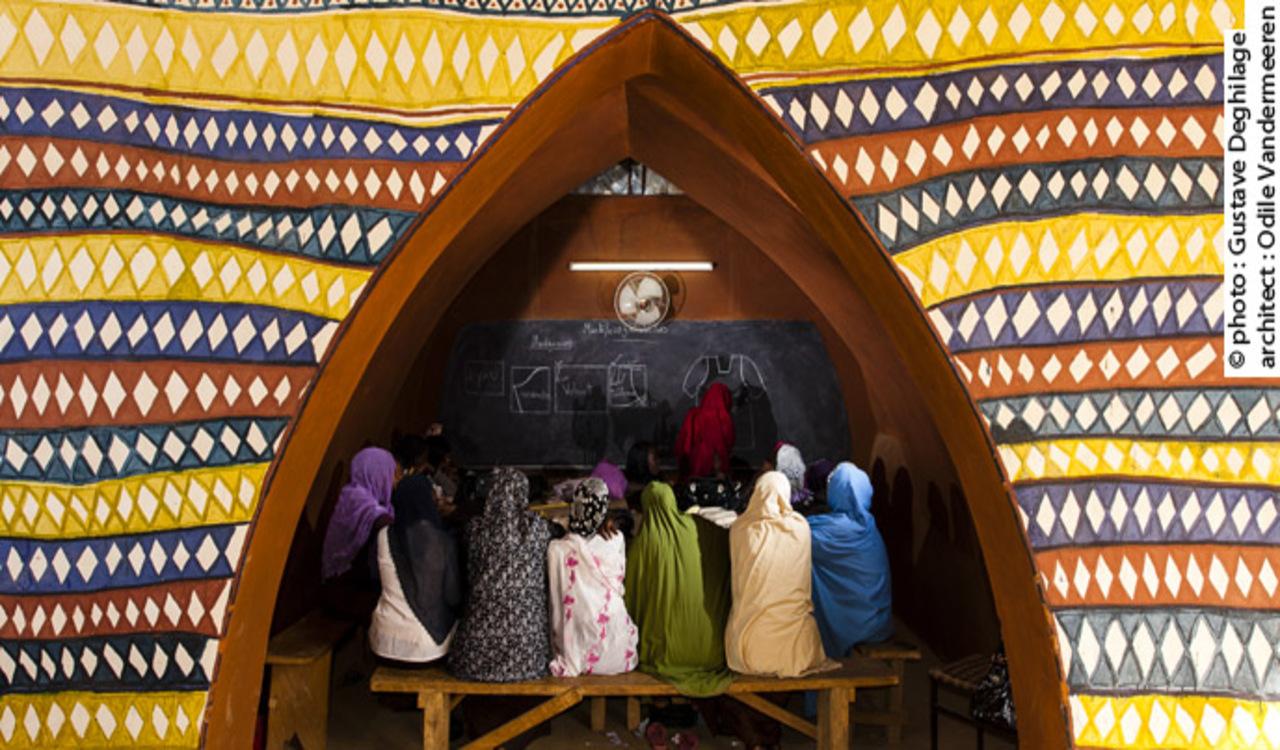
    Ancient Architecture
    Photo by Unesco

    In warm climates, houses were built with thick walls with the help of other natural and environmentally friendly materials like mud, limestone, and local plants. These houses provided the residents with natural thermal insulation. The color and texture of the walls allowed limited heat absorption and radiation. They absorbed humidity during the nighttime and, as a result, provided a cooling effect during the day. An example of this is the Red Palace in Al-Jahra, Kuwait. Nomads resided in tents, also known as ‘Houses of hair’ in Arabic, as they were made out of goat hair and sheep’s wool. 
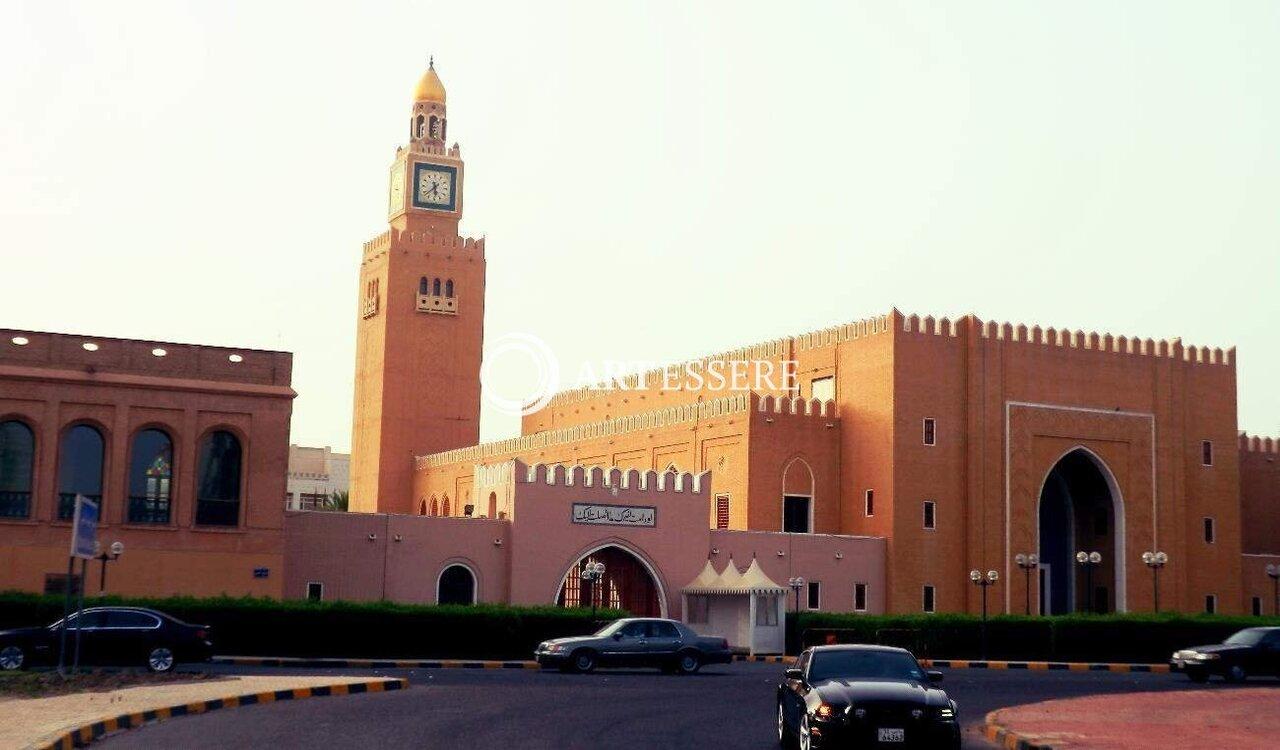
    mud house
    Photo by Art Essere

    Mud huts made out of thatch and clay are sustainable and provide effective cooling. Instead of asphalt, the streets were paved with stones that do not store heat. In Petra, Jordan, the Nabatean people created an entirely planned city by carving out mountains. These dwellings provided regulated temperatures instead of the modern buildings with fluctuating ones. 

    Ancient Architecture Design

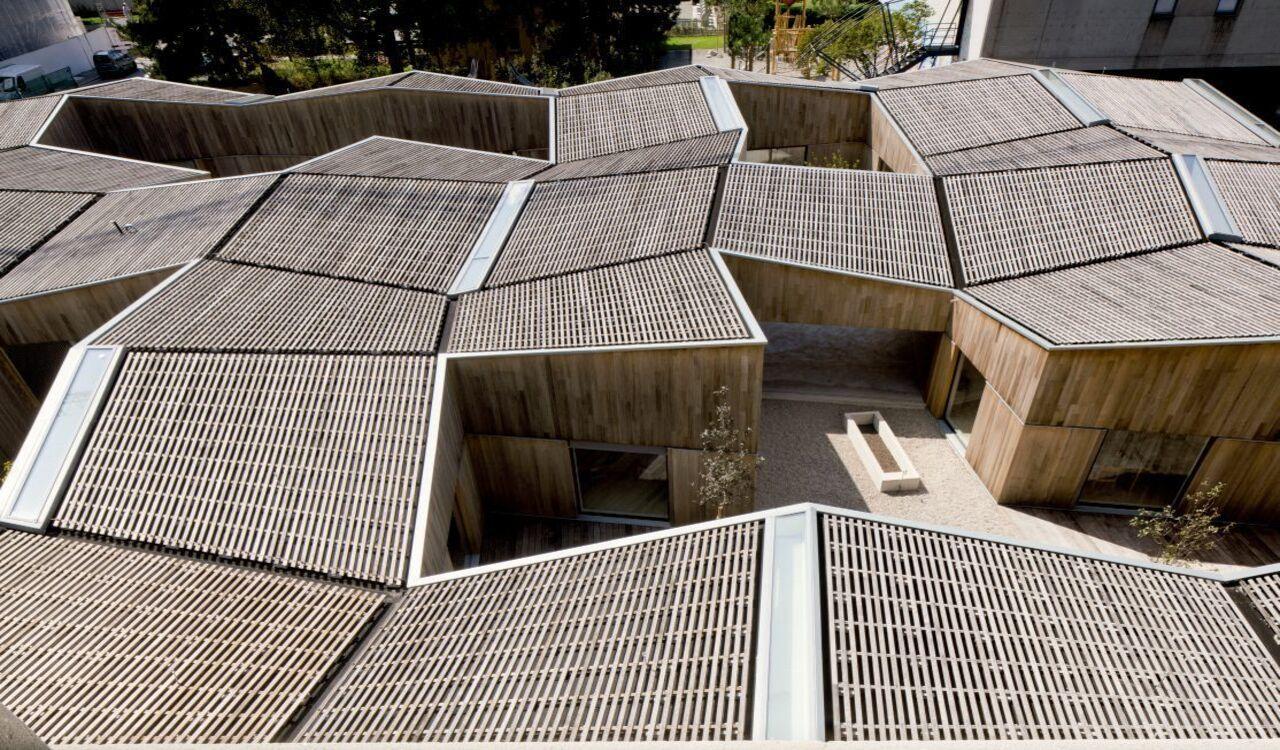
    Narrow lanes minimized the heat absorption since they received shadows from surrounding buildings, the exposed area to direct sunlight was reduced. Internal courtyards were a very common feature in the older houses. They were surrounded by rooms that provided shade, making the courtyard a center for household activities. 
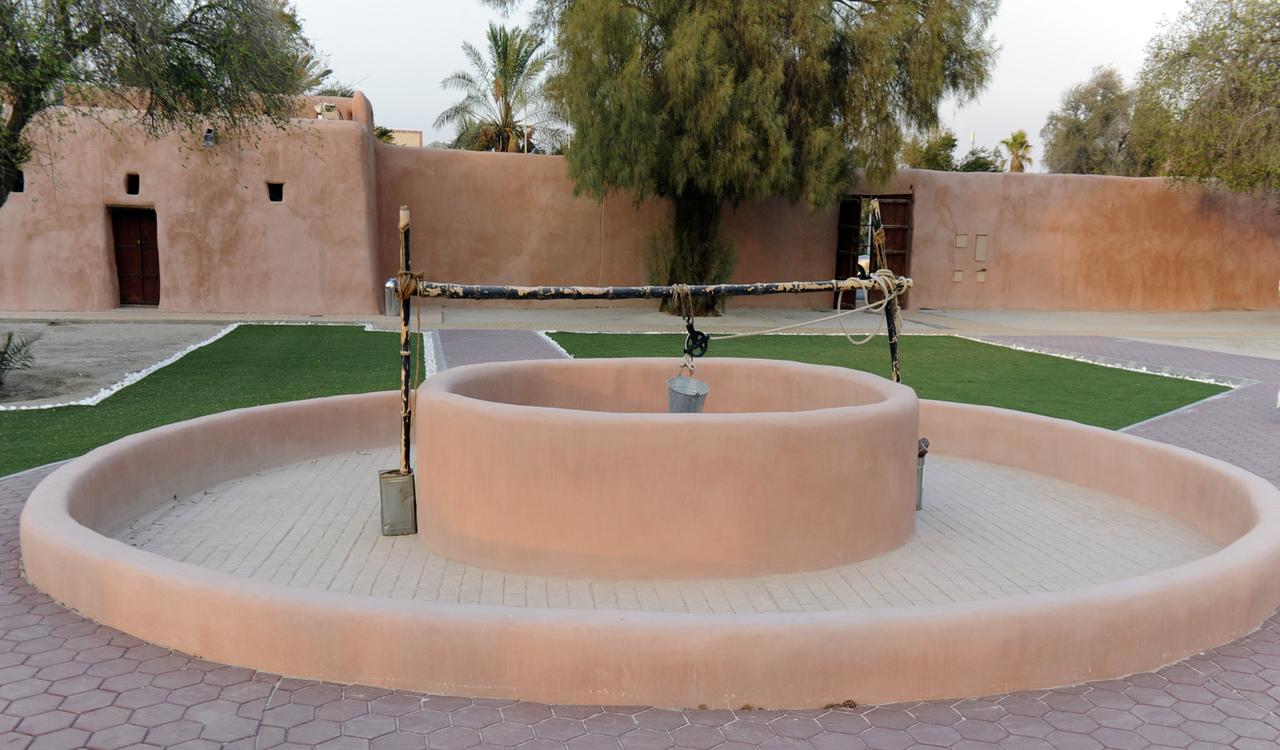
    water body
    Photo by Kuna

    At times, the courtyard included an in-built water body and/or vegetation. This also provided a cooling effect during the daytime as the hot air dispersed away through this area. Skylight on the ceilings was also a very common element in the architectural design of such houses. This aided in ventilation and sunlight while maintaining the privacy of the space. Elements like the dome were used to create an effective method of air circulation irrespective of the wind speed. 
    roof
    Photo by Dwell from Pinterest

    Benefits of Traditional Architecture

    Incorporating traditional architecture might help combat climate issues in the modern world. Incorporating water bodies like fountains in the center of courtyards with trees around along with building structures is a great way of cooling. Any up gradation in the materials, design and planning will lead to low carbon emissions and fossil fuel use. Thermal comfort can be obtained by adding insulating materials to the walls. Planting more trees helps in regulating the environment. Mimicking urban planning from the old cities might make public transportation better. 

    There are a lot of lessons to be learned from ancient architecture from all around the world. This will help in better planning proposals and more efficient and sustainable development with the help of local materials. These techniques are extremely important to obtain eco-friendly, sustainable, and carbon zero cities. The ideas and principles used in ancient architecture should be studied, noted, examined, and translated into the design by modern architects to develop critical thinking skills. Knowing historical processes comes in handy with one’s architectural practice. 

    Importance of Historical Architecture

    Different periods denote different styles of architecture based on the people and culture. Every era had a different architectural language. The overlapping architectural language of all the buildings from these different styles can be taken in as architectural principles that give rise to a good design. Traces of old architectural monuments are often found in modern buildings in the form of design. 

    Benefit for Modern Architects

    A thorough study of the history of architecture will help architects for a more innovative approach to their architectural design. Architectural innovations are a result of improving technologies. A study of changing technologies might help in analyzing the direction of emerging technologies in the upcoming future. Evaluating the pros and cons of the designs of the ancient era will also help recognize the failures and not just the successful building designs. 

    This analysis will provide insights for architects to develop further in terms of architectural design, building materials, technologies, services, landscaping, etc. They might also help or evolve an architect’s approach to designing for a better future. And build on the experiences of their predecessors. As opposed to the common belief that sustainability is an upcoming modern concept, it has been implemented in vernacular architecture for the longest time. 

    Revisiting the historical trends might help understand the way sustainability had impacted architectural practices through the ages. Comparing them with aspects of architecture in the modern world might help attainment of sustainability in building design in a better way. The designs of the older times were a result of the trial-and-error method. Structures like forts and castles were planned to combat disasters. Disaster management concerning building designs evolved from time to time according to people, their culture, geographical locations, regional context, topography, land use, etc. 
    calamities
    Photo by The Economist

    People had their way of planning for disaster management ahead of time. The history of calamities was exposed to the building structures of those times. While the principles stay the same, the architectural design elements have changed from time to time to meet society’s demands. It is important to address the community’s needs and incorporate them into your designs. The financial aspect and changing market have a direct impact on architecture. Learning the history of architecture and analyzing the information help in acknowledging the risks. 

  • Alaskan Architecture: A beauty beyond its mountains

    Alaskan Architecture: A beauty beyond its mountains

    Introduction

    Alaska is a state in the Western United States on the northwest extremity of North America. Alaska’s architecture truly is some of the world’s grandest masterpieces, as well as extremely famous among Alaskan people. It is home to the Alaska Center for the Performing Arts in downtown Anchorage, the Conoco-Phillips Building as well in downtown Anchorage, the St. Andrews Parish in Eagle River, the Sealaska Heritage Institute Walter Soboleff Center, and much more.

    Whenever Alaska is mentioned, all we think about is the snow-capped mountain ranges, extreme weather, northern lights, and much less civilization. The natural beauty of Alaska is breathtaking. The nature of Alaska is wild, huge, and magnificent. But despite these obvious things, what most of us don’t know is that Alaska is full of architectural beauty. The buildings-however less they might be, are exquisite and engaging.

    These structures/buildings show personal attitudes and cultural perceptions as representations of ways of life, reflecting the wide range of diversity of people who helped shape them. Alaska’s architecture has been influenced by three major cultural groups- the Americans, the Natives, and the Russians. The Natives built houses that were climate-responsive and were made of indigenous materials. Similarly, the Russians brought their own ideas and block lookalike homes to America as they were ideal for much of the land they lived in.

    The nation-wide trend toward sustainable and eco-friendly design and Alaska is helping lead the charge with energy-efficient, sustainable architecture. Alaskan architects have taken that national trend and added aspects unique to the state’s needs, such as durability and cost containment measures, to create a design that is all-Alaskan.

    Types of Alaskan Architecture

    Alaskan architecture
    Source-Wikipedia

    Rustic

    Rustic architecture is a style of architecture used in rural government and private structures and their landscape interior design. It was influenced by the American craftsman style. This type of architecture related to national parks is sometimes referred to as Parkitecture. Rustic-style buildings, when done well, respond to their surroundings. Subordination, non-intrusiveness, and contemplation of the past are all key characteristics in the approach.

    Modern Rustic decor style is embracing rustic charm and warmth with modern amenities. The key to a modern rustic space is an open floor plan, modern furniture, and preserved and exposed natural architectural elements. The color scheme is very simple, with large windows bringing the outdoors in.

    Characteristics include:

    • Fractured walls
    • Windows with little panes
    • Overhanging eaves
    • Minimalistic approach
    • Readymade or easily available materials in that area.
    • Stone foundation

    Russian Colonial

    Russian architecture follows a tradition whose roots lie in early Russian wooden architecture. Russian Colonial architecture is the least common form of architecture in the United States. It started in the late 1700s, when Russians settled in North America. The Russian Colonial aesthetic emerged when settlements grew in the Aleutians, Kodiak Island, and along Alaska’s southern coast.

    Characteristics include:

    • Horizontal log construction with interlocking technique.
    • Rectangular plans
    • Community at the riverside or head of the bay.

    Art Deco

    Art Deco, sometimes referred to as Deco, is a style of visual arts, architecture and design that first appeared in France just before World War I. It influenced the design of buildings, furniture, jewellery, fashion, cars, movie theatres, trains, ocean liners, and everyday objects such as radios and vacuum cleaners. It combined modern styles with fine craftsmanship and rich materials. During its heyday, it represented luxury, glamour, exuberance, and faith in social and technological progress.

    Commercial buildings often adopt the style, while it is hardly seen in residential architecture. Zigzag Modern, Cinema Style, Modern Depression, and Jazz Modern are some of the other names for the style.

    Characteristics include:

    • Sleek and linear geometric forms
    • Vertical focal point
    • Massive windows with metal sashes
    • Flat or stepped roofs
    • Glass, brick and tile are often used as décor.
    • Concrete acts as a strong building material
    • Elaborate pilasters and pediments used to decorate doorways.
    • rectangular geometric forms, arranged and broken up by curved ornamental elements.

    Neo-Expressionism

    Neo-expressionism is sculpture-like and theatrical in appearance. This style of architecture never dominated the American architectural scene, but most commonly found in religious and public buildings from the period. Strict geometric shapes are rejected and sculpted forms emerge. The challenge to understand Neo-Expressionist architecture is that it doesn’t have a single set of rules or standards. It’s eccentric and subjective; it’s easier to define by what it isn’t.

     Neo-Expressionism wasn’t a specific style revival, because each Expressionist structure was extremely individual. Rather, it was a revival of an attitude and exploration of similar ideas, namely feeling and emotion over intellectualism, which in architecture often translated into stark, geometric structures and minimal decoration or design elements.

    Characteristics include:

    • Unrealistic and unexpected roof design
    • Natural look
    • Non- traditional structural element
    • Intricate materials worth for research
    • Adoption of novel materials
    • Unusual massing
    • Formal innovation

    Deconstructivism

    Deconstructivism is a movement of postmodern architecture which appeared in the 1980s. Besides fragmentation, deconstructivism often manipulates the structure’s surface skin and deploys non-rectilinear shapes which appear to distort and dislocate established elements of architecture. The style is aesthetic, with no logical reasoning offered. This approach depicts the disassembly of construction components and their re-assembly in a new method.

    Emerging from postmodernism toward the late 1980s, the idea of deconstructivism in architecture came to the world’s attention when a group of Avant-Garde architects. The basic building was the subject of problematic and intricacies in deconstructivism, with no detachment for ornament. Rather than separating ornament and function, the functional aspects of buildings were called into question. Geometry was to de-constructivists what ornament was to postmodernists. The subject of complication, and this complication of geometry, was applied to the functional, structural, and spatial aspects of de-constructivist buildings. 

    Characteristics include:

    • Expensive materials such as glass, metals
    • Surface manipulation
    • Contrast between shapes and forms
    • Fragmentation and non-rectilinear shapes
    • Dislocated architectural conventions concerning structure and envelope.

    Post Modernism

    Postmodern architecture is a style or movement which emerged in the 1960s as a reaction against the austerity, formality, and lack of variety of modern architecture, particularly in the international style. Postmodern architecture emerged in the 1960s as a reaction to the perceived shortcomings of modern architecture, particularly its rigid doctrines, its uniformity, its lack of ornament, and its habit of ignoring the history and culture of the cities where it appeared.  

    Postmodern architecture often breaks large buildings into several unique structures and forms, sometimes representing different functions of those parts of the building. With the use of different materials and styles, a single building can appear like a small town or village. Asymmetric forms are one of the trademarks of postmodernism. Colour is an important element in many postmodern buildings to give the facades variety and personality, coloured glass is sometimes used, or ceramic tiles or stone.  

    Modern architecture focuses on creating a relationship between the material and structure by relating and adapting them to their present technological era, Whereas Post-modernist architecture emphasizes the vitality of historical elements in the design.

    Characteristics include:

    • Fragmentation
    • Colour factor
    • Visible entrance points
    • Traditional and vernacular architecture references
    • Usage of polychromatic materials such as paint.
    •  Mix of various geometric shapes

    Brutalism

    Brutalism, also known as Brutalist architecture, is a style that emerged in the 1950s and grew out of the early 20th century modernist movement. Brutalism was characterised by its rough, unfinished surfaces, unusual shapes, heavy-looking materials, straight lines, and small windows. The style commonly makes use of exposed, unpainted concrete or brick, angular geometric shapes, and a predominantly monochrome colour palette. Other materials, such as steel, timber, and glass, are also featured.

    New Brutalism is not only an architectural style; it is also a philosophical approach to architectural design, a striving to create simple and functional buildings that accommodate their purpose, inhabitants, and location. A common theme in Brutalist designs is the exposure of the building’s inner workings, ranging from their structure and services to their human use in the building’s exterior. 

    There is often an emphasis on graphic expressions in the external elevations and in the whole-site architectural plan regarding the major functions and people-flows of the buildings. Although the Brutalist movement was over by the late 1970s and early 1980s, has largely given way to Structural Expressionism and Deconstructivism, it has experienced a resurgence of interest since 2015 with the publication of a variety of guides and books.

    Characteristics include:

    • Exposed concrete
    • Massive heavy blocks/structures to highlight the sculpture.
    • Representation of functionality in the outdoors, whether it’s human or architectural.
    • Straight lines, and small windows
    • Rough, unfinished surfaces

    Curtain Wall

    A curtain wall is an outer covering of a building in which the outer walls are non-structural, used only to keep the weather out and the occupants in. Since the curtain wall is non structural, it can be made of lightweight materials, such as glass, potentially reducing construction costs. These are designed as systems integrating frame, wall panel, and weatherproofing materials. Steel frames have largely given way to aluminium extrusions, typically in filled with glass, which provides an architecturally pleasing look and benefits such as daylighting. 

    Both beautiful and highly functional curtain walls resist air and water infiltration, withstand sway induced by wind and seismic forces and provide a thermal barrier between inside and out. When designed for large buildings, curtain walls are almost always customized to an individual project’s needs. In Alaska throughout the 1950s and 1960s, the curtain wall was a popular architecture type for commercial structures.  

    Characteristics include:

    • Stone veneers used for sheathing
    • Rectangular massing
    • Flat roof
    • Porcelain enamels panels
    • Heavy use of glass
    • Metal artwork skeleton for superstructure

    Modern Corporate

    Corporate modernism is a term that encompasses a specific International Style building in the latter half of the 20th century. The following collection of corporate modern office buildings showcase a consistency with earlier models, but with an unexpected and playful edge. Corporate Modern or Slick Skins, which derived its influences from Architect Mies van der Roe’s principles, gained traction in the 1950s with smooth external glass sheathing.

    Characteristics include:

    • Enhanced and large panes
    • Smooth sculptural textures
    • Use of thinner glass to make curved forms
    • Shiny natural surface
    • Rectangular volumes

    Types of housing in Alaska

    Alaska
    Source- Wikipedia

    In Alaska, the options for housing are plentiful. Some are traditional, and others a little more adventurous, but there’s always an option for everyone with their preferred design type.

    Dry Cabins

    A dry cabin is typically a small dwelling that isn’t hooked up to a water or sewer line. That means they’re easy to erect in the wilderness what Alaskans call “the bush”, but it also means we’re missing a few of modern life’s biggest amenities. Some have electricity, some don’t, but no dry cabin has running water or a flush toilet.

    It’s also the epicentre of an unusual cultural phenomenon: Dry-cabin living, living without running water. That means no plumbing. No toilet. No shower. Turns out, living in a dry cabin with an outhouse is way more common in Alaska than anyone expected. It also turned out that people found innovative solutions to no indoor plumbing.

    Apartment Sublets

    Of course, Alaska is still the first world. For wanting an accustomed to living in a fully plumbed and wired home, there are plenty of apartment sublets available for the summer in metropolitan areas. Apartments are typically the most expensive option, but for some people, the rewards of a private, comfortable home outweigh the costs. One way to cut down on costs is by finding an apartment that’s already furnished.

    Many seasonal apartments come furnished in Alaska, which means there’s no need to purchase your own living supplies. Furnishing involves a lot more than just furniture, after all. Finding a place that provides dishes, cookware, and bedding will be much easier and less expensive transition for the new Alaskan home.

    RV or Campervan

    Campers and RVs are even more common than dry cabins in Alaska. They comprise timber, bricks, cement, iron rods, and metal. Flats and bungalows are pukka homes. Such houses are known as permanent houses. A caravan, travel trailer, camper, tourer or camper trailer is towed behind a road vehicle to provide a place to sleep, which is more comfortable and protected than a tent.

    These vary from basic models, which may be little more than a tent on wheels, to those containing several rooms with all the furniture and other furnishings and equipment of a home. Construction of the solid-wall trailers can be made of metal or fiberglass.  

    Places to see in Alaska for Architects

    Anchorage Museum

    The Anchorage Museum features an exterior facade as stunning as the exhibits that adorn its interior. Upon completing an expansion in 2009, David Chipperfield Architects wrapped the building in glass cubes, which reflect both the city and nearby Chugach Mountains. The building truly interacts with its environment. From the outside, a passer-by can see the galleries inside. From the inside, visitors can see the surrounding mountains and watch the hustle and bustle of Alaska’s largest city.

    Ketchikan Public Library

    Ketchikan Public Library is the oldest continually operating library in the State of Alaska. Founded in 1901 as the Ladies’ Library Association, the subscription library became a true, ‘public’ library in 1943 when the City took on the management and financial responsibility for its operations. The growing collection was eventually moved to City Hall, and then the pink Federal Building. The library shared the Centennial Building with the historical museum from 1967 to 2013. The library now lives in a beautiful, award-winning building all its own, overlooking Bear Valley.

    Skater’s Cabin

    Skater’s Cabin Shelter is on the shore of the southwest corner of Mendenhall Lake, near the Mendenhall Glacier. The cabin was constructed in 1936 by the Civilian Conservation Corps and is made with natural stone.

    Denali National Park Lodging

    Denali National Park and Preserve encompasses 6 million acres of Alaska’s interior wilderness. Its centrepiece is 20,310-ft.-high Denali, North America’s tallest peak.

    Holy Family Cathedral

    Holy Family Cathedral is a former cathedral of the Catholic Church in Anchorage, Alaska. The original main entrance into the cathedral was along the side of the building through the tower. The architectural firm of McEntire and Pendergast designed a new portico of the main facade. It features two pairs of doors with oversized transoms that replaced a large window. The exterior had been a natural grey colour from the time of its construction. 

    Arctic Brotherhood Hall

    This incredibly usual out like a sore thumb in the historical corridor of Skagway. Thousands of sticks and pieces of driftwood cover every inch of the facade. Giant letters spelling out the initials “AB” poke through the assemblage of wood, hinting at the building’s past.

    Seuss House

    Hidden in the sparse woods outside Talkeetna, Alaska, is a bizarrely singular home known by locals as the Dr. Seuss House, though that isn’t what its creator calls it. While this whimsical house has no direct relation to the famed author, it is easy to see how the structure got its nickname.