
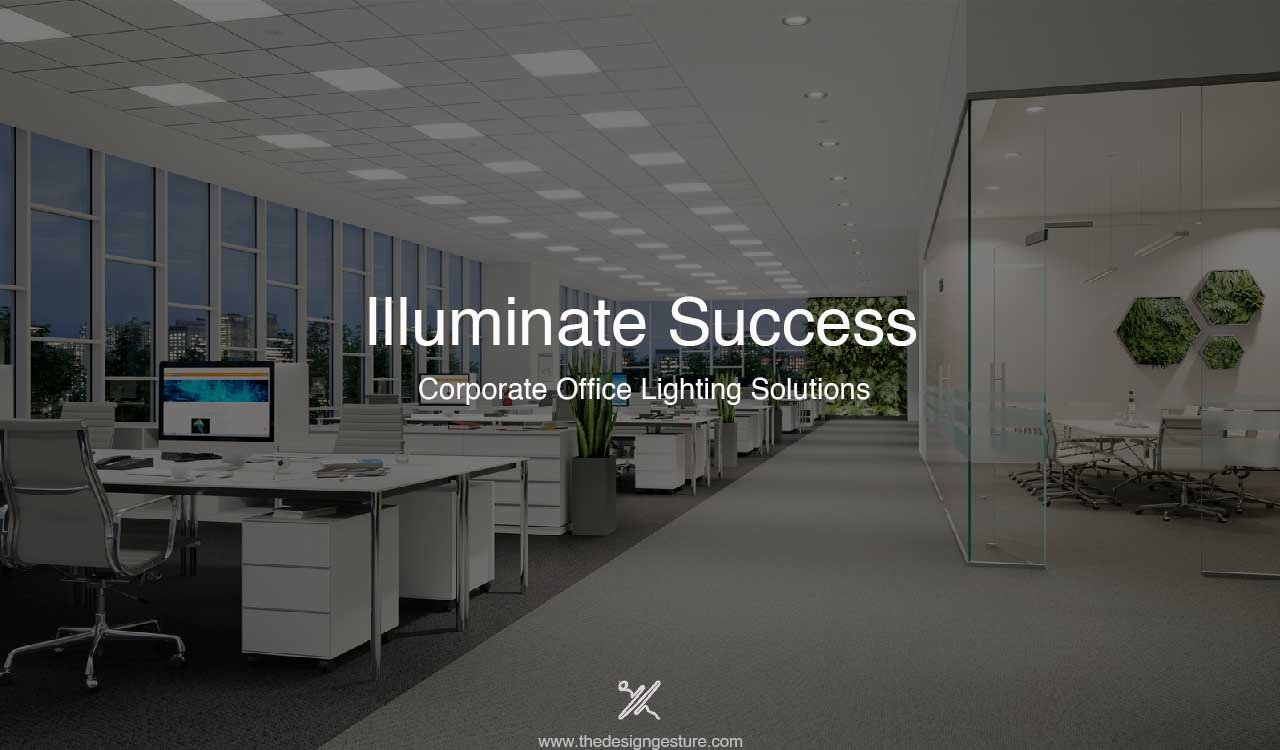
Tag: natural lighting

  • Illuminate Success: Corporate Office Lighting Solutions

    Illuminate Success: Corporate Office Lighting Solutions

    Architecture has various elements and techniques that add to a functional space to be effective for human usage. One of them is lighting in architecture. Architectural lighting design supports and accentuates specific architectural features to encourage, develop, or underline a building’s ethos—its beauty, history, and purpose, like for corporate office lighting.

    Lighting design and architectural lighting can resemble one another but are not identical. The earlier is more interested in architecture. To ensure that light is used and distributed properly, the latter frequently takes ergonomics or functionality into account—any feature that enhances one’s capacity to live, work, function, relax, or play. Architecture, design, and technology all come together in architectural lighting. The effects of light on the brain and body, as well as physics, engineering, and other fields of study, are also taken into consideration with the physical impact. The brain needs a calm and subtle environment in order to process ideas and thoughts. 
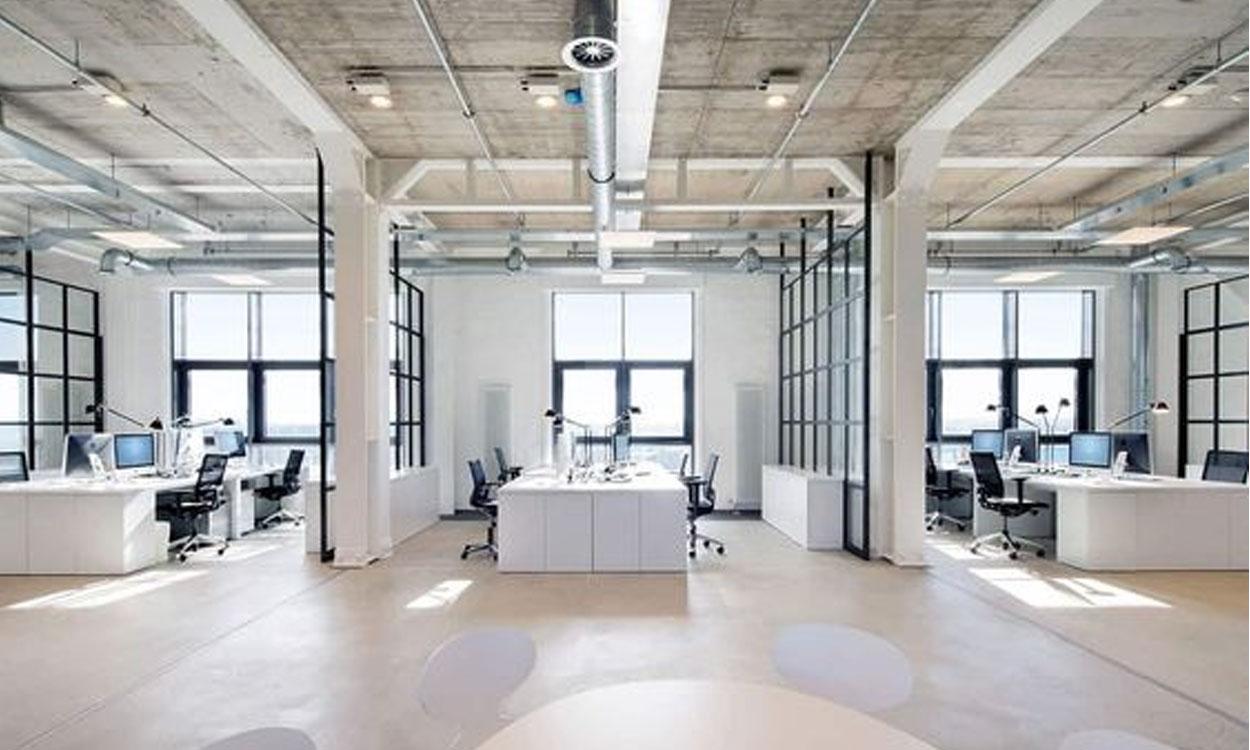
    Illuminate Success: Corporate Office Lighting Solutions Architecture has various elements and techniques that add to a functional space to be effective for human usage. One of them is lighting in architecture. Architectural lighting design supports and accentuates specific architectural features to encourage, develop, or underline a building's ethos—its beauty, history, and purpose, like for corporate office lighting.
    Image Source: Pinterest

    As architectural elements affect human mood and behavior so do lighting does. The characteristics of a structure can convey information about history, identity, or ideals. The use of architectural lighting can help the narrative come to life.

    Importance of Architectural Lighting

    Lighting has a significant impact on visibility and appearance along with the experience it leads in all spaces, including homes, industries, and workplaces. While poor lighting design might detract from the appeal of a catching place, adequate and beautiful lighting can improve the appearance of a dull space. Therefore, it is imperative to have adequate outdoor architectural lighting arrangements in accordance with the needs of the space.

    Architectural lighting design is a technique that demonstrates how light and its manifestations will affect the feel and look of the places. Architects have shown how illumination and its absence may have a startling impact on people’s health and productivity, whether utilizing electric light, natural light, or a combination of the two. However, designers and architects are becoming increasingly interested in the impact of lighting as a result of the use of new lighting with cutting-edge technologies for improvement.

    Corporate Office Lighting

    Lighting has a direct relation to the mood and behavior of the employees. The office or the workspaces should opt for balanced lighting which promotes positivity and calmness in the space and creates a work environment. 

    Productivity with Office Lighting

    The type of light that employees are exposed to influences not only mood, circadian rhythms, and physical health but also productivity and creativity. This is true whether the light source at a workplace is natural, artificial, bright and blue, or dim and yellow.

    According to Star Davis, who is in charge of WeWork’s worldwide team of committed lighting specialists, “There are a lot of interesting studies around the nature of your environment and how it affects your brain’s ability to perceive and function in different ways.”  Davis added, “Having lights around allows people to be more creative and have more creative ideas.” When it comes to creativity, being well-rested, awake, and enthusiastic are key factors, and the correct lighting can help you achieve these states.

    However, dim illumination might strain your eyes and leave you feeling sleepy and exhausted. On the contrary, lighting that is too bright might harm your eyes, interfere with your ability to sleep, and cause migraines. The extra mental effort required to fill in the spaces might wear you out and limit your capacity for creativity and productivity, according to Davis.

    Natural Light in Offices

    The benefits of proper illumination in the workplace, particularly natural light, are enormous for workers. Studies even demonstrate that employees rank natural sunlight as the best office element that makes the environment more comfortable and suitable. But with blinds or shades that block out possible views of the outside and natural light in order to lessen glare or uncomfortable heat.
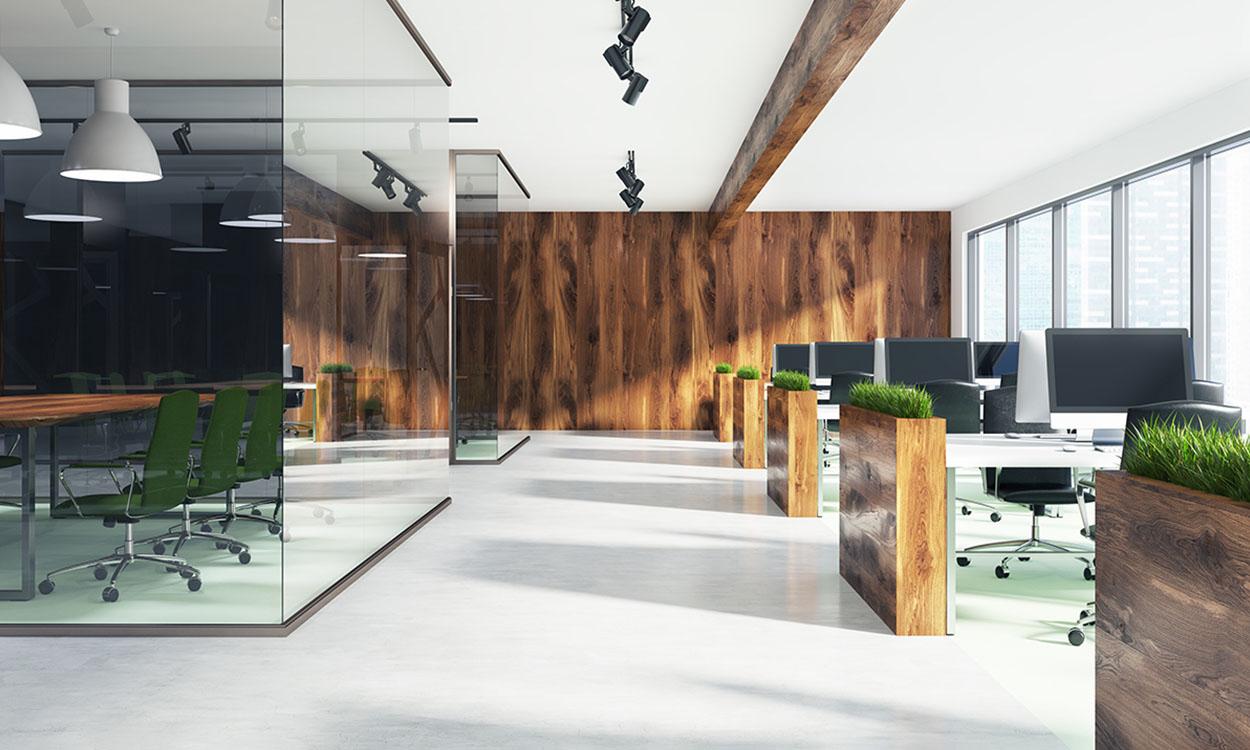
    Illuminate Success: Corporate Office Lighting Solutions Architecture has various elements and techniques that add to a functional space to be effective for human usage. One of them is lighting in architecture. Architectural lighting design supports and accentuates specific architectural features to encourage, develop, or underline a building's ethos—its beauty, history, and purpose, like for corporate office lighting.
    Image Source

    The practice of daylighting, which involves strategically positioning windows, skylights, and reflective surfaces to let natural light into a building’s interior, maximizes the benefits of natural light in the workplace for energy efficiency, comfort, productivity, and morale. 

    Incorporating glass partition panels separates people and provides acoustic seclusion in offices, whether or not the building has been designed to maximize daylighting. This increases the number of employees who can benefit from natural light in the workplace. Using nature as an inseparable element in design will positively influence the employees. One of the positives can be a welcoming atmosphere which increases the productivity of the employees. Additionally, it encourages better sleep for employees making them energetic and positive. Overall, it has made a great experience for work satisfaction. 

    Corporate Lighting

    The approach towards lighting also depends on the type of office and workspaces. For example, banks would require different lighting while a private office would require some different light. It also depends on how much the area and how many people are going to occupy the space. The larger office working area often needs clean and continuous light which keeps the whole space with enough light. 

    Apart from natural light, ambient lighting is also needed in offices. It creates a more comfortable and subtle environment for the workers to engage with and connect to have a good mood and mind. Using the color temperature in lighting is also quite effective. Additionally, task lighting is also an indeed plus point to pay attention to. Task lighting allows to particular creates an environment for individual employees to focus more on the work and increases productivity. With additional flexibility, energy use can be decreased and the environment can be improved.
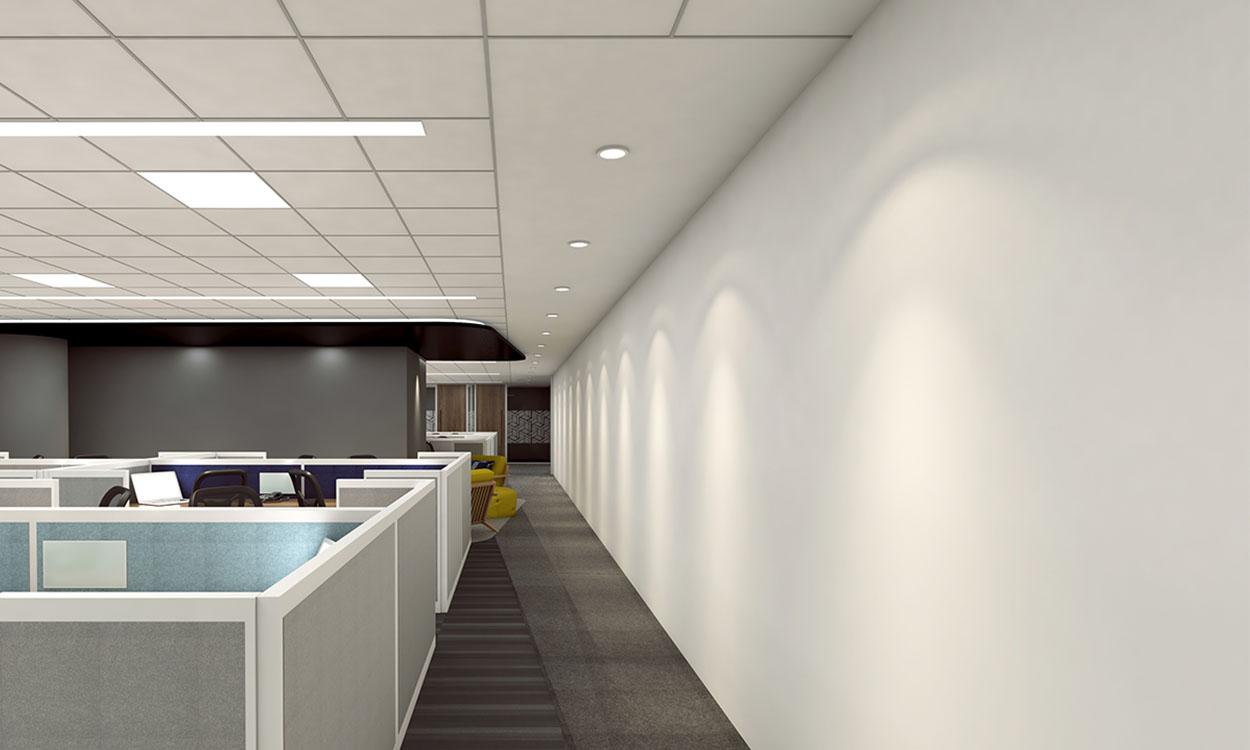
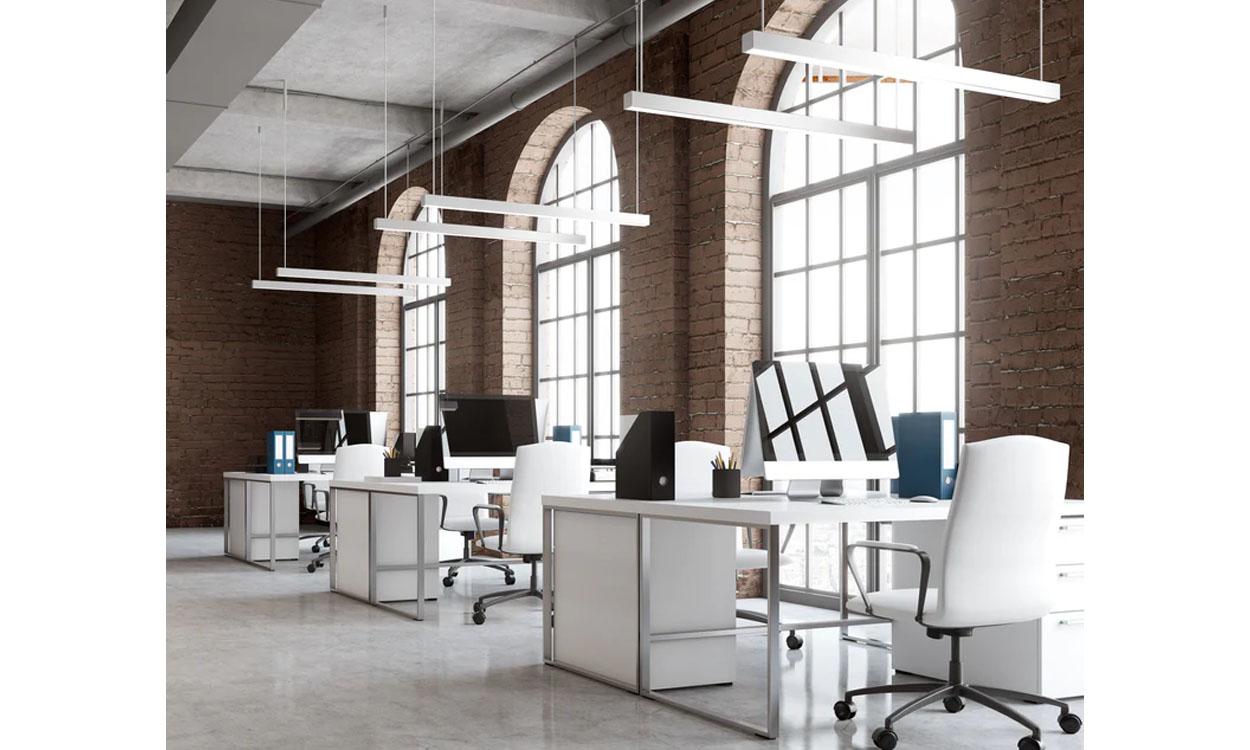
    Illuminate Success: Corporate Office Lighting Solutions Architecture has various elements and techniques that add to a functional space to be effective for human usage. One of them is lighting in architecture. Architectural lighting design supports and accentuates specific architectural features to encourage, develop, or underline a building's ethos—its beauty, history, and purpose, like for corporate office lighting.
    Image source
    Illuminate Success: Corporate Office Lighting Solutions Architecture has various elements and techniques that add to a functional space to be effective for human usage. One of them is lighting in architecture. Architectural lighting design supports and accentuates specific architectural features to encourage, develop, or underline a building's ethos—its beauty, history, and purpose, like for corporate office lighting.
    Image Source

    Also, professional experts for lighting should be consulted. The experts can assist in developing a lighting strategy so that the particular requirements and aesthetics of the office space are addressed. 

    Designing for lighting, and considering the functional space demarcation can also be fruitful. As in not all spaces would be in need of strong lighting. All functional spaces would need lighting based on that which makes it more convenient in approach as well to enhance the space and environment. Also, the lighting plays an important role in the transition of spaces. 
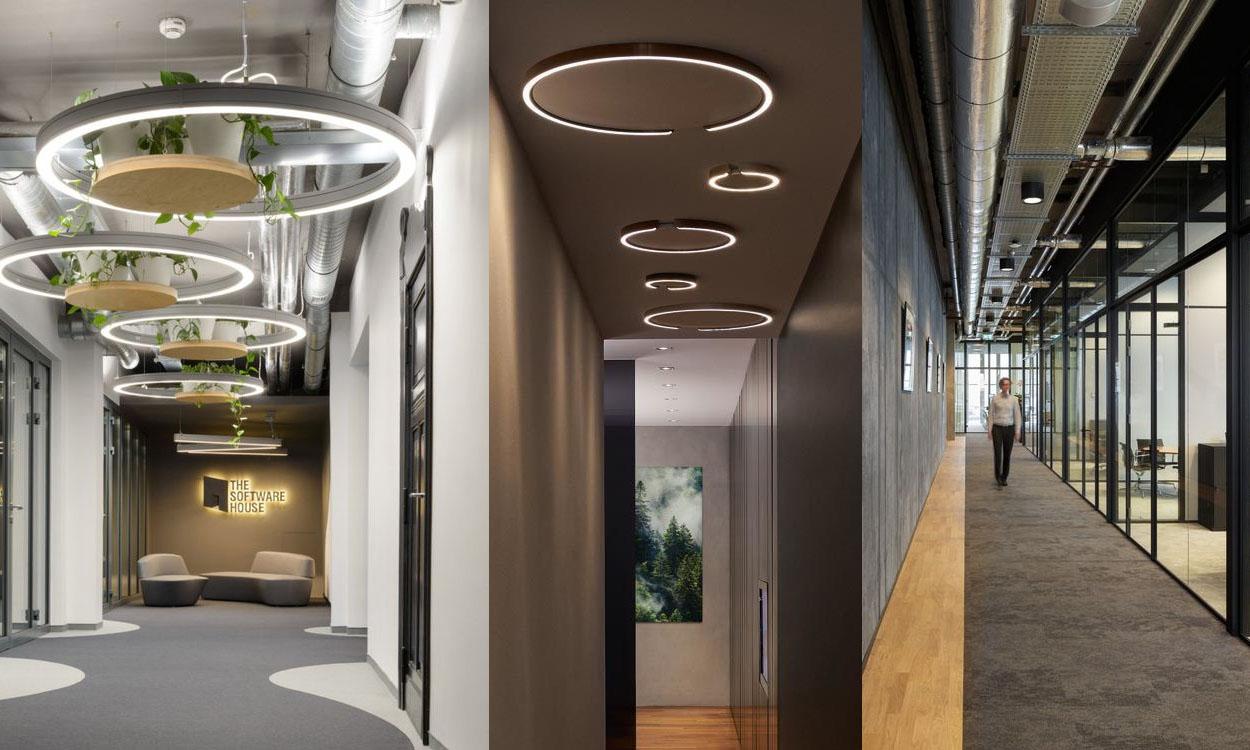
    Corporate Office Lighting

    Corporate office lighting ought to be a thoughtfully thought out and implemented component of office design. Along with supporting the company’s sustainability objectives and aesthetic choices, it should place a priority on worker comfort, productivity, and energy efficiency.

  • Shaping Spaces with Light: Exploring the Important Role of Interior Lighting in Architectural Navigation

    Shaping Spaces with Light: Exploring the Important Role of Interior Lighting in Architectural Navigation

    Since interior lighting greatly affects the ambiance, functionality, and overall appearance of a room, it is crucial to architecture. Interior lighting is an architectural element that enhances the ambiance of the room as well as the occupants’ psychological and physical wellbeing. It goes beyond simply providing a place with light for functional needs. With the use of efficient lighting design, an ordinary space can be converted into a warm, attractive setting that meets consumers’ demands.

    We’ll talk about the role of interior lighting in architecture and how it affects the user experience in this article. We will also go through the essential aspects of interior lighting in architecture.

    Role of Interior Lighting

    First of all, interior lighting has the power to change the mood and atmosphere of a space. The lighting in a room can make it brighter or darker to create the ideal ambiance for a gathering or activity. Different lighting configurations can affect mood and elicit different emotions. While a room can feel energizing and invigorating with cool, bright lighting, a room can feel cozy and intimate with warm lighting that has gentle, diffused illumination. Dim lighting has the ability to produce a peaceful and serene mood, just like bright lighting may sometimes do.

    Role of Interior Lighting
    Photographer Unknown

    Moreover, interior lighting can improve a space’s use. Lighting may accomplish practical tasks including illuminating work areas, emphasising architectural aspects, and guaranteeing safety and security in addition to setting a certain ambiance. Task lighting is crucial in places like workplaces, toilets, and kitchens where precise illumination is needed to finish particular tasks. On the other hand, accent lighting can highlight specific architectural features, pieces of art, or ornamental items, enhancing the visual appeal of a place. By lighting dark areas like corners, entrances, and exits, properly designed lighting may help increase the security and safety of a facility.

    Interior lighting can also significantly impact how a room looks. The elegance of the interior design and architectural layout may be accentuated by the proper lighting, creating a warm and arresting atmosphere. For instance, the placement of lighting fixtures can enhance the visual appeal of a space by highlighting its height, volume, or texture. Also, you may use lighting to provide drama, contrast, or depth to a room, giving it a more upscale image.

    visual appeal
    Photographer Unknown

    Essential Aspects of Interior Lighting

    Interior lighting has numerous aspects which are essential in architecture, they are namely: 

    Balancing the Natural and Artificial Light

    natural light
    Photographer Unknown

    Natural light is essential for every building, and a well-designed space should make the most of it. Interior lighting should be used to balance natural light and foster a cosy ambiance. Using artificial illumination too frequently might cause eye strain, fatigue, and headaches.

    Identifying the Purpose of the Space

    Before choosing the lighting for an area, the designer must be aware of the purpose of the space. The quality, colour temperature, and intensity of the lighting are influenced by the room’s intended use. For instance, distinct functional requirements for a restaurant, a hospital, or a classroom may call for varied lighting settings.

    functional area
    Photographer Unknown

    Providing Adequate Illumination

    For each task or activity, the interior lighting should be adequate. The quality of the illumination is influenced by the light’s direction, intensity, and colour temperature. Low lighting, for instance, is appropriate for unwinding or reading, whereas bright illumination is suitable for activities that call for dexterity, like working or cooking.

    Highlighting Design Elements

    Interior lighting can be utilised to highlight specific design elements in a space. These could be furnishings, accessories for the house, or structural components like columns, arches, or vaulted ceilings. When these qualities are highlighted with the proper lighting, a room may have depth and individuality.

    highlighting
    Photographer Unknown

    Facilitating Wayfinding

    Wayfinding, the process of navigating through a location, requires the use of lighting. While poor lighting can cause confusion and raise the possibility of accidents, adequate illumination can assist people navigate a structure or space securely and easily.

    Energy Efficiency and Sustainability

    Energy efficiency is a key element of sustainable architecture. Interior lighting can increase a building’s energy efficiency and sustainability. As the demand to cut energy use and minimize carbon effect grows, lighting designers are developing unique solutions that consume less energy and produce less trash. By adopting energy-efficient light sources like LED, CFL, or halogen bulbs, lighting may be both practical and environmentally friendly. Moreover, lighting control systems with occupancy sensors, dimmers, and timers can boost energy efficiency and cut down on unnecessary spending.

    Conclusion

    In conclusion, interior lighting plays a critical part in architecture and is essential for a building’s usability, aesthetic appeal, and comfort. A space looks more opulent and exquisite when lit properly, which emphasises the design aspects and brings out the building’s architecture. By turning an average environment into an outstanding one, it can have a significant impact on the user experience.

    It is crucial to take into account the space’s intended use, establish the appropriate mood and ambiance, balance natural and artificial light, offer sufficient illumination, emphasise design features, make navigation easier, and improve energy efficiency. To get the intended outcomes, it is essential to prioritise lighting design as a vital step in the architectural process.