
Tag: skyscrapers

  • 10 Most Anticipated Architecture Projects of 2022 That Are Worth Waiting For

    10 Most Anticipated Architecture Projects of 2022 That Are Worth Waiting For

    Introduction 

    As the new year begins, with some trepidation but also a fresh supply of hope as, architects, designers, and the public are expecting exciting new projects and have become a means of looking forward to 2022. These projects are situated across various continents with a blend of cultural and commercial programs, with many of these projects have been under construction for multiple years. 

    These upcoming architecture projects promise to provide a new concept for overcoming the carve of how we can all gain life together, enjoy the exhilarating public spaces, and have human interactions in a way so that people can gather freely again. Designed throughout an array of scales, they correspond to an amalgamation of interconnected landscapes, museums, and new skyscrapers.  

    Several projects opening this year have had construction timelines shaped by resource availability and labor issues related to the global pandemic. Numerous projects have shifted forward swiftly, and their construction showcases the range of building conditions around the world. They have been drawn from different climates and material advances, reflect design, and construction across a global lens. 

    10 Most Anticipated Architecture Projects of 2022

    Abrahamic Family House by Adjaye Associates 
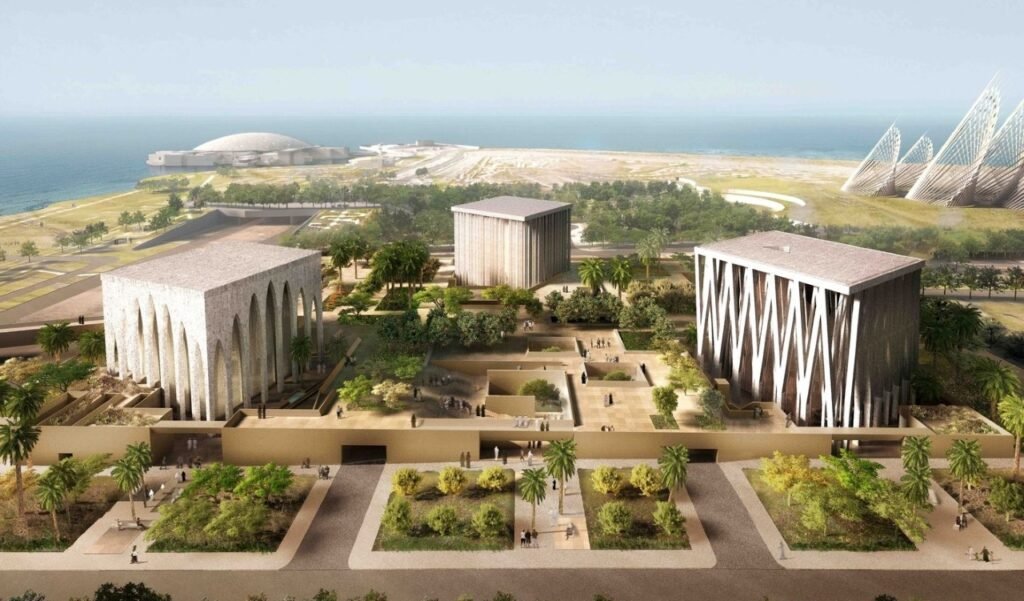
    The Abrahamic Family House is a collection of three religious’ spaces: a mosque, a synagogue, and a church, every one of which will rest upon a secular visitor pavilion. The building will serve as a society for inter-religious interaction and exchange to nurture the beliefs of peaceful co-existence and acquiescence amongst diverse cultures, beliefs, and nationalities. 

    In the Abrahamic Family House houses of worship, visitors would have a unique opportunity to observe religious services, listen to holy scripture, and experience the essence of sacred rituals. The fourth space is not associated with any specific religion, but will serve as a center for all people of faith to come together in unity. The community will also help extend education and events associated with training.

    Sao Paulo Rosewood Tower by Jean Novel 

    Jean Nouvel and his team designed a new 90-meter-high hotel tower next to the ancient complex, which will showcase a latticed Corten-steel facade. The facade and terraces running around the Rosewood Tower building will have plants and trees planted around the staggered path connecting the previous hospital building to the tower.

    Rosewood Tower will operate in varied uses ranging from cultural and tourist complex, including 275 guest rooms between Nouvel’s new building and the former hospital, apartments, two restaurants, a bar, a caviar lounge, three swimming pools, and a spa, designed to be a vertical continuation of the local landscape.

    Valley by MRDV

    Valley
    Source

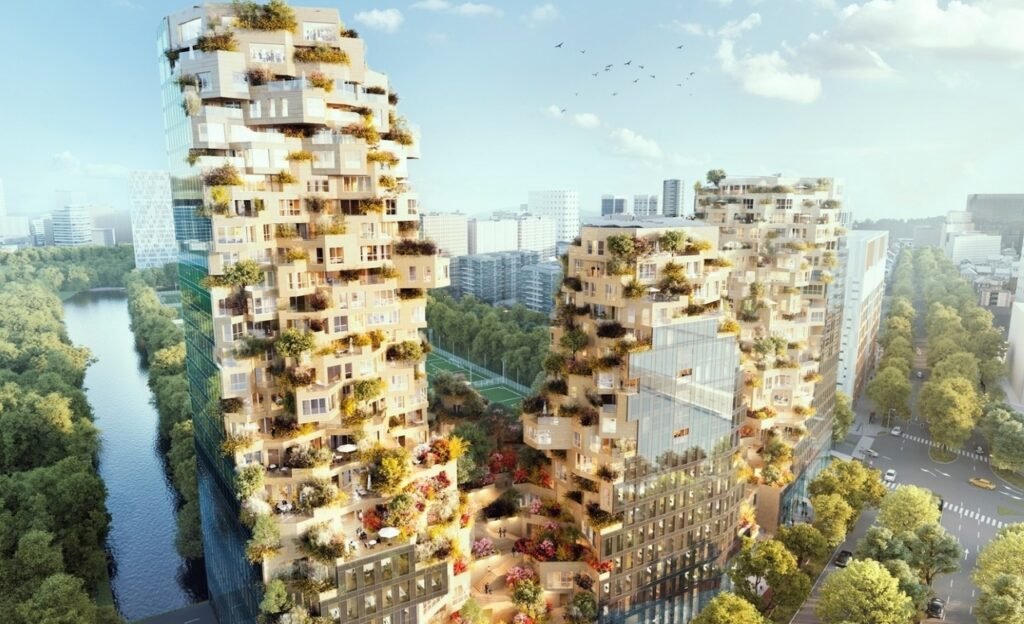
    MVRDV has broken ground on “Valley” also known as P15 Ravel Plaza, a 75,000-square-meter multiple-use building located inside the Zuidas business district of Amsterdam. The structure will infuse a sense of soul and excitement into the neighborhood, renovating the district into a further varied and accommodating urban quarter, highlighting residential units, offices, parking, a sky bar, and retail and cultural space.

    Valley is due to open in 2022, one year later than expected, because of the ongoing pandemic. Valley is accommodated with 200 apartments and spaces for workplaces, shops, restaurants, and bars. The building additionally integrates a “green layer”, along with 13,000 plants, trees, and shrubs have been planted by landscape designer Piet Oudolf. This aspect of planting and maintaining will be preserved by automatic irrigation systems and a team of gardeners.

    Istanbul Modern by RPBW
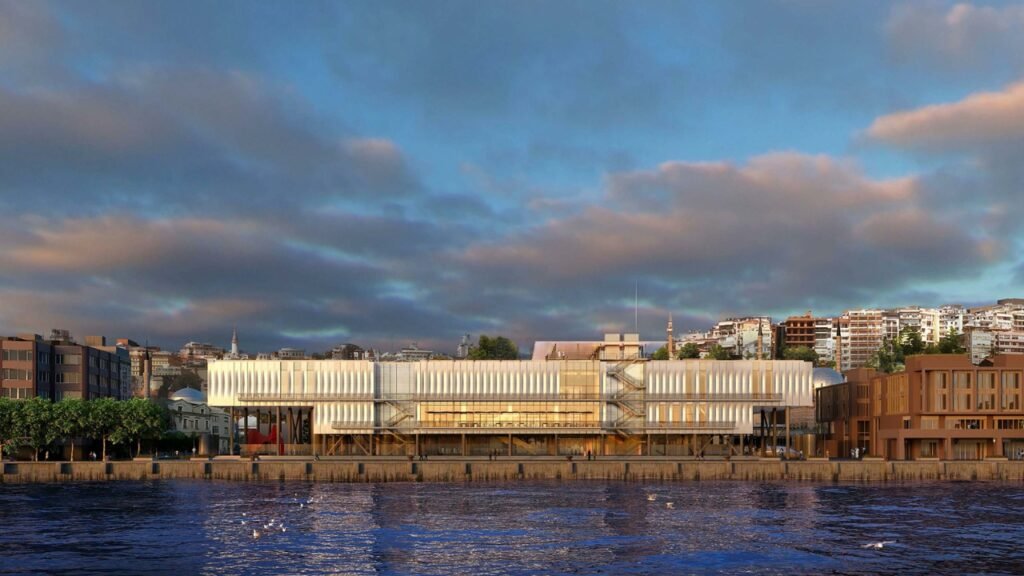
    The Istanbul Modern Museum in the historic Beyoğlu district of Istanbul is located on the riverside of the western bank of the Bosphorus Strait, in front of the Sultanahmet quarter. The Istanbul Modern Museum is designed by Renzo Piano Building Workshop, architects in collaboration with Arup Istanbul.

    Istanbul Modern will replace the existing structure which is currently between the old city streets of the Galata quarter and the present port cruise terminal. The new museum will become an urban pivotal point between the old town to the west with the Bosphorus to the south, the Tophane Park to the north, and the latest Galataport waterside progress to the east, which will substitute the old pier pursuit. The Istanbul Modern project enriches the connectivity among these distinct areas and becomes a social and cultural destination.

    3D Printed Homes by BIG 
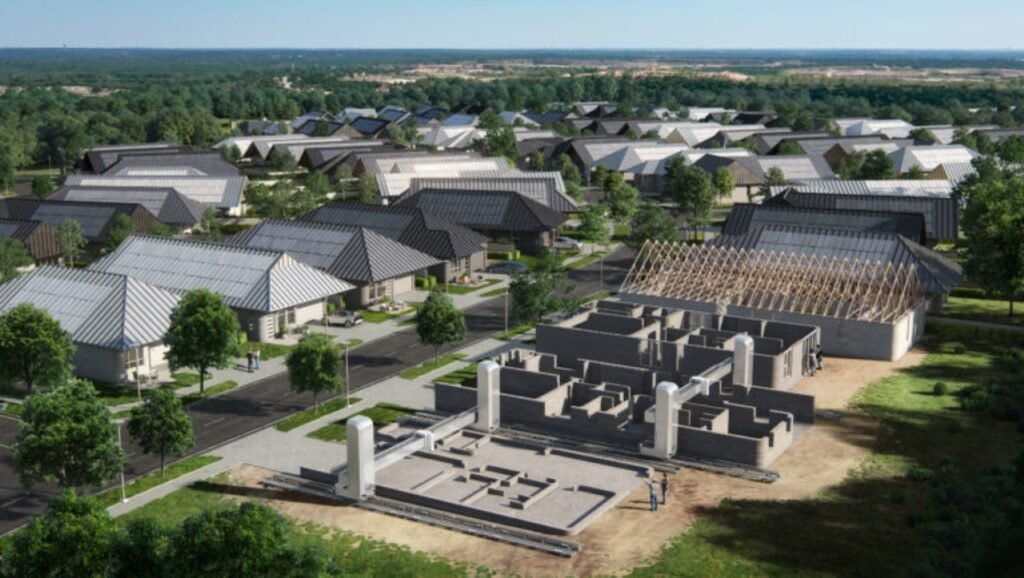
    The well-known home developing company Lennar and construction technologies company ICON have collaborated with BIG (Bjarke Ingels Group) to build the biggest community of 3D-printed homes to date. The 100-home neighborhood in Austin is anticipated to break ground in 2022 and will combine ICON’s pioneering robotics, software, and sophisticated materials with BIG’s designs. 

    The 3D Printed Homes project comes from labor and material shortages, which have made homeownership hard to achieve for many American families, with approximately 5.5 million deficiencies of single-family homes across the country.

    Taipei Performing Arts Canter by OMA
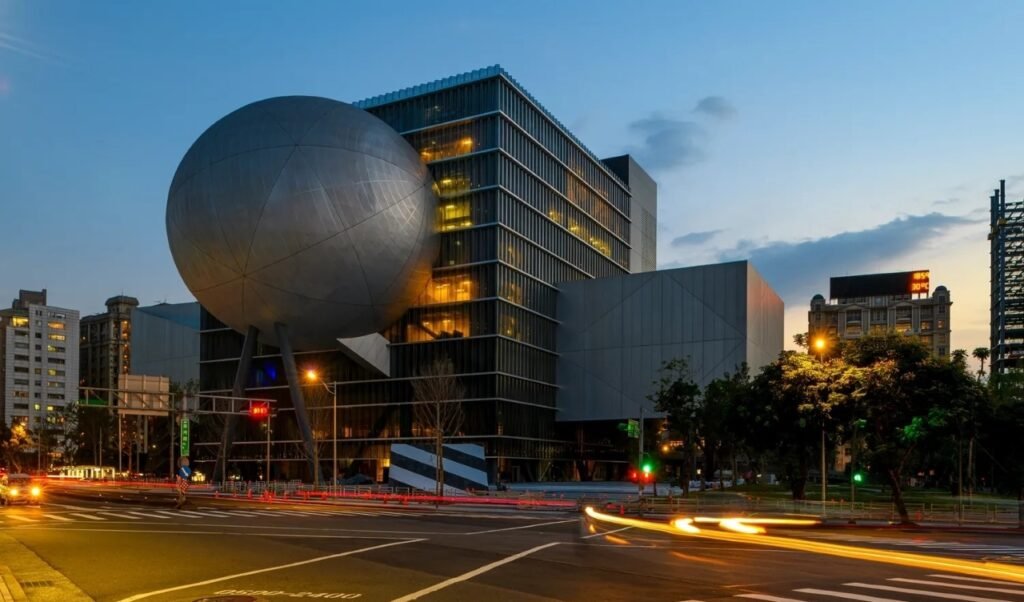
    OMA’s Taipei Performing Arts Center (TPAC) is an almost completed project in Taiwan. OMA’s Taipei Performing Arts Center comprises three theaters, every one functioning autonomously from the other, the OMA scheme pursues to deviate from the traditional consensus of performing arts centers as merely including a large auditorium, medium-sized theater, and small-size black box. The OMA’s Taipei Performing Arts Center compacts a unique form that allows for numerous facades defined by the specific theater protruding from the central cube.

    Bezalel Academy by SANAA
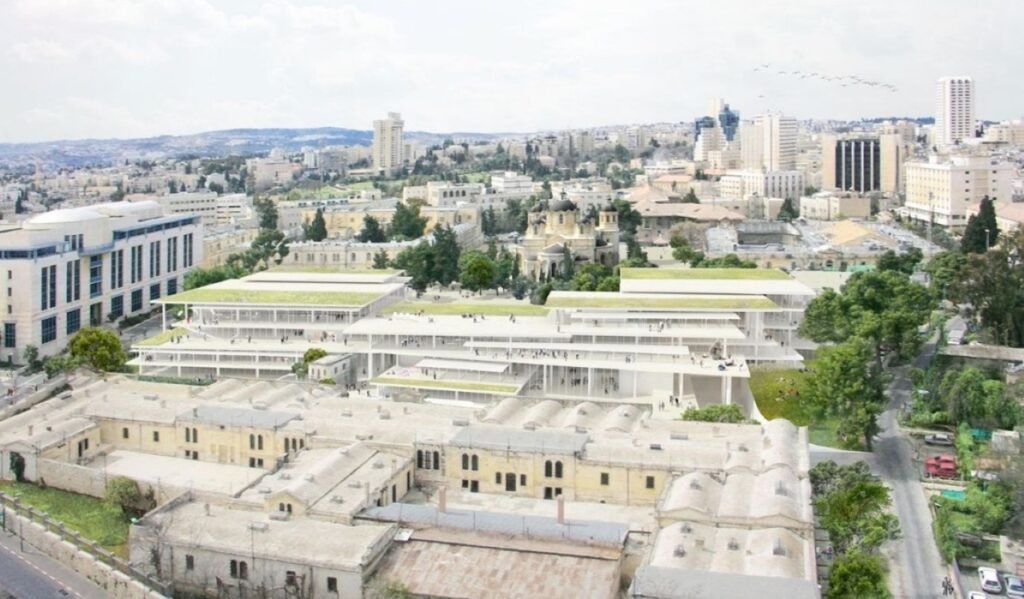
    SANAA’s new campus for the Bezalel Academy of Arts and Design in Jerusalem is currently ready for a grand opening in 2022. Bezalel Academy was primarily planned in 2013 as a new project for Israel’s national school of art that broke ground back in 2015. The Bezalel Academy campus is in the process of construction in the Russian Compound in Jerusalem’s City Center. The design will bring about 2,500 students and 500 faculty members as the school shifts from the current Mount Scopus Campus.

    Studio City by ZHA
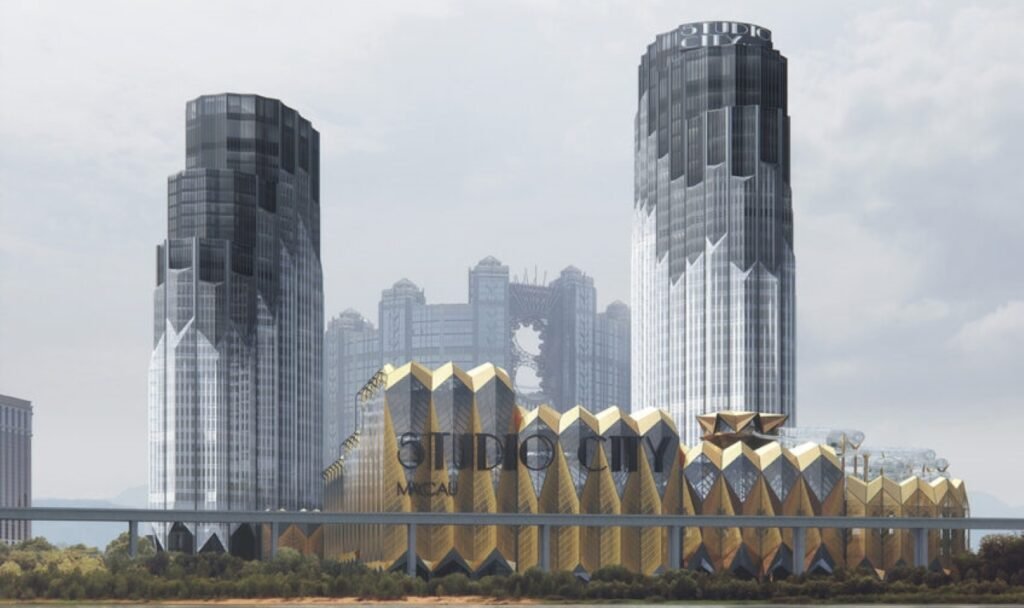
    Studio City resort is in the Cotai district of Macau next to the Lotus Bridge crossing with mainland China. The Hollywood-inspired Studio City resort has greeted guests and visitors to the city since 2015. Zaha Hadid Architects designed Studio City Phase 2 with new leisure, entertainment, and hospitality facilities in 2017 to expand the resort. Studio City Phase 2 includes one of Asia’s largest indoor & outdoor water parks and a six-screen Cineplex together with a massive conference and exhibition space.

    Studio City by ZHA has a graduating glass facade, its vertical form evokes natural columns of basalt rock. Studio City is climate-responsive with vertically insulated glazing units and shielding fins that asset to reduce solar heat gain and glare while sustaining thermal comfort for hotel guests. The high-performance building envelope, together with highly efficient services and systems, would help decrease energy demand and make the structure more sustainable.

    Xi’an International Football Centre by Zaha Hadid Architects
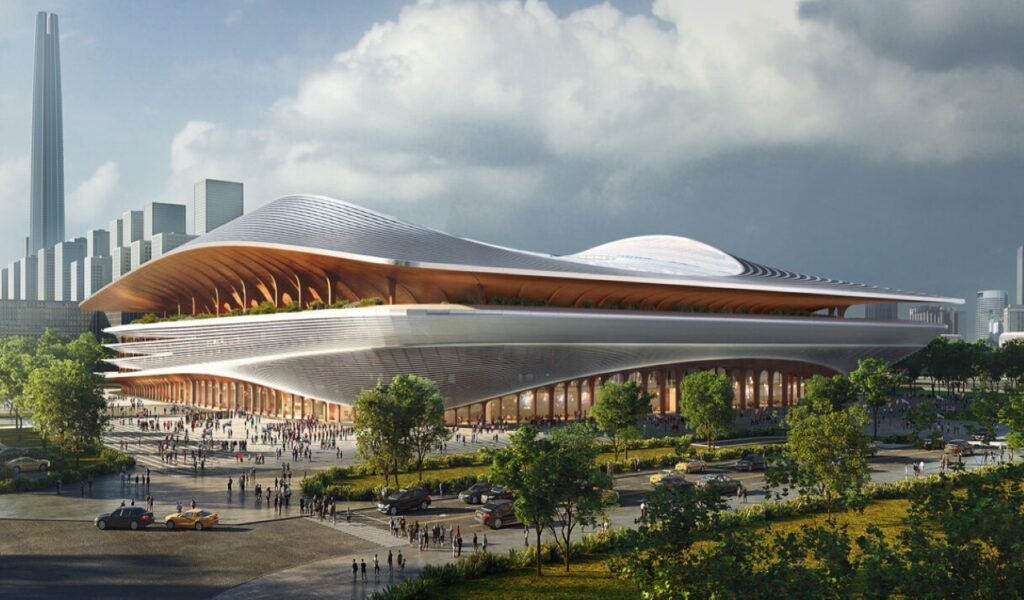
    The new Xi’an International Football Centre for the Asian Football Confederation (AFC) Asian Cup Zaha Hadid Architects. The facility includes a stadium with a 60,000-seat capacity, along with civic sports and recreational spaces. Providing optimum conditions for football, the Xi’an International Football Center was also designed in a way to maximize its use by future generations after the 2023 tournament, including a sequence of shaded south-facing garden terraces that provide a view over the city to Qing Mountain.
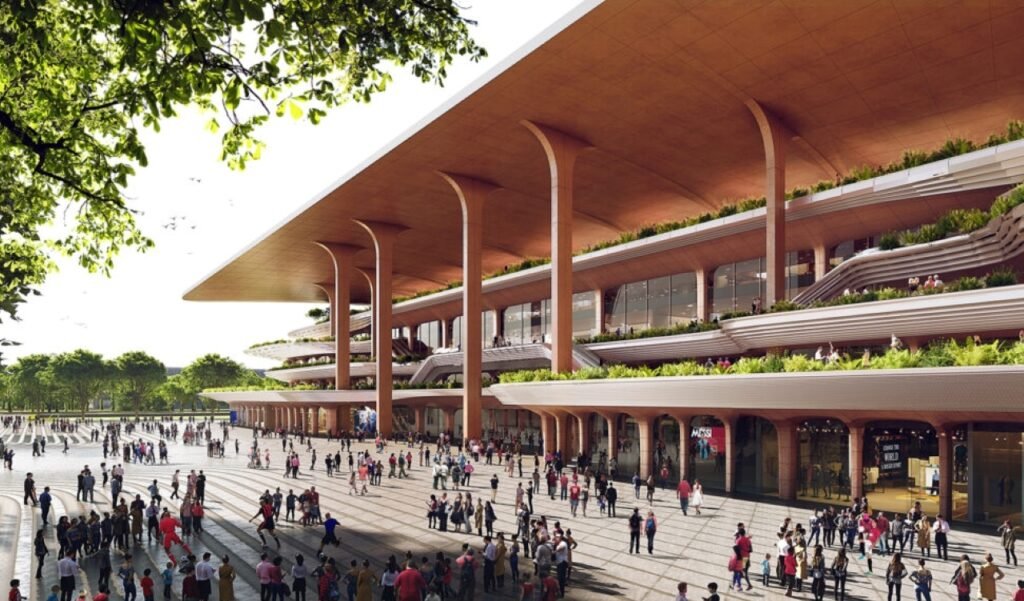
    Xi’an International Football Centre is integrated within an orthogonal urban grid of the city’s Guangdong new district. Zaha Hadid Architects created open facades to create a welcoming feeling for the city. The sweeping lines of the facades themselves further shield the building from northerly winds, with vast planting on all the floors. Xi’an International Football Centre is designed in such a way that visitors can appreciate its public spaces, creation, and dining amenities throughout the day and during matches and other events.

    Hekla Tower by Ateliers Jean Nouvel
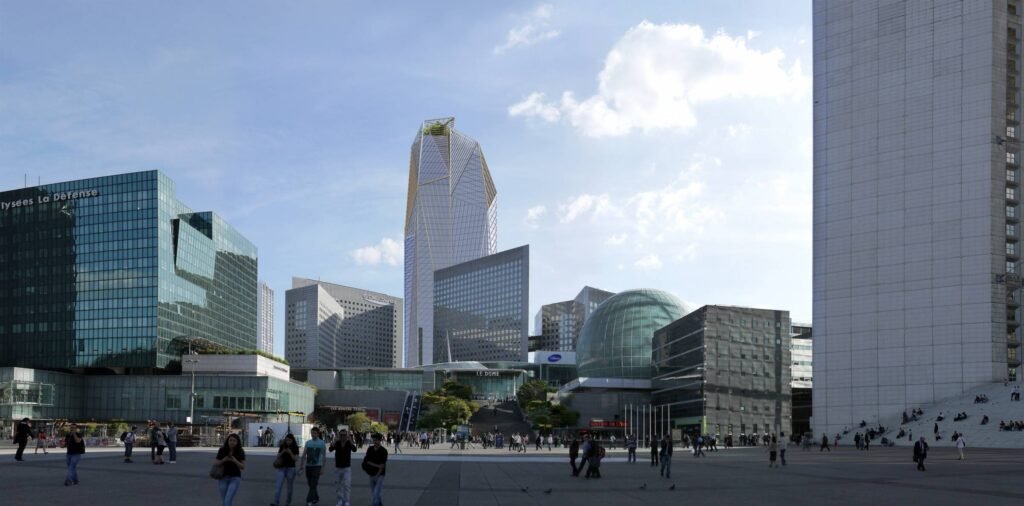
    Jean Nouvel designed the 220-meter-tall tower, Hekla Tower in Paris’ major business district, La Défense. Jean Nouvel d the owner of the French practice have a thirty-year-long relationship with the area of La Défense, that dates to 1982. Hekla would comprise 47 floors and comprise office space, private residential units, and student accommodation.
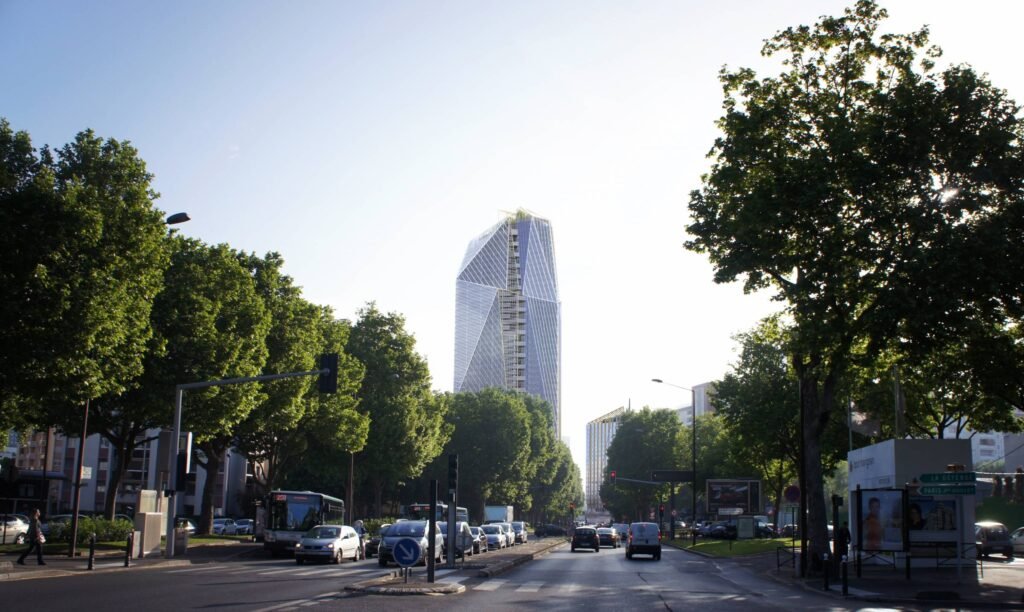
    The site will become an entirely new space like no other upon completion as the 80,000m² towers are going to vividly change the skyline of La Défense. Hekla Tower will also present the largest green space in the area, connecting the business region to the adjacent town of Puteaux. The ambitious skyscraper’s exterior is constructed using a complex system of triangular panels laid at different angles that make up the facade and external skin of it. 

    This facade system gives the tower the look of a mineral that grew right out of the earth’s core. The top-end of the tower is left open, giving capacity to a roof garden partially shaded by the triangular panels that also provide space for natural tree growth.

    Conclusion
    Despite starting with another pandemic wave, 2022 is shaping up to be a tremendous year in the architecture realm, with a slew of major projects coming to fruition. There are also new designs by other Pritzker-Prize winners, amongst them SANAA, Rem Koolhaas, and Thom Mayne as well as pioneering structures by scorching talents like Bjarke Ingels, Jeanne Gang, and David Adjaye. 

    The upcoming projects have one thing in common that is they deliver the much-needed shot of inspiration. These structures have thoughtfully incorporated sustainable and economical ways to save energy as climate-responsive HVAC systems, microclimate-stimulated facades, etc. These projects also propose innovative ways to treat nature more responsibly and expand the need for the buildings in the future.

  • Disaster Relief Architecture: An Effective Response to Post Disaster Damage

    Disaster Relief Architecture: An Effective Response to Post Disaster Damage

    What is a Disaster?

    A disaster is a serious problem being over a short or long period that causes wide mortal, material, profitable, or environmental loss, which exceeds the capability of the affected community or society to manage using its own coffers. 

    Disasters are routinely divided into natural or man-made, although complex disasters, where there’s no single root cause, are more common in developing countries. A specific disaster may generate a secondary disaster that increases the impact. A classic example is an earthquake that causes a riffle, performing in littoral flooding. Some manufactured disasters have been credited to nature similar to gauze and acid rain. 

    Need Of Disaster Relief Architecture

    Disasters
    Photo by Indesign Live

    Disasters are getting the norm in this world, which also poses challenges to architects and engineers. Numerous requirements to make temporary structures may arise at the same time all around the world. 

    As stated in the Intergovernmental Panel on Climate Change (IPCC), cities are getting more and more vulnerable to the impact of natural disasters, and their frequency, duration, and intensity are becoming increasingly extreme. 

    The COVID-19 epidemic that began in 2020 has verified this notion. Metropolitan cities and human society are facing unknown challenges. In order to fight the damage caused by the disaster, the world witnessed the Fangcang sanctum hospitals established in China within many days, the recyclable temporary sanctum units erected by Turkey at veritably low cost after the earthquake, and so on.

    An Architect’s Role 

    After 1950, as high-rise buildings & skyscrapers became statements of style & necessity and population and its density remained a major concern, horizontal expansion was merely impossible. No building can be completely disaster-proof, therefore, architects need to study & analyze past data like soil conditions, context, and climatic conditions before executing the building 

    An architect must know the consequences after the disaster, judgment about the site context, the ability to make quick decisions with limited information about the site context, should be active, flexible, creative, and should incorporate the entire community.

    Stages of Disaster Relief Architecture

    Disaster preparedness or Stages of Disaster Relief Architecture has links with an effective response to post-disaster recovery. However, its influence on housing strategy is not much explored in literature.

    Considering the lackluster disaster preparedness in India, it seems safe to assume that the post-disaster housing strategy is intuitive. It depends on the scale and damage intensity of the disaster.

    While sheltering refers to a place to stay during the immediate aftermath of the disaster suspending daily activities, housing denotes the return to household responsibilities and daily routine. Based on this distinction, the four stages are:  

    Emergency shelter 

    Emergency shelters include a place where survivors stay for a short period during the height of the emergency, which can be in the house of a friend or a public shelter. This kind of shelter rarely allows for the extensive preparation of food or prolonged medical services.

    Temporary shelter 

    Used for an expected short stay, ideally only a few weeks after the disaster, this may be a tent, a public mass shelter, and so on.

    Temporary housing 

    Temporary Housing is a place where the survivors can live temporarily, usually planned for six months to three years, returning to their normal daily activities, and can take the form of a prefabricated house, a rented house, and so on.

    Thus, temporary housing can be defined as an object or physical structure where people live after a disaster, a part of the post-disaster re-housing program, and a place that serves to shelter people from the disaster until their resettlement in a permanent place.

    Permanent housing

    Return to the rebuilt house or resettle in a new one to live permanently.

    Many times, the difference between housing and shelter is blurred. It is difficult to set an exact duration for such a shift from a shelter to a house, since housing is a physical element and a place that emotionally connects its inhabitants.

    History

    The origin of temporary buildings

    crystal palace
    Photo of Crystal Palace by Bureau International des Expositions

    Temporary structures can be traced back to the portable tents of nomads. With the development of construction technology, temporary structures have begun to come to a new type of architecture. These types of structures are frequently accompanied by the need for rapid construction. 

    After World War II, the demand for a reconstruction of housing and other structures rose extremely in many countries. 

    For example, in 1851, it only took less than 9 months to complete the construction of the Crystal Palace at the London World Expo, which can also be disassembled and transported to another place for reassembly. In the 1960s, many simple structures composed of precast concrete boxes appeared in the United Kingdom and Europe.

    Japan surfaced as “metabolism” engineers who promoted prefabricated structures and proposed that civic structures should be renewed like natural cell metabolism, an organic evolutionary process of constant extermination and creation. For illustration, Nakagin Capsule Tower, the world’s first capsule structure, is a masterpiece of this type of prefabricated assembly technology practice.

    The enhancement of social productivity has brought about an unknown consumption period. The construction assiduity also showed some analogous characteristics after the 1960s. A large number of structures were demolished decades or indeed times after they were erected. Their update speed has been important faster than any former period.

    The transition from fast to portable and from disposable to recyclable

    building emerging shelters
    Photo by Archdaily

    In the past trends, designers and engineers have focussed to concentrate more on the “fastness” of construction; and at the same time, because of the constraints of objective conditions, non-recyclable materials such as concrete were used as the main body of numerous constructions. 

    After this surge of temporary structures, numerous scholars and designers called for a better design approach in response to numerous problems, like rigid structures, waste of materials and other resources, and so on. 

    By assessing the characteristics and trends of the rapid construction of temporary structures, the current focus has shifted from one-sided “fast” to “convenient” and from “disposable” use of materials to an “economically recyclable” trend. 

    Key Points To Consider while Planning a design Shelter

    Planning shelters

    The most effective strategies for emergency shelter consider the entire shelter cycle, including the root causes of emergency and interim shelter requirements; its accessibility; resources, and services required to construct and run it; and how they will transition into a long-term casing. Focusing solely on the provision of shelter can lead to hamstrung use of resources and inefficiency, especially when the situation leading to the need for shelter could be averted or eased. 

    Equal community participation

    Those most likely to be affected should be involved in planning the shelters — rather long before a disaster occurs. Participation by original leaders, vulnerable populations, and communities is essential for any recovery plan to work. Communities recover as communities, not as individualities. 

    Prioritise the stakeholders

    Plans should be designed to meet the requirements of the most vulnerable first. Emergency and interim sanctum should be designed to meet the requirements of those who need the most support. Aged grown-ups, people with disabilities and functional requirements, and women and girls come much more vulnerable when exigency and the interim shelter are needed. 

    Involvement of Private agencies

    Even in developed nations, private philanthropy plays an essential part in the reconditioning of communities. Government backing and insurance only go so far in meeting requirements, particularly when there have been multiple major disasters, or the affected area is veritably large. 

    Special consideration for urban areas

    In the time of a disaster, there may be further debris from affected structures, in addition to the damage to roads and other structures. Urban areas may also include a higher chance of vulnerable or resource-poor populations, with the lower capability to repel or recover from disaster on their own. 

    Efficient Planning

    Improved, efficient planning and a smarter structure can act as mitigation. In Bangladesh, for illustration, a nation heavily impacted by periodic cataracts, communities have worked with non-governmental associations (NGOs) and others to raise houses above deluge situations; establish deluge harbours that can accommodate up to 300 families each; make raised- tube wells for clean water; ameliorate warning dispatches and keep deliverance boats ready. 

    Learn from history

    A lot can be learned from one experience, both domestically and internationally. There are numerous openings not only for the study of stylish practices but also for working toward the perpetuation of those practices in vulnerable communities worldwide. 

    Inspiring Examples of Post Disaster Architecture

    Paper Temporary Shelter

    post disaster architecture
    Photo by DesignBoom

    Paper temporary shelters were constructed at Daanbantayan, Cebu, Philippines, following the devastation of Typhoon Haiyan (locally called Yolanda) in November 2013. The construction methods of previous paper log house projects (in Kobe, Turkey, and India) were very complicated and time-consuming to create in high volumes. 

    In this design, the connection system of the Paper Partition System, developed for making partitions within evacuation centers, made it possible to simplify the construction, thus shortening the construction period. The foundations were made up of beer crates crammed with sandbags, and floor panels were made up of coconut wood and plywood. A readily used woven bamboo sheet was applied to the paper tube structural frame, and therefore the roof may be thatching of Nypa palms laid over plastic sheets. 

    Temporary House By Shigeru Ban Architects

    New Temporary House design is a low-cost casing action that is characterized as follows: 

    1) Perfecting casing condition of developing countries creating new employment. 

    2) Exporting units as relief casing to the countries after disasters. 

    3) FRP structural panel is easy to make indeed by non-skilled workers.

    Hex-House

    hex house
    Photo by Dwell

    The Hex House is a revolutionary system by which high end design of sustainable structures is made economically and physically accessible to the general public. By streamlining the construction processes to their bare rudiments, and allowing the end-users to be part of the process using well-designed, prefabricated elements, a quality structure can be realized at substantial cost savings. 

    The Hex House is conceived as a sustainable, fleetly deployable structure grounded on Structural Insulated Panel technology which can be packed flat-pack and fluently assembled. It has the inflexibility to be both an endless or a temporary structure. 

    The structure’s capability to be fluently modified with minimum dislocation gives families the capacity to expand their space over time. Sustainable features like solar panels, unresistant cooling, rainwater harvesting, and composting & biogas toilets give families more independence, minimize their carbon footmark, and add functional savings.

    Weaving a Home

    emergency shelter
    Photo by Trend tablet

    Architect Abeer Seikaly’s abstract emergency shelter is composed of “high-strength plastic tubing that’s molded into a sine-wave curve and woven into a supple fabric membrane, a specialized, structural fabric that expands to enclose and contracts for mobility. 

    “The concave tubing allows for services similar as heat, electricity, or running water and are suitable to acclimatize to colorful climatic conditions. Seikaly poetically describes her design stating, “Deportees carry from their homes what they can and migrate in unknown lands, frequently starting with nothing but a roof to call home. In this space, the deportees find a place to break from their turbulent worlds, a place to weave the shade of their new lives.”

    Just a Minute Shelter

    just a minute shelter
    Photo from Archdaily

    The ‘Just A Minute shelter’ by Italian firm Barberio Colella was designed in response to the 2015 earthquake in Nepal. As similar, the engineers sought to use original Nepalese accoutrements to fashion a house that can be” erected snappily, featherlight and compact to transport, durable, and profitable.

    The shelter combines an OSB central core with a deployable bamboo structure covered by recycled hair sequestration and a surface membrane of double white Juta. Atop that’s a leakproof membrane to further cover the structure from the rudiments. Energy tone- adequacy becomes possible with the addition of solar and photovoltaic panels to the roof.

    Tentative

    tentative
    Photo by Design Indaba

    The idea behind Tentative by Designnobis is a compact, each-by-one emergency shelter suitable for any terrain or climate. Conforming of a rainfall-resistant cloth that’s crocheted together, Tentative holds separating perlite squeezed between layers and held by an aluminium frame.

    The roof collects water, as well as furnishing lighting and ventilation, while the bottom is made up of heat- separating recyclable compound balconies. When compacted, the sanctum is fluently transmittable at 4 measures long, 2 measures wide, and only 30 centimeters altitudinous, growing to 2.5 measures altitudinous when at its full size.

    Pop-Up Places Of Worship

    locas boyd
    Photo by LakaReacts

    Scholars Lucas Boyd and Chad Greenlee designed an offer of pop-up churches, bethels, and kirks for those fleeing conflict in exile camps. They believe that, “While places of deification don’t give an introductory need for an existent’s natural survival, they do represent an abecedarian aspect of not only an existent’s life beyond mileage, but an identity within the collaborative, a familiar place of being — and this is a commodity that we consider synonymous with being mortal — a demand for the continuity of culture.

    By distilling the iconography of sacred spaces, Boyd and Greenlee have created minimum yet fluently recognizable sacred spaces. Pop-Up Places of Worship embody the significance of fastening on the emotional requirements of those displaced, rather than simply a physical sanctum.

    Conclusion

    The best way to achieve long-term resilience is through development phases that create needed resources and establish sustainable construction techniques in disaster hit areas. The goal is to reach the disaster area and quickly and efficiently establish the necessary shelter and infrastructure.

  • Beyond Skyscrapers: The Fascinating City Planning and Architecture of Dubai

    Beyond Skyscrapers: The Fascinating City Planning and Architecture of Dubai

    Introduction

    Dubai has never failed to amuse people when it comes to the drastic growth in city planning within a short span of time. The architecture of Dubai is one of the best works in the world. The Burj Khalifa is one of the most remarkable works in the history of Dubai with all the latest technologies in design and architecture.

    The early architecture of Dubai, which dates to the late 19th century, was influenced by Islamic, Iranian, and Indian styles. The hot and muggy weather, local social and religious norms, and the range of construction materials readily available all played a significant role in determining architectural designs. The primary characteristics were ease of use, usefulness, longevity, and climate adaptability. 

    Mud used as mortar in the early constructions, which were built of stone, palm leaves, and palm tree trunks. Most of Dubai’s original residents lived in barastis, which are huts built of palm fronds. Later, the four common structures of the emirate—watchtowers, mosques, souks, and homes—were built using the strongest materials available, coral stone from the sea and gypsum from the creek’s salt marshes. Islamic emphasis on discretion and modesty played a role in the creation of courtyards connected with the wind towers to keep the space cool during summers.

    Dubai has effortlessly blend within the modern design architecture and at the same time keeping up with traditional architecture. The architecture of dubai has changed significantly over the years. Architecture started with vernacular design style and then evolved towards modern style with exposed glass walls,steel,dynamic and spiral designs that resonates the native design features.

    Evolution of the City

    Beyond Skyscrapers: The Fascinating City Planning and Architecture of Dubai Dubai has never failed to amuse people when it comes to the drastic growth in city planning within a short span of time. The architecture of Dubai is one of the best works in the world. The Burj Khalifa is one of the most remarkable works in the history of Dubai with all the latest technologies in design and architecture.

    Dubai’s architecture and city planning changed after 1979 with the construction of the world trade centre. The WTC has a blend of traditional and modern architecture with both appealing and functional spaces. Islamic architecture over the years has evolved significantly with time. Initially, the architecture started with domes, arches, amphitheatres, low-rise structures. Buildings were designed for functionality and very less thought was given to the aesthetics of the space.

    DUBAI-CITY PLANNING AND ARCHITECTURE

    Nowadays architectural designs are delivered to make a statement which is quite obvious from all the recent structures in Dubai. Today’s architecture is more advanced with all the latest technologies and building materials like concrete, glass,steel,metal to create more than just a functional space.

    Skyscrapers in Dubai are constructed primarily of concrete and glass, using straightforward building materials. The majority of Dubai’s taller structures are homes, while some of them also have business uses.

    However, construction in Dubai has gradually shifted toward environmentally friendly projects. It is now required for builders to utilise non-toxic, emission-free materials generated from renewable resources as a result of the 2011 Green Building Regulations and Specifications released by the Dubai Municipality.

    As a result, Dubai’s already stellar collection of breathtaking technical marvels has gained a number of eco-friendly constructions. Al Barari, for instance, features villa buildings with solar panels and organic waste recycling built right into the design. Buildings in Dubai Silicon Oasis have green roofs to reduce the environmental impact of development.

    The 3D-printed building of structures is another relatively recent invention in Dubai’s architecture. The world’s first 3D-printed office and a two-story structure can be found in Dubai.

    Present Dubai

    The Burj Khalifa is one of Dubai’s most notable examples of contemporary architecture. With a total height of 2,722 feet since its completion in 2008, the Burj Khalifa has remained the world’s tallest structure.

    Beyond Skyscrapers: The Fascinating City Planning and Architecture of Dubai Dubai has never failed to amuse people when it comes to the drastic growth in city planning within a short span of time. The architecture of Dubai is one of the best works in the world. The Burj Khalifa is one of the most remarkable works in the history of Dubai with all the latest technologies in design and architecture.

    The structure was created to embody the epitome of Dubai: exceptional, forward-thinking, and reaching new heights. Its spiralling construction rises up from a flat desert foundation and is modelled after Islamic architecture. The tower’s cross sections are all lined up to reduce wind vibration.

    In addition to the magnificent Burj Khalifa, Dubai is home to several other architectural marvels :-

    · The Burj Al Arab, a well-known skyscraper in Dubai next to Jumeirah Beach, is distinguished by its distinctive sail-shaped façade.

    · Another mixed-use tower in Dubai Marina is Marina 101. This structure rises a little over 1,400 feet.

    · One of the tallest residential skyscrapers in the world is Princess Tower in Dubai Marina, which is slightly taller at 1,358 feet.

    · The 23 Marina, which is another upscale, residential high-rise, is little over 1,289 feet tall. This structure is situated in the Dubai Marina as well.

    · The stunning architecture of the Dusit Thani hotel is meant to resemble praying hands. This hotel was the first of its kind to be awarded the EarthCheck Gold Certification for sustainability, standing 501 feet tall.

    · Despite not being a massive high-rise, the Jumeirah Beach Hotel on the Dubai shoreline stands out among the city’s other architectural marvels thanks to its distinctive wave-shaped form.

    City Planning

    Beyond Skyscrapers: The Fascinating City Planning and Architecture of Dubai Dubai has never failed to amuse people when it comes to the drastic growth in city planning within a short span of time. The architecture of Dubai is one of the best works in the world. The Burj Khalifa is one of the most remarkable works in the history of Dubai with all the latest technologies in design and architecture.

     In the last decade, Dubai has grown to multiply unstoppably in terms of population and economic growth. One of the important elements behind the growth is the spatial planning infrastructure, services etc. City planning has been done over a period and ensured the sustainability of the city promoting globalisation.

    expansion was mostly supported by trade and business operations. As of 2005, 6% of the Dubai’s total income was derived from oil and gas operations(Bagaeen, 2007. Services related to finance and trade accounted for more than 40% of the total revenues. Construction and real estate investments brought up 22.6% of income, and aviation-related services contributed 25%. 

    Most city operations were altered by the 2008 economic slump. The Dubai Statistics Centre reports that the economic slump caused the economy to decline by -2.4 before growing by 2.3 in 2010. (Elessawy, 2017). The economic crisis forced the government to alter its reliance on a number of activities. There was less reliance on the building and real estate industries. Due to the shift in attention to various areas, economic activity in Dubai is currently accelerating. Trade and tourism are a couple of the expanding sectors. Tourists draw attention to the city, which boosts commerce and raises money.

    Dubai’s population consists of 90% of expatriates, labours, and tourists. Spatial planning is done in a way to ensure potential growth and promotes a rise in the employment of the city population.

    Conclusion

    Dubai has always been a major point of attraction in terms of socio, the economic growth of the city.The city has adapted itself according to the need of the hour. With increase in the population dubai has expanded its opportunities and services in order to accommodate all the residents.it also focuses on sustainable methods in order to reduce energy and preserve earth’s resources.