
Author: Deepika Shukla

  • Architecture, Man and Nature: The Important Symbiotic Relationship

    Architecture, Man and Nature: The Important Symbiotic Relationship

    Introduction

    Among these intricate threads, one of the most compelling relationships we can unravel is the intricate bond shared by people, architectural marvels, and the environment. A Timeless Tale of Architecture and Nature

    Envision the connection between architecture and nature as an enduring narrative, much like an ageless love story. Just as two souls engage in a dance of affection, architecture, and nature partake in a profound union. Yet, it is often nature that lends its guiding hand.

    Our world is a magnificent mosaic of connections.

    Elements of nature, once cherished primarily for their aesthetics, have assumed new roles. ​ Nature has seamlessly integrated into our architectural designs, showcasing that when architecture and nature collaborate, they both thrive in harmony.

    Architecture, Man and Nature: The Important Symbiotic Relationship Among these intricate threads, one of the most compelling relationships we can unravel is the intricate bond shared by people, architectural marvels, and the environment. A Timeless Tale of Architecture and Nature nature,sustainable

    01_Blue Sail Courtyard EYRC Architects_©Connect.eyrc.com

    The Ever-Changing Scene: Laws and Our Understanding

    The intricate dance between architecture and nature is transforming, influenced by changes in our laws and a growing awareness of the effects of our decisions. The unrestricted growth of our cities and its environmental impacts emphasize the need for sustainable development.

    New laws are gradually reshaping our landscape, pushing architects and urban planners to incorporate sustainable designs. This shift is driven by legal requirements and economic pressures.

    It’s no longer sufficient to merely erect buildings; the focus now is on crafting environments that nurture and elevate the human way of life

    The Transformation of Urban Landscape

    In the traditional view of an urban landscape, concrete and steel structures dominate the scene. Instead of imposing themselves upon the natural world, buildings are now finding ways to coexist within it. The green roofs of modern buildings are like secret gardens, concealed from the bustling city below.

    One such example is the London Grassroots Community Centre.

    The aim here extends beyond the mere construction of buildings; it’s about crafting a sustainable urban ecosystem. Each building serves as a vital piece in a larger ecological puzzle.

    As Brenda and Robert Vale aptly propose, “Green architecture goes beyond the single structure on its plot; it must encompass a sustainable rendition of the urban milieu.” It’s about recognizing that a city transcends a mere collection of buildings; it represents an intricate system of living, working, and leisure.

    nature
    02_Biomimetic Architecture

    Architectural Mimicry and Sustainable Innovation in Nature

    Another fascinating aspect of this dance is architectural mimicry and innovation. This approach has its roots in the architectural movements of the mid-20th century, such as mega structural and cellular architecture.

    In these movements, the emphasis was on high variety in dwelling forms, flexibility in planning systems, and the dynamism of architectural expression. Buildings aimed to imitate natural terrain topography and were considered sustainable even before the term became a trend. Structures like the Centre Jeanne-Hachette or Cite du Parc in Ivry-sur-Seine from the 1970s embodied this approach, imitating natural landscapes within a city environment.

    This architectural concept has a modern counterpart in structures like the multifamily residential and office building designed by Delugan and Meissl in Vienna. this building not only focuses on sustainability as a technological aspect but also incorporates lifestyle and psychological factors into its design. The integration of green roofs for ecological insulation and the design’s hilly shape to provide natural lighting to all its office spaces are more than just eco-friendly features; they enhance the human experience within the cityscape.

    Architecture, Man and Nature: The Important Symbiotic Relationship Among these intricate threads, one of the most compelling relationships we can unravel is the intricate bond shared by people, architectural marvels, and the environment. A Timeless Tale of Architecture and Nature nature,sustainable
    03_Eden Project_©parametric-architecture.com

    Creating Transition Spaces: Blurring Boundaries

    In the complex tapestry of urban environments, it is becoming increasingly clear that contact with nature is a fundamental necessity. Spending extended hours in sterile interior environments can lead to various physical and mental health conditions. The rapid advancement of communication technologies, while enhancing connectivity, has inadvertently diminished direct interpersonal contact. The answer to this challenge lies in encouraging people to utilize exterior spaces for recreation and social interactions.

    Modern architecture now seeks to provide an environment that is not only functional but also aesthetically pleasing. This is a space where the relationship between humans and nature is restored, reminiscent of Japanese architecture, as described by Tadao Ando. In this context, “a sensibility that de-emphasizes the physical boundary between residence and surrounding nature and establishes instead a spiritual threshold” is central.

    This leads us to the concept of “transition spaces,” a new kind of architectural space that forms a soft edge between the building, its interiors, and the city. They are not limited to the exterior but are incorporated into the building itself, its surroundings, and the interior. 

    Architecture, Man and Nature: The Important Symbiotic Relationship Among these intricate threads, one of the most compelling relationships we can unravel is the intricate bond shared by people, architectural marvels, and the environment. A Timeless Tale of Architecture and Nature nature,sustainable
    04_Sustainable Techniques in Design_©www.archslate.com

    The Linked Hybrid Complex as an Example of Transition Space

    Steven Holl’s Linked Hybrid complex is an example of transition space.

    This 220,000-square-meter pedestrian-oriented complex within Beijing’s old city wall stands as a testament to a modern, open, and appealing approach to urban building.

    Unlike the prevailing trend of closed, private urban spaces in China, the Linked Hybrid complex is a breath of fresh air. It’s a place where the surrounding environment is not only connected to but is an integral part of the complex itself.

    ​The outside and interior spaces are seamlessly integrated, resulting in a fluid transition that invites investigation. The pedestrian routes, both within and outside the complex, are laid out in a grid pattern rather than a straight line, allowing for spontaneous interactions and unexpected discoveries.

    A key design principle behind the Linked Hybrid complex is the creation of one of the largest green residential structures globally. This feat is achieved through innovative solutions, such as geothermal wells that provide cooling in summer and heating in winter. The narrative of the complex is complemented by the symbolic shaping of its green spaces. The earth excavated during construction forms five mounds, each corresponding to a stage of human life. These mounds embody the intricate relationship between architecture and nature, creating a holistic environment that welcomes all.

    Architecture, Man and Nature: The Important Symbiotic Relationship Among these intricate threads, one of the most compelling relationships we can unravel is the intricate bond shared by people, architectural marvels, and the environment. A Timeless Tale of Architecture and Nature nature,sustainable
    05_Forest Pavilion, Thailand_©www.mgsarchitecture.in

    Human Scale: Soft Edge

    In our journey through life, we are in constant contact with the space that surrounds us. This space is not static; it’s a dynamic entity filled with living elements of nature and inanimate structures of architecture. Our existence in society is a profound interaction with this space, a space that is continually evolving.

    ​Understanding this space at the human scale is a pivotal aspect of architectural design. Professor Gehl’s books, “Life Between Buildings,” “Human Scale,” and “Cities for People,” emphasize the need to approach urban design systematically and with a human-centric perspective.

    The construction of smooth borders between buildings and their environment is a fundamental part of this strategy. These smooth edges are critical for creating a connected and welcoming public area. One method is to incorporate natural features into the design.

    Architecture, Man and Nature: The Important Symbiotic Relationship Among these intricate threads, one of the most compelling relationships we can unravel is the intricate bond shared by people, architectural marvels, and the environment. A Timeless Tale of Architecture and Nature nature,sustainable
    06_19th Street Backyard Landscape by EYRC Architects_©connect.eyrc.com

    The Influence of Soft Edges

    Creating these soft edges is not just about aesthetics; it’s about enhancing the human experience within the urban environment. 

    As Professor Gehl emphasizes, townscape public spaces become more attractive and inviting when they are designed with the support of public transportation. This results in more natural activity within the city, promoting social interactions and ultimately making the city more sustainable. 

    Architecture, Man and Nature: The Important Symbiotic Relationship Among these intricate threads, one of the most compelling relationships we can unravel is the intricate bond shared by people, architectural marvels, and the environment. A Timeless Tale of Architecture and Nature nature,sustainable
    07_Siusiu part cortesía de DIVOOE ZEIN Architects_©www.archdaily.com

    Inspiration for the Future

    These architectural concepts have found their physical form in structures like the Swiss Re building in Munich and the Rolex Learning Center in Lausanne. 

    Both of these constructions are open-access architectural zones that can be used for several purposes. They demonstrate how architecture and the environment may collaborate to produce a mood that blurs the distinction between the man-made and natural worlds.

    Architecture, Man and Nature: The Important Symbiotic Relationship Among these intricate threads, one of the most compelling relationships we can unravel is the intricate bond shared by people, architectural marvels, and the environment. A Timeless Tale of Architecture and Nature nature,sustainable
    08_Euro School_©Noughts-And-Crosses

    Conclusion

    The symbiotic relationship of architecture, humans, and nature is a captivating ballet of creation, adaptation, and cooperation. This intricate dance is taking place in sustainable design and architecture, where environmental regulations, legislation, and human consciousness are changing the landscape of our built environments. The days of towering, rigid constructions dominating the natural environment are giving way to a new era.

    Architecture in this age is inspired by nature, reflecting its forms and processes.

    Buildings are no longer distinct entities, but rather interwoven parts of a greater urban ecology. Furthermore, this dance transcends the physical form of architecture. It includes transition spaces that lessen the transition between the developed and natural environments.

  • Shaping the Future of Architecture: Inspiring Stories of Women Architects

    Shaping the Future of Architecture: Inspiring Stories of Women Architects

    Introduction

    In the dynamic field of architecture, some people are notable for their inventiveness and environmentally conscious practices. In addition to shaping skylines, these four extraordinary architects—Brinda Somaya, Sheila Sri Prakash, Revathi Kamath, and Marina Tabassum—have also woven a tapestry of tradition and sustainability into their architectural legacies.

    Brinda Somaya: An Architect Weaving Tradition and Sustainability

    Born on June 28, 1949, Brinda Somaya’s journey began with a strong educational foundation. Her early years were spent in the science department at the Cathedral & John Connon School, where her love of architecture started to take shape. She attended the Sir J.J. School of Architecture in Mumbai as part of her educational journey before attending Smith College in Northampton, Massachusetts, where she earned a Master of Arts degree.

    Brinda Somaya embarked on her architectural career in Mumbai in 1978, founding her firm in a modest office tucked away in her garden.

    architecture
    01_Brinda Somaya

    Her company emerged victorious in the competition for the Indian Institute of Management, Ahmedabad’s historic Louis Kahn buildings’ restoration and enhancement.

    Mumbai’s St. Thomas’ Cathedral. The Leading European Architects Forum award was given to her for her work on the Nalanda Schools Campus in Baroda.

    Other accolades include the Vassilis Sgoutas Prize for the rehabilitation of Bhadi Village, the AYA JK Cement Award, and the Indian Institute of Architects’ Kitply Award for Conservation.

    ​Her distinguished career also earned her the Indian Institute of Architects – Baburao Mhatre Gold Medal for Lifetime Achievement, and she was designated as a Distinguished Professor by the Indian Education Society’s College of Architecture, Mumbai.

    Shaping the Future of Architecture: Inspiring Stories of Women Architects In the dynamic field of architecture, some people are notable for their inventiveness and environmentally conscious practices. In addition to shaping skylines, these four extraordinary architects—Brinda Somaya, Sheila Sri Prakash, Revathi Kamath, and Marina Tabassum—have also woven a tapestry of tradition and sustainability into their architectural legacies. nature,sustainable
    02_Vasant Vidyalaya building and Bhadli village rehabilitation_©issuu.com

    Part of Brinda Somaya’s architectural legacy includes her work in the earthquake-affected village of Bhadli, where she oversaw the reconstruction efforts.

    Another remarkable project was the restoration of the St. Thomas Cathedral, the oldest Anglican Church in Mumbai. ​ Her use of Her choice of regional brick and design cues was inspired by Jaipur’s heritage.

    Other projects include the Goa Institute of Management, the Birla Institute of Technology and Sciences in Pilani, Zensar Technology Limited in Pune, TCS House in Mumbai, and the rehabilitation of Bhadli Village, including its school and community center. She also led the restoration of the Indian Institute of Management – Ahmedabad (IIM-A) Louis Kahn Campus.

    Brinda Somaya’s journey has been intertwined with her personal life. She has been married to Anand Somaya, a cardiac surgeon, for over 42 years, demonstrating the ability to balance a successful career with a fulfilling personal life.

    Sheila Sri Prakash: Pioneering Architect and Urban Designer

    Born in Bhopal, India, on July 6, 1955, Sheila Sri Prakash’s early years and the history of art shaped her journey.

    Her parents are S. Thangamma and Lt. Col. G. K. S. Pathy, who are both Indian Army officers. Her journey as a gifted artist began with her introduction to Bharatanatyam at the tender age of four. She later moved to Chennai to pursue her passion and was mentored by prominent figures like Sri Dandayudha Pani Pillai and Vempati Chinna Satyam.

    Shaping the Future of Architecture: Inspiring Stories of Women Architects In the dynamic field of architecture, some people are notable for their inventiveness and environmentally conscious practices. In addition to shaping skylines, these four extraordinary architects—Brinda Somaya, Sheila Sri Prakash, Revathi Kamath, and Marina Tabassum—have also woven a tapestry of tradition and sustainability into their architectural legacies. nature,sustainable
    03_Sheila Sri Prakash_©en.wikipedia.org

    Educational Pursuits Despite societal biases against women entering the field of architecture, Sheila Sri Prakash’s determination led her to enroll in the Bachelor in Architecture program at the Anna University School of Architecture and Planning in 1973.

     Sheila Sri Prakash stands out as one of India’s leading architects, boasting a portfolio comprising over 1200 architectural projects. As a founding member of the Indian Green Building Council, her commitment to sustainable architecture is unmistakable. Notably, her restoration of the Brihadisvara Temple in Thanjavur exemplifies her dedication to preserving cultural heritage. This UNESCO World Heritage Monument underwent a rigorous process of evaluation before her firm, Shilpa Architects, was commissioned for the restoration.

    Global Recognition and Contributions Sheila Sri Prakash made history by becoming the first Indian architect to serve on the World Economic Forum’s Global Agenda Council on Design Innovation.

    Sheila prakash
    04_Works done by Sheila Shri Prakash_©www.re-thinkingthefuture.com

    Involvement with Zonta Known for her contributions to women’s empowerment, Sheila Sri Prakash actively participated in Zonta International, an organization dedicated to enhancing the status of women globally.

    Engaging actively in academia, Sheila Sri Prakash is frequently sought after to participate as a juror, providing insightful critiques at student charrettes conducted in colleges worldwide. 

    Recent Projects from Her firm, Shilpa Architects, Planners, and Designers, has been involved in a wide range of projects, including a LEED Platinum-rated office building, the HITEX exhibition center in Hyderabad, the South City Township by Larsen & Toubro, and the upcoming Taj 5-star beach resort near Pondicherry.

    Revathi Kamath: Pioneering Mud Architect and Innovator

    Revathi Kamath’s life journey began in 1955 in Bhubaneswar, Odisha. 

    She was raised in a Tamil Brahmin family and spent her early years in Bangalore and the tribal regions along the Mahanadi River. Her father’s work on the Hirakud dam as an engineer deeply influenced her understanding of nature, people, and the rhythms of life.

    Revathi Kamath’s educational path led her to obtain a Bachelor’s degree in Architecture in 1977. She furthered her studies by completing a post-graduate program in Urban and Regional Planning in 1981, both at the School of Planning and Architecture in Delhi. After her graduation, she gained experience working with architectural firms such as Stein, Doshi Bhalla, and Rassik International, Architects, and furniture designers. In 1979, she joined The GRUP (Group for Rural & Urban Planning), a partnership firm, and later worked for the National Institute of Urban Affairs. Her commitment to education extended to her roles as a visiting faculty member (1984–87) and an assistant professor (1987–91) at the School of Planning and Architecture, New Delhi.

    Shaping the Future of Architecture: Inspiring Stories of Women Architects In the dynamic field of architecture, some people are notable for their inventiveness and environmentally conscious practices. In addition to shaping skylines, these four extraordinary architects—Brinda Somaya, Sheila Sri Prakash, Revathi Kamath, and Marina Tabassum—have also woven a tapestry of tradition and sustainability into their architectural legacies. nature,sustainable
    05_Revathi Sekhar Kamath_©worldarchitecture.org

    In 1981, Revathi Kamath co-founded the firm “Revathi and Vasant Kamath” with Vasant Kamath, which evolved into “Kamath Design Studio – Architecture, Planning, and Environment” in 2005. Her studio undertook a diverse range of projects, catering to different social, economic, and geographical contexts. Notably, the Anandgram Project in 1983, aimed at rehabilitating slum dwellers near Shadipur Depot, showcased her commitment to creating an “Evolving Home” concept for redevelopment. She closely collaborated with 350 families to meet individual needs and provide them with their first ground-level homes.

    Revathi Kamath’s architectural brilliance earned her three nominations for the Aga Khan Award. Her nominated projects include the Akshay Pratishthan School in Delhi, the Community Center at Maheshwar, and the Nalin Tomar House at Hauz Khas, Delhi.

    Contributions to Exhibitions: Revathi contributed to the “Traditional Architecture in India” exhibition for the Festival of India in Paris in 1986. She played a vital role in the design team for the Eternal Gandhi Multimedia Museum and co-curated and designed the exhibition “Craft: A Tool for Social Change” for VHAI (Voluntary Health Association of India) in 2003.

    Shaping the Future of Architecture: Inspiring Stories of Women Architects In the dynamic field of architecture, some people are notable for their inventiveness and environmentally conscious practices. In addition to shaping skylines, these four extraordinary architects—Brinda Somaya, Sheila Sri Prakash, Revathi Kamath, and Marina Tabassum—have also woven a tapestry of tradition and sustainability into their architectural legacies. nature,sustainable
    06_Revathi Kamath Tribal Heritage, Bhopal ©www.re-thinkingthefuture.com

    Her extensive portfolio encompasses diverse projects, including a Desert Resort in Mandawa, Rajasthan, a Mudhouse for Nandita and Amit Judge in Delhi, and the Jivashram animal shelter in Delhi. Her architectural vision encompassed the Jindal Power Limited VIP Guest House in Raigarh, the Jindal Power Plant Gateway in Tamnar, Chhattisgarh, and the Kamath House in Anangpur. 

    Among her notable projects are the Museum for Tribal Heritage in Bhopal, the Tal Chhapar Sanctuary for the Government of Rajasthan, and the Auditorium at Raigarh.

    Revathi Kamath’s architectural journey included ongoing projects like the Gnostic Centre in Delhi.

    In 2018, Revathi Kamath received the prestigious World Women in Arts, Architecture, and Design (WADe Asia)—Sustainability Award.

    Marina Tabassum: Shaping a Sustainable Architecture Legacy

    Marina Tabassum’s architectural journey began in Dhaka, Bangladesh. Her family’s departure from India during Bengal’s 1947 partition, when she was born in 1968 or 1969, greatly influenced her distinct viewpoint. She attended Holy Cross Girls School and College before embarking on a degree in architecture at the Bangladesh University of Engineering and Technology in 1994.

    Tabassum’s career in architecture has been marked by innovation and social consciousness. In 1995, she co-founded URBANA, an architectural practice based in Dhaka, with Kashef Chowdhury.

    Marina Tabassum
    07_Marina Tabassum_©www.daily-sun.com

    Marina Tabassum’s architectural legacy includes a series of remarkable projects:

    Museum of Independence (1997-2006): Located in Dhaka, Bangladesh, this museum stands as a symbol of the nation’s rich history and struggle for freedom.

    A5 Residence (2001): Another addition to Dhaka’s architectural landscape, this residence reflects Tabassum’s commitment to blending modernity with local aesthetics.

    Comfort Reverie (2006-2011): Situated in Dhaka, this project showcases Tabassum’s knack for creating spaces that balance comfort and contemporary design.

    Baitur Rouf Mosque (2012): A crowning achievement, this mosque in Dhaka reflects her architectural prowess and won the prestigious Aga Khan Award for Architecture in 2016.

    Panigram Eco Resort and Spa (2018): Located in Jashore, Bangladesh, this resort exemplifies Tabassum’s dedication to sustainable architecture.

    Khudi Bari (2020): Designed for the coastal areas of Bangladesh, this project addresses the challenges posed by climate change and coastal living.

    tranquil space
    08_An amazing tranquil space in Bait ur Rouf mosque_©stevenmarkfisher.com

    The contributions made by Marina Tabassum to architecture have not been overlooked. She has received numerous awards, recognizing her significant impact on the field:

    First prize for the Independence Monument and the Liberation War Museum, awarded by the Bangladeshi Prime Minister Sheikh Hasina in 1997.

    Architect of the Year Award in 2001, presented by the Indian Vice President Bhairon Singh Shekhawat.

    Anannya Top Ten Awards in 2004, cementing her place among Bangladesh’s top architects.

    Finalist of the Aga Khan Award for A5, a pavilion apartment, in 2004, marking her presence on the global architectural stage.

    Her ability to think creatively was demonstrated in 2006 when she placed second in the Nishorgo Architectural Competition.

    The Aga Khan Award for Architecture, one of the highest recognitions in the field of architecture, was given out in 2016.

    awarded the 2021 Arnold W. Brunner Memorial Prize in honor of her exceptional achievements.

    Lifetime Achievement Award in 2022, as she became the 1st South Asian to receive the “Lisbon Triennale Lifetime Achievement Award.” This prestigious recognition from the Lisbon Architecture Triennale panel signifies the lasting impression she has made on the world of architecture.

    Conclusion

    Revathi Kamath, Sheila Sri Prakash, Brinda Somaya, and Marina Tabassum—four exceptional women—personify the profound influence architecture can exert, each crafting a unique narrative of metamorphosis. Their enduring legacy extends beyond the confines of architecture, profoundly enriching the cultural, social, and environmental fabric of the locations where their visionary commitment to tradition, sustainability, and inventive design has left an indelible mark.

    I.e. Honouring their achievements makes it clear that their architectural endeavors represent a commitment to balancing the built environment’s past, present, and future rather than just creating physical structures.

  • The Magnificent Jain Temple in Sonagiri

    The Magnificent Jain Temple in Sonagiri

    Introduction 

    Sonagiri Jain Temple is not only a symbol of spiritual devotion but also a reflection of architectural brilliance. With seventy-seven Jain temples nestled in the picturesque hills and twenty-six more in the village, Sonagiri offers a mesmerizing landscape.
    In Hindi, the term “Sonagiri” translates to “a mountain (‘giri’) of gold (‘sona’).”

    The main temple, housing an 11-foot-tall idol of Lord Chandraprabhu, along with other revered Jain deities, stands as a testament to spiritual devotion and architectural grandeur.

    The 43-foot Manastambha (Tower of Glory) further adds to the temple’s allure.

    The Magnificent Jain Temple in Sonagiri Sonagiri Jain Temple is not only a symbol of spiritual devotion but also a reflection of architectural brilliance. With seventy-seven Jain temples nestled in the picturesque hills and twenty-six more in the village, Sonagiri offers a mesmerizing landscape. nature,sustainable
    01_Two Jain temples overlooking the village in the Sonagiri Jain Temple complex and their high white spires facing the sky © Steve Allen

    Historical and Religious Significance of Jain Temple

    Sonagiri has a lot of historical value because of the existence of multiple ancient Jain temples. Shri Digambar Jain Siddha Kshetra is a notable temple among others that make this location a popular Jain pilgrimage site. Because of the presence of multiple such temples, it retains religious significance from the 9th and 10th centuries. It grew in prominence as a sacred site for a huge number of devotees and ascetic saints to practice self-discipline and worship Gods according to Jain tradition. 

    jain temple
    02_Jain Temples on Sonagiri Hill, woodcut engraving of 1899

    In 1899, a woodcut engraving depicted the Jain Temples on Sonagiri Hill, a place of great reverence and significance in Jainism. Sonagiri is recognized as a Siddha-Kṣetra, holding a prominent position among Jain Tirthas, or pilgrimage sites. According to Jain scriptures, this sacred site has witnessed the attainment of moksha, or liberation, by an astounding five and a half crores of ascetic saints since the time of Chandraprabhu, the 8th Teerthankar. Devotees hold Sonagiri in deep veneration due to its spiritual sanctity.

    The Magnificent Jain Temple in Sonagiri Sonagiri Jain Temple is not only a symbol of spiritual devotion but also a reflection of architectural brilliance. With seventy-seven Jain temples nestled in the picturesque hills and twenty-six more in the village, Sonagiri offers a mesmerizing landscape. nature,sustainable
    03_White marble shrines of Jain temple complex in Sonagiri, Madhya Pradesh region of India © Steve Allen

    The hill is adorned with 103 temples, with 77 gracing the hill itself and 26 nestled in the nearby village. Among the prominent features is a remarkable 3-meter (9.8 ft) rock-cut image of Chandraprabhu, dating back to the 5th to 6th century. Bhagwan Chandraprabhu’s divine presence in the form of the Samavsharan graced this place seventeen times, enhancing its spiritual aura. Legend has it that King Nanganang, accompanied by half a million followers, achieved moksha here, as did numerous other saints, including Nang, Anang, Chintagati, Poornachand, Ashoksen, Shridatta, Swarnbhadra, and many more, by Jain beliefs.

    The Magnificent Jain Temple in Sonagiri Sonagiri Jain Temple is not only a symbol of spiritual devotion but also a reflection of architectural brilliance. With seventy-seven Jain temples nestled in the picturesque hills and twenty-six more in the village, Sonagiri offers a mesmerizing landscape. nature,sustainable
    04_The side view of a majestic Jain temple, with high spires and hanging balconies, situated in Sonagiri_ © Romtea

    Sonagiri is a special and holy place called Laghu Sammed Shikhar, covering a large area of 132 acres that spreads across two hills. In the past, it also served as a Bhattaraka seat, but this role became defunct in the late twentieth century after the passing of Bhaṭṭāraka Candrabhūṣaṇa. It’s worth noting that several Bhattarakapada-sthāpnā manuscripts were also authored at this spiritually significant location.

    The Temple Architecture 

    The Sonagiri Jain temple complex proudly features impressive Jain architectural designs. The primary temple, Temple No. 57, houses an impressive 11-foot-tall idol of Lord Chandraprabhu in a meditative posture. This temple is the centerpiece among 77 temples that grace the hills, while an additional 26 temples are scattered in the nearby villages. The temple’s beautiful pointed top is one of its special features, enhancing its overall architectural beauty.

    The Magnificent Jain Temple in Sonagiri Sonagiri Jain Temple is not only a symbol of spiritual devotion but also a reflection of architectural brilliance. With seventy-seven Jain temples nestled in the picturesque hills and twenty-six more in the village, Sonagiri offers a mesmerizing landscape. nature,sustainable
    05_Beautiful crafted Jain temple in Lotus flower shape. Sonagiri is located in the Bundelkhand area of Madhya Pradesh region of India _© Steve Allen

     The holy area also has statues of Lord Sheetalnath and Lord Parsvanath, providing a place of spiritual comfort for worshippers. Moreover, a towering 43-foot Manastambha (Column of Dignity) and a model of Samavsharan are integral parts of this sacred complex.

    Laghu Sammed Shikar: A Spiritual Oasis

    Nestled over an expansive area of 132 acres across two hills, Laghu Sammed Shikar at Sonagiri stands as a remarkable testament to Jain heritage. 

    The Magnificent Jain Temple in Sonagiri Sonagiri Jain Temple is not only a symbol of spiritual devotion but also a reflection of architectural brilliance. With seventy-seven Jain temples nestled in the picturesque hills and twenty-six more in the village, Sonagiri offers a mesmerizing landscape. nature,sustainable
    06_a view of one of the 77 jain temples at sonagiri_© Steve Allen

    A prominent white stone pillar outside the temple complex is adorned with intricate carvings and cenotaphs showcasing images of revered Jain Tirthankaras. Notably, Temple no. 60, known as “Pisan Hari ka Mandir,” has an intriguing history, as it was constructed by a humble woman grinding grains with a millstone. Temple no. 59, also known as the ‘Gumbajdwar,’ is notable for its minars on all sides. 

    Architectural Splendor Through the Ages

    The Sonagiri Jain temple complex was constructed in the 9th and 10th centuries, showcasing the impressive architecture of that time. The main temple’s 11-foot-tall idol of Lord Chandraprabhu, along with its intricate sculptures and a white stone pillar, showcases the artistry of the time. Additionally, the awe-inspiring Shatrunjaya Mountain, adorned with over 900 temples, offers a pilgrimage journey of 3.5 kilometers and 3500 steps.

    These temples are divided into sections and feature detailed sculptures, gorgeous idols, and breathtaking paintings, enhancing the spiritual and aesthetic experience. Temple No. 59, known as ‘Gumbajdwar,’ is flanked by miners, and all 77 temples are characterized by their majestic spires, symbolizing architectural magnificence. The temple’s location amidst the hills not only offers a vast expanse but also a visually stunning setting.

    Moreover, the Sonagiri Jain temple is famous for its fantastic architecture, especially the tall 43-foot Manastambha, which still captivates both visitors and pilgrims.

    The Magnificent Jain Temple in Sonagiri Sonagiri Jain Temple is not only a symbol of spiritual devotion but also a reflection of architectural brilliance. With seventy-seven Jain temples nestled in the picturesque hills and twenty-six more in the village, Sonagiri offers a mesmerizing landscape. nature,sustainable
    07_The facade of Lotus Temple in Sonagiri along with the majestic stairway leading to the entrance_© Vinay Siroliya

    Temple Number 57 takes center stage as the main temple at this sacred site. It commands attention with its vast size and a captivatingly artistic spire that graces its apex. Within the temple’s hallowed confines, the primary deity is an imposing 11-foot (3.4 m) idol of Chandraprabha, affectionately known as Bade Baba. Flanking this central vedi are two altars, each adorned with idols of Sheetalnath and Parsvanatha.

    The temple also has an impressive 43-foot (13 m) tall pillar, representing a symbol of respect, and a carefully made model of Samavasarana. Within the Samavasarana temple, an exquisite sculptural representation of Samavasarana stands prominently. This sculpture displays a detailed design at the bottom, held up by three circular levels that lead to a square building. At the heart of this sacred edifice resides a chaumukha, a four-faced image of a Jina.

    This temple enjoys widespread popularity among devout Jain followers and has even received esteemed guests, including former U.S. President Bill Clinton and European presidents, who were drawn to its spiritual allure and significance.

    The Magnificent Jain Temple in Sonagiri Sonagiri Jain Temple is not only a symbol of spiritual devotion but also a reflection of architectural brilliance. With seventy-seven Jain temples nestled in the picturesque hills and twenty-six more in the village, Sonagiri offers a mesmerizing landscape. nature,sustainable
    08_A panorama view of the magnificent spires of Jain Temples, dating back to the 9th century, situated in Sonagiri_© Romtea

    Spiritual Practices and Pilgrimage

    Sonagiri or Swarnagiri, is popular among Jain devotees and ascetic saints who seek Moksha (salvation or liberation) via self-discipline and austerity. This location also has a Jain Museum.

    Many prominent and learned saints visit this sacred site to attain salvation. Moksha has always been the ultimate goal for Jain saints and pilgrims, and this temple provides the necessary peace and tranquility for meditation.

    The Magnificent Jain Temple in Sonagiri Sonagiri Jain Temple is not only a symbol of spiritual devotion but also a reflection of architectural brilliance. With seventy-seven Jain temples nestled in the picturesque hills and twenty-six more in the village, Sonagiri offers a mesmerizing landscape. nature,sustainable
    09_Perspective view of the temple_ ©www.vacationindia.com

    Annual Festival and Cultural Celebrations

    At this location, a grand Ratha Yatra takes place following the celebration of Holi, commencing on Chaitra Pratipada and concluding on Rang Panchami. 

    Additionally, an annual ‘flag-hoisting’ ceremony is meticulously organized, during which the previous spire’s flag is reverently replaced with a radiant new golden-colored flag.

    Moksha, which is the ultimate aim for Jain saints and pilgrims, is sought here, and this temple offers the calm and quiet needed for deep meditation. 

    The Magnificent Jain Temple in Sonagiri Sonagiri Jain Temple is not only a symbol of spiritual devotion but also a reflection of architectural brilliance. With seventy-seven Jain temples nestled in the picturesque hills and twenty-six more in the village, Sonagiri offers a mesmerizing landscape. nature,sustainable
    10_Hills adorned with scattered temples_vacationindia.com

    Conclusion

    The Sonagiri Jain Temple mixes deep faith with perfect building design. situated within mesmerizing hills, its historical and belief significance has lasted for ages, attracting innumerable worshippers and ascetic saints. 

    The way the religious place looks, especially Temple Number 57 and the tall 43-foot Manastambha, makes it more appealing. 

    Sonagiri Jain Temple, a real gem, captures the essence of Jain tradition, providing a very meaningful spiritual and cultural experience for those who visit.

  • Angkor Wat: Cambodia’s Architectural Jewel Through the Ages

    Angkor Wat: Cambodia’s Architectural Jewel Through the Ages

    Introduction

    In the north of Cambodia, there is a vast complex of Buddhist temples known as Angkor Wat. It was initially constructed as a Hindu temple in the first half of the 12th century. The greatest religious structure in the world, Angkor Wat is supposed to span more than 400 acres. Its name, which translates to “temple city” in the local Khmer language, alludes to the fact that it was constructed as the state temple and political hub of the empire of Emperor Suryavarman II, who governed the area from 1113 to 1150.

    By the end of the 12th century, Angkor Wat, which was once devoted to the Hindu god Vishnu, had converted to Buddhism.

    Angkor Wat
    Remains of Angkor Wat

    The History of Angkor Wat

    In the north of Cambodia, there is a vast complex of Buddhist temples known as Angkor Wat.

    The greatest religious structure in the world, Angkor Wat is an architectural marvel that occupies a space four times the size of Vatican City. Angkor Wat is nearly 900 years old and was built by Khmer King Suryavarman II in the first half of the 12th century, roughly between 1110 and 1150.

    Angkor Wat: Cambodia's Architectural Jewel Through the Ages In the north of Cambodia, there is a vast complex of Buddhist temples known as Angkor Wat. It was initially constructed as a Hindu temple in the first half of the 12th century. The greatest religious structure in the world, Angkor Wat is supposed to span more than 400 acres. Its name, which translates to "temple city" in the local Khmer language, alludes to the fact that it was constructed as the state temple and political hub of the empire of Emperor Suryavarman II, who governed the area from 1113 to 1150. nature,sustainable
    Pile of statues beside pathway

    The temple complex in the Khmer Empire’s capital took around 30 years to construct. dedicated to lord Vishnu, it became a Buddhist temple by the end of the 12th century.

    Antonio de Madalena, a Portuguese monk who visited the temple in 1586, was one of the first Western visitors. In the 1840s, the French adventurer Henri Mouhot effectively rediscovered Angkor Wat. Mouhot referred to Angkor Wat as “grander than anything left to us by Greece or Rome” and helped disseminate knowledge about this great masterpiece throughout the Western world.

    Angkor Wat: Cambodia's Architectural Jewel Through the Ages In the north of Cambodia, there is a vast complex of Buddhist temples known as Angkor Wat. It was initially constructed as a Hindu temple in the first half of the 12th century. The greatest religious structure in the world, Angkor Wat is supposed to span more than 400 acres. Its name, which translates to "temple city" in the local Khmer language, alludes to the fact that it was constructed as the state temple and political hub of the empire of Emperor Suryavarman II, who governed the area from 1113 to 1150. nature,sustainable
    Classical style of Khmer architecture

    In the early 1900s, the French, who governed Cambodia for much of the twentieth century, rebuilt the site for tourism purposes. This work, however, was interrupted by the Cambodian Civil War and the Khmer Rouge’s leadership. Angkor Wat was only slightly damaged, but there are still bullet holes on its outside walls from the Khmer Rouge regime’s wars.

    Cambodia obtained independence from France in 1953 and has maintained control of Angkor Wat since then.

    The temple complex was declared a UNESCO World Heritage site in 1992 and is now an internationally renowned tourist attraction in Cambodia, with over 2 million visitors each year.

    Architectural Crafting

    A total of 1.5 million cubic meters (53 million cubic feet) of sand and silt were carried to form the moat around the temple.

     A firm substance called laterite was utilised, which was then encased in softer sandstone for carving the reliefs. The Kulen Hills, about 18 miles (30 kilometers) to the north, provided the quarry for these sandstone stones. According to studies, the blocks were transported to Angkor Wat by a network of waterways. 

    Angkor Wat: Cambodia's Architectural Jewel Through the Ages In the north of Cambodia, there is a vast complex of Buddhist temples known as Angkor Wat. It was initially constructed as a Hindu temple in the first half of the 12th century. The greatest religious structure in the world, Angkor Wat is supposed to span more than 400 acres. Its name, which translates to "temple city" in the local Khmer language, alludes to the fact that it was constructed as the state temple and political hub of the empire of Emperor Suryavarman II, who governed the area from 1113 to 1150. nature,sustainable
    Carvings on wall representing Hindu deities

    Temple Design

    The French explorer Henri Mouhot “rediscovered” Angkor Wat in the 1840s, writing that it was “grander than anything left to us by Greece or Rome.”

    The compliment is most likely due to the temple’s design, which is meant to reflect Mount Meru, the home of the gods, according to Hindu and Buddhist beliefs. Its five towers are meant to represent the five peaks of Mount Meru, while the walls and moat below are meant to represent the surrounding mountain ranges and sea.

    Angkor Wat: Cambodia's Architectural Jewel Through the Ages In the north of Cambodia, there is a vast complex of Buddhist temples known as Angkor Wat. It was initially constructed as a Hindu temple in the first half of the 12th century. The greatest religious structure in the world, Angkor Wat is supposed to span more than 400 acres. Its name, which translates to "temple city" in the local Khmer language, alludes to the fact that it was constructed as the state temple and political hub of the empire of Emperor Suryavarman II, who governed the area from 1113 to 1150. nature,sustainable
    Nature engulfing the remnants of the temple

    Angkor Wat’s clever design restricts views of all five towers at specific angles. Angkor Wat is distinguished by a curved sloping roof that covers galleries, chambers, and aisles. From a distance, it appears to be a succession of long narrow ridges, but upon closer inspection, it identifies itself. It’s a roof formed of elegantly arched stone rectangles arranged end to end. Each row of tiles is finished with an end tile that is at right angles to the roof’s ridge.

    The idea culminates in elaborately framed ornamented tympanums. The various levels are accessible by steps.

    Angkor Wat: Cambodia's Architectural Jewel Through the Ages In the north of Cambodia, there is a vast complex of Buddhist temples known as Angkor Wat. It was initially constructed as a Hindu temple in the first half of the 12th century. The greatest religious structure in the world, Angkor Wat is supposed to span more than 400 acres. Its name, which translates to "temple city" in the local Khmer language, alludes to the fact that it was constructed as the state temple and political hub of the empire of Emperor Suryavarman II, who governed the area from 1113 to 1150. nature,sustainable
    Use of Sandstone as the main building material

    A 15-foot-high wall, surrounded by a wide moat, protected the city, the temple, and the residents from invasion, and much of that fortification is still standing. A sandstone causeway served as the main access point for the temple.

    Inside these walls, Angkor Wat stretches across more than 200 acres. It’s believed that this area included the city, the temple structure, and the emperor’s palace, which was just north of the temple.

    However, in keeping with tradition at the time, only the city’s outer walls and the temple were made of sandstone, with the rest of the structures built from wood and other, less durable materials. Hence, only portions of the temple and city wall remain.

    Angkor Wat: Cambodia's Architectural Jewel Through the Ages In the north of Cambodia, there is a vast complex of Buddhist temples known as Angkor Wat. It was initially constructed as a Hindu temple in the first half of the 12th century. The greatest religious structure in the world, Angkor Wat is supposed to span more than 400 acres. Its name, which translates to "temple city" in the local Khmer language, alludes to the fact that it was constructed as the state temple and political hub of the empire of Emperor Suryavarman II, who governed the area from 1113 to 1150. nature,sustainable
    Carved murals of scenes 

    Nonetheless, the temple is a magnificent construction, reaching about 70 feet into the air at its tallest point—the tower above the main shrine.

    Thousands of bas-reliefs depict prominent Hindu and Buddhist deities and people, as well as key events in its narrative tradition, on the temple walls. A bas-relief depicts Emperor Suryavarman II entering the city, possibly for the first time after its completion.

    Angkor Wat: Cambodia's Architectural Jewel Through the Ages In the north of Cambodia, there is a vast complex of Buddhist temples known as Angkor Wat. It was initially constructed as a Hindu temple in the first half of the 12th century. The greatest religious structure in the world, Angkor Wat is supposed to span more than 400 acres. Its name, which translates to "temple city" in the local Khmer language, alludes to the fact that it was constructed as the state temple and political hub of the empire of Emperor Suryavarman II, who governed the area from 1113 to 1150. nature,sustainable
    Carved Bas Reliefs of Hindu Narratives

    Architectural Plan

    The entire profile resembles a lotus blossom, and several architectural lines stand out in the monument’s profile. The attention is pulled to the horizontal aspect of the levels and upward to the towers’ soaring height. Because of its size, the layout of Angkor Wat is difficult to grasp when traveling through the monument. Its complexity and beauty both draw and divert attention. From afar, Angkor Wat looks to be a massive pile of stone on one level with a lengthy causeway heading to the center, but upon closer inspection, it is a succession of elevated towers, covered galleries, chambers, porches, and courtyards on several levels linked by stairways.

    Angkor Wat: Cambodia's Architectural Jewel Through the Ages In the north of Cambodia, there is a vast complex of Buddhist temples known as Angkor Wat. It was initially constructed as a Hindu temple in the first half of the 12th century. The greatest religious structure in the world, Angkor Wat is supposed to span more than 400 acres. Its name, which translates to "temple city" in the local Khmer language, alludes to the fact that it was constructed as the state temple and political hub of the empire of Emperor Suryavarman II, who governed the area from 1113 to 1150. nature,sustainable
    Faces on the columns

    Angkor Wat’s height from the ground to the summit of the central tower is higher than it appears: 213 meters (699 feet), reached by three rectangular or square levels (1-3). Starting from the outer edges of each one is gradually smaller and higher than the one below.

    The limits of the first and second levels are defined by covered galleries with columns. The third level has five towers, four in the corners and one in the center, which are the most visible architectural elements of Angkor Wat. This arrangement is known as a quincunx. Gradually ascending stages give the towers a conical form, and rows of lotuses taper to a point near the summit.

    A Surrounding Moat, Towering Structures, Intricate Spiral Designs, And Concealed Paintings

    Angkor Wat is ringed by a 650-foot-wide (200-meter) moat that extends for more than 3 miles (5 kilometres). This 13-foot-deep (4-meter-deep) moat would have helped stabilise the temple’s foundation by keeping groundwater from rising too high or sinking too low.

    The main entrance of Angkor Wat was to the west (a direction connected with Vishnu), across a stone causeway guarded by lions. Archaeologists have discovered the ruins of eight sandstone and laterite towers at the western gateway. These towers could be the ruins of shrines that existed before Angkor Wat was completed. A second, more modest entrance was located to the east of the temple. 

    Angkor Wat: Cambodia's Architectural Jewel Through the Ages In the north of Cambodia, there is a vast complex of Buddhist temples known as Angkor Wat. It was initially constructed as a Hindu temple in the first half of the 12th century. The greatest religious structure in the world, Angkor Wat is supposed to span more than 400 acres. Its name, which translates to "temple city" in the local Khmer language, alludes to the fact that it was constructed as the state temple and political hub of the empire of Emperor Suryavarman II, who governed the area from 1113 to 1150. nature,sustainable
    Ta Prohm is sometimes called the “Jungle Temple”

    The centre tower was the temple’s heart, accessible through a steep stairway with a Vishnu statue at the top. 

    The centre tower’s hidden artworks have been discovered. A tableau in one chamber of the tower depicts a traditional Khmer ensemble of musical instruments known as the pin peat, which is composed of many gongs, xylophones, wind instruments, and other percussion instruments. In the same room, there’s an exquisite scenario with people riding horses between two structures that could be temples. Since 2010, 200 paintings have been unearthed in Angkor Wat, including these two. 

    The heart of the temple was the central tower, entered by way of a steep staircase, with a statue of Vishnu at the top. 

    Angkor Wat: Cambodia's Architectural Jewel Through the Ages In the north of Cambodia, there is a vast complex of Buddhist temples known as Angkor Wat. It was initially constructed as a Hindu temple in the first half of the 12th century. The greatest religious structure in the world, Angkor Wat is supposed to span more than 400 acres. Its name, which translates to "temple city" in the local Khmer language, alludes to the fact that it was constructed as the state temple and political hub of the empire of Emperor Suryavarman II, who governed the area from 1113 to 1150. nature,sustainable
    Towers of Ankor wat

    Hidden paintings have been discovered in the central tower. One chamber in the tower has a scene showing a traditional Khmer ensemble of musical instruments known as the pin peat, which is made up of different gongs, xylophones, wind instruments, and other percussion instruments. In the same chamber, there’s also an intricate scene featuring people riding horses between two structures, which might be temples. These two paintings are among 200 that have been discovered in Angkor Wat since 2010. 

    The Intention Behind The Architecture

    Although Angkor Wat is devoted to Vishnu, the temple’s true function is still unknown. 

    Eleanor Mannikka, author of “Angkor Wat: Time, Space, and Kingship,” noticed that Angkor Wat is positioned at 13.41 degrees north latitude and that the north-south axis of the central tower’s chamber is 13.43 cubits long. This, Mannikka feels, is not an accident. “In the central sanctuary, Vishnu is not only placed at the latitude of Angkor Wat but he is also placed along the axis of the earth,” she adds, pointing out that the Khmer recognised the world was round.

    Furthermore, Mannikka mentions a dozen moon alignments with Angkor Wat’s towers in her book, implying that it played an important astronomical role.

    Angkor Wat: Cambodia's Architectural Jewel Through the Ages In the north of Cambodia, there is a vast complex of Buddhist temples known as Angkor Wat. It was initially constructed as a Hindu temple in the first half of the 12th century. The greatest religious structure in the world, Angkor Wat is supposed to span more than 400 acres. Its name, which translates to "temple city" in the local Khmer language, alludes to the fact that it was constructed as the state temple and political hub of the empire of Emperor Suryavarman II, who governed the area from 1113 to 1150. nature,sustainable
     The ruins of spectacular religious temple

    Conclusion

    Angkor Wat is a living witness to our history, beliefs, and how our cultures have evolved. The way it changed from a Hindu temple to a Buddhist sanctuary shows how our ideas can shift over time, yet our faith endures.

    The temple’s intricate design, aligned with the stars, shows how connected ancient builders were to the universe.Even now, with its UNESCO recognition and countless visitors, Angkor Wat keeps inspiring people from all over the world.It’s like a bridge that connects us to the past, reminding us of our shared journey through time.

  • Zaha Hadid: The Visionary Architect Who Redefined Design

    Zaha Hadid: The Visionary Architect Who Redefined Design

    I don’t think that architecture is only about shelter, is only about a very simple enclosure. It should be able to excite you, to calm you, to make you think. –Zaha Hadid
    Zaha Hadid’s view was that architecture is not just about providing basic shelter. It should have the power to inspire, bring peace, and stimulate contemplation. Architecture, in her eyes, had the potential to elicit a wide range of emotions and thoughts from those who experienced it.

    zaha hadid
    01_Zaha Hadid_©stevedouble

    Zaha Hadid: The Visionary Architect Who Redefined Design

    In the realm of architecture, Zaha Hadid stands as an enduring icon, her indomitable spirit and visionary designs shaping the very landscape of the field. She didn’t just break through the expectations and stereotypes in an industry mostly led by men. Zaha Hadid had an impressive portfolio of more than 950 projects across 44 countries. Let’s explore Zaha Hadid’s amazing life and work. We’ll look at her inspiring childhood, the five key moments in her journey, and the long-lasting mark she made.

    Zaha Hadid: The Visionary Architect Who Redefined Design I don't think that architecture is only about shelter, is only about a very simple enclosure. It should be able to excite you, to calm you, to make you think. -Zaha Hadid nature,sustainable
    02_Zaha Hadid_©www.telegraph.co.uk

    Zaha Hadid’s Early Years: A Fabulous Childhood

    Zaha Hadid’s journey began in Iraq during the 1950s, a period of burgeoning modernization that beckoned the world’s architectural luminaries. Baghdad experienced a sense of promise and transformation when Frank Lloyd Wright, Le Corbusier, Oscar Niemeyer, and Walter Gropius arrived as a result of the government’s massive modernization project. Zaha was raised in a vibrant environment, but her parents’ progressive values were also a major factor in encouraging her independence and curiosity. This upbringing would be instrumental in shaping her fearless and confident persona, evident from an early age when, at just 11 years old, she declared her aspiration to become an architect.

    Zaha Hadid: The Visionary Architect Who Redefined Design I don't think that architecture is only about shelter, is only about a very simple enclosure. It should be able to excite you, to calm you, to make you think. -Zaha Hadid nature,sustainable
    03_Zaha Hadid, the child_©www.arch2o.com

    Making the Decision – Embracing Architecture

    Zaha Hadid’s educational journey commenced at the American University in Beirut, where she embarked on a degree in mathematics. Yet, her passion for architecture burned bright, and her mother’s encouragement led her to experiment with interior design within the family home. Following the completion of her mathematics degree, she set her sights on London, enrolling at the prestigious Architectural Association (AA).

    Describing her approach during her fourth year at AA, she noted it was “very anti-design” and akin to a “movement of anti-architecture.” Drawing inspiration from Suprematism, a Russian art movement founded by Kazimir Malevich, she sought to break free from conventional architectural norms. The culmination of this audacious journey was her graduation project in 1977. The project, described as “Movement Frozen,” was profoundly influenced by Suprematism’s use of basic geometric shapes in a limited color palette. In this defining moment, Zaha fragmented and abstracted one of Malevich’s works, constructing an entirely new architectural language that challenged conventional design paradigms.

    CityLife Milano
    04_CityLife Milano by Zaha Hadid_©www.urukia.com

    Making a Difference – Graduation Project

    Zaha Hadid’s graduation project in 1977 marked a significant turning point in her career. She started a project that went against architectural traditions because she was inspired by the revolutionary spirit of suprematism. Her remarkable aptitude and creative vision were well-received. Elia Zenghelis and Rem Koolhaas, her teachers, saw her enormous potential. She became a pioneer in the field of architecture with their help.

    exoskeleton' tower, Miami
    05_exoskeleton’ tower, Miami, United States_©www.thejakartapost.com

    Working Hard – Reaching the Peak

    The years following graduation were a relentless pursuit of excellence for Zaha Hadid. By day, she dedicated herself to teaching, while her nights were consumed by fervent work on her architectural designs. Her relentless dedication bore fruit in 1982 when she achieved a breakthrough, winning an international competition to design a leisure club in Hong Kong. Her design, “Movement Frozen,” featured a pure concrete block with sharp angular edges that converged at a central focal point. This groundbreaking design redefined the possibilities of concrete. Renowned architectural photographer Hélène Binet remarked, “Concrete became something else, I think, after her.”

    Heydar Aliyev Center
    06_Heydar Aliyev Center by Zaha Hadid Architects_©Iwan_Baan

    Frustrating Rejection – A Career in Jeopardy

    Zaha Hadid’s unwavering pursuit of innovative architectural designs was not without its fair share of setbacks. Notably, the Cardiff Bay Opera House project in 1994 proved to be a challenging juncture. Even though her idea took first place in the competition, many people thought it was unworkable. She was very impacted by the unfavorable response. She said out loud how frustrated she was, stating, “The plaza sections are not the same as a normal building.”. It is not a square building or a rectangle. That project was easy… Could be easily done.” The critique took a toll, to the extent that she contemplated leaving the field of architecture altogether.

    Immersive “Vertical Urbanism” Exhibition
    07_Immersive “Vertical Urbanism” Exhibition_©Courtesy of Hong Kong Design Institute 

    Unprecedented Glory – Hard Work Pays Off

    It was the unwavering support of her colleague and confidant, Patrick Schumacher, that rekindled Zaha Hadid’s passion.

    Together, they overcame the difficulties presented by the Cardiff Bay Opera House project and led Zaha Hadid Architects into a new chapter of its history.

    For Zaha Hadid, the new millennium marked the beginning of a golden period. Many of her imaginative designs were made possible by technological advancements. Her designs became recognized as global icons and were praised by the public and the architectural world.

    Zaha Hadid: The Visionary Architect Who Redefined Design I don't think that architecture is only about shelter, is only about a very simple enclosure. It should be able to excite you, to calm you, to make you think. -Zaha Hadid nature,sustainable
    08_Interpretation of A LV Bag_©scalemag.online

    She accomplished something incredible in 2004 when she was awarded the Pritzker Prize, which is comparable to the highest honor in architecture. What makes her accomplishment even more impressive is that she was the very first woman to ever receive this highly sought-after award. She was bestowed with the highly esteemed honor of Dame Commander of the Order of the British Empire in 2012. Even after her death, her outstanding architectural work was still acknowledged. The Royal Institute of British Architects awarded her the Royal Gold Medal in 2016. She was the first woman to get this important award in architecture.

    Architects, designers, and individuals all across the world are still inspired by Zaha Hadid’s legacy. Her amazing journey—from a driven child in Iraq to a well-known architect—shows us the strength of passion, ingenuity, and resolve.

    Zaha Hadid: The Visionary Architect Who Redefined Design I don't think that architecture is only about shelter, is only about a very simple enclosure. It should be able to excite you, to calm you, to make you think. -Zaha Hadid nature,sustainable
    09_OPUS Dubai, United Arab Emirates_©Photographer Laurian Ghinitoiu

    Conclusion

    The life and work of Zaha Hadid teach us the value of perseverance, never giving up on perfection, and overcoming obstacles. She was born in Iraq and rose to fame as an iconic figure thanks to her amazing architectural designs. Her five pivotal life events, her artistic endeavors, and her life experiences teach us that anything is achievable with enough dedication and hard work to pay off.

  • Embracing Nature’s Genius: Inspiring Biomimicry Examples

    Embracing Nature’s Genius: Inspiring Biomimicry Examples

    Biomimicry in Architecture

    Esplanade: Theatres on the way

    Project: Public – Arts Centre 

    Designed by: DP Architects in partnership with Michael Wilford
    Inspired by: Durian (a fruit) – The hard thorn exterior

    The Esplanade Theatre is a prominent performing arts venue in Singapore’s Marina Bay that serves as a showcase for innovative architecture.

     Officially opened in 2002, this iconic biomimicry structure is situated on reclaimed land, and its distinctive design features twin shells that have earned it the colloquial nickname “the big durians” due to their resemblance to the spiky tropical fruit.

    Embracing Nature's Genius: Inspiring Biomimicry Examples  Officially opened in 2002, this iconic biomimicry structure is situated on reclaimed land, and its distinctive design features twin shells that have earned it the colloquial nickname "the big durians" due to their resemblance to the spiky tropical fruit. nature,sustainable
    01_Esplanade Theatre_©www.straitstimes.com

    Designed by DP Architects and Michael Wilford & Partners, the Esplanade Theatre comprises a 1,600-seat Concert Hall, a 2,000-seat Theatre, and various smaller performing arts venues. 

    Its interior and performance rooms were designed with the help of professionals to ensure that they could hold a variety of Asian and Western arts acts. 

    The Concert Hall now has exceptional acoustics thanks to Russell Johnson of Artec Consultants Inc.

    National Aquatics Centre: The Water cube

    Project: Aquatics Centre

    Designed by: PTW Architects

    Inspired by: the natural formation of soap bubbles

    The Beijing National Aquatics Centre, famously known as the Water Cube, was a key aquatic biomimicry inspired venue during the 2008 Summer Olympics. Designed by PTW Architects and Ove Arup, its unique biomimicry structure draws inspiration from soap bubbles’ arrangement in a 12- or 14-sided cell structure.

    Situated on Beijing’s north-south axis within the Olympic Green precinct, the Water Cube covers an area of approximately 80,000 square meters. It boasts 6,000 permanent seats, expandable to 17,000 for Olympic spectators.

    This biomimicry project cost a total of about $140 million, and construction started in December 2003 and ended in January 2008. The building’s distinguishing feature is its transparent ETFE cladding, which lets in a lot of light while using 30% less energy.

    Embracing Nature's Genius: Inspiring Biomimicry Examples  Officially opened in 2002, this iconic biomimicry structure is situated on reclaimed land, and its distinctive design features twin shells that have earned it the colloquial nickname "the big durians" due to their resemblance to the spiky tropical fruit. nature,sustainable
    02_The square shape of the Water Cube is a reflection of the Chinese symbol for Earth_©www.arup.com

    The Water Cube’s design creatively marries traditional Chinese philosophy, where heaven is represented as a round shape and earth as square. This concept complements the neighbouring Bird’s Nest stadium, embodying the idea of “天圆地方” (Tian yuan di fang), or heaven round, earth square.

    Remarkably, this architectural gem’s steel-framed structure resembles soap bubbles and serves as a durable and earthquake-resistant design. Its interior spaces prioritize climate control, ensuring optimal comfort for swimmers and visitors alike.

    Moreover, sustainability measures include harnessing solar energy, recycling rainwater, and employing advanced insulation techniques. As a testament to innovation, this iconic Water Cube has transitioned to host curling events during the Beijing 2022 Winter Olympics, showcasing its versatility and enduring legacy.

    Beijing National Stadium: Bird’s Nest

    Project: National Stadium

    Designed by: Architecture firm – Herzog & Pierre de Meuron

    Inspired by: resembles a Birds nest

    Embracing Nature's Genius: Inspiring Biomimicry Examples  Officially opened in 2002, this iconic biomimicry structure is situated on reclaimed land, and its distinctive design features twin shells that have earned it the colloquial nickname "the big durians" due to their resemblance to the spiky tropical fruit. nature,sustainable
    03_ Beijing National Stadium from the Central Axis_©en.wikipedia.org

    The Beijing National Stadium, known as the Bird’s Nest, stands as a symbol of architectural marvel and achievement. Designed for the 2008 Beijing Olympics by architects Jacques Herzog, Pierre de Meuron, and Li Xing gang, this colossal structure covers an impressive 258,000 square meters and can accommodate 80,000 spectators.

    The construction of the Bird’s Nest was a monumental undertaking, beginning in 2003 and concluding in 2008, with an expenditure of around $33 million. It possesses a unique elliptical steel frame that supports its iconic roof, which appears like a twisting bird’s nest, blending seamlessly with the surrounding environment.

    A 91,000-seat concrete bowl is surrounded by a distinctive steel framework in Stadium’s design, which blends modernity with Chinese cultural aspects. 

    This piece of art serves as a memorial to China’s creativity and architectural power as well as an image of the 2008 Olympics.

    Tao Zhu Yin Yuan: DNA Replication 

    Project: Apartment Building 

    Designed by: Vincent Callebaut Architectures

    Inspired by: Double helix DNA structure and nature’s carbon-absorbing mechanisms

    Embracing Nature's Genius: Inspiring Biomimicry Examples  Officially opened in 2002, this iconic biomimicry structure is situated on reclaimed land, and its distinctive design features twin shells that have earned it the colloquial nickname "the big durians" due to their resemblance to the spiky tropical fruit. nature,sustainable
    04_Tao Zhu Yin Yuan_©amazingarchitecture.com

    Situated in Taipei, Taiwan, Tao Zhu Yin Yuan is a remarkable biomimicry building that shows the integration of sustainability, art, and humanistic principles.

    Tao Zhu Yin Yuan, after 11 years of construction, has become a symbol of sustainable biomimicry architecture. It incorporates innovative green energy solutions, such as wind power generation and solar panels, along with advanced construction techniques to create a vertical forest art building. Approximately 23,000 trees, shrubs, and plants adorn its balconies and terraces, absorbing carbon at a rate nearly five times higher than local regulations. This urban forest park helps combat air pollution and enhances the environment.

    Panorama views of Taipei, including the well-known Taipei 101 tower, are provided by the tower’s distinctive DNA-inspired twisting structure.

    It promotes carbon-absorbing biomimicry architecture, contributing to global efforts to combat climate change.

    Featuring an earthquake-resistant design, Tao Zhu Yin Yuan exceeds seismic standards and features column-free interior spaces for flexibility. This sustainable structure represents a harmonious blend of eco-design, technology, and art, setting new standards for future architecture.

    Olympic Fish Pavilion, Barcelona

    Project: Stadium for Olympic Games

    Designed by: Frank Gehry

    Inspired by: Organic forms of fish.

    Embracing Nature's Genius: Inspiring Biomimicry Examples  Officially opened in 2002, this iconic biomimicry structure is situated on reclaimed land, and its distinctive design features twin shells that have earned it the colloquial nickname "the big durians" due to their resemblance to the spiky tropical fruit. nature,sustainable
    05_Olympic Fish Pavilion, Barcelona_©surfacesreporter.com

    The Olympic Fish Pavilion, a biomimicry inspired building created by Frank Gehry for the Barcelona Olympics, was on display. The pavilion’s ecological design and environmental awareness initiatives were inspired by the elegant motion of swimming fish. El Peix, a golden fish sculpture that spans 52 meters and is located on Barcelona’s coastline, changes appearance with the sun’s angle and the weather. The 1992 Barcelona Olympics inspired the construction of the fish statue, which now covers the casino and dining establishments. Near the Hotel Arts and Mapfre office towers in the Olympic Port neighbourhood is where you can find the Golden Fish sculpture.

    BIQ Building in Hamburg, Germany

    Project: Residential Project

    Designed by: Arup

    Inspired by: Microalgae

    biomimicry
    06_BIQ (The Bio Intelligent Quotient) Building_www.fastcompany.com

    The Bio Intelligent Quotient building, commonly referred to as the Algae House is a structure that uses microalgae as solar panels to renovate energy. These panels maximize the number of algae exposed to the biomimicry building and perform photosynthesis by absorbing outdoor natural light. The building’s “bio-skin” has reduced expenses and shown several approaches to sustainable architecture.

    Microalgae are grown in glass components that regulate light and offer shade on the bioreactor façade of the BIQ, the first structure of its kind in the world. Until they can be collected, separated from the other algae, and transported as a thick pulp to the technical room of the BIQ, the algae grow and proliferate in a predictable cycle. They might be fermented in an outside biogas facility.

    They can be fermented and utilized again for energy production in a separate biogas plant.

    The BIQ’s holistic energy concept uses only renewable resources to produce all the energy required to produce heat and power, with no fossil fuels used at all. By capturing light that the algae aren’t using and producing heat, like solar thermal systems or borehole heat exchangers, the façade gathers energy. Using the bio-reactor façade, this sustainable energy design develops a cycle of solar thermal energy, geothermal energy, a condensing boiler, local heat, and biomass capture.

    The BIQ illustrates how future facades will perform a variety of tasks, such as wrapping the structure with aesthetic appeal, providing insulation against sound, heat, and cold, and shading the interior spaces during the hot summer months. With its adaptable residential floor layouts, the building also shows how living on demand will be feasible.

    Flor de Venezuela en Barquisimeto, Venezuela

    Project: Cultural › Gallery Hall/Theatre Cultural Centre Museum

    Designed by: Fruto Vivas

    Inspired by: the tepuis, or table-top mountains

    Embracing Nature's Genius: Inspiring Biomimicry Examples  Officially opened in 2002, this iconic biomimicry structure is situated on reclaimed land, and its distinctive design features twin shells that have earned it the colloquial nickname "the big durians" due to their resemblance to the spiky tropical fruit. nature,sustainable
    07_La Flor de Venezuela _©haimaneltroudi.com

    Fruto Vivas, a Venezuelan architect, created the “La Flor de Venezuela- A Flower to the World” pavilion, which was constructed for the Expo 2000 World’s Fair in Hanover, Germany. The biomimicry inspired pavilion has sixteen centralized petals that open and close based on the weather, and it was designed in the style of the national flower, the orchid.

    An iconic piece of Venezuelan architecture, the pavilion is situated in Barquisimeto. A “Culture” level, ecological exhibition installations, and sustainable design principles are all part of the interior installation. Thousands of plants and flowers, hundreds of fish in tanks, and various architectural components for the display of ecological and artistic work surround the structure. 

    The pavilion was formally opened in 2008 as a state-owned building in Venezuela. In 2013, the Ministerio de Turismo gained direct administration of the monument and declared it to be part of the nation’s cultural heritage.

    Kunsthaus Graz in Graz, Austria

    Project: Art Museum

    Designed by: Colin Fournier and Sir Peter Cook

    Inspired by: microscopic sea creatures

    Embracing Nature's Genius: Inspiring Biomimicry Examples  Officially opened in 2002, this iconic biomimicry structure is situated on reclaimed land, and its distinctive design features twin shells that have earned it the colloquial nickname "the big durians" due to their resemblance to the spiky tropical fruit. nature,sustainable
    08_Kunsthaus Graz in Graz, Austria_©en.wikipedia.org

    The “Friendly Alien,” a distinctive biomorphic structure at the Kunsthaus Graz in Graz, Austria, is well-known for its architectural significance. The museum was created by Peter Cook and Colin Fournier, but its design draws inspiration from rather than imitates natural forms. In contrast to the surrounding baroque roof environment, the blob architecture amid the historical setting of the Murvorstadt, a part of the European Capital of Culture celebrations, stands out.

    The biomimicry inspired museum unites under one roof the fields of architecture, design, new media, online art, film, and photography. A hybrid of architecture and new media, the BIX Facade serves as a large urban screen for cultural productions. To facilitate communication between media and location, the “communicating outer skin” provides a drilling platform for artistic endeavors. 

    930 40Watt fluorescent rings that are implanted in the 900 m2 outer skin act as pixels for the development of roughly screened signs, messages, and movie sequences.

    Marina Bay Sands in Singapore

    Project: Resort

    Designed by: Moshe Safdie

    Inspired by: great Roman cities

    Embracing Nature's Genius: Inspiring Biomimicry Examples  Officially opened in 2002, this iconic biomimicry structure is situated on reclaimed land, and its distinctive design features twin shells that have earned it the colloquial nickname "the big durians" due to their resemblance to the spiky tropical fruit. nature,sustainable
    09_Marina Bay Sands_©en.wikipedia.org

    AN opulent resort, Marina Bay Sands has 2,560 exquisite rooms spread across three towers with a combined area of 265,683 square meters. A 9,941 square meter park with a public observatory, jogging pathways, gardens, restaurants, bars, and an infinity pool connects the hotel towers. The resort also has theatres, Crystal Pavilions, Event Plaza, Sands Expo and Convention Centre, Shoppes at Marina Bay Sands, and the Museum of Art Science.

    The Crystal Pavilions, the first glass and steel buildings to be built in Marina Bay, house stores and nightclubs. Up to 11,000 people can be accommodated at the Sands Expo and Convention Centre thanks to its versatile 121,000 square meters of convention and exposition space. Additionally, the resort features seven site-specific pieces by artists that Moshe personally selected.

    Quadracci Pavilion at the Milwaukee Art Museum in Milwaukee, United States

    Project: Art Museum

    Designed by: Santiago Calatrava

    Inspired by: the wings of a bird, the shape of a sailboat, and a wave

    Embracing Nature's Genius: Inspiring Biomimicry Examples  Officially opened in 2002, this iconic biomimicry structure is situated on reclaimed land, and its distinctive design features twin shells that have earned it the colloquial nickname "the big durians" due to their resemblance to the spiky tropical fruit. nature,sustainable
    10_Quadracci Pavilion

    The architecture of the biomimicry inspired museum piques the public’s interest and urges them to explore its architectural marvels. The building’s design by Santiago Calatrava was inspired by Lake Michigan’s observational process; it combines aspects of the local culture that are urban and nature. Because of this, Santiago Calatrava created a large wing that shields the structure and gives the museum’s interior rooms some shade. When the museum opens and closes, the Panels mimic a bird’s wings by adapting to the architectural design and creating a dynamic between the sun routes and the museum itself.

  • An Adrian Smith Perspective: Exploring Iconic Towers with Master Builder

    An Adrian Smith Perspective: Exploring Iconic Towers with Master Builder

     “We use a holistic, integrated design approach that explores symbiotic relationships with the natural environment.” – Architect Adrian Smith

    About

    Adrian Smith, born in 1944, has a passion for tall structures and has studied architecture at Texas A&M and Chicago. He introduced the concept of contextualism, which considers a building’s relationship to its surrounding context and its culture. Smith has expanded his contextual principles to include wind turbines and photovoltaic systems, resulting in global environmental contextualism.

    Adrian Smith has received numerous recognitions and awards for his high-performance, energy-efficient, and sustainable architecture. Adrian Smith, the designer of the world’s tallest building, the Burj Khalifa, and champion of sustainable design, received an honorary doctor of letters degree from Texas A&M. His projects have won over 110 major awards for design excellence.

    Adrian Smith
    01_Adrian Smith_© www.alisonhuntertherapy.co.uk

    10 Iconic Projects drawn from Adrian Smith extensive portfolio of international projects

    Imperial Tower, India

    Mumbai’s projected Imperial Tower, which would stand 400 meters tall and have 116 floors, would be the tallest structure. With “sky gardens” that face north and south, which break up wind currents and offer unique access to light and vistas, the building’s aerodynamic design aims to reduce the effects of wind. 195 to 1,115 square meters of opulent houses and 72 to 252 square meters of serviced apartments, all with breathtaking views of the Arabian Sea, will be available in the tower. In a city noted for its expansion and density, the environmentally friendly design has an external wall to deflect heat and collect rainwater for reuse.

    An Adrian Smith Perspective: Exploring Iconic Towers with Master Builder  "We use a holistic, integrated design approach that explores symbiotic relationships with the natural environment." - Architect Adrian Smith nature,sustainable
    02_ Imperial Tower, India_©Reddit.com

    Jeddah Tower, Saudi Arabia 

    Jeddah Tower, formerly known as Kingdom Tower, is a skyscraper development project in Jeddah, Saudi Arabia. It is anticipated to be the first 1 km (3,281 ft) tall building and, when finished, would be 180 m (591 ft) taller than the Burj Khalifa. It is the focal point of the Jeddah Economic City project and is situated on the north side of Jeddah. 

    Adrian Smith was able to surpass himself by at least 173 meters in height. A mixed-use complex with the tallest observatory in the world; the building features a high-performance outer wall that lowers thermal load, and the series of notches cast shadows on the other section of the structure, converting it into terraces to take in the breathtaking view.

    An Adrian Smith Perspective: Exploring Iconic Towers with Master Builder  "We use a holistic, integrated design approach that explores symbiotic relationships with the natural environment." - Architect Adrian Smith nature,sustainable
    03_ Jeddah Tower _©architizer.com

    Dancing Dragons, Seoul, Korea 

    A pair of iconic skyscrapers in Seoul’s Yongsan International Business District called Dancing Dragons were designed in the style of traditional Korean architecture. Slender, angled mini-buildings cantilevered around a central core are a hallmark of the towers, which have residential, office, and retail components. With diagonal massing incisions and movable 600-mm vents that allow the skin to be “breathable” like that of some animals, the design aesthetic is modern while drawing inspiration from elements of traditional Korean culture. The top and bottom of the towers are covered in glass, and they provide luxurious penthouse duplex homes with breathtaking 360-degree views of downtown Seoul and the Han River.

    An Adrian Smith Perspective: Exploring Iconic Towers with Master Builder  "We use a holistic, integrated design approach that explores symbiotic relationships with the natural environment." - Architect Adrian Smith nature,sustainable
    04_Dancing Dragons_©www.frameweb.com

    Al Wasl Plaza, Dubai 

    Al Wasl’s trellis structure is made completely of steel and is 13.6 km long, or the length of 16 Burj Khalifas piled on top of one another. It is 67 m in height and 130 m in diameter. A 4,000-year-old Bronze Age ring discovered in the UAE served as the inspiration for the steelwork that Italian builder Cimolai Rimond used in Expo 2020 Dubai’s ringed emblem.

    Al Wasl Plaza, which has a 360-degree projection surface and can be used year-round despite being semi-outdoor, was constructed utilizing unusual materials. The dome is translucent, the projection is visible from both sides, and it is an excellent combination of idea and execution. Visitors are kept in a comfortable environment under the dome thanks to temperature control methods.

    An Adrian Smith Perspective: Exploring Iconic Towers with Master Builder  "We use a holistic, integrated design approach that explores symbiotic relationships with the natural environment." - Architect Adrian Smith nature,sustainable
    05_Al-Wasl Dome_©selectionsarts.com

    The Yard at Chicago Shakespeare Theatre, Chicago, Illinois 

    Chicago Shakespeare’s Yard is a 35,000-square-foot performance space that showcases a trend in theatrical construction with a reconfigurable theatre and transparent two-story foyer. Under the white tent, the venue builds a completely enclosed interior theatre chamber using the existing Skyline Stage. The adaptable space may be set up in a variety of forms and sizes, and it can accommodate anywhere between 150 and 850 people. Nine unique configurations are possible thanks to a mobile system of structural audience towers that produce a new kind of performance theatre.

    The current theatre is connected to the two-story lobby and reception area, which provides breathtaking southern views of Lake Michigan. To ensure accuracy in the design and to record the process, the design team evaluated the Skyline Stage’s restrictions using cutting-edge laser scan technology. The Yard is integral to Navy Pier’s Centennial Vision, showcasing a vibrant cultural, environmental, educational, and recreational landscape.

    An Adrian Smith Perspective: Exploring Iconic Towers with Master Builder  "We use a holistic, integrated design approach that explores symbiotic relationships with the natural environment." - Architect Adrian Smith nature,sustainable
    06_ the yard at Chicago Shakespeare theater_©www.architecture.org

    Chicago Decarbonisation Plan, Chicago

    The Chicago Central Area Decarbonization Plan is a comprehensive initiative aimed at reducing carbon emissions and promoting sustainable development. The plan focuses on using renewable energy to decarbonize the city and upgrade existing building stock and urban fabric, which consume more energy than required. This approach is crucial for maintaining the economic and cultural vitality of the urban core, ensuring population growth without negative environmental impacts. The plan proposes various methods for reducing carbon, including aggressive upgrades of existing building stock and urban fabric. It addresses social issues such as aging building stock, costly infrastructure, overcrowding, stormwater, and unshaded surfaces, aiming to advance Chicago’s global leadership position as a green city and a model of architectural and urban innovation.

    An Adrian Smith Perspective: Exploring Iconic Towers with Master Builder  "We use a holistic, integrated design approach that explores symbiotic relationships with the natural environment." - Architect Adrian Smith nature,sustainable
    07_ Chicago Decarbonisation Plan_©inhabitat.com

    Willis Tower Greening Project + Hotel, Chicago, Illinois

    The highest structure in the Western Hemisphere, Willis Tower, has implemented numerous environmental initiatives. They improved building operations and energy efficiency by working with specialists and organizations. This involves working towards LEED-EB certification and implementing a recycling program that is implemented throughout the entire building. Low-flow fixtures are used in water conservation efforts to save millions of gallons each year.

    High-efficiency lighting and retrofitting lighting systems are examples of energy-efficiency advancements. Bicycle parking spaces and incentives for hybrid vehicles lessen the environmental impact of commuting, and a “green” cleaning program improves indoor air quality. Innovative elements like a mock-up of the tallest “green roof” in the world and a significant greening effort show their dedication to sustainability while providing stunning views.

    An Adrian Smith Perspective: Exploring Iconic Towers with Master Builder  "We use a holistic, integrated design approach that explores symbiotic relationships with the natural environment." - Architect Adrian Smith nature,sustainable
    08_Willis Tower Greening Project + Hotel_©theskydeck.com

    505 Church Street, Nashville, Tennessee 

    The U.S. Green Building Council expects to award the 505 CST, a 38-story, 1.2 million-square-foot structure designed by Positive Energy Practise, a LEED Platinum rating. The structure aspires to achieve the Energy Use Intensity targets of the 2030 Challenge, an internationally acknowledged challenge for architecture practices to create more energy-efficient buildings and advance energy consumption towards using no fossil fuels by that year. The building’s revolutionary approach to energy efficiency is reflected in its distinctive torquing form, environmentally conscious site orientation, double-skin facade, solar shading, under-floor air distribution, sky gardens, and state-of-the-art building technologies. The southwest face’s double-skin façade lowers cooling loads by capturing solar heat in the summer and expelling it in the winter. 

    An Adrian Smith Perspective: Exploring Iconic Towers with Master Builder  "We use a holistic, integrated design approach that explores symbiotic relationships with the natural environment." - Architect Adrian Smith nature,sustainable
    09_505 Church Street _©smithgill.com

    Elphinstone Mills + Jupiter Mills, Mumbai, India

    Mumbai’s Jupiter Mills and Elphinstone Mills are two mixed-use buildings that were both created to be LEED Platinum certified. Jupiter Mills has towers of 60 and 75 stories that have outdoor terraces to reduce solar heat gain and enhance comfort. Elphinstone Mills offers Class A office space as well as a podium with a pedestrian-friendly retail area, while Jupiter Mills offers residential residences with views on 50 stories. In addition to encouraging sustainable living and minimizing environmental effects, both towers seek to establish a new landmark in Mumbai’s skyline.

    An Adrian Smith Perspective: Exploring Iconic Towers with Master Builder  "We use a holistic, integrated design approach that explores symbiotic relationships with the natural environment." - Architect Adrian Smith nature,sustainable
    10_Elphinstone Mills + Jupiter Mills_© smithgill.com

    Wuhan Greenland Center, China

    The Wuhan Greenland Centre is the third-tallest structure in China and the fourth-tallest structure in the entire globe. It was finished in 2017. The 120-level tower in Wuhan, China has a four-star hotel, a 27-meter-tall private club, offices, and opulent flats and condominiums. The project was initially intended to surpass the Shanghai Tower and Tokyo Skytree in height with a height of 636 meters.

    However, due to airspace limitations, development was suspended, forcing a redesign that resulted in a building that is now 476 meters tall. Adrian Smith + Gordon Gill Architects and Thornton Tomasetti Engineers created the structure for Greenland Group, a construction company owned by the Shanghai municipal government. At now, the Wuhan Greenland Centre ranks as the fourteenth-tallest structure in the world.

    An Adrian Smith Perspective: Exploring Iconic Towers with Master Builder  "We use a holistic, integrated design approach that explores symbiotic relationships with the natural environment." - Architect Adrian Smith nature,sustainable
  • Laurie Baker: An Important Pioneer in Sustainable Architecture and Eco-Friendly Construction

    Laurie Baker: An Important Pioneer in Sustainable Architecture and Eco-Friendly Construction

    Introduction

    The incredible tale of British-born architect Laurie Baker, who dedicated his life to serving the housing needs of the impoverished, is told in this account of his architectural journey. While he may have followed a successful profession back home, fate had other ideas. When Baker was first exposed to the ideas of Mahatma Gandhi, his life’s work took a completely different direction. This encounter would serve as the impetus for a lifetime of commitment to serving the “ordinary” people.
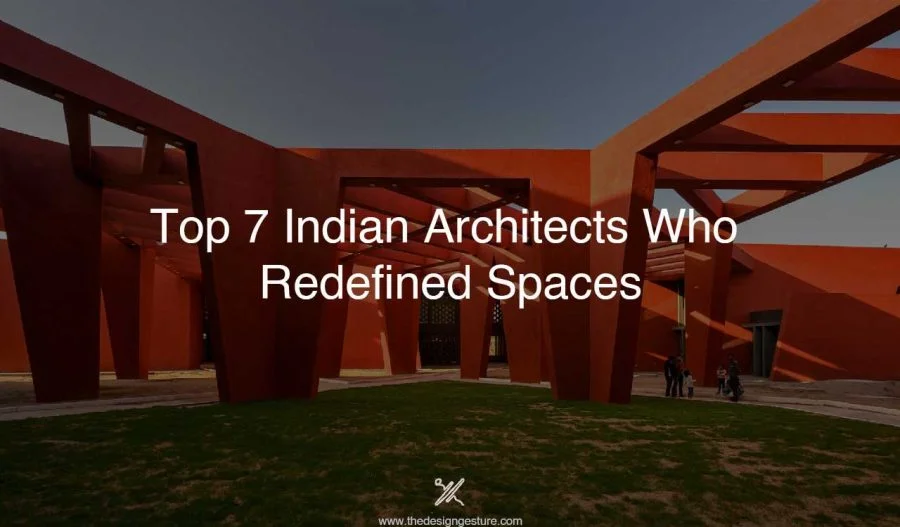
    laurie baker
    01_LAURIE BAKER_©www.thehindu.com

    Influences: Music and Gandhi

    Baker’s early influences were as diverse as they were profound. He was raised surrounded by the melodic sounds of his mother, Milly Baker, an organist, and father, choirmaster Charles Frederic Baker, as part of a family steeped in Western classical music. His background was heavily influenced by music, which would later have an indirect effect on his architectural philosophy.

    Laurie Baker: An Important Pioneer in Sustainable Architecture and Eco-Friendly Construction The incredible tale of British-born architect Laurie Baker, who dedicated his life to serving the housing needs of the impoverished, is told in this account of his architectural journey. While he may have followed a successful profession back home, fate had other ideas. When Baker was first exposed to the ideas of Mahatma Gandhi, his life's work took a completely different direction. This encounter would serve as the impetus for a lifetime of commitment to serving the "ordinary" people. nature,sustainable
    02_laurie-baker with grandparents

    However, Baker did not subscribe to Friedrich von Schelling’s famous assertion that “architecture is frozen music.” Instead, he drew a unique parallel between Indian architectural traditions and the compositions of Johann Sebastian Bach, one of his favourite composers. He believed that Indian designs made vital use of light and shade, a characteristic shared with Bach’s music. This connection between music and architecture provided a distinct foundation for Baker’s creative vision.

    Gandhi’s Influence: A Turning Point

    While Laurie Baker’s upbringing introduced him to music, his life was forever changed by an encounter with Mahatma Gandhi. In 1943, as he awaited a journey back to England in Bombay, Baker met Gandhiji multiple times. These encounters permanently altered him. The words of Gandhi, “You are bringing knowledge and qualifications from the West, but they will be useless unless you try to understand our needs here,” truly resonated. It was a time when the Quit India Movement was in full swing, and the call to serve the underprivileged in the villages struck a chord with Baker.

    CDS Building
    03_Laurie Baker, CDS Building, Trivandrum, India, c. 1970_©https nickkahler.tumblr.comimage

    These encounters with Gandhi and the call to service led Baker to return to India in 1945. His primary mission was to serve leprosy patients. With limited funds and resources, he embarked on the transformation of old houses into modern hospitals. This marked the beginning of his hands-on approach to architecture, setting the tone for his future works.

    The Baker Style: Simple, Contextual, and Sustainable

    Baker’s architectural style, often referred to as “The Baker Style,” is characterized by its simplicity, contextual relevance, and sustainable practices. His deep understanding of the lives of ordinary people and the conditions they faced led to an exploration of regional architectural ideologies. Baker believed in workability and affordability in his designs, ensuring that they responded effectively to the users’ needs.

    Indian Coffee House
    04_Indian Coffee House, Thiruvananthapuram_©www.joinpaperplanes.com

    Embracing Regional Natural Building Materials

    At the heart of Laurie Baker’s architectural philosophy was the use of locally available materials. He believed that these materials had a unique character that enriched the built environment. Bricks, especially those made of burnt mud, held a special place in his designs. Baker likened bricks to faces, each with its shape and color. He appreciated the slight variations among bricks, which, when used in large numbers, contributed to the character of a wall.

    One of Baker’s notable practices was the use of exposed brick in his designs. He saw no need to cover these characterful creations with plaster, which he found dull and characterless. The contrast of textures from brick, stone, concrete, and wood added depth and richness to his architectural works. The result was not just buildings but living, breathing structures that connected with the environment and the people who inhabited them.

    Laurie Baker: An Important Pioneer in Sustainable Architecture and Eco-Friendly Construction The incredible tale of British-born architect Laurie Baker, who dedicated his life to serving the housing needs of the impoverished, is told in this account of his architectural journey. While he may have followed a successful profession back home, fate had other ideas. When Baker was first exposed to the ideas of Mahatma Gandhi, his life's work took a completely different direction. This encounter would serve as the impetus for a lifetime of commitment to serving the "ordinary" people. nature,sustainable
    05_uncommon sense the life and architecture of laurie baker_©httpsadff.cafilms2017

    Innovative Use of Materials

    Baker’s commitment to sustainability extended beyond just the use of natural materials. He was an innovator in adapting foreign inventions that reduced material and energy consumption while enhancing the insulation of his buildings. Two notable examples were rat-trap bond masonry and filler slabs.

    Rat-trap bond masonry incorporated insulating voids within brick walls without compromising their load-bearing capacity. This innovation allowed Baker to create structures that were better suited to the climate and required fewer resources.

    Laurie Baker: An Important Pioneer in Sustainable Architecture and Eco-Friendly Construction The incredible tale of British-born architect Laurie Baker, who dedicated his life to serving the housing needs of the impoverished, is told in this account of his architectural journey. While he may have followed a successful profession back home, fate had other ideas. When Baker was first exposed to the ideas of Mahatma Gandhi, his life's work took a completely different direction. This encounter would serve as the impetus for a lifetime of commitment to serving the "ordinary" people. nature,sustainable
    06_Brick Cave Nguyen Tien Thanh_© Nguyen Tien Thanh

    Filler slabs, another of Baker’s adaptations, replaced the concrete in the non-compressive bottom part of structural slabs with two discarded roofing tiles placed one on top of the other. This technique not only reduced cement consumption but also provided valuable insulation through the air trapped in the hollows of the tiles’ corrugated profiles. Baker’s pragmatic approach to design allowed him to integrate these techniques seamlessly into his architectural style.

    Functionality and Integration with Nature

    Baker’s architectural approach emphasized the functionality of spaces and their seamless integration with the natural environment. His designs often featured internal courtyards for natural ventilation, which was especially important in hot, humid, and rainy regions like Kerala. Baker also extensively used perforated external brick walls, known as “jali” in North India, in place of the traditional (and more costly) wooden trellises of Kerala. This not only allowed for natural ventilation but also created a unique visual appeal.

    Laurie Baker: An Important Pioneer in Sustainable Architecture and Eco-Friendly Construction The incredible tale of British-born architect Laurie Baker, who dedicated his life to serving the housing needs of the impoverished, is told in this account of his architectural journey. While he may have followed a successful profession back home, fate had other ideas. When Baker was first exposed to the ideas of Mahatma Gandhi, his life's work took a completely different direction. This encounter would serve as the impetus for a lifetime of commitment to serving the "ordinary" people. nature,sustainable
    07_Indian Coffee House Trivandrum Entrance_©www.joinpaperplanes.com

    Cost-Effective Construction

    In contrast to conventional architectural practices, Baker’s approach sidestepped the need for architectural assistants and intermediaries such as contractors. His design-build method was founded on mutual trust between the architect, client, and craftsman, eliminating unnecessary costs and ensuring a more efficient and delightful construction process.

    This approach also opened the door to reusing discarded materials from old houses, which were available at very low cost. Baker’s commitment to affordability and sustainability was evident in every aspect of his work.

    Legacy and Inspiration

    Laurie Baker’s architectural philosophy and practices have left an indelible mark on the industry. His commitment to simplicity, sustainability, and the needs of ordinary people continues to inspire architects around the world. The Laurie Baker Centre for Habitat Studies in Trivandrum serves as a living testament to his legacy, providing a platform for young architects to learn about and further develop “The Baker Style.”

    Notable Projects: Celebrating Baker’s Vision

    Laurie Baker’s architectural brilliance is perhaps best exemplified in his notable projects, which showcase his philosophy in action.

    Loyola Chapel: Where Light and Spirituality Converge

    The Loyola Chapel in Thiruvananthapuram, designed by Laurie Baker, defies the conventional image of a chapel. Its exposed brick walls and intricate Jali patterns create a unique ambiance, where the introduction of light towards the interior and its indirect reflection illuminate the space in a language of its own. The chapel’s design masterfully combines the spiritual with the architectural, making it a testament to Baker’s unique approach.

    Laurie Baker: An Important Pioneer in Sustainable Architecture and Eco-Friendly Construction The incredible tale of British-born architect Laurie Baker, who dedicated his life to serving the housing needs of the impoverished, is told in this account of his architectural journey. While he may have followed a successful profession back home, fate had other ideas. When Baker was first exposed to the ideas of Mahatma Gandhi, his life's work took a completely different direction. This encounter would serve as the impetus for a lifetime of commitment to serving the "ordinary" people. nature,sustainable
    08_Loyola Chapel _©www.flickr.com

    Indian Coffee House: Affordable Dining with a Twist

    In the heart of Thiruvananthapuram, the Indian Coffee House stands as a testament to Baker’s effective use of minimal space. The cylindrical volume with Jali-lit walls and a spiral ramp provides an efficient dining experience. It’s an excellent example of cost-effective techniques that keep the space accessible to the common population.

    Laurie Baker: An Important Pioneer in Sustainable Architecture and Eco-Friendly Construction The incredible tale of British-born architect Laurie Baker, who dedicated his life to serving the housing needs of the impoverished, is told in this account of his architectural journey. While he may have followed a successful profession back home, fate had other ideas. When Baker was first exposed to the ideas of Mahatma Gandhi, his life's work took a completely different direction. This encounter would serve as the impetus for a lifetime of commitment to serving the "ordinary" people. nature,sustainable
    09_ Indian Coffee House _©in.pinterest.com

    The Hamlet: Baker’s Personal Manifesto

    Laurie Baker’s residence, known as The Hamlet, stands as a personal manifesto of his architectural principles. Curvilinear exposed-brick walls, heat-reducing Mangalore-tile roofs, and timber elements define the space. The building is a reflection of Baker’s philosophy, where simplicity and contextuality reign supreme.

    Laurie Baker: An Important Pioneer in Sustainable Architecture and Eco-Friendly Construction The incredible tale of British-born architect Laurie Baker, who dedicated his life to serving the housing needs of the impoverished, is told in this account of his architectural journey. While he may have followed a successful profession back home, fate had other ideas. When Baker was first exposed to the ideas of Mahatma Gandhi, his life's work took a completely different direction. This encounter would serve as the impetus for a lifetime of commitment to serving the "ordinary" people. nature,sustainable
    10_The Hamlet Trivandrum by Laurie Baker©_www.re-thinkingthefuture.com

    Hamlet’s location on a steep mountain slope in Nalanchira, Thiruvananthapuram, adds to its uniqueness. Carved out of the rocky hillside, it appears as if it has ‘grown out of the earth.’ The building’s integration with the natural landscape is a testament to Baker’s commitment to harmonious coexistence.

    Laurie Baker’s engagement with the entire architectural process, from initial sketches to the building phase, was deeply personal. He found joy in interacting with the workers, the materials, and the building itself. Witnessing the transformation of his drawings into tangible structures on Indian soil was a source of immense satisfaction.

    The Laurie Baker Centre for Habitat Studies: A Continuation of the Legacy

    In Trivandrum, the Laurie Baker Centre for Habitat Studies acts as a link between architecture’s history and future. It preserves Baker’s ideas and gives the next generation of people a chance to learn about “The Baker Style.” Contextualization and local knowledge are key components there, as they were throughout Baker’s distinguished career.

    Centre for Development Studies
    11_Centre for Development Studies_©http://architectuul-production.com

    Conclusion

    A clear example of the value of sustainability, user-friendliness, and a thorough comprehension of the requirements of the typical person is Laurie Baker’s architectural career. His architectural philosophy, which drew heavily on Mahatma Gandhi’s teachings and music, has had a lasting impact on the sector. Thanks to his inventive material choices, economical construction methods, and appreciation of the natural environment, Baker remains an inspiration to architects across the globe.

    Notable undertakings such as the Loyola Chapel and the Indian Coffee House are examples of how strong Baker’s notion is. His commitment to simplicity and context is evident in his house, The Hamlet. Laurie Baker demonstrates via her work how architecture can be a vehicle for social change, environmental sustainability, and artistic expression.

    Laurie Baker: An Important Pioneer in Sustainable Architecture and Eco-Friendly Construction The incredible tale of British-born architect Laurie Baker, who dedicated his life to serving the housing needs of the impoverished, is told in this account of his architectural journey. While he may have followed a successful profession back home, fate had other ideas. When Baker was first exposed to the ideas of Mahatma Gandhi, his life's work took a completely different direction. This encounter would serve as the impetus for a lifetime of commitment to serving the "ordinary" people. nature,sustainable
    12_Sir Laurie Baker_©vebuka.com

    The Laurie Baker Centre for Habitat Studies continues its legacy by providing opportunities and fostering an appreciation for regional understanding, affordability, and utility among the next generation of architects. Anyone who believes in the transforming potential of architecture might find inspiration from Baker’s architectural journey. In his own words, “We must never lose sight of the fact that 20 million families live in abject poverty, let alone enjoy the privileges of architecture. We should be ashamed for allowing these numbers to rise.” Laurie Baker devoted his life to bucking this trend, and his influence can still be seen in the structures and ideas he inspired.

  • Top 7 Indian Architects Who Redefined Spaces

    Top 7 Indian Architects Who Redefined Spaces

    In the rich mosaic of Indian architectural diversity, a cadre of forward-thinking individuals from India has embarked on the ambitious endeavor of reshaping spaces within the ever-evolving realm of architecture and has emerged as true luminaries, shaping not only the skylines of cities but also the future of design. ​ 

    Charles Correa: Courtyards as a Design Signature

    indian architect
    01_Charles Correa_©news.mit.edu

    Charles Correa, a name synonymous with modern Indian architecture, was born and brought up in Hyderabad in 1930. Growing up in a newly independent India, Charles Correa was witness to a nation on the cusp of transformation. His early education took him to St. Xavier’s College in Mumbai, where he laid the foundation for his future architectural ambition. After completing his studies in architecture at the University of Michigan and the Massachusetts Institute of Technology (MIT), Correa returned to India armed with a global perspective on architecture.

    Top 7 Indian Architects Who Redefined Spaces In the rich mosaic of Indian architectural diversity, a cadre of forward-thinking individuals from India has embarked on the ambitious endeavor of reshaping spaces within the ever-evolving realm of architecture and has emerged as true luminaries, shaping not only the skylines of cities but also the future of design. ​  nature,sustainable
    02_Jawahar kala kendra_©www.archdaily.com

    Correa’s architectural career took off in the 1950s when he started working on projects that would become iconic symbols of India’s architectural identity. His designs were not just about erecting structures but about creating environments that resonated with India’s rich heritage. One of Charles Correa’s most celebrated creations is the Jawahar Kala Kendra in Jaipur.

    Indian Architect Balkrishna Doshi: Where Tradition Meets Innovation

    Top 7 Indian Architects Who Redefined Spaces In the rich mosaic of Indian architectural diversity, a cadre of forward-thinking individuals from India has embarked on the ambitious endeavor of reshaping spaces within the ever-evolving realm of architecture and has emerged as true luminaries, shaping not only the skylines of cities but also the future of design. ​  nature,sustainable
    03_balkrishna Doshi_©dezeen

    Indian architect Balkrishna Doshi is a visionary known for his distinct style of design. He started a remarkable architectural journey that combined innovation and tradition after being born in Pune in 1927. Doshi’s educational voyage took him to the J.J. School of Architecture and later to Paris, where he imbibed diverse architectural influences.

    Top 7 Indian Architects Who Redefined Spaces In the rich mosaic of Indian architectural diversity, a cadre of forward-thinking individuals from India has embarked on the ambitious endeavor of reshaping spaces within the ever-evolving realm of architecture and has emerged as true luminaries, shaping not only the skylines of cities but also the future of design. ​  nature,sustainable
    04_Indian Architect Hussain Doshi Gufa_©www.archdaily.com

    Doshi’s way of designing buildings fits well with India. He cares about making sustainable and community-friendly designs, as we can see in projects like the Aranya Low-Cost Housing in Indore and the famous IIM Bangalore campus. ​In addition to creating amazing structures, Doshi teaches other architects. He’s won some impressive awards, like the big-deal Pritzker Prize, which shows how much he’s respected in the world of architecture

    C. P. Kukreja: A Legacy of Innovation

    Top 7 Indian Architects Who Redefined Spaces In the rich mosaic of Indian architectural diversity, a cadre of forward-thinking individuals from India has embarked on the ambitious endeavor of reshaping spaces within the ever-evolving realm of architecture and has emerged as true luminaries, shaping not only the skylines of cities but also the future of design. ​  nature,sustainable
    05_ Indian architect CP Kukreja, dikshu Kukreja_©www.commercialdesignindia.com

    With origins dating back to 1969, C. P. Kukreja Architects (CPKA) is a well-known multidisciplinary design firm. The company’s founder, C. P. Kukreja, set the groundwork for a business that would later have a big impact on India’s architectural scene while studying architecture in Melbourne and Canada.

    Top 7 Indian Architects Who Redefined Spaces In the rich mosaic of Indian architectural diversity, a cadre of forward-thinking individuals from India has embarked on the ambitious endeavor of reshaping spaces within the ever-evolving realm of architecture and has emerged as true luminaries, shaping not only the skylines of cities but also the future of design. ​  nature,sustainable
    06_the design of India Pavilion at Expo 2020 Dubai_©www.cpkukreja.com

    Notable projects like the Jawaharlal Nehru University and the National Archives of India bear the hallmark of CPKA’s architectural innovation. Due to the company’s commitment to designing a wide range of projects, such as recreational spaces, embassy buildings, and institutional buildings, it has developed a solid reputation in the industry. Even after the passing of C. P. Kukreja, the firm continues to thrive, leaving an indelible mark on India’s architectural legacy.

    Hafeez Contractor: Shaping India’s Skylines

    Top 7 Indian Architects Who Redefined Spaces In the rich mosaic of Indian architectural diversity, a cadre of forward-thinking individuals from India has embarked on the ambitious endeavor of reshaping spaces within the ever-evolving realm of architecture and has emerged as true luminaries, shaping not only the skylines of cities but also the future of design. ​  nature,sustainable
    07_Hafeez Contractor_©www.re-thinkingthefuture.com

    Indian architect Hafeez Sorab Contractor was born in Mumbai in 1950 and is renowned for his creative designs that have influenced India’s skylines. After completing his studies at the University of Mumbai, he went to Columbia University to further his architectural skills.

    Top 7 Indian Architects Who Redefined Spaces In the rich mosaic of Indian architectural diversity, a cadre of forward-thinking individuals from India has embarked on the ambitious endeavor of reshaping spaces within the ever-evolving realm of architecture and has emerged as true luminaries, shaping not only the skylines of cities but also the future of design. ​  nature,sustainable
    08_Hafeez’s works with Including Green Pockets_©whereisthenorth.com

    The architectural contributions of contractors are reflected by notable structures such as 23 Marina, The Imperial, BITS Pilani Goa Campus, Infosys Training Centre, and many others.

    He has received recognition for his creative designs, including the prestigious Padma Bhushan award in 2016. India’s urban and architectural identities are still being shaped by the works of Hafeez Contractor, whose influence on the country’s architectural landscape is immense.

    Laurie Baker: Architectural Pioneer and Humanitarian

    Top 7 Indian Architects Who Redefined Spaces In the rich mosaic of Indian architectural diversity, a cadre of forward-thinking individuals from India has embarked on the ambitious endeavor of reshaping spaces within the ever-evolving realm of architecture and has emerged as true luminaries, shaping not only the skylines of cities but also the future of design. ​  nature,sustainable
    09_Laurie Baker, the ‘Gandhi of architecture’ in India_©www.theweek.in

    Laurie Baker (2 March 1917 – 1 April 2007) was a British-born Indian architect, celebrated for his pioneering work in cost-effective, energy-efficient designs that prioritized space, ventilation, and light. Embracing Mahatma Gandhi’s ideals and inspired by his experiences in the Himalayas, Baker championed regional building practices and local materials. His organic and sustainable approach, which dates back to the 1960s, featured innovations like rainwater harvesting and reducing the use of materials that are inefficient in terms of energy. Baker, often termed the “Gandhi of architecture,” spent over 50 years in India, becoming an Indian citizen in 1988.

    Top 7 Indian Architects Who Redefined Spaces In the rich mosaic of Indian architectural diversity, a cadre of forward-thinking individuals from India has embarked on the ambitious endeavor of reshaping spaces within the ever-evolving realm of architecture and has emerged as true luminaries, shaping not only the skylines of cities but also the future of design. ​  nature,sustainable
    10_Laurie Baker_©www.bdonline.co.uk

    Baker was good at mixing old-fashioned skills with new, cool design ideas. People know him for helping make homes that lots of people could afford. He liked using special pyramid-shaped roofs, strong brick walls with patterns (called jali walls), and other ideas to let in natural air. Baker didn’t want to call his way of doing things a “style,” but people liked it and started calling it the ‘Baker Style.’

    Laurie Baker didn’t just do well in making buildings; he left behind a way of doing things that inspired a bunch of new architects. In 2006, he got some important awards, like the Padma Shri, and almost got the big Pritzker Prize. Even after he passed away in 2007, architects still look up to him for how he cared about making things last, mixing different cultures, and keeping things simple

    Eugene Pandala: Eco-Friendly Indian Architect

    Top 7 Indian Architects Who Redefined Spaces In the rich mosaic of Indian architectural diversity, a cadre of forward-thinking individuals from India has embarked on the ambitious endeavor of reshaping spaces within the ever-evolving realm of architecture and has emerged as true luminaries, shaping not only the skylines of cities but also the future of design. ​  nature,sustainable
    11_Eugene Pandala_©www.architectandinteriorsindia.com

    Eugene Pandala, an esteemed Indian architect, has left an indelible mark on sustainable and environmentally conscious design. Born on March 19, 1954, in Kollam, India, Pandala is a graduate of the College of Engineering Trivandrum, where he earned his Bachelor’s in Architecture. His educational journey continued with a Master’s in Urban Design from the School of Planning and Architecture, New Delhi.

    Top 7 Indian Architects Who Redefined Spaces In the rich mosaic of Indian architectural diversity, a cadre of forward-thinking individuals from India has embarked on the ambitious endeavor of reshaping spaces within the ever-evolving realm of architecture and has emerged as true luminaries, shaping not only the skylines of cities but also the future of design. ​  nature,sustainable
    12_Revathy kalamandir_©www.wikiwand.comImage

    During his studies in Delhi, he met the renowned architect Hassan Fathy, who inspired him to become a leading proponent of using natural materials for construction, especially mud. In 1996, he gained public recognition for constructing his first mud house in Kollam, encompassing 2,500 sq. ft.

    Top 7 Indian Architects Who Redefined Spaces In the rich mosaic of Indian architectural diversity, a cadre of forward-thinking individuals from India has embarked on the ambitious endeavor of reshaping spaces within the ever-evolving realm of architecture and has emerged as true luminaries, shaping not only the skylines of cities but also the future of design. ​  nature,sustainable
    13_Tendu, Tendu leaf jungle resort_©www.tenduleafjungleresort.com

    Pandala’s architectural style, characterized by organic forms and a deep-rooted connection to nature, has earned him numerous accolades. In 2011, he received the Laurie Baker Award from Lalit Kala Academy, and in 2007, Inside Outside Design magazine honored him as the Designer of the Year for his eco-friendly designs. Notable projects that demonstrate his proficiency in sustainable architecture are the Raviz in Kollam and the Earth Resort in Wayanad.

    Achyut Kanvinde: Functionalism and Brutalism

    Top 7 Indian Architects Who Redefined Spaces In the rich mosaic of Indian architectural diversity, a cadre of forward-thinking individuals from India has embarked on the ambitious endeavor of reshaping spaces within the ever-evolving realm of architecture and has emerged as true luminaries, shaping not only the skylines of cities but also the future of design. ​  nature,sustainable
    14_Achyut Kanvinde in discussion with Pandit Jawaharlal Nehru_©thearchinsider.com

    Indian architect Achyut Purushottam Kanvinde, who lived from 9 February 1916 to 28 December 2002, was a significant figure in the development of the nation’s architectural landscape. Originating in Achra, Maharashtra, Kanvinde studied architecture at Sir J.J. School of Arts in Mumbai before continuing his studies at Harvard University with the renowned Bauhaus pioneer Walter Gropius. His career was shaped by the functionalist and brutalist movements, and in 1974 he was awarded the Padma Shri.

    Top 7 Indian Architects Who Redefined Spaces In the rich mosaic of Indian architectural diversity, a cadre of forward-thinking individuals from India has embarked on the ambitious endeavor of reshaping spaces within the ever-evolving realm of architecture and has emerged as true luminaries, shaping not only the skylines of cities but also the future of design. ​  nature,sustainable
    15_Centre for Development Studies, Thiruvananthapuram_©www.theweek.in

    Upon returning to India, Kanvinde joined the Council for Scientific and Industrial Research and later co-founded the firm Kanvinde, Rai, and Chowdhury in New Delhi. The National Science Centre, the University of Agricultural Sciences’ Bangalore campus, and IIT Kanpur are just a few of the famous buildings to which the company made major contributions. Kanvinde’s design philosophy prioritized natural light, ventilation, and the harmonious blend of technological advancements with historical inspirations.

    Top 7 Indian Architects Who Redefined Spaces In the rich mosaic of Indian architectural diversity, a cadre of forward-thinking individuals from India has embarked on the ambitious endeavor of reshaping spaces within the ever-evolving realm of architecture and has emerged as true luminaries, shaping not only the skylines of cities but also the future of design. ​  nature,sustainable
    16_PK Kelkar Library, IIT Kanpur, designed by Achyut Kanvinde_©en.wikipedia.org

    Conclusion

    This exploration of pioneering architects within the dynamic realm of Indian architecture attests to their revolutionary impact on the constructed environment. Each architect, from Charles Correa, known for his distinctive designs, to Balkrishna Doshi, who seamlessly blends tradition with innovation, and from C. P. Kukreja, whose legacy is marked by innovation, to Hafeez Contractor, whose creations shape skylines, has left an enduring imprint on India’s architectural heritage.

    As we conclude this inquiry, the structures, cityscapes, and environmentally sustainable practices crafted by these architects persist in shaping India’s architectural identity. Beyond reshaping physical spaces, they have evolved into symbols that guide upcoming architects toward a harmonious integration of creativity, cultural traditions, and ecological mindfulness.

  • Pearl Academy, Jaipur: Where Tradition Meets Contemporary Sustainability

    Pearl Academy, Jaipur: Where Tradition Meets Contemporary Sustainability

    Location: Jaipur
    Area: 3 acres
    Climatic Zone: Hot-Dry
    Architects: Morphogenesis

    Pearl academy
    Perspective view of Pearl Academy, Jaipur

    Introduction

    The Pearl Academy of Fashion in Jaipur is a campus that has been designed to provide an environmentally responsive passive habitat. The institute develops dynamic places for a creative student body to work in multipurpose zones that effortlessly integrate the interiors and the outdoors. The institute’s radical architecture is the result of a synthesis of the vast traditional building knowledge bank with cutting-edge contemporary architecture. The Pearl Academy of Fashion is a model of inclusive architecture, aiming to incorporate all heritage values while remaining within the contemporary cultural and architectural paradigm. 

    stepwell
    A concept derived from stepwell

    Planning: Pearl Academy

    Pearl Academy is located on the outskirts of Jaipur in the soulless Kukas industrial region, about 20 kilometres from the famed walled city, in a typical hot, dry, desert-type climate. It is ranked third among India’s top ten fashion design colleges, and its design is required to convey the seriousness of its academic orientation through formal geometry. Given the nature of an institution, the project’s budgetary limits required the usage of cost-effective design solutions to stay within the price points given by the customer while still achieving the intended functionality and effect. 

    ventilation
    Ventilation and day lightening

    As the building serves a purpose in a desert, it is designed to withstand the heat. While it is planned with a courtyard to keep the building from heating up, the designers – Morphogenesis architects – appear to put a contemporary spin on features, including the courtyard. One section of the main floor is adorned with a stepped well or baoli, which is intended to decrease the temperature surrounding it and create a more comfortable microclimate in the structure.

    natural cavities
    Natural cavities formed within the structure

    Over, it sits an aesthetically moving stage of sorts which can be used as a performance area. The building is a beautiful mix of curves and corners and the segregation of these areas blend in perfect harmony to create a space that is both inside out and outside in, i.e., a beautiful blend of outdoors and indoors. Multifunctional spaces are present to bend the building into use as needed.

    Design Solutions

    The architecture of Pearl Academy combines modern adaptations of traditional Indo-Islamic architectural components with passive-cooling tactics common in Rajasthan’s desert climate, such as self-shading courtyards, water bodies, baolis (step wells), and jaalis.

    jaali
    Use of jaali

     The building is shielded from the elements by a double skin, known as the ‘jaali,’ which acts as a thermal buffer between the structure and its surroundings. It decreases direct heat gain by articulated fenestrations and provides three functions: air, light, and privacy filters. 

    Sustainable living in Action

    To reduce heat absorption, traditionally inspired low-cost roof insulation methods have been adopted. Inverted matkas (earthen pots) are spread across the surface, and the spaces between them are filled with sand and broken bricks before being covered with a thin, binding coating of concrete. The Pearl Academy is an example of inclusive design that is socio-culturally relevant and influenced by local heritage, all while fitting into the contemporary cultural and architectural paradigm. In Barcelona, India’s first World Architecture Festival (WAF) Award for ‘Best Learning Building’ was given to the Pearl Academy.

    natural light
    Adequate natural light streaming into classrooms and studios

    The Pearl Academy of Fashion in Jaipur is a campus that has been designed to provide an environmentally responsive passive habitat. The institute develops dynamic places for a creative student body to work in multipurpose zones that effortlessly integrate the interiors and the outdoors. The institute’s radical architecture is the result of a synthesis of the vast traditional building knowledge bank with cutting-edge contemporary architecture.

    Climate Responsive Passive Habitat

    The harsh climate makes controlling the micro-climate within the project difficult, therefore implementing various passive climate control methods becomes necessary. This also minimises reliance on resource-hungry mechanical environmental control mechanisms. The academy’s architecture had to be a synthesis of modern adaptations of traditional Indo-Islamic architectural elements and passive cooling strategies common in Rajasthan’s hot-dry desert climate, such as open courtyards, water bodies, a step-well or baoli, and jaalis .

    shadow patterns
    Shadow patterns on fenestration allowing diffused light

     All of these aspects have been developed from their historical applications but will manifest themselves through the architectural form and become an integral part of the design student’s daily life.

    water feature
    Engaging areas adjacent to the water feature

    The building of Pearl Academy is shielded from the elements by a double skin adapted from a traditional construction element known as the ‘Jaali’ that is common in Rajasthani architecture. The double skin serves as a heat barrier between the structure and its environment. The density of the perforated outer skin was calculated using computational shadow analysis depending on the façade orientation. The outer skin is 4 feet away from the structure and reduces direct heat gain through fenestrations. Drip channels extending around the inner face of the Jaali provide for passive downdraft evaporative cooling, lowering the temperature of the incident airflow.

    sun path
    Building orientation according to the sun path
    voids
    Model of organic voids created within the structure 

    The project employs self-shading sliver courts to regulate the temperatures of internal areas and open stepped wells while allowing for adequate daylighting inside studios and classrooms. The entire structure is elevated above the ground, and a scooped-out underbelly serves as a natural thermal sink that is cooled by water bodies via evaporative cooling. This thermally banked underbelly serves as a vast student recreation and exhibition zone and acts as the project’s anchor. When the temperature in the desert drops at night, this floor slowly transfers the heat to the surroundings, making the space thermally comfortable. This temporal lag corresponds to the institute’s staggered operation.

    Materials and Construction

    The building materials are a mix of native stone, steel, glass, and concrete chosen with the region’s climatic conditions in mind while maintaining the progressive architectural goal. Energy conservation is a top priority, and the institute is completely self-sufficient in terms of captive power and water supply, as well as promoting rainwater collecting and wastewater recycling via a sewage treatment plant.

    water body
     Placement of water body for passive cooling

     Aside from becoming a very successful model for cost-effective passive architecture in arid regions, the campus’s design and facilities suit the Pearl Academy of Fashion’s vision – a cutting-edge design institute with a sustainable approach.

     The Pearl Academy of Fashion is an exemplar of inclusive architecture that intends to accommodate all heritage values while positioning it within the contemporary cultural and architectural paradigm.

    Awards Best Learning Building

    1. Best Learning Building, World Architecture Festival Awards, 2009
    2. Highly Commended Seal of Distinction, Cityscape Architectural Awards, 2009
    3. Best Sustainable/Green Architecture, ArchiDesign Awards 2009 
    4. Special Mention, The Institutional Architecture Award, A+D & 
    5. Spectrum Foundation Architecture Awards 2009Cityscape 
    6. Architectural Review Special Award for Environmental Design, 2007