Author: Sneha J Uttarkar

  • Top 15 Interesting Must-Read Books for Architects

    Top 15 Interesting Must-Read Books for Architects

    Why An Architect Must Read

    When you start as a student in architecture school, the entire field is unfolding right in front of your eyes. Overwhelming, as it can be, the vast history is also engrossing.  Many architecture students start out being extremely intimated, either by professors or by the field itself but when you come across books that were written by Architects who had a similar experience, it is reassuring, to say the least.

    I had a similar experience while in architecture school and discovered reading to be my niche. I have compiled a series of must-read books for Architects, conveniently categorized to help you with your woes.

    Books To Help Survive Architecture School

    Pattern Language – Christopher Alexander

    Book on architecture, urban design, and community livability, Alexander’s book it’s still one of the best-selling books on Architecture. The book revolves around a timeless entity is called patterns and using them to make a whole new language. Fun fact, pattern recognition is the sole reason we humans evolved from our native apes into intelligent beings. It is currently being used by non-architects as well to help bring up their urban fabric. Sitting atop the book recommendation list, a must-read book for architects and others alike.

    Form, Space and Order – D. K. Ching

    Another classic to read while in architecture school, Form, Space, and Function is an excellent visual communicator to the fundamental principles and vocabulary of architecture. The book talks about everything from circulation, site context to lighting and views considering the site environmental factors. Easily one of the must-read books in architecture.

    101 Things I Learnt in Architecture School- Matthew Frederick

    A true lifesaver in architecture School, 101 Things I Learnt in Architecture School touches base with all the fundamentals of design, from how to draw a line to the more complicated ones, this book has it all. With beautiful illustrations and examples, the book does an excellent job of helping you navigate the design studio with finesse, easily one of the must-read books in Architecture.

    Introduction to Architecture- D.K. Ching

    Another classic in my shelf of books for architects, an architectural bible by D.K. Ching among his other creations, is the book Introduction to Architecture. Its easy-to-understand format helps readers gain a better idea of the design of spaces, buildings, and cities while exploring the histories and theories of architecture design elements, processes, Sitting, and the technical aspects of contemporary processes of architecture.

    1. The Poetics of Space- Gaston Bachelard

    The French philosopher, Gaston Bachelard’s book, The Poetics of Space, is the most, as the title goes, poetic expression of a personal space such as a home. The book talks about our subconscious understanding of spaces when we enter them and the memories that are formed. Truly a must-read book for Architects and philosophers alike.

    Books To Help Broaden Your Knowledge Reservoir

    Yes is More- Bjarke Ingels

    Akin to a superhero comic book, Yes is More by Bjarke Ingels, uses a comic book format to express his revolutionary ideas for contemporary architecture. The Danish architect aims to blur the line between avant-garde ideas and the boring boxes Architects usually dish out. Evidently sitting on top of this list of book recommendations, this one is a banger.

    S, M, L, XL- Bruce Mau

    Consisting of remarkable inspired designs by the Dutch firm, Office for Metropolitan Architecture (O.M.A.) by its founder Rem Koolhaas and designer Bruce Mau, this book recommendation consists of photos, sketches, diary excerpts, fairy tales, and fables on contemporary architecture and society.

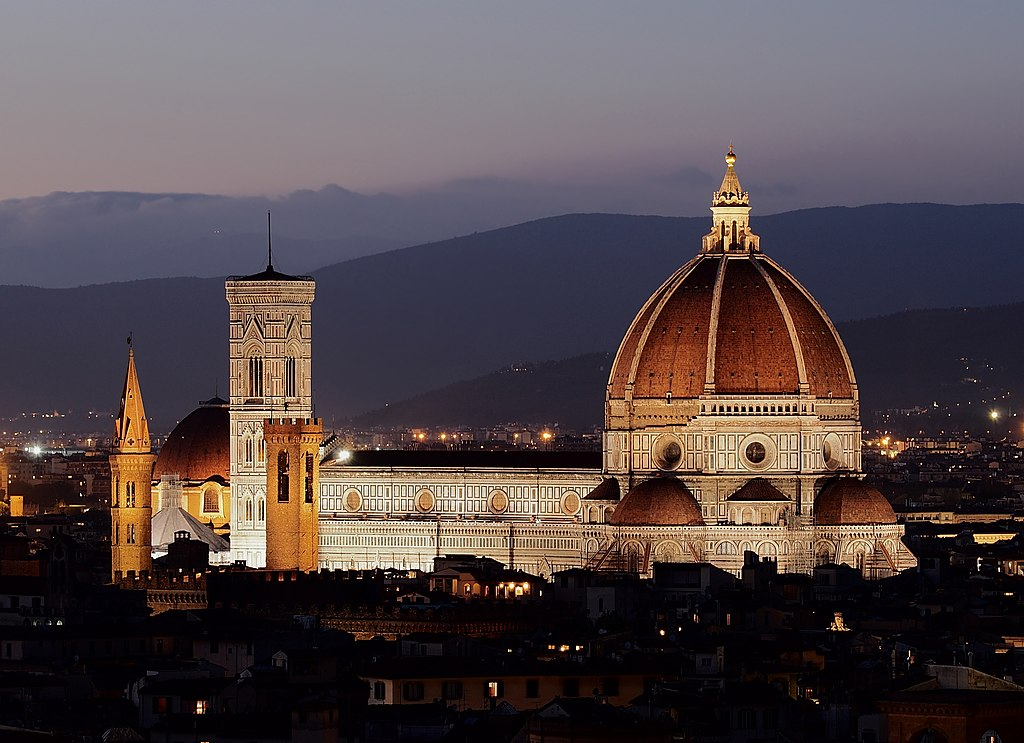
    Brunelleschi’s Dome- Ross King

    As a worshipper of old-world architecture, Brunelleschi’s Dome by Ross King has my heart forever. The must-read book revolves around the construction of the infamous masonry dome of Santa Maria Del Fiore in Florence. Deemed by many to be impossible, the renaissance genius, also a goldsmith and a clockmaker, proved them wrong. The book recalls the ancient time’s plagues, wars, and historical architecture.

    The Architecture of Happiness- Alain De Botton

    In the book, the author Alain De Botton asks a sundry of questions- What makes a house truly beautiful? Why are many new houses so ugly? And many more. The author tries to answer these questions by studying buildings across the world at different times. Deemed by critics to be beautifully written and accessible, this is a good read.

    Modern Architecture- Kenneth Frampton

    A classic since 1980, this book on modern architecture is the fourth edition of Kenneth Frampton exploring the effects of globalization on architecture. The bibliography also examines the celebrity status of architects that is increasingly growing in the world today. A book recommendation to anybody with a keen eye for art and architecture.

    Books To Leisure In

    The Da Vinci Code or any of Dan Brown’s Books

    My eternal love for Dan Brown grew with the iconic, The Da Vinci Code. The book features a Harward symbologist, Robert Langdon, and his Journeys through life and death in an insanely adrenaline-pumped series of books that are now major motion pictures (Although it is my personal opinion that the movies didn’t do justice to the books). A must-read book is for anybody who loves heart-beating adventure with immensely descriptive old-world architecture.

    The God of Small Things- Arundhati Roy

    Arundhati Roy’s debut novel, The God of Small Things highlights issues of the caste system, Keraliteheart-beating Syrian Christian lifestyle, and communism. The story revolves around two children, Esthappen and Rahel, who at a very young age learn the horrifying truth of life. Being an architect herself, Arundhati Roy’s education reflects in the book’s attention to detail and structure making this a book recommendation to be proud of.

    The Life of an Architect… and what he leaves behind by MikeHermans

    This one hits too close to home. The comic illustration is about an architect Archibald and his daily struggles with colleagues, clients, contractors; basically, everybody that has anything to do with architecture. The hilarious accuracy seems to bring Architects from all around the world together.

    Top 15 Interesting Must-Read Books for Architects I had a similar experience while in architecture school and discovered reading to be my niche. I have compiled a series of must-read books for Architects, conveniently categorized to help you with your woes. Must-read books for Architects,Must-read book,Books for architecture,Books for Architects,Book recommendation
    The Life of an Architect… and what he leaves behind

    The Grand Tour: Travelling the world with an Architect’s eye- Harry Seidler

    The architect author has spent over 50 years traveling the globe and extensively photographing each piece of architecture from 3000 BC to the present day, emphasizing the importance of travel to Architects. The book is divided into chapters categorized into countries of all continents, making it a must-read book in architecture.

    Top 15 Interesting Must-Read Books for Architects I had a similar experience while in architecture school and discovered reading to be my niche. I have compiled a series of must-read books for Architects, conveniently categorized to help you with your woes. Must-read books for Architects,Must-read book,Books for architecture,Books for Architects,Book recommendation
    The Grand Tour

    Destination Architecture- The Essential Guide to 1000 Contemporary Buildings- Phaidon

    The book recommendation features 1000 of today’s contemporary buildings designed by the World’s finest Architects giving us an unparalleled and comprehensive resource to accentuate your travel experience.

    Top 15 Interesting Must-Read Books for Architects I had a similar experience while in architecture school and discovered reading to be my niche. I have compiled a series of must-read books for Architects, conveniently categorized to help you with your woes. Must-read books for Architects,Must-read book,Books for architecture,Books for Architects,Book recommendation
    Destination Architecture

    Bonus

    Architects Houses- Thames & Hudson

    Probably my favorite book of all, Architects Houses by Thames & Hudson Features 30 pioneering houses designed by archiSittingheart-beatingtects for themselves of the past decade and exploring the ingenious ways in which they have tried to address the challenges of modeling a contemporary living space with themselves at the center.

  • Top 10 Up and Emerging International Architects

    Top 10 Up and Emerging International Architects

    Introduction

    Unquestionably, architecture is a rising business with dazzling future opportunities throughout the world. The standards are increasing and so are the expectations with new and intriguing designs being created every day. Although the design is entirely subjective, some projects get nods of approval from many. I would think that the profession won in such rare situations.

    In the list below we have compiled the top 10 up and emerging International Architects that are revolutionizing the profession daily. Irrespective of a mention, we completely respect the professional practice in Architecture done by the Architects that are not enlisted and do not, in any way, disregard their valuable work and contribution to the field.

    This list is tentative and subjective.

    Top 10 Up and Emerging International Architects

    Mass Design Group

    Mass Design Group is an Architecture office of over 140 architects, landscape architects, engineers, builders, furniture designers, writers, filmmakers, and researchers from 20 different countries. They believe in the architectural design process of increasing access to purposeful, healing, and hopeful design. The firm’s acronym stands for Model of Architecture Serving Society.

    The Wall Street Journal named the firm MASS, the Architecture Innovator of the Year in 2020 for their origins in healthcare and designing architecture as a medium for healing. They believe that every project has a mission and work with our partners throughout the design process — from early visioning to project completion — to create and implement a shared vision for how design can help achieve that mission.

    Origin/ Birth: 2008

    Location(s): Rwanda

    Chief Architects: Michael Murphy and Alan Ricks

    Style of Architecture: Contemporary

    What Services Provided: Architecture, landscape design, engineering, planning, research, film, and community engagement.

    Notable Projects

    The Gun Violence Memorial Project

    Rwanda Institute for Conservation Agriculture

    National Memorial for Peace and Justice

    noa*- Network of Architecture

    The young team of architects and designers, led by founders Lukas Rungger and Stefan Rier and based in Bolzano (Italy) and Berlin (Germany), explores and examines interdisciplinary methods of application of architecture design, which are constantly evolving depending on the nature and requirements of each project. A holistic approach and strategy are central to noa*s way of conceiving design by adhering to the concept of “emergence,” where the whole is perceived to be far greater than the sum of its parts. Their professional practice in Architecture extends to residential, hospitality, commercial, mixed-use, exhibition, product, and experimental projects.

    Origin/ Birth: 2010

    Location(s): Bolzano (Italy) and Berlino (Germany)

    Chief Architects: Lukas Rungger and Stefan Rier

    Style of Architecture: Modernist and Contemporary Architecture with native elements

    What Services Provided: Hospitality Architecture, Interior Design

    Notable Projects:

    MohrLife

    Sudtirol Home

    Erfurt

    SETUP Architecture

    Architecture is a configuration, believes the architecture office. They believe the architecture design process is a system, a situation, a trick, a structure, and an organization. SETUP architecture studio’s architectural works, design research, and construction projects incorporate digital and virtual means of organizing space and redefine the roles of local and global intelligent methods of making, creating, producing, and setting up architecture. The studio was founded in 2014 in the Netherlands and Iran, and it now operates on a global scale in a variety of design and production scales.

    Origin/ Birth: 2014

    Location(s): Netherlands and Iran

    Chief Architects: Sina Mostafavi

    Style of Architecture:

    What Services Provided: Architectural works, design research, and construction projects

    Notable Projects

    Benetton Headquarters

    Softstone

    Farmanieh Residential

    Sher Maker

    Patcharada Inplang, Thongchai Chansamak, and their builder team are the creators of the architecture office, Sher Maker. They have a strong intention, as well as an interest in the process and meaning of the architecture design process. They are interested in the origins of architectural formations that are influenced by local technology and material availability. They are pursuing the design of the atmosphere that has an impact on the building in both physical and ambiance terms.

    Origin/ Birth: 2018

    Location(s): Chiangmai, Thailand

    Chief Architects: Ar.Thongchai Chansamak and Ar. Patcharada Inplang

    Style of Architecture: Modernist Architecture

    What Services Provided: Architecture solutions

    Notable Projects

    Sher Maker Studio

    Light Trap

    Boonma Cafe

    MUDA Architects

    The Architecture office, MUDA was founded in 2015 in Beijing, China, and Boston, Massachusetts, with the Chengdu office opening in 2017. MUDA is a place where people of different cultural backgrounds, mindsets, and creative design abilities are welcomed and valued. The architect team is made up of a diverse group of talented architects with forward-thinking ideas, extensive experience, professionalism, and distinct personalities. Among the design, practices are public architecture, cultural architecture, commercial architecture, urban planning, landscape design, and interior design. As a global leader in architecture, they have extensive experience in a wide range of markets and different applications of architecture design.

    Origin/ Birth: 2015

    Location(s): Beijing, China, and Boston, Massachusetts, and Chengdu

    Chief Architects: Yun Lu

    Style of Architecture: Contemporary, Modernist Architecture

    What Services Provided: Architecture, Interior Design

    Notable Projects

    Garden Hotpot Restaurant

    SCOOOPE

    Minjiang Service Center

    Atelier tao+c

    The Professional Practice in Architecture by Atelier tao+c was founded in 2016, and its design works range from a pendant lamp to a compound development, from the interior of small urban apartments to the renovation of old rural houses, from street shops to a youth community, you name it and they’ve done it all. In addition to practical work, the office has been involved in research and teaching, with a focus on topics such as the revival of old buildings and objects in domestic landscapes, covering all applications of Architecture Design.

    Origin/ Birth: 2016

    Location(s): Shanghai, China

    Chief Architects: Tao Liu, Chunyan Cai

    Style of Architecture: Contemporary

    What Services Provided: Architectural design / Interior design / Furniture design

    Notable Projects

    Capsule Hotel

    JHW

    The house with a slim light well

    Mole Architects

    The scale and nature of the projects vary in the Architecture office. They’ve designed artist studios and masterplans for developers with a desire to make better cities. They’ve designed many houses and buildings in between these scales, all of which contribute to the richness of the places where one lives and works. Buildings that are well-designed make life easier, more comfortable, and more pleasurable with its applications of Architecture Design.

    Origin/ Birth: 1997

    Location(s): Cambridge

    Chief Architects: Meredith Bowles

    Style of Architecture: Contemporary

    What Services Provided: Residential Architecture

    Notable Projects

    Hillside Development, Hsinchu, Taiwan

    Cavendish, Cambridge

    Balancing Barn, Suffolk

    Wilkinson Eyre Architects

    WilkinsonEyre is a leading architecture office in the world, with a portfolio of national and international award-winning projects. They have built a portfolio of bold, beautiful, intelligent architecture in applications of architecture design as diverse as culture, sport and leisure, education, infrastructure, residential, office, and large-scale master planning since our inception in 1983. A professional practice in architecture to look out for.

    Origin/ Birth: 1983

    Location(s): London, England, United Kingdom

    Chief Architects: Jim Eyre Chris Wilkinson

    Style of Architecture: Modernist Architecture

    What Services Provided: Architectural services

    Notable Projects

    Compton & Edrich Stands, Lord’s Cricket Ground, London

    University of Bristol: Fry Building

    Cooled Conservatories, Gardens by the Bay

    Space Matrix

    Since its inception in 2001, the design firm has evolved into a dynamic, agile, 21st-century digital enterprise; an architecture office specializing in workplace design. They have developed a distinct client focus that generates and delivers profitable, long-term, and future-­ready workplace solutions with their innovative applications of architecture design. Their ongoing mission is to continue revolutionizing the delivery of design and construction services in Asia and around the world. In Australia, China, India, Thailand, Singapore (HQ), and the United States, they have relevant project experience in over 80 cities and 15 office locations.

    Origin/ Birth: 2001

    Location(s): Bangalore, Bangkok, Beijing, Hong Kong, Hyderabad, Manila, Melbourne, Mumbai, New Delhi, New York, Pune, Singapore, Shanghai, Shenzhen, Sydney,Chennai.

    Chief Architects: Arsh Chaudhry, Shagufta Anurag, Jaiprakash Aildasani

    Style of Architecture: Contemporary

    What Services Provided: Branding, MEP, AV, IT, sustainability, security, and employee wellness

    Notable Projects

    Lazard, Sydney

    Crowdstrike, Pune

    Vanke, Shenzhen

    Studio Saxe

    Nature-inspired ideas are given structural form by Studio Saxe. The Costa Rica architects blend local knowledge with international design, combining a modern, global aesthetic with local expertise that includes craftsmanship, personal connections, and the sustainable sourcing of local materials. A clever design does not necessitate a lot of additional technology. They believe, true sustainability responds to natural conditions to reduce resource consumption while maximizing beautiful sensory experiences.

    Origin/ Birth: 2004

    Location(s): San José, Costa Rica

    Chief Architects: Benjamin Garcia Saxe

    Style of Architecture: Contemporary

    What Services Provided: Architectural Services

    Notable Projects

    The Sirena House

    Casa Bell Lloc

    Casa Flotanta

  • Interesting Peep into a Prairie House Design: An Off-Grid Experience

    Interesting Peep into a Prairie House Design: An Off-Grid Experience

    Definition

    Founded in 1893 by Frank Lloyd Wright, the Prairie School or Prairie style of architecture began in Oak Park, Chicago. This bold and new approach to domestic architecture was inspired by the broad and flat landscape in America’s Midwest. Prairie house design lay the cornerstone for modern architecture.

    This style of house architecture is usually demarcated with horizontal lines, flat or hipped roofs that are accompanied by broad overhanging eaves with commonly a central chimney. Heavily inspired by the arts and craft movement, the style also sported fenestrations that were grouped in horizontal bands which integrated the landscape, solid development, craftsmanship, and discipline in the use of embellishment. Prairie house design typically includes sweeping horizontal lines and open floor plans.

    Reckoning of the design style was heavily influenced by the arts and craft movement which forced Wright to suggest alternative architectural elements from the excessive use of the Victorian era to the proposal of Prairie house.

    Wright described the design as: “The prairie has its own beauty, and we should recognize and emphasize its natural beauty, as well as its calm level. As a result, gently sloping roofs, modest proportions, silent skylines, repressed heavy-set chimneys, and sheltering overhangs, low terraces, and out-reaching walls enclosing private gardens are the norm.”

    Planning and Layout

    Prairie structures frequently feature

    1. Strong geometry and massing,
    2. Particularly massive central chimneys,
    3. Exteriors in brick or stucco,
    4. Asymmetrical,
    5. Open floor layouts,
    6. Indoor and outdoor areas that are linked,
    7. Wood banding on the inside,
    8. Restriction on the use of applied decoration,
    9. Exploration of themes with a single shape or plant form using furniture,
    10. Wood carving,
    11. Plaster,
    12. Art glass,

    and other components inside a structure.

    Thin Roman bricks can occasionally add to the appearance, and cantilevers can frequently prolong the horizontal line without vertical support in a Prairie house design.

    Modern Prairie house design incorporates features of the 19th-century Arts and Crafts movement as well as characteristics of the early American Prairie lifestyle. The Prairie architectural style is distinguished by long, clean lines and low roofs that resemble the wide plains of the Midwest region. These buildings represent prairie life because they appear to sprout directly out of the earth on which they are built.

    Modern Prairie-style home design plans are often smaller in size, with three to four bedrooms and two to three-and-a-half baths. The internal area is efficient and provides plenty of space for outdoor living. The Prairie house design may be modified with an attached or detached garage as well as other amenities to fit the client’s needs.

    The Modern Prairie house design evolved during the late 1800s Arts & Crafts movement and was subsequently modernized by world-renowned architect Frank Lloyd Wright. Low-pitched hipped roofs with large overhangs, low horizontal lines, and bands of windows and natural materials characterize this style of house architecture.

    Characteristics of Prairie House Design and Region and Climatic Factors

    A Prairie-style house, according to Wright, is a building that is wedded to the earth on which it lays. In other words, he hoped to build structures that resembled the flat, stark terrain of the American Midwest. In doing so, he and his colleagues integrated a number of important features into their work.

    Manufactured by hand

    The Prairie house, like the Arts and Crafts movement, included a lot of hand-wrought woodwork and art glass. Wright was opposed to the Victorian idea of adorning with unrelated art. The majority of the modifications were discreetly integrated into the structure and were not too extravagant or elaborate. Windows were used as art features, and a lot of furniture was built on the spot. This notion of built-in art and furnishings kept new owners from bringing in non-essentials, hence helping maintain the style.

    The first level is an open plan

    The main room included an open living and eating area. The kitchen was the only location that was hidden. Prairie houses were generally concentrated on the living and dining rooms since Wright regarded a home as a public venue for entertainment.

    Lines that run horizontally

    In contrast to the Art Deco trend, which featured surfaces pointing upwards, the Prairie house design had many surfaces that were positioned horizontally. Prairie houses have concealed gutter downspouts and other vertical features. Long, horizontal, and flat cantilevered roofs were common. Because Wright was heavily influenced by linear Japanese prints, everything about a Prairie house is horizontally oriented, including the trim, bricks, and cedar siding.

    Robie House by Frank Llyod Wright
    Robie House by Frank Llyod Wright

    Woodwork that is simple and natural

    Woodwork was the primary choice of material. Natural components were to be showcased in their purest form in this design. The woodwork was kept basic and used smooth wood bands to showcase the wood grain in the house’ Architecture.

    Natural materials and themes are used

    Exteriors were often built of brick or stucco and featured a big, central chimney. The themes were basic and nature-inspired, such as a modest depiction of a leaf or branch in a Prairie house.

    Massive window walls

    The windows were enormous and took up full walls in certain cases. They contained art glass and other elements to make them appear more like works of art. Several windows in a row, arranged together to give the illusion of a glass wall, are common in the Prairie House design.

    Flow from the interior to the exterior

    Prairie houses were created from the inside out, rather than developing a floor plan based on an external arrangement. There was a deliberate movement from inside to outdoors.

    Materials

    Prairie Style of Architecture uses majorly 4 number of materials in its structures:

    Wood

    Frank Lloyd Wright had an increasingly affectionate relationship with Japanese architecture. He also wanted natural materials to be employed in his house Architecture which formed a gateway between nature and man-made. Wood was one of the most popular choices of materials when it came to interiors as well as a few elements on the exterior. Wright wanted to emphasize the naturality of materials so much so that he refused to employ any other colors or textures to let the natural grain of the wood shine through.

    He also includes horizontal wood clapboards on the exterior of his structures.

    Glass

    Frank Lloyd Wright wanted a material that would make his structures feel less heavy with an abundance of brick and wood. He employed entire glass walls into the Prairie house which bridge the gap between the outside and the inside. He even customized glass windows and had them professionally stained in his structures.

    Brick

    Probably the stamp of a Prairie design, brick is heavily used in all of the structures and forms the primary element. Thin Roman bricks were heavily used by the architect to give his structures a unique and natural feel.

    Brick in Prairie House Design
    Brick in Prairie House Design

    Stone

    Stone was used in the Prairie house but in a limited fashion. The entryways and the patios the constructed out of stone keeping in mind the brief of the particular space and frequency of usage.

    Roof

    Flat roof designs were cantilevered. Prairie homes featured a long, horizontal roof design with a broad, straight overhang, sometimes up to four feet. The roofing materials of choice were dark-colored shingles. Typically the roofs were low pitched hipped or flat with wide overhanging eaves that contribute to the building’s horizontal massing. When it comes to the eaves, they were usually boxed.

    Different Types

    After the invention of Prairie house design by Frank Lloyd Wright, the unique style of construction revolutionized residential architecture ever since its conception. While many architects followed this style of architecture they added in bits and pieces of their own style over time thus, forming hybrids. Here are the widely accepted hybrids of the Prairie house design.

    Foursquare Prairie House Design

    Many of the era’s American Foursquares in the Midwest and abroad combined the “modern” themes and materials of Prairie houses. The so-called American Foursquare, or “Prairie Box,” is a vernacular variation that is far more prevalent. These are simpler Prairie houses (albeit with ornate facades and porches on occasion), dubbed “Foursquare” because of their distinctive boxy shape and four rooms per level. They are usually two and a half stories tall, with a big central dormer. A full-width front porch and a four-room above four-room floor layout are common features of a Prairie house. Craftsman characteristics seen in many foursquare homes include strong piers and square columns, 4-over-1 or comparable craftsman windows, wooden shingles, and exposed rafter tails.

    Prairie School

    The Frank Thomas House, built in 1901, was one of Wright’s earliest mature Prairie School designs in Oak Park, Illinois.

    Prairie Bungalow

    This California home is one-story with a porch, but it also has near-flat roofs, stucco, and horizontal planes.

    The Prairie Revival

    A new home in “Modern Prairie Style”, the house’ Architecture resurrects traditional forms such as a low-hipped roof, an enclosed forecourt, Chicago-originated windows, and a prow.

    Evolution Over a Period of Time

    In the 1890s, Wright realized had a vision for a new American home and thus began designing structures that were later termed as Prairie house design. He drew his inspiration from the British arts and crafts movement to Japanese art and architecture and formed a beautiful amalgamation in a house termed the Prairie house design.

    Prairie houses, like other older homes, frequently require bathroom and kitchen upgrades. Wright liked a central living-room house, and today’s families consider the kitchen to be the center of their home. This entails connecting it to the rest of the home and adding modern appliances.

    “A real prairie home emphasizes the flow of space throughout the house and from inside to outside.”

    Examples

    House of Frank W. Thomas (1901).

    This home in Oak Park, Illinois, is regarded as Frank Lloyd Wright’s first prairie house. To emphasize geometric shapes, he utilized stucco rather than wood.

    Wright used the organic unity of a blooming flower to convey the complexity with which the structural components were merged into a coherent whole in this Prairie house. Nature was a constant source of inspiration for Wright, who remarked that the Thomas home “flares forth, opening like a flower to the sky.”

    House of Frederick C. Robie (1908)

    This Chicago residence is Wright’s most well-known Prairie house. It’s notable for its low profile and cantilevered roof design. Currently, a UNESCO World Heritage site, the Robie House was designed to head to toe by Wright which included interiors, windows, lighting, rugs, furniture, and textile. A number of materials including Roman bricks, red-orange iron spotted Roman brick veneer, Bedford limestone, etc. were used in many places throughout the structure.

    Similar motifs may be seen in tapestries around the home, as well as gates that encircle the outside spaces and enclose the garage courtyard, which shows the Architects’ attention to detail.

    Conclusion

    Ever since its conception in the 1900s, the Prairie house design has caught the attention of millions and inspired many homeowners to construct their houses in a similar fashion. Many of these iconic structures now serve as public museums that are open to photos, tours, and special interactive events. Some have even been transformed into a UNESCO World Heritage site. Some houses are also being funded for renovation to preserve the history and legacy of Frank Lloyd Wright.  Prairie school design is one of the most eclectic design variables that I have ever come across and definitely inspires young Architects to explore natural materials and use them in a way that accentuates their original form.