Tag: Application of architecture design

  • Top 10 Up and Emerging Architects in India

    Top 10 Up and Emerging Architects in India

    Introduction

    Architecture is undeniably a growing industry in India with a brilliant scope for the future. From the country that gave birth to path-breaking Architects such as Raj Rewal, BV Doshi, Brinda Somaya, Rahul Mehrotra, Chitra Vishwanath, and countless others, it continues to raise thousands more with the potential to skyrocket. With new and interesting designs being built every day, the standards are rising and so are the expectations. Although the design is completely subjective, there are some projects that everybody agrees on. On such rare occasions, I would say that the profession has won.

    In the list below we have compiled the top 10 up and emerging architects in India that are revolutionizing the profession daily. Irrespective of a mention, we completely respect the work done by the Architects that are not enlisted and do not, in any way, disregard their valuable work and contribution to the field.

    This list is tentative and subjective.

    Emerging Architects in India

    Indigo Architects:

    The folks at Indigo Architects believe in the quest for a contemporary rootedness in the ever-changing pluralistic environment. They strive to re-integrate traditional wisdom in construction with respect for the natural resources as that of our forefathers.

    They also believe in the architecture design process should be appropriate for their period and place, which is anchored in these sensitivities. The firm deals with various types of projects such as residential, industrial, housing, healthcare, hospitality, cultural and educational institutions, interiors, and landscaping solutions. They have extensive work experience in conservation projects as well.

    Origin/ Birth: 1998

    Location(s): Shilaj, Ahmedabad (HQ)

    Chief Architects: Mausami and Uday Andhare

    Style of Architecture: Contemporary

    What Services Provided: Architecture, Interior Design, Landscape

    Projects:

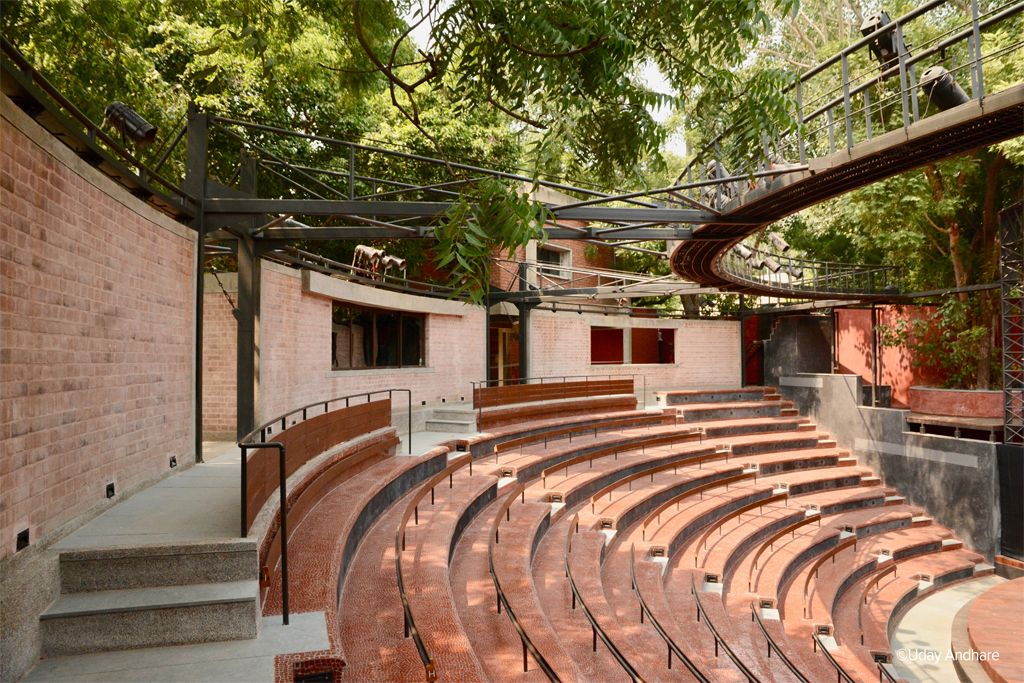
    Natarani Amphitheatre

    Affected by the Sabarmati riverfront development project in Ahmedabad, the theatre lost a major chunk of the staging area to the riverfront edge, rendering it inoperable for several years. In the setting of an existing modern building, the architecture office renovated the site making it an attractive marvel in the Natarani amphitheater. The theatre’s architecture reconstructs the space with historic materials and a fresh design concept. The structure is true to its philosophy of thermal drainage by using the exposed lime bricks and detritus.

    Architects in India: Natarani Amphitheatre
    Natarani Amphitheatre

    Koba House

    Completed in 2008, the 450 square yard building for Usha and Balwant Brahmbhatt in the village of Koba, Gujarat, is a masterpiece, to say the least. Situated on the banks of river Sabarmati, the site had undulating landscapes of silt mounds stretching along the riverside which turned out to be a challenge. The design uses a mix of defense and advancement from the heat and towards the view respectively, aptly accentuating the application of architecture design.

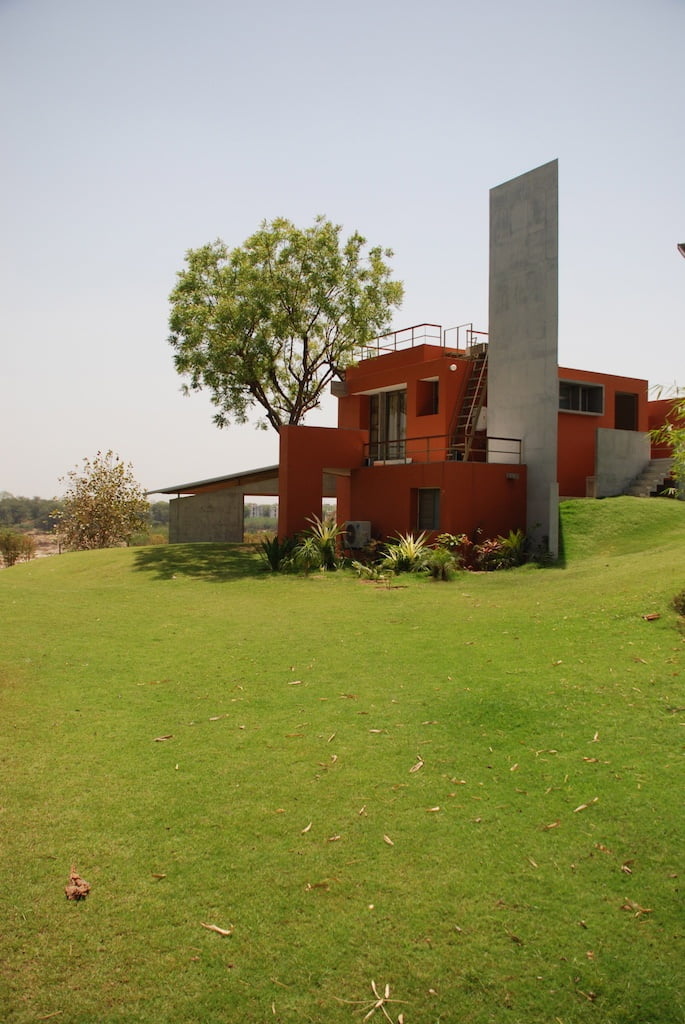
    The Koba House

    Link to Company Website: Indigo Architects

    ZZ Architects:

    ZZ Architecture office is famous for its unique approach to architecture and interior design, the method of uncovering the personal style of each client. In the past few years, ZZ Architects has become a leading full-service company based in Mumbai, with offices in the fields of Luxury Architecture, Interior Design, and Decor, and has been involved in business, finance, and industrial leaders, society, movies, and politics across major cities in the country.

    The firm excels in commercial, residential, health clubs, spas and salons, hospitality, pharmaceutical, exhibition, institutional, mixed-use, and high-end residential interior projects.

    Origin/ Birth: 2002

    Location(s): Mumbai, Maharashtra

    Chief Architects: Ar. Krupa and Ar. Zainuddin Zubin

    Style of Architecture: Modernist Architecture, Contemporary

    What Services Provided: Architecture, Interior Design, Decor

    Projects:

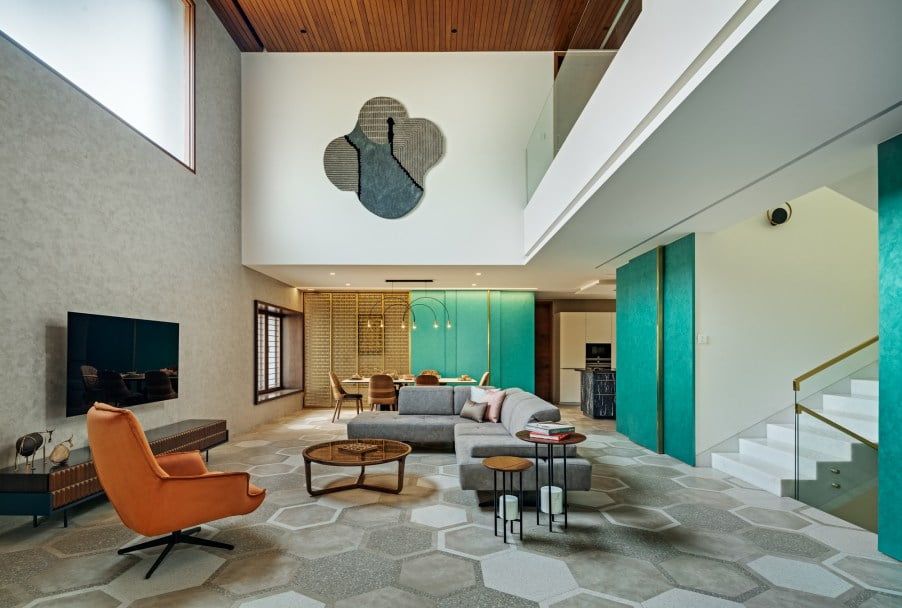
    Mandhana Penthouse, Mumbai

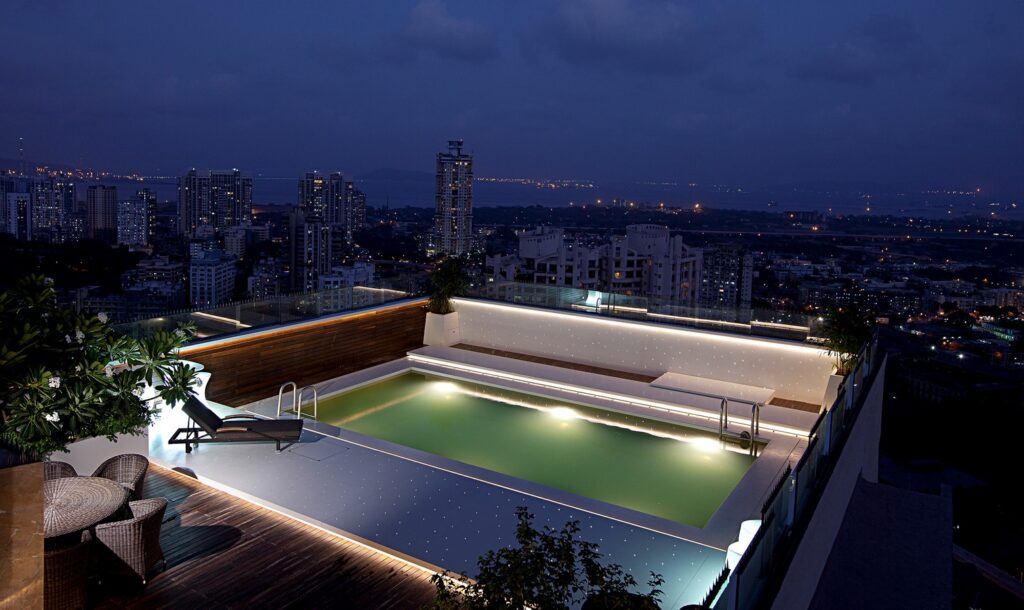
    Located in one of the most spectacular places in Mumbai, this luxury penthouse offers a wonderful view of Mumbai’s city centers, highlighting the application of architectural design. With a splendid bottom-level pool decorated with mosaic, which gives the pool a transparent feeling, this 12000 sq. ft duplex property has all kinds of utilities.
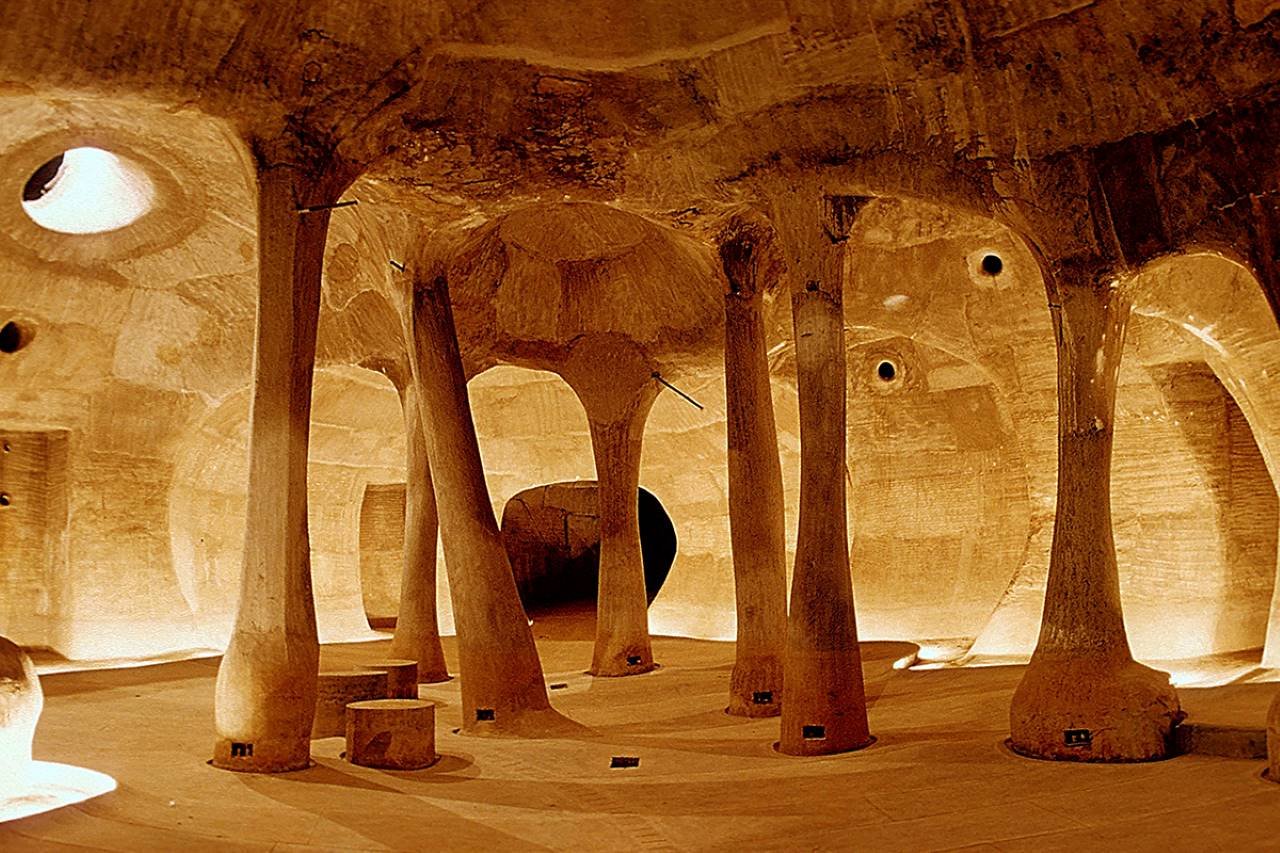
    Menon Villa, Kerala

    This renovated house is an example of the grandeur and sophistication of architecture in India. A family home in Thrissur, the bungalow boasts a fiber optical illuminated pool which is accessible from the official living room and is built-in multi-level areas taking into account the function of the rooms.

    Menon Villa
    Menon Villa
    Menon Villa

    Link to Company Website: ZZ Architects

    Cadence Architects

    The concept of the firm is to design approaches that go beyond the production of the obvious and the familiar, to make our environment more enjoyable and sensory experiences.

    Since its founding, the studio has won many accolades for different projects, both domestically and internationally, and has published widely in national and international publications like Dezeen, Wallpaper, Archdaily, etc. The studio works have been exhibited as part of the Indian Pavilion in major international fora, including the London Biennale 2021, highlighting architects in India.

    Origin/ Birth: 2005

    Location(s): Bengaluru, Karnataka

    Chief Architects: Smaran Mallesh, Vikram Rajshekar and Narendra Pirgal

    Style of Architecture: Modernist Architecture

    What Services Provided: Architecture, Interior Design

    Projects:

    Cloaked Residence

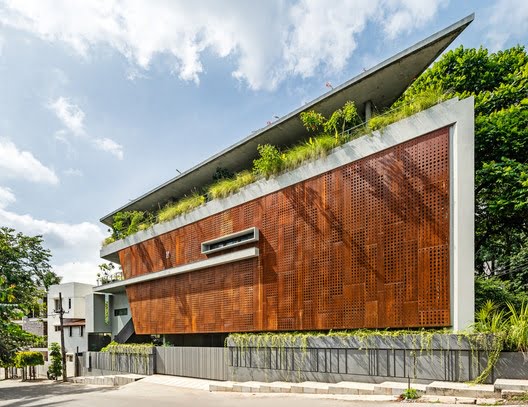
    ‘Cloaked’ is an architectural design process intervention,  with a pitched monolithically into a narrow urban environment. A dominant town fabric is encircled on all sides. The design was merged on two edges into a complex three-sided profile with acute angles. At varying horizontal levels the building seems to levitate and adds to the façade surfaces a certain deepness.
    Cloaked Residence

    Badari Residence

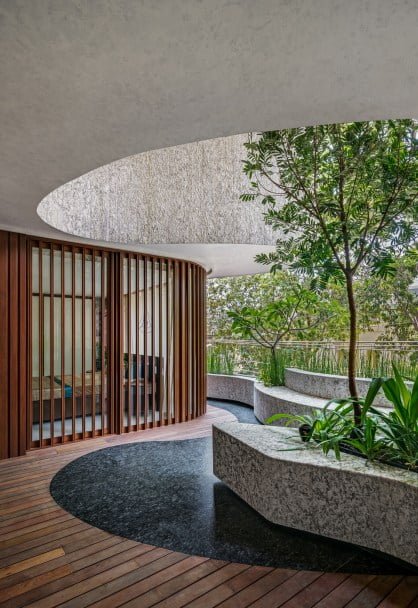
    Badari Residence is a house built on a standard 2400sft, narrow urban site. The façade and interior of the building have been designed as an assembly of a succession of episodes that seeks superior application of architectural design.
    Cadence Architects
    Cadence Architects

    Link to Company Website: Cadence Architects

    MayaPRAXIS:

    MayaPRAXIS is an architecture and landscape design studio. Design at mayaPRAXIS is an innovative and cooperative architecture office. They want to investigate the soul of the project – something often concealed under the ‘functional’ needs and finances of the project. They follow a path of many dimensions, types, and environments – architecture, urban design, interior design, furniture, exhibition, and art.

    Origin/ Birth: 2001

    Location(s): Bengaluru, Karnataka

    Chief Architects: Dimple Mittal and Vijay Narnapatti

    Style of Architecture: Contemporary

    What Services Provided: Design, Building Consultants & Contractors

    Projects:

    Hotel in Bahrain

    The Persian Gulf is located in Bahrain, inspired by the scenery and curved shape in its architecture. The form is based on the analysis of the existing sun path and wind patterns during warm and moist weather. The unnecessary decoration is addressed for its external shape; however, interiors are designed with a joint which consists of separate areas with diverse storylines, a major step for architects in India.

    MayaPRAXIS

    Kachra Mane

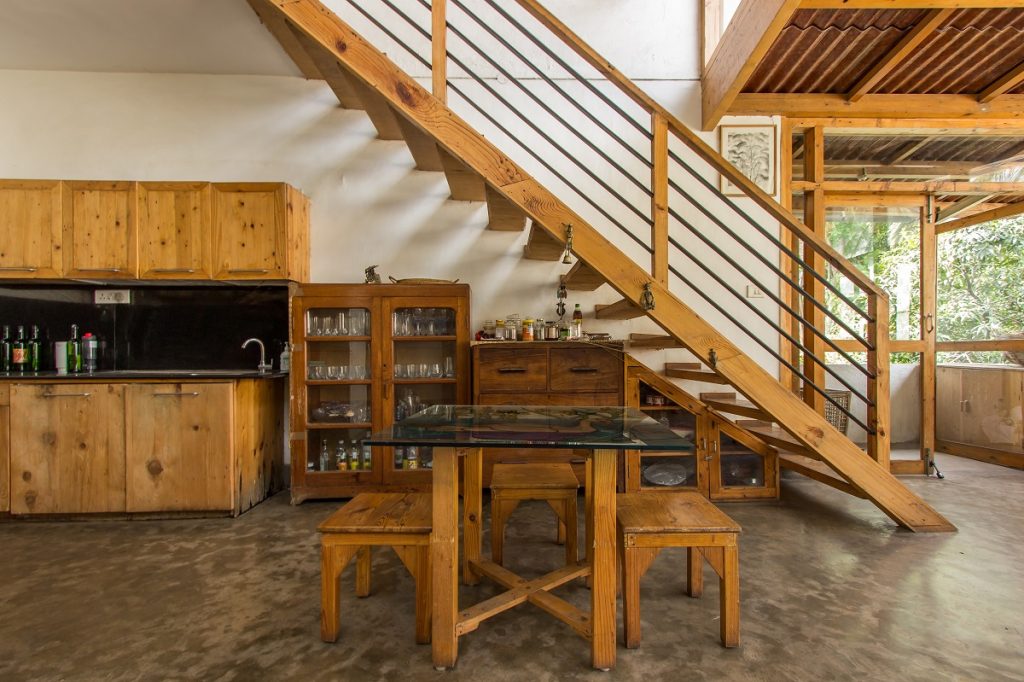
    In Bangalore, Kachra Mane; India is a structure built to an existing former dwelling. The Kachra Mane or scrap house is named because of the limited use of resources and reused pinewood for packages used to build the new house. The outer walls of Pinewood with the glass keep a light ventilated inner space, the surface is lightweight and the structural components are mainly restored. A perfect example of the application of architectural design to enhance a space.

    Kachra Mane

    Link to Company Website: MayaPRAXIS

    Biome Environment Solutions:

    Biome Environmental Solutions is an ecology, architectural, and water design enterprise situated in Bangalore. Designers, architects, civil engineers, engineers, and urban planners from different regions of the world are part of the offices’ diversified workforce. The designs are carried out through group discussions and exchanges and regular meetings by diverse members of this team in constant cooperation with each other, revolutionizing architecture in India.

    Origin/ Birth: 1990

    Location(s): Bangalore, Karnataka

    Chief Architects: Vishwanath S, Sharat Nayak, Anuraj Tamhankar

    Style of Architecture: Brick Contemporary

    What Services Provided: Architectural and rainwater harvesting design, Environmental planning consultancy, and Comprehensive water strategizing.

    Projects:

    Yellow Train, Coimbatore

    The brief given to the architecture office was the Waldorf education system set by the Tamil Nadu education board’s bye-laws, which greatly emphasize child-centered education in which mental, spiritual, physical, and psychological momentum are given greater thrust than only academics.

    There is therefore adequate space and detail offered in typical classrooms too, to accommodate and stimulate group-based activities in the kindergarten and the main wing, which is the current first phase. A classroom consists of three places, the teacher leads to blackboards and seats, ringed sections with groups with walls and facilities for hanging children’s works, and nooks that provide individual consideration.
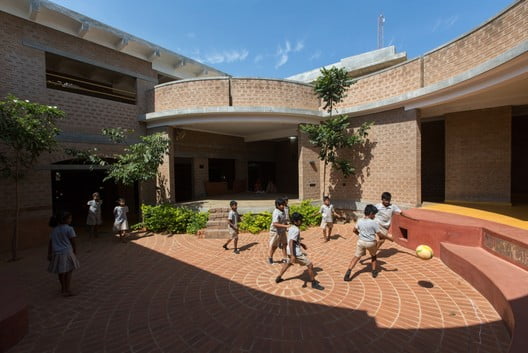
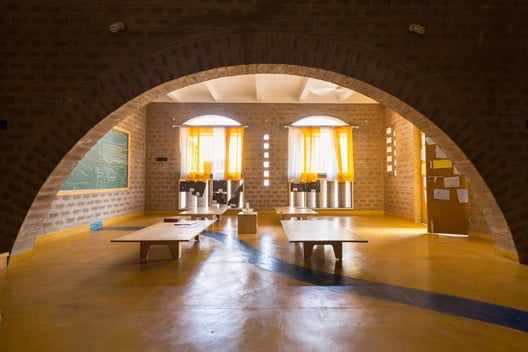
    Yellow Train School / Biome Environmental Solutions

    Govardhan Eco Village

    The location is situated at the foot of the Sahyadris, where a resort for ISKCON’s devotees, Mumbai has been developed. The brief includes seminar, prayer, wellness, catering, and a Gaushala for 100 cows, other than accommodation. A holistic development method meant that material from ponds excavation was subsequently used for the production of compressed, stabilized earth (CSEB) bricks for the walls and CSEB tiles, from which preconceived roofing parts were produced. Use of the Sill-Lintel CSEB “U-Blocks” minimized centering and finishing works necessary. Quintessential of architecture in India.

    Link to Company Website: Biome Environment Solutions

    Morphogenesis:

    Morphogenesis is one of the premier architecture and city design practices, awarded for its architecture design process and has offices in Mumbai, Bengaluru, and New Delhi. The company understands regional architectural traditions and implements passive design solutions in a unique contextual language regularly. Morphogenesis is the only company with more than 50 percent women on all levels in the WA100 List, the world’s largest architecture company that is gender-neutral. It is the first Indian company granted the Getz Prize to the Singapore Institute of Architects with projects in 8 countries, 110+ International and National Awards, and 850+ publications worldwide.

    Origin/ Birth: 1996

    Location(s): Bengaluru, Karnataka (H.Q.), Mumbai, Delhi

    Chief Architects: Sonali and Manit Rastogi

    Style of Architecture: Varied

    What Services Provided: Masterplanning, Residential, Commercial, Workplace,. Institutional, Hospitality, etc.

    Projects:

    IILM Campus

    The project is an accommodation facility for students within the current educational campus of the Integrated Learning in Management Institute in Greater Noida. The architecture design process is inspired by the urban structure of Shahjahanabad, the old town of Delhi, a courtyard, cluster, and street living. The idea was to design an architecture that would promote an ideological cross-pollination of young minds in a socio-cultural environment.

    Trump Towers, Gurgaon

    Gurugram’s Trump Skyscrapers will become North India’s highest twin towers reaching an altitude of 200 m. This pioneering proposal seeks to revolutionize the typology of luxury houses in India by incorporating the essence of the vertical bungalow. The place, which was the key contributing factor to the construction, overlooks the golf course on the western side. The morphological design is achieved by breaking down the straight shape into two tower blocks, which are articulated to form a six-tower shape.

    Link to Company Website: Morphogenesis

    Architecture BRIO:

    In an ever-changing world, Architecture BRIO actively contributes to the production of contextually suitable, sustainable design solutions for architecture in India.

    The studio’s work deals with new approaches to perceive the frequently paradoxical interrelationships between the city, architecture, scenery, and the interior world. There is an increasing demand for a healthy relationship with the natural world in our built environment. Similarly, the unprecedented increase in urban or rural areas in India and worldwide needs to be addressed urgently.

    Origin/ Birth: 2006

    Location(s): Rotterdam, The Netherlands, Mumbai, Maharashtra.

    Chief Architects: Shefali Balwani

    Style of Architecture: Contemporary

    What Services Provided: Architecture, Sustainable, Interior Design

    Projects:

    Riparian House

    A rugged countryside, dubbed the Western Ghats, rises a few minute’s drives from Mumbai. The sunset can be enjoyed inside the house overlooking the northern slope of Irshalgad Hill and westwards while the river crosses the land. The kitchen and the open sky courtyard are centrally located. Two bedrooms at the two distant ends are bordered on either side. The architecture office placed those areas in the earth with windows brimming from above and on the side of the river with enough light. On the front of the house, there is a master bedroom, a bathroom, dining, and living room.

    Riparian House

    Tala Treehouse Villa

    The Treehouse Villa is on the cliff surrounded by the meandering river panorama of a 160-acre tree sort hilltop property. A stone’s throw from the Kuda groves at Tala, on the west coast of India. The Treehouse Villa is designed to celebrate this forested tropical environment with a main expansive glass room under a dominant stalked ceiling, accentuating architecture in India.
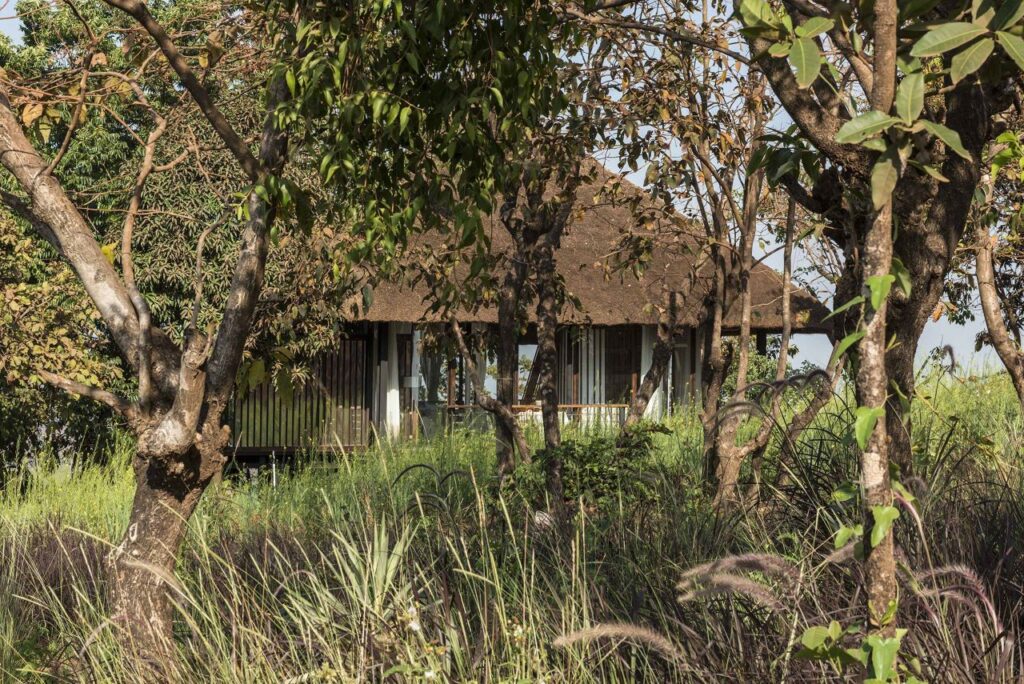
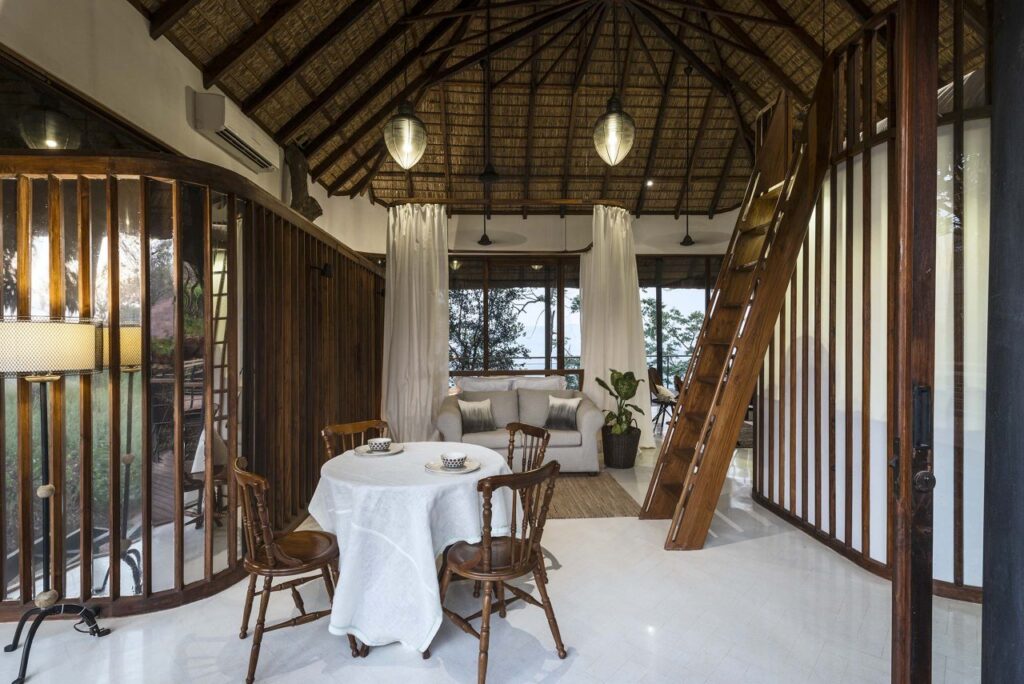
    Link to Company Website: Architecture BRIO

    Anupama Kundoo Architects:

    Architecture is a living, dynamic and smart force that encompasses both the past, the present, and the future.

    The architecture office builds information and builds procedures. Their architecture answers a variety of challenges through integrated design thinking and is capable of creating health, happiness, and well-being through molding a built environment and leading the way for a changing human society.

    Origin/ Birth: 1990

    Location(s): New Delhi, India

    Chief Architects: Anupama Kundoo

    Style of Architecture: Traditional craft traditions and construction techniques

    What Services Provided: Design, Interiors, and Urban Solutions

    Projects:

    Hut in Petite Ferme, Auroville, India

    These dwellings are the most essential simple housing made up of a stalk roof (woven cocoa leaves), supported by untreated casuarina members, connected, with cocoa cords.

    The building is built atop rough granite stelts, preventing the termites from reaching the timber. The top floor consists of split supari or pakamaram stems, which are likewise attached to a rope. Furthermore, granite pillars are employed to create graduated transitions from within to exterior, including courtyards in the bathrooms in the living room.

    This is an architecture design process with a low environmental effect, pleasant interaction with nature, and is completely dependent on the sun for its power.

    Hut in Petite Ferme

    Line of Goodwill, Auroville

    The Line of Goodwill designed by the architecture office is an urban cohousing project as the first compact high-density building for Auroville which will take a bold urban stride towards the compact pedestrian city planned by its chief architect, Roger Anger, fifty years after its founding. The aim was to establish a new typology for the “urban ecological communities,” which is neither a tower nor a homogeneous low-rise development but considers collective housing as a “hillscape of coexistence” and its social infrastructure. The purpose was to propose a lively and comprehensive response to different urban difficulties by conceptually and practically integrally reflecting on architecture and urban design.

    Line of Goodwill

    Link to Company Website: Anupama Kundoo Architects

    Hundred hands Studio:

    Directed by Sunitha Kondur and Bijoy Ramachandran, the architecture office, Hundred Hands is a multidisciplinary studio with an urban vibe. The architects have re-oriented their concepts to the urban setting by reflecting on concerns of scale, character, spatial and visual effect as well as re-enacting the public domain, which is so important to Indian city urbanism, frequently meticulously crafted analytical drawings.

    Origin/ Birth: 2003

    Location(s): Bengaluru, Karnataka

    Chief Architects: Sunitha Kondur and Bijoy Ramachandran

    Style of Architecture: Contemporary

    What Services Provided: Architecture, Interior Design

    Projects:

    Center of Hope- Trichy

    Addressing the problem of establishing a 30 000 sqft orphanage and a community at 500 rs./sft. and still producing something aesthetically appealing, the generous accommodation addresses the hard environment in Trichy through its architectural design process. With the decision to employ them, the vaults had a clear aesthetic effect, the bric was able to minimize greatly the volume of steel needed, and the heat gains in the structure.
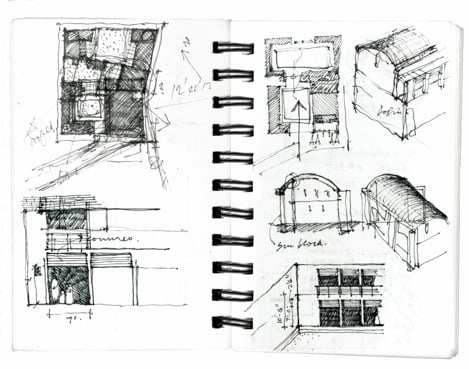
    Centre of Hope

    Bangalore International Centre

    A 200-seat auditorium, workshops, a bibliothèque, guest accommodation, and a café are located in this public multi-use complex. The components of the program are grouped around spacious internal public spaces, which are meant both for major occasions and for congregations, smaller concerts, art exhibitions, and others.

    The architecture design process includes compartments that are displayed to the outside and organized beneath the transparent façade framed by a three-deck concrete entryway.
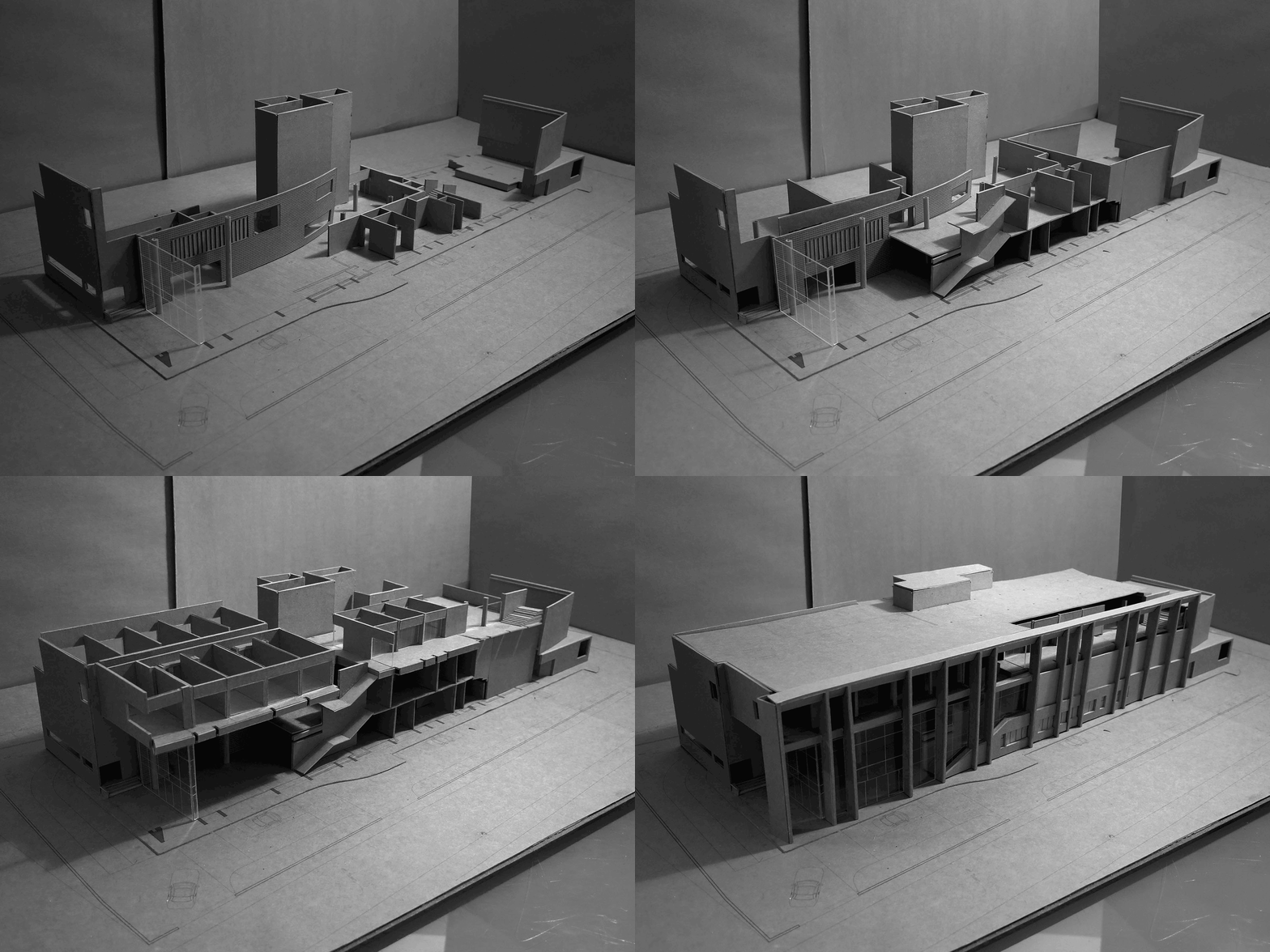
    Link to Company Website: Hundred hands Studio

    MuseLAB, Mumbai:

    MuseLAB is a complete design studio that provides a tailor-made and cutting-edge application of architectural design approaches. An emphasis on single surroundings, decor, and furniture that are extremely individualized. Huzefa Rangwala and Jasem Pirani established this studio in 2012 with a common love of design. Each area and product encompasses integrity and is made carefully, skilfully, and carefully.

    Origin/ Birth: 2012

    Location(s): Mumbai, Maharashtra

    Chief Architects: Huzefa Rangwala, Jasem Pirani

    Style of Architecture: Contemporary, Modernist

    What Services Provided: Architecture, Interior Design

    Projects:

    Hide ‘N Seek

    This property is an amalgamation of two 2 BHK homes in Bombay in the peaceful and guarded neighborhood of Vikhroli. Both apartments differ in planning and can only be connected to one location where an existing bedroom shares a wall with the other apartment’s living room. The units extend the width of the building when linked. The customer’s brief was simple: they wanted a large 3 BHK apartment with a study and a colorful and livestock-friendly flat. Definitely, a benchmark set by Architects in India.
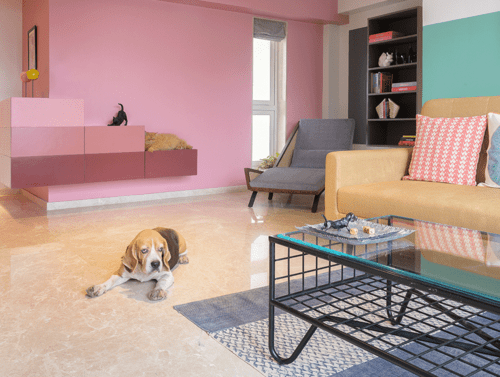
    Hide ‘N Seek
    Hide ‘N Seek
    Hide ‘N Seek

    The Confederate Rose

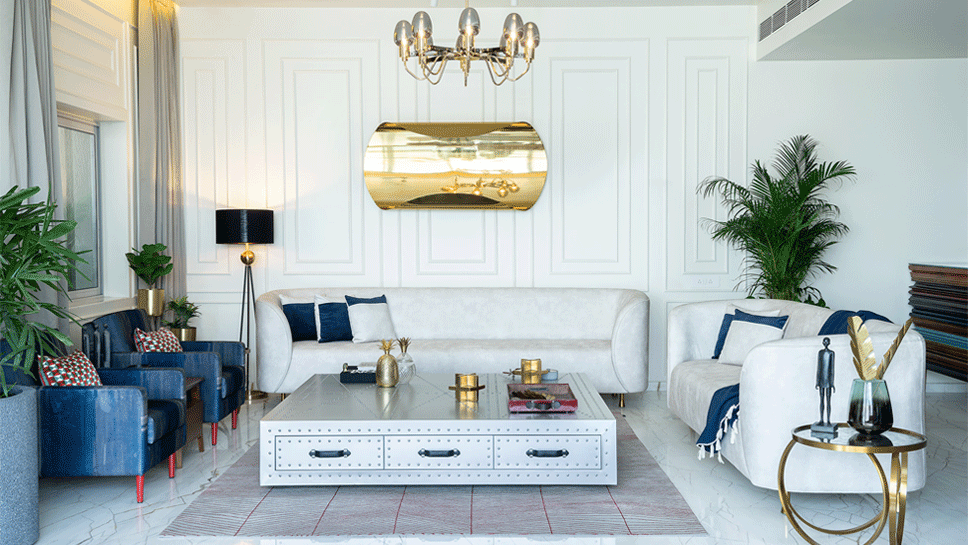
    In a magnificent high-rise, this 7000 sq. ft Pune property with a private swimming pool. This house is quite large, has three bedrooms (including a guestroom) and a living/dining area of 1,200 square feet, an outdoor double-high terrace with swimming pool, a large 800 square feet den, a home office, a cupboard, a dry kitchen and a WC and a separate personnel quarters and a service area. The living room also has a private bathroom.

    The customer wanted the house “a lively and joyful place.” He was also clear that the design aesthetics had to be expressed in the project – a visual festival of colors, patterns, textures, and materials, all covered by classical details, expertly achieved by the architecture office.
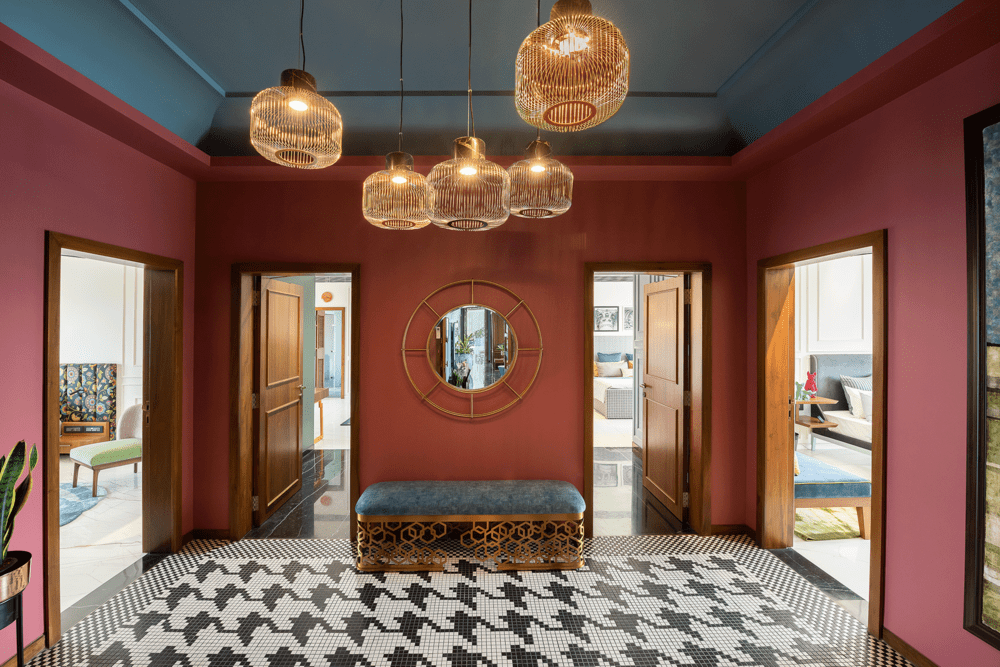
    The Confederate Rose
    The Confederate Rose
    The Confederate Rose

    Link to Company Website: MuseLAB, Mumbai

  • New Orleans: An Old Soul’s Architectural Paradise

    New Orleans: An Old Soul’s Architectural Paradise

    New Orleans is an architectural paradise and, to be honest, an underrated place when it comes to architecture. From Baroque to Modern, the buildings of New Orleans tell the story of a peculiar American city heavily influenced by its French, Spanish and Caribbean roots. The diverse historical influences have affected the urban issues as much as the culture itself. A hub for celebratory gatherings such as bachelor and bachelorette parties, weddings, music festivals and Mardi gras, Louisiana’s largest and oldest city has long claimed tourism as a significant part of its vibrant economy.

    History

    The buildings and architecture of New Orleans reflect its history and multicultural heritage, from Creole cottages to historic mansions on St. Charles Avenue, from the balconies of the French Quarter to an Egyptian Revival U.S. Customs building. The city has fine examples of almost every architectural style, from the baroque Cabildo to modernist skyscrapers. In New Orleans architecture, it’s the little details that make everything so interesting.  

    The frequent issues of post-storm New Orleans attracted the attention of architects and educators from local institutions and universities located thousands of miles away. It was a real-world issue that required the expertise of architects, designers and urban planners. A visit to the Crescent City (a nickname derived from its nestled location in the bend-crescent of America’s Mighty Mississippi) is a rich opportunity to explore architectural history. But touring New Orleans with an eye for contemporary design is also a pleasant surprise.

    Two important facts to be kept in mind while visiting this city-

    1. The climate is hot and humid. If visiting during one of the few cool days experienced in the city, have layers of clothing in handy. There’s sweating outside and then blasted by air conditioning while inside. The locals live with it; out of towners, especially those who are not used to highly air-conditioned environments, will be chilly when indoors.
    2. There’s more to see than the French Quarter, and it’s easy to get around the other parts of the city. New Orleans has always had streetcars/trams/trolleys, and the network has recently been expanded and restored.

    Various Architectural Styles of New Orleans

    Creole cottage (1790-1850)

    Found mainly in the French Quarter and surrounding areas of Faubourg Marigny, the Bywater, and Esplanade Ridge, Creole Cottages are single-story homes with steeply pitched roofs and front porches that almost touch the street. They are a distinct blend of Caribbean and French-Canadian designs. These cottages are scattered throughout the city of New Orleans. Creole cottages are 1 and a half stories, set at ground level. They have a steeply pitched roof, with a symmetrical opening facade wall and a wood or stucco exterior.

    They are usually set close to the property line. The house normally has four square rooms with no hallways and is built up to the front property line. The primary difference between these cottages and those elsewhere is the lack of a full front porch. 2 common characteristics of this style are a raised basement and the frequent situating of the front of the buildings at the property line. They often feature an interior chimney that pierces the ridgeline of the roof, with back-to-back fireplaces serving two rooms. 

    American townhouse (1820-1850)

    Found in the central Business District and Lower Garden District, these narrow brick or stucco three-story structures feature asymmetric windows and iron balconies on the second or third floor. This has an asymmetrical arrangement of the facade with a balcony on the second floor that sits close to the property line. In the US and Canada, a townhouse has two connotations.

    The older predates the automobile and denotes a house on a small footprint in a city, but because of its multiple floors (six or more depending), it has a large living space, often with servants’ quarters. The small footprint of the townhouse allows it to be within walking or mass-transit distance of business and industrial areas of the city, yet luxurious enough for wealthy residents of the city.

    Creole townhouse (1788-mid-1800)

    Found also in the French Quarter and surrounding neighbourhoods of Faubourg Marigny, Creole Townhouses often have shops below and homes above, brick or stucco exteriors, and arched windows. Built after the Great Fires of 1788 and 1794, these 2 to 4-story structures have a strong Spanish influence in the details. The prior wooden buildings were replaced with structures with courtyards, thick walls, arcades, and cast-iron balconies.

    The facade of the building sits on the property line, with an asymmetrical arrangement of arched openings. Creole townhouses have a steeply pitched roof with parapets, side-gabled, with several roof dormers.

    Raised Centre-Hall Cottage (1803-1870)

    Found in the Garden District, Uptown, Carrollton, and elsewhere, these homes are urban versions of French-colonial plantations. These houses are raised enough above street level that there is sometimes a garage or work area on the ground level. They feature porches that stretch all the way across the front with columns. Greek Revival and Italianate Centre Hall Cottages are most common in New Orleans, but Queen Anne/Eastlake and other Victorian styles can also be found here.

    Shotgun house (1850-1910)

    The shotgun house is a narrow domestic residence with doors at each end. This style of architecture developed in New Orleans and is the city’s predominant house type. The earliest extant New Orleans shotgun house, at 937 St. Andrews St., was built in 1848. This type of house is a narrow rectangular domestic residence, usually only about 12 feet wide, with rooms arranged one behind the other and doors at each end of the house. 

    Most houses have a narrow porch covered by a roof apron that is supported by columns and brackets, which are often ornamented with lacy Victorian motifs. Many variations of the shotgun house exist, including double shotguns, camelback house (which is also called humpback), with a partial second floor on the end of the house; double-width shotgun, a single house twice the width of a normal shotgun, and North shore houses, with wide verandas on both sides.

    The origins of both the term and the architectural form and development of the shotgun house are controversial. New Orleans architectural historian Samuel Wilson, Jr. influentially suggested that shotgun-style houses originated in the Creole suburbs of New Orleans in the early 1800s. It was also stated that the term “shotgun” originates from the idea that when standing in the house’s front, you can shoot a bullet clear through every room in the house.

    Double-Gallery House (1820-1850)

    Found in the Lower Garden District, Garden District, Uptown and Esplanade Ridge, these two-story houses feature stacked and covered front porches, box columns, and a front door off to one side with a side gable or hipped roof. They look a lot like townhouses, but they are set much further back from the sidewalk. The house is set back from the property line, and it has a covered two-story gallery which is framed and supported by columns supporting the entablature.

    California-style bungalow house (early 1900s)

    California bungalow houses were built from the early to-mid-20th century in neighbourhoods such as Mid-City, Gentilly Terrace, Broadmoor, and scattered throughout older neighbourhoods as in-fill. California bungalows are noted for their low-slung appearance, being more horizontal than vertical. The exterior is often wood siding, with a brick, stucco, or stone porch with flared columns and roof overhang. Bungalows are one or one-and-a-half-story houses, with sloping roofs and eaves showing unenclosed rafters.

    They typically feature a gable (or an attic vent designed to look like a gable) over the main portion of the house. The true bungalows didn’t include quarters for servants, and have a simple living room, entered directly from the front door, in place of parlors and sitting rooms, as well as a smaller kitchen. The focal point of the living room is the fireplace, and the living room often has a broad opening into a separate dining room.  All common areas are on the first floor with cozy atmospheres.

    Greek Revival house (1830s)

    While Greek Revival Style started on the Eastern Seaboard in 1818 (with the Second Bank of Philadelphia) it became popular in New Orleans in the 1830s. It was the style of ancient Greece –the best and oldest democracy. Greek Revival Style was used for residential and public buildings. This representation of the Greek Revival Style includes a large triangular pedimented porch, Ionic fluted columns, heavy lintel windows, and dentils (little squares that look like teeth that decorate cornices).

    Mausoleum (1789 – Present)

    New Orleans is well known for its above-ground tombs. During our French Era, people were buried below ground in the levees, the churchyards, and even on the floor of the St. Louis Cathedral. When St. Louis Number 1 Cemetery opened in 1789, the Spanish started burying people in above-ground mausoleums to save space. Remains of entire families can be interred in these tombs.

     A trip to any cemetery in New Orleans will reveal that the architecture of the city is reflected through the tombs. Greek Revival, Italianate, and Egyptian Revival decorations were popular, so be on the lookout for columns, arches, and pyramid forms. The Mausoleum in the drawing is a Greek Revival/Italianate Transition style, it has a rectangular opening, but also an arched parapet decorating the top of the tomb.

    The Neighbourhoods of New Orleans–

    New orleans
    Source

    The city planning commission for New Orleans divided the city into 13 planning districts and 72 distinct neighbourhoods in 1980. While most of these assigned boundaries match with traditional local designations, some others differ from common traditional use. The architecture of the city is jam-packed with historical and architectural notes that will set the pace for the rest of your visit.

    French Quarters

    The French Quarter, also known as the Vieux Carré, is the oldest neighbourhood in the city of New Orleans. After New Orleans was founded in 1718 by Jean-Baptiste Le Moyne de Bienville, the city developed around the old square and a central square. The district is more commonly called the French Quarter today, or simply “The Quarter,” related to changes in the city with immigration status after the 1803 Louisiana Purchase. Due to refurbishing’s in the Victorian style, only a handful of buildings in the French Quarter preserve their original colonial French or Spanish architectural styles, concentrated mainly around the cathedral and Chartres Street.

    After 2 massive fire incidents in the city, structures required strong brick construction and thick fireproof walls between adjoining buildings to avoid another city fire and to resist hurricanes, but the Spanish did not directly influence much of the Quarter’s architecture. Spanish influence came indirectly as Creole style, a mixture of French and Spanish architecture with some elements from the Caribbean.

     Each building, being no larger than half a New Orleans block, has a notably intricate facade. These buildings contrast each other in style, from Greek revival, Art Nouveau, and Art Deco, to Renaissance, Colonial, and one of Gothic architecture. Also, there is Post-modern, Mid-century modern, Streamline Moderna, and other types of 20th-century architecture. However, most of these buildings have lost their original interiors because of hurricane damage and business renovations.

    St. Charles Avenue

    St. Charles Avenue is a thoroughfare in New Orleans and the home of the St. Charles Streetcar Line. It is also famous for the dozens of mansions that adorn the tree-lined boulevard for much of the uptown section of the boulevard. For the first half of the 19th century, the portion of St. Charles above Lee Circle was known as Nyades Street. The lower portion was and is an important corridor in the Central Business District. Historically significant buildings include Gallier Hall, which was City Hall until the 1950s.

    St. Charles Avenue is famed for its extensive collection of Southern mansions in many styles of architecture, including Greek Revival, Colonial, and Victorian styles such as Italianate and Queen Anne. Notable buildings along St. Charles Avenue include several hotels, perhaps the most famous still in business, being the Pontchartrain Hotel, in business since 1927. The St. Charles Hotel, near Canal Street, was one of the city’s two most well-known hotels through most of the 19th and early 20th centuries. The former Bienville Hotel on Lee Circle is now an apartment building.

    Central Business District

    For much of its history, New Orleans‘ Skyline comprised only low- and mid-rise structures. The soft local soils are susceptible to subsidence, and there is doubt about the feasibility of constructing large high-rises in such an environment. One Shell Square took its place as the city’s tallest building in 1972, a title it still holds. The oil boom of the early 1980s redefined the New Orleans skyline again with the development of the Poydras Street corridor.

    Cemetery

    New Orleans is famous for many things, but NOLA cemeteries are an unforgettable part of the city’s character. The above-ground tombs and mausoleums are crafted with care and artfully arranged, giving the appearance of a mystical neighbourhood for the souls who inhabit them. The Cemeteries might give some creepy, voodoo vibes but they are a work of design excellence. With over over 5 cemeteries, New Orleans is famous for its design, cultural and heritage aspects of it.

    architecture design
    Source

    Here is a list of cemeteries that not only showcase the diversity of the various burial grounds but also touch on the unique history and culture of the city.

    St. Louis I

    The location of the city’s oldest, still existing cemetery was selected because it was far away from the centre of the population. Today, it sits just on the edge of the French Quarter and is now the city’s most conveniently located cemetery.

    Cypress grove

    Conveniently located just off the streetcar and within walking distance of many other stops on this list, Cypress Grove Cemetery was established in 1840 by the Firemen’s Charitable and Benevolent Association as a place to honour the men who “gave their courage and, sometimes, their lives to protect their neighbours.”

    St. Louis II

    On the National Register of Historic Places, St. Louis II is where many noteworthy individuals were buried, including jazz musicians, pirates, politicians, soldiers and young victims of the many vicious diseases and epidemics that raged through New Orleans.

    Charity Hospital Cemetery & Katrina Memorial

    The Charity Hospital began using this land, previously known as Potter’s Field, in 1848 as a burial ground for unclaimed bodies, many of whom were victims of yellow fever and influenza epidemics. More recently, the remains of individuals who donated their bodies to local medical schools were also buried here.

    St. Louis III

    Just like its predecessors, St. Louis I and II, St. Louis III has a fascinating combination of both personal and society vaults. But there are many aspects that make St. Louis III unique, including that St. Louis III was formerly the site of a leper colony and cemetery.

    St. Patrick Cemetery 1,2,3

    The St. Patrick Cemeteries were established in 1841 by the parish of St. Patrick’s Church, on Camp Street in today’s Central Business District. Because of the layout of the site, with Canal Street and City Park Avenue dividing the parcel, the cemetery was separated into three distinct sections known as St. Patrick Cemetery No. 1, 2, and 3.

  • Top 10 Up and Emerging International Architects

    Top 10 Up and Emerging International Architects

    Introduction

    Unquestionably, architecture is a rising business with dazzling future opportunities throughout the world. The standards are increasing and so are the expectations with new and intriguing designs being created every day. Although the design is entirely subjective, some projects get nods of approval from many. I would think that the profession won in such rare situations.

    In the list below we have compiled the top 10 up and emerging International Architects that are revolutionizing the profession daily. Irrespective of a mention, we completely respect the professional practice in Architecture done by the Architects that are not enlisted and do not, in any way, disregard their valuable work and contribution to the field.

    This list is tentative and subjective.

    Top 10 Up and Emerging International Architects

    Mass Design Group

    Mass Design Group is an Architecture office of over 140 architects, landscape architects, engineers, builders, furniture designers, writers, filmmakers, and researchers from 20 different countries. They believe in the architectural design process of increasing access to purposeful, healing, and hopeful design. The firm’s acronym stands for Model of Architecture Serving Society.

    The Wall Street Journal named the firm MASS, the Architecture Innovator of the Year in 2020 for their origins in healthcare and designing architecture as a medium for healing. They believe that every project has a mission and work with our partners throughout the design process — from early visioning to project completion — to create and implement a shared vision for how design can help achieve that mission.

    Origin/ Birth: 2008

    Location(s): Rwanda

    Chief Architects: Michael Murphy and Alan Ricks

    Style of Architecture: Contemporary

    What Services Provided: Architecture, landscape design, engineering, planning, research, film, and community engagement.

    Notable Projects

    The Gun Violence Memorial Project

    Rwanda Institute for Conservation Agriculture

    National Memorial for Peace and Justice

    noa*- Network of Architecture

    The young team of architects and designers, led by founders Lukas Rungger and Stefan Rier and based in Bolzano (Italy) and Berlin (Germany), explores and examines interdisciplinary methods of application of architecture design, which are constantly evolving depending on the nature and requirements of each project. A holistic approach and strategy are central to noa*s way of conceiving design by adhering to the concept of “emergence,” where the whole is perceived to be far greater than the sum of its parts. Their professional practice in Architecture extends to residential, hospitality, commercial, mixed-use, exhibition, product, and experimental projects.

    Origin/ Birth: 2010

    Location(s): Bolzano (Italy) and Berlino (Germany)

    Chief Architects: Lukas Rungger and Stefan Rier

    Style of Architecture: Modernist and Contemporary Architecture with native elements

    What Services Provided: Hospitality Architecture, Interior Design

    Notable Projects:

    MohrLife

    Sudtirol Home

    Erfurt

    SETUP Architecture

    Architecture is a configuration, believes the architecture office. They believe the architecture design process is a system, a situation, a trick, a structure, and an organization. SETUP architecture studio’s architectural works, design research, and construction projects incorporate digital and virtual means of organizing space and redefine the roles of local and global intelligent methods of making, creating, producing, and setting up architecture. The studio was founded in 2014 in the Netherlands and Iran, and it now operates on a global scale in a variety of design and production scales.

    Origin/ Birth: 2014

    Location(s): Netherlands and Iran

    Chief Architects: Sina Mostafavi

    Style of Architecture:

    What Services Provided: Architectural works, design research, and construction projects

    Notable Projects

    Benetton Headquarters

    Softstone

    Farmanieh Residential

    Sher Maker

    Patcharada Inplang, Thongchai Chansamak, and their builder team are the creators of the architecture office, Sher Maker. They have a strong intention, as well as an interest in the process and meaning of the architecture design process. They are interested in the origins of architectural formations that are influenced by local technology and material availability. They are pursuing the design of the atmosphere that has an impact on the building in both physical and ambiance terms.

    Origin/ Birth: 2018

    Location(s): Chiangmai, Thailand

    Chief Architects: Ar.Thongchai Chansamak and Ar. Patcharada Inplang

    Style of Architecture: Modernist Architecture

    What Services Provided: Architecture solutions

    Notable Projects

    Sher Maker Studio

    Light Trap

    Boonma Cafe

    MUDA Architects

    The Architecture office, MUDA was founded in 2015 in Beijing, China, and Boston, Massachusetts, with the Chengdu office opening in 2017. MUDA is a place where people of different cultural backgrounds, mindsets, and creative design abilities are welcomed and valued. The architect team is made up of a diverse group of talented architects with forward-thinking ideas, extensive experience, professionalism, and distinct personalities. Among the design, practices are public architecture, cultural architecture, commercial architecture, urban planning, landscape design, and interior design. As a global leader in architecture, they have extensive experience in a wide range of markets and different applications of architecture design.

    Origin/ Birth: 2015

    Location(s): Beijing, China, and Boston, Massachusetts, and Chengdu

    Chief Architects: Yun Lu

    Style of Architecture: Contemporary, Modernist Architecture

    What Services Provided: Architecture, Interior Design

    Notable Projects

    Garden Hotpot Restaurant

    SCOOOPE

    Minjiang Service Center

    Atelier tao+c

    The Professional Practice in Architecture by Atelier tao+c was founded in 2016, and its design works range from a pendant lamp to a compound development, from the interior of small urban apartments to the renovation of old rural houses, from street shops to a youth community, you name it and they’ve done it all. In addition to practical work, the office has been involved in research and teaching, with a focus on topics such as the revival of old buildings and objects in domestic landscapes, covering all applications of Architecture Design.

    Origin/ Birth: 2016

    Location(s): Shanghai, China

    Chief Architects: Tao Liu, Chunyan Cai

    Style of Architecture: Contemporary

    What Services Provided: Architectural design / Interior design / Furniture design

    Notable Projects

    Capsule Hotel

    JHW

    The house with a slim light well

    Mole Architects

    The scale and nature of the projects vary in the Architecture office. They’ve designed artist studios and masterplans for developers with a desire to make better cities. They’ve designed many houses and buildings in between these scales, all of which contribute to the richness of the places where one lives and works. Buildings that are well-designed make life easier, more comfortable, and more pleasurable with its applications of Architecture Design.

    Origin/ Birth: 1997

    Location(s): Cambridge

    Chief Architects: Meredith Bowles

    Style of Architecture: Contemporary

    What Services Provided: Residential Architecture

    Notable Projects

    Hillside Development, Hsinchu, Taiwan

    Cavendish, Cambridge

    Balancing Barn, Suffolk

    Wilkinson Eyre Architects

    WilkinsonEyre is a leading architecture office in the world, with a portfolio of national and international award-winning projects. They have built a portfolio of bold, beautiful, intelligent architecture in applications of architecture design as diverse as culture, sport and leisure, education, infrastructure, residential, office, and large-scale master planning since our inception in 1983. A professional practice in architecture to look out for.

    Origin/ Birth: 1983

    Location(s): London, England, United Kingdom

    Chief Architects: Jim Eyre Chris Wilkinson

    Style of Architecture: Modernist Architecture

    What Services Provided: Architectural services

    Notable Projects

    Compton & Edrich Stands, Lord’s Cricket Ground, London

    University of Bristol: Fry Building

    Cooled Conservatories, Gardens by the Bay

    Space Matrix

    Since its inception in 2001, the design firm has evolved into a dynamic, agile, 21st-century digital enterprise; an architecture office specializing in workplace design. They have developed a distinct client focus that generates and delivers profitable, long-term, and future-­ready workplace solutions with their innovative applications of architecture design. Their ongoing mission is to continue revolutionizing the delivery of design and construction services in Asia and around the world. In Australia, China, India, Thailand, Singapore (HQ), and the United States, they have relevant project experience in over 80 cities and 15 office locations.

    Origin/ Birth: 2001

    Location(s): Bangalore, Bangkok, Beijing, Hong Kong, Hyderabad, Manila, Melbourne, Mumbai, New Delhi, New York, Pune, Singapore, Shanghai, Shenzhen, Sydney,Chennai.

    Chief Architects: Arsh Chaudhry, Shagufta Anurag, Jaiprakash Aildasani

    Style of Architecture: Contemporary

    What Services Provided: Branding, MEP, AV, IT, sustainability, security, and employee wellness

    Notable Projects

    Lazard, Sydney

    Crowdstrike, Pune

    Vanke, Shenzhen

    Studio Saxe

    Nature-inspired ideas are given structural form by Studio Saxe. The Costa Rica architects blend local knowledge with international design, combining a modern, global aesthetic with local expertise that includes craftsmanship, personal connections, and the sustainable sourcing of local materials. A clever design does not necessitate a lot of additional technology. They believe, true sustainability responds to natural conditions to reduce resource consumption while maximizing beautiful sensory experiences.

    Origin/ Birth: 2004

    Location(s): San José, Costa Rica

    Chief Architects: Benjamin Garcia Saxe

    Style of Architecture: Contemporary

    What Services Provided: Architectural Services

    Notable Projects

    The Sirena House

    Casa Bell Lloc

    Casa Flotanta