Tag: contemporary

  • Why Architecture: A Creative Expression of Art and Science

    Why Architecture: A Creative Expression of Art and Science

    As per Google’s definition, architecture is the art and technique of designing and building as distinguished from the skills associated with construction. This practice fulfills both practical and expressive requirements.

    As a kid, I always used to gaze with amusement at the surrounding structures. Be it a skyscraper or a gazebo. The detailing of the structure and the space usage used to make me wonder about the design behind it. At the age of 19, I realized that the structures need not be aesthetically appealing overall instead a particular element can also bring a drastic change in the aesthetic of the structure.

    The best example is Hyatt Delhi. The hotel is just among many other hotels, but the drop-off and the patio around it add richness to the place making it aesthetically beautiful for the viewers. There are many more similar structures that can be included in the example. I was always fascinated with the detailing rather the element used in the building that made it functional.

    Architecture makes the IMPOSSIBLE, POSSIBLE. It makes a structure a breathable space. Every structure has a unique theme behind its shape, size, and color. A lot of pioneering architects like Zaha Hadid, Le Corbusier, Raj Rewal, B.V Doshi, etc have proved the same by delivering good designs.

    Through architecture, we create an expression of human civilization at a fixed point of time with endures a moment of study for the future generation. Architecture lets people understand their spaces and the overall environment in a different and unique manner.

    It is a creative expression that never dies, it remains and evolves with time. Architecture helps to divide the spaces as per human function and necessity which makes it easier to distinguish between space and its uses.

    architecture

    Need of Architecture and Creativity in Today’s Society

    A well-known proverb states that “the way we construct is a reflection of the way we live.” The terms “architecture” and “engineering” are frequently used interchangeably since they both refer to the use of machinery, engines, and structures. Although the idea seems simple, if you look a little closer, you can see the difficulties that architects face virtually every day as they try to meet the escalating expectations of modern society. The field of architecture is not just restricted to the natural or physical world. What is frequently forgotten is how significantly architecture influences the modern culture we live in. It satisfies several requirements related to human life, and those requirements are becoming more and more complex as time passes.

    The most stunning architectural projects, like the 21st Century Museum of Contemporary Art, Seattle Public Library, Java Rain, and Orchard House, are some of the best examples of how high architecture has risen in the twenty-first century. Let’s examine in greater detail how architecture contributes significantly to the development of the society in which we currently live.

    Why Architecture: A Creative Expression of Art and Science As per Google’s definition, architecture is the art and technique of designing and building as distinguished from the skills associated with construction. This practice fulfills both practical and expressive requirements.

    It is a well-known fact that engineering and architecture are present in all aspects of daily life. From the vehicles we use to the flyovers we cross to the homes we live into the hospitals we rush to in an emergency, everything was designed by an architect.

    Architecture, Art and Science?
    Why Architecture: A Creative Expression of Art and Science As per Google’s definition, architecture is the art and technique of designing and building as distinguished from the skills associated with construction. This practice fulfills both practical and expressive requirements.
    Why Architecture: A Creative Expression of Art and Science As per Google’s definition, architecture is the art and technique of designing and building as distinguished from the skills associated with construction. This practice fulfills both practical and expressive requirements.

    Maybe it is both things and much more than that. It is better to think of it as a multifaceted diamond that enhances both personal and professional life. In general, architecture has always benefited humanity and continues to do so today. If you look around, you will also see how it is responsible for our current societal survival strategies. It makes significant contributions to the public sphere. People have been able to lead considerably smarter, healthier, and higher quality lives because of its outstanding technologies. Today’s world puts most essentials at our disposal. Nearly everything, including comforts, modern transportation methods, machines, and opulent utilities, is provided through architecture and thus enhancing our lifestyle.

    There are numerous architectural wonders, out of which I would like to discussion of my favorite:

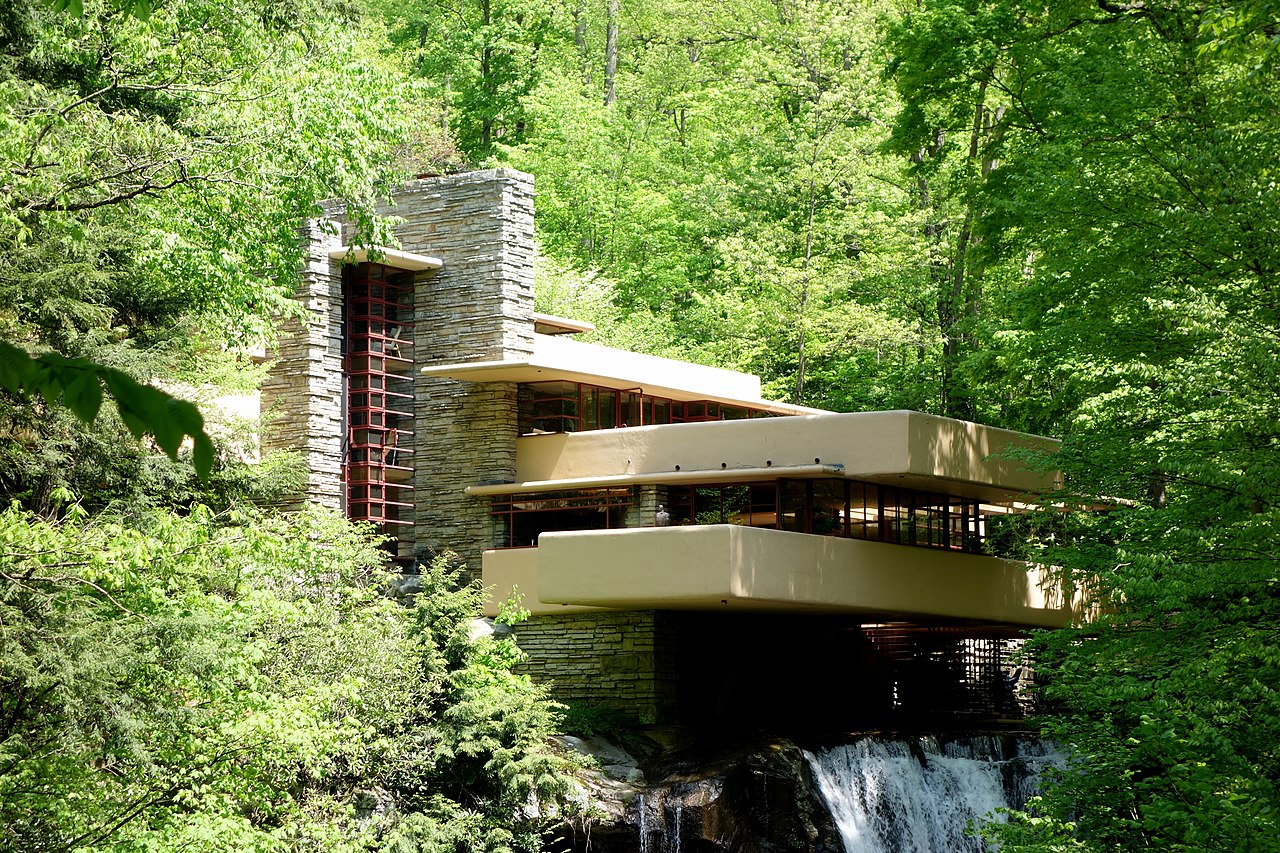
    Parthenon – Athens, Greece

    Today we will be discussing and comparing one of the most inspired and visited structures of the world i.e., Athens, Greece & Pantheon, Rome. The construction of the Parthenon was initiated around 447 B.C. and finished around 427 B.C.E. The structure is planned in rectangular shape. Doric columns and styles made the entire structure very prominent during that time.

    Why Architecture: A Creative Expression of Art and Science As per Google’s definition, architecture is the art and technique of designing and building as distinguished from the skills associated with construction. This practice fulfills both practical and expressive requirements.

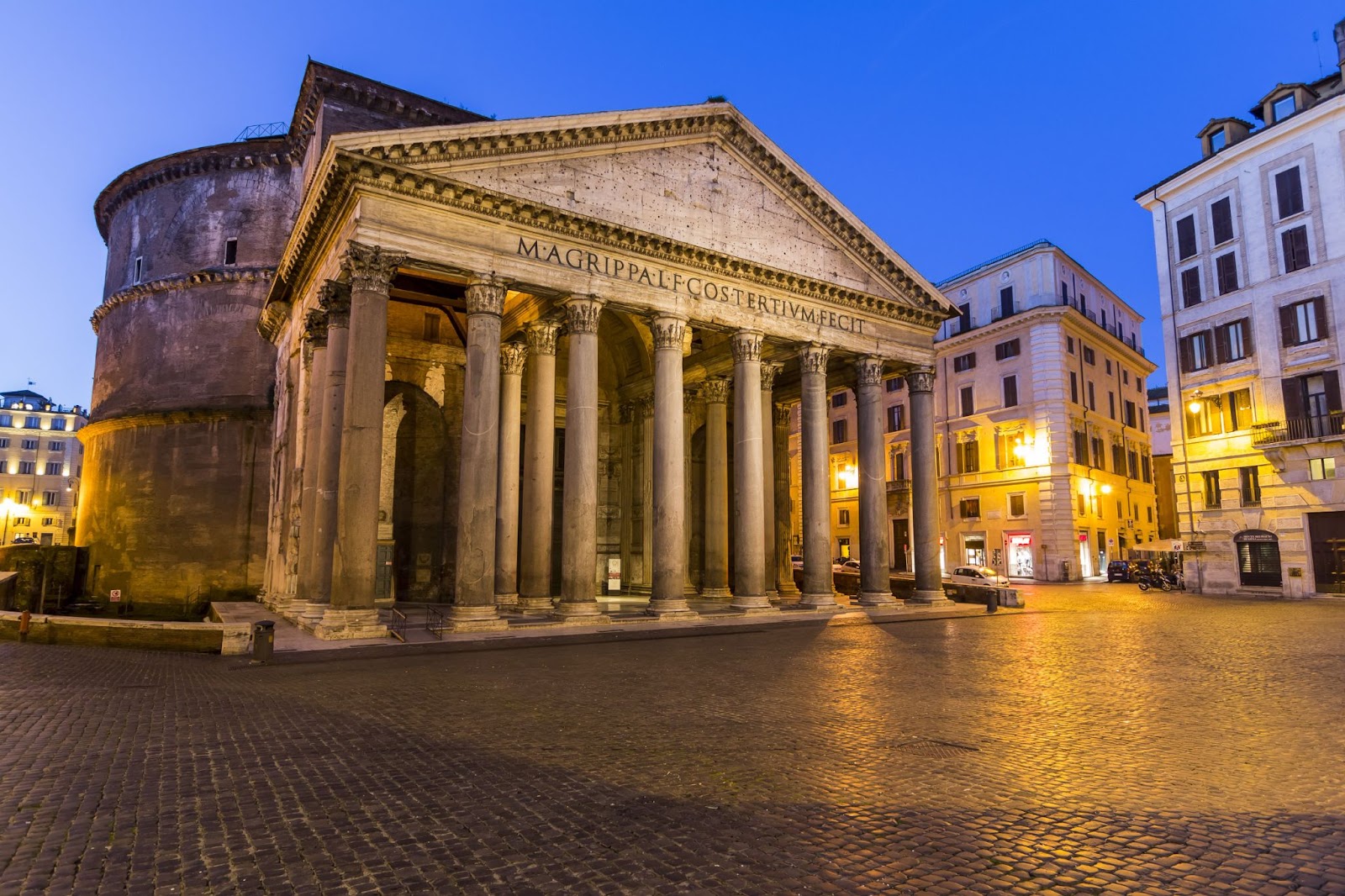
    Greece Pantheon, Rome

    The Pantheon was constructed way after the Parthenon, in Rome. It was initially a private and holy space later coming under the church. Unlike Parthenon, this structure is circular in shape. The column used in this structure is a Corinthian column.
    Why Architecture: A Creative Expression of Art and Science As per Google’s definition, architecture is the art and technique of designing and building as distinguished from the skills associated with construction. This practice fulfills both practical and expressive requirements.

    Comparison

    When we look at both the structures and their function, it is learned that both of them have contrasting physical characteristics. Starting from its physical characteristics Parthenon has a rectangular shape with a doric column and style. The structure was made for the goddess Athena which was the provider for the people of Greece.

    Due to years of ignorance, most of the parts of the structure were gone due to soils erosion. The structure till date signifies power and politics. On the other hand pantheon has a circular shape with a Corinthian column and style. As above stated it was the personal space of Marcus Agrippa and later on was taken over by the church. The place is now a religious and a scared spot for people.

    It is clear that though they have differences than similarities, the evolution in terms of design and development has been very unique and fascinating in both places. The fact cannot be denied that to date architecture of Greece and Rome have never stopped to fascinate and inspiring the world.

    Conclusion

    The dynamic demands, aspirations, and ever-evolving lives of people are what drive the architectural sector to continually delve deeper. The current story of the contemporary architectural industry is somewhat similar, regardless of the number of obstacles or objectives. It’s interesting to note that the study of architecture is thought to encompass topics from sociology, psychology, economics, and even politics. The market is constantly evolving, and it is seeking modern experts who value the critical power of knowledge beyond ideas and plans.

    Architecture has always been a platform symbolizing strength, power, politics and control from the ancient era till date. There is a brief evolution and derivation of every structure or building in today’s world. So in the end the question should not be WHY ARCHITECTURE, it should rather WHY NOT ARCHITECTURE?

  • Contemporary Architecture in India: Innovative Design Perspectives

    Contemporary Architecture in India: Innovative Design Perspectives

    Introduction

     Each building, in its unique way, promises future generations that we are doing everything possible to preserve the world for them. This is the emotional journey and the human promise embedded in contemporary architecture.

    A modern era in architectural design, born in the heart of the late twentieth century and blooming into the present day. Designers use striking, distinctive lines as their canvas, exchanging the old rules of symmetry and ornate decoration for minimalist simplicity that sings a different kind of beauty. This new approach is not just about aesthetics; it is also a love letter to our planet. These architectural marvels demonstrate that we can create spaces for us to live, work, and play while caring for our planet.

    With advancements in materials and construction techniques, contemporary architecture offers diverse and sometimes one-of-a-kind designs, embracing innovation and transforming every new building into a potential masterpiece.

    “Contemporary architects tend to impose modernity on something. There is a certain concern for history, but it’s not very deep. I understand that time has changed and we have evolved. But I don’t want to forget the beginning. A lasting architecture has to have roots.”

    ― I. M. Pei

    Contemporary Architecture
    PARIS – Tribunal de Paris

    Many architects have gained recognition for their innovative contributions to modern architecture. “Some of these notable architects include Frank Gehry, Jean Nouvel, Tadao Ando, Shigeru Ban, Santiago Calatrava, and the late Zaha Hadid, etc.” Their beautiful and expressive structures, often featuring unique shapes and defying gravity, have transformed landscapes across the globe. These architects designed iconic structures such as Gehry’s Walt Disney Concert Hall in Los Angeles and Nouvel’s Philharmonie de Paris. However, they are not simply about large-scale initiatives. Many of these architects have also created private dwellings, including Hadid. The premium residences at 520 West 28th Street in New York City, for example, carry the undeniable fingerprint of Zaha Hadid’s design philosophy.

    Contemporary Architecture in India: Innovative Design Perspectives  Each building, in its unique way, promises future generations that we are doing everything possible to preserve the world for them. This is the emotional journey and the human promise embedded in contemporary architecture.
    Contemporary Architectural Buildings in India

    Characteristics of Contemporary Architecture

    Some key elements that may assist you in identifying a contemporary building are:

    • Curved lines
    • Rounded forms
    • Unconventional volumes
    • Asymmetry
    • Free-form shapes
    • Open floor plans
    • Large, abundant windows
    • Green roofs, living walls
    • Integration into the surrounding landscape
    • Integrated smart home technology 
    • Integrated, customizable LED lighting
    Contemporary Architecture in India: Innovative Design Perspectives  Each building, in its unique way, promises future generations that we are doing everything possible to preserve the world for them. This is the emotional journey and the human promise embedded in contemporary architecture.
    Modern Architecture in India

    From the beginning, contemporary architecture in India has seen ongoing evolution. He believed it was critical to envision a contemporary India free of British shackles. Since then, India has witnessed an abundance of buildings constructed by national as well as international professionals who have permanently altered Indian architecture’s natural environment.
    Following independence, Indian architects were torn between adhering to the British Raj’s architecture, returning to our old architectural roots, and completely revitalizing it.

    “Less is more,” thus spaces are carefully placed and designed without congestion. Minimalist lines may be found in both architecture and furniture; a contemporary home emphasizes the space rather than what is inside it. The function is always first.”
    The various conquerors and the architectural styles they brought with them unavoidably influenced India’s post-independence architecture.

    Cybertecture Egg, Mumbai

    Consider a massive, awe-inspiring egg in the centre of a cityscape. This is not the average egg; it is the Cybertecture Egg, a 32,000-square-meter business centre proposal. This futuristic masterpiece, designed by Vijay Associates (Wadhwa Developers) and built by James Law Cybertecture and Ove Arup, is set to transform the look of India’s metropolitan commercial structures for the twenty-first century.

    Contemporary Architecture in India: Innovative Design Perspectives  Each building, in its unique way, promises future generations that we are doing everything possible to preserve the world for them. This is the emotional journey and the human promise embedded in contemporary architecture.
    Cybertecture Egg, Mumbai_(Photo by James Law Cybertecture International)

    The Cybertech Egg is not your average structure, resembling something out of a science fiction film. Its distinctive egg-like design distinguishes it from other buildings, making it a visually appealing landmark. However, it is not only about aesthetic attractiveness. This structure aims to be a green lighthouse, with net-zero emissions and a much smaller carbon impact.

    The creator who inspired this concept, James Law, regarded the egg not merely as a form but as a symbol—a self-sustaining biosphere, similar to our own Earth. The egg form isn’t only for show; it also enables traditional horizontal workplaces to be housed within an elegant, gleaming shell built of a diagrid exoskeleton of steel and glass. The Cybertecture Egg is a wonderful combination of progressive design and environmentally friendly architectural practices. It exemplifies how modern architecture can push beyond the limits of what is feasible while simultaneously taking care of our world.

    International Airport Chhatrapati Shivaji

    The Chhatrapati Shivaji International Airport in India is a humming tourist and cultural hub. The artistic masterpiece serves 40 million passengers annually, making it a vital transportation hub and commercial provider.

    Contemporary Architecture in India: Innovative Design Perspectives  Each building, in its unique way, promises future generations that we are doing everything possible to preserve the world for them. This is the emotional journey and the human promise embedded in contemporary architecture.
    Chhatrapati Shivaji International Airport

    The airport’s architecture is breathtaking, like a vast shell that houses both domestic and international flights. 

    The airport itself is more than simply a structure; it is an opportunity for displaying India’s rich identity, culture, and history, all wrapped up in an innovative and internationally visually appealing style. Every element is carefully designed and implemented, from the sophisticated design of the structure to the cutting-edge technology that assures flawless functioning.

    Contemporary Architecture in India: Innovative Design Perspectives  Each building, in its unique way, promises future generations that we are doing everything possible to preserve the world for them. This is the emotional journey and the human promise embedded in contemporary architecture.
    Internal View of the Airport 

    The distinctive treatment of light is one of the most noticeable features. The airport halls are illuminated with light filtered through colourful glass discs, producing spectacular constellations resembling a peacock’s magnificent plumage, as a tribute to India’s national bird. This isn’t just an airport; it’s a journey, a monument to contemporary architecture’s seamless synthesis of practicality, cultural depiction, and inventive design.

    KMYF at Bangalore, by Cadence Architects

    A one-of-a-kind 30-bed treatment unit is tucked adjacent to a historic, cherished South Indian temple. Instead, the goal was to create a warm, lively exterior that welcomed patients before they ever stepped inside.

    Contemporary Architecture in India: Innovative Design Perspectives  Each building, in its unique way, promises future generations that we are doing everything possible to preserve the world for them. This is the emotional journey and the human promise embedded in contemporary architecture.
    KMYF at Bangalore, by Cadence Architects (Photo by Designboom) 

    The architecture intelligently stacks wards vertically for optimal space utilization, raising the structure off the ground to provide community waiting areas. Relocated services and the rooftop was transformed into the cafeteria.

    The design of this NGO building focuses on light as a core element, creating a cohesive and soft interior atmosphere. Traditional windows are replaced with shaded slits, creating a sensual, ephemeral feel. The brick skin’s billowing qualities dematerialize the brick’s physical heaviness and serve as a light filter, creating a soothing atmosphere for patients. The facade appears as light as a breeze, removing the heavy feel often associated with concrete and brick constructions. Locally sourced materials like granite and Kota stone are used for cost-effectiveness and easy maintenance.

    In conclusion, these buildings paint a vibrant picture of contemporary architecture in India – a canvas where the strokes of innovation, cultural reverence, sustainability, and functionality intermingle. As we admire these structures, we’re reminded of the extraordinary journey architecture has taken in India and the exciting paths it’s yet to explore, each with its unique human touch.