
The preservation of cultural history and the promotion of cross-cultural understanding are both crucial duties that museums must carry out. The Museum of Ethnography in Budapest, Hungary, is one of many museums that pioneers the adoption of cutting-edge technology and environmentally friendly practices in addition to storing valuable cultural treasures. The building’s attractive exterior belies a thoughtfully chosen combination of construction methods and materials that not only ensure structural stability but also pay homage to the region’s vibrant cultural history.
Due to its appealing design and huge artefact collection, the museum offers visitors a singular opportunity to explore the intricate connection of Hungarian and other cultures. This article explores the design concept and key features of the institution as well as the fascinating construction techniques and materials that were used to bring it to life, highlighting the Museum of Ethnography’s commitment to preserving cultural heritage, advancing education, and fostering dialogue. In terms of environmentally responsible practises and preserving cultural heritage, the Museum of Ethnography serves as a model for the construction industry.
Introduction
Ethnography is the study of many various people and cultures, and it has evolved over time to include cutting-edge concepts and environmentally conscious attitudes. As our understanding of the world grows more interconnected and there is a higher desire for environmental consciousness, ethnography has evolved to address these issues.
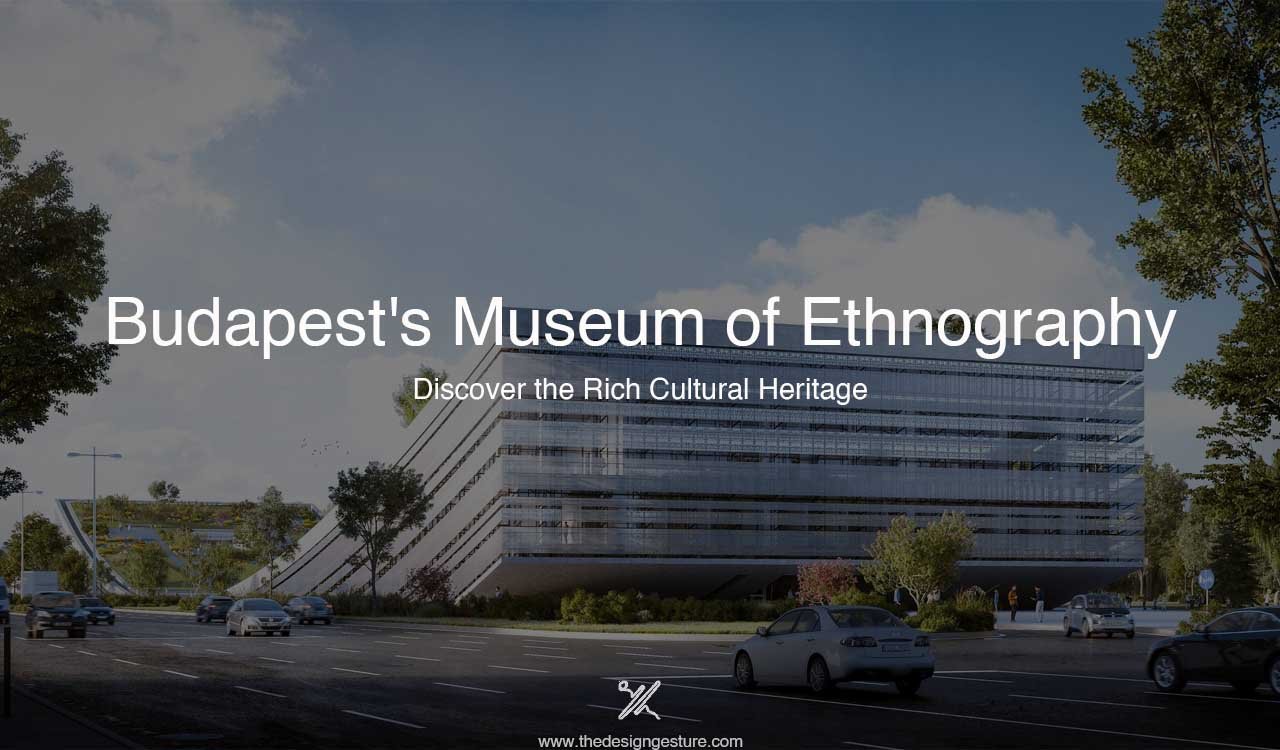
Hungary’s architectural firm NAPUR Architects created the brand-new Museum of Ethnography in Budapest City Park, Hungary. The 34,000 square metre building was formally opened to the public in May 2022. The largest urban cultural development initiative in all of Europe, Liget Budapest, is partially responsible for the current location of the Museum of Ethnography. Strong yet subtle project lines interact with the adjoining metropolis while also blending in with the surroundings of the park.
Design Philosophy

The Museum of Ethnography, which was designed by NAPUR Architects and is located in the centre of Budapest, Hungary, is a symbol of respect for and knowledge of cultural diversity. A great example of how cutting-edge design and respect for cultural diversity may coexist is the Museum of Ethnography. The museum’s magnificent design exhibits cultural history and exemplifies NAPUR Architects’ commitment to building intriguing and inspiring spaces.
The Budapest Museum of Ethnography places a high priority on protecting and celebrating cultural heritage. The location ought to portray Hungary’s various ethnic and cultural mix, according to the design.
As a result of the international design competition, successful construction, and completion in May 2022, the Museum of Ethnography was finally given a new home in a truly modern building of an overall world-class standard that will satisfy professional requirements while catering to the needs of the collection and visitors alike. The structure is notable for its dynamic yet uncomplicated design that interacts with the local urban fabric while blending in with the park’s natural surroundings. Because of its gently curved shapes, the structure can act as both a gateway and a route between the city and the park.
Key Highlights of Design
The ideas of promoting tolerance, honoring cultural variety, and providing enjoyable and educational experiences served as the foundation for the design ethos of the Museum of Ethnography in Hungary. The museum serves as a bridge between many groups and fosters knowledge of the diversity and wealth of civilizations around the world by upholding these values. Some of the designs’ highlights include the following:
Cultural Context and Sensitivity
NAPUR Architects approached the architectural design of the Museum of Ethnography with a full understanding of the cultural context in which it is located. To design elements that convey a sense of place and cultural identity, the architects draw on Hungarian traditions, historical allusions, and the nearby physical environment. The architectural concept aims to create a conversation between the museum and its surroundings by seamlessly blending the building into Budapest’s urban setting and paying homage to the city’s rich heritage.
Spatial Experience and Flow
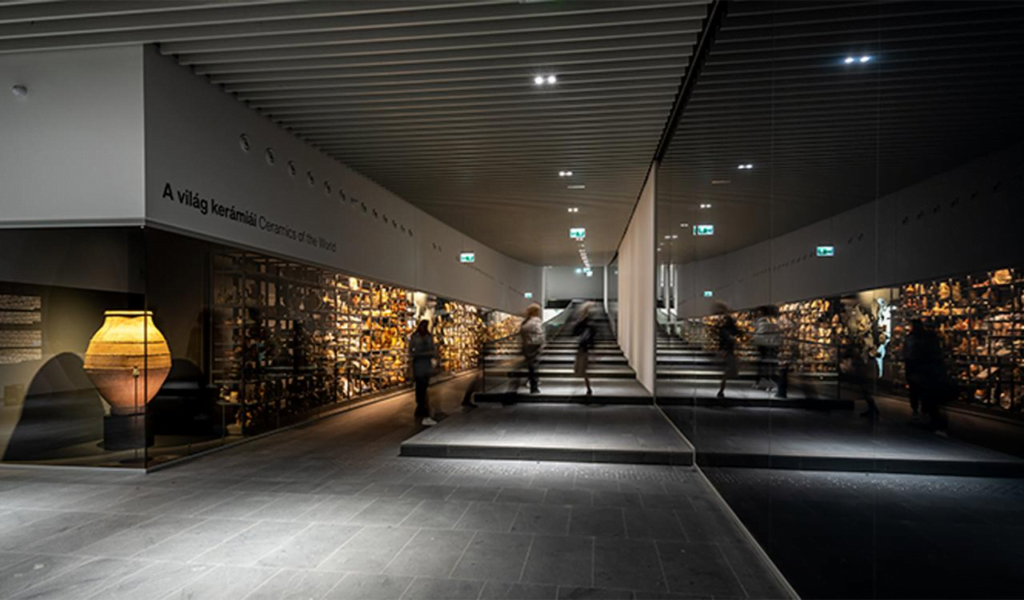
NAPUR Architects meticulously developed the building’s layout and flow with the visitor’s experience at the Museum of Ethnography as their main priority. By leading visitors logically and intuitively from one exhibit to the next, the design concept strives to make their journey through the museum as simple as possible. In order to increase visitor interaction with the exhibitions and foster a sense of discovery and immersion in the cultural narratives being presented, the architects make use of spatial arrangements, sightlines, and transitions.
Engaging with the Community
Community involvement was prioritized in the design of the Museum of Ethnography by NAPUR Architects. The architectural design, which includes areas for group gatherings, exhibits, and participatory activities, promotes inclusivity and a sense of ownership. To produce exhibitions and activities, the architects work in partnership with local communities, cultural experts, and indigenous groups. With a focus on the area, the museum is retained as a vibrant environment that acknowledges and represents the richness of Hungarian culture.
Contemporary Expression
NAPUR Architects has given the Museum of Ethnography a modern appearance that honors the museum’s cultural surroundings while also representing how cultural institutions change over time. The design concept integrates modern architectural shapes, clean lines, and inventive material usage to create an eye-catching structure. Visitors are drawn in and have their interest piqued by the aesthetic created by the contrast of the new and antique components.

Construction Techniques and Material
A stunning example of how cutting-edge design and a strong understanding for cultural tradition may coexist in harmony is the Museum of Ethnography in Budapest, Hungary. Budapest’s rich historical and cultural heritage is taken into consideration when choosing building techniques and materials, ensuring structural soundness behind its alluring exterior. The Museum of Ethnography was constructed by NAPUR Architects using unusual materials and construction techniques, which include:
Blending Tradition and Innovation
The Museum of Ethnography was constructed by NAPUR Architects using a clever combination of conventional building methods. The building successfully combines the past and present as a result of the design concept’s consideration of Hungarian architectural tradition and execution of contemporary practices. This blending of innovation and history serves as an example of NAPUR Architects’ architectural philosophy, which aspires to create locations that are both historically-rooted and futuristic.
Local Building Materials
NAPUR Architects displayed their commitment to sustainability and close ties to Hungary’s cultural legacy by embracing the usage of local building materials. The outside of the museum was painstakingly clothed with local stone, such as sandstone or limestone, to create a visual link between the building and its surroundings. These traits provide Budapest’s old structures with a sense of continuity in addition to increasing the building’s architectural appeal.
Incorporating Glass
Glass was used to construct the majority of the Museum of Ethnography because it makes it easy to link indoor and outdoor areas and lets natural light enter the structure. It is a raster made by a metal grid using ethnographic themes selected from the museum’s foreign and Hungarian collections. Large glass panels and curtain walls were specifically designed by NAPUR Architects to promote openness and strengthen the connection between the museum and its surroundings. Glass is utilised more frequently because it increases natural light and, when lit at night, produces breathtaking artistic effects.

Attention to Detail
The Museum of Ethnography was constructed by NAPUR Architects with meticulous attention to every last detail. The architects worked closely with skilled craftsmen to produce carvings, reliefs, and ornamental patterns in order to add elaborate decorative elements into the design. These handcrafted decorations provide a dimension of cultural depth and artistic beauty to the building’s façade by honoring conventional Hungarian craftsmanship.
Sustainability and Environmental Consciousness
In their architectural concepts, NAPUR Architects are dedicated to sustainability and environmental awareness. In order to have a less environmental impact, the Museum of Ethnography uses energy-efficient technologies and green building practices. The architectural idea prioritizes energy efficiency and environmental responsibility and makes use of renewable energy sources, superior insulation, and natural lighting. The architects made sure the museum not only preserved cultural history but also served as a role model for sustainable building in Budapest by embracing sustainable practices.
The building’s architects and designers used sustainable design principles to lessen its impact on the environment. Improved insulation, efficient HVAC (heating, ventilation, and air conditioning) systems, and state-of-the-art lighting controls were used as energy-efficient solutions to reduce energy consumption. The adoption of systems for water management and moral methods of trash disposal further demonstrates the architects’ commitment to sustainability.
Conclusion
In conclusion, the design of the Museum of Ethnography by NAPUR Architects in Budapest, Hungary, honours cultural legacies, architectural innovation, and community interaction. A museum that serves as a hub for culture and allows visitors to explore, discover, and engage with a variety of cultural stories has been created by NAPUR Architects. They achieved this by paying close attention to the cultural setting, current expression, spatial experience, and sustainable practices. The Museum of Ethnography is a testimony to the ways in which architecture can transform a place and conserve and accentuate the richness of our common past.