
Tag: Environmental psychology

  • How can a city make you feel good exactly ?

    How can a city make you feel good exactly ?

    What makes a good city? For most urban planners would answer the urban fabric- the streets, the blocks, and the buildings. In “Great Streets”, Alan Jacobs, Professor of City and Regional Planning at the University of California, found that good streets have narrow lanes (making them safe from moving cars), small blocks (making them comfortable), and architecturally rich buildings (making them interesting). In the future, the streets will be augmented with advanced monitoring technologies, making the city “smart”. All of these would make a city look great, but do not make the people feel great about their city.

    Good and smart street design is important. But what matters is the well-being of the people living in it. It is important to know how people feel in the cities. The article explores the city concepts adapted from “Restorative cities: Urban Design for Mental Health and Well-being” as a way to create a feel good city.  

    Green and Blue city

    Green city

    Greenery has become part of almost every building that is built today in terms of environmental and psychological concerns. Integrating nature into the city has always been proven to reduce stress and anxiety. The city of Vancouver, with its building policies, is geared toward ensuring that every resident of the city has a decent view of the mountains, ocean, and forest in the north and west.  
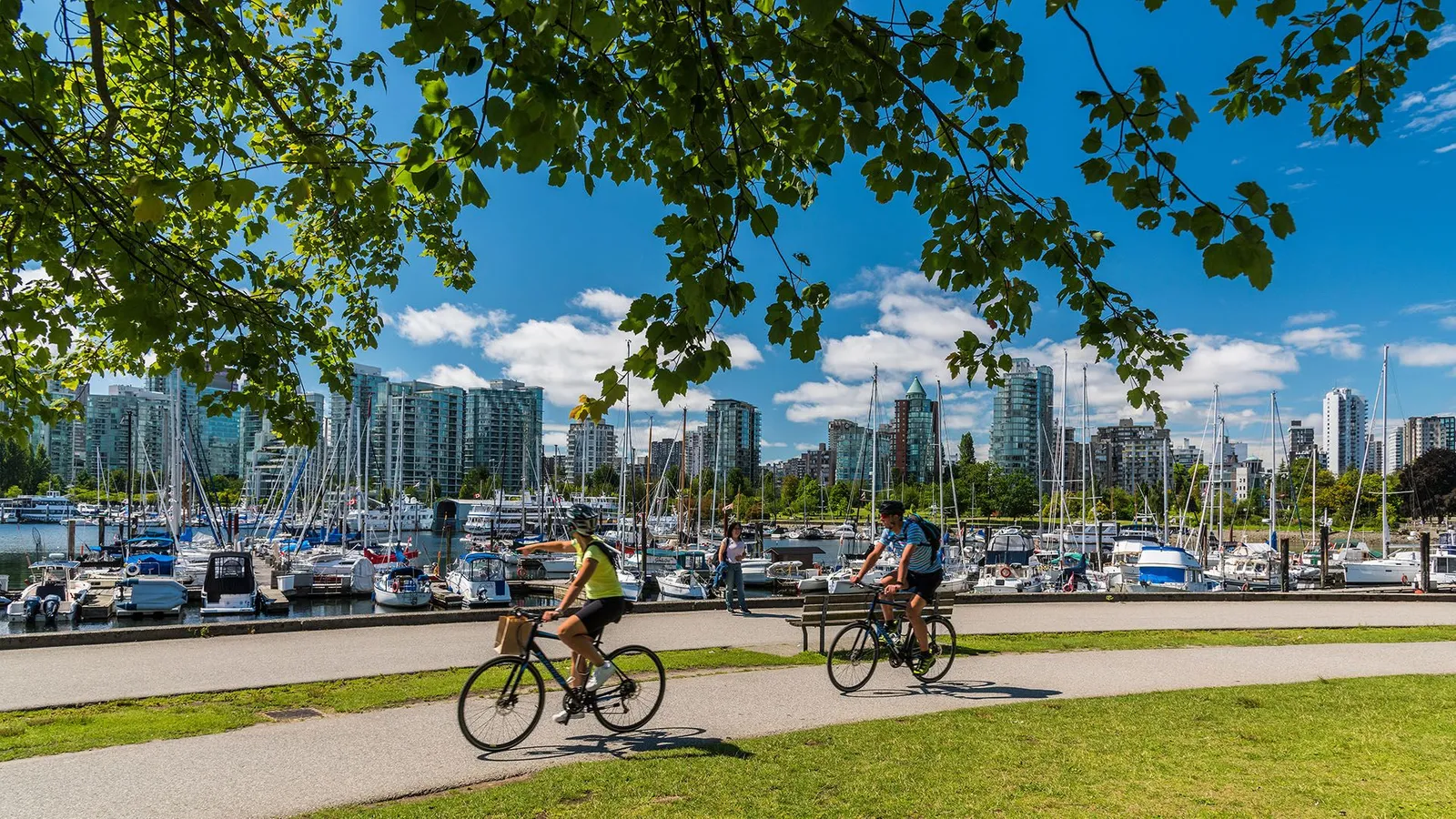
    The city of Vancouver: How does a city make you feel good?
    The city of Vancouver_Photo by BBCFuture

    While we are familiar with the psychological effects of greenery, we are unaware of the factors that determine these effects. For example, the impact of greenery on mental health is modified by the factors such as proximity, amount, quality, and biodiversity- in other words, a large expanse of grass hardly has an impact when compared to a variety of greenery.

    At the same time, greenery at even the modest and the most artificial levels such as community gardens, or the unpleasant connotations such as the wild plants in the cemeteries have a positive impact on the mental health and is found to reduce the psychological stress. Even a parkette has a profound impact on mental health. Evidence shows that simple things such as the number of trees planted in the boulevard of the city determine the mental health of its inhabitants. 

    Thus, a green city is not placing a park at the core of the city or introducing greenery in every building. It is understanding the impact of every factor of greenery on the psychology of people and planning the city according to it.

    Blue city

    While the Green city is the buzzword in Urban design, there is hardly any light shed in the blue city. Blue city talks about the impact of water on the cities. Research shows that water, in both natural and artificial environments, has similar psychological effects as greenery.

    Neighborly city

    Designing a neighborly city means encouraging social interactions in daily life. On the contrary, people in larger cities work hard to avoid interaction and even eye contact with strangers. Jennifer Silvershein,a therapist in Manhattan, says when we dissociate in cities, we are choosing things like headphones, that do not bring us down as the noise of the traffic does. We assume that we are focusing on what makes us feel good avoiding the external surroundings that cause stress and discomfort with headphones and phones. But Colin Ellard, Professor of Psychology in the University of Waterloo, says that crowding and noise in the city cause anxiety and lead to poorly regulated emotions.

    On the other hand, Dr. Glen Geher, from the study of evolutionary psychology says that “Up until about 10,000 years ago, when agriculture took hold, humans were evolving to have social connections in smaller groups, and life today in big cities doesn’t match those historical conditions”. He also notes that being surrounded by a high proportion of strangers is unnatural and we are fighting this evolutionary mismatch.

    Ellard says that while it is important to maintain mental health in an urban setting by using headphones, it is much more important to maintain shallow relationships, i.e. nodding your head as a way of greeting or smiling at someone you recognize. We avoid interactions to keep ourselves safe, but the avoidance harms our mental health and stops us from connecting with the world. 

    Social isolation is seen to be the major risk factor for the mental health of people. And so, it is crucial to design cities in a way that encourages social connections and relationships. William Walton was the first who advised urban planners to arrange the artifacts and exhibits in the public spaces to nudge people and make them interact with each other. He calls this process “Triangulation”.
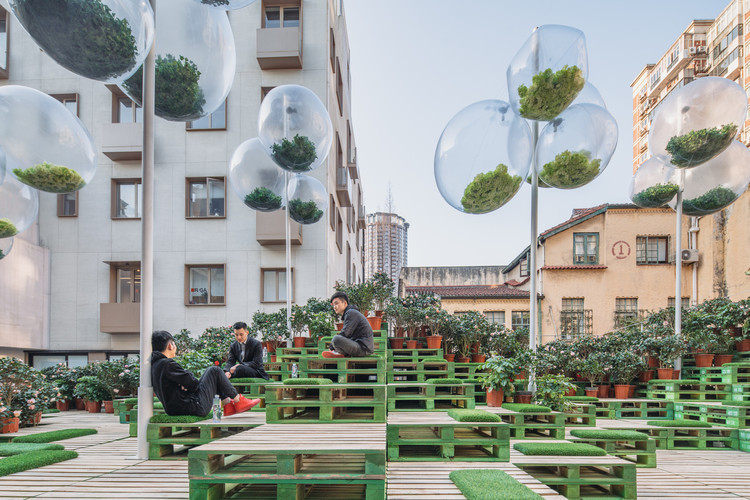
    Shared space
    Shared space in an apartment_Photo by Archdaily

    Thus, the urban design must promote these shallow social relationships in as many ways as possible- in terms of housing by providing shared spaces, on the sidewalks of the streets by promoting interpersonal relationships, and designing parks that facilitate social interactions. 

    Sensory city

    Assessing the ‘form’ and ‘character’ of the spaces is the standard idea of urban designers in planning. The planning of cities is often restricted to the functional and aesthetic needs of the people. Urban designers mostly conceive cities through their eyes and sight becomes the only sense involved in the design of cities. The sounds, smell, feel of the air, tastes, vibrations, and movements are eliminated from the focus of planning, i.e. we design roads and buildings that are aesthetic and functional but do we consider the crowdedness of the buildings and noise of traffic in the roads in a way that they affect our well-being?

    While managing to meet the modern urban needs, we should also need to understand how the places affect our mental well-being, and how a place’s sound, feel, smell, and taste influence the experience of people who spend time in or around it – or simply pass through it. For example, Prof. Collin Ellard’s findings articulate that street-level facade with low complexity shows low interest and pleasure in people, while complex facades have a positive impact on the people. 

    Pruitt Igoe housing complex, which was built in 1950, with 33 featureless apartment blocks, became a place of crime, squalor, and social dysfunction. Critics argued that the wide-open spaces in between the modern high rises discouraged the sense of community and encouraged crime in the community. They were eventually demolished in 1972. The lack of behavioral insight into the modern buildings of that era led the community to social dysfunction. Thanks to advanced brain studies, we now know how buildings and cities can affect our mood and well-being and our brains are attuned to the geometry and arrangement of spaces we live in. Yet, the design of cities tends to stay away from it. 
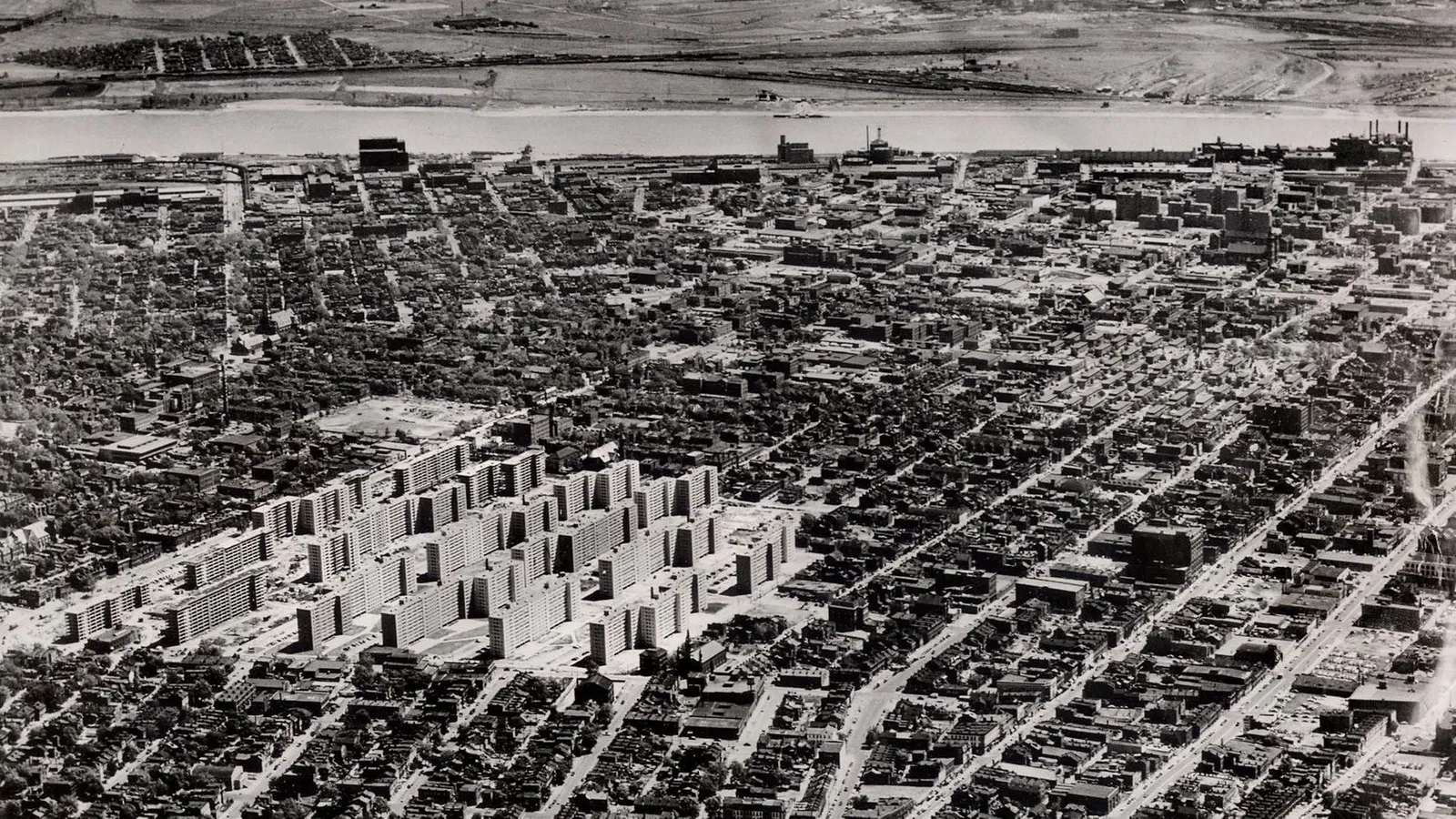
    Pruitt Igoe housing
    Pruitt Igoe housing complex_Photo by BBCFuture

    Science is increasingly telling us that there are far more opportunities to leverage the sensory experiences in the city. Research has provided evidence that people’s mental well-being is influenced by “green” surroundings, the presence or absence of other people, the quality of the air being breathed, and other sensory experiences. Thus, a sensory city should have a quiet place, similar to a sonic refuge with fresh air to breathe, streets with interesting and complex facades which evoke curiosity, and sidewalks lined with several trees that keep the pedestrians calm and soothing.

    Inclusive city

    The factor of who cities are designed for tends to be specific, and others who do not fit into it have to rather shape themselves into the city rather than the city shaping their needs. For the people to make the most of the design opportunities, the built environment should be accessible to all, and everyone needs to have a sense of belonging and meaningful access to them.

    Spatially inclusive

    People living in high-rise apartments have limited access to green spaces and those living in the deprived areas and compact urban areas are devoid of access to greenery. For example, a population of low socio-economic communities in England had been found to have an increased risk of circulatory and cardiac diseases as they were exposed to lesser green areas. The Bike commuters in high-density Mumbai areas said that they are practiced with the traffic and chaos in their daily lives, but the psychological results show them hyper-stressed. Thus, cities must be spatially inclusive so that all spaces in cities have equitable access to everyone to meet their social and psychological needs.

    Absence of greenery in Mumbai slums
    Absence of greenery in Mumbai slums_Photo by Mumbai live

    Socially inclusive

    Similarly, public spaces unintentionally exclude a specific group of people. For example, the absence of ramps and designed accessibility excludes the old and physically challenged from the space.  Another good example is that men are more likely to cycle and women are deterred by safety concerns. Men often travel to and fro between home and office, and so linear tracks of bikes work well for them. Whereas women travel from place to place, sometimes with a child and so it won’t be a good choice. 

    Layla Mc Cay says, “Don’t campaign for women to cycle more, rather engage with providing proper lighting at night and redesign infrastructure that is inclusive to women’s needs.” She further says that Co-creation is an important part of equitable cities and inclusiveness does not end in issuing surveys. It is meaningfully bringing people together to think about their needs and to help the design of spaces.

    Active city

    Popularly known, today’s roads are designed for cars instead of people who ride on them. We live in a world where we can’t walk to work or take stairs to the floors. It makes people in cities unhealthy and inactive. An active city, by definition, is one that is continually providing opportunities in the built environments to enable all its citizens to be physically active in day-to-day life. 

    Active mobility

    Environmentally active

    Human-powered mobility or Active mobility becomes the priority of an Active city. Active mobility is not just about the act of walking or cycling through spaces, but rather about the act of moving, by the act of using spaces, social participation, and influence on city life. It is evident that walking is a conscious mode of transport and it is meant that people will experience their immediate environment with greater depth. It promotes familiarity with the place and makes us feel safe and competent. 

    It became clear that well-connected areas with high-quality infrastructure have a positive influence on the well-being of residents when walking and lingering. According to brain studies, we could say active mobility in which we use our body physically, lets us easily understand and better remember our surroundings than passive transport in a vehicle. 
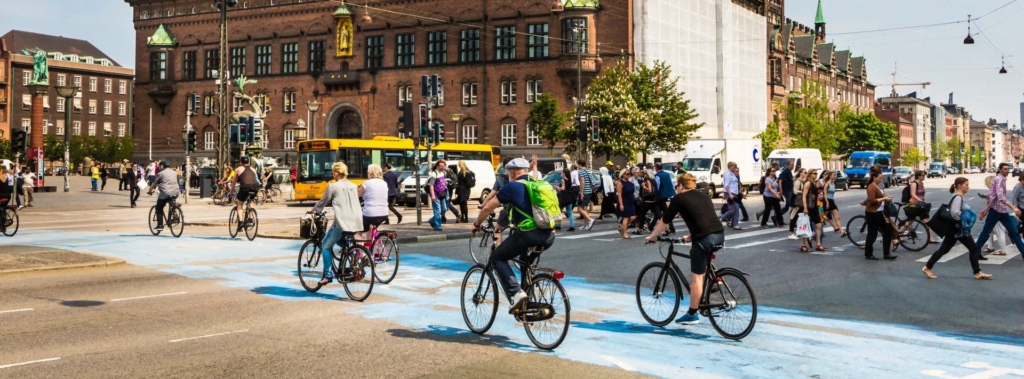
    
Active mobility
    Active mobility in cities_Photo by uitp

    Socially active

    Mobility is a means to maintain social relationships as it is the way to overcome distances and meet friends. Active mobility fosters this relationship by promoting random encounters which strengthen our connectedness to the people and space around us. So, people feel more connected when they are actively mobile. 

    Physical activity in public spaces

    The increasing challenge in creating an active city is that 90% of our daily lives are spent indoors. As there is a growing attachment to smart devices, cities must encourage and ensure spaces in which people are deactivated from the overstimulated smartphones and become physically active. For example, a city should have places where people gather as a community, engage in physical activities, such as sports, and eat healthy food.

    Feel-good city

    All these said and done, how does a city make us feel good? As said earlier, living among millions of strangers is unnatural to us as humans. To tackle this evolutionary mismatch, we have to make people in the cities feel good. “If you feel positive, you are more likely to speak to a stranger”, says Ellard. 

    Although many things make people positive, the thing that makes people feel negative about living in a city is the constant feeling of getting lost or disoriented. Kate Jeffery, a behavioral neuroscientist, concludes from her experiment that to feel connected to a place, you need to know how things are related spatially. That is, you need to have a sense of familiarity with the space and a sense of direction in the streets. For instance, the Seattle Central Library, which won multiple awards and is admired by architects, is found to be a notoriously disorienting building. 
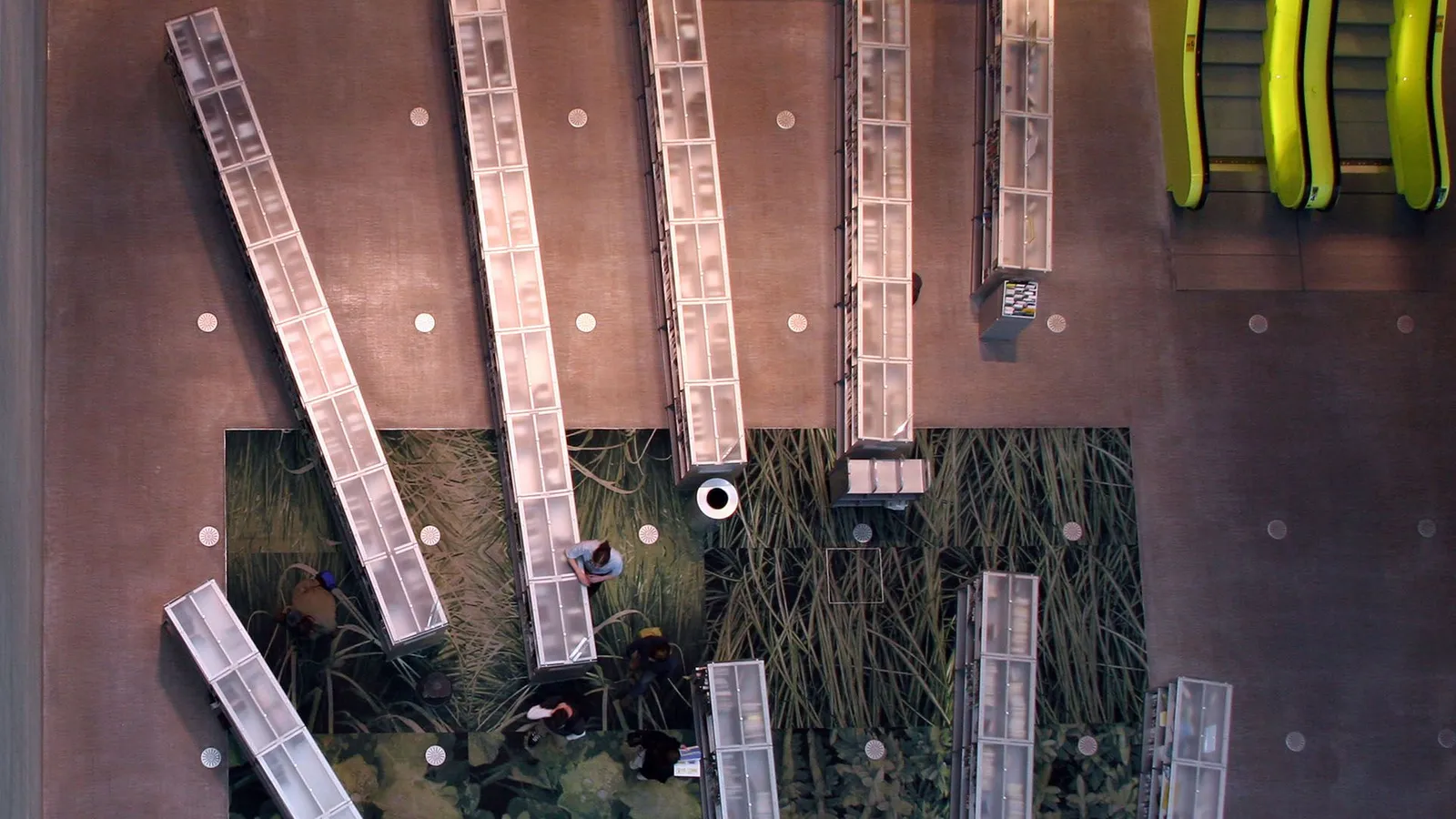
    Seattle Central Library
    Seattle Central Library Escalator_Photo by BBCFuture

    Dalton says that the longest one-way elevator sweeps the visitors from the ground floor to the upper reaches with no way of descent. And it leaves the people to take a different route when they return. There is no conscious sense of movement in the library, which makes people lost and disoriented when they return to the ground floor. It makes the people confused and leave the building as soon as they find a way to get out. The scenario goes similar to the cities. Cities with no sense of direction and which fail to give a sense of familiarity as home also fail in making people feel good. 

    Conclusion

    The objective of a feel-good city design goes far beyond feel-good aesthetics. The city has diverse needs and the design of a pocket park or a public space in a city would not meet the complexity of human needs. Also, Layla Mc Cay says that there is a tendency to design a single intervention to promote mental health. Designing a city for mental health needs to be part of a wider system approach that includes good access to mental health care, housing, and education, as well as addressing poverty and discrimination. 

    A feel-good design of cities should explore the relationship between urban design and social psychology using the tools of neuroscience. A smart city with monitoring devices for energy efficiency and safety is acceptable. But, a city should further promote the use of biometric analysis of urban psychology using wearables, sensors, etc. to become really smart. The architects, neuroscientists, and psychologists must agree on the fact that successful design is not so much about how our buildings can shape us, as Churchill had it, but about making people feel they have some control over their environment.

  • Environmental Psychology: An Important branch of Architecture

    Environmental Psychology: An Important branch of Architecture

    Environmental psychology is a study of how we, as individuals and as part of a group, interact with physical conditions. Experience and change the environment and discover how the environment changes our behaviour and experiences. In environmental psychology, “environment” includes natural and man-made objects, namely, natural resources, parks, houses, From workplaces, public spaces, private scales to rooms, buildings, neighbourhoods, cities, wildlife, and global scales.

    Environmental Psychology, also known as architecture psychology, is a relatively new field, about 50 years old, and has developed rapidly in response to the deterioration of environmental health and the need to design buildings to better reflect the needs of the population. One of its main goals is to understand the environment and people’s trade and use that knowledge to influence policies that promote sustainable action and help create a more liveable and greener built environment.

    Origin

    Environmental psychology was a new branch of psychology that developed in the late 1950s and 1960s. It is mainly about the interface between human behaviour and the socio-physical environment. It can be defined as the study of the trades between people and their physical conditions while people change their environment and their behaviour and experiences are also changed by the environment. Environmental psychology includes theory, research, and practical application aimed at improving relationships with the natural and built environment.

    Environmental Psychology
    Photo from University of Bath

    The first theoretical approaches relate to the psychology of cognition, which have been developed from more ecologically oriented perspectives, such as Brunswick’s “Lens Model”, Princeton Group’s Transaction School, and Gibson’s “Ecological Approach” to cognition. It has more to do with a “molecular” approach to the spatial-physical environment. He paid more attention to the individual sensory-perceptual features of the environment that directly interact with our senses.

    The second approach builds on the social psychology approach developed through the work of authors such as Levin, Tolman, Barker, and Bronfenbrenner. The second approach takes a more “holistic” or “molar” approach that evolved into a transaction-contextual approach to human-environment relationships. This approach is still considered a major theoretical perspective in environmental psychology.

    Environmental psychology, as a branch of academic psychology, is often attributed to the Proshansky group at the City University of New York, which has been studying human-place transactions since 1958. Ward placement in hospitals will be both useful and harmful to patients. Realizing that there are not many answers in their respective fields, a new study was needed, so they actually started to establish a new study.

    Career options in Environmental Psychology

    Another important point of EP is the impact of urban and natural environments on people. More and more environmental psychologists specialize in the recovery environment, a place that helps people recover from their daily mental overload. For example, walking in nature reduces stress, improves alertness, and reduces anger. This study shows the importance of protecting accessible green spaces, affecting the structure of cities and homes.

    Place Attachment

    place attachment
    Photo from SpringerLink

    Place attachment is the bond between people and places. It is a complex interrelationship of cognition, emotion and behaviour. With the rise of globalization and mobility, place attachment has become of particular interest, as person-place bonds have become increasingly tenuous. This, in turn, can affect the perceived safety and comfort of the environment and cause people to weaken the protection of those places. For this reason, and because attachment to a place is also associated with awareness of environmental risks, attachment to a place is very important for understanding environmental protection behaviour.

    Place attachment is highly relevant for understanding public acceptability of renewable energy developments, such as wind parks and hydro-energy projects. Place attachment is also relevant for disaster psychology and have been used to understand and alleviate the grief of those displaced.

    Wayfinding

    wayfinding
    Photo from Creative Bloq

    There are diverse applications for people to know how to find their way in the built natural environment. For example, psychologists used this study to catch criminals and find people lost in the wild. It was also used to find ways to evacuate dangerous areas faster, such as burning hotels and smoke-filled train tunnels. Pathfinding research has also contributed to the development of a head-mounted display that helps firefighters navigate in an emergency.

    Architecture and Environmental Psychology

    signage
    Photo from Archipelago

    Environmental psychology helps us understand the practical application of concepts such as spatial perception and cognitive mapping to navigable design spaces. Good signage inside buildings speeds up movement inside buildings, color-coded routes reduce navigation errors in buildings, and simplified maps for bus and train routes make cartographically accurate routes Easier to navigate than in the city. A striking landmark for improving spatial knowledge such as cities is the result of environmental psychology research.

    Environmental psychology was the first to make a name for itself in the world of architecture. For decades, environmental psychologists have been working to improve buildings by: Focusing on the Human Factor in Building Design. Environmental Psychologist Asks the following questions: How People Navigate in Buildings What do users of Building need and want in a building? How can I apply this knowledge to modern architecture? The answers to of these questions include more than shipping hospitals, classrooms that enhance learning and participation, and to reduce complaints about the ‘s built-in settings.

    Syllabus

    The field of environmental psychology takes an interdisciplinary approach to the study of people in the physical context, with elements of social sciences (psychology, geography, anthropology, sociology) and design fields (landscaping, architecture, city planning). Put together to provide a deeper understanding of the complex dynamics between people and their physical environment.

    Main objectives

    • To introduce the origins, basic theories, methods, research and applications in the field of environmental psychology.
    •  To develop an appreciation of how psychology can contribute to shaping urban environments, preserve natural environments, and deal with the challenges of environmental and climate change.
    • To develop students’ capacities to be able to perform a basic research, practice or policy work in the field of environmental psychology.

    Course Contents

    Environmental Psychology: History and Scope

    Define the field of environmental psychology. Origin and history. Environmental Psychology is associated with other disciplines. An important theoretical perspective in environmental psychology. Complexity, change with hours. The impact of the environment on human cognition and behaviour. Location-based theory of environmental psychology.

    Overview of the Research Methods in Environmental Psychology

    The main principles behind the use of research methods in environmental psychology. A variety of methods are immediately available, including observations, behaviour mapping, GIS, surveys, interviews, and diaries. Mixed method study. Laboratory experiments and natural experiments. evaluation. Action research. Systematic review and meta-analysis. Data analysis in environmental psychology.

    Urban Environments: Overcoming Stressors with Opportunities

    Urban stress. Environmental overload theory and attention recovery. Crime and rudeness in the urban environment of Housing, health and welfare. Culture and urban environment. City as a space of cohabitation, culture and reconstruction.

    Environmental Psychology’s Role in Designing Spaces

    Environment and quality of life. Participatory design. Design a sustainable city. Crime prevention by environmental design. Designing an educational environment and an environment for children. Designing a healthy environment.

    People and the Nature

     Recreational ability
    Photo from Pixabay

    The inner connection between people and nature. Recreational ability in a natural environment. Anthropocentric, biocentric, and ecocentric worldviews. A new environmental paradigm. Connection with nature. Environmental changes: Impact on human health and well-being. Conservation psychology.

    Environmental Risks and Interventions

    Natural disasters and ecological threats: environmental risk and risk awareness, cognitive and the role of emotions, human behaviour in the face of risk, risk awareness and resilience. Interference with the habitat of people: acceptance and NIMBYism; find the right balance for the public good.

    The Psychology of Pro-Environmental Action

    Environment and climate change: An urgent agenda. Psychological drivers of environmental protection behaviour: the role of environmental attitudes, social expressions, norms, beliefs, values, identities, environmental knowledge, and direct experience. A model for explaining environmental behaviour. The role of customs and social practices. Ripple of action: myth or possibility? Promotion of environmental behaviour through intervention. The role of environmental education. Environmentally friendly behaviour in organizations.

    Conclusions: Building links between Science, Policy and Practice

    How can environmental psychologists work well with policies and practices? Use of research results to inform policies and practices. The role of evaluation research. Conduct to spread the study of environmental psychological effects. The role of Environmental Psychology in facilitating collaboration between different sectors.

    Universities

    A growing number of universities offer formal or informal graduate programs in psychology departments, schools of architecture, and other departments. The following are some of the top EP programs around the world.

    City University of New York

    new york
    Photo from The City University of New York

    This five-year PhD program collaborates closely with the social/personality psychology program and the human geography program. The program’s goal is to increase practical knowledge that will lead to a more just and sustainable environment.


    University of Surrey (UK)

    uniersity
    Photo from the University of Surrey

    The University of Surrey offers an MSc graduate program. It is one year long, consisting of eight classes and a dissertation. The aim of the program is to provide students with both theoretical and practical knowledge of EP. It emphasizes research that has practical benefits for policy and planning.


    Colorado State University (USA)

    psychology
    Photo from Cappex

    The Applied Social and Health Psychology MA and PhD programs at CSU offer a concentration in EP. Students learn methodologies and techniques for investigating such topics as managing natural resources, promoting sustainable behaviour, and designing learning environments. The program is flexible, and students can take on seminars and research projects that work towards individual career goals.

    University of Victoria (Canada)

    graduate students
    Photo from Wikipedia

    UVic Psychology graduate students have the option of entering the Individualized Program in EP. Coursework is determined by the broad environmental psychology interests of students in consultation with their supervisor, Dr. Robert Gifford.

    Humboldt State University (USA)

    human environment
    Photo from Shiksha Study Abroad

    Humboldt offers a two-year MA program in Social and Environmental Psychology. Students study human environment interactions, environmental issues, and how to positively influence others towards addressing environmental concerns. Successful graduates are prepared for work in organizations that are concerned with the environment, and may also pursue PhD studies.

    University of Groningen (the Netherlands)

    human dimension
    Photo from Domitor

    The one-year Masters EP program at the University of Groningen focuses on the human dimension of environmental and energy problems. Students follow theoretical and methodological courses and write an individual thesis, with possibilities to join ongoing collaborations with practitioners, governments, knowledge institutes, and scholars from other disciplines.

    Scope of work

    Environmental psychology focuses primarily on optimizing and enhancing the human environment by improving the work of design professionals such as architects and city planners. It has to do with maintaining a balance between people and the environment. This includes research on urbanization, urban planning, the scream effect, improving slum environments, improving work and office spaces, and living conditions. Another important aspect that expands the scope of environmental psychology is ergonomics, the scientific study of designing objects and spaces. It is optimal for human use.

    In addition, in recent years, dealing with environmental problems such as pollution, climate change, and deforestation has become more important. Environmental psychology also aims to change behaviour in ways that benefit the environment and address these environmental challenges, as well as ensure quality of life and human well-being. This leads to the concept of sustainability, an important principle in environmental psychology. Today, it is a major field of environmental psychology.

    Therefore, environmental psychology has broad application in both man-made and natural environments. It covers a variety of topics such as urban planning, architecture, interior design, and behaviour modification for sustainable practices. This is a fairly new field with a lot of room for growth and interaction with other disciplines. The ever-changing environment demands new and more up-to-date research in the field of environmental psychology.

    Organizations


    1. IAAP division of environmental psychology
     Applied Psychology
    Photo from Twitter

    This is the global-level home of environmental psychologists. It is part of the International Association of Applied Psychology. The goal of Lesson 4 is to study the interactions between people and their physical environment and use this knowledge to improve our physical parameters. Division 4 invests in knowledge of buildings, parks, and the atmosphere and works to reduce poverty, crime, climate change and other negative aspects of the built environment.

    Europe
    Photo from Architecture and Urbanism blog

    Founded in 1981 in Europe, IAPS is the now the home of environmental psychologists from about 40 countries. The primary goal of IAPS members is to improve the quality of life through a shared concern for people and their interactions with the environment. They do this through Research Collaboration as well as Policy Changes through lobbying efforts.

    • Environmental Design Research Association (EDRA)
    EDRA
    Photo from urbanNext

    EDRA is a large association of environmental psychologists and others who study and advocate for environments that improve the quality of life. EDRA’s function is to advance research that benefits both the built and natural environments, and it has been doing so since 1968.

    Environmental Psychology and the world

    One of the key challenges that EP can help address is the application of psychological knowledge to protect the natural environment. Addressing human behaviour is paramount to protecting nature and natural resources, as many threats to environmental sustainability are posed by human behaviour. In particular, environmental psychologists identify behaviours that can and should be changed to improve the quality of the environment, identify factors that influence those behaviours, and design and evaluate interventions to change them.

    Knowing the value of an individual helps environmental psychologists develop intervention strategies. For example, if the primary concern of an individual or group is selfish, you can focus on interventions that emphasize the personal benefits of environmental protection, such as reducing utility bills. Emotional connections with nature are important predictors of well-being and ecological behaviour. By helping people connect with nature, environmental psychologists promote sustainable behaviour and general well-being.