
Tag: history of architecture

  • Victorian Architecture: One of the Fascinating Architectures of the 18th Century

    Victorian Architecture: One of the Fascinating Architectures of the 18th Century

    Introduction

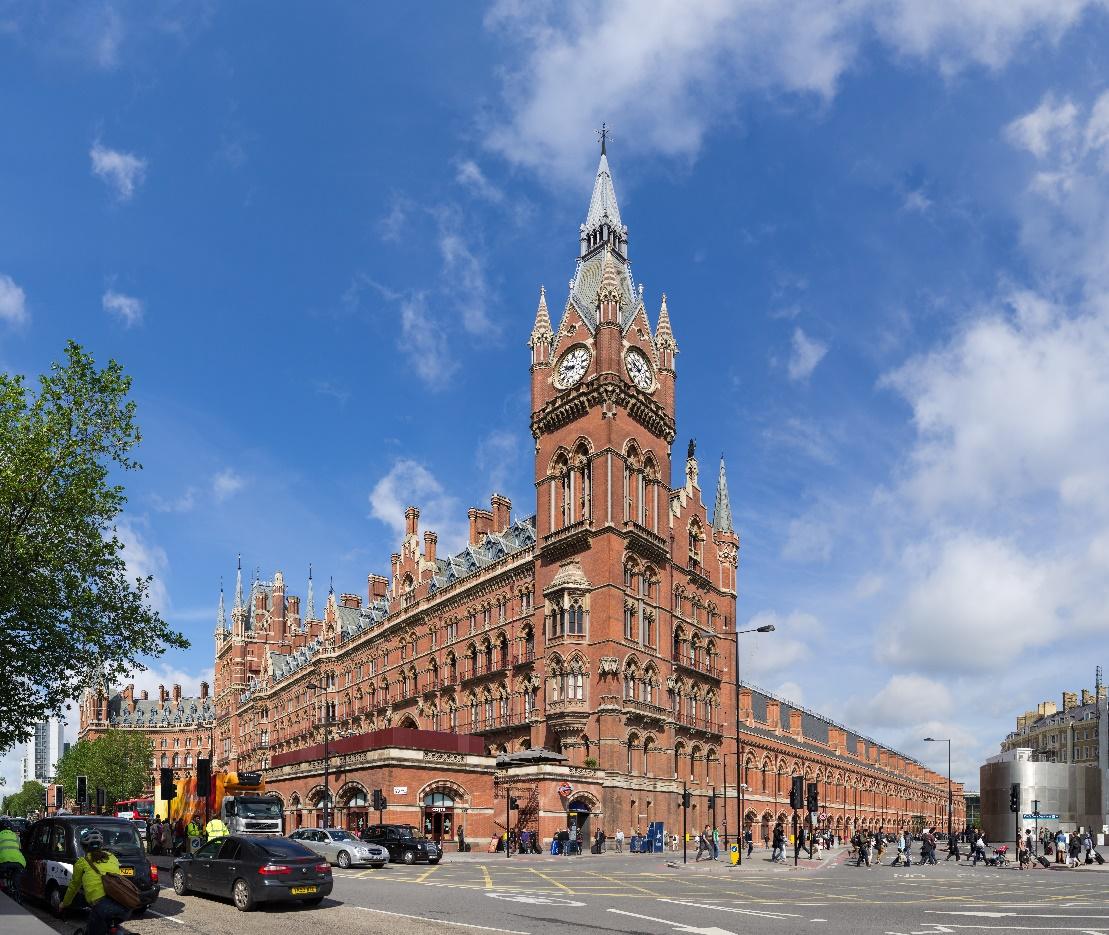
    Victorian architecture emerged in England and has largely defined the architecture of its cities and towns. Victorian-era architecture and its influence have also spread internationally to places like North America, Australia, and New Zealand, where numerous countries and regions modified it to fit local tastes, lifestyles, and building materials available locally. Victorian Architecture also has an influence across a few regions of India when the British ruled the country, it was a way to prove dominance and spread their culture.
    Victorian Architecture
    Source

    History 

    Victorian architecture states to styles that emerged in the period between 1830 and 1910, throughout the reign of Queen Victoria. Victorian architecture isn’t just limited to one specific style, it is a broad term that embodies many styles that emerged during Victoria’s 63 years of reign as queen. Victorian architecture doesn’t categorize as a standard style, architects and builders of that time created buildings that suited the client’s wishes or just used their creativity. 

    Victorian architecture
    Source 

    Victorian houses were built to accommodate large families from all walks of society and varying income levels. Hence, everything from close rows of terraced houses constructed for the worker class on crammed narrow streets didn’t include gardens or sanitation along with semi-detached and detached houses. However, the Industrial Revolution encouraged societal alterations that were inspired by Victorian buildings’ designs. The Victorian era hatched various well-known styles, consisting of Gothic revival, Italianate, Second Empire, Queen Anne, stick style, Romanesque style, and shingle style.

    Characteristics of Victorian Architecture 

    Bright exteriors 

    victorian buildings
    Bright Exteriors- victorian buildings

    Victorian architecture, especially the residential typology, was commonly painted in a variety of pastels, jewel tones, and earthy colors. Few structures inspired by Victorian architecture feature a monochromatic color scheme, whilst others highlight numerous contrasting colors. The traditional Victorian color palette was dark and consisted of dark, rich, and deep shades of maroon, red, burgundy, chestnut, dark green, brown, and blues. The various bright colors used in the exteriors in Victorian architecture were to customize and personalize their structures.

    Mansard roofs

    victorian buildings
    Mansard roofs- Architecture in victorian era

    Mansard roof is a type of roof having two slopes on every side, the lower slope is considerably steeper than the upper. It was a most functional element of the building was to increase the usefulness of the attic story with better light and headroom space; it was very useful in the Victorian era when people had larger families and the income was scarce for the middle class, trying to maintain their stature. Mansard roofs, other than creating extra space, had another advantage is that they were steep and hence were very useful in seasons of rainfall and snow, helping remains slide off easily.

    Stained glass windows
    victorian buildings
    Stained window glasses- Architecture in victorian era

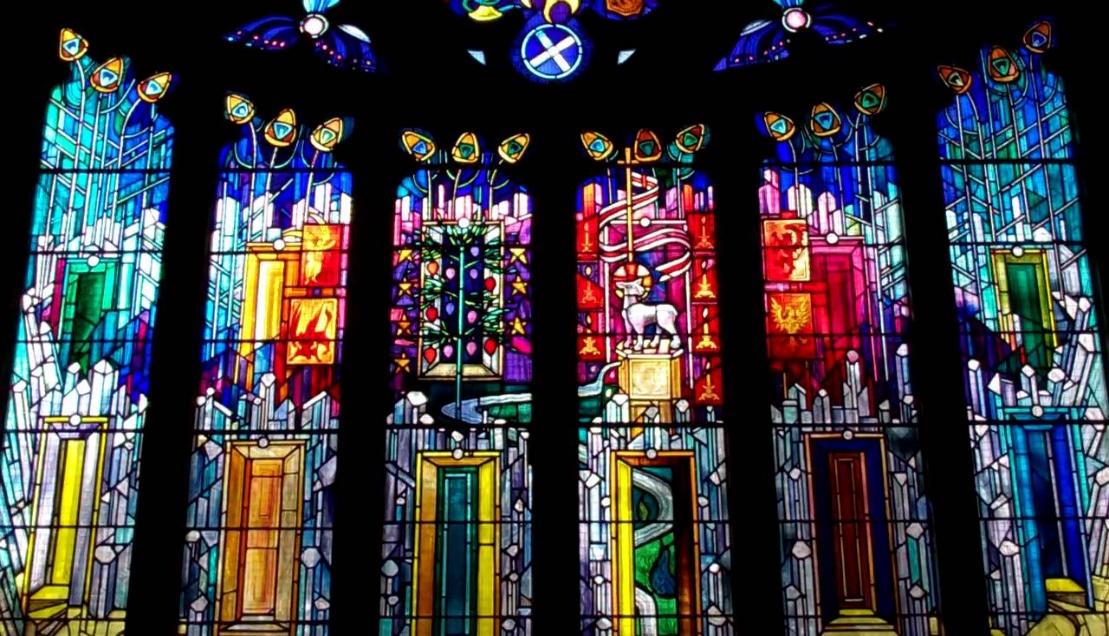
    One of the most distinctive characteristics of Victorian architecture was the stained glass of all sorts, as it was a way to individualize and personalize a residence. A wide range of designs and features made this a stunning element of Victorian exterior style and Victorian interior style as part of doors, windows, and sometimes even the part of the furniture.

    Bay Windows in Victorian Architecture

    architecture in victorian era
    Architecture in victorian era

    Bay Windows are a very distinctive feature of the Victorian architecture period and are great for creating a little extra interior space and allowing more natural light to enter the building. Victorian Bay windows typically are three-sided, with either full-length windows or provided with an extra seating space. The ground floor bay window often had a slate roof, or it might continue into a first-floor bay, again topped with an individual roof.

    Decorative and Ornate gables

    victorian style architecture
    Victorian style architecture

    The sloped design of a gable roof allows for exceptional water drainage, as the angle of the pitch allowed the rain and snow to slide off the roof easily. Gable Decorations are a great way to accent roof pitches and were exceptionally popular in Craftsman-style homes and Victorian-style architecture.

    Wraparound porches
    architecture in victorian era
    Victorian buildings

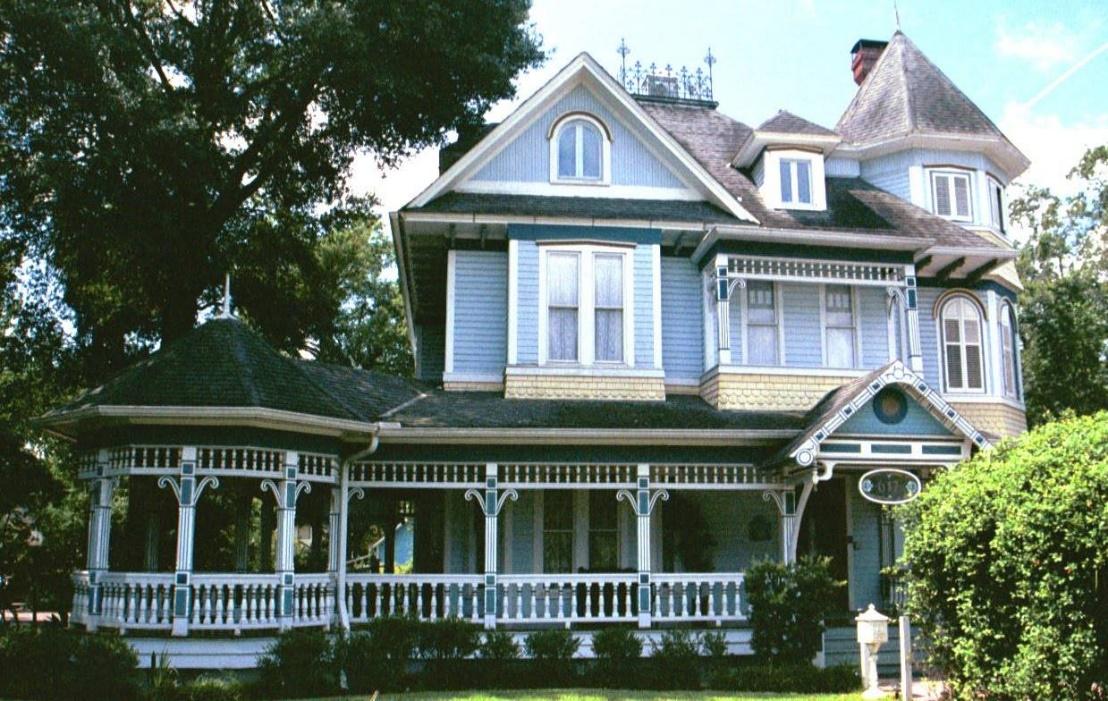
    Victorian houses generally had wraparound porches that encircled the entire house and could have more than one entrance to the porch. This extra accessibility made the travel throughout the house much easier. In the Victorian Era, wraparound porches were usually used to entertain guests and enjoy the views of the gardens. 

    Small gardens

    victorian style architecture
    Architecture in victorian era

    The victorian landscape had a more formal garden style with garden beds and parterres filled with colorful and exotic species of plants. During the Victorian Era hedging, and landscaping was away to give privacy and demarcate the house’s boundaries from its neighbors, exotic landscaping was also laid to display wealth and sophistication.

    Examples of Victorian Architecture in India 

    Chhatrapati Shivaji Terminus in Mumbai, India

    victorian era architecture styles
    Architecture in victorian era

    Chhatrapati Shivaji Terminus in Mumbai is a renowned landmark that has become a mark of the city, was built as the headquarters of the Great Indian Peninsular Railway. The terminus was designed by a British-born architect and engineer, Frederick William Stevens, taken from the initial design by Axel Haig. Chhatrapati Shivaji Terminus construction commenced in 1878, in the south of the old Bori Bunder railway station, and was finished in 1887. Chhatrapati Shivaji Terminus was constructed to mark the 50 years of Queen Victoria’s power. The scale and design of the terminus building were aimed to commemorate, communicate, and stand as a legacy to demonstrate the power of the ruling.

    Municipal Corporation Building, Mumbai
    victorian era architecture styles
    Source

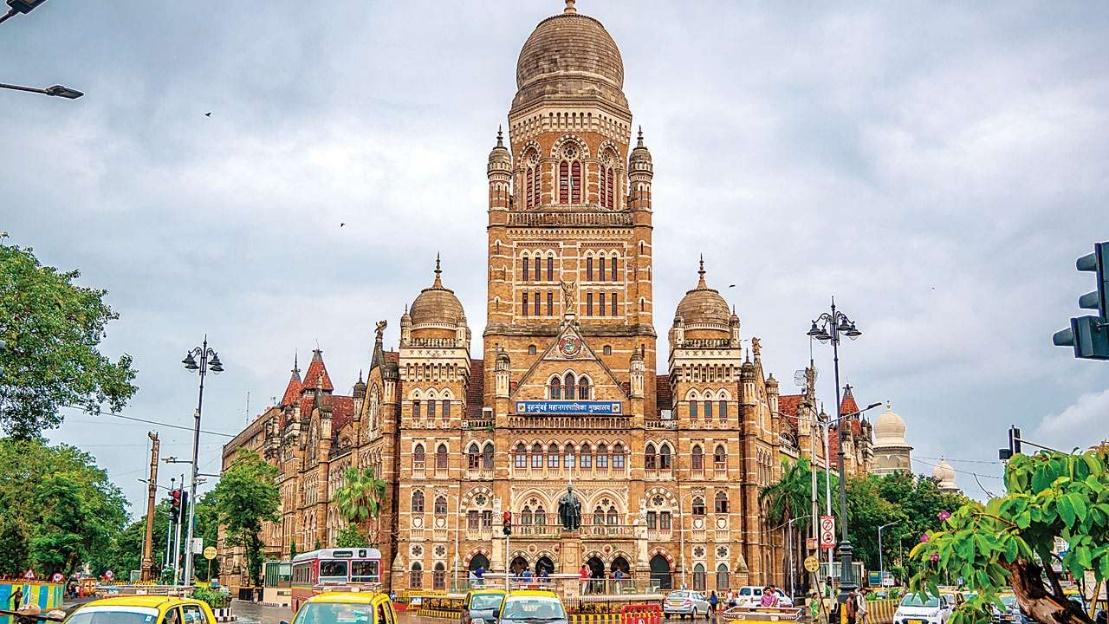
    The Bombay Municipal Corporation Building is situated opposite of Chhatrapati Shivaji Terminus and residences, one of the largest civic organizations in the country. Municipal Corporation Building was designed by F.W. Stevens with the influence of the Victorian Gothic style. The foundation stone for the Bombay Municipal Corporation Building was laid on 9th December 1884, and the construction of the building was finished in 1893. 

    The Rajabai Clock Tower

    victorian buildings
    Source

    The Rajabai Tower is located in South Mumbai, India, within the Fort campus of the University of Mumbai. The Rajbai Tower was designed by British architect Sir George Gilbert Scott. The construction work started in 1869 and was completed by 1878. The Rajabai Tower has arches that are one of the key elements drawn from Islamic architecture along with the strong influence of Victorian-Gothic architecture style and were embedded in the list of World Heritage Sites in 2018.

    Bombay High Court

    victorian buildings
    Victorian buildings

    The Bombay High Court was one of the three High Courts in India founded in the Presidency Towns by exclusive rights conferred by Queen Victoria, bearing the date June 26, 1862. Bombay High Court operated as a court of special and appellate jurisdiction during the British Rule for over 80 years, seizing the uppermost chime of the judicial hierarchy amongst the all-important Bombay Presidency. Bombay High Court although had the right to provide justice, but for reason had Victorian influence in construction, to show British dominance.

    Crawford Market

    victorian style architecture
    victorian style architecture

    Crawford Market is the old name for Jotiba Phule Market is in the soul of South Mumbai. Jotiba Phule Market is the main market in Mumbai, where everything is available. The marketplace was designed by British architect William Emerson and signified an initial push to merge Victorian Gothic architecture with local and indigenous components of the region. 

    Examples of Victorian Architecture all over the World 

    Palace Of Westminster, United Kingdom

    victorian era architecture styles
    victorian era architecture styles

    Palace Of Westminster is one of the greatest highly distinguished Victorian-era. The Palace of Westminster was designed by Augustus Pugin and Charles Barry, construction lasted from 1840 up until 1870. It is the adobe of the United Kingdom’s House of Parliament and is established in Westminster in London. Sir Charles Barry’s joint design and collaborative ideas for the Palace of Westminster utilize the Perpendicular Victorian Gothic style, which was generally common during the 15th century and rebirthed during the Gothic resurgence of the 19th century.

    The Painted Ladies, San Francisco, California

    architecture in victorian era
    Source

    San Francisco’s Resplendent Victorians, Elizabeth Pomada, and Michael Larsen are the nicknames of the famous the Painted Ladies of San Francisco. In 1963, San Francisco artist Butch Kardum worked with intense blues and greens on his Italianate – Victorian-style designed homes, and later the influences took over when the also neighbors started to renovate the houses into beautiful colorful houses now known as the Painted Ladies. The Painted Ladies represents California’s, Gold Rush. California’s Gold Rush led to a lot of money coming into the city, hence the San Francisco builders wanted to flaunt their newfound wealth with these magnificent residences. Hence, most of the dwellings were ornamented with many striking windows, decorated rooflines, and turrets.

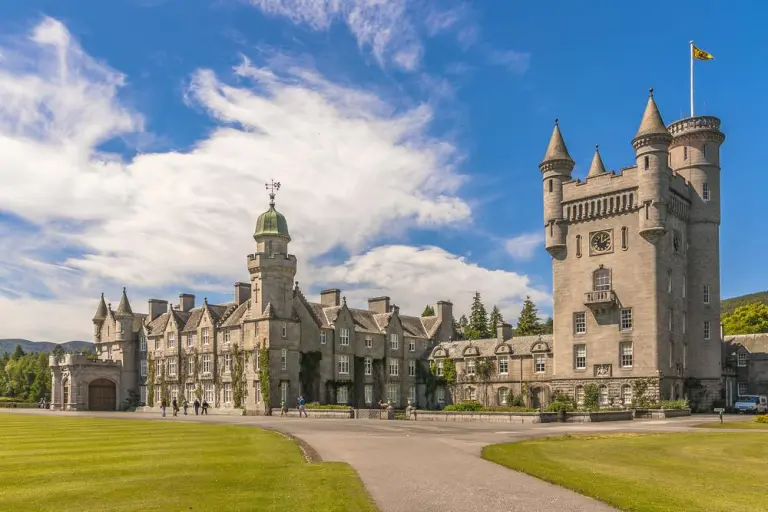
    Balmoral Castle in Aberdeenshire, Scotland
    victorian architecture interior
    Source

    Balmoral Castle was inspired by the Scottish baronial and Victorian Gothic revival styles. The architects of Balmoral Castle were William Smith and John Smith. The construction material used to build Balmoral Castle was granite, which was a specialty of the architect William Smith. Balmoral Castle has been the Scottish dwelling of the Royal Family ever since it was bought for Queen Victoria by Prince Albert in 1852. The architectural style was mainly Scottish with a blend of Victorian style, and this implementation brought the highland culture in monarchy into the spotlight and combined many of the British lengths throughout the kingdom.

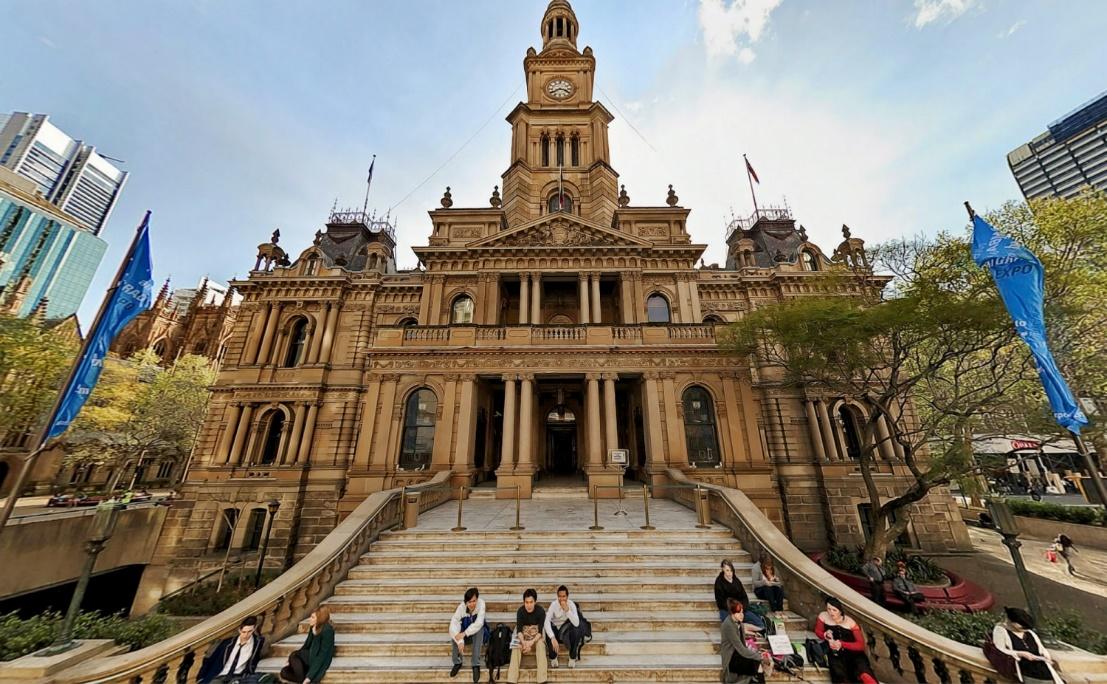
    Sydney Town Hall, Australia
    Victorian Architecture: One of the Fascinating Architectures of the 18th Century Victorian architecture emerged in England and has largely defined the architecture of its cities and towns. Victorian-era architecture and its influence have also spread internationally to places like North America, Australia, and New Zealand, where numerous countries and regions modified it to fit local tastes, lifestyles, and building materials available locally. Victorian Architecture also has an influence across a few regions of India when the British ruled the country, it was a way to prove dominance and spread their culture.
    Source

    The Sydney Town Hall is a late 19th-century recorded in the heritage structures list. The Sydney Town Hall building is located in the city of Sydney, the capital city of New South Wales, Australia. The Town Hall was designed by architect JH Wilson in High Victorian style and built of Pyrmont sandstone. A unique element of Sydney Town Hall was the primary use of Australian ideas for ornate detail all over the structure like its colonial coatings of arms, an abundance of native flora, the metalwork railings, light fixtures, stained glass windows, mosaic floors, and carved cedar infused in the building.

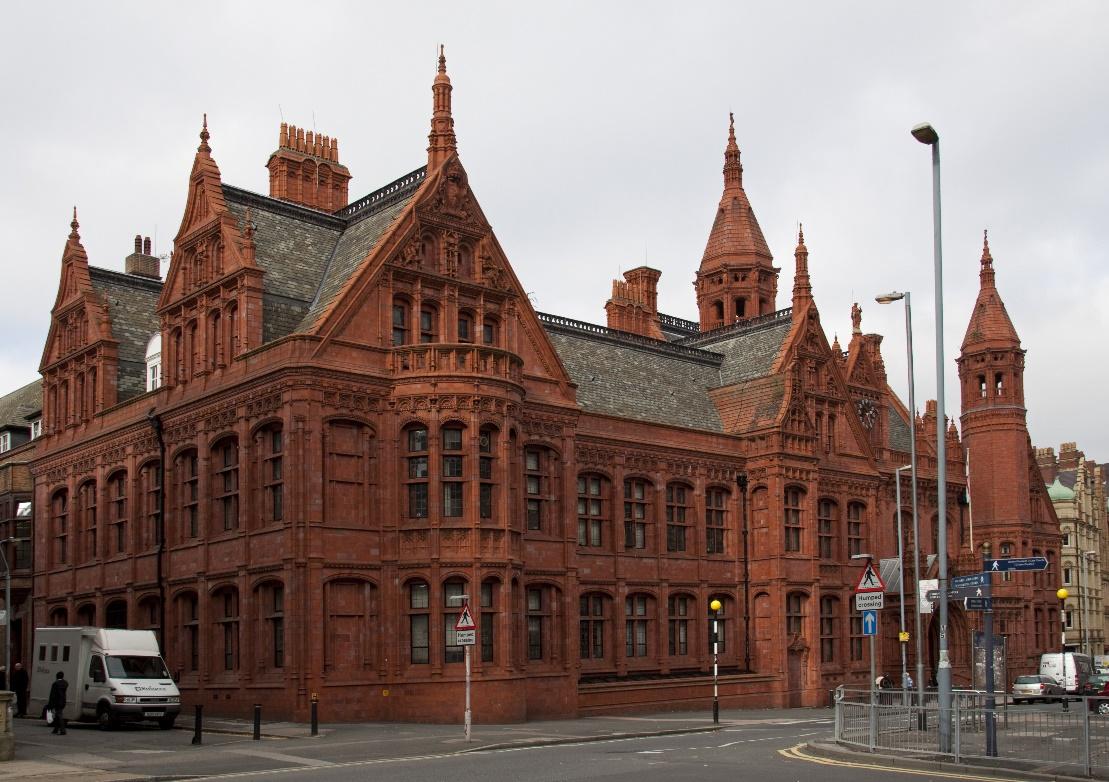
    Victoria Law Courts 
    Victorian Architecture: One of the Fascinating Architectures of the 18th Century Victorian architecture emerged in England and has largely defined the architecture of its cities and towns. Victorian-era architecture and its influence have also spread internationally to places like North America, Australia, and New Zealand, where numerous countries and regions modified it to fit local tastes, lifestyles, and building materials available locally. Victorian Architecture also has an influence across a few regions of India when the British ruled the country, it was a way to prove dominance and spread their culture.
    Source

    The Victoria Law Courts on Corporation Street, Birmingham, England. The Victoria Law Court was designed by architects Aston Webb & Ingress Bell and constructed between 1887 – 1891 with additional work carried out in 1894 & 1914, the foundation stone was set by Queen Victoria on March 23, 1887. The Victoria Law Court is a red brick and terracotta building with a strong effect of Victorian architecture style.

    Conclusion 

    Numerous diverse styles arose during the Victorian period few of them were particularly prominent styles that came to the limelight namely Queen Anne, Classical, Gothic Revival, Arts and Crafts, Italianate, and Romanesque Revival. However, Victorian buildings share several key characteristics. Generally, Victorian architecture could be defined as dollhouse shaped, along with curlicue adornments, bright colors, and asymmetrical design patterns. Victorian buildings mostly were brick, with large interior staircases and windows, balconies, porches, and fireplaces in every room.

    Victorian style doesn’t just celebrate one unique point though, everything in it has implications, they are not a result of mass production. Victorian homes celebrate opulence, which means every structure has a story behind it that initiates conversations and buzz. The Victorian period was big on discovering new things and styles, including art, literature, socializing, equal rights, design trends, and fresh horizons of status. But now Victorian architecture has just become a style of architecture signifying a particular period that still can be utilized in our interests.

  • Colonial architecture in Kolkata: Perfect Blend of European and Indian styles

    Colonial architecture in Kolkata: Perfect Blend of European and Indian styles

    Kolkata, formerly known as Calcutta, is the capital of the Indian state of West Bengal. Kolkata, located on the east bank of the River Hooghly, is the principal commercial, cultural, and educational center of East India, while the Port of Kolkata is India’s oldest operating port and its prime riverine port. The city has a long history, dating back to the time when it was the capital of the Bengal Province of the British Raj. Kolkata was also the capital of the Kingdom of Bengal. The city has a rich heritage of colonial architecture, which can be seen in its many monuments and buildings.

    Architectural History in Kolkata

    Kolkata has been a major settlement for two millennia, first under the rule of the Maurya and Gupta empires, and later under the Sultanate of Bengal, the Mughal Empire, and the British Empire. The city’s documented history begins in the late 18th century, when the Nawab of Bengal, Siraj-ud-Daulah, occupied the village of Sutanuti. In 1793, the East India Company took control of the region from the Nawab and established Fort William as a garrison town. The Company decided to build a new fort in the village of Gobindapur, which was strategically located on the east bank of the Hooghly River.

    Construction of the fort began in 1756 and was completed in 1773. The fort was named after King George III of Great Britain. In 1803, the British decided to move the capital of their Indian territories from Calcutta to Delhi. However, they found Delhi unsuitable for their needs and decided to move the capital back to Calcutta in 1814. The city continued to grow under British rule and became a major center of the Indian independence movement. The city was a principal center of the Bengal Renaissance in the 19th century. 

    Colonial Architecture

    It remains a hotbed of contemporary architecture, with new buildings being constructed alongside pre-existing ones. The colonial architecture of Kolkata is a mix of styles from different periods of the city’s history. It is a blend of European and Indian styles. The city is home to numerous colonial-era buildings, many of which are in the Indo-Saracenic style. The earliest buildings in the city were constructed by the British during their rule, and are in the neoclassical style. These include the Old Fort William, the Writers’ Building, and the General Post Office.

    The Old Fort William

    The Old Fort William in Kolkata was built by the British East India Company in 1696. It was the main fortified settlement of the company in Bengal and served as an important military base during the 18th century. The fort was named after King William III of England and was one of the largest British fortifications in India. The fort was surrounded by a high brick wall and had a total of three gates. The main gate was located on the north side and was defended by two large bastions. The other two gates were located on the east and west sides of the fort.

    The fort was hexagonal and had an area of about 10 acres. The fort was armed with about 50 guns and had a garrison of about 400 soldiers. The fort was also used as a prison and was the site of the Black Hole of Calcutta incident. The fort was abandoned after the British lost the Battle of Plassey in 1757 and was later used as a barracks by the Nawab of Bengal. The fort was captured by the British again in 1765 and was used as a military base until 1857. The fort was then used as a jail during the British Raj. The fort is now a tourist attraction and is open to the public.

    colonial
    FORT WILLIAM, A VIEW FROM THE INSIDE

    The Writers’ Building

    It is the secretariat of the Government of West Bengal. It was built in 1780 and is an example of colonial architecture. The Legislative Assembly is the lower house of the West Bengal Legislature. It was built in 1824 and is one of the oldest legislative buildings in India.

    VIEW OF WRITER’S BUILDING
    VIEW OF WRITER’S BUILDING_©commons.wikimedia.org

    The General Post Office

    It is the main post office of Kolkata. It was built in 1864 and is an excellent example of Victorian architecture. Fort William is a fort in Kolkata that the British East India Company built. It was named after King William III of England and is one of the largest forts in India.

    THE GPO (GENERAL POST OFFICE)
    THE GPO (GENERAL POST OFFICE), AN OUTSIDE VIEW_©heritagestructurewb.blogspot.com

    The colonial architecture of Kolkata The most notable examples of this style are the Victoria Memorial and the Howrah Bridge. The colonial architecture of Kolkata is a reflection of the city’s rich history and its status as a former capital of British India. These structures are a testament to the city’s past and a reminder of its colonial heritage.

    Victoria Memorial

    The Victoria Memorial is a large white makrana marble building in Kolkata, which was built between 1906 and 1921. It is dedicated to the memory of Queen Victoria and is now a museum and a popular tourist destination. The Victoria Memorial has a length of 184 feet and a breadth of 205 feet. It is surrounded by four acres of beautifully landscaped gardens. The architect of this grand building was William Emerson, who died before its completion. Construction began in 1906 and was completed in 1921.

    The building is in the Indo-Saracenic style, blending together British, Mughal, and Venetian architecture. The Victoria Memorial houses a museum with a collection of paintings, manuscripts, weapons, armor, and other artifacts of the British Raj. It also has a library with over two lakh books. 

    THE VICTORIA MEMORIAL
    THE VICTORIA MEMORIAL_©tourmyindia.com

    The Howrah Bridge

    It is a bridge over the Hooghly River. The Howrah Bridge is a cantilever bridge with a suspended span over the Hooghly River in West Bengal, India. The bridge is one of four on the Hooghly River and is the oldest of the four. It was originally named the New Howrah Bridge because it replaced a pontoon bridge at the same location that had been in use since 1874. The bridge was inaugurated on February 3, 1943, by then-Governor of Bengal Frederick John Melton. The bridge is currently used by approximately 100,000 vehicles and more than 150,000 pedestrians daily.

    HOWRAH BRIDGE
    HOWRAH BRIDGE (POST CONSTRUCTION)_©paperjewels.org

    Kolkata is one of India’s most historic and cosmopolitan cities. It has been at the center of the activity of various civilizations at different points in time. Large populations of Chinese, Armenian, Jewish, and other immigrant communities have made Kolkata home, and the city’s stunning architecture pays testament to its social, political, and cultural richness and diversity. 

    These colonial-era buildings are also striking reminders of Kolkata which served as the capital of British India.

    St. Paul’s Cathedral

    Built in 1847, this is said to be the largest cathedral in India’s City of Joy. It was built to tend to Calcutta’s growing European community in the early 19th century with its gothic architecture and stained-glass windows, the pristine-white texture.

    Colonial architecture in Kolkata: Perfect Blend of European and Indian styles Kolkata, formerly known as Calcutta, is the capital of the Indian state of West Bengal. Kolkata, located on the east bank of the River Hooghly, is the principal commercial, cultural, and educational center of East India, while the Port of Kolkata is India's oldest operating port and its prime riverine port. The city has a long history, dating back to the time when it was the capital of the Bengal Province of the British Raj. Kolkata was also the capital of the Kingdom of Bengal. The city has a rich heritage of colonial architecture, which can be seen in its many monuments and buildings.
    ST. PAUL’S CATHEDRAL, THE FIRST VICTORIAN CATHEDRAL_©victorianweb.org

    The Raj Bhavan

    Formerly known as the Government House, is the official residence of the Governor of West Bengal. It was built between 1799 and 1803 during the British Raj as the residence of the Governor-General of India. The building is neoclassical in style and is surrounded by sprawling gardens. 

    RAJ BHAVAN, KOLKATA
    THE RAJ BHAVAN, KOLKATA (An aerial view depicting the central core topped by the metallic dome, the triangular facade supported by the six Doric pillars, and the four annexes)_©pixels-memories.blogspot.com

    Marble Palace

    The marble palace is a 19th-century palatial mansion in North Kolkata. It is located on Muktaram Babu Street in Jorasanko. The palace was built in 1835 by Raja Rajendra Mullick, a wealthy Bengali merchant, and zamindar, and is currently owned by his descendants. The palace is a synthesis of Bengali, European, Chinese, and Mughal architectural styles, and is notable for its extensive use of marble. The front facade of the palace is three stories tall and is flanked by two octagonal towers. The main entrance is through a double-height portico with Corinthian columns. The portico leads to a central hall that is adorned with marble flooring, walls, and ceilings.

    The hall has a staircase with a wrought-iron balustrade that leads to the upper floors. On the first floor, there is a landing that leads to a suite of rooms. The suite includes a drawing room, a dining room, a bedroom, and a bathroom. The drawing room and dining room have marble floors, walls, and ceilings, and are decorated with intricately carved marble fireplaces, doorways, and windows. The bedroom has a marble floor and walls, and carved marble.

    Colonial architecture in Kolkata: Perfect Blend of European and Indian styles Kolkata, formerly known as Calcutta, is the capital of the Indian state of West Bengal. Kolkata, located on the east bank of the River Hooghly, is the principal commercial, cultural, and educational center of East India, while the Port of Kolkata is India's oldest operating port and its prime riverine port. The city has a long history, dating back to the time when it was the capital of the Bengal Province of the British Raj. Kolkata was also the capital of the Kingdom of Bengal. The city has a rich heritage of colonial architecture, which can be seen in its many monuments and buildings.
    THE MARBLE PALACE, KOLKATA IN 1945_©commons.wikimedia.org

    Calcutta High Court

    The Calcutta High Court is the oldest High Court in India, with jurisdiction over West Bengal and Odisha states. It was established on 1 July 1862 under the High Courts Act, of 1861. The High Court building is located on the north bank of the Hooghly River in the city of Kolkata. The building is an example of Indo-Saracenic architecture, with a blend of European and Mughal influences. The court complex also houses the offices of the Advocate General and the Registry of the High Court.

    CALCUTTA HIGH COURT
    THE CALCUTTA HIGH COURT_©calcuttahighcourt.gov.in

    The colonial architecture of Kolkata is a reflection of the city’s rich history and cultural heritage. The city is home to some of the most beautiful and iconic buildings in India, which reflect the British Raj period. Kolkata is also known as the “City of Palaces”, due to the large number of palaces and mansions that were built during the colonial era. The colonial architecture of Kolkata is a testimony to the city’s rich past and is one of the main reasons why the city is so popular with tourists.

  • Discovering the Fascinating Wonders of Buddhist Architecture

    Discovering the Fascinating Wonders of Buddhist Architecture

    India: The Cradle of Buddhist Architecture

    In its homeland, India, Buddhism, and Jainism played a pivotal role in shaping early architectural styles. The emergence of stupas, viharas, and chaityas was a significant milestone in Buddhist architecture evolution. These structures served as places of worship, meditation, and communal congregation.

    Architectural Evolution: From Stupas to Temples

    The history of Indian architecture is a remarkable journey that reflects the country’s spiritual, cultural, and artistic evolution. From the emergence of early architectural styles influenced by Buddhism and Jainism to the grandeur of Mauryan and Gupta architecture, this narrative unfolds like a captivating tapestry.

    Early Influences: Birth of Architectural Styles

    The journey begins with the emergence of Buddhism and Jainism, two influential religions that played pivotal roles in shaping early Indian architectural styles. It was during this era that we witnessed the birth of Stupas, Viharas, and Chaityas, each with its distinctive purpose and design. These architectural marvels would lay the groundwork for the grand temples that would grace the Indian landscape in the future.

    Buddhist Architecture
    Buddha statue in Borobudur, Indonesia_©en.wikipedia.org

    Gupta Period: The Revival of Hinduism

    The Gupta period marks a significant turning point in the architectural heritage of India. It was a time when Hinduism experienced a renaissance, and the construction of free-standing Hindu temples commenced. An exemplary testimony to this revival is the Deogarh temple in the Jhansi district, featuring a central shrine, or garbhagriha, where the deity’s image was enshrined. Another fine specimen from this period can be found in Bhitargaon, Kanpur district, showcasing the artistry of the Gupta era.

    Discovering the Fascinating Wonders of Buddhist Architecture In its homeland, India, Buddhism, and Jainism played a pivotal role in shaping early architectural styles. The emergence of stupas, viharas, and chaityas was a significant milestone in Buddhist architecture evolution. These structures served as places of worship, meditation, and communal congregation.
    Elephanta Caves, triple-bust (trimurti) of Shiva_©en.wikipedia.org

    Sculptural Elegance

    The fusion of Greek and Indian art gave birth to the Gandhara school, known for its life-like statues of Buddha and Bodhisattvas, bearing a resemblance to Greek gods. The Mathura school crafted spiritual-looking figures from spotted red stone. This school not only celebrated Buddha but also Jaina deities. The Amaravati school thrived under the Satavahanas’ patronage.

    Mauryan Marvels: A Material and Spiritual Renaissance

    One of the most significant phases in Indian architecture unfolds during the Mauryan Period. The Mauryans’ material prosperity and newfound religious consciousness led to remarkable achievements across various domains. The ancient city of Pataliputra was a testament to the grandeur and meticulous urban planning of the Mauryan dynasty. Notably, the period under the rule of Ashoka brought about a great advancement in architecture. Under his patronage, the construction of stupas and the erection of monolithic stone pillars inscribed with the teachings of ‘Dhamma’ reached their zenith. The highly polished pillars adorned with unique animal figures, like the iconic lion capital of the Sarnath pillar, became iconic symbols.

    Kanheri Caves, Chaitya Hall_©Pinterest
    04_Kanheri Caves, Chaitya Hall_©Pinterest

    Sculptural Grandeur: Blending Greek and Indian Art

    The confluence of Greek and Indian art paved the way for the development of Gandhara art. This unique art school was complemented by indigenous schools like the Mathura school and Amaravati school. These artistic endeavors produced an array of Buddha statues, particularly after the 1st century AD, under the influence of the Kushanas. The Gandhara school crafted life-like Buddha and Bodhisattva statues, often resembling Greek deities while preserving Indian themes and ideas.

    Cave Architecture: A Unique Historical Phase

    The evolution of cave architecture stands out as a unique feature in India’s architectural history. Over a thousand caves were meticulously carved out between the 2nd century BC and the 10th century AD. The Lomesh Rishi Cave and Sudama Cave, dating back to the 3rd century BC and located 19 miles north of Gaya, represent the oldest of these cave structures. These caves imitate wooden construction, featuring barrel-vaulted interiors measuring about 12 feet high and 32 feet long.

    Karla Caves – Chaitya Interior Details_©LBB
    Karla Caves – Chaitya Interior Details_©LBB

    Stupas, Viharas, and Chaityas: Shaping the Spiritual Landscape

    Buddhist stupas were constructed at sites significant to Buddha’s life and where his remains were preserved. These stupas were built with vast mounds of mud, enclosed by meticulously baked small standard bricks. Notable among these are the stupas at Lumbini (Buddha’s birthplace), Gaya (where he attained enlightenment), Sarnath (where he delivered his first sermon), and Kushinagar (where he attained Mahaparinirvana). These sites grew into focal points for Buddha’s order of monks and nuns, known as the Sangha. Monasteries (viharas), congregational halls (chaityas) for teaching and interaction between the common people and monks, and centers of preaching, teaching, and learning flourished around these stupas.

    Sanchi and Sarnath: Treasures of Mauryan Architecture

    Sanchi and Sarnath remain timeless symbols of Mauryan architectural accomplishments. The gateways of the Sanchi Stupa, adorned with exquisite sculptures depicting scenes from Jataka stories, serve as prime examples of artisanal skill and aesthetic sensibility.

    The Mauryan ruler Ashoka furthered the cause of Buddhism by constructing approximately 84,000 stupas during his reign. Monolithic stone pillars, adorned with polished animal figures, served as edicts of ‘Dhamma.’ The renowned Sarnath pillar, crowned with a lion capital, became the emblem of the Indian Republic.

    Discovering the Fascinating Wonders of Buddhist Architecture In its homeland, India, Buddhism, and Jainism played a pivotal role in shaping early architectural styles. The emergence of stupas, viharas, and chaityas was a significant milestone in Buddhist architecture evolution. These structures served as places of worship, meditation, and communal congregation.
    The Great Stupa in Sanchi_©en.wikipedia.org

    Buddhist Architecture: From Stupas to Temples

    The third century BCE witnessed the development of Buddhist architecture in the Indian subcontinent. Early Buddhist architecture primarily featured three types of structures: stupas, chaityas, and viharas, each serving specific functions and purposes.

    • Stupas (Places to Venerate Relics): These bell-shaped structures housed sacred relics such as scriptures, holy relics, and symbols of Buddha.
    • Chaitya Grihas (Prayer Halls): These served as prayer halls for congregational worship, where monks conducted their religious activities.
    • Viharas (Monasteries): Monks found residence in these meditation cells and living quarters, creating a self-contained monastic environment.

    Stupa Architecture

    Chaityas, or prayer halls, were central to the daily lives of Buddhist monks, providing spaces for congregational worship. These halls featured stupas at one end, and visitors could enter from one end while encountering a small stupa at the other.

    Chaityas

    Viharas, or monasteries, offered dwelling spaces for Buddhist monks. They were typically cut out of rocks or constructed using bricks, featuring chaitya halls and stupas as their central focus of worship. Viharas catered to the spiritual and living needs of the monastic community.

    Discovering the Fascinating Wonders of Buddhist Architecture In its homeland, India, Buddhism, and Jainism played a pivotal role in shaping early architectural styles. The emergence of stupas, viharas, and chaityas was a significant milestone in Buddhist architecture evolution. These structures served as places of worship, meditation, and communal congregation.
    Ajanta Caves, India, Ajanta stupa worship hall _©en.wikipedia.org

    Stupas Across India

    Buddhist architecture stupas held great significance, especially at places associated with Buddha’s life. The birthplace of Lumbini, the site of enlightenment in Gaya, the first sermon in Sarnath, and the Mahaparinirvana in Kushinagar each witnessed the construction of stupas. These sites became central for the sangha, giving rise to monasteries, preaching centers, and congregational halls, or chaityas.

    As Buddhism spread beyond India, it adopted regional nuances and incorporated diverse architectural elements.

    China: A Multitude of Monasteries

    China embraced Buddhism with open arms, leading to the construction of approximately 45,000 monasteries. These monasteries have become integral to Chinese architecture. Notable among these is the brick pagoda at the Songyue Monastery in Dengfeng County, a surviving example from the early days of Buddhist architecture in China.

    Discovering the Fascinating Wonders of Buddhist Architecture In its homeland, India, Buddhism, and Jainism played a pivotal role in shaping early architectural styles. The emergence of stupas, viharas, and chaityas was a significant milestone in Buddhist architecture evolution. These structures served as places of worship, meditation, and communal congregation.
    Miniature temple, created 1114 AD, Song dynasty_©en.wikipedia.org

    Indonesia: Majestic Temples in Java

    The Indonesian archipelago witnessed the arrival of Buddhism in the early first millennium. The Batujaya temples in West Java, dating back to the 5th century, showcase the early presence of Buddhism in the region. However, the pinnacle of Indonesian Buddhist architecture and art was the era of the Javanese Shailendra dynasty. The magnificent Borobudur, a 9th-century Mahayana Buddhist temple, is a testament to their architectural mastery and remains the largest Buddhist architecture temple globally.

    Discovering the Fascinating Wonders of Buddhist Architecture In its homeland, India, Buddhism, and Jainism played a pivotal role in shaping early architectural styles. The emergence of stupas, viharas, and chaityas was a significant milestone in Buddhist architecture evolution. These structures served as places of worship, meditation, and communal congregation.
    Borobudur, 9th-century Mahayana Buddhist, Indonesia_©en.wikipedia.org

    Buddhist Architecture in Thailand: The Beauty of Wats

    Thai Buddhist architecture temples, known as ‘wats,’ stand out with their distinctive features. Wat structures usually consist of a worship area dedicated to Buddha (Phutthawat) and a monastery for the Sangha (Sangkhawat). Their iconic golden chedis, bell-shaped stupas covered in gold leaf, house relics. Thai Buddhist architecture temples comprise various buildings, each with multiple roof tiers. These ornamented tiers are reserved for temples, palaces, and significant structures.

    Discovering the Fascinating Wonders of Buddhist Architecture In its homeland, India, Buddhism, and Jainism played a pivotal role in shaping early architectural styles. The emergence of stupas, viharas, and chaityas was a significant milestone in Buddhist architecture evolution. These structures served as places of worship, meditation, and communal congregation.
    Wat Phra Kaew, Bangkok, Thailand_©en.wikipedia.org

    Hawaii: A Fusion of Styles

    Hawaii’s Buddhist architecture temples exhibit a unique blend of architectural styles influenced by the specific needs and materials available on the islands. These styles range from converted houses to traditional Japanese, simplified Japanese, Indian Western, and houses of worship. Each reflects the era in which it emerged and the cultural influences on temple construction in Hawaii.

    11_Oahu Buddhist temples, Hawaii
    11_Oahu Buddhist temples, Hawaii_©alternativelifeguide.com

    Conclusion

    Buddhist architecture buildings come in many different styles because they are influenced by what’s available in the area, what the local culture is like, and what the people believe. From big fancy buildings in India to beautiful temples in Indonesia, and nice temples in Thailand to interesting ones in Hawaii, each place has added to the special collection of Buddhist architecture buildings.