
Tag: minimaldesign

  • Interior Design Styles: 21 Most Popular and Trending Styles

    Interior Design Styles: 21 Most Popular and Trending Styles

    Introduction

    Are you a new homeowner who’s looking to transform their humble abode? Well, you’re in luck!

    Interior Design is the hottest trend, if I dare say so myself, of the century. With the wild craze on the internet to display their homes is the epitome of grandeur, the field has contributed immensely towards the same.

    Why has it become the talk of the town lately?

    Interior Design is not a foreign concept. It began from as long as humans have had shelter. From the hand stamps in caves to importing marble from all over the world, Interior design has had a profound connection with human civilization.

    Interior designers’ employment is expected to grow at a rate of 5% from 2016 to 2026, which is about the same as the national average for all occupations. So if you are considering interior design as a career path for your future, do not hesitate as the field bears many opportunities.

    Not everyone in the world has the same style preference. The many branches and styles of interior design have something or the other for every clientele, from a goth individual to a suburban mom.

    Below enlisted are some of the most popular interior design styles that you may incorporate into your home to make it stand out from the rest.

    What’s hot/trending?

    Below are the 6 most rampantly used interior designing styles that are visible in the market currently.

    Modern interior design style

    Modern interior design became popular in the early to mid-twentieth century. We have our current definition of modern because of the combination of Scandinavian, mid-century modern, and post-modern design. Modern interior design features a monochromatic color palette along with clean lines which have minimal to no decoration. It also includes the usage of natural materials blended with plenty of natural sunlight. Uncluttered spaces along with simple and functional furniture that serves the purpose are a big aspect of modern interior design.

    Minimalist interior design
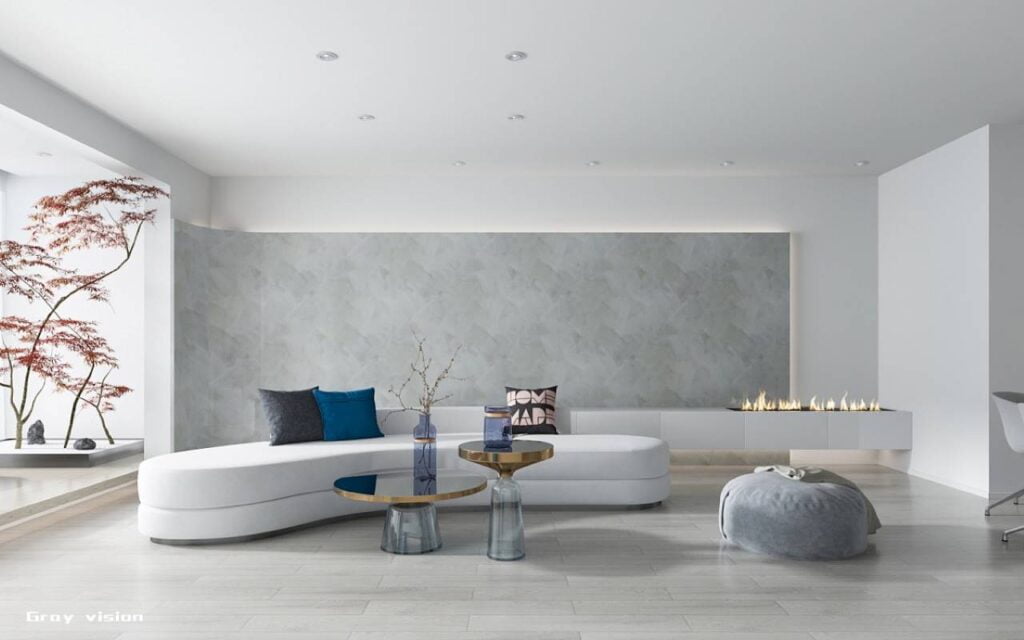
    Minimalist interior design is one of the fastest-growing interior design styles in recent times. Because of its wild popularity, minimalist interior design has also metamorphosed into contemporary and modern interior design, although each one of them has various distinctive features. Minimalist interior design features clean lines with simple finishes. Initially inspired by Japanese design and architecture, the principle behind the interior design style is simple and uncluttered spaces with furniture and art pieces at the center of focus.

    Bohemian Interior design

    Bohemian interior design is the upcoming style that is predicted to adorn millions of homes. The style places major importance on natural finishes and textures. The Bohemian interior design style also features an aggressively warm color palette with earthy and desert tones. It can be easily confused with rustic design style, but the major difference between the two would be the incorporation of natural country style living in Bohemian interior design. To add a touch of nature to your space Bohemian interior design is a wise option.

    Scandinavian Interior design

    Scandinavian interior design features a blend of minimalistic style with natural textures and finishes. The style features an aggressively sober color palette, which makes the space very warm and inviting. The style also emphasizes on structure and linearity of spaces. This style of interior design also incorporates industrial style light fixtures and furniture with a touch of warm wood attached to it. The emphasis is placed on the finishes and color of the furniture rather than that of architectural elements such as the wall and the flooring.

    Tropical Interior design
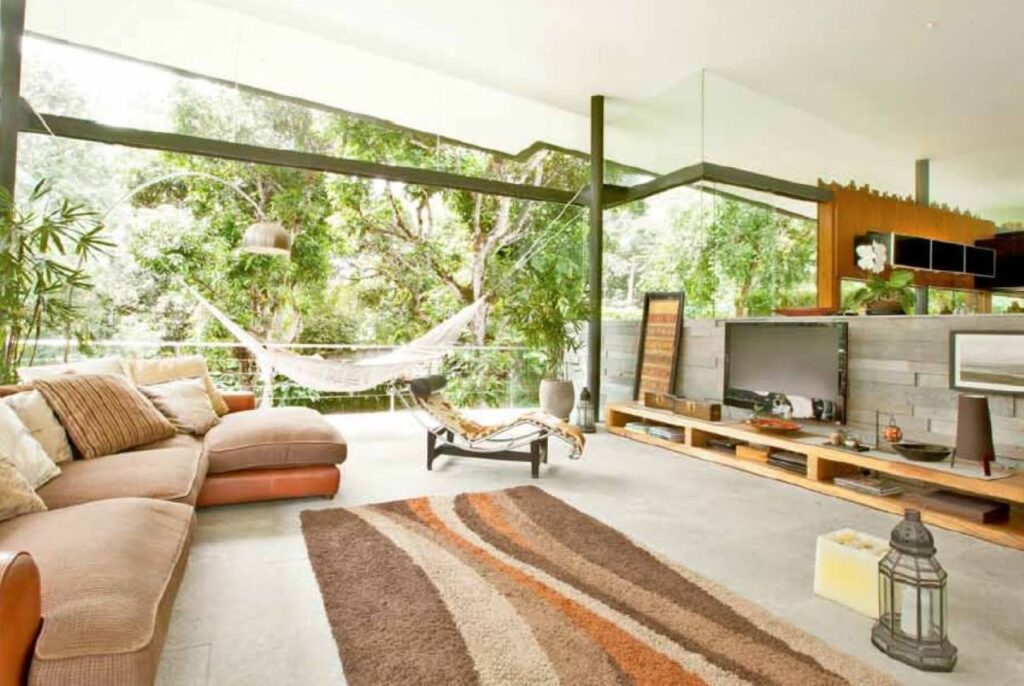
    The intention of tropical interior design is to transport you to your favorite island holiday right from your living space. When you think of an island, you think of big Palm leaves with cane furniture and an intimidating amount of plants. This is directly translated into the tropical interior design style with a warm color palette. This kind of interior design emphasizes naturally occurring elements be incorporated within the house. Including multiple living plants inside the space not only helps with the design style but also helps in a healthy living environment.

    Brutalist Interior design

    Brutalist interior design is predicted to be one of the most popular interior designs in the coming days. Although some may believe that brutalist interior design can be a little cold and unwelcoming, there are multiple ways in which to transform spaces to make them feel homely and welcoming. As the word suggests, brutalism features raw materials, especially concrete, in its natural form, unadorned and unpolished. The brutalist interior design also includes simple lines with geometrical shapes emerging from the post-mid-century era.

    Personality based space:

    Neo-Classical (Modern Indian) Interior design

    Originating from the classical homes of Greece and Rome, this style of interior design has been adopted by many to make their spaces elegant and luxurious. The style features rococo design but with the sophistication of Modern Contemporary interior design. With familiar features and shapes, this style of interior design is very popular in modern Indian homes.

    Contemporary Interior Design

    It can be debated that contemporary interior design and modern interior design go hand in hand. While modern interior design refers to a certain time period in the history of architecture, contemporary interior design is ever-evolving. It features clean surfaces with a minimal color palette featuring neutral tones. The style also incorporates a lot of wood with metal and glass. So if you are someone who is looking for a sleek and simple space, contemporary interior design is the way to go.

    Nautical (Coastal) Interior Design

    Quite a peculiar form of design is featured in nautical or coastal interior design. The design principle emphasizes the usage of lighter tones that are present around a coastal region, hence the name. The interior design uses shades of blue, green, white, and beige in multiple color combinations to make this space exciting and vibrant.

    Mid-century modern interior design
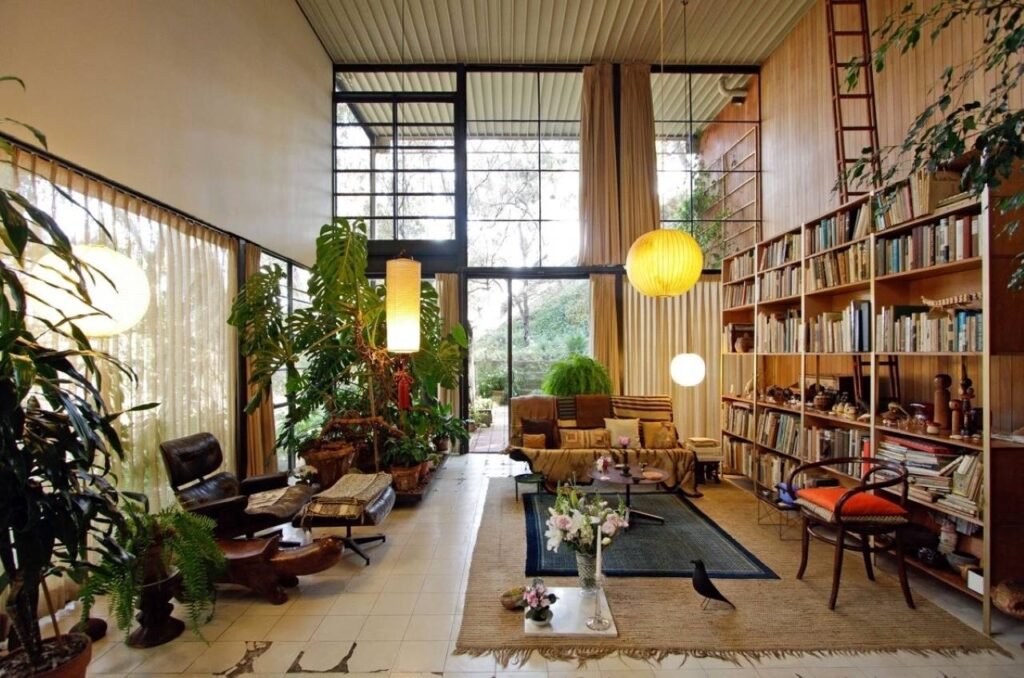
    The mid-century style of interior design is joked as an everlasting style in interior design. It is believed to be the rampant interior design style from 1950 to 1960 and is said to have originated in post-war America. The style also incorporates features of industrial interior design with a cozy, homely feeling. The style is dominated by extensive use of wood with warm undertones of nature with a vibrant splash of color with living plants.

    French Country Interior Design Style

    The French countryside homes have a blend of sophistication with its Victorian-era along with the infusion of modern furniture. This combination of old with new is widely termed as French country’s interior style of design. The style incorporates extensive use of wood from the neighboring forests. Large open spaces that open out into private gardens, rustic-looking furniture, and accessories with an overwhelmingly warm color palette are some of the distinctive features of French country interior design.

    Traditional (Classical) interior design
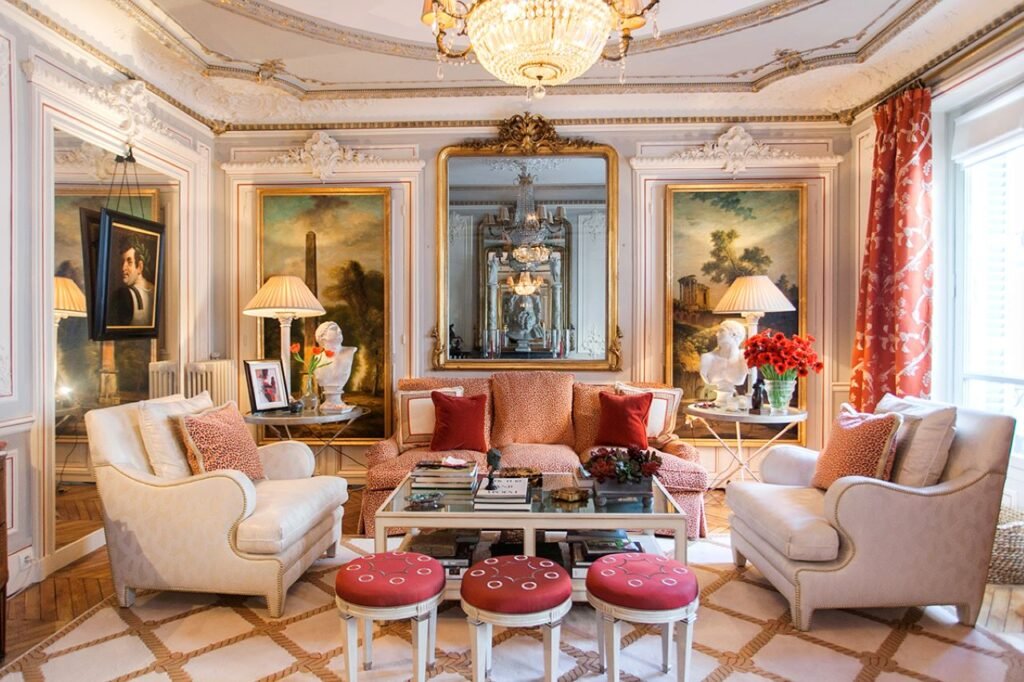
    Traditional interior design style varies from country to country depending on what elements make up as traditional. When traditional interior design is spoken of, it usually refers to the French Victorian Era with a blend of Roman architectural elements. This style incorporates heavy upholstered furniture with a maximum of five colors incorporated throughout the space. Heavy ornamentation with a large scope of textures and patterns can be classified under traditional interior design.

    Beach style interior design

    The Beach style of interior design is very similar to coastal interior design. They both share similar elements, such as cool toned pallets along with all-weather furniture. Style of interior design incorporates a lot of wooden textures with windows that are open from the floor to the ceiling, allowing a maximum amount of light intake. Thus bringing the outside in.

    Industrial interior design
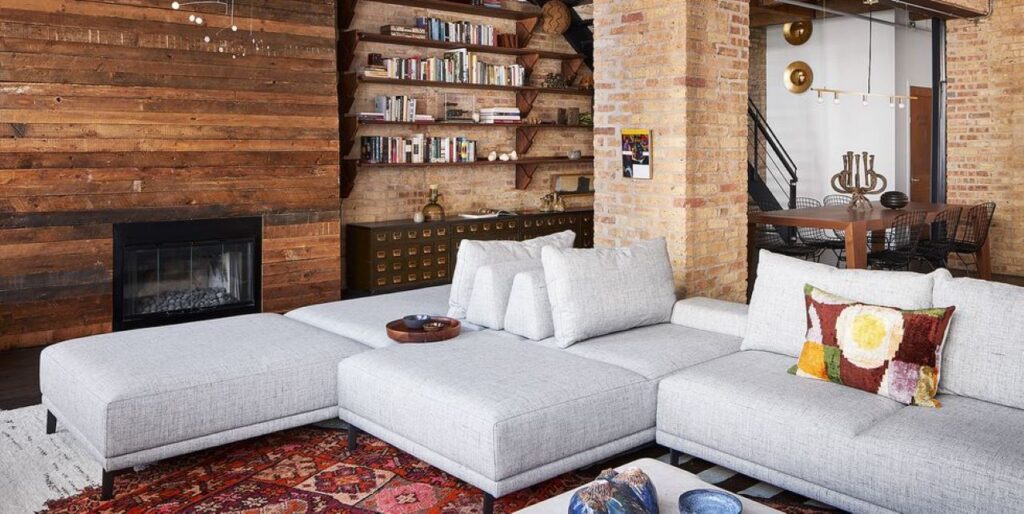
    The second Industrial Revolution gave birth to interior industrial design. Many European factories closed down, which led to large spaces that were vacant, which could be transformed into homes. Industrial interior design features exposed brickwork, along with rustic elements of workmanship and visible construction details. Industrial interior design also features exposed services along with black brushed metal light fixtures.

    Hollywood Style Interior Design
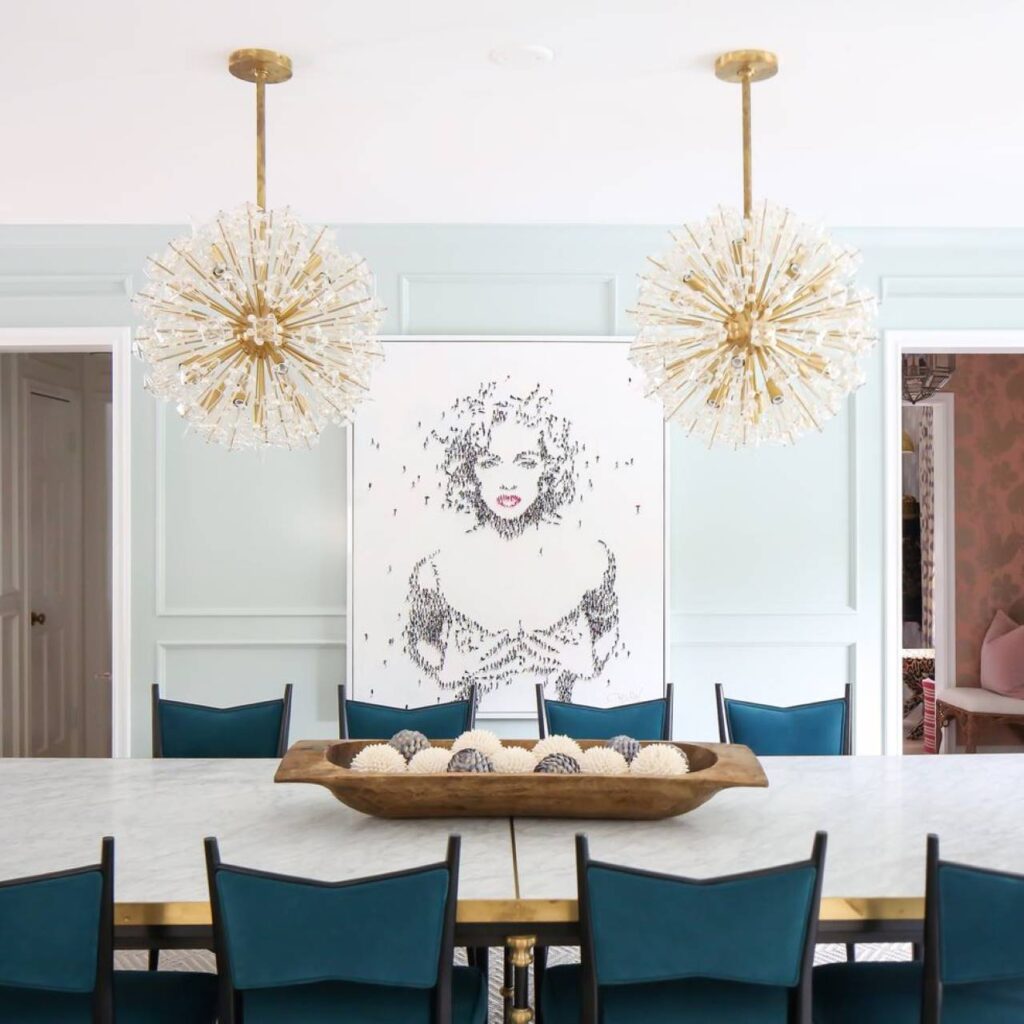
    Inspired by dreamy Hollywood movies, the Hollywood glam style of interior design is very popular in retro settings. This particular style is very popular in California around the mid-20th century, where Hollywood stars were considered the new royalty. Everything from over-the-top furniture to bright colors in juxtaposition, the Hollywood style of interior design, is truly a unique style of living. Although considered a little loud by a few, Hollywood style of interior design is fastly making a comeback and I predict will be the next big interior design style in the coming years.

    Mediterranean Interior design

    The inspiration for this style of design is extracted from the southern European countries. This specific style of interior design features exposed stonework, long batons of wood with almost all warm-toned color palettes. This style of interior design also features a lot of curves and shapes. The materials that make this interior design unique are the incorporation of wood, wrought iron, and cotton.

    Farmhouse Interior design
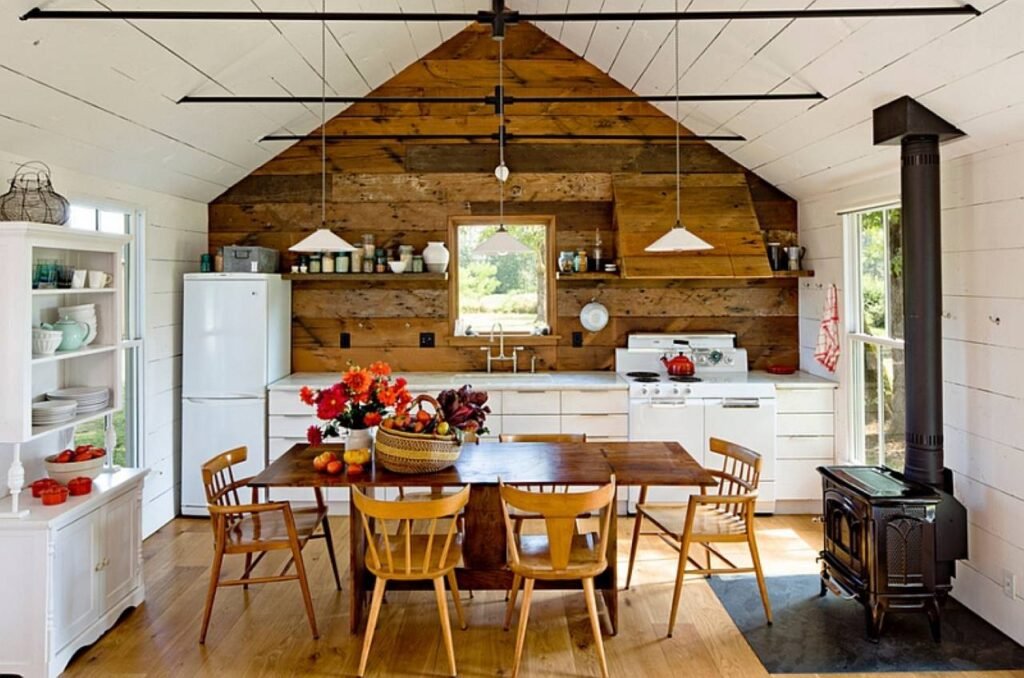
    Farmhouse interior design is the revival of classical country-style living in a city. Farmhouse interior design is characterized by exposed wooden beams, the iconic sloped roof silhouette, and the use of unupholstered furniture. The style is quite simple and clean, with a wide variety of color palettes available which can be customized to your liking. Farmhouse style is a type of interior design that emphasizes functionality, simplicity, and rustic charm. While farmhouse style is influenced by rural architecture, it also incorporates modern conveniences, resulting in a look that is both cozy and stylish.

    Art Deco Interior Design Style
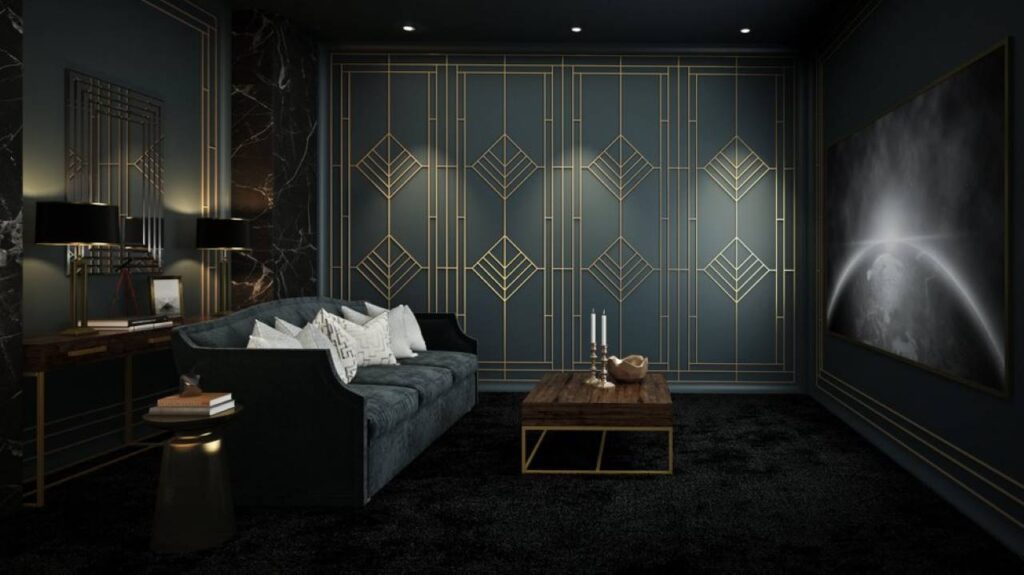
    Art Deco is an abbreviation for Arts Décoratifs. Art deco style of interior design is featured by the usage of rich color tones with the juxtaposition of light and dark shades. The style also features bold geometry with intricate detailing on walls and flooring. This style of interior design can be traced back to the 1920s to the 1940s, as the summit of wealth and luxury. The style features zigzag, triangular, and trapezoidal shapes which are cleverly placed next to straight lines to increase the contrast between the two.

    Eclectic interior design

    Eclectic interior design was very popular in 1980 with the emergence of the Hippie movement. The style of interior design features bold and loud colors that are incorporated all into one space. It features various shapes that are placed very close to each other, which are worlds apart. Hence, appropriately termed as eclectic interior design, for a person with an eclectic taste. 

    French Victorian Interior Design Style

    This style of interior design resonates with closely traditional interior design but is worlds apart from the French countryside interior design style. This particular interior design style features the opulence of French royalty. This is clearly denoted in the choice of materials from furnishing to the ceiling. The interior design style features heavy upholstered furniture along with a heavy design on the ceiling. The wall paneling features traditional cornices which have been adapted into modern interior design.

    Shabby Chic Interior Design Style

    Originating in the 18th century, the shabby chic interior design style is a combination of vintage accessories with a touch of modern furnishing. Shabby vintage, the early ’90s décor trend noted for bleached furniture and fading floral patterns, has undoubtedly passed through its prime. This ultra-feminine design style has given way to a more contemporary vibe, crisper lines, and a masculine influence. The furniture is picked with a distressed look as the interior design style demands it. The older the furniture, the better the style will turn out. The increased amount of wear and tear gives it the shabby look. The chic elements can be the usage of an upholstered sofa with cotton fabrics.

  • Bdesign24’s Minimal and Pastel: Interior Design Project

    Bdesign24’s Minimal and Pastel: Interior Design Project

    Design Firm
    Bdesign24
    Project Location
    Adajan, Surat
    Building Function
    Interior Design
    Principal Architects
    Ar.Bheru Jangid
    Associate Designer
    Id.Shruti Agarwal
    Photography Credits
    Depictions by Prachi Khasgiwala

    Introduction

    Located in Adajan, an upcoming bustling suburb of Surat, is the Kapadia House. The interior design and planning of the space are done by Bdesign24, spearheaded by Mr. Bheru Jangid and associate designer Shruti Agarwal. The client’s brief was to create a budget-friendly luxurious home for his family and himself. 

    Bdesign24’s Interior Design

    The main entrance introduces what becomes the design theme for the rest of the apartment. The design details are clean and minimal; having an understated finesse in their finished state. The first important space of the home is the temple room. Carrying forward the theme, it is furnished in shades of gold and beige, complimented with ivory. This is a meditative space wherein the main wall has an “Om” symbol, further sanctifying the space. 

    The main living space is sparsely furnished with a muted colour palette, predominantly in light grey. The TV wall has a tropical patterned wallpaper, giving a fresh look to the otherwise plain walls of the space. Furniture pieces in black and gold complete the look of the space. The living room leads to the kitchen & dining area and the four bedrooms of the apartment. The kitchen is furnished in greys against whites, almost achieving a utilitarian look. In contrast to the kitchen but yet maintaining a balance, the dining area is completely done in white, the obvious highlight being a chocolate brown PU upholstered dining set with a checked, quilted pattern.

    This sets it apart from the rest of the metal furniture in the other spaces. The open plan of the apartment allows easy movement between spaces and also helps maintain visibility. The furniture facilitates this idea rather than being an obstruction. Another interesting aspect of interior design is the clever yet underplayed effect of the selection of the artworks and installations displayed across the home, including living and sleeping spaces. 

    The master bedroom is tastefully outfitted with Armani brown polished Italian marble on the headboard wall. The opposite wall has a plaid texture in dark beige, breaking the monotonous look of the room. The son’s bedroom is harmoniously designed in powder blue-grey walls with veneer panelling edged in wooden patti; its effect is magnified by the usage of minimal gold & black accented shelves for storage. The usage of glass for wardrobe shutters amplifies the lightness of the design.

    The parents’ bedroom is done up in soft beige and pale brown, with a horizontally grooved wooden panel accent on the headboard wall. A similar panel with thinner lines is used for the opposite wall, lending a soft appeal to the otherwise sparse room. Hanging globe lights in an oblong gold holder completes the look.

  • Less is More: The Perfect Guide To Modern Minimalist Architecture

    Less is More: The Perfect Guide To Modern Minimalist Architecture

    Introduction

    Minimalist architecture has shaped structures for over a century. Embracing new accoutrements and rejecting ornamentation, the modern movement predicated minimalist architecture through rational use and function.

    Though minimalism is a bit polarizing — critics mock it for feeling too cold and empty — it’s an influential style that pervades not only ultramodern and contemporary armature but also innards, graphic design, and the visual trades.

    Minimalist armature surfaced from the Cubist-inspired movement of De Stijl and Bauhaus in the 1920s. It began as stripping off decoration from design and using the bare essential rudiments. Engineers like Ludwig Mies van der Rohe believed that minimalism reveals a space’s true substance, furnishing it with the maximum power.

    History

    1800-1850: Introduction of Simple Living

    A visionary gospel emerges in America and is vulgarized by the likes of Ralph Waldo Emerson and Henry David Thoreau.

    They held the romantic view that sapience and understanding can be gained through solitariness and simplicity, similar to illustrated in the book Walden.

    While not stated as minimalism, this fresh approach was believed to be a megahit in the coming times.

    1920-1930: The Elevated Design Period

    The ultramodern style that the word minimalism is most associated with was heavily told by the Bauhaus School’s ideal of balancing beauty with the use of product design.

    In the Bauhaus Era, preceptors and scholars of the academy offered a volition to uninspiring cultivated products and reimagined the part art could play in society.

    To this day, Bauhaus remains one of the most influential design movements of all time, having married functional design with aesthetic pleasure to produce an ultramodern art form that could bring beauty to everyday objects and beyond.

    1960-1970: Expansion Of Minimalism

    The roots of minimalism in architecture are frequently traced back to the late 1950s. The movement was a response to new styles of architecture and life that were being cultivated in the United States.

    In the U.S. in those post-WWII smash times, there was a movement towards large and inordinate styles of structure. During this period, prepped cities and cavernous supermarkets popped up each over the chart, and there was a trend towards the ornate. Minimalism developed as a response to the decreasingly marketable and consumerist cultures that were being reflected in the design.

    Although minimalist art (which is occasionally known as verisimilitude art) has its roots in America, the minimalist armature was born away. Northern Europe, particularly Scandinavia, and Japan, are important in the history of minimalist design, and in fact, these places continue to be among the biggest clasp of minimalism.

    1980-2000: Adaption of Simple Living

    The coming stage of the history of minimalism saw an ongoing increase in simple art and simple living movements.

    Sympathizers of “slowness” repel the ultramodern idea that the fast accession and accumulation of further effects or gests is even better. They believe quality is preferred over volume and conforming your life to a further deliberate pace will help you get the most out of it.

     2000–Present: Minimalism Becomes Mainstream

    Blogging came mainstream and lawyers of simple living, good design, and the colourful slow movements started using the medium to partake their ideas. Suddenly, minimalism came to the de facto term used across these communities.

    People started writing about minimalism in different areas of life. Hey, we easily jumped on the crusade too. Still, while well-meaning, occasionally these rules have adverse issues.

    If someone tells you they’re a minimalist, you can’t assume you know what they mean. And indeed, if their description is analogous to yours, their interpretation may still be country miles down from your thinking. A now-ubiquitous term has led to confusion and conflict that overshadows its positive connotation.

    Characteristics

    Minimalist architecture is based on the concept of clean, simple yet elegant spaces. Some characteristics of it are as follows.

    Minimalist architecture
    Photo by Phil Beard from Archeyes

    The Farnsworth House by architect Mies Van Der Rohe showcases minimal architecture. Using clean lines in the exterior using geometric shapes and a monochromatic palette with simple materials makes it an iconic example of minimalist architecture.

    Geometry and Clean Lines

    Minimalism is about the reduction of what is needed, and in architecture, the essential is the form of the structure. Reduced indeed further, the structure blocks of these structures are all figures and lines — and that is exactly what you will find in the minimalist architecture.

    Structures designed on the concept of minimalist architecture follow basic geometric shapes and sharp lines, yet they do not seem boring. In fact, minimalist engineers frequently produce drama by combining pruned-down geometric forms and playing with scale.

    Simple Materials

    Minimalist architecture focuses on reducing the ornamentation and this is not only limited to décor and detailing, it also focuses on materials. Simple materials which do not turn the focus away from the form of the structure are usually used.

    Materials like steel, glass, and concrete are the most commonly used materials in this type of architecture.

    Limited Ornamentation

    The concept behind minimal architecture is reducing ornamentation to bring out the true essence of its form, materials, and décor. Architectural detailing like carvings, corbels, friezes are not a part of this type of architecture.

    Monochromatic Palette

    Minimal architecture also means avoiding bright, bold colour palettes that might suppress other elements’ essence. Usually, monochromatic neutral palettes of white, beige, grey, brown are used. These neutral tones help ensure the idea of minimalism is still intact.

    Symmetry and Balance

    Visual balance is one of the most important features of minimal design. To achieve visual balance, symmetry, uniformity, repetition become crucial elements. They can be applied to the layout of furniture, overall décor, or lighting all around.

    Clean, Light-filled space

    Some of the important fundamentals of this type of architecture are clean, open, and light-filled spaces. Using a neutral colour palette, light colour tones for walls, clean modern detailing, and the right number of accessories and uncluttered spaces gives the design a calm, attractive, and interesting appeal.

    The spaces inspired by minimalism are airy, uncluttered, and have an artistic touch within the boundaries. Right play with natural light can make the space feel warm and breathable.

    Principles

    minimalism
    Photo from Malabar

    An apartment in New York that explores minimalist architecture through simple materials, a neutral colour palette and one emphasized feature.

    Quality Over Volume

    While creating a minimalist design, be sure to invest in quality rather than volume. It isn’t necessary to spend lower on minimalist design. Choose developer lights and fittings, high-quality storehouse spaces, and so on to embellish the house without cluttering.

    Multiple Materials

    The minimalist design style must intrigue the people. Traditionally, in minimalist design, always soft colour tones are used but choose a texture with different like glass, oil, cloth, timber, and crockery. This design style is about the combination of form and function, which can be achieved by rich textures in a functional home item.

    Standout Piece of Furniture

    Find and select a hero piece of furniture, let it emphasize. Now choose the accessories and decorations in combination with the standout piece. The furniture should keep the principle of form and function and a simple line that can connect with the interior design.

    Art as a Focus Point

    In a space, let a piece of art dominate. In a space with simple ultramodern cabinetwork, accessories, decorations, and neutral colour palettes used, add a dominating piece of art, whether with bright colours, textures or designs.

    less is more
    Photo by Saudi_apt from Behance

    An Emphasized Element

    In designing minimalism, add an element that’s emphasized in the room. For illustration, mix a neutral colour tone like grey, white or brown and so on with a discrepancy colour that’s a piece of furniture, a piece of art, accentuation or point wall, a large decoration piece, and so on. It should catch the eye of a person entering the room by drawing attention to a commodity that’s redundant, special, and unique.

    Simple Furniture

    There’s a large variety of furniture available. It’s better and sensible to choose pieces that are minimum and simple in design. So, the other effects can catch the centre of attention like a piece of art.

    Let The Views Speak

    If the home with minimalism features has a remarkable and exceptional view, minimize or reduce the size and volume of complications of the inner space. Let the view be the focal point. Keep the design simple, remove the gratuitous or unwanted details.

    Plenty of Open Space

     In minimalism, there’s a plenitude of open space in the home. Avoid the desire to fill up all the space in the room with décor and accessories because there’s plenty of redundant space to fill. The idea in minimalism is to have an open and wide space in the apartments to achieve a comforting and calm terrain.

    Light As Decor

    It’s also important in minimalism to use light as décor. Always use lights smartly and efficiently in minimalist homes. Avoid chunky chandeliers as they’re the worst agonies of a minimalist home design. Choose the ornamental, stunning lights that are a workshop of art in themselves and they can round the design of the minimalist innards.

    Design Tips

    furniture
    Photo from Pinterest

    Keep it simple

    Every element of design should be simple and essential. Everything should be functional and straightforward, be it furniture, lights, or materials.

    Choose Neutral Colour Palette

    The colour palette should comprise calming, neutral tones which do not hinder other elements’ beauty. A neutral and light colour palette also results in the space looking larger visually.

    neutral color palette
    Photo from Pinterest

    Use Clever storage solutions

    Minimalism is not only limited to materials and décor; it also involves storage spaces. This doesn’t mean reducing the number of belongings, but smartly using spaces to store them. This can include ottomans with storage, storage spaces on floors, flexible furniture pieces and so on.

    Minimise Accessories and Decorations

    The accessories and decor in minimalist design are simple and nominal. They can be of bright and bold colours, as they are small in size and number. The idea is to let the true beauty of every accessory piece come out.

    Pros of Minimalist Architecture

    Open Spaces

    Minimalism is synonymous with the decluttering of things and thus functions well to establish an important field of breathing in space. It allows the spaces to be airy, breathable, and, hence, calming. Minimalism works well for small apartments and homes as well.

    Saves Money

    The ideology behind this architecture branch is ‘Less is more’. This works for money too. As the agenda is to reduce ornamental elements and stick to the essentials, the budget also goes down. Thus, as quantity reduces, expenses also reduce. But this is not a straightforward task, except a challenge for the designer.

    Psychological Benefits

    With decluttered, airy spaces, our minds are also decluttered. Clean, crisp lines, geometric shapes, light colour palettes allow the mind to breathe and relax as well.

    Cons of Minimalist Architecture

    Expensive

    Many times, in a trial, to reduce the chaos and declutter the spaces, customised pieces are required. These lead to increased costs. But minimalism promotes one expensive thing rather than a variety of cheap ones.

    Maintaining the theme

    This type of architecture requires following a particular theme and a palette throughout. This can be a nightmare for people who collect different pieces and showcase them as many times as it might not go well with the theme.

    Boring to some

    Neutral colour palettes, simple materials and clean lines can be boring for some people. The monotony of a space, which is the concept of minimalist architecture, can be soulless to some. Less use of colour adds to the same.

    Iconic Examples of Minimalist Architecture

    Donald Judd’s House, New York, USA, 1968

    Donald judd
    Photo from Divisare

    Donald Judd was an American art critic. The house was envisioned as not just a place to live, or a place to work, but the spaces themselves were very much a part of his oeuvre. The house should stand as it was, encouraging the visitor to contemplate and behold the object, without alluding to anything more. It was a whole experiential and sensory experience.

    Okinawa House, Okinawa, Japan, 2013 -2016

    Okinawa house
    Photo from Dezeen

    Okinawa House is a residence in Japan, designed by architect John Pawson on the concept of minimalism. The house explores the sense of horizontal and vertical expansiveness by combining single and double-height spaces within a form that is closed and tapered to the rear, but to the front flares and opens like an eye over the headland, with the ground floor level raised to optimize sightlines to the ocean.

    Wabi House, Puerto Escondido, México, 2016

    Wabi house
    Photo from Archdaily

    In Mexico, this waterfront compound was designed by Japanese architect, Tadao Ando. This house is a perfect example of balance between melding of contemporary, simplistic forms and traditional, time-honoured techniques. Tadao Ando used distinct, native materials to create a space that cannot be created elsewhere, such as marmolina (granite/marble mix) as well as parota (a Mexican hardwood) for the flooring.

    The Therme Vals, Vals, Switzerland, 1996

    Therme Vals
    Photo from Archdaily

    Designed by Peter Zumthor, The Therme Vals is a hotel built over the only thermal springs in the Graubunden Canton in Switzerland. The Therme Vals is built from layer upon layer of locally quarried Valser Quarzite slabs, which became the inspiration for stone material and cave like form. It is a complete sensory experience designed in one.