Author: Sneha J Uttarkar

  • Top 10 Up and Emerging Architects in India

    Top 10 Up and Emerging Architects in India

    Introduction

    Architecture is undeniably a growing industry in India with a brilliant scope for the future. From the country that gave birth to path-breaking Architects such as Raj Rewal, BV Doshi, Brinda Somaya, Rahul Mehrotra, Chitra Vishwanath, and countless others, it continues to raise thousands more with the potential to skyrocket. With new and interesting designs being built every day, the standards are rising and so are the expectations. Although the design is completely subjective, there are some projects that everybody agrees on. On such rare occasions, I would say that the profession has won.

    In the list below we have compiled the top 10 up and emerging architects in India that are revolutionizing the profession daily. Irrespective of a mention, we completely respect the work done by the Architects that are not enlisted and do not, in any way, disregard their valuable work and contribution to the field.

    This list is tentative and subjective.

    Emerging Architects in India

    Indigo Architects:

    The folks at Indigo Architects believe in the quest for a contemporary rootedness in the ever-changing pluralistic environment. They strive to re-integrate traditional wisdom in construction with respect for the natural resources as that of our forefathers.

    They also believe in the architecture design process should be appropriate for their period and place, which is anchored in these sensitivities. The firm deals with various types of projects such as residential, industrial, housing, healthcare, hospitality, cultural and educational institutions, interiors, and landscaping solutions. They have extensive work experience in conservation projects as well.

    Origin/ Birth: 1998

    Location(s): Shilaj, Ahmedabad (HQ)

    Chief Architects: Mausami and Uday Andhare

    Style of Architecture: Contemporary

    What Services Provided: Architecture, Interior Design, Landscape

    Projects:

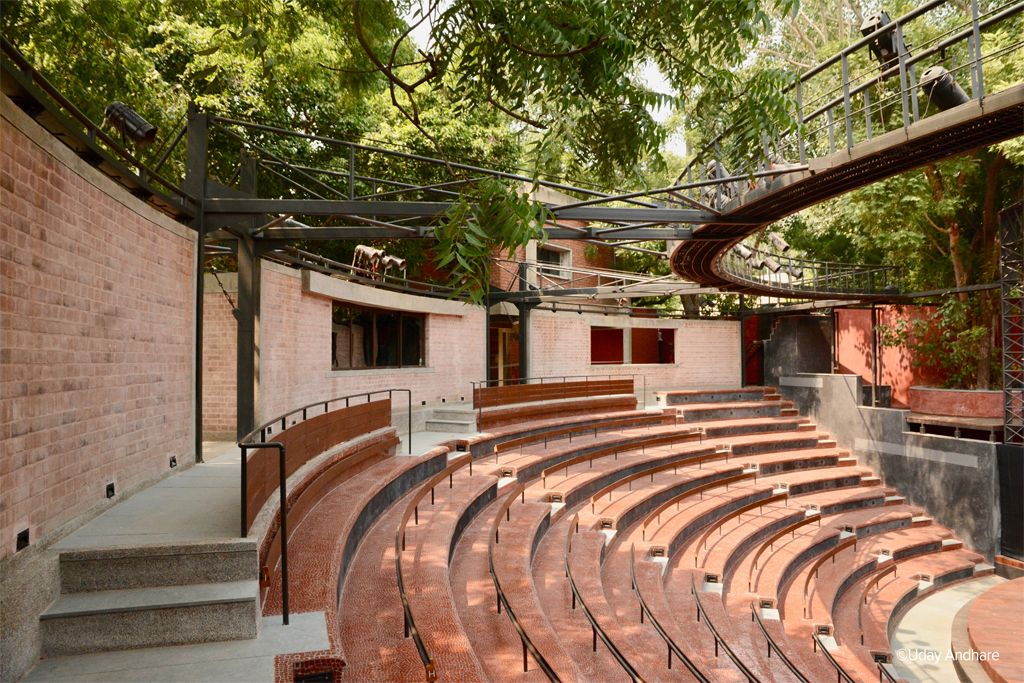
    Natarani Amphitheatre

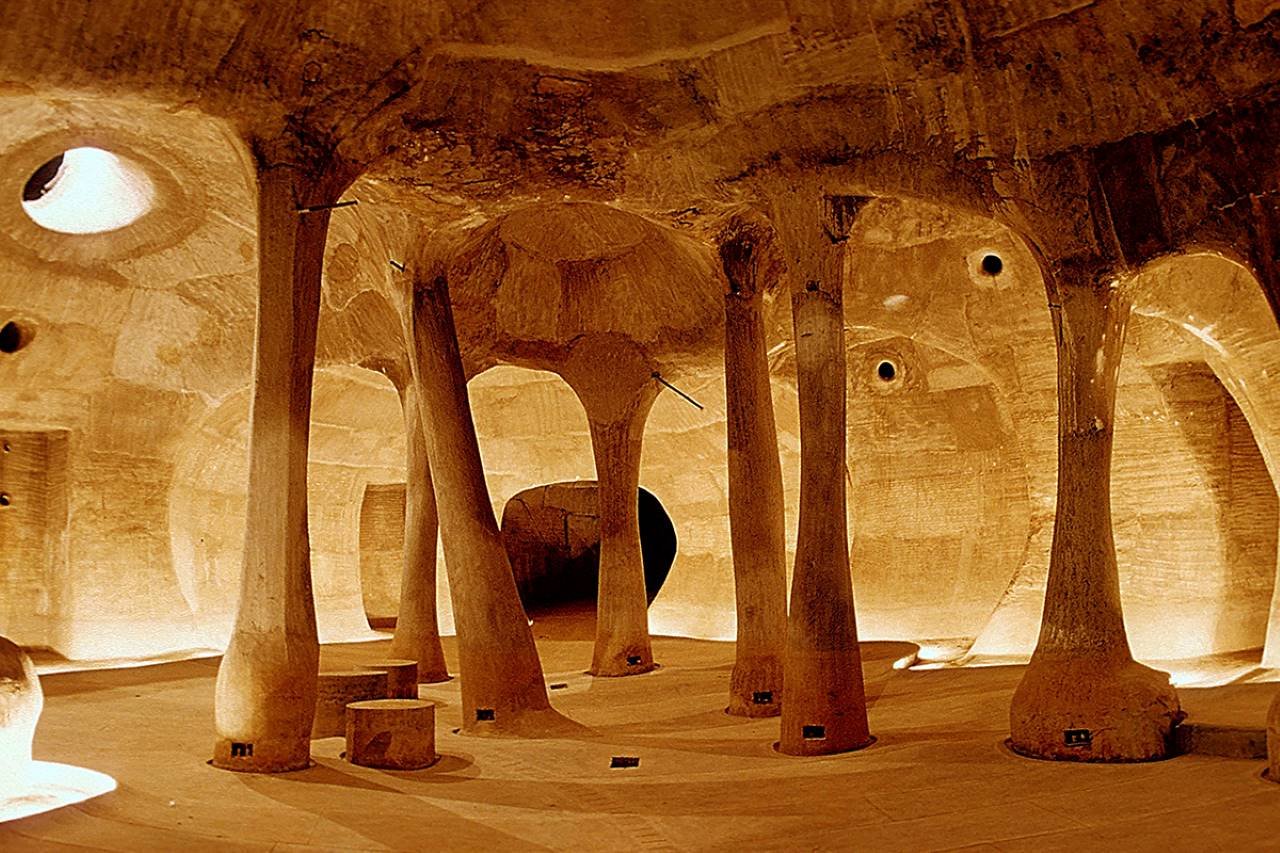
    Affected by the Sabarmati riverfront development project in Ahmedabad, the theatre lost a major chunk of the staging area to the riverfront edge, rendering it inoperable for several years. In the setting of an existing modern building, the architecture office renovated the site making it an attractive marvel in the Natarani amphitheater. The theatre’s architecture reconstructs the space with historic materials and a fresh design concept. The structure is true to its philosophy of thermal drainage by using the exposed lime bricks and detritus.

    Architects in India: Natarani Amphitheatre
    Natarani Amphitheatre

    Koba House

    Completed in 2008, the 450 square yard building for Usha and Balwant Brahmbhatt in the village of Koba, Gujarat, is a masterpiece, to say the least. Situated on the banks of river Sabarmati, the site had undulating landscapes of silt mounds stretching along the riverside which turned out to be a challenge. The design uses a mix of defense and advancement from the heat and towards the view respectively, aptly accentuating the application of architecture design.

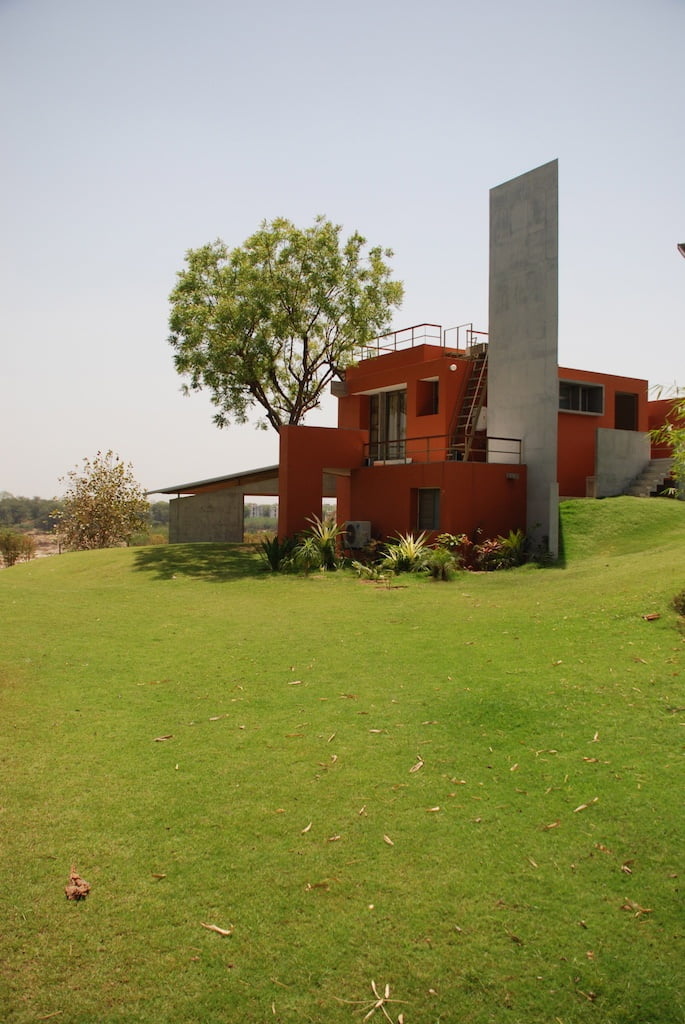
    The Koba House

    Link to Company Website: Indigo Architects

    ZZ Architects:

    ZZ Architecture office is famous for its unique approach to architecture and interior design, the method of uncovering the personal style of each client. In the past few years, ZZ Architects has become a leading full-service company based in Mumbai, with offices in the fields of Luxury Architecture, Interior Design, and Decor, and has been involved in business, finance, and industrial leaders, society, movies, and politics across major cities in the country.

    The firm excels in commercial, residential, health clubs, spas and salons, hospitality, pharmaceutical, exhibition, institutional, mixed-use, and high-end residential interior projects.

    Origin/ Birth: 2002

    Location(s): Mumbai, Maharashtra

    Chief Architects: Ar. Krupa and Ar. Zainuddin Zubin

    Style of Architecture: Modernist Architecture, Contemporary

    What Services Provided: Architecture, Interior Design, Decor

    Projects:

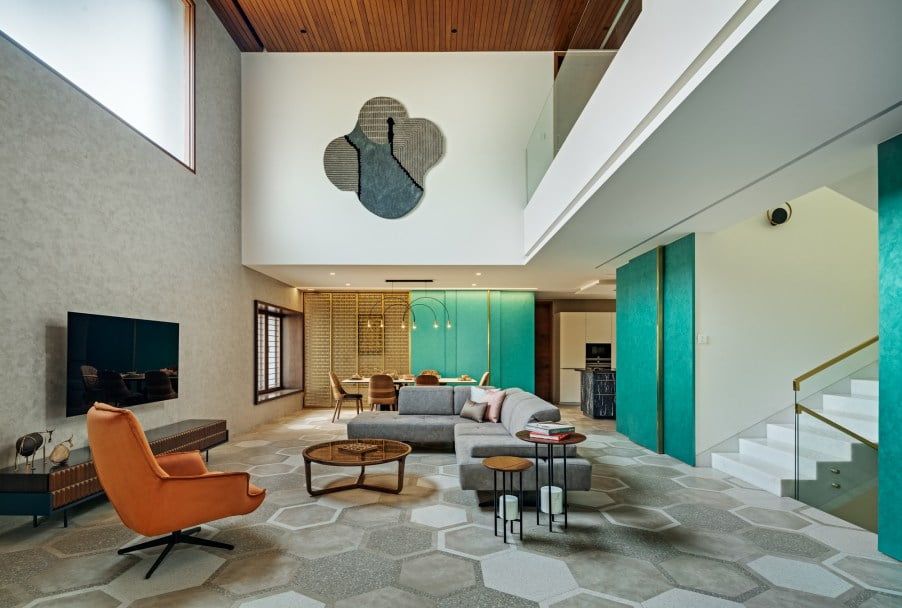
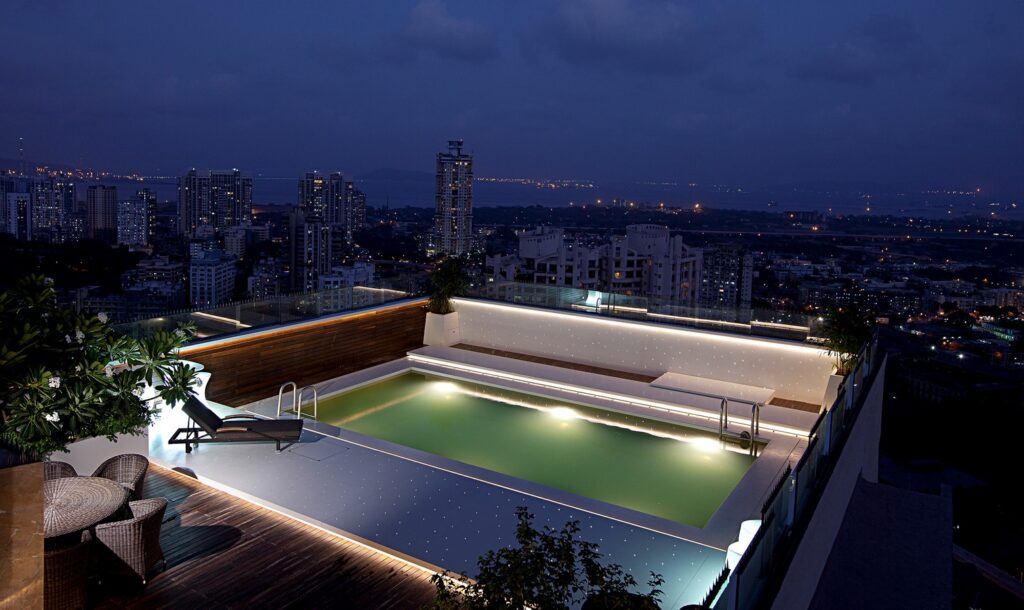
    Mandhana Penthouse, Mumbai

    Located in one of the most spectacular places in Mumbai, this luxury penthouse offers a wonderful view of Mumbai’s city centers, highlighting the application of architectural design. With a splendid bottom-level pool decorated with mosaic, which gives the pool a transparent feeling, this 12000 sq. ft duplex property has all kinds of utilities.
    Menon Villa, Kerala

    This renovated house is an example of the grandeur and sophistication of architecture in India. A family home in Thrissur, the bungalow boasts a fiber optical illuminated pool which is accessible from the official living room and is built-in multi-level areas taking into account the function of the rooms.

    Menon Villa
    Menon Villa
    Menon Villa

    Link to Company Website: ZZ Architects

    Cadence Architects

    The concept of the firm is to design approaches that go beyond the production of the obvious and the familiar, to make our environment more enjoyable and sensory experiences.

    Since its founding, the studio has won many accolades for different projects, both domestically and internationally, and has published widely in national and international publications like Dezeen, Wallpaper, Archdaily, etc. The studio works have been exhibited as part of the Indian Pavilion in major international fora, including the London Biennale 2021, highlighting architects in India.

    Origin/ Birth: 2005

    Location(s): Bengaluru, Karnataka

    Chief Architects: Smaran Mallesh, Vikram Rajshekar and Narendra Pirgal

    Style of Architecture: Modernist Architecture

    What Services Provided: Architecture, Interior Design

    Projects:

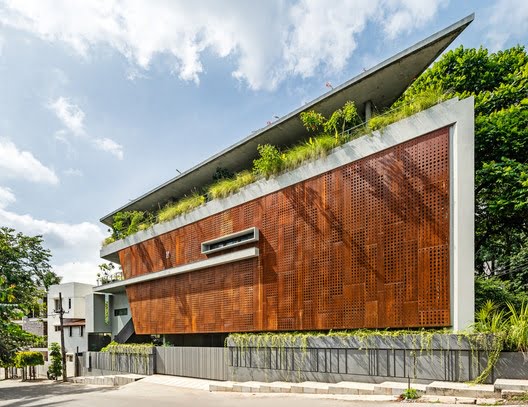
    Cloaked Residence

    ‘Cloaked’ is an architectural design process intervention,  with a pitched monolithically into a narrow urban environment. A dominant town fabric is encircled on all sides. The design was merged on two edges into a complex three-sided profile with acute angles. At varying horizontal levels the building seems to levitate and adds to the façade surfaces a certain deepness.
    Cloaked Residence

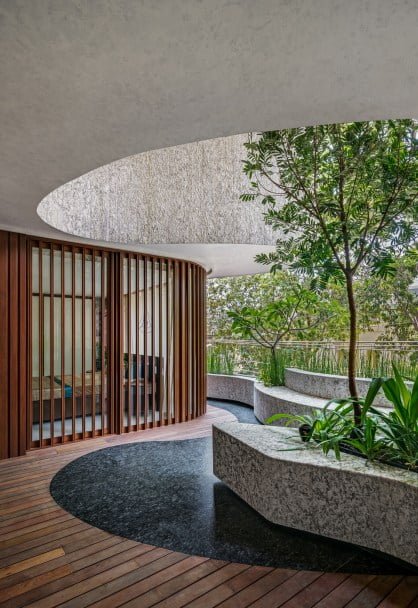
    Badari Residence

    Badari Residence is a house built on a standard 2400sft, narrow urban site. The façade and interior of the building have been designed as an assembly of a succession of episodes that seeks superior application of architectural design.
    Cadence Architects
    Cadence Architects

    Link to Company Website: Cadence Architects

    MayaPRAXIS:

    MayaPRAXIS is an architecture and landscape design studio. Design at mayaPRAXIS is an innovative and cooperative architecture office. They want to investigate the soul of the project – something often concealed under the ‘functional’ needs and finances of the project. They follow a path of many dimensions, types, and environments – architecture, urban design, interior design, furniture, exhibition, and art.

    Origin/ Birth: 2001

    Location(s): Bengaluru, Karnataka

    Chief Architects: Dimple Mittal and Vijay Narnapatti

    Style of Architecture: Contemporary

    What Services Provided: Design, Building Consultants & Contractors

    Projects:

    Hotel in Bahrain

    The Persian Gulf is located in Bahrain, inspired by the scenery and curved shape in its architecture. The form is based on the analysis of the existing sun path and wind patterns during warm and moist weather. The unnecessary decoration is addressed for its external shape; however, interiors are designed with a joint which consists of separate areas with diverse storylines, a major step for architects in India.

    MayaPRAXIS

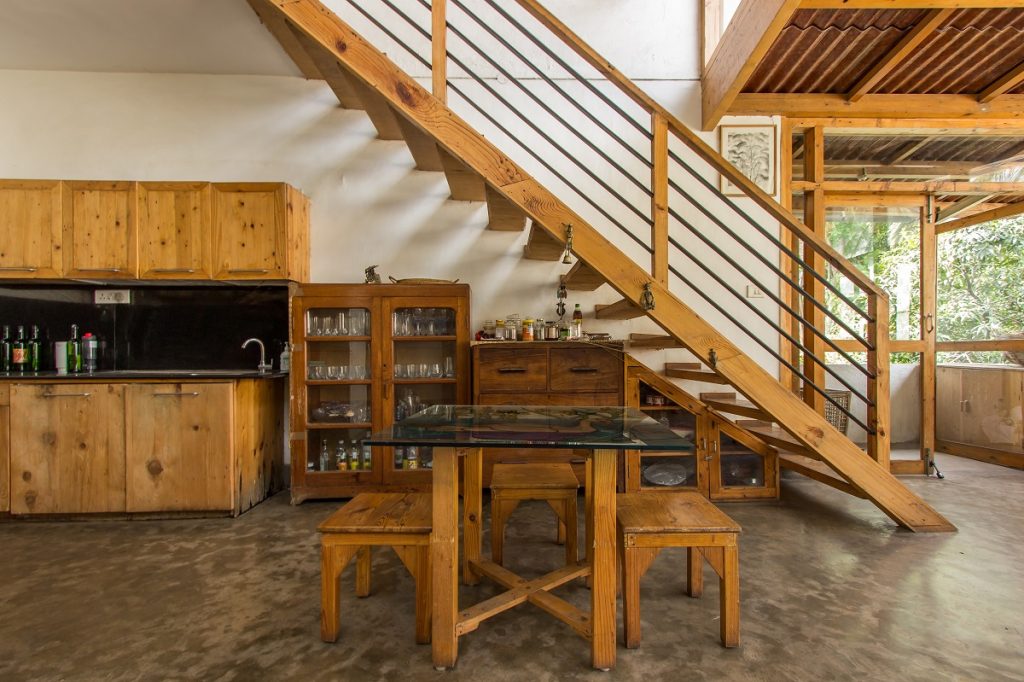
    Kachra Mane

    In Bangalore, Kachra Mane; India is a structure built to an existing former dwelling. The Kachra Mane or scrap house is named because of the limited use of resources and reused pinewood for packages used to build the new house. The outer walls of Pinewood with the glass keep a light ventilated inner space, the surface is lightweight and the structural components are mainly restored. A perfect example of the application of architectural design to enhance a space.

    Kachra Mane

    Link to Company Website: MayaPRAXIS

    Biome Environment Solutions:

    Biome Environmental Solutions is an ecology, architectural, and water design enterprise situated in Bangalore. Designers, architects, civil engineers, engineers, and urban planners from different regions of the world are part of the offices’ diversified workforce. The designs are carried out through group discussions and exchanges and regular meetings by diverse members of this team in constant cooperation with each other, revolutionizing architecture in India.

    Origin/ Birth: 1990

    Location(s): Bangalore, Karnataka

    Chief Architects: Vishwanath S, Sharat Nayak, Anuraj Tamhankar

    Style of Architecture: Brick Contemporary

    What Services Provided: Architectural and rainwater harvesting design, Environmental planning consultancy, and Comprehensive water strategizing.

    Projects:

    Yellow Train, Coimbatore

    The brief given to the architecture office was the Waldorf education system set by the Tamil Nadu education board’s bye-laws, which greatly emphasize child-centered education in which mental, spiritual, physical, and psychological momentum are given greater thrust than only academics.

    There is therefore adequate space and detail offered in typical classrooms too, to accommodate and stimulate group-based activities in the kindergarten and the main wing, which is the current first phase. A classroom consists of three places, the teacher leads to blackboards and seats, ringed sections with groups with walls and facilities for hanging children’s works, and nooks that provide individual consideration.
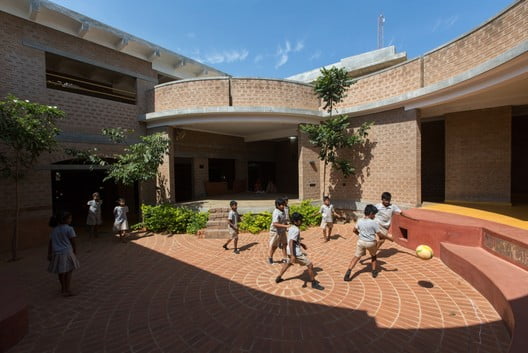
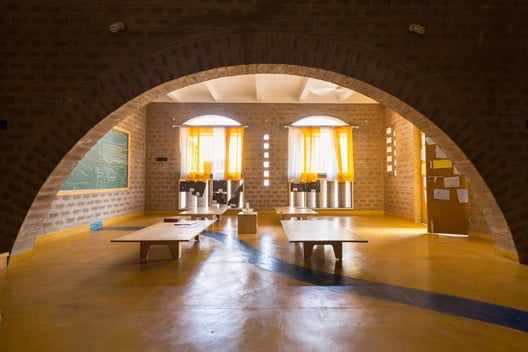
    Yellow Train School / Biome Environmental Solutions

    Govardhan Eco Village

    The location is situated at the foot of the Sahyadris, where a resort for ISKCON’s devotees, Mumbai has been developed. The brief includes seminar, prayer, wellness, catering, and a Gaushala for 100 cows, other than accommodation. A holistic development method meant that material from ponds excavation was subsequently used for the production of compressed, stabilized earth (CSEB) bricks for the walls and CSEB tiles, from which preconceived roofing parts were produced. Use of the Sill-Lintel CSEB “U-Blocks” minimized centering and finishing works necessary. Quintessential of architecture in India.

    Link to Company Website: Biome Environment Solutions

    Morphogenesis:

    Morphogenesis is one of the premier architecture and city design practices, awarded for its architecture design process and has offices in Mumbai, Bengaluru, and New Delhi. The company understands regional architectural traditions and implements passive design solutions in a unique contextual language regularly. Morphogenesis is the only company with more than 50 percent women on all levels in the WA100 List, the world’s largest architecture company that is gender-neutral. It is the first Indian company granted the Getz Prize to the Singapore Institute of Architects with projects in 8 countries, 110+ International and National Awards, and 850+ publications worldwide.

    Origin/ Birth: 1996

    Location(s): Bengaluru, Karnataka (H.Q.), Mumbai, Delhi

    Chief Architects: Sonali and Manit Rastogi

    Style of Architecture: Varied

    What Services Provided: Masterplanning, Residential, Commercial, Workplace,. Institutional, Hospitality, etc.

    Projects:

    IILM Campus

    The project is an accommodation facility for students within the current educational campus of the Integrated Learning in Management Institute in Greater Noida. The architecture design process is inspired by the urban structure of Shahjahanabad, the old town of Delhi, a courtyard, cluster, and street living. The idea was to design an architecture that would promote an ideological cross-pollination of young minds in a socio-cultural environment.

    Trump Towers, Gurgaon

    Gurugram’s Trump Skyscrapers will become North India’s highest twin towers reaching an altitude of 200 m. This pioneering proposal seeks to revolutionize the typology of luxury houses in India by incorporating the essence of the vertical bungalow. The place, which was the key contributing factor to the construction, overlooks the golf course on the western side. The morphological design is achieved by breaking down the straight shape into two tower blocks, which are articulated to form a six-tower shape.

    Link to Company Website: Morphogenesis

    Architecture BRIO:

    In an ever-changing world, Architecture BRIO actively contributes to the production of contextually suitable, sustainable design solutions for architecture in India.

    The studio’s work deals with new approaches to perceive the frequently paradoxical interrelationships between the city, architecture, scenery, and the interior world. There is an increasing demand for a healthy relationship with the natural world in our built environment. Similarly, the unprecedented increase in urban or rural areas in India and worldwide needs to be addressed urgently.

    Origin/ Birth: 2006

    Location(s): Rotterdam, The Netherlands, Mumbai, Maharashtra.

    Chief Architects: Shefali Balwani

    Style of Architecture: Contemporary

    What Services Provided: Architecture, Sustainable, Interior Design

    Projects:

    Riparian House

    A rugged countryside, dubbed the Western Ghats, rises a few minute’s drives from Mumbai. The sunset can be enjoyed inside the house overlooking the northern slope of Irshalgad Hill and westwards while the river crosses the land. The kitchen and the open sky courtyard are centrally located. Two bedrooms at the two distant ends are bordered on either side. The architecture office placed those areas in the earth with windows brimming from above and on the side of the river with enough light. On the front of the house, there is a master bedroom, a bathroom, dining, and living room.

    Riparian House

    Tala Treehouse Villa

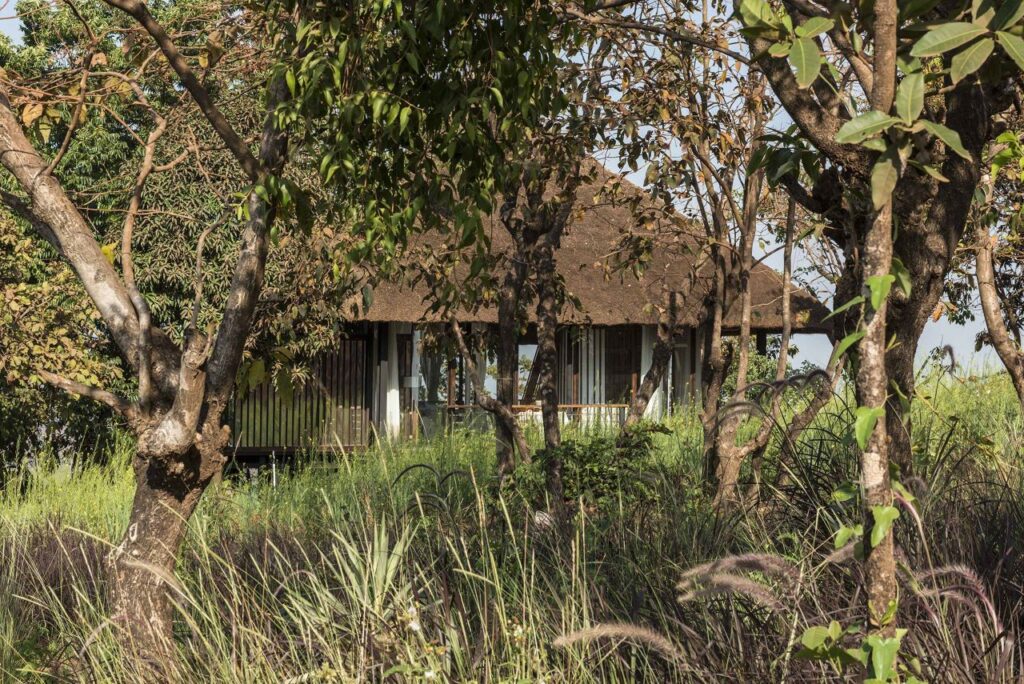
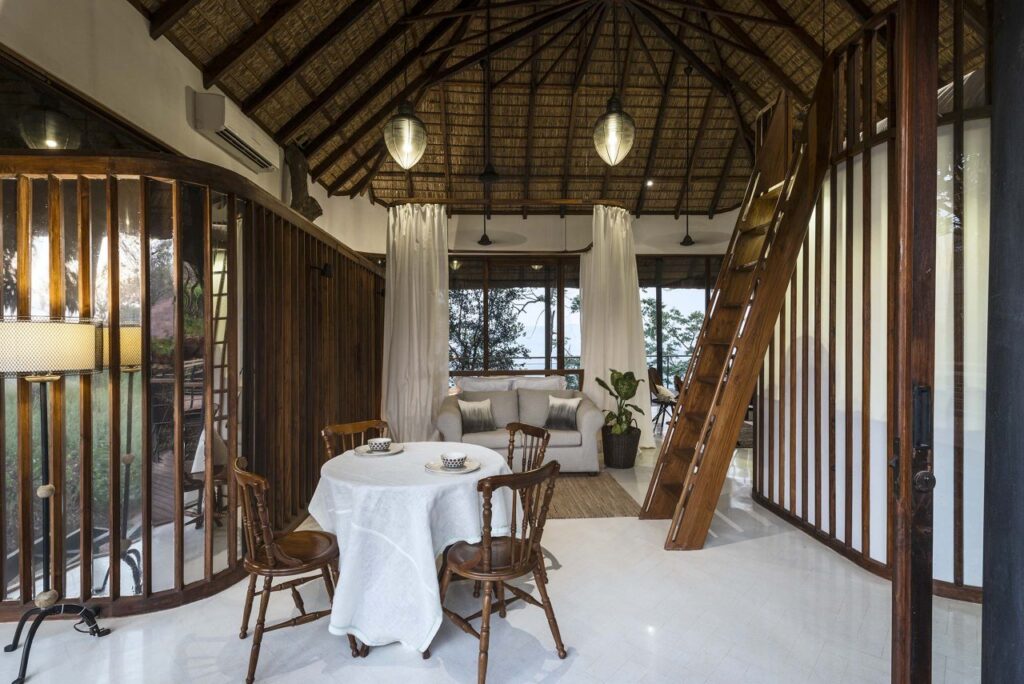
    The Treehouse Villa is on the cliff surrounded by the meandering river panorama of a 160-acre tree sort hilltop property. A stone’s throw from the Kuda groves at Tala, on the west coast of India. The Treehouse Villa is designed to celebrate this forested tropical environment with a main expansive glass room under a dominant stalked ceiling, accentuating architecture in India.
    Link to Company Website: Architecture BRIO

    Anupama Kundoo Architects:

    Architecture is a living, dynamic and smart force that encompasses both the past, the present, and the future.

    The architecture office builds information and builds procedures. Their architecture answers a variety of challenges through integrated design thinking and is capable of creating health, happiness, and well-being through molding a built environment and leading the way for a changing human society.

    Origin/ Birth: 1990

    Location(s): New Delhi, India

    Chief Architects: Anupama Kundoo

    Style of Architecture: Traditional craft traditions and construction techniques

    What Services Provided: Design, Interiors, and Urban Solutions

    Projects:

    Hut in Petite Ferme, Auroville, India

    These dwellings are the most essential simple housing made up of a stalk roof (woven cocoa leaves), supported by untreated casuarina members, connected, with cocoa cords.

    The building is built atop rough granite stelts, preventing the termites from reaching the timber. The top floor consists of split supari or pakamaram stems, which are likewise attached to a rope. Furthermore, granite pillars are employed to create graduated transitions from within to exterior, including courtyards in the bathrooms in the living room.

    This is an architecture design process with a low environmental effect, pleasant interaction with nature, and is completely dependent on the sun for its power.

    Hut in Petite Ferme

    Line of Goodwill, Auroville

    The Line of Goodwill designed by the architecture office is an urban cohousing project as the first compact high-density building for Auroville which will take a bold urban stride towards the compact pedestrian city planned by its chief architect, Roger Anger, fifty years after its founding. The aim was to establish a new typology for the “urban ecological communities,” which is neither a tower nor a homogeneous low-rise development but considers collective housing as a “hillscape of coexistence” and its social infrastructure. The purpose was to propose a lively and comprehensive response to different urban difficulties by conceptually and practically integrally reflecting on architecture and urban design.

    Line of Goodwill

    Link to Company Website: Anupama Kundoo Architects

    Hundred hands Studio:

    Directed by Sunitha Kondur and Bijoy Ramachandran, the architecture office, Hundred Hands is a multidisciplinary studio with an urban vibe. The architects have re-oriented their concepts to the urban setting by reflecting on concerns of scale, character, spatial and visual effect as well as re-enacting the public domain, which is so important to Indian city urbanism, frequently meticulously crafted analytical drawings.

    Origin/ Birth: 2003

    Location(s): Bengaluru, Karnataka

    Chief Architects: Sunitha Kondur and Bijoy Ramachandran

    Style of Architecture: Contemporary

    What Services Provided: Architecture, Interior Design

    Projects:

    Center of Hope- Trichy

    Addressing the problem of establishing a 30 000 sqft orphanage and a community at 500 rs./sft. and still producing something aesthetically appealing, the generous accommodation addresses the hard environment in Trichy through its architectural design process. With the decision to employ them, the vaults had a clear aesthetic effect, the bric was able to minimize greatly the volume of steel needed, and the heat gains in the structure.
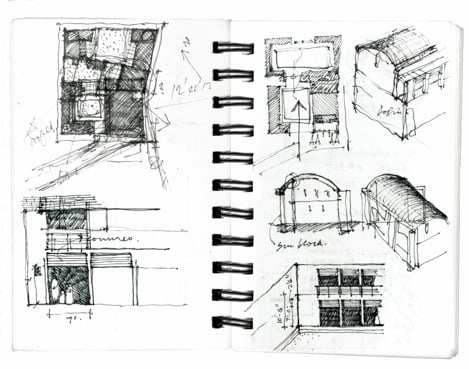
    Centre of Hope

    Bangalore International Centre

    A 200-seat auditorium, workshops, a bibliothèque, guest accommodation, and a café are located in this public multi-use complex. The components of the program are grouped around spacious internal public spaces, which are meant both for major occasions and for congregations, smaller concerts, art exhibitions, and others.

    The architecture design process includes compartments that are displayed to the outside and organized beneath the transparent façade framed by a three-deck concrete entryway.
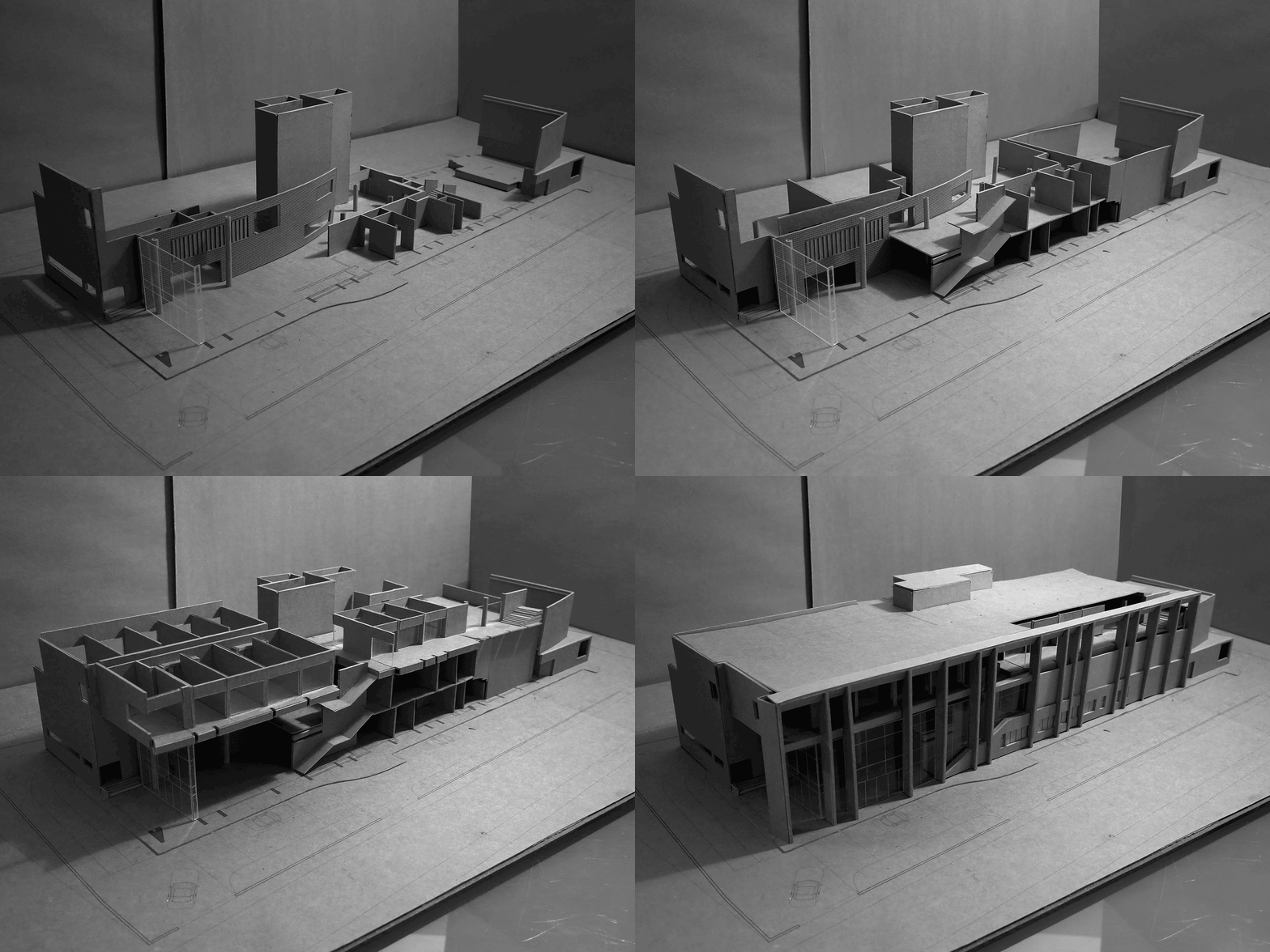
    Link to Company Website: Hundred hands Studio

    MuseLAB, Mumbai:

    MuseLAB is a complete design studio that provides a tailor-made and cutting-edge application of architectural design approaches. An emphasis on single surroundings, decor, and furniture that are extremely individualized. Huzefa Rangwala and Jasem Pirani established this studio in 2012 with a common love of design. Each area and product encompasses integrity and is made carefully, skilfully, and carefully.

    Origin/ Birth: 2012

    Location(s): Mumbai, Maharashtra

    Chief Architects: Huzefa Rangwala, Jasem Pirani

    Style of Architecture: Contemporary, Modernist

    What Services Provided: Architecture, Interior Design

    Projects:

    Hide ‘N Seek

    This property is an amalgamation of two 2 BHK homes in Bombay in the peaceful and guarded neighborhood of Vikhroli. Both apartments differ in planning and can only be connected to one location where an existing bedroom shares a wall with the other apartment’s living room. The units extend the width of the building when linked. The customer’s brief was simple: they wanted a large 3 BHK apartment with a study and a colorful and livestock-friendly flat. Definitely, a benchmark set by Architects in India.
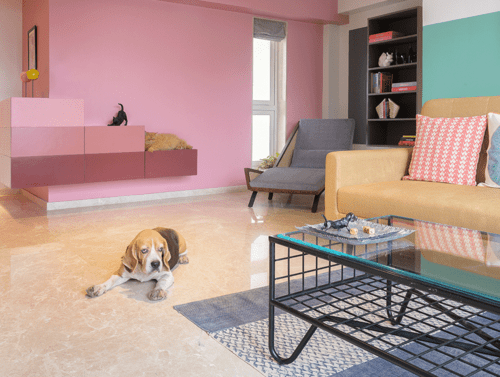
    Hide ‘N Seek
    Hide ‘N Seek
    Hide ‘N Seek

    The Confederate Rose

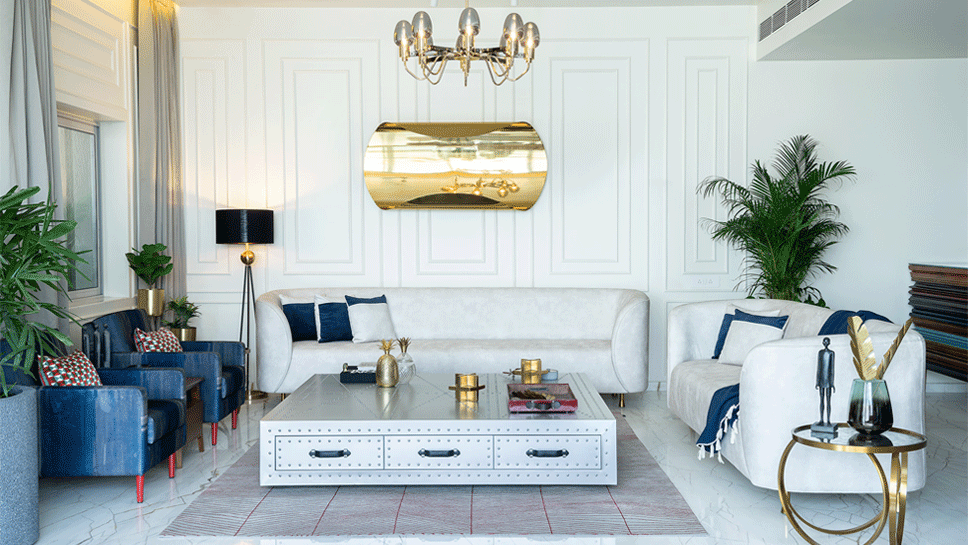
    In a magnificent high-rise, this 7000 sq. ft Pune property with a private swimming pool. This house is quite large, has three bedrooms (including a guestroom) and a living/dining area of 1,200 square feet, an outdoor double-high terrace with swimming pool, a large 800 square feet den, a home office, a cupboard, a dry kitchen and a WC and a separate personnel quarters and a service area. The living room also has a private bathroom.

    The customer wanted the house “a lively and joyful place.” He was also clear that the design aesthetics had to be expressed in the project – a visual festival of colors, patterns, textures, and materials, all covered by classical details, expertly achieved by the architecture office.
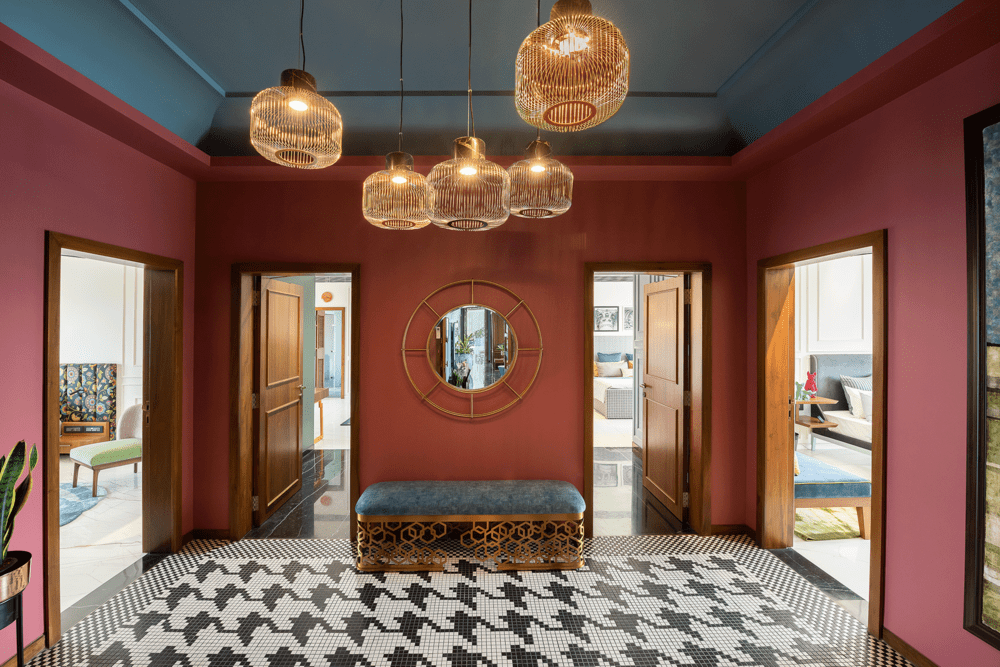
    The Confederate Rose
    The Confederate Rose
    The Confederate Rose

    Link to Company Website: MuseLAB, Mumbai

  • Color Therapy: Is it Important in Architectural Spaces

    Color Therapy: Is it Important in Architectural Spaces

    When we think of color in terms of home design, we frequently focus on how the colors appear rather than how they make us feel.

    The study of colors as a factor in influencing behavior is known as color psychology. For his investigations into the characteristics and significance of colors in our life, Carl Jung has been recognized as one of the pioneers in this field. According to a remark from Jung, “colors are the subconscious’ native tongue.”

    Usage of serene colors to lighten up a living room
    Usage of serene colors to lighten up a living room

    What makes color therapy so crucial?

    In addition to these advantages, color therapy can raise consciousness and assist people in realizing the importance of incorporating particular colors into their daily lives. Additionally, it can support a body’s natural healing process, promoting general health. People’s emotions can be affected by the characteristics of colors.

    The majority of people today view color therapy as a supplemental or alternative medicine treatment. 

    Chromotherapy, commonly referred to as color therapy, is a type of therapy that makes use of light and color to address particular mental and physical health issues. This type of therapy dates back to the time of the ancient Egyptians. They used colored glasses and sunlit rooms for therapeutic purposes.

    Color in different moderations and shades can lead to mesmerizing spaces
    Color in different moderations and shades can lead to mesmerizing spaces

    Chromotherapy is a form of medicine that uses wavelengths in the visible spectrum (colors we can see) to treat various illnesses. It was developed from traditional color-based therapies.

    Unobvious sensations, like the flavor of food, are influenced by color. People’s emotions can be affected by the characteristics of colors.

    Chromotherapy is employed in spas and wellness facilities in today’s much more advanced period. Light therapy and Aromatherapy, a brand-new and developing wellness discipline, are both used as therapies. Different colors target various body regions and provide various effects. If they wish to unwind or feel tranquil, sauna users can select blue light. If they wish to detox, they can select pink light.

    Three fundamental qualities can be used to distinguish and categorize colors:

    1. A color’s name is hue.
    2. Value/Tone refers to the hue’s degree of lightness or darkness (how much white or black is present). High values are brighter and are referred to as tints, whilst low values are darker and are referred to as shades.
    3. Color vividness (from light to intense) is measured by chroma/saturation. High chroma is more vivid than low chroma, which seems washed out. In other words, this is how saturation changes when it approaches or moves away from grayscale values.
    The Munsell Color System
    The Munsell Color System

    According to color therapists, color can enter our bodies through either our skin or eyes. Each visible hue has a certain wavelength and frequency. Every distinct frequency affects people differently and serves various functions. Typically, warm hues are employed for energizing effects while cold hues are used for soothing ones.

    You may either do it visually, by gazing at a given color and hoping that your body will react as you want it to, or you can do it physically by reflecting certain colors onto certain regions of your body in an effort to treat a specific condition.

    Despite significant growth in popularity over the years, color therapy is still not a widely used therapy in Western medicine. It is viewed as being quite experimental by many medical professionals.

    You can make your living place happier and more contented by applying color therapy to home décor. Since colors are proven to affect our mood, using them effectively in the house is crucial. Each color has a unique frequency and vibration that can help your home feel good and set the proper atmosphere.

    RCB

    The colors R.C.B. plotted in YCbCr color space in the program ColourSpace by Philippe Colantoni.

    Colors and Vaastu go hand in hand. If you want to paint the walls purple, stick to light shades like lavender or light violet and only use this hue in the east, west, and southeast corners of the room. For a calming and comfortable night’s sleep, choose purple or violet colors in your bedroom. Pink is another fire color used in feng shui.

    A Synopsis of Color Therapy’s History

    It is no secret that the sun and its light source, or lack thereof, may have a significant impact on us. Some nations started experimenting with color and its therapeutic properties thousands of years ago. 

    Color Therapy: Is it Important in Architectural Spaces In addition to these advantages, color therapy can raise consciousness and assist people in realizing the importance of incorporating particular colors into their daily lives. Additionally, it can support a body's natural healing process, promoting general health. People's emotions can be affected by the characteristics of colors. Color Therapy,color theory,design,architecture

    The therapeutic properties of light and color were understood by ancient societies all throughout the world, beginning with the Egyptians. 

    Color therapy and healing are well recognized in Egypt, Greece, and China. Several instances include:

    1. Changing the hue of space with the hopes of curing a given ailment.

    using natural colors in their environment (blue from skies, green with grass, etc.)

    1. Crystals were used in the healing rooms to diffuse the sunlight.
    2. As far back as 2000 years ago, there is evidence of attempts to use color therapy for healing. Johann Wolfgang Goethe, who researched the physiological effects of color, wrote several books about it as it grew in popularity over the years. However, as we just discussed, a lot of people are wary of the use of color and light in treatment or healing.

    What is Art Therapy?

    A distinct but connected area of applied psychology is art therapy. It derives from psychoanalytic views from the 1970s, which contended that some of our feelings and experiences can only be communicated through pictures and colors.

    Color therapy types

    Different colors are said to be able to treat various illnesses in color therapy. According to color therapists, your physical state may be caused by a lack of a particular color. The most popular hues used in color therapy are listed here, along with suggestions for how to use each one.

    Red

    Red as a Color therapy space
    Red as a Color therapy space

    Red can excite or revitalize someone who may be feeling down or worn out. Red is used cautiously in color therapy, since it can potentially agitate those who are already agitated. The fire element is symbolized by the color red in Feng Shui. Red may be overpowering when used excessively in home decor.

    Red can be combined with paler hues of other colors to create a harmonious effect.

    Blue

    Blue as a Color therapy space
    Blue as a Color therapy space

    Blue is a chromatherapy color used to relieve pain and sadness. Darker blue hues are thought to have sedative effects as well, making them beneficial for those who struggle with insomnia or other sleeping disorders. When trying to create a relaxing atmosphere, blues are a fantastic choice. Most rooms look best in blue, notably the kids’ room and the study. Bathrooms can also benefit from the usage of blue tones.

    Furthermore, reliable research indicates that blue light during the day can enhance:

    • alertness
    • attentiveness, 
    • Response,
    • and general attitude

    Blue light, however, can injure humans at night because it interferes with our circadian cycles or biological clocks. This is due to the hormone melatonin, which promotes sleep in our bodies, being suppressed by it.

    Green

    Green as a Color therapy space
    Green as a Color therapy space

    Aromatherapists claim that because green is the color of nature, it may calm and soothe a person. The color green can lift your spirits. Shades of green can be used in your home’s décor in a variety of ways, from walls to furnishings. Including green in your home’s decor can give it an earthy, grounded sense.

    Yellow

    Yellow as a Color therapy space
    Yellow as a Color therapy space 

    Yellow can uplift your spirits and make you feel joyful and hopeful. Yellow is the greatest color to use in your home if you want to make it more cheerful. You can use this color for the exterior of your property. Traditional-style homes look best with this incredibly versatile color.

    Use softer yellow hues in bathrooms and bedrooms to create a cozier atmosphere. If you have children at home, you can combine various yellow and white tones on pillows and wallpaper.

    Orange 

    Color Therapy: Is it Important in Architectural Spaces In addition to these advantages, color therapy can raise consciousness and assist people in realizing the importance of incorporating particular colors into their daily lives. Additionally, it can support a body's natural healing process, promoting general health. People's emotions can be affected by the characteristics of colors. Color Therapy,color theory,design,architecture
    Orange as a Color therapy space 

    Like yellow, orange may be utilized to make people feel joyful. It is also believed that the vibrant, pleasant color might increase hunger and mental activity. Orange fosters friendliness and extroversion while also inspiring creativity. Children’s play spaces, art studios, and gyms are the greatest places to use this color. Orange is a common color option for kids’ rooms since it boosts productivity and keeps kids happy and upbeat. 

    Indigo 

    Indigo as a Color therapy space
    Indigo as a Color therapy space

    The hue indigo has an impact on our sleep patterns, mental clarity, wisdom, self-esteem, and intuition.

    Violet colour

    Violet as a Color therapy space
    Violet as a Color therapy space

    The Crown Chakra, which is situated at the top of the head, is connected to it. Clarity, dreams, spirituality, sleep patterns, dreams, the pineal gland, and light sensitivity are all connected to it.

    The warmth of the surroundings may also affect color preference. People who are overheated choose cool colors like blue and green, whereas those who are chilly frequently choose warm hues like red or yellow. Additionally, it has been discovered that introverts are more drawn to cool colors whereas extroverts choose warmer hues.

    Here are some ideas to help you better see and plan your space:

    • Space might appear larger or smaller depending on the color used.
    • Using too much red in your home decor might lead to stress and behavioral problems.
    • Blue can cause cough, colds, and other comparable illnesses when used excessively.
    • Need healing and color therapy? Use various green hues.
    • People with behavioral concerns should wear yellow.
    • Violet is fantastic for enhancing your decision-making and creativity.

    Usage Of Blue Light In Japan’s Railways to lessen suicide rates:

    A scientific study that would later inspire millions of viral news stories and social media posts was published in 2013. The idea was incredible—blue lamps at train stations would deter suicides there. And researchers could even demonstrate an 84 percent decrease in suicides.

    A growing number of railroad companies are installing blue-light emitting equipment at stations to deter people from attempting suicide by jumping in front of trains since it is believed that blue streetlights can help prevent suicides and street crime.

    Nudge strategies are methods of behavior modification that, despite appearing minor, can have surprisingly significant effects. The hypothesis was that blue light could influence people’s moods. This idea was supported by a 2017 study that found that lying in a room filled with blue light helped persons who had undergone psychological stress return to a state of relaxation more quickly.

    Usage Of Blue Light In Japan’s Railways to lessen suicide rates
    Usage Of Blue Light In Japan’s Railways to lessen suicide rates

    There are at least two examples of blue light installations from Britain throughout the world. One is at a train crossing in Scotland, and the other is at the Gatwick airport train station.

    In an effort to enhance the city’s ambiance, Glasgow, Scotland, installed blue streetlights in 2000. Following that, there were considerably fewer crimes in the blue-lit zones.

    In 2005, the Nara, Japan, prefectural police installed blue lamps throughout the prefecture and discovered that the frequency of crimes fell by roughly 9% in those areas.

    Who Benefits from Color Therapy?

    It has reportedly been shown to aid in a variety of areas, including “positively affect academic performance” and “aggressive/hostile behavior.” Additionally, it might lessen the signs of learning difficulties including dyslexia and attention deficit hyperactivity disorder (ADHD). It mentions that it might even benefit medical conditions like epilepsy, sleeplessness, migraines, and eyesight problems.

    The Advantages of Color Therapy

    Color therapy has been shown to provide a number of advantages over the years, from mental to physical. The following are a few advantages of color therapy:

    1. Stress reduction: People who are tense or anxious may find that certain hues, such as blue and green, are calming.
    2. Increase your appetite: When you struggle to feel the want to eat, warm and energizing colors may increase your appetite.
    3. Reduce the symptoms of seasonal affective disorder: The shorter days and lack of sunlight during the colder months make people more susceptible to seasonal affective disorder. Warm hues like yellow and orange could lessen the symptoms of this disease.
    4. It has been demonstrated that colors like red and yellow can increase your energy and motivation.

    Conclusion

    This therapy has been studied to treat various physical and mental health issues, including seasonal affective disorder (S.A.D.), age-related cognitive decline, depression, and hypertension, among others.

    However, chromotherapy has been referred to as pseudoscience by many in the medical community who think it has a solid scientific foundation. While some colors have been proven to be healthy for people, some sources contend that the precise description of which wavelengths are healthy and how these advantages manifest themselves is not clear enough to be applied in a medical environment.

  • Italian Architecture: Remarkable Impact on Global Architecture

    Italian Architecture: Remarkable Impact on Global Architecture

    Introduction

    Italy offers a wide range of architectural styles. The Italian Architecture has had a significant impact on the architecture of the rest of the globe. Italy is known for its significant architectural achievements, including the construction of aqueducts, temples, and similar structures during ancient Rome, the founding of the Renaissance architectural movement in the late-14th to early 16th centuries, and being the birthplace of Palladianism, a style of construction that inspired movements such as Neoclassical architecture and influenced the designs that noblemen built their country houses all over the world, particularly in the United States. 

    Italy’s architectural style cannot be classified by period or area because of the country’s separation into small states until 1861. As a result, an extremely broad and eclectic range of architectural designs has resulted.

    Furthermore, from the 19th century, the term “Italianate architecture” has been used to designate foreign building that was erected in an Italian style, particularly modeled on Renaissance architecture.

    Italy is home to several of Western architecture’s finest achievements, including the Colosseum, Milan’s Duomo, Turin’s Mole Antonelliana, Florence’s cathedral, and Venice’s building designs. Museums, castles, buildings, statues, churches, art galleries, villas, fountains, historic dwellings, and archaeological remnants are among the estimated 100,000 monuments in Italy. With modern architects like Renzo Piano and Carlo Mollino, Italy is now at the forefront of modernist and environmental design.

    History

    Along with prehistoric architecture, the Greeks and Etruscans were the first people in Italy to actually establish a succession of styles. The Etruscans led the way in building in Northern and Central Italy during the period.

    Etruscan Architecture 

    The Etruscans used brick and wood to construct their structures. The Etruscans influenced Roman architecture by constructing temples, fora, public avenues, aqueducts, and city gates. With the exception of a couple in Volterra, Tuscany, and Perugia, Umbria, few Etruscan architectural sites are presently visible in Italy.

    Greek Architecture

    The Greek colonists who founded Magna Graecia in southern Italy built their buildings in their own style beginning in the eighth century BC. They created larger, better, and more technologically advanced homes, which had an impact on Roman architecture as well. However, during the 4th century BC, when the Hellenistic Age began, less emphasis was placed on the construction of temples and more time was devoted to the construction of theatres. The semi-circular theatre had an auditorium and a stage. Unlike the Romans, who erected the audience seats artificially, they used to be built solely on hills.

    Bulky stone or marble pillars were commonplace in Greek temples. Several ruins of Greek construction may still be seen in Italy, particularly in Calabria, Apulia, and Sicily. The Valle Dei Templi temples, which are now U.N.E.S.CO. World Heritage Sites are a good example.

    Italian architecture was affected by Greek architecture, which left substantial indications in Magna Grecia, in the temples of Agrigento, Selinunte, and Paestum, and by Etruscan building, which attracted Vitruvius’ attention.

    The Romans assimilated Greek influence, which can be observed in many parts of architecture, such as the introduction and usage of the triclinium as a location and way of dining in Roman villas.

    Similarly, the Romans owed their Etruscan neighbors a debt of gratitude for providing them with a plethora of information necessary for future architectural solutions such as hydraulics and arch construction.

    Types of Architectural Styles 

    Byzantine Architecture

    In Italy, Byzantine architecture was also commonly employed. The Byzantines were the global leaders in terms of culture, arts, music, literature, fashion, science, technology, business, and architecture until the Western Roman Empire collapsed in 476 AD. Since the Byzantines occupied Sicily for a time, their architectural influence may still be seen today, for example, in the elaborately painted churches of Cefalu, Palermo, and Monreale. In Venice, St Mark’s Basilica is another example of Byzantine architecture.

    byzantine
    Byzantine Architecture in Italy

    The Byzantines, who were officially the inhabitants of the Eastern Roman Empire, preserved Roman architectural and artistic ideas while giving them an Eastern twist. They were known for their somewhat flatter domes and fuller use of golden mosaics.

    The art and architecture of the early Christians were heavily influenced by that of the pagan Romans; sculptures, mosaics, and paintings adorned all of their churches. Late-Christian frescoes can be seen in several of Rome’s many catacombs.

    The basilica is a Christian idea that originated in Rome. They were notable for having large, rectangular structures with mosaics and embellishments, created in an almost archaic Roman style.

    Romanesque Architecture

    The Romanesque movement, which lasted from around 800 to 1100 AD, fell between the Byzantine and Gothic periods. The use of Roman arches, stained glass windows, and curving columns, all of which are prevalent in cloisters, earned the design the name “Roman”-esque. The Leaning Tower of Pisa at Piazza Dei Miracoli and the Basilica of Sant’Ambrogio in Milan were erected during this time, which was one of the most productive and inventive periods in Italian architecture. 

    The style and structure of Romanesque architecture in Italy varied widely. The Lombard Romanesque was more structurally advanced than the Tuscan, but less artistically. The weight of the buildings caused them to buckle on the exterior, and they were employed as buttresses to support the structures. Unlike the magnificent mosaics seen in Italian Byzantine architectural works, they were simply made of marble or stone and had a minimal design.

    The vault was the most important invention in Italian Romanesque architecture.

    Gothic Architecture

    In Italy, as in many other European nations, Gothic architecture was imported. In the 12th century, Gothic architecture first arose in Italy. The evolution of Italian Gothic was always marked by a distinctive feature that distinguished it from that of French Gothic, where it had begun. The dramatic architectural solutions and technological advances of the French Gothic never occurred in Italy, since architects opted to stick to the centuries-old construction tradition.

    The Benedictine Cistercian order was the principal bearer of this new architectural style, thanks to their new edifices.

    Rennaissance Architecture

    The Renaissance flourished in the 15th century in Italy, particularly in Florence. The academic approach to ancient architecture corresponded with a widespread resurgence of learning. Florence was the birthplace of the new architectural style, which was purposefully brought into being by specific architects who intended to restore the order of a prior “Golden Age,” rather than gradually emerging as Gothic did from Romanesque.

    Forms that were clearly defined and structural features that communicated their purpose were always chosen by Italian architects. These traits may be observed in many Tuscan Romanesque buildings, such as the Florence Baptistery and Pisa Cathedral.

    Mannerist Architecture

    Mannerism is a word used to describe some features of creative style, mostly Italian, between the early 16th century High Renaissance and the early 17th century’s beginnings of Baroque art. Mannerism arose and flourished in several areas until the Baroque style emerged around the end of the 16th century. Many of the High Renaissance’s concepts were incompatible with mannerism. It was marked by high intricacy, complexity, and innovation rather than harmony, clarity, and rest.

    Mannerist architects were just as interested in old classical architecture as their forefathers, but they discovered new traits in the ancient Roman buildings that they could use. 

    Baroque Architecture

    The Palazzina di Caccia di Stupinigi (Hunting Lodge of Stupinigi), built in the 18th century, is one of the unique masterpieces of late Baroque architecture. It was created by Filippo Juvarra, who also built the Basilica di Superga in Turin, and has a highly articulated plant based on a Saint Andrew’s Cross.

    Rococo Architecture

    Italians were more interested in the work of Francesco Borromini, a baroque architect, in the early 18th century. Several designers, such as Filippo Juvarra, were influenced by this style during this time period but strove to make it more graceful, lighter, and less oppressive than High Baroque.

    Swelling, curving shapes, terra-cotta construction, exposed components, and intricate architectural compositions were all hallmarks of this new style, which was popularised by various Northern Italian architects. In addition, the interaction between structure and light was emphasized.

    Neoclassical Architecture (the 1750s–1850s)

    The term “Italian Neoclassical Architecture” refers to architecture from the Neoclassical period in Italy. Milanese Neoclassical architecture comprises the primary aesthetic trend in the city from around 1750 to 1850. Luigi Cagnola’s Arco della Pace (Milan), the San Carlo Theatre (Naples, 1810), San Francesco di Paolo (Naples, 1817), Pedrocchi Café (Padua, 1816), Tempio Canoviano (Posagno, 1819), Teatro Carlo Felice (Genoa, 1827), and the Cisternone (Genoa, 1827) are examples of Neoclassical architecture in Italy (Livorno, 1829).

    Art Nouveau Architecture

    Giuseppe Sommaruga and Ernesto Basile were the most important and original exponents of Art Nouveau, often known as the Liberty style in Italy. The first designed Milan’s Palazzo Castiglioni, while the second planned enlargement of Rome’s Palazzo Montecitorio.

    Fascist Architecture

    The rationalist-Fascist architectural style was an Italian architectural style that emerged during the Fascist government, especially in the late 1920s. Two branches have been identified: a modernist branch led by Giuseppe Terragni, and a conservative branch led by Marcello Piacentini and the La Barbera group.

    Post-W.W.II Architecture

    Appliances, furnishings, flooring, and facades that followed mass-production from factories were put on hold during the immediate post-World War II-style explosion in the 1950s. This made it easy for general contractors to support the brutalist movement by building in the suburbs.

    Modernist Architecture

    Modernism, often known as modern architecture, is a style of architecture that originated in the early twentieth century. Following the devastation of World War II, modernism would emerge as the dominant architectural style.

    Architecture Master’s Courses in Italy

    In comparison to their Western European rivals, Italian universities are quite economical, and the quality of education is clear. Italy has always been and continues to be a cultural and educational cradle. In reality, the Institution of Bologna, which was founded in 1088, is Europe’s oldest university. The standout fields where Italian institutions are second to none are fashion and architecture, but there are other English-taught degrees to select from. In your leisure time, you may take advantage of the pleasant Mediterranean environment, the sea air, and delectable cuisine while touring historic monuments such as Rome’s Colosseum and Pantheon.

    Courses:

    SOS Master Program- SOS School of Sustainability, Milano, Italy

    Industrial Design for Architecture- POLI, Design- Milan, Italy

    Architecture for Heritage- Turin, Italy

    Architecture Construction City- Turin, Italy

    Best Examples of Italian Architecture 

    Rome’s Villa d’Este

    The grounds of Renaissance nobility and Cardinal Ippolito d’Este’s pleasure house are laced with whimsical grottoes, flowing flumes, and reflecting ponds.

    Rome’s Pantheon

    The best-preserved and most exquisite ancient edifice in Rome — if not the globe — was erected and perhaps planned by Hadrian between 118 and 125 A.D., and is capped with a 44-meter-wide (143-foot) concrete dome that has never been structurally changed.

    Brunelleschi’s Dome, Florence Santa Maria del Fiore, Florence

    Filippo Brunelleschi’s distinctive dome is one of the world’s most stunning examples of Renaissance architecture, and as you slip between the inner and exterior domes on your way to the top, you’ll get a personal look at the unique double-shell construction.

    Pisa’s Leaning Tower

    The term “Pisa” brings up pictures of an elaborate white marble cylinder leaning against a beautiful blue sky, as distinctive of Italy as pizza and tomato sauce. A vista and a picture shoot are insufficient: Climbing the tower is one of the most thrilling activities in Italy.

    Certosa di Pavia, Pavia

    The reigning Visconti and Sforza dynasties were courted in this city south of Milan, and they are entombed at the Certosa beneath a beautifully colored marble front, surrounded by murals, paintings, and magnificent statues. The Certosa is home to Cistercian monks who live in two-story cottages that encircle the massive cloister, each with its own garden plot.

    Galleria Vittorio Emanuele II, Milan

    The glass-enclosed retail arcade in the heart of Milan, wedged between the Duomo and La Scala and opened in 1867, is the model for shopping malls all over the world. The “Salotto di Milano” is a proud term used by Milanese to refer to their famous landmark (Living Room of Milan).

    Stupinigi, Turin

    When Filippo Juvarra built this retreat amid the Savoy hunting grounds in 1729, he had more than a simple lodge in mind: 137 rooms and 17 galleries are strung out along four-angled wings off an oval-shaped main hall topped by a bronze stag.

    Palazzo Borromeo, Lago Maggiore

    The extravagant gardens and residences erected for a prestigious line of Milanese cardinals on a rocky protrusion near Lago Maggiore are a sight to see.

    Palazzo del Teè, Mantua

    The keystone on the enormous archway at the entrance of Federico II Gonzaga’s pleasure palace looks to be slipping out of place, a premonition of the whimsy that awaits in the salons beyond.

    St. Peter’s Basilica, Vatican City

    The grave of Saint Peter is buried in St. Peter’s Basilica, which is considered one of the holiest Catholic locations. Although it does not contain a bishop’s throne, St. Peter’s Basilica is sometimes mistaken for a cathedral. The initial church on the site was built in the 4th century; however, the current edifice was built in the 16th century and was sponsored by indulgences, which were sold by the Catholic church as a means of providing peace of mind to its members.

  • Sustainable building: Important Goals and Benefits of Green Buildings

    Sustainable building: Important Goals and Benefits of Green Buildings

    Introduction

    A ‘green’ building is one that, by its design, construction, or operation, reduces or eliminates negative effects on our climate and natural surroundings while also having the potential to produce positive ones. Green building (also known as green construction or sustainable building) refers to a structure and the use of environmentally responsible and resource-efficient processes throughout the life cycle of a building: from planning to design, construction, operation, maintenance, renovation, and demolition. At all stages of the project, the contractor, the architects, the engineers, and the client must work together closely.

    The green architecture extends and complements the traditional considerations of economy, usability, durability, and comfort in building design. The three elements of sustainability the planet, people, and profit, must all be addressed along the supply chain.

    A building might have a variety of attributes that make it ‘green.’ These are some of them:

    1. Non-toxic, ethical, and long-lasting materials are used.
    2. Energy, water, and other resources are used more efficiently.
    3. Measures to reduce pollution and trash, as well as the facilitation of re-use and recycling
    4. Solar energy, for example, is a renewable energy source.
    5. Environmental considerations in design, construction, and operation
    6. Indoor air quality that is satisfactory
    7. A design that allows for adaptability to a changing environment.
    8. In the design, construction, and operation of a building, the residents’ quality of life is taken into account.

    Why Should You Go Green?

    Most people will discover that green architecture allows them to lower their carbon footprint and really benefit the environment.

    Green buildings are those that are meant to have a lower overall impact on the environment and human health by doing the following:

    • Use energy, water, and other resources wisely.
    • Reducing garbage, pollution, and environmental deterioration.
    • Improving productivity while protecting occupant health.

    What is L.E.E.D. Certification?

    L.E.E.D. serves as a framework for project teams to make decisions, encouraging best practices and innovation and recognizing excellent building projects with various levels of L.E.E.D. certification. L.E.E.D. (Leadership in Energy and Environmental Design) is a series of rating systems created by the US Green Building Council for the design, construction, operation, and maintenance of green buildings. The World Green Building Council is currently conducting research on the effects of green buildings materials on their users’ health and productivity and is collaborating with the World Bank to promote green buildings in emerging markets through the E.D.G.E. (Excellence in Design for Greater Efficiencies) Market Transformation Program and certification.

    The British B.R.E.E.A.M. (Building Research Establishment Environmental Assessment Method) for buildings and large-scale developments, as well as the D.G.N.B. System (Deutsche Gesellschaft für Nachhaltiges Bauen) which benchmarks the sustainability performance of buildings, indoor environments, and districts, are two other certificate systems that confirm the sustainability of buildings. Other techniques include the Green Building Index (G.B.I.) in Malaysia, the Global Sustainability Assessment System (G.S.A.S.) in Australia, and the Global Sustainability Assessment System (G.S.A.S.) in the Middle East.

    A L.E.E.D. Plague is a worldwide indicator indicating a building was built or is being operated in a healthy, high-performing, and resource-efficient manner.

    Comprehensive grading systems for green buildings, such as L.E.E.D., Living Building Challenge, and BuildGreen, assess a building’s long-term viability based on a set of criteria. When taken together, these criteria paint a clear picture of what green architecture entails. The most typical requirements are mentioned below.

    Atmosphere and Energy

    Green buildings are created using energy-saving designs (i.e. passive houses are built with super-insulation and other techniques to ensure a tight building envelope and minimal energy consumption). Clean energy processes, such as geothermal and solar PV systems, are also commonly employed in sustainable building construction.

    Site

    Sprawl is always unsustainable. Rather than building new ground, green builders are urged to build on existing established property. To lessen inhabitants’ reliance on transportation, it’s also critical to construct near existing infrastructure, such as bus routes and libraries. The smaller the construction site, the better, because it leaves a less environmental imprint.

    Resources and Materials

    Wherever feasible, green builders use less material. They also salvage, disassemble, remanufacture, and refurbish things to reuse and recycle them. Durable materials are preferred since they do not need to be changed as frequently. Materials that are sustainably manufactured, originate from natural, renewable sources, and needless transportation is also carefully chosen.

    Water

    Low-flow toilets, greywater systems, and xeriscaping are all used to reduce water consumption. Rainwater harvesting and other water collecting systems are very important for sustainable building.

    B.I.M.’s Contribution to Green Building Design and Construction

    B.I.M. is a way for producing and managing digital representations of a location’s physical and functional qualities. Building information models (B.I.M.s) are files that can be extracted, transmitted, or networked in order to make decisions about a building or other constructed asset (often but not always in proprietary formats and including proprietary data). BIM software is used by individuals, businesses, and governments to plan, create, construct, operate, and manage a wide range of physical infrastructures, including water, waste, electricity, gas, communication utilities, roads, railroads, bridges, ports, and tunnels.

    The Goals of a Green Building

    Energy efficiency

    Buildings are equipped with measures to reduce energy conservation, be it embodied energy or operating energy. In order to reduce operating energy usage, many designers over the years have utilized the tricks to effectively reduce air leakage through a building envelope. A building envelope is a barrier between a conditioned and a non-conditioned space. The employment of high-performance windows along with extra insulation in the walls ceilings and floors can help reduce operating energy usage. Designers also offer orient windows and awnings to minimize solar gain in summers and vice versa.

    Life cycle assessment

    Life cycle assessment helps to provide a broader outlook of a building on environment, social, and economic terms. It monitors the process of extraction of raw materials processing, manufacturing, distribution, use and maintenance, disposal, and recycling.

    Water efficiency

    Water conservation and water quality protection are important goals in sustainable building. In many regions, the demands for supplying aquifer exceed its ability to replenish itself, which is a key issue with water use. Facilities should increase their reliance on water that is collected, used, cleaned, and reused on-site to the greatest extent possible.

    Materials efficiency

    Lumber from forests that have been certified to a third-party forest standard, rapidly renewable plant materials like bamboo and straw, dimension stone, recycled stone, hempcrete, recycled metal (see copper sustainability and recyclability), and other non-toxic, reusable, renewable, and/or recyclable products are typically considered ‘green’ building materials. A high-performance or Roman self-healing concrete is offered for concrete.

    Operations and maintenance optimization

    It is not only enough that a building is designed and constructed sustainably. One must ensure that it remains a sustainable construction material via responsible operation and apt maintenance. The establishment of an O and M department in a building is beneficial to the long-term sustainability of a building.

    Indoor environmental quality enhancement

    One of the five environmental categories in L.E.E.D. standards, Indoor Environmental Quality (I.E.Q.), was intended to offer occupants comfort, well-being, and productivity. Indoor air quality (IAQ), thermal quality, and lighting quality are among the design and construction requirements addressed by the L.E.E.D. I.E.Q. category.

    Waste reduction

    The green design also aims to limit building waste in terms of energy, water, and materials. One goal throughout the construction process should be to decrease the quantity of waste that ends up in landfills. Buildings that are well-designed also help to reduce the amount of waste generated by their tenants by providing on-site solutions such as compost bins, which limit the amount of waste that ends up in landfills.

    Cost and return on investment: Is Going Green Really More Expensive?

    The cost of establishing environmentally friendly structures is the most often voiced criticism. It turns out that it was only a preconceived assumption. Yes, photovoltaics, new appliances, and cutting-edge technology are more expensive. Most green buildings cost an extra 2% upfront but pay for themselves 10 times over the course of their lives. In terms of the financial advantages of green construction. The stigma exists between understanding up-front vs. life-cycle costs. Money is saved as a consequence of more efficient utility consumption, which results in lower energy costs. Higher worker or student productivity might also be considered. Different industries are expected to save $130 billion in energy costs.

    Green construction measures have been found to have a substantial impact on worker productivity in several studies. “There is a clear association between greater productivity and employees who enjoy being in their workplace,” according to research. Certain components of green building design, such as enhanced lighting, reduced pollutants, sophisticated ventilation systems, and the use of non-toxic building materials, can have a major influence on worker productivity.

    According to studies, certain green buildings may provide a return on investment of $53 to $71 per square foot over a 20-year period. Further studies of the commercial real estate market have found that L.E.E.D. and Energy Star certified buildings achieve significantly higher rents, sale prices, and occupancy rates, as well as lower capitalization rates, potentially reflecting lower investment risk, confirming the rentability of green building investments.

    Villages and green neighborhoods

    Green construction concepts were being implemented not just for individual structures, but also for neighborhoods and communities, around the turn of the twenty-first century. The goal is to build zero-energy communities and towns, which implies they will generate all of their own energy. They will also recycle garbage, employ environmentally friendly transportation, and grow their own food.

    What Is A Green Building And Its Benefits?

    The advantages of green construction can vary from environmental to economic to social, with new technologies always being created to complement current practices in developing greener structures. We can take full advantage of environmental and economic performance by adopting greener methods.

    When green building practices are combined with an environmentally friendly design and construction, the benefits are enormous. The following are some of the advantages of green construction:

    Improves the quality of the air and water

    According to research, greater indoor air quality, defined as low CO2 and pollutant concentrations and high ventilation rates, can result in up to an 8% boost in performance.

    Protects the environment

    When compared to other major polluting industries, the construction industry has the greatest potential for lowering greenhouse gas emissions.

    Direct actions in buildings, such as energy efficiency, fuel switching, and the use of renewable energy, are claimed to have the potential to save up to 84 gigatonnes of CO2 (GtCO2) by 2050.

    Sustainable building construction reduces water and energy waste

    Green buildings in Australia that have earned the Green Star certification have been demonstrated to consume 51 percent less potable water and emit 62 percent fewer greenhouse gases than buildings designed to satisfy minimal industry standards. When compared to conventional structures in India, green buildings certified by the Indian Green Building Council (IGBC) save 20–30 percent of water and 40–50 percent of energy.

    Costs are reduced, and the value of the product is increased

    Building developers benefit from decreased construction costs and increased property values as a result of these structures. Green buildings, whether new or rehabilitated, have a 7% higher asset value than standard structures.

    Improves the quality of the air and water

    According to research, greater indoor air quality, defined as low CO2 and pollutant concentrations and high ventilation rates, can result in up to an 8% boost in performance.

    Biodiversity and ecosystems are protected

    By supporting the effective use of energy, water, and other resources, green construction benefits ecosystems. It also makes use of alternative energy sources such as solar power. Measures are frequently attempted to reduce pollution and waste while also allowing items to be reused and recycled. The materials utilized are non-toxic, ethical, and long-lasting.

    Occupant Productivity Is Boosted

    Green construction aims to create structures that are not only environmentally friendly, but also help people live healthier, happier, and more productive lives. These include utility bill reductions for renters or homes as a result of energy and water efficiency.

    Enhances one’s quality of life

    The tenants’ quality of life is addressed in the design, construction, and operation of green buildings. It improves the health and comfort of the occupants. According to research, greater indoor air quality (low CO2 and pollutant concentrations and high ventilation rates) can result in up to an 8% boost in performance.

    Reduces the amount of strain on local infrastructure

    Green buildings collaborate with local governments and utilities to provide green building and energy efficiency training and incentives. They also provide free lectures, public forums, and technical training to help local infrastructure withstand the load.

    Existing homes may simply and economically go green, transforming into fully sustainable building, non-toxic, zero-water, and zero-energy structures.

    benefits
    Benefits Of Green Building
  • Interior Design Styles: 21 Most Popular and Trending Styles

    Interior Design Styles: 21 Most Popular and Trending Styles

    Introduction

    Are you a new homeowner who’s looking to transform their humble abode? Well, you’re in luck!

    Interior Design is the hottest trend, if I dare say so myself, of the century. With the wild craze on the internet to display their homes is the epitome of grandeur, the field has contributed immensely towards the same.

    Why has it become the talk of the town lately?

    Interior Design is not a foreign concept. It began from as long as humans have had shelter. From the hand stamps in caves to importing marble from all over the world, Interior design has had a profound connection with human civilization.

    Interior designers’ employment is expected to grow at a rate of 5% from 2016 to 2026, which is about the same as the national average for all occupations. So if you are considering interior design as a career path for your future, do not hesitate as the field bears many opportunities.

    Not everyone in the world has the same style preference. The many branches and styles of interior design have something or the other for every clientele, from a goth individual to a suburban mom.

    Below enlisted are some of the most popular interior design styles that you may incorporate into your home to make it stand out from the rest.

    What’s hot/trending?

    Below are the 6 most rampantly used interior designing styles that are visible in the market currently.

    Modern interior design style

    Modern interior design became popular in the early to mid-twentieth century. We have our current definition of modern because of the combination of Scandinavian, mid-century modern, and post-modern design. Modern interior design features a monochromatic color palette along with clean lines which have minimal to no decoration. It also includes the usage of natural materials blended with plenty of natural sunlight. Uncluttered spaces along with simple and functional furniture that serves the purpose are a big aspect of modern interior design.

    Minimalist interior design

    Minimalist interior design is one of the fastest-growing interior design styles in recent times. Because of its wild popularity, minimalist interior design has also metamorphosed into contemporary and modern interior design, although each one of them has various distinctive features. Minimalist interior design features clean lines with simple finishes. Initially inspired by Japanese design and architecture, the principle behind the interior design style is simple and uncluttered spaces with furniture and art pieces at the center of focus.

    Bohemian Interior design

    Bohemian interior design is the upcoming style that is predicted to adorn millions of homes. The style places major importance on natural finishes and textures. The Bohemian interior design style also features an aggressively warm color palette with earthy and desert tones. It can be easily confused with rustic design style, but the major difference between the two would be the incorporation of natural country style living in Bohemian interior design. To add a touch of nature to your space Bohemian interior design is a wise option.

    Scandinavian Interior design

    Scandinavian interior design features a blend of minimalistic style with natural textures and finishes. The style features an aggressively sober color palette, which makes the space very warm and inviting. The style also emphasizes on structure and linearity of spaces. This style of interior design also incorporates industrial style light fixtures and furniture with a touch of warm wood attached to it. The emphasis is placed on the finishes and color of the furniture rather than that of architectural elements such as the wall and the flooring.

    Tropical Interior design

    The intention of tropical interior design is to transport you to your favorite island holiday right from your living space. When you think of an island, you think of big Palm leaves with cane furniture and an intimidating amount of plants. This is directly translated into the tropical interior design style with a warm color palette. This kind of interior design emphasizes naturally occurring elements be incorporated within the house. Including multiple living plants inside the space not only helps with the design style but also helps in a healthy living environment.

    Brutalist Interior design

    Brutalist interior design is predicted to be one of the most popular interior designs in the coming days. Although some may believe that brutalist interior design can be a little cold and unwelcoming, there are multiple ways in which to transform spaces to make them feel homely and welcoming. As the word suggests, brutalism features raw materials, especially concrete, in its natural form, unadorned and unpolished. The brutalist interior design also includes simple lines with geometrical shapes emerging from the post-mid-century era.

    Personality based space:

    Neo-Classical (Modern Indian) Interior design

    Originating from the classical homes of Greece and Rome, this style of interior design has been adopted by many to make their spaces elegant and luxurious. The style features rococo design but with the sophistication of Modern Contemporary interior design. With familiar features and shapes, this style of interior design is very popular in modern Indian homes.

    Contemporary Interior Design

    It can be debated that contemporary interior design and modern interior design go hand in hand. While modern interior design refers to a certain time period in the history of architecture, contemporary interior design is ever-evolving. It features clean surfaces with a minimal color palette featuring neutral tones. The style also incorporates a lot of wood with metal and glass. So if you are someone who is looking for a sleek and simple space, contemporary interior design is the way to go.

    Nautical (Coastal) Interior Design

    Quite a peculiar form of design is featured in nautical or coastal interior design. The design principle emphasizes the usage of lighter tones that are present around a coastal region, hence the name. The interior design uses shades of blue, green, white, and beige in multiple color combinations to make this space exciting and vibrant.

    Mid-century modern interior design

    The mid-century style of interior design is joked as an everlasting style in interior design. It is believed to be the rampant interior design style from 1950 to 1960 and is said to have originated in post-war America. The style also incorporates features of industrial interior design with a cozy, homely feeling. The style is dominated by extensive use of wood with warm undertones of nature with a vibrant splash of color with living plants.

    French Country Interior Design Style

    The French countryside homes have a blend of sophistication with its Victorian-era along with the infusion of modern furniture. This combination of old with new is widely termed as French country’s interior style of design. The style incorporates extensive use of wood from the neighboring forests. Large open spaces that open out into private gardens, rustic-looking furniture, and accessories with an overwhelmingly warm color palette are some of the distinctive features of French country interior design.

    Traditional (Classical) interior design

    Traditional interior design style varies from country to country depending on what elements make up as traditional. When traditional interior design is spoken of, it usually refers to the French Victorian Era with a blend of Roman architectural elements. This style incorporates heavy upholstered furniture with a maximum of five colors incorporated throughout the space. Heavy ornamentation with a large scope of textures and patterns can be classified under traditional interior design.

    Beach style interior design

    The Beach style of interior design is very similar to coastal interior design. They both share similar elements, such as cool toned pallets along with all-weather furniture. Style of interior design incorporates a lot of wooden textures with windows that are open from the floor to the ceiling, allowing a maximum amount of light intake. Thus bringing the outside in.

    Industrial interior design

    The second Industrial Revolution gave birth to interior industrial design. Many European factories closed down, which led to large spaces that were vacant, which could be transformed into homes. Industrial interior design features exposed brickwork, along with rustic elements of workmanship and visible construction details. Industrial interior design also features exposed services along with black brushed metal light fixtures.

    Hollywood Style Interior Design

    Inspired by dreamy Hollywood movies, the Hollywood glam style of interior design is very popular in retro settings. This particular style is very popular in California around the mid-20th century, where Hollywood stars were considered the new royalty. Everything from over-the-top furniture to bright colors in juxtaposition, the Hollywood style of interior design, is truly a unique style of living. Although considered a little loud by a few, Hollywood style of interior design is fastly making a comeback and I predict will be the next big interior design style in the coming years.

    Mediterranean Interior design

    The inspiration for this style of design is extracted from the southern European countries. This specific style of interior design features exposed stonework, long batons of wood with almost all warm-toned color palettes. This style of interior design also features a lot of curves and shapes. The materials that make this interior design unique are the incorporation of wood, wrought iron, and cotton.

    Farmhouse Interior design

    Farmhouse interior design is the revival of classical country-style living in a city. Farmhouse interior design is characterized by exposed wooden beams, the iconic sloped roof silhouette, and the use of unupholstered furniture. The style is quite simple and clean, with a wide variety of color palettes available which can be customized to your liking. Farmhouse style is a type of interior design that emphasizes functionality, simplicity, and rustic charm. While farmhouse style is influenced by rural architecture, it also incorporates modern conveniences, resulting in a look that is both cozy and stylish.

    Art Deco Interior Design Style

    Art Deco is an abbreviation for Arts Décoratifs. Art deco style of interior design is featured by the usage of rich color tones with the juxtaposition of light and dark shades. The style also features bold geometry with intricate detailing on walls and flooring. This style of interior design can be traced back to the 1920s to the 1940s, as the summit of wealth and luxury. The style features zigzag, triangular, and trapezoidal shapes which are cleverly placed next to straight lines to increase the contrast between the two.

    Eclectic interior design

    Eclectic interior design was very popular in 1980 with the emergence of the Hippie movement. The style of interior design features bold and loud colors that are incorporated all into one space. It features various shapes that are placed very close to each other, which are worlds apart. Hence, appropriately termed as eclectic interior design, for a person with an eclectic taste. 

    French Victorian Interior Design Style

    This style of interior design resonates with closely traditional interior design but is worlds apart from the French countryside interior design style. This particular interior design style features the opulence of French royalty. This is clearly denoted in the choice of materials from furnishing to the ceiling. The interior design style features heavy upholstered furniture along with a heavy design on the ceiling. The wall paneling features traditional cornices which have been adapted into modern interior design.

    Shabby Chic Interior Design Style

    Originating in the 18th century, the shabby chic interior design style is a combination of vintage accessories with a touch of modern furnishing. Shabby vintage, the early ’90s décor trend noted for bleached furniture and fading floral patterns, has undoubtedly passed through its prime. This ultra-feminine design style has given way to a more contemporary vibe, crisper lines, and a masculine influence. The furniture is picked with a distressed look as the interior design style demands it. The older the furniture, the better the style will turn out. The increased amount of wear and tear gives it the shabby look. The chic elements can be the usage of an upholstered sofa with cotton fabrics.

  • 10 Best Examples of Prairie House

    10 Best Examples of Prairie House

    Introduction

    Founded in 1893 by Frank Lloyd Wright, the Prairie School or Prairie style of architecture began in Oak Park, Chicago. This innovative approach to domestic architecture was inspired by the broad and flat landscape in America’s Midwest. The arts and crafts movement greatly affected the design style, forcing Wright to offer alternative architectural components from the excessive usage of the Victorian era to the idea of Prairie home.

    Fun fact! The name Prairie style was not coined by Frank Lloyd Wright by rather coined by architectural critics and historians who agreed that his design was influenced by the landscape and plant life of the midwest Prairie of the United States and reflected in his structures.

    Prairie house style landscape
    Prairie style landscape

    The cornerstone for modern architecture was played by the emergence of Prairie house design. Prairie home designs are known for their sweeping horizontal lines and open floor plans.

    This style of house architecture is usually defined by horizontal lines, low or hipped roofs that bring large overhanging eaves with a centrally located chimney. It was heavily influenced by the arts and crafts movement and included fenestrations arranged in horizontal bands that incorporated the landscape, solid development, workmanship, and regulation in the application of decoration. The picture attached below explains clearly, all the elements that constitute the design discipline.

    Wright characterized the design as follows: “The prairie has its own beauty, and we should recognize and emphasize its natural beauty, as well as its calm level. As a result, gently sloping roofs, modest proportions, silent skylines, repressed heavy-set chimneys, and sheltering overhangs, low terraces, and out-reaching walls enclosing private gardens are the norm.”

    The work of Mahony and Griffin in Australia and India, particularly the collection of houses at Castlecrag, New South Wales, exemplifies how the Prairie School extended well beyond its Chicago beginnings.

    Marion Mahony Griffin’s drawing depicting Prairie Architecture
    Marion Mahony Griffin’s drawing depicting Prairie Architecture

    10 Best Examples Of Prairie House Design

    Prairie School design is probably the most innovative design strategy that has ever been discovered.  Although we love all the structures that were constructed using this style, we particularly favor these top 10 Best Examples Of Prairie House Design.

    Frederick Carter House

    Frederick B Carter, Jr. House, 1024 Judson Street, Evanston Cook County, Illinois
    Frederick B Carter, Jr. House, 1024 Judson Street, Evanston Cook County, Illinois

    Year of Construction: 1910

    Architect: Walter Burley Griffin

    Location: 1024 Judson Avenue in Evanston, Illinois.

    Ideology behind this Prairie House

    The historic house for Frederick B. Carter Junior is a classic example of Prairie House Design. Expert redesigned by Walter Burley Griffin, the Frederick Carter House was one of his early works wherein he tries to follow the footsteps of his mentor, Frank Lloyd Wright. Made out of brick and stucco the exterior also sports wooden half-timbering and trim. A classic Prairie house design, the house features horizontal lines with receding massing, a large gable roof visible in the facade, and quintessential overhanging eaves. With some elements like the usage of a cross-shaped design and wide gables, the architect tried to set a standard of design that was a step different from that of his mentor.

    Considering its history and architectural significance, the residence was included in the national register of historic places on July 30th, 1974.

    Library of Congress Prints and Photographs Division Washington, D.C. 20540 USA
    Source: Library of Congress Prints and Photographs Division Washington, D.C. 20540 USA

    The Darwin Martin House

    Martin House - Westside elevation and porte-cochere
    Martin House – Westside elevation and porte-cochere

    Year of Construction: 1903–1905

    Architect: Frank Lloyd Wright

    Location: Buffalo, New York

    Ideology behind this Prairie House

    Designed by the father of Prairie house design himself, Frank Lloyd Wright, this residence located at 125 Jewett Parkway in Buffalo, New York, is considered to be one of the most important projects from his designing era, which includes The Guggenheim in New York City and Fallingwater in Pennsylvania, so it’s pretty up there. Being Wright’s personal favorite, he referred to The Darwin Martin House as his “opus”, and called the construction “A well-nigh perfect composition”. The house features distinct 394 art glass windows that were designed by the man himself.

    The original total square footage of the Martin House Complex was 29080 ft2 (2700m2). The residential complex consists of the Martin house, the Barton house, the carriage house, the gardener’s cottage, the conservatory, and the pergola. The house sports a gable roof and horizontal lines and also extensive use of thin Roman bricks to add to the linearity.

    Ward Willits House

    Ward Winfield Willits House
    Ward Winfield Willits House

    Year of Construction: 1901

    Architect: Frank Lloyd Wright

    Location: Highland Park, Illinois

    Ideology behind this Prairie House

    One of the first houses designed by Frank Lloyd Wright, the Ward Willits House is considered one of the many iconic Prairie School houses. The facade of the house from the street seems symmetrical and blends in with nature and surroundings. The planning of the house features a central fireplace from which four wings extend out. Like all of his structures, this house also has custom-designed stained glass windows and wooden screens by Wright, that provide privacy and separation of space.

    Wright also designed furniture for most of his constructions to preserve the style of the structure, and this house is no exception. From this house forward, Wright started using wooden frames and stucco finishes in his structures. The house also sports a low roof, horizontal lines, an overhanging frame, and a cruciform plan structure. The house was visualized as an entertainment-style home and the planning follows.

    Dana–Thomas House

    Susan Lawrence Dana House
    Susan Lawrence Dana House

    Year of Construction: 1902-1904

    Architect: Frank Lloyd Wright

    Location: East Lawrence Avenue in Springfield, Illinois.

    Ideology behind this Prairie House

    Another classic from the legend is Frank Lloyd Wright, Dana–Thomas House where organic architecture is celebrated in this house with a relatively flat landscape. Wright’s love for Japanese architecture is reflected in this house via his representation of Japanese aesthetics.

    Strategically placed windows are an extension of the concept of expanding space, inviting people to view the landscape outside. He designed 450 art glass windows, skylights, door panels, sconces, 100 pieces of free-standing white oak furniture, and light fixtures for the house. The home is today a historic site under the Illinois Historic Preservation Agency (I.H.P.A.) after a restoration attempt in 1987-1990. Many critics believe that the flamboyant nature and personality of the Patron and the architect beautifully combine in this historic house.

    The Meyer May House

    Meyer May House
    Meyer May House

    Year of Construction: 1908 -1909

    Architect: Frank Lloyd Wright

    Location: 450 Madison Avenue SE, Grand Rapids, Michigan

    Ideology behind this Prairie House

    This Frank Lloyd Wright-designed mansion, built between 1908 and 1909, is known as “Michigan’s Prairie masterpiece.”  This house was commissioned to Wright by the president of May’s clothing store in Grand Rapids and his spouse Sophie. The house is two-storeys tall with a T-plan planning. The facade features pale thin Roman bricks with a hipped roof, long and broad eaves, and skylights. All the features that constitute a Prairie house design are implemented in this home. As usual, art glass windows were also placed in the structure carefully designed by the architect.

    He also wanted a lot of south sun entering the home from living room windows and skylights. The fenestrations were lead-cased and colored. The doors were glass accented and opened out to terraces and gardens that were included in the design. Later on, in 1922 additional two bedrooms upstairs and servant quarters were included in the structure. The Meyer May House was included in the Michigan State Register of Historic Sites in 1986, and it is also a component of the Heritage Hill Historic District.

    Harold C. Bradley House

    Harold C. Bradley House
    Harold C. Bradley House

    Year of Construction: 1909

    Architect: Louis Sullivan and George Grant Elmslie

    Location: Madison, Wisconsin

    Ideology behind this Prairie House

    Also known as the Mrs.Josephine Crane Bradley Residence, this house is designed by architects Louis H. Sullivan and his partner George Grant Elmslie. Though Sullivan did not design many residences, this house is one of the two he designed in Wisconsin. A rather modern take on the Prairie house design, the Harold C. Bradley House features gabled roofs,  lines depicting horizontality, and the quintessential, thin Roman bricks.

    Initially, the house had a cruciform design with a living room, library, and kitchen on each wing with a porte-cochère on the main entrance. The client then changed the plan with the edition of cantilevered sleeping porches on the second floor with the help of Louis Sullivan. In 1973, the Harold C. Bradley House was added to the National Register of Historic Places, and in 1976, it was designated a National Historic Landmark.

    Pleasant Home

    Farson Pleasant Home
    Farson Pleasant Home

    Year of Construction: 1897

    Architect: George W. Maher

    Location: Oak Park, Illinois, United States

    Ideology behind this Prairie House

    Also known as the John Farson House, the Pleasant Home is a classic example of Prairie house design. The house was originally located inside a complex. Inside the complex, we are also a Greenhouse, a coach house for horse carriages, and a horse stable which was then converted into a garage. The coach house and greenhouse were later demolished due to inadequate maintenance.

    Originally situated on a larger plot, the pleasant home has part of the lot converted to a park called The Mills Park. On June 19, 1972, the home was listed on the National Register of Historic Places in the United States. The United States Department of the Interior designated it a National Historic Landmark in 1996. The exterior of the home sports wooden clapboards, fascia, and soffit. The house sports tall windows for maximum natural light intake and gabbled roofs that are typical of a Prairie house design.

    Frank Thomas House

    Frank Thomas House 1901
    Frank Thomas House 1901

    Year of Construction: 1901

    Architect: Frank Lloyd Wright

    Location: Oak Park, Illinois, United States

    Ideology behind this Prairie House

    One of the most important structures in architecture, the Frank Thomas house was the first of the Prairie houses as described by Frank Lloyd Wright. The house has rooms that are elevated and there is no basement. Many of the features that are associated with Prairie house design such as flat roofs, broad projections, casement windows, built-in shelves, cabinets, ornate leaded glass windows, central chimneys, and custom-designed furniture, all originated from this one structure.

    The plan is L-shaped with a central axis that leads to the entrance of the house. The living room opens up to a covered porch. The breakfast room features a bay window-style seating area with wide windows for plenty of natural sunlight intake.  The house also has four bedrooms which are all located on the upper story.  The easily identifiable arc way in the facade of the structure sets it apart from other structures designed by Frank Lloyd Wright.

    Emil Bach House

    Emil Bach House
    Emil Bach House

    Year of Construction: 1915

    Architect: Frank Lloyd Wright

    Location: Rogers Park neighborhood of Chicago, Illinois, United States

    Ideology behind this Prairie House

    Another classic from Frank Lloyd Wright, the Emil Bach House picturizes Wright’s longing for Japanese architecture that is subtly hinted at in this house. It features a series of geometric cubic masses with overhanging horizontal slab roofs, typical of twentieth-century Wright structures. The house is designed as a two-story nuclear family home which includes a basement. It also has stunning views of Lake Michigan in its East facade.

    Correspondingly, the house also featured a large rear porch and a sun deck which is now taken down. Like many of Wright’s structures, the furniture was custom made and installed inside the structure which still survive. This was one of the latest houses designed by Wright before his deviation into a more expressionist and Japanese-inspired aesthetic. On September 28, 1977, the Bach House was designated a Chicago Landmark, and on January 23, 1979, it was listed to the United States National Register of Historic Places.

    The Robie House

    Frederick C. Robie House
    Frederick C. Robie House

    Year of Construction: 1909

    Architect: Frank Lloyd Wright

    Location: On the campus of the University of Chicago, in the South Side neighborhood of Hyde Park in Chicago, Illinois.

    Ideology behind this Prairie House

    Last but not least, the Robie house also known as Frederick C. Robie House is an iconic and example-setting structure designed by Frank Lloyd Wright in 1910. Initially constructed as a single-family home, it is today renowned as the most prominent example of Prairie school design and the primary architectural style thought to be uniquely American. Like all of his structures, Frank Lloyd Wright-designed every square inch of the house including the interiors, fenestrations, lighting, carpets, and textiles.

    Elements of Prairie design such as projecting overhanging roofs, connected lines of art glass windowpanes, and the usage of thin Roman bricks on the outside to represent linearity and horizontality have all been incorporated here. In July 2019, it was placed on the World Heritage List under the title “The 20th-Century Architecture of Frank Lloyd Wright.” On November 27, 1963, it was named a National Historic Landmark, and on October 15, 1966, it was added to the National Register of Historic Places.

  • Brutalism in Architecture: An Interesting Love-Hate Relationship

    Brutalism in Architecture: An Interesting Love-Hate Relationship

    Introduction

    A number of people have a long-hate relationship with Brutalism in Architecture. This may originate from the “unfinished“ look of the structures or the fact that it is not as flashy as they’d hoped. In fact, many movies set in a dystopian future have been shot in a brutalist structure or have brutalist elements in the background. Why the hate? Well, turns out it originates from the fact that concrete is a cheap material and that is reflected in its surroundings.

    But this never stopped me from appreciating concrete in its absolute raw form. The idea that something so simple can look so elegant and grand once portrayed correctly has always fascinated me. In fact, I love brutalism so much so that I based my Architectural Thesis on the topic.

    Origin/Birth

    Very well known be disliked by the architectural fraternity, Brutalist architecture, sometimes known as New Brutalism, arose in the 1950s in the United Kingdom as part of the postwar reconstruction efforts. The term Nybrutalism (New Brutalism) was coined by Hans Asplund, a Swedish architect, in his attempt to describe a modern brick home Villa Goth in Uppsala.

    New Brutalism is more than just an architectural style; it is also a philosophical approach to architectural design, a desire to construct basic, honest, and practical structures that suit their purpose, people, and site.

    The architectural critic  Reyner Banham had a major role in popularising the term in his 1955 essay Reyner Banham: The New Brutalism, In the magazine “The Architecture review”.

    The modernist work of other architects such as French-Swiss Le Corbusier, Estonian-American Louis Kahn, German-American Ludwig Mies van der Rohe, and Finnish Alvar Aalto foreshadowed the style as developed by architects such as the Smithsons, Hungarian-born Ern Goldfinger, and the British firm Chamberlin, Powell & Bon.

    Brutalist structures are distinguished by their huge, monolithic, and ‘blocky’ look, as well as their strictly geometric form and large-scale usage of poured concrete and tiny windows.

    Its principal material, Béton brut (“raw concrete”), is also its name. It very closely transcribes with Functionalism.

    Other materials often utilized in Brutalist structures, in addition to concrete, were brick, glass, steel, and rough-hewn stone. The outside of Brutalist constructions will be solid, plain, and undecorated flat concrete.

    Brutalist architecture is distinguished by minimalist structures that emphasize the raw building materials and structural components above ornamental design. Exposed concrete or brick, angular geometric forms, and a largely monochromatic color palette are frequent elements of the design; additional materials such as steel, wood, and glass are also used.

    Brutalism structures prioritized function over form and stripped-back minimalism over flashy design, with visually heavy edifices with geometric lines, solid concrete frames, exaggerated slabs, double-height ceilings, massive forbidding walls, exposed concrete, and a predominantly monochrome palette.

    Who started Brutalism?

    Le Corbusier

    The man, the legend, the birth father of brutalism, and undoubtedly my favorite Architect, Le Corbusier, laid the cornerstone towards one of the biggest revolutions in the history of architecture. Brutalism in architecture emerged in the 1960s and 1970s. Le Corbusier pioneered the style in continental Europe, and its major advocates in Britain were the husband and wife combination of Peter and Alison Smithson. They first started using and featuring brutalism in their designs for pragmatic, low-cost social housing projects. The most famous example is the demolished Robin hood gardens. Corbusier’s brutalist structures exemplified a reformist trend in building design in which structural aspects were intentionally given precedence above aesthetic embellishments.

    Brutalism emerged in a time where the bourgeoisie wanted to reject the lavish decoration of structures leading to social imbalances in class and creed. In fact, brutalism in architecture was one of the most important ways of portraying and establishing equity in society. The lack of ornamentation and unnecessary design features for beautification was completely left out in structures making them prioritize function over form.

    “The truthfulness of materials of constructions, concrete, bricks, and stone, shall be maintained in all buildings constructed or to be constructed. The seed of Chandigarh is well sown. It is for the citizens to see that the tree flourishes.”

    -Le Corbusier

    Brutalist Interior Design

    Brutalist interior design is distinguished by raw materials, rough surfaces, basic silhouettes, and geometric forms. The interior space planning is influenced by the post-Mid-Century era, which emphasized grandeur, glam, geometric shapes, and repeating patterns.

    Brutalist Office in Berlin
    Brutalist Office in Berlin

    Brutalist accents have jagged edges that resemble mechanical post-apocalyptic shapes and forms. Torch-cut brass chandeliers, which were prominent in the 1950s and have lately made a resurgence, are linked with Brutalist décor.

    Why not so popular?

    Demolished Robin hood gardens
    Demolished Robin hood gardens

    This word connection may be responsible for the unfavorable impressions of brutalist architecture — such structures are frequently perceived as hostile, frightening, and even inhospitable. Brutalist structures are often regarded as one of the most contentious architectural forms, because of the strong emotions it elicits in both the design community and the general public.

    As discussed earlier, Brutalist structures are frequently used as backdrops in films and television shows portraying urban dystopias.

    Brutalism is an offshoot of modernism

    What is Functionalism?

    Some are the practice of architecture where Form follows function. In this sort of practice, the aesthetical view of the structure is placed second. Functionalism features little to no ornamentation, exposure of natural surfaces, and a clear display of raw materials. This methodology rings very close to brutalism in architecture and is often correlated as well.

    Brutalist Functionalism: Functionalism is designing according to the function of the structure.

    What are the features of functionalism?

    Ornamentation and superfluous embellishment are kept to a minimum. Raw materials are prominently shown. FORM COMES AFTER FUNCTION, i.e. function comes first. The appearance and form are minor considerations.

    Functionalism vs Brutalism

    There is often a debate among critics as to the distinguishing factor between functionalism and brutalism in architecture as they are closely knit together. What do you think? Does the above picture portray functionalism or is it a clear display of brutalist architecture? Some may argue that the clear distinguishing factor would be the use of concrete over everything which is lacking in the structure above. Another factor would be the lack of exposed services which is another key factor of brutalist structures. So, is the scale tipping towards the latter?

    Let us know in the comments below.

    What maketh a Brutalist structure?

    As the style has evolved over the years many new additions and original design features have evolved and metamorphosed into a combined language of architecture that we can see today.  Below mentioned points are some of the commonly found features that are repetitive in our favorite structures.

    A blocky and hefty look

    Many brutalist structures are known to have appearances correlated to “boxes stacked on top of each other.” Many a time the lack of fenestration adds to the essence of the style of architecture. Therefore, this gives a blocky and heavy look to the structure.

    Lines are simple and graphic

    Brutalist structures are also characterized by horizontal lines that also portray the movement. This continues in brutalist interior space planning as well.

    Lines are simple and graphic of brutalism
    Lines are simple and graphic of brutalism

    The absence of adornment

    As discussed above, many if not all brutalist structures lack any sort of embellishment. This is in favor of a historical movement towards rejecting the idea of decoration as a result of the inequality in society, that emerged after world war II.

    Feeling of utilitarianism

    Brutalism in Architecture originated out of the idea, Function over form and this reflects in the architectural style.

    A monochromatic color scheme

    The usage of large volumes of poured concrete gives the structure the iconic grey color palette which continues across the structure, thus aiding in the monochromatic color palette.

    Exposed raw concrete exteriors are used.

    Again, the use of large volumes of poured concrete and the refusal to plaster or cover it up talks volumes about finding the rawness of concrete beautiful and keeping it exposed.

    Surfaces with rough, unpolished edges

    The construction included keeping the edges unplastered and unpolished.

    Modern materials such as steel, glass, stone, and gabions are used.

    Along with poured concrete, other modern materials mentioned above were also used extensively throughout many brutalist structures.

    Windows that are small

    Many brutalist structures lack fenestrations. But, if they do exist, then they are in small quantities and represent horizontality. Eg. Ribbon windows in Villa Savoye.

    Elements that are modular

    Repetitive design elements and modular elements that are used extensively throughout the structure are very common. Eg. Modular houses in Moshe Safdie’s Habitat 67 in Montreal, Canada.

    Heavy massing at the top

    Many brutalist structures are placed on piers or columns that carry the weight of the structure above. This gives an illusion of top-heavy massing.

    R.C.C. structures were represented and exposed using strong, expressive forms.

    Scale heft and a robust demeanor

    Large volumes and bulky appearances are what distinguish brutalism from other structures or styles of architecture.

    Formless concrete structure

    Large expanses of blank wall

    Many times, large stretches of the plain concrete walls are used as transitional spaces in brutalism. They portray direction.

    Contrasting diagonal, sloping, or strongly curved components with horizontal or vertical members

    A lot of brutalist structures use slanted cut-off walls and unusual shapes to break the monotony of horizontal and vertical lines.

    Rough surfaces

    Use of varied or contrasting textures and materials.

    Massive forms

    Creating a sense of mass, weight, and scale.

    Unusual shapes

    Parts of the building can be differentiated for dramatic

    Expression of structure

    Creating a memorable and powerful image.

    Making Concrete Green

    Concrete is found to be quite polluting to the environment. This may go against some of the sustainable buildings Foundation. Below are a few points in which concrete can be made sustainable.

    1. Replacing cement in concrete with greater amounts of S.C.M.s (Supplementary Cementing Materials) and combinations of them, such as fly ash, silica fume, and so on.
    • Including additional by-products. Foundry sand, post-consumer glass, wood ash, and other materials that would normally end up in landfills are some examples (Green concrete).
    • Using plasticizers to make leaner concrete with less cement per cubic meter.
    • Concrete made from recovered aggregate from destroyed concrete buildings.
    • Using high-strength concrete to create thinner buildings.
    • Reusing and recycling concrete manufacturing waste materials such as water and unused returned concrete.
    • Transitioning away from fossil fuels and toward renewable energy.

    Is Brutalism making a comeback?

    The awareness has led to the revival of the style. It has also led to the protection of to be demolished brutalist structures. After 30 years the ideas and functionalism of brutalism in architecture are attracting the younger generation and steadily making a comeback. The same reasons for which it was looked down upon, such as immutability, rigidity, and bulkiness are now revered to and used extensively. Some may argue that brutalism in architecture reflects the current state of things in the world and that it is a reflection of our society and its ways. Though this statement can be debated, the conclusion will never be singular.

    Besides, brutalist structures were often perceived as cold and soulless. Many brutalist structures are now being saved from demolition and being reconstructed as historic sites. Some have even achieved UNESCO Heritage status.

    Recently, Kanye West’s Yeezy HQ, built with Willo Perron, employs brutalism in its concrete walls and furniture. Several residences are also part of this resurgent design movement, with architects reworking old notions of brutalism in architecture to create incredibly warm and cheery living spaces, demonstrating that concrete can be beautiful as well.

    Social media has been instrumental in the resurgence of brutalism in architecture. An exploration for #Brutalism on Instagram yields almost half a million results. Several books on the subject have also been written, which has helped to maintain public interest.

    We are very excited that brutalism is finally making a comeback and that we can be rest assured that it is here to stay.

  • Top 10 Must Visit Places for Architects and Observe While in a Budget

    Top 10 Must Visit Places for Architects and Observe While in a Budget

    How many times have you come across a structure that has completely changed your ideals about buildings and Architecture? Travelling opens doors to timeless Architecture. We as Architects feel the burning need to travel. Why is that? Why do we feel the more travelled the person is the more knowledgeable about the field they are?  

    The same happened to me when I travelled to Chandigarh and came face to face with Le Corbusier’s creations. The grandeur in plain ol’ concrete made me build up an appreciation for the humble material. Had I not visited these beauts, I would’ve never grown to love and appreciate concrete in all its glorious nudity. Just as iconic structures inspire creativity, experiencing thoughtfully designed Luxury villas can transform your perception of comfort and elegance in architectural spaces. Exploration is second nature to Architects and their profession hence, you may have come across an Architect who has, at some point in their lives, visited a structure that transformed their fundamentals, not only as a designer but as a person.

    So, Let’s take a look at the top ten must visit places, as Architect, must have visited at least one in their lives.

    Top 10 cities for Architects to travel to

    Travel and tourism are bread and butter to an Architect. For an Architect, let’s look at the list of top 5 cities’ must visit places, nationally and internationally.

    Internationally

    5. Hong Kong

    Known for having the best skylines in the entire world, Hong Kong is an Architect’s paradise with treats in contemporary architecture, especially Modernism, Postmodernism, and Functionalism. Hong Kong has been the design playground of revolutionary architects such as Herzog and de Meuron, Zaha Hadid, The Gehry Partners, I.M. Pei etc. All in all great architecture plus a bustling city is equal to great adventures!

    Must visit places in the city:

    • Opus Hong Kong
    • The Hong Kong Design Institute
    • Jockey Club Innovation Tower
    • Victoria Harbor
    • The Chi Lin Nunnery Complex
    Top 10 Must Visit Places for Architects and Observe While in a Budget So, Let’s take a look at the top ten must visit places, as Architect, must have visited at least one in their lives. Color Therapy,color theory,design,architecture
     Victoria Harbour, Hong Kong Source: Author

    4. Singapore

    Singapore displays a varied range of Architecture for us to feast our eyes upon. Ranging from vernacular Malay houses, European neoclassical, Palladian, gothic to modernist and contemporary architecture, the city has it all. Its skyline has been curated by path-breaking architects such as Ole Scheeren, Foster and Partners, Wilkinson Eyre and Grant Associates, and Moshe Safdie. A very promising tour destination for architecture enthusiasts.

    Must visit places in the city:

    • Marina Bay Sands
    • Art Science Museum
    • The Interlace
    • Gardens by the Bay
    • Supreme Court of Singapore
    • Helix Bridge
    • Thian Hock Keng Temple
    Top 10 Must Visit Places for Architects and Observe While in a Budget So, Let’s take a look at the top ten must visit places, as Architect, must have visited at least one in their lives. Color Therapy,color theory,design,architecture
    View of the Marina Bay Sands from the Cloud Forest Source: Author

    3. London

    London’s rich architectural heritage involves a wide variety of architectural styles ranging from Romanesque, Gothic, Palladian to Postmodernism, and many more. The Iconic buildings housed in the city are designed by Foster + Partners, Richard Rogers, and Renzo Piano. Travel and tourism is a multi-million dollar business in the city with a bus range dedicated to it. It also houses Head Quarters to big Architectural firms such as Zaha Hadid Architects, Norman foster, etc. promising a bright future for architects in India and students alike.

    Must visit places in the city:

    • Westminster Palace and Abbey
    • The “Gherkin”
    • The Shard
    • St. Paul’s Cathedral
    • The British Museum
    • The London Eye
    • The Trafalgar Square
    Top 10 Must Visit Places for Architects and Observe While in a Budget So, Let’s take a look at the top ten must visit places, as Architect, must have visited at least one in their lives. Color Therapy,color theory,design,architecture
    London’s Architecture

    2. New York

    Infamously ridiculed for being a concrete jungle, New York is one of the many cities that only a specific eye can love. The city’s architecture essentially deals with skyscrapers, projects, and homeless shelters and the styles vary from Art Deco to the International Style. It contains masterpieces originating from the Industrial Revolution by Architects such as Diller Scofidio + Renfro, B.I.G., Thomas Heatherwick, Santiago Calatrava, and Skidmore, Owings & Merrill. So, If you love skyscrapers and historical buildings coexisting next to each other, then look no further, N.Y. is the place for you.

    Must visit places in the city:

    • The Shed
    • Hearst Tower
    • The Met
    • The Vessel
    • One World Trade Center
    • Seagram Building
    • Times Square
    Must visit places
    Silhouette of the New York Skyline

    1.   Dubai

    The most promising land for new and emergent Architecture to evolve has got to be Dubai, the land of the Sheikhs, opulence, and course oil. Architecture, in Dubai, is influenced by elements of Islamic, Arabian, Persian culture and very recently the International style of Architecture. Sheikh Rashid bin Saeed Al Maktoum, the ruler of Dubai at the time, hired British architect John R Harris to design the sleek modernist architecture that has become synonymous with the UAE’s major cities. With Architects such as Tom Wright, Adrian Smith, Janus Rostock that transformed this city, Dubai sits comfortably at the top of our list for Architects to visit at least once in their lives.

    Must visit places in the city:

    • The Palm Islands
    • Princess Tower
    • The Palm Islands
    • Burj Al-Arb
    • Burj Khalifa
    • The Dubai Opera
    • Dubai Miracle Garden
    • Ski Dubai
    Top 10 Must Visit Places for Architects and Observe While in a Budget So, Let’s take a look at the top ten must visit places, as Architect, must have visited at least one in their lives. Color Therapy,color theory,design,architecture
    By David Rodrigo on Unsplash

    Nationally

    5. Jaipur

    Jaipur, the city for the old soul, also nicknamed the “Pink City” is effortlessly beautiful. Jaipur was designed using Vastu Shastra and Shilpa Shastra principles under the architectural guidance of Vidyadhar Bhattacharya. The primary roadways, offices, and palaces were completed four years after the city’s construction began in 1726 and remain to date. The fortified city has Iconic architecture such as City fort, Hawa Mahal, Jal Mahal and of course, the Amer fort which will keep you on your feet.

    Must visit places in the city:

    • Jantar Mantar
    • Amber Fort
    • City Palace
    • Albert Hall Museum
    • Jal Mahal
    Top 10 Must Visit Places for Architects and Observe While in a Budget So, Let’s take a look at the top ten must visit places, as Architect, must have visited at least one in their lives. Color Therapy,color theory,design,architecture
    Image from the Hawa Mahal Source: Author

    4. Ahmedabad

    Ahmedabad’s architecture ranges from ancient to ultra-modern. Builders blended Hindu handicrafts with Persian architecture early in the city’s history, giving rise to the Indo-Saracenic style. This is how many mosques in the city were constructed. Housing Sangath, the prestigious award-winning Architect B.V. Doshi’s firm, the city hosts structures such as Jana Masjid, Adalaj Stepwell, I.I.M., Mill owner’s building and many riverfront developments. The city is a good combination of the old with the new.

    Must visit places in the city:

    • Sangath
    • Adalaj Step Well
    • Shree Swaminarayan Mandir Kalupur
    • I.I.M.
    • Ahmedabad ni Nav
    • C.E.P.T., N.I.D.
    • Mill Owner’s Building
    Top 10 Must Visit Places for Architects and Observe While in a Budget So, Let’s take a look at the top ten must visit places, as Architect, must have visited at least one in their lives. Color Therapy,color theory,design,architecture

    3. Delhi

    The capital of the country, has remarkable architecture ranging from Qutub Minar, The Lotus temple, The supreme court of India and the Hall of Nations. The city’s architectural history originates from the Mughal period to the Lutyens’s city planning period and currently, to the modernist skyscrapers. From the ethnicity of Old Delhi to the modernity of New, the city has it all and ranks third in our list for places to visit for an Architect in India, in their lifetimes.

    Must visit places in the city:

    • Qutub Complex
    • The Lotus Temple
    • Old Delhi (Khau Gali)
    • Lodi Garden
    • Humayun Tomb
    • Akshardham Temple

    2. Mumbai

    Mumbai’s Great Architecture is a mix of Gothic, Victorian, Art Deco, Indo-Saracenic, and Contemporary styles. The colonial-era left many buildings, structures, and historical sites. After Miami, Mumbai boasts the second-highest concentration of Art Deco structures in the world. Travel and tourism is a multi-million dollar business in the city as the city has daily tours called “Mumbai Darshan” meaning “Mumbai’s worship”. Due to the advent of Globalization, Mumbai has attracted many Architects from all over the world to set their insignia’s in the city. The architects range from John Adams, Perkins and Will, Colonel J.A. Fuller and many more. It also houses the first Architecture college in the country.

    Must visit places in the city:

    • The Taj Mahal Hotel
    • Gateway of India
    • Raj Bhavan
    • Bandra Worli Sea Link
    • J.J. College of Architecture
    • Antilia
    Top 10 Must Visit Places for Architects and Observe While in a Budget So, Let’s take a look at the top ten must visit places, as Architect, must have visited at least one in their lives. Color Therapy,color theory,design,architecture
    Skyline of Mumbai

    1.   Chandigarh

    Arguably the greatest Architect of the 20th century, Le Corbusier, gave birth to the city of Chandigarh. He designed the city’s iconic structures down to the city layout. It is amongst the first-ever planned cities in independent India. The city allows for visual creativity from the Capitol complex, the rock garden to its extensive museums. For this sole purpose, Chandigarh sits at the top of our list for the must visit places for Architects.

    Must visit places in the city:

    • Le Corbusier Museum
    • Government Museum and Art Gallery
    • Open Hand Monument
    • Capitol Complex
    • Rock Garden
    • On foot tour of the Sectors
    Top 10 Must Visit Places for Architects and Observe While in a Budget So, Let’s take a look at the top ten must visit places, as Architect, must have visited at least one in their lives. Color Therapy,color theory,design,architecture
    Hand Monument, Chandigarh Source: Author

    How to Travel on a budget:

    Plan, Plan and Plan!

    Before you kick off on your journey, it is best to plan your every move. From where you’re going to start and down to what amount of time to spend at a certain location, planning will do the trick. It will not only help you strategize your trip but also help you save time to visit an alternative location you might’ve removed from your list. So my only advice is to plan, plan and plan!

    Choose Off-Season and mid-week

    Choosing an offseason to travel in will help cut down on considerable costs for the trip you can save to treat yourself during. The most commonly practiced trick is to book tickets on a Tuesday as most companies have their lowest fare then. Also pro-tip: while booking tickets browse using a VPN or on Incognito tabs which will reduce the prices even further and make your trip more budget-friendly.

    Book tickets months in advance

    Booking your tickets months in advance helps further reduce the cost of the tickets, making them budget-friendly, as they can be the most expensive part of the journey. Also, try flying with only one flight service to claim your fly miles and if you’re flying abroad, you might just be amped up to first class. All the more time to plan out your trip!

    Choose Dormitories or Lodges over Hotels and Resorts

    Choosing dormitories for night stay and hitting the road in the morning is the most common practice of backpackers. The prices are way easy on the pocket than conventional hotels and lodges and what’s more, friendly students to acquaint during the stay. Most dorms also provide complimentary breakfast options, so it’s a win, win!

    Pack all essentials

    By packing all essentials, such as protein bars, water bottles, emergency first aid etc., you can be prepared for all the challenges that may occur during the trip. It all comes down to planning and strategizing, which will not only save you money, time and also resources.

    What to observe while visiting:

    Talk to the locals

    Would you prefer to google every factoid about a certain location or prefer to hear about it from somebody who’s witnessed the change? If you picked the first one, well, let’s just say you won’t get everything you searched for and also missed out on amazing stories. So, my only advice is to talk to the locals and you’ll be amazed at all the things you find.

    Take as many photographic documents as possible

    Photography is not only a medium of expression but also a time machine. I’m not joking, look it up. It captures the instant as it were when you visited and unveils itself every time you see the image, like smelling a distinctive smell triggering a long-forgotten memory of your childhood. It also captures the architectural details which you might’ve missed.

    Look for the Architectural history of the place

    It is imperative to understand where the structure has originated from. Who designed it to why it’s placed, where it is. Question everything. So, do your research or better yet ask the locals.

    Hire a LOCAL guide

    Would you hire an American architect to build a home in an Indian suburb or an architect in India to do the same job? If you picked the first one, well, there’s something called critical regionalism. Hiring a local guide will educate you on the things that have happened in and around their life which is more than any other search engine can provide.

    Opt for sketching over filming

    Sketching not only captures the tiniest of details but also connects the onlooker to the building. Sketching is second nature to architects and lets you observe details you might’ve missed the first time around. So, if you can afford the time to sketch in a location, I highly encourage you to do so.

    Conclusion:

    Not only does travelling serve as an escape, but it also helps the designer get a feel of the structure as opposed to viewing it in 2D. on our screens. It brings forward the other 4 senses into play which is a divine concoction, intangible elements impossible for an A.I. to replicate.

    So, my only suggestion is to travel, travel and travel!

  • Why Do People Love Architecture?

    Why Do People Love Architecture?

    We, as Architects, have a special love and understanding of architecture and design when compared to any regular person. We all may have various reasons for why we chose the field. But we all stay for the common love that is Architecture. While it is completely understandable that we study and appreciate the functions of a building from the inside out, why is the general idea of Architecture and design so appealing to the masses?

    Introduction

    Architecture, in addition to providing shelter, serves as a stage, set, and background for our existence. When a person steps into a structure that is enormous and beautiful, the unexposed mind loves the concept of Architecture and design. The idea of creating something out of nothing, visualizing, and making your imagination into reality is somewhat godly.

    Look above and around you if you’ve ever wondered why architecture is so essential. It is most certainly surrounding you right now.

    They may even want to pursue it as a career, but the ones who have studied and gone through the entire process have a different outlook towards the entire field. In the movie Namesake, the protagonist’s son travels to India, visits the Taj Mahal, and decides to pursue architecture as a career. Is it the best way of choosing to get into the field?

    Is it naive or brilliant?

    Why is it so?

    Travel also plays a major role in the attraction

    When a person makes plans to visit a city more often than not, the tour will include a historical landmark which is usually a building with ancient architecture and visual aesthetics. People correlate their city’s history with the Architecture and design of the time. It is the direct correlation between the social and economic conditions of a specific time in history.

    Very rarely does the photograph of a place relate to the real-life experience. This is one of the major reasons why people travel and why Architecture will always be an integral part of any travelers’ experience. Architecture, unlike other creative and artistic professions, must constantly represent the era and cultural environment in which it was created. Spend some time examining how architecture reflects culture, and you’ll get the impression that it’s more of a worldview, a lens through which to interpret everything around you.

    Architecture through a travelers lens
    Architecture through a travelers lens

    In any movie, the beginning sequence features the architecture of the city. This gives the audience an idea as to where the movie is set in. The city’s architecture and design also give an idea of the time period in which the movie plot is arranged.

    Like me, many people aspire to visit a certain destination and tour its museums and rich cultural history. Be it the Eiffel Tower in Paris, Saint Peter’s Basilica in The Vatican, the Colosseum in Rome, or the Buckingham Palace in London. Everyone’s got an architectural destination in mind that they want their trip to revolve around. Very rarely do you find any destination with no interesting architecture to offer?

    When a commoner visits places of foreboding magnanimity, they often undergo a humbling experience in such structures. A standing testament to the human mind’s ability. They marvel at the creations of the civilizations before them and a sense of pride washes over. The idea that one can create such structures in one’s lifetime is one of the main reasons why many choose Architecture as their career option.

    The grandeur and magnanimity in Architecture is intimidating

    Right from the entrance, the instant that a person walks into a structure, everything, from the walls to the ceiling, has an impact on the person’s perception of the structure. Psychology in human behavior suggests a high ceiling may invoke feelings of intimidation. The color palette used in the structure sets the tone for the space, whether you consciously perceive it or not. Usually, open and empty spaces are avoided in a home design as we associate small confines to be cozy.

    Our brains aren’t hardwired to like being in open-ended spaces. Tricky is the field of Architecture psychology. One of the main reasons our ancestors moved into caves is for a secure atmosphere. We then began settling down in clusters to protect the circle from harsh natural determinants. Like the ripple effect, every single factor responsible for taking care of the clan was a conscious decision that has brought us to the civilization that we are today.

    One of the main reasons why brutalist architecture is so unpopular among modern Architecture is because of the lack of visual appeal, making it feel the opposite of cozy and comforting. On the contrary, brutalism is quite the opposite consisting of foreboding structures which emphasize the services as a metaphorical way of expressing reality via Architecture and design.

    Architects collaborate with dozens, if not hundreds or thousands, of people to form their structures, and along this chain, a deeper and richer set of values is conveyed; values that determine exactly how cultures view themselves and their surroundings, as well as how individuals see and feel each other. Psychology in human behavior is deep-rooted in Architecture and design.

    Recent studies have suggested that special brain cells located in the hippocampal region of our brains are wired to the geometry and arrangement of spaces that we live in.

    The significance of urban design extends well beyond pleasant aesthetics. Several studies have found that growing up in a city doubles one’s odds of acquiring schizophrenia and increases one’s risk of having other mental diseases such as depression and chronic anxiety.

    They’re the product of distinctive assemblages of cultural values, available resources, economy, geographic location, and climate.

    Each time architecture gives a critique that recommends new ways to live, work, or play, it becomes a world-building marvel that is difficult to separate from science fiction.

    As an example, consider ancient Egypt. Examine the pyramids and the Sphinx to get a sense of how their rulers, religion, and the characteristics of the region from which they got their building materials were seen. The towering feats of the delicate, narrative stone structure that comprised Gothic Architecture and design, which arose in Europe over the Middle Ages, were a stark contrast to its age of devotion verging on the terror of God, which occurred amid a period of bleak instability.

    The Industrial Revolution, which structured the world in line with the logical principles of machine production, gave rise to Modernism, which used mass-produced steel and glass to replicate this rising order in cities. All revolutions, particularly political revolutions, immediately turn to architecture to create their most prominent monuments. And whether the structure is an extravagant display or a basic mainstay, architecture and design have a propensity to reveal their age.

    Modern architecture is on the rise today because many people want the peace and calm that they lack in the world outside within their homes. The lack of or minimal ornamentation with clean lines represents a relaxed state of mind and is essential to everyday living. Ludwig’s saying “Less is more” has started resonating with more and more people nowadays and is reflected in modern visual aesthetics. This extends to their life choices as well. From clothing to accessorizing their home, minimalism is in the boom.

    ‘Minimalist Desert’- Minimalist artwork from Michele Durazzi
    ‘Minimalist Desert’- Minimalist artwork from Michele Durazzi

    Modern architecture stresses the structure and materials used in the building rather than covering them up with ornate designs. As a direct consequence, most modern designs encompass elements of wood, steel, and glass to exemplify these industrial structural materials.

    We tend to spend the majority of our daily living inside our homes. Here is where we are surrounded by the walls and ceiling of our house which are of various forms and colors. The lighting, furniture, and environment outside the house also have a deep impact on our psychology. A new and emerging field in the Architecture and design spectrum is architectural psychology which deals with how certain elements of architecture have an impact on human lives on a daily basis. It interacts with the feelings and behavior patterns of humans around a certain element and documents the dos and don’ts for easy planning and designing of various building functions.

    We as humans approach a certain space with all our senses playing a vital role. Architectural psychology deals with the conscious and subconscious elements that we pick up in a particular structure. Elements such as light, color, materials, construction, temperature, height, landscaping, air conditioning, etc. all have positive and negative connotations for our well-being and overall health.

    It is important to remember that humans have a holistic perception: our senses influence our thoughts, feelings, and actions, and thus our entire body. When our senses are positively stimulated, we can feel either energized or calmed. As a result, spaces can influence our thinking and action patterns, promoting motivation, readiness to act, and strengthening performance or concentration. When we are uncomfortable in our surroundings, we may experience restlessness or discomfort, hypersensitivity, lethargy, or even anxiety.

    Another interesting element of architectural psychology would be the reference subconscious preference of the human mind off calls over rectilinear structures. Architectural psychology suggests we prefer curves over rectilinear forms as they signal a lack of threat. There are a lot of tiny nooks and crannies in a rectilinear structure that has less light in them and which may trigger a subconscious fear. On the contrary, curvilinear structures do not have certain definitive corners which compel our minds to function in the opposite way.

  • Architecture and Ethnography: Why is Ethnography Important in Architectural Space?

    Architecture and Ethnography: Why is Ethnography Important in Architectural Space?

    Introduction

    The goal of Architectural Ethnography is to learn about the future users of a design, such as a service. It’s a method for delving into the daily lives and experiences of the people for whom a design is being created. But before diving into the topic, it is very important to understand what ethnography means.

    Understanding What Is Ethnography?

    Ethnography is a field of anthropology that studies individual cultures methodically. Ethnography literally means “describing (graphing) the people,” but it also refers to the behavioral and tangible manifestations of culture, such as architecture. Ethnography investigates cultural phenomena from the perspective of the study’s subject. Ethnography is a sort of social research that entails observing and interpreting the conduct of participants in a given social environment, as well as the group members’ interpretations of that behavior.

    Contemporary ethnography is almost only dependent on fieldwork, and it causes the anthropologist’s thorough absorption into the culture and daily lives of the people he is studying. In Social and Cultural Architecture, where the people are of primary value to space, ethnography becomes critical. This research can assist architects and designers in creating user-driven designs that enrich the rich cultural and socioeconomic values of their communities.

    It may also be a descriptive study of a certain human culture or conducting one.

    The ultimate purpose of social and cultural architecture classes is to enhance the design of buildings for people to live in. The following are some of the primary benefits of ethnography in architecture:

    • It is possible to construct an exact depiction of behavioral patterns, which can help to create user-driven places.
    • The study is conducted in a natural context, resulting in outcomes that are more direct, clear, and straightforward.
    • It provides interpretations of the residents’ activities and behaviors that should be discovered by comprehensive research on what individuals do and why they do it.
    • Explorations that focus on certain social phenomena and cultural features might be created.

    Architectural ethnography was a concept-based strategy that Social Scientists used to research communities, culture, and society. Ethnography is divided into three categories: people, society, and culture.

    In modern architecture, ethnography guarantees that ideas and innovations are valuable to the consumers. Firms nowadays are continuously looking for innovative methods to gain a competitive advantage. These businesses may use ethnography as a method to gain a deeper knowledge of and alignment with their customers’ values. As a result, ethnographic research and answers are becoming increasingly important in modern architecture.

    With increasing competitiveness, user-responsive designs have become one of the primary necessities and a significant challenge to architects. “The user” is a fundamental theme in ethnographic studies in architecture; variables included in developing such a project include their basic requirements, cultural reactions, societal values, and many more. Given the quantity of study that goes into these projects, ethnography may be classified as an “emerging design strategy.”

    Why do dwellings change from place to place?

    The ultimate purpose of social and cultural architecture courses is to enhance building design for residents. To do this, the writers blend what anthropologists term the etic (outer) and emic (inner) points of view by assigning an ethnographic field study project to learn from building residents’ experiences. Photo-elicitation, an anthropological interview method that uses images to elicit residents’ points of view, is used to combine the etic and emic views.

    Predicting what will work best for people causes a thorough grasp of their requirements. Focus groups and surveys have clear face validity, yet they consistently cannot give the insights that product development teams require. The reason for this is that these strategies demand users to forecast their future behavior, something most individuals are not good at. Another approach is to look at what individuals do rather than what they claim they do. This method is founded on a basic premise: previous behavior is the best predictor of future conduct. What individuals do is a better predictor of underlying user needs than what they say.

    Rather than asking people what they want, the user researcher does design ethnography to learn why they want certain things. They use observation and interviews to answer questions like these:

    1. What are the goals that users are aiming to achieve?
    2. What are their favorite and least favorite dishes?
    3. What workarounds do they have?
    4. What obstacles will they encounter along the way?

    A Simple Four-walled house vs a Home that celebrates Ethnography

    Now let’s look at a simple example of two structures, one that celebrates local ethnography, and one that, well, doesn’t.

    Studio KO, a French architecture firm created by architects Olivier Marty and Karl Fournier, designed the structure. The new facility, which covers over 4,000 m2 and is more than simply a museum, is on Rue Yves Saint Laurent, near to the iconic Jardin Majorelle. From the outside, the structure comprises cubic shapes ornamented with bricks that produce a pattern that resembles fabric threads. The interior is bright, velvety, and smooth, similar to the lining of a high-end couture jacket.

    The structure, which is made of terracotta, concrete, and an earthen-colored terrazzo with Moroccan stone fragments, mixes in perfectly with its surroundings. The terracotta bricks that adorn the exterior are created from Moroccan soil and manufactured locally. The terrazzo that was used for the floor and facade is made using a combination of local stone and marble.

    Designed by the Spanish architect, Alberto Campo Baeza, it is known as House Of The Infinite, a landscape architecture beach house design project which effectively conceals the two-story structure underneath a flat roof with geometry cutouts overlooking the shoreline of Cadiz, Spain.

    Although ethnography is not crucial to architecture, it adds in that extra essential spice that makes you appreciate the structure better.

    Examples of architecture built around principles of ethnography:

    Musée Yves Saint Laurent Marrakech by Studio KO

    Studio KO, a French architecture firm created by architects Olivier Marty and Karl Fournier, designed the structure. The new facility, which covers over 4,000 m2 and is more than simply a museum, is on Rue Yves Saint Laurent, near to the iconic Jardin Majorelle. From the outside, the structure comprises cubic shapes ornamented with bricks that produce a pattern that resembles fabric threads. The interior is bright, velvety, and smooth, similar to the lining of a high-end couture jacket.

    The structure, which is made of terracotta, concrete, and an earthen-colored terrazzo with Moroccan stone fragments, mixes in perfectly with its surroundings. The terracotta bricks that adorn the exterior are created from Moroccan soil and manufactured locally. The terrazzo that was used for the floor and facade is made using a combination of local stone and marble. The Marrakech museum has an air conditioning system with temperature and moisture control to ensure that each piece, whether it’s a couture gown from the exhibition room or a rare book from the subterranean archives, is kept in excellent archival condition.

    Jewish Museum, Berlin / Studio Libeskind

    The Berlin government held an anonymous competition in 1987 to expand the original Jewish Museum, which had opened in 1933. The goal of the initiative was to re-establish a Jewish presence in Berlin following WWII. Among many other globally known architects, Daniel Libeskind was chosen as the winner in 1988; his design was the only one that used a radical, formal architecture as a theoretically expressive instrument to reflect the Jewish existence before, during, and after the Holocaust. The expansion to the Jewish Museum was much more than a competition/commission for Libeskind; it was about re-establishing and protecting a Berlin identity that had been lost during WWII.

    Libeskind’s concept was to depict feelings of absence, emptiness, and invisibility — manifestations of Jewish culture’s demise. It was the act of utilising architecture as a vehicle for story and emotion in order to give visitors a sense of the Holocaust’s impact on both Jewish culture and the city of Berlin. A Void slices through the new building’s zigzagging layout, creating a place that epitomizes absence. It’s a straight line whose impenetrability becomes the focal point for organizing displays. Visitors must cross one of the 60 bridges that open onto this vacuum to get from one side of the museum to the other.

    The inside is made of reinforced concrete, which emphasizes the empty areas and dead ends where just a sliver of light enters the room. It’s a symbolic gesture by Libeskind to allow visitors to feel what the Jewish people felt throughout WWII, so that even in the darkest periods when you feel you’ll never get out, a ray of hope restores hope.

    The Lotus temple, New Delhi, India

    The temple is one of eight Bahá’ House of Worship facilities across the world, with over 70 million visitors since its completion, making it one of the world’s most visited architectural icons. The Lotus temple is accessible to all practitioners regardless of religious affiliation and serves as a meeting place of devotion for interested guests.

    The Lotus Temple and Jorn Utzon’s Sydney Opera House have striking similarities: the Lotus Temple is organized as a nine-sided circular structure with twenty-seven “leaves” (marble-clad free-standing concrete slabs), organized in groups of three on each of the temple’s nine sides, in accordance with Bahá’ scripture.

    The aforementioned “leaves” are divided into three categories: entry leaves, outer leaves, and inner leaves, and are essential to the space’s arrangement. The entrance leaves (there are nine in all) mark the entry on each of the complex’s nine sides. The outside leaves provide a canopy for the ancillary chambers, while the inner leaves provide the main worship space. The worship space is crowned with a stunning glass and steel ceiling that approaches but does not meet at the point of the inner leaves.

    Reconstruction of the fishing village Momonoura via methods of Architectural Ethnography:

    A concept already present in the work of the Atelier Bow-Wow, but which became even more apparent when the latter found itself working in the village of Momonoura, in the Miyagi Prefecture, for the reconstruction of a fishing village severely damaged by the 2011 Tohoku earthquake and tsunami: on that occasion, while gathering testimonies from the local population, it became clear that “rather than urban studies, it was more like we were getting into ethnographic methods.”

    As a result, architecture should no longer be viewed just as a means of creation, but rather as a series of activities involving observation, research, and mapping, since, as the curators put it, “life supersedes architecture.”

    Hill of the Buddha

    The Hill of the Buddha is a Buddhist temple created by Japanese modernist architect Tadao Ando and in Makomanai Takino Cemetery in Sapporo, Japan. The structure was completed in December 2015. The shrine is surrounding by an artificial hill rotunda filled with 150,000 lavender plants and has a 13.5 m (44 ft) tall statue of the Buddha. Only the top of the statue’s head can be seen from outside the hill, which is planted with 150,000 lavenders that allow the environment to vary from green in the spring to purple in the summer to white with snow in the winter.

    The design included a pre-existing Buddha statue that had been created in 2000 and stood alone. Only the head of the statue protrudes from the hill when approached, and the shrine is entered.

    For an Indian scoop of Architectural Ethnography

    In India, the Kerala Folklore Museum is a one-of-a-kind ethnographic architectural museum. The structure’s three storeys were designed in the different architectural styles of the Malabar, Kochi, and Travancore states. Costumes from ceremonial art forms, musical instruments, traditional jewelry, stone-age implements, masks, and sculptures are among the items in the collection. Thevara is home to the museum.

    Open Every day, Time: 9.30 a.m. to 6 p.m., website: www. folkloremuseum.in