In the current trends designing aesthetically appealing elevations has become more common and convenient. Today, most houses have some elevation designs which make them stand out from the rest, because of the material palette used, also with the form and volume, and also because the play with the windows creates aesthetics. Creating a unique elevation design for houses involves combining creativity, functionality, and architectural aesthetic.
Elevation design is crucial for creating the exterior view or facade of a residential structure, determining its overall aesthetic appeal and architectural style. The chosen style influences the materials, colors, and details used in the elevation, affecting the overall appearance and functionality of the residence. There are several aesthetical elements to be incorporated to elevate the house and make it sound out of the rest such as using green walls, playing with cantilever architecture, experimenting with the materials, using artistic elements or sculptures, also using interactive lighting could also make a difference as it makes using sustainable elements.
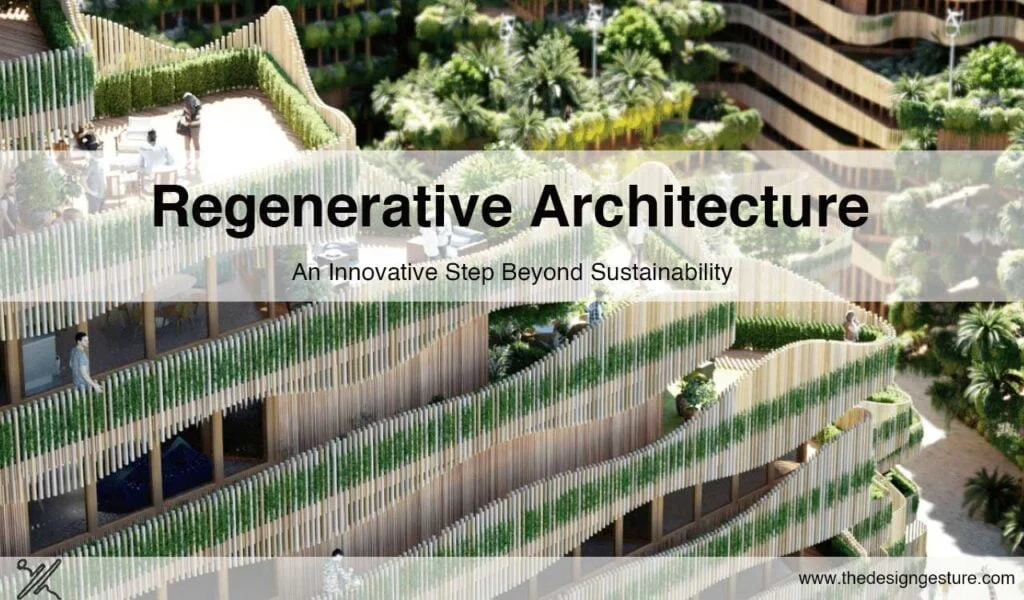
Living Green Walls
Undoubtedly, green walls in elevations are appealing in their aesthetics. Apart from aesthetics, green wall incorporation has its own importance and benefits. The benefits include noise reduction, thermal insulation, improvement of air quality, and at last it positively influences the psychological well-being of the occupants.
Design parts of the house to extend beyond the foundation, creating a visually striking and modern look. Cantilevered elements can provide shade, and shelter, or simply add an interesting twist to the traditional architectural approach.
Cantilevered elements add to the aesthetic appeal of the building apart from that space optimization is also a consideration, as it helps in the maximum usage of the space and additionally helps with natural light and ventilation, improving the indoor environment. However, using a cantilever also improves the chances of privacy for the residents.
Transparent Facade
To create an open and transparent facade, make use of wide windows and glass components. The line between interior and outdoor rooms is blurred by this design, which allows for lots of natural light. It enhances the quality of the indoor environment by providing the spaces with natural light and ventilation. The choice of materials for the façade has an impact on the resident’s perception of the space’s quality.
The optical equilibrium that a solid mass needs to reflect in its surroundings when approaching from an elevation with a clear façade is present. In order to respond to and elevate the elevation design as well as its visual appeal, a solid transparent balance is a necessity.
Rooftop Gardens and Terraces
Designing the rooftop gardens and terraces in the residence is quite a functional approach being minor, sustainable and appropriate for its residents to have an environment with greens, improving the quality and environment to reside. This approach maximizes the use of space while providing excellent views and creating a more sustainable environment.
Using various building materials together and creatively, such as stone, wood, glass, metal, and concrete, adding texture and gives depth to the elevation design. Combining materials can provide a number of advantages, including cost effectiveness, structural soundness, aesthetic appeal, and energy efficiency. The juxtaposition of different materials can create a visually captivating facade.
It’s crucial to achieve a balance and make sure the elements are complementary to one another when using mixed materials in the elevation design. A successful and eye-catching outcome requires careful consideration of elements like durability, maintenance needs, material compatibility, and the overall design concept. To ensure the proper use of mixed-material usage in elevation design, it is usually advised to speak with a qualified architect or designer.
Adaptive Facades
Adaptive facades, sometimes referred to as dynamic or responsive facades, are cutting-edge kinds of building envelope designs that can react to alterations in the surrounding environment. These facades are made to be as energy efficient, comfortable, and aesthetically pleasing as possible by adjusting their features to the surrounding area. Adaptive facades offer many advantages that can improve the overall efficiency and sustainability of the building when it comes to the elevation design of a home.
However, the particular technology and materials selected can affect how difficult and expensive it is to integrate adaptive facades. To find the best adaptive facade solutions for the house, it is crucial to do a complete examination of the site, climate, budget, and user requirements. Working together with architects, engineers, and experts in façade design can help to successfully include adaptive facades into the house’s overall design.
Artistic Murals or Sculptures for Elevation Designs
The overall aesthetics of a home can be enhanced by including artistic murals or sculptures into the elevation design. Create distinctive murals or sculptures on the external walls by working with regional sculptors or artists. This not only gives the property a creative touch, but it also captures the local culture.
Creative sculptures and murals can be effective ways to express yourself while also greatly improving the curb appeal of your home’s elevation. But it’s crucial to find a balance between originality and harmony with the home’s overall architectural design.
Sustainable Design Elements
Adding eco-friendly design elements such as solar panels, green roofs, rainwater harvesting systems, and recycled materials in elevation design improves aesthetics. Incorporating these environmentally friendly design components into the elevation design improves the building’s functionality and comfort overall while lowering long-term operating expenses.
Interactive Lighting
Install interactive lighting systems that change colors or patterns based on user input or time of day. This dynamic lighting can transform the appearance of the house at night and create an engaging visual experience.
When creating with interactive lighting, using these sustainable design elements helps to find a balance between beauty and usefulness. It’s crucial to employ lighting and flashy effects sparingly in order to avoid overwhelming the home’s occupants and guests with too much light or flashy effects. Lighting elements into the elevation design not only help the environment but also improves the building’s functionality and occupant comfort while lowering long-term operating expenses.
The most distinctive elevation designs are those that capture the character and tastes of the homeowners while fitting in seamlessly with the neighborhood. When establishing your original ideas, be careful to take into account pragmatism, neighborhood architectural style, and local laws.
“Impressionism; It is the birth of light in painting. “
– Robert Delaunay
Impressionism
An art movement admired by artists, appreciated by the public, showcased in the world’s top museums, and defined being the king of-the-art world, “The Impressionism”. Despite the rejections faced by impressionists, this art movement was pioneering with a groundbreaking genre of painting and acted as a catalyst for modern art.
During the 1860s, France was blessed with art when a style and movement in painting was characterized by visual impressions of shifting light effects and shadows called impressionism, accepted by the whole world with open arms.
Impressionism is defined as a practice of painting depicting the natural appearance of objects using dabs or strokes of primary unmixed colours to stimulate the picture with changing effects of light. These paintings of unblended color lead to the most dramatic era of-the-art movement.
“Rejection is merely a redirection: a course correction to the destiny.”
Being an artist means accepting the rejection and creating it as an opportunity, enlarging it to make a revolutionary change in society.
The year ongoing was 1859, the creator of the so-called rejected painting was Edouard Manet who painted “The Absinthe Drinker” (1859) which was rejected by the Paris salon (Government sanctioned painting exhibitions) on the grounds of degenerative matter, plainly visible brush strokes and seemingly incomplete style.
The origin of impressionism was an act to stand up and rebel against classical subject matter while embracing modernity, reflecting the natural world in which the Parisian painters lived. The term “impressionism” was the embracement of the rejection of Manet’s painting called an impression sunrise. This satirical review of the painting was indeed an action-reaction formula to enlarge the movement which was nurturing within the artists like Camille Pissarro, Edouard Manet and Claude Monet adjoining many such impressionists in a row to live an impression of their artwork behind.
Characteristics and Themes of Impressionism
“For an impressionist to paint from nature is not to paintthe subject but to realize the sensation.”
– Paul Cezzane
Impressionism paintings were uniquely characterised by their focus on light change in a moment and defining the edges with shades of colour. The main thought driven behind this movement was to justify their vision, how the object, landscape, human, etc. appeared to them creating the exact of their viewing vision in the form of clear brush strokes, with effects of changing light dimension and diffused reflection.
Impressionism has 3 main elements that distinguish it from other art forms: its depiction of light, loose brushstrokes, and open composition indistinctively identified.
Impressionist painting created a revolutionary art movement because of its unique, unnatural, and exclusive characteristics summed up below.
Quick, loose brushstrokes
As impressionists are more into capturing a moment, they need to move their hands with a quick movement which often highlights the loose brushstrokes in the impressionist piece. This characteristic makes this kind of painting standalone among all of its kinds.
Unlike the previous art movement like Realism or Braque art, Impressionism focused on being light and grounded and using complementary colours nearby to make it look more vibrant and alive.
Realism, an art movement just before impressionism, used more earthy tones like black, greys and browns and shifting from those to light hues of red, yellow, oranges, violet, and indigo, made impressionism paintings look brighter.
In the same manner, baroque art was full of darker tones artisans painted the background of canvases in black, and the real painting emerged in different hues highlighted by a black background.
Impressionism, being a reversal of both realism and baroque art, stood bright and was soothing to vision.
“En Plein Air” ( Outdoor painting )
Impressionists’ paintings are the moment of timepieces, they are the impressions of the moment captured by vision and studio being restricted to object, views and apprentices cannot create variation in illusion, perhaps being outdoor let the impressionists capture the varied moment and the real scenic beauty giving them open options to illustrate the vision of interest.
Relative colour
The Impressionists always believe and work on the principle of what they saw hence as we have a setup of colours like the grass is green, the sky is blue, and mountains being brown is said to be a painting in local colour. But in impressionism they pour the colour of the moment say water being purple, grass being yellow in dawn and mountain being orange in the dusk it all depends on the moment captured by impressionists.
The unique feature which makes this kind of painting splendid in its way is the more you move further from the canvas, it gets more clear to your vision. This kind of painting is not be viewed by standing very close to the canvas as you may disrupt the vision by its chaotic look of brush strokes and dabs coming together. These kinds of paintings should be viewed in the same way a person views his or her own life, i.e. an overview, rather than jumping into the intricate mess and chaos of life.
As painting does not have much detail within and is limited for a moment captured, hence can be portrayed on small canvases which are easy to carry and hold by the impressionists when they paint outdoors.
Japanese print influence
The influence of Japanese art print is evident in asymmetrical composition and off-guard events in impressionist pieces.
Masterpieces of Impressionism and Their Impressionists
“Everyone discusses my art and pretends to understand as if it were necessary to understand when it’s simply necessary to love.”
– Claude Monet
An art movement is always incomplete without the appraisal of the artists who made the art stand indistinctively different, creative and vibrant and is the shrines of the culture for a decade.
Eduard manet
The impressionist artist is famous because of his controversial contribution to impressionism, mostly the female nude painting was the talk of the town in those days. Being criticised for their unique style of painting and genre of painting, he never attended exhibitions in Paris. He also portrayed everyday life in cafes and bars in Paris, the city and its urban life, the street and its beggar, women, singers, and workers were seen very repeatedly in Manet’s painting.
Some of Manet’s famous paintings include Luncheon in the Studio, Concert in the Tuileries Gardens, A Bar at the Folies-Bergere, Portrait of Berthe Morisot, Concert in the Tuileries Gardens and Roadmenders in the Rue de Berne.
The father of impressionism was fascinated with the real beauty of nature and inspired by the landscape artist and gave birth to the art movement of that century, impressionism. Being in the open captures the beauty of the moment, which couldn’t be seen again if not preserved in the form of painting.
Vibrant hues, complementary colours, unusual composition, and smaller brush strokes make the painting identifiable that Manet’s work. Water lilies, Impression, Rouen Cathedral series, The Haystacks, and Woman in the green dress are some of his notable works.
Edgar Degas
The artist is famous for his contribution to impressionism in defining human portraits, particularly female bodies because of his academic training interests in creating human figures evoked. Dancers, singers and prostitutes were highlights of his work, as he has a way to present it distinctively. He also did not like to be called an impressionist artist, but wanted to be known as an independent artist.
His subject of portraying painting was not a classical one or celebrated events rather a modern life description in his painting was more of his interest. Have faced a lot of criticism for not being an impressionist artist but rather portraying the life of lower caste subjects. Some of the important works of Edgar Degas are The Bellelli Family, Monsieur and Madame Édouard Manet, Foyer de la Danse, Le Foyer de la danse, and Prima Ballerina.
Characteristics distinctive painting which is more vibrant, colourful and giving the essence of the moment captured. The focus of Renoir was also to portray Parisian life and its figures. Modernity, brighter tones and the varied human figure are the identifying characteristics of Renoir’s work. The great masterpieces of Pierre-Auguste Renoir are Woman in Black, Diana the Huntress, La Loge, La Grenouillère, Madame Georges Charpentier and Her Children.
The only impressionist artist who exhibited his work in all eight exhibitions. His indulgence in politics is reflected in his paintings when he highlights the life of peasants and rural areas.
Being an impressionist artist, the major focus was on the changing effect of light. Two Women Chatting by the Sea, St. Thomas, The Banks of the Oise near Pontoise, Jalais Hill, Pointoise, The Boulevard Montmartre on a Winter Morning, and Road to Versailles at Louveciennes are the most notable works of Camille Pissarro.
Above were the pioneers who led the impressionism turn from being criticised to a revolutionary art movement which is still in its existence because of those loose brush strokes which went through the canvas to portray the moment captured. Impressionism is special in its way as it cannot be replicated because the dawn, dusk and landscape are ever-changing with time, hence once a moment captured in impressionism will last on canvases for years.
Influence of Impressionism on Design
“Impressionism is the newspaper of soul, and design is the letters were written justifying the story behind.”
Design is ultimately the impression of one’s vision, how the design is read is the manner of its definition being the regular one or leaving an impression. Impressionism, being the movement of its time, has not led behind in influencing design. Every impressionist has his way of portraying the impression of the moment captured, unlike the fact that designer’s design has its way of perceiving, planning and executing the design. Hence, impressionism influences the design.
Examples justifying its influence on the design
Impressionism of the 19th century blew art history into a new direction and design was the field which was not left behind with the loose brush stroke effect which led their impression on the glass to give a new finish creating an illusive vision as if an airy atmosphere is there beneath the glass surface. Design is the majority influenced by impressionism in terms of changing effects of light and colour.
When talking about an interior design project, one question may arise, where does this impressionism lie? I too wonder that is this impressionism restricted to just hanging a wall canvas portraying impressionism or having much more of its impressions in today’s interiors.
The design depends on factors of switching materials, implementing decor elements, and going well planning-wise. Considering all three and taking the effect of impressionism on material, whether it is a glass top of a centre table or a coffee table or going with a wall full of loose brushstrokes and dabs of complementary colours, enhances the interior by creating a visual texture.
Existence of Impressionism in Today’s Designing World
When talking about an interior design project, one question may arise, where does this impressionism lie? I too wonder that is this impressionism restricted to just hanging a wall canvas portraying impressionism or having much more of its impressions in today’s interiors.
Impressionism paintings and masterpieces, when looked at closely, appeared to be disruptive in vision to some and as we move further away, the picture becomes clear to the vision, the same goes with design.
Any intricate or parametric design closely viewed will be a matter of discussion or maybe criticised, but as you will move further away from it, your vision identifies the line of clarity in the designed masterpiece.
Hence, it’s high time to identify the art history which led a movement because of its not-so-regular art form and give it recognition in today’s designing field, which in turn is the honour of that moment captured. And yes, impressionism not only influences the design but also is the real sense of design.
The built environment around people, directly and indirectly, affects them. Poor housing quality leads to psychological distress. Living in an area that is too congested may have unfavorable effects on a person’s wellbeing. Design elements have a direct connection with a person’s psychological health and they also help a person navigate space.
Living in loud spaces or tiny apartments may create psychological disorders but won’t produce mental illness. Toxins emitted because of air pollution cause behavioral disturbances. Lack of adequate sunshine is also a cause of depressive symptoms. The physical environment alters psychosocial processes and, hence, influences mental health. The constructed environment has a significant effect on personal control, socially supportive connections, and recovery from stress and exhaustion. To investigate the influence of the physical environment on mental health, more prospective, longitudinal research and realistic, randomized trials are required.
The issue of building basic theories on how the built environment affects mental health is much more difficult. It is also possible that certain people are more sensitive to the mental health effects of the built environment. We also need to pay greater attention to the health implications of various environmental risk exposure, since exposure to poor environmental conditions is not distributed randomly and concentrates among the poor and ethnic minorities.
Photo by Dezeen
Designing For Built Environment Services
A holistic conceptual model for designing the built environment for mental health services will improve treatment outcomes and experiences, benefit families and the community, and promote community resilience. The built environment can stimulate or avoid mental strength. Attachment towards a locality refers to the psychological and social connections humans feel with positive locations—their homes, the settings in which they grew up, and others. The conditions of modern-day lifestyles place extraordinary demands on us and regularly exhaust our ability to pay interest.
Having greener settings can relieve mental fatigue and contribute to repairing a person’s ability to pay interest. Crowded, noisy, and dangerous locations have an increase in adverse effects on humans and their mental states, fostering, for instance, pressure, anxiety, melancholy, and violent behavior. Some locations draw humans collectively and, for this reason, support the improvement of social ties and decorate the development of social capital. Places that inspire physical interest can both prevent and treat mental illness. High walls promote gloominess. Windows that are narrow and inaccessible show limited views. The surroundings of the built environment should be pleasant.
Nature Therapy
Before modern pharmacological treatments, it was said that a variation of the surrounding environment might be good for our health, both mental and physical. After developments in modern medicine, people’s interest in environmental factors was minimized. A pill or talk therapy was considered as a solution, rather than changing the surroundings of a person. Recently, the benefit of nature has seen an increasing interest yet again, with studies focusing on the advantages of green spaces in urban and metropolitan regions.
As much as we appreciate nature, we don’t really live like our forefathers. There have been some overwhelming changes in the last three-quarters of the century. For the first time after the Neolithic age, most people are not a part of the agriculture sector. Most of the population lives in towns and cities. The environment we dwell in, its advantages and disadvantages, is mostly artificial. Considering the lifestyle people indulge in today, we spend most of our time in built environments instead of nature. Most of us, sick or well, spend time in a built environment.
Architect’s Role in Built Environment
For a long time, developers’ offers have paid limited regard for people’s happiness. Researchers found that only 4% of the architectural practices do post-occupancy assessments, and only 22% frequently did. This reveals that a huge share of architects don’t appear to be concerned about what people think or feel about their buildings. It is heartwarming that the number of architects designing for health is seen to be increasing day by day and trying to gather research on the effect of buildings on mental health.
Many architects have acknowledged mental health issues in their structural projects. Andrew Maynard renovated his Melbourne home to be so open that the amount of sunlight coming into his home forces him to “wear sunglasses inside”. This was a bid to improve his mental health via his vitamin D levels.
The issue with all the newly constructed buildings is that most people are only concerned about the aesthetic value of a particular building. The one thing that sells is the ‘WOW’ factor of these buildings. As said by Sir Francis Bacon, “Houses are built to live in, and not to look on; therefore, let ‘use’ be preferred. Leave the goodly fabrics of houses for beauty only to the enchanted palaces of the poets, who build them with small cost.”
Whether it is the changing mindset of people, a fluctuating economy, or evolving trends, the architecture, engineering, and construction industry always counters and adapts without postponement. Buildings and built-in interiors can be designed aesthetically, allowing privacy while allowing for social interaction, providing access to the natural world and natural light, and encouraging everyone’s health. One of the most significant silver linings post-covid is the significant rise in mental health becoming people’s priority. Although, even pre-covid, a subtle change in terms of awareness regarding mental health had already begun.
Natural lighting, less glare, increased natural ventilation and exhaust facilities, large windows provide wider views, open stairwells encourage walking, provision of open-air patios or rooftops, adjacent exercise areas, including walking trails and pet parks, access to healthy food, integrating mass transportation, carpooling, or bicycle sharing for employees, waterfall structures, are other forms of bringing nature indoors that help uplift mental health.
Biophilia can play a major role in making the built environment more favorable for the user. According to certain clinicians, change is a pretty scary phenomenon for people with mental health illnesses. This results in a barrier when the patients realize their habits will have to be changed in order to feel better. So far, there is no obvious diagnosis and no ‘works for all’ solid solution to mental illnesses like anxiety and depression. Egg-shaped mobile therapy spaces were designed by Karl Lenton to provide prisoners with better and more comfortable access to healthcare.
Versatile furniture might help. According to British studies, having workstations like individual standing desks promotes good posture, prevents cardiovascular diseases and certain types of cancer. Versatility in furniture also helps to make work less monotonous, which leads to a rise in the user’s level of motivation. Instead of a traditional desk, armchairs, bleachers, sofas, and high tables with diversity in colors and textures, offer a wide range of places to sit and experience and a variety of perceptions from people.
Photo by Dezeen
Photo by Dezeen
Space Planning
Spaces should to designed in order to allow social interaction. Having multipurpose rooms with different colors and patterns and terraces or other forms of landscaping overlooking views is a great way to help people unwind. Other examples include yoga and meditation rooms with relaxation areas. Adding a certain level of playfulness in the space is a helpful tool. Inculcating outdoor spaces has always been an important factor.
Neuroarchitecture has increasingly focused on outside spaces as instruments that may directly affect the brain, similar to charging a cell phone battery. Outdoor spaces, regardless of their amount of greenery, are critical for taking a break and recharging our batteries. Whatever the scale, the idea is to recognize the importance of physical space in the mental health of individuals who use it, as well as how certain measures may improve people’s quality of life.
You are ready to buy a house or are going to rent. You can take help from our online square footage price calculator. Ready to estimate the price per square foot and get the exact price that you want to pay?
Without wasting your time, let us move toward the bottom article to understand the formulas by which you estimate the area of a property. Just down and stay focused. The square footage calculator figures out the square footage of any surface.
If the surface is unstable, it is possible to section the surface with the help of a Price Per Square Foot Calculator calculator-online.net.
What Is Online Price Per Square Foot?
When you are deciding to purchase a property or give on rent definitely, you want to calculate the cost per square footage of a house. For this purpose, you may take the help of our online square footage price calculator, which will help you to compare the cost per square foot of your house by considering the purchase price and the area of measurement.
Our advanced tool also helps real estate agents, loan officers, other property dealers, and businesspersons that want to construct houses.
Our calculator takes into account the price that you pay at the time of purchase of the property and how much total area you have if you want to compare your property with others then select it from the drop-down menu.
How Much Is a Square Foot?
You can calculate the square foot as a square with one side so their length is equal to the 12 inches however; we say that one square foot is equal to the 144 inches². You are surprised how this is calculated 12 inches of one square one side length and here we calculate the square foot that is 12inches × 12inches.
You make your calculations fast and accurate with the help of our Price per Square Foot Calculator. The square meter is the basic unit of the space and here we estimate roughly that it is ten times the area of a square foot.
Formula to Calculate The Price Per Square Foot
With the variation of the sizes in the property formulas also variate. The formulas that are used to calculate the price per square foot are as follows:
Price per square foot = price / floor space (ft²)
This formula is also used to calculate the rental property rent for one month or if you want to replace the property with the annual rent cost, you allow using this formula:
Rent per square foot = monthly rent / floor space (ft²)
Enter the values in the field with their suitable units and tap on the calculate button to generate the fast answer.
Conclusion
The price per square foot calculator allows you to calculate the cost of your home. This user-friendly tool takes into account the purchasing price and total area of your property. How to Calculate Price per Square Foot? Obviously, it looks like a daunting challenge so without wasting your precious time let us start with this online square footage price calculator to compute the price per square foot to estimate your property.
It is crucial for professionals as well as students to get study room designed space that encourages concentration creativity and productivity. This article will examine a number of study room design topics such as small study room layout color scheme wallpaper accent pieces and more. Our collection of ideas and tips is perfect for anyone setting up a study area be it for adults or children.
Study Room Design Ideas
Study Stream Focus Room
Study Room India
Study Room Design Basics
Examine elements like lighting furnishings color palettes and arrangement when planning a study space. Focus and productivity can be greatly increased in a well-designed study space.
Focus Study Room
Study Room Makeover
Study Room Home
Small Study Room Design
Use multipurpose furniture to make the most of the available space in small study rooms. For small spaces a study room design with a bed can be a great option. To maintain the space neat and organized take into account vertical storage options like shelves and wall-mounted cabinets.
Study Room Things
Study Room Ideas for Small Rooms
Focus Room Study Stream
Best Colors for Study Rooms
Colors have a profound effect on focus and mood. Soft neutral hues are frequently the ideal choice for a study space. Light blues greens and greys are great options because they provide a peaceful atmosphere. Selecting paint colors for a study area should take into account how they affect psychology encouraging focus and lowering tension.
A study rooms wallpaper can give it character and coziness. Choose light colors and delicate patterns to prevent distractions. Wallpaper for a study should improve the aesthetics of the space and go well with the color scheme.
Making a room that is both practical and motivating is a must when designing a study area for children. To guarantee comfort and motivation use vivid colors creative wallpaper and ergonomic furniture. To maintain the rooms organization include an abundance of book and supply storage.
Study Room Bookshelf Design
Study Room for Students
Study Room Wall Design
Luxury Modern Study Room Design
A luxurious modern study room design should emphasize streamlined furniture and premium materials. Include sleek desks cozy chairs and contemporary lighting fixtures. Sophisticated and efficient spaces can be created with a minimalist design that features clear lines and organized spaces.
Study Desk Design Ideas
Study Room Colour Design
Study Room 3D Warehouse
Study Room Decoration Items
Your study space can gain personality from decorative accents. For enough lighting contemplate installing a study lamp inspiring sayings for the walls and chic storage options. In addition to improving air quality plants can add a hint of the natural world.
Sleep study room
Study room design in home
Library Room design for home
Study Room Wall Painting and Paint Colors
Paintings on the wall can be a great way to add inspiration and visual interest to a study space. Select designs for your study room wall painting that align with your objectives and areas of interest. Paint colors should be calming and help you concentrate. The best colors are neutral tones gentle greens and light blues.
Wall Painting Designs for Study Room
Wall Painting Ideas for Study Room
Study Room Color Combination
Study Room Furniture and Interior Design
Your study space can be made into a productive and comfortable workspace with the correct furnishings and interior decor.
Study Room Wardrobe Design
Study Room Aesthetic
Study Room Furniture Ideas
Study Room Table Design
For maximum productivity a well-designed study table is necessary. Make sure the table fits nicely in the space and has adequate room for your needs. If you have a small space think about designing a study table.
Room Study Table
Study Room Interior Design
Study Room Images
Study Room Cupboard and Wardrobe Design
Storage in a study space is essential. Arrange and make your study materials easily accessible with a well-thought-out closet or cupboard. A study room cupboard design featuring multiple compartments can optimize storage without occupying excessive space in small spaces.
Study Room Almirah Design
Study Room Accessories
Study Room Makeover Ideas
Study Room Chair
For extended study sessions having a comfortable study chair is essential to preserving proper posture and preventing fatigue. Select a chair with plenty of support that is ergonomic.
Study Room Design for Students
Study Room Cabinet Design
Study Room Decoration Ideas for Students
Study Room Ideas and Interior Design
Modern Study Room Design
Functionality and simplicity are the main design elements of modern study rooms. Make use of neutral color schemes and streamlined minimalist furniture. With integrated cable management systems and charging stations you can seamlessly integrate technology.
Study Room Modern Design
Interior Study Table Design
Study Room Design for Small Room
Study Room Decoration Ideas
Use décor ideas that speak to your interests and personality to make your study space uniquely yours. To create an inspiring environment use artwork posters and wall stickers in your study space. Student study room decor ideas can range from do-it-yourself projects to inexpensive décor.
Study Room Wall Stickers
Study Room Focus
Study Room Ideas for Adults
Study Room Lighting
In a study space adequate lighting is crucial. The best lighting is natural light but if that isnt an option combine task lighting with overhead lighting. For reading and writing a desk lamp in the study can provide concentrated light.
Study Room Lamp
Study Room Ceiling Design
Study Room Light
Study Room Size and Layout
Your study spaces dimensions and design should match your needs and usage. Make sure the arrangement allows for easy mobility and access and that there is adequate room for all of your study materials.
Study Room Bed Design
Study Room House
Interior Design of Study Room
Study Rooms in Various Cities
Study Rooms in Hyderabad, Pune, and Mumbai
Numerous cities have student-only libraries and study spaces. Exam-focused students in Hyderabad Pune and Mumbai are big fans of study rooms. Frequently these amenities offer a peaceful and comfortable setting for learning.
Library Study Room Design
Study Rooms in Mumbai
Study Rooms in Pune
PCMC Study Room
Professionals and students can use the various study rooms in the PCMC area. All the amenities required to support concentrated study sessions are provided in these areas.
Study Room Library
Study Room Arrangement Ideas
Latest Study Room Design
Virtual and Online Study Rooms
Online and virtual study rooms are becoming more and more common in the digital age. Even though they are separated by great distances students can connect share resources and study together thanks to these platforms.
Study Room Online
Study Room Live
Study Interior Design Online
Study Room as per Vastu
The study rooms orientation in accordance with Vastu is essential for individuals who adhere to Vastu Shastra. To improve productivity and concentration when studying it is advised to face either the east or the north. According to Vastu the study should be located in a peaceful uninhabited area of the house.
Study Room Location as per Vastu
Study Room Pop Design
Study Room Paint Ideas
In Conclusion
Many factors including color lighting furniture and layout must be taken into account when designing the ideal study space. These study room designs and ideas can assist you in creating a useful and motivating space regardless of the size of your room. There are countless options ranging from opulent modern designs to study spaces for children. Don’t forget to add décor that inspires and motivates you to make your space unique.
FAQs (Frequently Asked Questions)
Which color works best in a study?
Generally speaking light blue green or grey are the ideal colors for a study space because they are gentle and neutral. Studying is made easier by the serene concentrated atmosphere that these colors produce.
How should a small study space be laid out?
Use vertical storage options a small study table and multipurpose furniture when designing your small study space. To make the most of available space think about designing a study room that includes a bed.
What kind of wall covering is appropriate for a study space?
When choosing wallpaper for your study area go for light colors and delicate patterns. This reduces outside distractions and harmonizes with the rooms color palette.
Create a study space for kids using lively colors creative wallpaper and comfortable furniture. Create a space that is inspiring and well-organized and make sure there is enough storage for books and supplies.
What pieces of furniture are a study room must have?
A large sturdy study table an ergonomic chair that is comfortable and sufficient storage options like shelves or cabinets are all essential pieces of furniture for a study area.
Creating a getaway or Holiday Home Design is not just about building a place to sleep its also about creating a haven of comfort relaxation and escape. This article will cover all the bases whether you’re looking at vacation home decor ideas vacation home interior design or vacation home designs in far-off places.
Smart holiday home designs
Holiday home architecture styles
Holiday home bedroom designs
Vacation Home Interior Design
A vacation house should have comfortable yet stylish interior decor. Concentrate on establishing a refined yet comfortable space. Important components consist of:
Color Schemes For a tranquil ambiance choose soothing hues like blues and green.
Lighting To create a cozy and welcoming environment combine artificial and natural lighting.
Furniture Select pieces that are both aesthetically pleasing and useful.
Lighting for Vacation Home Design
Color Schemes Vacation Home Design
Furniture Vacation Home Design
Vacation Home Designs
Types of Vacation Home Designs
Luxury Vacation Home Designs: These residences frequently have upscale components tasteful furnishings and cutting edge conveniences.
Modern Vacation Home Designs: Stress simple open layouts and furnishings with a minimalist aesthetic.
Beach Vacation Home Designs: Include coastal features like light colors natural materials and views of the ocean in it.
Luxury Vacation Home Designs
Modern Vacation Home Designs
Beach Vacation Home Designs
Mountain Vacation Home Designs: To blend in with the natural environment use rustic materials like stone and wood.
Lake Vacation Home Designs: For a peaceful getaway incorporate aspects of mountain and beach designs.
Cottage Vacation Home Designs: Emphasize comfortable enchanting and frequently retro-inspired décor.
Rustic Vacation Home Designs: To create a cozy earthy atmosphere use raw natural materials.
Mountain Vacation Home Designs
Lake Vacation Home Designs
Cottage Vacation Home Designs
Custom Vacation Home Designs
Consider hiring a designer to create a custom vacation home if you’re looking for something special. For instance a Montana vacation home designer can assist in creating a mountain hideaway that precisely meets your requirements.
Waterfront Vacation home designs
Holiday home furniture ideas
Business Architecture Diagram
Resort Vacation Home Design
Combining luxury and convenience is a key component of resort vacation home design. Consider implementing:
Outdoor Living Spaces: Decks patios and outdoor kitchens are necessities.
Pools and Spas: Having a personal pool or spa can improve your trip.
Entertainment Areas: Provide areas for socializing gaming and watching movies.
Pools and Spas
Outdoor Living Spaces
Entertainment Areas
Vacation Home Design Plans
Its essential to draft a thorough floor plan. Important factors to think about are:
Open-Concept Layouts: Encourage an air of room and movement.
Vacation Home Floor Plans: Make sure the arrangement makes the most of the available space and is useful. –
Small Vacation Home Designs: To maximize the limited space use multifunctional furniture and clever storage solutions.
Open-Concept Layouts
Vacation Home Floor Plans
Small Vacation Home Designs
Holiday Home Decor and Interior Design
A festive home should be decorated accordingly. Here are a few suggestions.
Holiday Home Decor Christmas Decorations: To create a festive atmosphere use traditional colors lights and ornaments.
Holiday Home Decor Boho: Bohemian elements can be incorporated into holiday home decor to create a laid-back eclectic atmosphere.
Holiday Home Accent Decor: To improve the vibe add accent pieces like wall art rugs and throw pillows.
Holiday Home Decor Christmas Decorations
Holiday Home Decor Boho
Holiday Home Accent Decor
Holiday Home Decor Design
Pay attention to seasonal themes:
Holiday Home Decor Christmas Village: Use tiny houses and figurines to assemble a quaint village scene. –
Holiday Home Decor Gift Baskets: Arrange artistic gift baskets throughout your house.
Holiday Home Decor Blanket: Cozy festive blankets are a great way to add warmth and comfort to your home during the holidays.
Holiday Home Decor Christmas Village
Holiday Home Decor Gift Baskets
Holiday Home Decor Blanket
Holiday Home Architectural Design
Think about your vacation homes general architectural design.
Holiday Home Architectural Design: Make sure the style complements the environment.
Holiday Home Design Trends: Keep up with the most recent developments in the interior and architectural design of vacation homes.
Open-concept holiday home designs
Holiday home design trends
Holiday home outdoor kitchens
Holiday Home Decor 2023
Keep up with the most recent designs in holiday home décor:
Holiday Home Decor Ideas: Look into fresh and imaginative décor concepts.
Holiday Home Lighting Ideas: Uplift the festive mood with creative lighting options.
Holiday Home Landscaping Ideas: Add lovely landscaping to your outdoor area to make it inviting.
Holiday home lighting ideas
Holiday home design inspiration
Holiday home landscaping ideas
Holiday Interior Design Firm and Services
Think about employing experts:
Holiday Interior Design Firm: Create a gorgeous vacation home by collaborating with professionals.
Holiday Interior Design Services: Use services that provide everything from planning to execution for your holiday interior design.
Holiday home lighting ideas
Holiday home design tips
Office building architecture
Dream Holiday My Home Design Mod APK
For those who enjoy virtual design.
Dream Holiday My Home Design Mod APK: Try out various design concepts on this app before putting them into practice in real life.
Eco-friendly holiday home designs
Holiday home bedroom designs
Adaptive reuse in commercial arch
Best Home Design 2023
The top home design trends for 2023 will help you stay ahead of the curve.
Vacation Home Design Trends: Update your vacation home with the newest designs and technologies.
Holiday Resort Design: Create an opulent vacation home by applying resort-style design concepts.
Vacation Home Design Trends
Holiday Resort Design
Holiday home design ideas
Vacation Home Locations
The location must be chosen carefully:
Vacation Home Locations: Take into account elements such as local attractions climate and accessibility.
Vacation Homes in India: Discover tranquil and exotic places in India.
Vacation Home Locations
Vacation Homes in India
Holiday home pool designs
Vacation Work Design
For individuals in need of a vacation house that can accommodate work:
Vacation Work Design: Design comfortable and useful spaces for specific tasks.
Holiday home builders
Holiday home color schemes
Custom holiday home designs
Holiday Home Concept Design Software
Use technology in your design work.
Holiday Home Concept Design Software: Planning and visualizing your vacation home can be done with software.
Prefabricated holiday home designs
Modular holiday home designs
Tropical vacation home designs
In Conclusion
Careful preparation and imagination are needed when designing a vacation or holiday house. This thorough guide covers every topic whether you’re looking for ideas for a small holiday home design or luxury vacation home design. The options are endless ranging from resort vacation home designs to Montana vacation home designers. Accept the fads of 2023 and design a haven that offers the ideal way to escape from daily life.
Minimalist holiday home designs
Holiday home renovation ideas
Family-friendly holiday home designs
FAQs (Frequently Asked Questions)
1. What are the best colors for vacation home interior design?
Calm and serene hues like light blues greens and neutrals are generally the best choices for vacation home interior design. A vacation house would benefit greatly from the calming atmosphere that these colors produce. Accent colors like coral turquoise or sunny yellow can also be used to create a more lively and vibrant vibe.
2. How can I maximize space in a small vacation home design?
Use multipurpose furniture like fold-out tables or sofa beds to make the most of the available space in a small vacation home design. The space can be kept organized with the use of vertical storage options like shelves and wall-mounted cabinets. Additionally light color schemes and open-concept layouts can help the room feel bigger and more airy.
3. What are some popular styles for vacation home designs?
The following are popular design motifs for vacation homes.
Luxury Vacation Home Designs: upscale components tasteful furniture and cutting edge features.
Modern vacation home designs: feature open layouts simple furnishings and clean lines.
Beach Vacation Home Designs: Natural materials light colors and coastal features.
Vacation House Designs on Mountains: earthy materials such as stone and wood.
Cottage Vacation Home Designs: Cozy quaint and frequently vintage-inspired décor characterize.
4. What should I consider when designing a resort vacation home?
Think about combining convenience and luxury when creating a vacation house at a resort. Essential components consist of:
Outdoor Living Spaces: Decks patios and outdoor kitchen areas.
Pools and Spas: A private pool or spa can improve a trip.
Entertainment Areas: Areas set aside for socializing gaming and watching movies.
5. How can I decorate my holiday home for Christmas?
Take into consideration the following concepts when decorating your vacation home for Christmas:
Christmas décor: Utilize conventional hues lights and decorations.
Christmas Village: Use tiny houses and figurines to assemble a quaint scene.
Gift Baskets: Arrange ornamental gift baskets throughout the house.
Festive Blankets: Add coziness and comfort with warm festive blankets.
Boho Decor: Use bohemian accents to create a laid-back eclectic atmosphere.
What is Sacred Space? Whether man-made or derived from nature, Sacred Space connects us to a reality that transcends fear. A sea, a forest, a rising or setting sun can define “sacred”. But people can create a place to preserve and spread the best within us beyond the world that inevitably threatens and upsets us. Architecture can create places where we feel part of our divine reality.
Creating a space that brings comfort, peace, and a felt spiritual experience while working on functionality is not a simple task for an architect. Buildings specially built for religious activities, whether as churches, temples, chapels, mosques, or synagogues, have been with us for centuries. The heavy power that religion has exerted over the centuries means these buildings are one of the most permanent, expressive, and influential in their respective communities.
Photo from Culture Trip
On the one hand, a church, mosque, or synagogue does not differ from any other building. It requires the same foundations, fire regulations, and planning considerations as an office building or community center of the same size. But places of worship are far more important in people’s lives than ordinary public buildings, which give the architect an additional responsibility.
Introduction on Holy places and structures
Architecturally designed modern sacred spaces often avoid traditional religious images, with traditional symbolic elements such as altars and pulpits, and the magnificent and decorated look of the past. Instead, elemental, calm, and unobtrusive spaces, often nodding to natural materials, are gradually becoming the norm. These modern religious buildings are becoming more than just places of worship, they are becoming adaptive and multifunctional spaces that meet the needs of the community.
Photo from Conde Nast Traveller
The ancient architecture of sacred places
If you look at the history of Indian architecture, it’s tempting to classify everything under the broad definition of ‘sacred space’. Indeed, architecture and religion are inextricably linked to Indian architecture. But when we arrive at this, we are amazed at the intrinsic unity of the form and its importance in the ancient architecture of India. Planners in India have offered many interpretations of the sacred space using simple forms, such as circles and squares.
Indian philosophy constantly refers to the concept of “the universe on a grain of sand” in its teachings. Indeed, the very principle of the Antar Atma or inner soul is that it is an all-encompassing soul or microcosm of atman. Ancient architecture in India reflected the concept of indivisibility by using the finite form as a concept representing the intrinsically infinite.
Photo from Insights
The mandala, or Square
The mandala or square is one of the most basic repeating units in Indian architecture. From the forest-nested Vedic fire altars to the basic orthogonal layouts of the cities of Harapan, to the colossal cathedrals of Khajuraho and Konak, the square and its permutations play an important role in Indian architecture. It is the geometry of a square (which the ancient builders undoubtedly understood) with equal faces and easily calculated diagonals that give this form the concept of constancy.
This square formed the basis of the Vastupurushamandala, or magical plan, on which the temple plans were based. Another square shape, the rectangle, became the basis for many examples of planar forms, such as the Gopuram in South India. Because of their maximum use of space, their static character, and their ease of repetition and combination, the square was one of the most frequently repeated motifs in ancient Indian architecture.
Cover Photo from Wikimedia Commons
The Circle
Although rarely found as an element of temple planning, the circle was the preferred form in Buddhist architecture, perhaps symbolizing movement and dynamism, and a metaphysical representation of the heavens covering the earth. In the Sanchi stupa and Bharhut stupa, the circle is used in height, as in anda in Sanchi, and Sanchi again in Sanchi and other places. Stone pillars of Ashoka. The dynamic power of the circle is also expressed in more “realistic” applications of Indian temples, such as the “wheel” of the Konark temple in Puri.
The semicircle went one step further to create a perfect circle, giving in to the concept of doubling it or returning its stride from where it was originally. The semicircle used with the metaphysical concept of Pradakshina became a motif in ancient temples, especially the Aihole.
Buddhists also used semicircles on the chaitya to emphasize the stupa’s position at the climax of the chaitya form.
The triangle
The triangle, being the most dynamic of the simple forms, finds a place in ancient Indian architecture, especially in the shikhara of Indian temples, representing the move towards and sympathizing with the divine power in the heavens. Another version of the triangle, although with a rectangular base, is again used in the gopurams of southern India.
Photo from Indian Traditions
The vertical line
Vertical lines are perhaps the most frequent element in ancient Indian architecture, manifesting mainly as decorative columns, in both Buddhist and Hindu architecture. Perhaps realizing the power of the lineage, Ashoka built his pillars to spread his teachings and the message of Buddhism. When repetition is added to this vertical unity, we get a dynamic and virtual facade or division highlighted by columns and walls of columns, for example, in rooms mandapa and interior by Karle chaitya.
Photo from Ethnic Stories
The implied space or the void
The implied space or emptiness itself creates very powerful mythological and mystical connotations. Representing the “great unknown”, the restriction of space, or even the number “0”, Indian architecture skillfully uses voids to represent sacred space. The emptiness that can be seen within the confines of the temple – garbha griha – represents the “inner space” of man or antaraatman. Other ways to use the void are in sacred baths – in the grand temple of Modhera, for example.
Buddhists also use emptiness to represent inner space in their viharas and chaitya, and carefully invert the concept into one that is, as at the Sanchi stupa, not a space ” empty” but a filled structure. We may never know how much emptiness may have been realized in Indian architecture, as the largest temple to date – the Konark in Puri – partially collapsed under the weight itself, the rest was blockaded by colonial regimes.
Photo from Indian Traditions
Stonehenge
Photo from Wikipedia
Many mysteries remain about Stonehenge’s prehistoric sites, but they were sacred sites designed with agricultural concerns in mind. Giant stones (monoliths), each up to 25 tons used in the construction of Stonehenge, were transported from a distance of at least 20 miles and placed in the correct position at a specific angle to calculate both time and time. Stonehenge was designed as a circle of monoliths, with additional monoliths placed on top (triliths) to create a cohesive stone circle.
Photo from Wikimedia Commons
Inside the circle was a similar design of a horseshoe-shaped monolith that opened to the northeast. A single monolith called Heel Stone is just northeast of the circle. During the summer solstice, stand in a stone horseshoe and head northeast to see the rising sun from Heel Stone. It is unclear what rituals took place during prehistoric times, but today visitors gather to witness the sunrise at the summer solstice. Many bodies have been found in Stonehenge, suggesting that this site was a very important burial site in prehistoric times.
The Parthenon
Photo from Encyclopaedia Britannica
The Parthenon in ancient Athens, Greece, was built as the temple of Athena, the goddess of war. The Parthenon was built high on a hill overlooking the sea, allowing Athena to monitor the Greeks and protect them from further attacks. The first temple on the premises was wooden and had a wooden statue of Athena. Both burned during the war with the Persian army around 479 BC.
The olive tree, the symbol of Athena, grew from ashes and was considered by the Greeks to be the symbol that Athena wanted to rebuild. Later, the Parthenon and other surrounding Acropolis structures were made of marble. The Parthenon itself is an open rectangular temple with the entrance facing east and loosely oriented towards the base point.
Ise Jingū (Temple/Shrine of Ise)
Ise Jingū in Japan is a place to show respect to nature to those who practice Shinto. The site itself is a complex of 125 shrines built to worship the spirits of nature called gods, the most famous of which is Amaterasu Omikami, the goddess of the sun. Ise Jingu is a complex place comprising many shrines centered on the two main shrines, Naiku and Geku. Goddess Yata no Kagami is one of Japan’s greatest treasures and is at the Naiku Shrine, which represents the sacred support of the royal family. The mirror symbolizes the truth of ancient Japan, and the Yata no Kagami also means wisdom.
Photo from Japan Reference
Two sections of the same size next to the east and west will be used alternately every 20 years, and the main shrine of the Naiku will be rebuilt. This ritual last took place in 2013. The cypress trees growing in this area are used to build a new shrine next to the old shrine while the old shrine is being demolished. This process means the destruction and regeneration of nature.
When the old shrine is completely demolished, the “heart pillar”, which shows the central location where the next shrine will be built, will be filled and the site will be covered with white rock. The new shrine is built much like the shrine that began its reconstruction ritual in 690 AD. The shrine is 35 feet x 18 feet and has a long south entrance.
Parameters contributing the spiritual feel of the space
Architecture affects human psychology through certain elements, such as color, form, shape, light, space, etc. The built environment has direct and indirect effects on human psychology. It affects our senses, mood, emotions, motivations, judgments, decisions, health, and participation in physical activity and community life.
The scale of the structure
Sacred spaces usually have soaring high ceilings, showing a sense of connection with heaven and God. In the absence of high ceilings, spaces often open outwards towards nature and society. The human scale is best described as the relationship between the body and its environment. The body is nothing more than an undeniable connection between our sensory experience in the physical world and how we perceive it in our minds.
Photo from Travel+Leisure
There is a certain relationship between the space we live in and the body that occupies them. From the monumental dome of Jama Masjid in New Delhi to the narrow zigzag landscape of Balanashi, there is a constant connection between our physical and sensory experiences and all the spaces we live in. The grandeur of Indian space has something that makes us feel small and surrounded.
The spontaneous and delicate connection between the majesty of the temple and the intimacy and intimacy of the alleys creates a dynamic relationship between these spaces and the bodies moving within them.
Photo from Live Science
How can we evoke different senses without falling into the hegemony of prioritizing eyesight over all other senses? Immerse your whole body in the surrounding space, feel the texture of the sculptures of the Temple of Shiva, visually grasp the porosity of the stone that made the stairs of the Holy City, and breathe in the air blowing from the Ganges. We are standing on a suspension bridge. The direct contact between our body and the space we are in promotes a connection with our body.
Materials used
In most Islamic architecture, the materials used were stone and brick. Most buildings were related to Zoroastrianism, but the use of stone was also common in building construction. Lime was used in buildings related to Islam. Why can’t we see lime in Christian buildings? Differences in the building materials used in Islamic, Christian, and Zoroastrian religions have revealed some similarities and differences.
Differences that can arise from the original vision of manufacturing mean that the same material is used more often than other types. For example, the building materials of the church were the same as those used for dwellings until the 4th century.
The walls were made of raw brick, and the palm tree roof was covered with a layer of clay. When Christianity became the state religion of Egypt, the church was built of stone with marble columns and a wooden roof, as is now seen in Cairo. However, it cannot be denied that the phenomena of time and space partially affect the properties of the materials used.
As the use of tiles was seen in the construction of mosques, it resulted from the Arab development of communication with other cultures and architecture. The essential and visible point lies in the different properties of the materials used in the selected building.
Photo from My Modern Met
Colors
Color and its perception cause various conscious and unconscious stimuli in our psychosocial relationships. Despite its existence and its variations, it is ubiquitous. Besides the constructive elements that make up architectural objects, the application of paint to the surface also affects the user’s spatial experience.
Explaining the relationship between colors and the various properties that determine them, or much of the existing research on these theories, is as complex as it is vast. Color can be associated with psychology, symbolism, and even mysticism. Color has different meanings depending on the artistic, historical, or cultural era. The color changes when exposed to light. Among many other features.
Phot from CNN
Openings and light
Light is often used cleverly by architects to design religious buildings. There, the play of light and shadow evokes a deeper struggle between good and evil. Heaven and Hell. Tadao Ando’s minimalist Church of Light, built in the late 1980s in urban areas of Japan, is a good example of this. Through the intersection of light and solid, Ando says his dual architecture helps to “create a place for individuals, a zone for oneself in society. Glazed features create transparency and show a welcoming, open attitude that many religions promote today.
Photo from ALLPLAN Blog
Importance of open space in sacred surroundings
In the present century, and with very exciting prospects, nature is not seen as a simple aesthetic jewel or a household object. The landscape is explored as a significant contributor to solutions to the most important challenges facing cities and countries – urban forests for air and stormwater quality management, living walls for water quality. Air quality and energy-conserving construction, rooftop farms for food security, and parks as elements of walking programs to tackle obesity and to support active transportation.
Photo from ArchDaily
Open Space Sacred Place comprises four specific design elements that work together to support the mission of providing a temporary sanctuary, encouraging reflection, providing comfort, and creating peace. These design elements include portals, paths, destinations, and environments, each of which plays an important role in the overall design of the space.
Portal
Photo from Creative Market
The first design element you see upon entering an open sacred space is the portal through which visitors pass. It can be an arch, door, trellis, overhanging tree, or other markers. When you pass through the portal, the space of everyday life is transformed into a space of reflection where you can feel the power of nature.
Surround
The environment comprises design elements that define the boundaries of the sacred space. It may comprise a small fence or natural opening in plants, trees, or existing structures. Whatever it is made of, the surrounding interior feels safe and isolated from the stresses and problems of everyday life.
Photo from The English Garden
Path
Walking along the path allows the visitor to focus on their thoughts and gain mindfulness for their surroundings. It could be a straight path through the garden, or it could be a maze that takes visitors back and forth, expanding into smaller spaces. The meditative act of walking along the path can ground you to the earth, creating greater holiness and connection with a particular space.
Photo from Portland Japanese Garden
Destination
Photo from YouTube
A destination is an eye-catching feature or endpoint that draws visitors into a space. It can be a beautiful view, a quiet place away from the noise of the city, or a place to relax and experience the charm, awe, and serenity that nature can offer. When combined, these features can empower and transform the people who visit your space, even if it’s temporary.
Is it possible to create a life that goes beyond provenance in the place we designed? Or does the exquisite humanity of architecture make every attempt impossibly peculiar? Architecture connects people directly to our physical world. Whether or not we collude, a spiritual connection arises. Just listen to the music. As Goethe said, architecture may be “frozen music”, but the language of music is sound, fully accepted, and instantly connected to our brains directly. The architecture uses a more indirect way to do the same.
Architects use materials to shape, create space, capture light, manipulate sound, guide movement, and draw attention, but more than that, architecture triggers differently than music.
You can turn the music up or down, or simply set it to “off”. Architecture is often inevitable and exists at all levels we humans do. It is as universal in our perception as the natural environment around us. Unlike religion, architecture is not a ritual, but the essence of what the entire physical world created by humans provides.
The Great Mosque of Algiers or the grand mosque of Algiers, locally known as Djamaâ el Djazaïr is an exemplary model of contemporary mosque design. In 2008, a German firm, KSP Engel Architects, and KREBS+KIEFER International were awarded the design and planning contract for this large mosque complex in the presence of German Chancellor Angela Merkel and the Algerian President, as the KSP Engel Architects participated and won the international competition for designing this mosque.
Following this, China’s biggest construction company, the “China State Construction Engineering Corporation” was awarded the construction contract for this project and the construction began in 2012 and lasted up to 8 years. The government’s initiative to design such a grand mosque including other projects like universities and schools was to announce the country’s modernization and rejuvenation to the whole world.
The concept comes out of the generosity of the foreign firm’s intent to understand the local history of Algiers, Mosques in Magram and Islamic culture. As discussed above, in line with the government, the firm designed the mosque with a “major linking idea: it combines Maghreb tradition with European modernity”. In addition to responding to the government need and reflecting the Magreb culture, they also sort to respond to the site and surroundings of the site.
The environment was rich in diversity; proximity to sea, the mountain ridges, the desert and exposure to strong sunlight. The architects chose to create a strong impact with the building by announcing the nation’s progress towards modernity. So they decided to come up with a form that stands strong in the rich environment rather than blending.
With the above intention, they planned the main mosque complex as 4 squares each 150 meters long and 150 meters wide aligned in the east-west direction. The main activities related to the worship was placed far west keeping the position of Mecca in mind and modern leisure zone in the far east. There is a heirarchy of functions becoming more sacred while moving towards the east starting with the cinema, entrance plaza, then a court and then finally the main prayer hall.
The Prayer hall is the last 145 meters by 145 meters bay, 22.5 meters high in the far east which is topped by a 45 meter high cuboid with slightly smaller breadth and length than the square bay which further hosts the dome of the mosque. The dome of the mosque is 50 meters in diameter and 70 meters high from the 45-meter-high cuboid. Inspired by the Mosque-Cathedral of Córdoba, the interiors of the prayer hall is filled with rows and columns of pillars with projecting capitals.
However, there is enough space in between the pillars so as to not disturb the worship. The prayer hall consists of all conventional elements with a contemporary touch including the Mihrab, the Dikkah, and the Minbar.
The 265-meter tall minaret, resembling a modern skyscraper hosting functions that minarets earlier never did, is still inspired by the off-the-axis single minarets found in the Mosques of Magreb, like the Great Mosque of Kairouan. The minaret has a square footprint of 28 by 28 meters. It hosts a museum and research center of Islamic culture, administration areas, and an observation deck at the uppermost part.
Leaving the glass observation deck alone, the Minaret is adorned with 5 mashrabiya-like porous screens identifying these distinct functions in the minaret and paying homage to the five pillars of Islam. The observation deck lets the community see their community and culture flourishing right below the minaret. In this era where the traditional minarets have lost their functional significance, the architects have succeeded in carefully re-inventing the significance of minarets without hurting religious sentiments.
Special Features
As discussed earlier, the firm intended to celebrate the location and its culture, and the slender columns with projecting capital were also a part of that initiative. The pillar-like column with its flowering capitals was inspired by the vegetation in Algeria, specifically calla lily. These columns are extensively used in the complex and are a distinguishing element bordering the forecourt, open court, and the cinema.
These columns are used in the prayer hall as well. The complex sees a total of 618 such columns in various heights assuming different functions. The pillars are useful for technical purposes like HVAC and drainage from the roof. In the prayer hall, they also serve as acoustic enhancers due to the unique shape of their capitals.
The project more than being an exemplary contemporary mosque, projects itself as a product of harmony between various cultural and religious groups. Yes, though it is a mosque located in Algeria, engineers, managers and other specialists from various countries including Germany, France, China, and Canada collaborated with the local workforce to come up with this rather unique project. The official language was French, however other languages including Arabic, German, Chinese, and English were used on site.
As Eric Fischer, Managing Director and Partner at KREBS+KIEFER International described, it was the team’s willingness to embrace a foreign culture and their ability to engage in intercultural communication that led to the successful completion of this grandeur. It is necessary to applaud this sort of harmony and melting of cultures that architecture allows. It is positive for this trend to continue globally, and even in the latest construction of BAPS Hindu Mandir, Abu Dhabi that was the case.
These projects show where we as humans are heading towards! Not only the Grand Mosque of Algiers, but also those who were involved from its inception to its realization deserve applause and portrayal as role models!
Have you ever wondered what happens to the historic structures which are not famous enough or are not important tourist destinations? Why do they exist? What makes them important?
When you take a walk around any urban or suburban area where there is often a lack of space you will also find numerous historic buildings lying vacant or poorly used. These buildings mainly exist because of their ‘Heritage‘ status. You will also find that the cost of maintenance for such structures is too high so a lot of times they are neglected or abandoned. The government too does not seem to be taking adequate measures.
These sites are a very important part of any city or town. These structures act as an important community asset. Many a time they also play an important role in the economy and culture of an area. At times they are misused too.
How can we as architects ensure that these structures get the importance they deserve?
Adaptive reuse of heritage buildings refers to repurposing or reusing an existing structure for a completely different purpose than what it was intended for. Reusing allows the building to be used for a longer period. The term is more common to repurposing historic buildings although all kinds of buildings can be recycled. This can save hundreds of buildings from getting demolished only to rebuild again.
Our ancestors had been undertaking adaptive reuse projects on a large scale in the past when building materials were limited and transportation and construction were an expensive affair. But as industrialization took over it became much easier to procure goods at a cheaper price and could be easily transported with the help of elaborate road networks. This resulted in mass construction and unsustainable practices in the building industry.
Although adaptive reuse is often related to historic buildings, it can be used to add life to any underutilized, abandoned, or vacant buildings which have not completed their lifespan.
According to Yung and Chan, “adaptive reuse is a new kind of maintainable rebirth of the city, as it covers the building’s lifetime and evades destruction waste, encourages recycles of the embodied dynamism and also delivers substantial social and economic profits to the world”.
Adaptive reuse architecture is gaining popularity in recent times. However, lack of complete knowledge and misunderstandings is not practiced widely. Also, the need for specialized professionals and skilled workers makes it difficult to execute. Reuse projects undertaken on large scales like the High Line Park in New York are setting examples and encouraging others to take steps in the right direction. The park is built on a long rail line that was abandoned for several years.
The following advantages can be associated with adaptive reuse –
Energy Conservation
Adaptive reuse aids energy efficiency in multiple ways. The energy required to demolish an existing building and then rebuild with fresh materials increases the carbon footprint of the building. Also, debris generates from the old structures goes into landfills and is rendered useless. Apart from these, the older buildings are built in response to the climate hence reducing the need for mechanical systems to sustain it.
Enhances character
Repurposed buildings can act as a great element to enhance the authentic character of a place or town. These buildings will not just serve their aesthetic purpose but will also stand strong to cater the modern man’s requirements.
Preserves local identity
The buildings are the identity of a place. The character, style, and scale of the structures talk about the local culture, history, and charm of the place. Adaptive reuse can help in preserving this identity while accommodating modern requirements.
Cost Saving
With the reduction in material and labor required to complete the project, the building can be made economically viable. The cost of demolition is also saved and the time required to complete the structure is drastically reduced.
Saves time
A repurposed building takes much less time to become suitable for accommodation than a completely new building. Also, the time required to demolish the existing structure is saved which in turn saves the cost of the project. This also means that profits can be gained in a shorter time.
Aid from government
Many government organizations offer incentives to execute and promotes such kind of projects.
Promotes Innovation
To reuse a building and make it viable for today can be quite challenging. This will create opportunities for architects and designers to come up with innovative solutions.
Before attempting an adaptive reuse project, the structure undergoes detailed documentation and analysis to understand if it is suitable for such a kind of project.
Economic considerations have a direct impact on the project in terms of quality, use of material, skilled labor, and many more. Factors such as development costs, project costs, returns, and the market affect the economics of a project. These should be addressed when looking for funds.
Buildings are an important part of the social fabric of any region. The community’s life depends on and around them. Abandoned or dilapidated buildings create a sense of dislocation and lack of sense of belongingness resulting in obsolete neighborhoods. It is observed that people like buildings which are repurposed as their historic importance is valued and at the same time put to wise use.
Adaptive reuse has several benefits considering the environment. Building materials have high embodied energy which is not environmentally friendly. Moreover, the process of construction creates high levels of sound and air pollution causing damage to the environment. By reusing buildings we can contribute to a healthier environment to some extent.
Building codes and regulations
Building codes can be challenging to deal with in some places. While redesigning following all the necessary regulations can increase the cost to upgrade. Decisions should be made after analyzing all the factors critically.
Adaptive reuse projects are different from conventional projects and every project has to be handled differently. Below are some general steps to be followed
Assess the Buildings
Knowing the current condition of the building is a very important step before we look into designing. An in-depth condition assessment will examine the structural strength of all the components in the building and the services and fixtures in it. Assessment can be expensive but it should not be skipped to avoid major damages to the structure and human life in the future.
Survey the Neighbourhood
After ensuring the safety and stability of a building it is important to understand its surroundings. Studying the neighborhood can help in understanding the use of the building so that it is efficiently used by the people. The survey can be physical inspection or just by understanding the zoning plan or development plan of the region. This will also help in developing road networks and public infrastructure required for the adaptive reuse project.
Determine the Budget
A major advantage of adaptive reuse projects is that they can be executed at a lower budget. A part of the project can be made available to users and revenue can be generated even before the completion of the entire structure. Although the project involves lower costs, analysis, surveys, and hiring professionals can be expensive.
Study the Structure Thoroughly
Studying and understanding the structure in detail is a very important step that helps in formulating the design. The structural survey will help in understanding the strengths and weaknesses of the building. But, beyond that, every member should be understood in detail right from foundations, floorings, walls, plaster, roofs, and every other relevant element.
A detailed understanding of the light and ventilation systems in the existing building should also be accounted for. This will benefit in planning the mechanical and electronic equipment’s in the new design.
Apart from technical considerations the building’s style and the era of design should be studied to complement the new use and design.
Hire the Right Team
Adaptive reuse will require professionals to execute the project carefully. If you are dealing with a historic building, a preservation expert can help in determining if the changes planned are causing harm to the integrity of the project.
Create Plans
It’s now time to create plans and work on designing the building. You can decide if you want to reuse or rebuild elements in the building. Once the design is in place you are good to get it executed. It is essential to take special care when dealing with sensitive materials or any hazards which will damage the building.
Various kinds of interventions are possible based on the condition and purpose of the building. Listed below are some common interventions for adaptive reuse architecture –
Historic Preservation
As the name suggests historic preservation retains the original form and structure of the building. The new design will take utmost care to protect the existing structure.
Example – Haveli Dharampura, Delhi, India
The Haveli converted into a restaurant is a successful example of how heritage conservation can accommodate modern needs. The structure depicts the Mughal style of Architecture in India.
Haveli Dharampura, Delhi, India
Renovation
This method of adaptive reuse involves refurbishing the existing structure which is in a bad shape. In many cases, the look and style of the building are preserved and the elements are replaced.
Example – The Chapel on the Hill, United Kingdom
The chapel which was heavily damaged by the wind and rain was refurbished into a beautiful vacation house.
The Chapel on the Hill, United Kingdom
Facades
One or more facades of the building can be retrieved and the remaining structure can undergo major changes. In this way, the look and form of the building can be preserved while the other parts can be planned to fit the new design.
Example – Ismail Building (Zara Store), Mumbai, India
This building was redesigned by restoring the external walls and a complete makeover in the interiors.
Constructing around the existing structure to integrate with the historic structure. This method of adaptive reuse architecture juxtapositions the modern and old structure creating a piece of artwork.
Example – The Port House, Belgium
The port structure has a modern building above an old historic building which is conserved carefully and the new building accommodates the new requirement.
The existing floor layout, arrangement of columns, and other structural members may not be ideal for the new use of the space. Compromisations are inevitable to fit the requirement in the given structure. Nevertheless, it can be an opportunity to use the space creatively and add value to it.
Economic Considerations
As discussed earlier, the direct and indirect costs of the project have to be anticipated.
Social Considerations
If the place is of heritage importance, intangible and non-economic perspectives have to be thought of as it will have a direct impact on the lives of people who are attached to it.
Legal Considerations
Complying with the current building codes and regulations while taking care of conservation and planning requirements could be a difficult task.
Limitations in using materials
Using conventional materials for such kinds of a project may not be ideal. But, finding appropriate materials and procuring them can be difficult. Also, it is not easy to find local workers skilled in conservation work.
Complexity and technical difficulties
There are chances of encountering technical difficulties in such projects and resolving them can be complex. Effective refurbishment techniques, technical installations and innovative solutions can are required.
Maintenance Issues
Due to physical deterioration and defects in the building caused by aging, maintaining the structure may incur high costs.
Lack of awareness
Lack of awareness about adaptive reuse results in misconceptions, which leads to demolishing buildings instead of repurposing them.
Commercial risk and uncertainty
There are assertions that adaptive reuse projects lead to uncertainty in terms of profit.
Inaccuracy of Information
Lack of inaccurate information or defects can sometimes cause huge losses.
Creative Value
The creative appearance and design of the building can limit the development of a new design.
Conclusion
India is a country with a rich heritage. It has multiple historic buildings lying vacant and unattended. To preserve the history and at the same use the buildings efficiently they can be reused. Adaptive reuse of heritage buildings if executed thoughtfully and effectively will help in creating a sustainable and healthy neighborhood. It can have a positive impact on Architecture in India.
The first thing that people think about volcanic damage is fire damage because of lava. Mudslide damage, floods, and ashes are the most damaging in buildings. Volcanic eruptions of one of the most potent and damaging natural calamities. It also triggers a Domino effect of other disasters. Dust and ashes in the sky can collapse on the roofs. One of the most important things to do is to protect the roof from ash compilation. Flat roofs are usually avoided because it leads to a buildup of ashes. Similarly, heavily stooped roofs are also avoided because ash is corrosive.
The roof is meant to be smooth with a slick surface so the Ash slides from it. Reinforcing the structure with titanium makes it durable, robust, and is used for lateral support. The house is supported on stilts. These design solutions do not offer entire volcanic resistance. Volcanoes instigate earthquakes and tsunamis. These solutions do not complete protection, but protect the home on some level. Experts suggest the use of extra roof support and avoiding flat roofs or roofs with complicated designs. Concrete reinforced buildings are protected from storms and other disasters. Use of timber is supposed to be avoided.
Effect of Volcanoes on Buildings
Volcanoes result in slow-moving Lava whose temperature goes up to 1292 °F to 2192 °F (700 °C to 1200 °C). Volcanic eruption leads to poisonous gases and strong storms. The distance of a building from a volcano doesn’t determine the degree of damage that it does. A building’s proximity to lava and the pyroclastic flow zones determines the level of damage a volcano might inflict on the building.
According to national geographic, pyroclastic is the rapid flow of lava, volcanic ash, and gasses running down in fickle ways. They’re hazardous because they can’t be stopped, even by water, and consume everything that comes in their way. Lava moves at a slow speed which buys people the time to escape, but, pyroclastic flows are rapid and go up to 200 miles per second.
Usually, buildings with stilts can withstand lava. Since ash is heavier than snow, it can damage the paint, flooring, drainage systems, and other structural support systems of the building, like HVAC. If the interiors aren’t maintained, it increases health risks. Volcanic eruptions also give rise to extreme storms and fierce winds that may fling boulders through the air and crush buildings that aren’t constructed properly. Fire, earthquakes, tsunamis, mudslides are some of the after-effects of the eruption.
Using lava rocks for building construction makes it durable towards the lava. The downside to this is the complicated technicality and cost of construction. Buildings in Hawaii historically used lava locks for construction. Although this can be a great technique, the difference in composition of these rocks can be a hurdle in accomplishing quality construction. Some rocks are heavy and robust, while some are flimsy and quite crushable. This technique is not cost-efficient. Reinforced cement would be the best option for buildings in volcanic regions.
Techniques and Materials for Earthquake Resistant Homes
Earthquakes are one of the most dangerous, impactful, and damaging disasters of all time. The aftershocks are sustained by the neighboring places. Structures built with stacked bricks and mortar and weak. In such houses, the weight is carried from the roof to the walls, all the way to the foundation. When such houses are subjected to seismic forces, it is very easy for them to crumble down. Concrete blocks or unreinforced bricks put the structure in a great degree of danger. Concrete and wood are earthquake resistant.
Base isolation techniques permit the foundation to move without moving the entire structure. In this technique, isolation pads made from lead, steel, and rubber reduce the damage. Another technique is called damping, which involves the installation of shock absorbers that reduce the magnitude of earthquake vibrations. The most popular technique is called Base Isolation Technique. In this, the structure floats on a lead rubber bearing. A structural engineer ensures the seismic improvements in the buildings. The impact of the earthquake is beyond control. The necessary measures can be taken to ensure minimal damage. The walls, partitions, and slabs are thin and light.
Floods have been the reason for loss of human lives, loss of cattle lives, degradation of public utilities, damage of crops, and migration of the inhabitants. According to the National Commission of Floods, around 400 lakh hectares of land in India are under the flood-prone zone. Around 320 lakh hectares can be provided protection, which constitutes 80% of the total flood-prone zone. Structural measures can be taken to prohibit water from entering the habitations.
According to an export group appointed by the Ministry of Urban Development, the government of India, there are five categories of flood damage. G1 stands for very low damage, where there are fine cracks in the plaster and about 10% of the total surface of walls is subjected to falling. G2 stands for Low damage, where the cracks are around 6m wide and about 50% of the total surface area of the walls is subjected to fall.
G3 stands for moderate damage where there are large and deep cracks in the walls. This leads to damage to the walls, electrical fittings, and loss of belongings. G4 stands for high damage where there is significant damage and loss of property. The property may experience collapse, sinking, and the lighter parts of the buildings may even float away. G5 stands for very high damage.
Embankments near river channels, river damming, raising the level of villages above flood level can n all help in the prevention of floods. Proper planning of stormwater drainage system and including it in the master plans reduces the chances of urban flooding. Soil testing matters in determining the soil’s capacity to absorb water.
Houses built by filling small water bodies with sand have more chances of sinking. Houses built on slopes by removing the soil have higher chances of landslides during months. Houses are built away from any source of water, or away from areas where the course of water bodies has changed during previous floods.
Before constructing buildings in the flood-prone zones, maps are produced which show the flood-prone zones and contours at an interval of 0.3m or 0.5m. The frequencies of flooding in each area are also mentioned in these maps. The degree of submersion or accumulation of water is also marked on these maps.
Precautions through Construction such Natural Calamities
Houses are raised and built on elevated platforms to avoid floods. Houses are built on stilts. Kutcha houses made of mud, clay, or brick or stone walls with mud mortar are very easily damaged by rain. Water seeps into them through roofs or directly through walls. The upper surface of the roofs can be plastered with water-proof mud plaster and also can be made fire-resistant if applied on the internal side.
150-200 mm thick black polythene of heavy gauge sheets can be laid at mid-thickness or upper quarter thickness of the clay layer as an alternative. The drainage of the roof should be ensured, and the lower portion of the wall next to the fall of water should be made a pucca. Water-proof mud, lime, or cement plaster is used for plastering the top of parapets. 500 mm of roof projection protects the wall from saturation.
Another method to protect walls is using burnt bricks externally and sundried bricks internally. This wall will be one and a half brick thick. The minimum plinth should be 450 mm above ground level, and a DPC (Damp Proof Course) should be laid at the plinth level on all the walls.