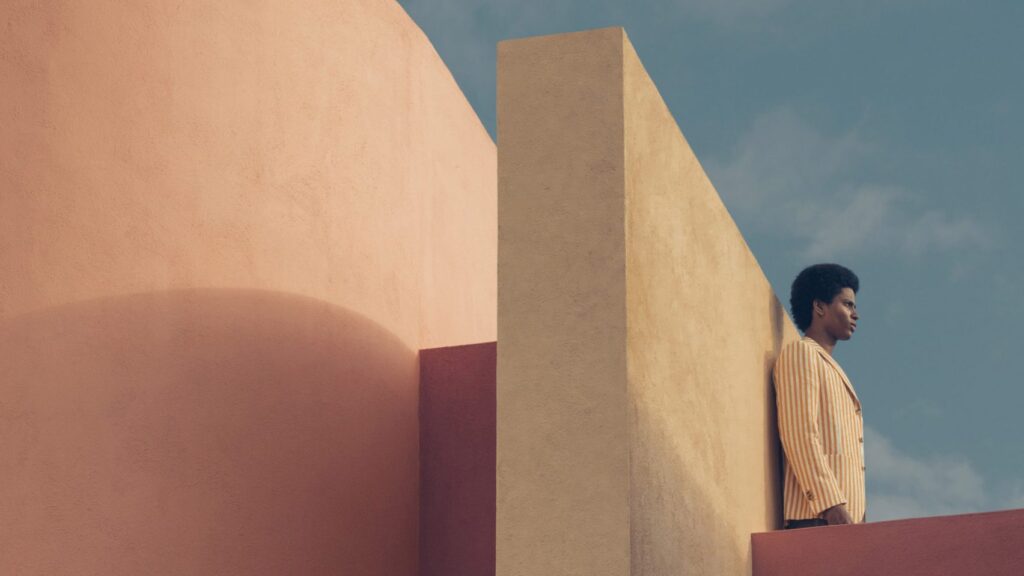
With the boom of industrialization, modernist architecture style also started becoming predominant. New inventions in construction technology with their varied use of glass, steel, and reinforced concrete in their construction, inspired many architects of that time to use them in their modern house design. This gave way to the infamous idea of “Form follows function” which was pro Minimalism and against ornamentation. It was first formed in the first part of the 20th century and prevailed until the 1980s following the Second World War, where the new brutalist movement arrived as an opposition to the bourgeois capitalists, demanding equality, through architecture.
However, Modernist Architecture came into the picture at the end of the 19th century following the technological and engineering revolutions to create more functional spaces.
What Constitutes As Modernist and how to catch one in the wild?
Although there are many ways in which one can recognize or identify a Modernist piece of Architecture, the below points help:
Innovative use in the simplified style of classic materials like wood, brick, and stone that demonstrate its natural properties and is installed in huge and smooth planes
Examples of Modernist Houses with Architects that Defined Modernist Architecture
Watch these legendary Modernist Architects lead by example with their avant-garde designs to revolutionize residential design.
F.L.Wright- Falling Water
Designed by F.L. Wright in 1939, one of the pioneers in modernist architecture, Falling Water located in southwest Pennsylvania’s Laurel Highlands is a 90 minutes drive from Downtown Pittsburgh. Listed among Smithsonian’s “Life List of 28 Places To See Before You Die” Wright’s masterpiece is built over Bear run, a waterfall, as a weekend home for Liliane and Edgar J. Kaufmann.
The house features beautifully integrated buildings and elements with site context, an important feature of Modernist buildings. Wright’s strong passion for Japanese architecture reflects in the house’s design and the ratio of the exterior to interior connection. The clean and defined lines across the facade indicate the flow of spaces. The project also sees a lot of integration with the setting extended with frameless windows to project continuity.
The low rise, high-density scheme consisting of a complex of 550 units in South Delhi, The Sheikh Sarai Housing, diversifies into different units with an axial pedestrian network. The architect has based his designs on a clear pattern: connecting movement to space, from person to neighborhood, and pedestrian to vehicular.
The modern style architecture is designed based on a self-financing scheme for the Delhi Development Authority. It separates the movement of pedestrians and vehicles and allows interconnected squares of different scales for community activities. All units have very good proportions and links to all buildings with courtyards or rooftop patios. The use of clean lines and geometrical facades makes this project an avant-garde modernist structure in India.
Owned by one of the Ahmedabad Mill owners, the residence was built by Charles Correa based on the spatial and climatic concepts developed in the tube house. The modern house design is situated towards the northern end of the building to maximize the size of the garden and improve the spatial sequence. The concept creates several parallel walls, marked by courts and canons, that culminate in the living room opening into the major gardens south.
Argued by some to be a modernist brutal building, the residence is beyond anybody’s imagination, truly a modern style of architecture.
Originally built for Helen and Paul Sheats, the Sheats-Goldstein residence is located in the Beverly Crest, Los Angeles of sunny California. The American architect John Lautner examples a classic organic architecture in the futuristic home. The house was built with sandstone in a cave-like format. The house features poured in concrete, steel, and wood usage. The majority of the rooms feature an open space blurring the line between the interior and exterior. Lautner has also installed a rarely seen feature of thousands of L.E.D. lights installed in the skyscape that floods the room every evening for sky and light show. Truly a masterpiece of modern house design.
The proposal for a modern style of architecture was first appealed by the arts and architecture magazine which in 1945 started a competition with its “Case study house project” to imagine an abode suitable for the post-world war lifestyle. Many architects submitted their proposals. Then known as the Bridge House and published under Case study House #8. Then stepped in Ray and Charles Eames who wanted to design a space that allowed two people to live and work together.
The joint venture of the two has made this project more personal and content. The juxtapositioned use of glass with wood, the rectangular open and simple floor plan, the unadorned straight traveling lines, all the while retaining the furniture of the time, speaks of the ambitiousness of the couple via the space.
Richard Neutra- Kaufmann Desert House, Palm Springs, Calif
Richard Neutra was at the forefront in the game of Modern Residential Architecture. The residence in Palm Springs, California is one of his several iconic residential projects that was owned by the Kauffmann’s (same as the one who owns Falling Water). The Architect employs a lot of standard modernist and international style materials with wide use of glass, steel, and various stones in and around the house. The simplistic design reflects one of the fundamental principles of modernist architecture.
Completed in 1926 the Lovell Beach House in Newport Beach is another masterpiece of modernist architecture by Rudolph Schindler and is recognized as one of his most important projects. The client for the project was very inspired by a healthy living lifestyle and wanted the house to meet his needs. Accordingly, the arrangement of living quarters on the north of the house maximizes the intake of fresh air. The straight lines and the extensive use of glass makes this structure stand out in its surroundings. Facing the beach, the interior spaces are exposed to the natural aesthetic.
Moving into a new home can be an exciting yet daunting task. The key to a smooth transition lies in effective organization. By implementing strategic hacks, you can make the process more manageable and even enjoyable. This article will guide you through essential organizational strategies for moving into your new home, from packing tips to setting up your new space.

Start with a Plan
Embarking on a move begins with a comprehensive plan. Outline every aspect of the moving process, from inventory lists to a detailed timeline. Create a checklist that includes packing, hiring movers, and setting up utilities in your new home. Allocate specific tasks to each week leading up to the move to avoid last-minute rushes. This plan should also incorporate a budget, factoring in moving costs, new home expenses, and emergency funds. A well-thought-out plan acts as a roadmap, guiding you smoothly through the complexities of moving and ensuring a structured and stress-free transition to your new home.
Declutter Before Packing
Decluttering before packing is essential for a streamlined move. Start by sorting through your belongings, categorizing them into keep, sell, donate, or discard piles. This process not only simplifies packing but also reduces the volume of items you need to move, potentially saving on moving costs. Tackling one room at a time, evaluate each item’s necessity and sentimental value. Remember, moving into a new home is an opportunity to start fresh. By decluttering, you not only lighten your load but also pave the way for a more organized and clutter-free environment in your new space.
Efficient Packing Strategies
When packing, categorize your items by room and use clearly labeled boxes. This will streamline the unpacking process. Use sturdy boxes and quality packing materials to protect your belongings. Remember to pack an essentials box with items you’ll need immediately upon arrival at your new home, such as toiletries, basic kitchenware, and a change of clothes.
Keep Important Documents Accessible
During the chaos of moving, ensure all important documents are easily accessible. Keep contracts, personal records, property documents, and moving receipts in a designated folder. This should be readily available throughout your move. Consider making digital copies as backups, stored securely online or on a USB drive. Having these documents at hand is crucial for reference, emergencies, or addressing any issues that arise during the move, ensuring a smoother and more organized transition into your new home.
Plan Your New Home
Before moving, visualize and plan the layout of your new home. Sketch a floor plan or use online tools to arrange furniture and decor. This foresight helps in deciding what to keep during decluttering and where each item will go, streamlining the unpacking process. A pre-planned layout also ensures a smooth transition of your belongings into the new space, allowing you to create a functional, comfortable, and aesthetically pleasing environment from the moment you move in.
Utilize Technology
In today’s digital age, technology can be a significant asset in easing the moving process. Use apps and online platforms for comprehensive checklists, inventory management, and spatial planning. These tools can offer virtual floor planning, allowing you to pre-arrange furniture in your new home’s layout. GPS tracking apps can help monitor the progress of your moving trucks, while others can assist in itemizing your belongings for insurance purposes. By incorporating these technological solutions, you can enhance efficiency, reduce stress, and ensure a well-organized move, keeping everything on track and at your fingertips.
Hire Professionals When Needed
While a DIY approach can be cost-effective, certain aspects of moving are best handled by professionals. Consider hiring experienced movers for heavy or delicate items to ensure their safe transport. For tasks like deep cleaning your old or new home, professional cleaners can save time and energy. Additionally, if you’re facing a significant amount of unwanted items, hiring a junk removal service can efficiently clear out clutter. Investing in professional services can alleviate the physical and mental strain of moving, allowing you to focus on settling into your new home with ease and confidence.
Tackle One Room at a Time
When unpacking in your new home, approach it one room at a time. This focused strategy prevents the task from becoming overwhelming and allows for a sense of accomplishment with each completed room. Start with essential spaces like the kitchen or bedroom, setting them up for immediate use. This methodical approach not only streamlines the unpacking process but also helps in gradually shaping your new home into a comfortable and functional living space.
Implement Storage Solutions
As you unpack in your new home, think strategically about storage solutions. Utilizing shelves, hooks, and organizers can maximize space and keep your home tidy. Consider the use of under-bed storage in bedrooms, drawer dividers in kitchens, and closet organizers to efficiently store clothing and accessories. Don’t overlook vertical space – wall-mounted shelves and racks can be both decorative and functional. By thoughtfully implementing these storage options as you settle in, you can create a well-organized living environment that is both aesthetically pleasing and practical, setting the foundation for an orderly and harmonious home.
Create a Maintenance Routine
Once settled, establish a regular maintenance routine for your new home. This includes weekly cleaning schedules, periodic deep cleaning, and routine checks for repairs. Setting a routine helps in preserving the condition of your home and avoids the accumulation of chores. It also ensures that your living space remains a comfortable and healthy environment. Regular maintenance not only keeps your home in top shape but also enhances your overall quality of life.
Addressing Excess Junk
In the process of moving, you might find yourself with items that are no longer needed or don’t fit in your new home. In such cases, a junk removal service can be invaluable. These services can efficiently dispose of or donate unwanted items, helping you to declutter and settle into your new space with ease.
Conclusion
Moving into a new home is a significant life event that requires careful planning and organization. By decluttering beforehand, packing efficiently, utilizing technology, and planning the setup of your new space, you can make the transition smoother and more enjoyable. Remember to take things one step at a time and don’t hesitate to seek professional help when needed. With these organizational hacks, you’ll be well on your way to creating a comfortable and organized new home.
Victorian houses have managed to capture our hearts for over 200 years now. There is so much more than meets the eye behind those dollhouse-like exteriors. This architectural style includes multiple, distinct variations that all deserve a critical look. Thanks to the magnitude of the British Empire during that time, Victorian architecture has an immensely wide reach. Evidence of this style is found across the UK and North America, as well as Australia and New Zealand.

The Eastlake style is mostly known for its Gothic design with decorative shingles and trusses on the gable end. Overhanging, second-story porches are often featured in these types of Victorian houses as their design. It also boasts paneled brick chimneys inspired by the Queen Anne period.
Eastlake movement was named after the English architect Charles Locke Eastlake after the release of his influential book ‘Hints on Household Taste in Furniture, Upholstery and Other Details. Eastlake was originally a painter who trained in Rome and was considered to have great knowledge in art however he had a specific preference.
General characteristics of this Victorian House
Carved panels
Perforated pediments
Lattice work on porch eaves
Interlaced wood strips
Mansard porches with iron cresting
Winters House is an Eastlake movement-building in Sacramento, California, and was built in 1890. It has 3 stories and is approximately 4500 square feet.
The House’s features are – steel pitched hip and gable roof, asymmetrical front façade, two-story angled bay under forwarding gable, mansard front porch, and second-story bay windows on both sides of the house. The roof of the house is made of asphalt shingles and the walls are made from pattern siding covered heart redwood. The foundation of the building is a cement parged brick stem wall and the decorative brick chimneys are part of a coal-burning fuel system.
The interior of the house reflects the Eastlake style in the mantel spindles, the ornate tile work surrounding the two fireplaces. Below the cornice, the house has a frieze board that includes scrollwork sunbursts and stars. In the front porch, above the front doors are cut window panels in jewel tones. The porch has a framing of fans, flowers, dentils, and spindle work. The spindle work and stickwork are repeated from the upper porch to the lower porch balustrade.
George W. Frank House, Nebraska, USA- Richardsonian Romanesque style
The Richard Romanesque style is considered the most dramatic of all architectural styles in the Victorian era. This type of architecture style was named after the architect, Henry Richardson. It didn’t take long before becoming popular all thanks to Medieval Spanish and Italian Romanesque elements that blended with modern materials and features. Typical features of this type of house would include circular arches above the porch supports and windows.
General characteristics of this Victorian House
Round masonry arches
Recessed entrances
Heavy stone materials
Square and cylindrical shaped towers
This free revival style incorporates 11th and 12th century southern French, Spanish and Italian Romanesque characteristics. It mostly emphasizes clear, strong picturesque massing, round-headed Romanesque arches, which are often sprung from clusters of short squat columns, recessed entrances, richly varied rustication, blank stretches of walling contrasting with bands of windows, and cylindrical towers with conical caps embedded in the walling.
The Frank House is a Richardsonian Romanesque design, with Colorado red sandstone from Wyoming. The exterior stone walls here are 18 inches thick, while the interior supporting walls are 14 inches thick and made of brick. The house has 14,000 square feet of living space, with three floors and a basement. This house originally had 10 fireplaces, 7 of which still remain. The extensive interior woodwork is English Golden Oak, done by a local carpenter named John Peter Lindbeck, a certified master carver.
The grand staircase has six posts, each of which has its own design. On the second-floor landing is the home’s Stained-Glass Window (5×9 feet). On the second floor, there were 4 bedrooms and 1 bathroom for guests. To fend off cold Nebraska winters, the house was heated by steam heaters located in several rooms throughout the house. In the dining room, the windows are curved to complement the veranda on the east side of the house.
Herman C. Timm House, Wisconsin, USA- Stick style
Source
The Stick-styled houses are widely characterized by their vertical, diagonal, or horizontal planks resembling Tudor-style buildings. This Victorian house has a more decorative aspect to it but with a simple design. Unlike other elaborate architectural designs of the Second Empire and Queen Anne styles, the Stick style home lacks the bay windows and decorative elements that are so characteristic of the Victorian era.
The style sought to bring a translation of the balloon framing that had risen in popularity during the middle of the century, and also by adding plain trim boards, soffits, aprons, and other decorative features. The style was commonly used in houses, train stations, life-saving stations, and other buildings from the era.
General characteristics of this Victorian House
Pitched gable roof
Wooden exterior walls
Towers
Cross gables
Decorative trusses
Diagonal or curved braces
Wooden decorative trims
The Herman C. Timm house was built in 1873 in a Greek revival style by Kiel contractor August F. Neumann. It consisted of a current upstairs bedroom and first-floor kitchen and dining room. The original home became the rear of the home during addition in 1891. The addition was done in what was later called stick-style architecture. This was 1860-1890 trends were carpentry and woodworking technology allowed for much trim detail.
The house features a tower for relaxation purposes. Several windows in the living room and vestibule were made from stained glass. The original Quetzal Art Glass brass chandelier remains in the parlor. A lot of the other original furnishings were sold by the family or future tenants so other period pieces were used. Tiny fragments of original wallpaper were found in most rooms during reconstruction. The three upstairs bedrooms contain donated historical items like the community’s first sewing machine, a bed warmer, and a trunk.
The Second Empire-style houses gained popularity in the late Victorian era. This originated first in France, with some of the most famous hotels featuring the same architectural elements as the Second Empire houses. The most stood-out, striking feature of a Second Empire house is its mansard roof, named after the 17th-century French architect, Francois Mansard is a type of roof is a 4-sided gambrel roof with two slopes on either side.
General characteristics of this Victorian House
Imposing tower
Side veranda
Balustrades
Diamond shaped dormers
Wrought iron railings in balcony
Bay window
Quoins chimneys
The Harvey M. Vaile Mansion is located at 1500 North Liberty Street in Missouri. Built-in 1881 for businessman Harvey M. Vaile, it is a locally significant example of Second Empire architecture. The Harvey M. Vaile Mansion was designed by Kansas City architect Asa Beebe Cross. The symmetrical structure consists of a two-and-a-half-story block surmounted by a three-story central tower.
It features an elaborate one-story porch, limestone moldings, heavily bracketed cornices, dormered mansard roofs, and multicolor slate shingles. The tall, narrow windows, together with the central tower’s double mansard roof, emphasize the strong sense of verticality of the façade. It features 31 rooms with 14 feet high ceilings decorated by French, German, and Italian artists. The Vaile Mansion was the first house in Jackson County with indoor plumbing.
The octagon-styled houses were hugely popular between 1850 to 1870. This style of the Victorian house took its inspiration from the Gothic and Greek Revival times to create a unique approach to house architecture by specializing in bright and airy spaces in affordable dwellings.
This type of house is the world’s only 8-sided Victorian house design with the benefits of being a practical and energy-efficient property. This unique style has evolved over the past decade or so thanks to the new constructive innovations.
General characteristics of this Victorian House
Domed shape
Wide eaves
Low pitched roof designs
Partially encircling or full porches
The benefits of an octagon: the shape encloses space efficiently, minimizing external surface area and consequently heat loss and gain, building costs etc. An octagon is a sensible option instead of a circle because in a circular plan it is difficult to accommodate the furnishings. Victorian builders were used to building 135° corners, as in the typical bay window, and could easily adapt to an octagonal plan.
Robert Waugh was born in Scotland but immigrated to the United States in 1850. He settled in Illinois in 1853. Waugh initially lived in the apartment above his store. In 1886, he purchased a property and commissioned an octagon house. The house remained in the Aitchison family until 1973. As of 1978, it was one of only ten remaining octagon houses in Illinois; the Waugh House is the only remaining one made of brick.
The Robert Waugh House is a two-and-a-half-story octagonal house, made off red brick and limestone foundation. All eight facades are 16 feet long. The roof design is low pitched and has three gabled dormers. The main facade faces east and has a single-story hexagonal porch. The porch has six doric order columns and a simple balustrade. The adjacent facades feature a 3-windowed bay and above these bays are a grouped pair of double-hung windows. The other five facades have two-over-two double-hung windows. All windows have stone stills and have a shallow brick arch. The house is relatively simple and lacks ornamentation.
Charles Lang Freer House, Michigan, USA- Shingle Style
The Shingle-style homes are known for their simplicity and make a popular choice for summer or weekend houses. These are made of clapboard or brick, despite their misleading name. They are characterized by their rustic appearance which was favored by the working class. Used as a holiday cottage by the wealthy, these Victorian houses became popular in New England from 1831.
Aside from being a style of design, it also conveyed a sense of the house as continuous volume. This effect—of the building as an envelope of space, rather than a great mass, was enhanced by the visual tautness of the flat shingled surfaces, the horizontal shape of many shingles, and the emphasis on horizontal continuity, both in exterior details and in the flow of spaces within the houses.
General characteristics of this Victorian House
Symmetrical exterior
Pitched roof design
Shingles as wall and roofing material
Wide porches
Sash windows
Round towers
The Charles Lang Freer House is located in Detroit, Michigan, USA. The house was originally built for the industrialist and art collector Charles Lang, Freer. He traveled widely, with one of his favorite spots being Newport, Rhode Island. There, he was favorably impressed by the shingle-style summer cottages built by the wealthy.
For the exterior, Eyre used coursed hard blue limestone from New York for the first floor. Dark, closely spaced shingles of Michigan oak cover most of the rest of the façade. A triangular gable and various dormers interrupt the roofline on the third storey. Chimneys dominate the east and west ends of the home, where the porches are underneath. These porches were originally open-air, but are currently closed stucco.
On the interior, Eyre designed the home with Freer’s art collection in mind. There are 22 rooms and 12 fireplaces in the house, as well as an elevator, and numerous balconies, bay windows, enclosed porches, and skylights. In 1906, Eyre designed an art gallery, added above the stable.
Orin Jordan House, California, USA- Folk Victorian style
The Folk Victorian house is the most common type of home found in the US. This gained popularity in the 19th century and was considered as a more affordable alternative to Queen Anne’s style of design. The architects created a pimped-up version of a Victorian house by using cheaper materials and decorative trims for low-budget families, but with almost similar and prominent front-facing gable roof design and steep under eaves.
General characteristics of this Victorian House
Decorative detailing on the porch
Ornamented gables
Symmetrical structure
Trimmed windows
The Orin Jordan House is a Victorian house in California that was built in 1888 by Orin Jordan. Also known as the “Old Jordan House” and the “Whitaker Home”. It was built as a 29.75 by 38 feet two-story, ell-shaped, wood-frame house, with 9 rooms. The house was moved in 1926 by about 300 feet to the southwest, to its present location on Comstock.
The ground-floor front porch is quintessential to the design, and it’s often the most heavily decorated part of the house. This was the era when the classic American front porch really took root. The most common porch posts are turned spindles (balusters) or posts with simple chamfered edges as well as embellished with carvings and other details. These supports are enhanced with friezes above, balustrades between the posts, and intricately cut spandrels in the upper corners.
Lyndhrust Mansion, New York, USA- Gothic Revival style
The Gothic Revival-style homes were first introduced in the 1880s. These homes are the classic representations of romantic and picturesque architectural elements that manifested in the US. The main properties were inspired by the medieval design of churches, making the Victorian Gothic Revival style homes different from that of medieval house architecture such as high pointed arches, biblical and heraldic emblems.
General characteristics of this Victorian House
Steep, pitched roof with overhanging eaves.
Castle like turrets.
Slender columns and decorative posts
Unique modern trims
Pointed arches above windows with high dormers
Designed in 1838 by Alexander Jackson Davis, the house was owned in succession by New York City mayor William Paulding Jr., merchant George Merritt, and railroad tycoon Jay Gould. Merritt, the house’s second owner, engaged Davis as his architect, and in 1864–1865 doubled the size of the house, renaming it “Lyndenhurst” after the estate’s linden trees. Davis’ new north wing included an imposing four-story tower, a new glass-walled vestibule, a new dining room, two bedrooms, and servants’ quarters.
Lyndhurst’s rooms are few and of a more modest scale, and strongly Gothic in character. Features include- narrow hallways, small windows, and sharp arches, and are fantastically peaked ceilings, vaulted, and ornamented. The effect is at once gloomy, somber, and highly romantic; the large, double-height art gallery provides a contrast of light and space. The house is covered by a landscaped park, designed by Ferdinand Mangold. The 390-foot-long onion-domed, iron-framed, glass conservatory, when built, was one of the largest privately-owned greenhouses in the USA.
Queen Anne homes were popular in the US from the 1880s until sometime around the 1920s. These homes are quintessential Victorian houses having asymmetrical, two or three-storied tall, steeply high-pitched roofs. They are often adorned with various wall textures and ornate trim which gives them a ‘gingerbread’ effect commonly associated with Victorian houses- typically painted in a variety of accent colours.
General characteristics of this Victorian House
Gable ends
Towers with balconies
Bold exterior colours
Bay windows
Built from wood, stone and brick siding
Stained glass window
Decorative spindle work
Wide and spacious verandas
The Carson Mansion is regarded as one of the highest executions of American Queen Anne-style architecture. It is one of the most written about and photographed Victorian houses in California and possibly also in the United States. Samuel Newsom and Joseph Cather Newsom of the firm Newsom and Newsom of San Francisco (later Los Angeles and Oakland) were 19th-century builder-architects.
The house is a mix of every major style of Victorian architecture. One nationally known architectural historian described the house as “a baronial castle in Redwood”. The style of the house has been described as eclectic and peculiarly American. Unlike most other houses dating from the period, this building always has been maintained and is in nearly the same condition as when it was built.
The Italianate style was a 19th-century phase in the history of Classical architecture. In the Italianate style, the architectural vocabulary of 16th century Italian Renaissance architecture, which had served as inspiration for both Palladianism and Neoclassicism. The style of architecture that was thus created, though also characterized as “Neo-Renaissance”, was essential of its own time.
Italianate house architecture is mostly seen in the greatest number of North American cities that experienced exponential growth during the mid-19th century Cincinnati, Ohio, New Orleans, Garden District, and parts of San Francisco, Brooklyn, and New York.
General characteristics of this Victorian House
Wide eaves
Quoins chimneys
Single storey porch
Tall and narrow windows
Double doors with glass panels
The Farnam mansion’s exterior features a low-pitched roof, projecting eaves supported by large decorative cornice brackets, tall windows with ornate pediments, bay windows, and a wrap-around porch. A square belvedere is situated above the east side of the mansion. It has a mansard roof and a trio of arched windows on all four sides. The front entry features a pair of arched mahogany doors with windows, hand-carved panels, and rare ornamental bronze doorknobs.
The interior of the mansion features 11-foot-high ceilings, ornate plaster ceiling medallions, and crown moldings, and tall paneled tiger-oak doors. Three of the first-floor rooms each contain a marble fireplace. A staircase leads to the second floor where there are four bedrooms, five bathrooms, a small library, nursery, and servant’s quarters.
Building a house in an extreme cold climate differs from that in a warm climate. The designs, construction details, materials used for construction differ greatly from that of houses in warm areas. How heat, air, and moisture travels through the exterior walls is something that is taken utmost care of along with the house’s capacity for sustained winds. Irresponsibility concerning these leads to cold and uncomfortable homes or slippery walkways.

The energy consumption by these materials is also taken under consideration, so the energy bills aren’t too expensive. According to associate professor and CCHP coordinator at the University of Minnesota, Pat Huelman, The Cold Climate Housing Program (CCHP), “Promotes a ‘systems approach to building in cold climates.” Concerning issues during the construction of houses are sustainability, energy consumption, durability, buildability, cost, indoor comfort level, material resource responsibility, and resiliency. The US Department of Energy (DOE) Building America Program has set up a guide for the builders to understand and increase the energy performance of the building in cold climates.
Photo by Alain Audet from Pixabay
Design
Selecting a site and design that has living areas near towards south helps in receiving adequate sunlight inside. The site, materials, and climate can be taken advantage of to minimize energy use. All external staircases have railings for support. Covered entrances or paths make safer and better access. Floor plans with solar rooms will work great for such a climate. Moisture resistance of materials is an important factor considered while constructing houses in the cold.
Roof and Windows for extreme cold weather
Instead of a complicated shape and design of the roof, a simple gable roof is sufficient. It invites fewer problems and also prevents ice and snow from being stuck in the grooves and nooks. It is durable, tough, and will also help in the easy shedding of the snow. Care is taken when the cuts are made in the roof for features like chimneys and skylights, as it is a potential station for leaks and buildup of ice.
Metal roofs perform better than wood or slate shingles because they’re cheaper, durable, and easier to maintain and shed snow. The safest point of the roof that is less likely to have a buildup of snow is the ridge, since it is the highest point of the roof. A chimney or vent pipe would be better placed in this spot. Walkways present near the house will be unsafe if they are directly below the roof. Enough space is given below the roof for the snow in case the roof sheds snow very quickly, it may create problems for the people.
Houses in cold weather require strong windows. The glass used in windows should be thick to ensure safety. Double-paned or multi-paned windows are used. The natural vacuum along with insulating gasses between these windows offers insulation and reduces your energy consumption. Gases inside the window panes include krypton or argon. Low emissive glass panes with a coating of metal oxide on the inner side of the panes contain the heat inside and keep the house warm. Factors like percentage of air leakage, sunlight, and insulation value are along with the design of the windows.
Some people install snow-melting systems below the places that are used more like pathways or driveways. This might be a little heavy in their pockets and also the environment, but it reduces a great deal of effort and time. Paths that are used frequently are usually constructed by materials that are easier to shovel. They’re also wide enough to shovel.
The use of materials like gravel is avoided or put in a space that isn’t used that much like in the backyard. Since the temperature is really low, the use of fireplaces is pretty normal in these houses. Installation of solar panels for places with more sunlight is energy efficient and cuts down the heating bills.
Photo by Joseclaudioguima from Pixabay
Building Materials
Building construction in cold climates can be really tough. Materials that are used in the construction of houses in cold climates are expected to handle hard winds, moisture, and extremely low temperatures. Cost-effective and energy-efficient materials benefit the user in the long run. Thermal comfort in such homes is given utmost importance. Heavier materials are better, safer, and provide more insulation. Concrete can also be used, but concrete is more expensive.
Roofing
One of the best roofing materials for houses in extreme cold is a metal or asphalt roof, cedarwood shingles, composite and slate shingles, EPDM roofing membranes, etc. Asphalt roofing is the most popular choice as it keeps the interiors insulated. It is easy to use, doesn’t cost much, and is also used for waterproofing.
Cedarwood shingles are a better and more durable option. It offers more insulation and is still cost-effective. Composite and slate shingles are heavier and keep homes comfortable and warm. EPDM roofing membranes are also called rubber roofing,as it resembles rubber. The material is durable in the most extreme and irregular climates.
Flooring is a really important factor for the comfort level of the people inside it. Having warm flooring is essential in a cold climate. A carpet is a perfect option for a house in a cold climate. It is thick, soft, warm, acts as a barrier between the floor, and is available in different styles, colors, and designs. Wooden flooring is aesthetically pleasing, but the major problem with wood is that it expands and contracts with temperature, unlike carpets. The disadvantage of carpet is the difficulty to maintain because it traps the dust and dirt in.
Vinyl plank flooring is also a great option. It is appealing, provides thermal insulation, is strong, and is waterproof. It adapts to temperature very well without having gaps in between. The foam pads beneath the floors offer continuous insulation to the floors. Rubber flooring provides insulation against cold concrete flooring in the house. It is mostly used in garages and basements. The use of tiles is kept to a minimum because they do not retain heat, and are more suitable for warmer climates.
Windows
Wooden sliding windows are not given priority because they are prone to expansion and contraction. Along with that, they need to be maintained in case of cracks and other damage, making it an expensive option. Vinyl is a good option. It looks similar to that of wood windows, but it is easier to maintain and less expensive.
Stone and brick windows add a good element to the room. They provide insulation against harsh climates and keep the warmth in. They’re used in the northern parts. They require proper cleaning in case moisture peeps in. Fiber Cement is made of sand, cement, and cellulose. Their look is like that of wood and the price range is like that of vinyl windows. It is more resistant to moisture as compared to wood. The bottom of the roof overhang is insulated, too.
CCHP was started for the betterment of energy efficiency that had positive effects on airtightness and insulation but their effect on moisture and air quality wasn’t paid much attention. According to CCHP, thermal insulation should be provided to be entire building including the foundation. Basement and slabs should be provided with waterproofing and proper drainage in case of thawing of snow. Thermal insulation affects the moisture level as well as the air quality of a particular room. Energy efficiency, HVAC system with mechanical insulation, user-friendly appliances for ventilation, dehumidification, and thermostat settings are recommended.
The entire building envelope should be airtight, and free from penetration, condensation, and moisture. Exterior walls have high insulation values and low heat conduction. All the joints and openings are sealed and taped. The insulation quality is determined by the R-Value of that system. There are different insulation techniques used. The pipes used for water supply and drainage are insulated too, so the water in them doesn’t freeze.
According to the US Department of Energy, a home that collects solar energy and keeps it by the use of heat-retaining materials like concrete blocks, bricks, wood, and stone is known as a passive solar home. These materials are also known as “thermal mass” products. Roofs of darker shades are used for the same purpose. The external elements of the building need to account for the snow loads and wind loads. The ridge of the house should have an ice shield membrane.
The law of nature is that only the fittest survive and the old must give way to the new and young. A similar transition was witnessed on 10th December 2020 when Shri Narendra Modi laid the foundation stone for the new Parliament Building in Delhi. A prominent component of the Central Vista Project, the triangular building now sits adjacent to its predecessor on the 9.5-acre plot.

The Central Vista is a 3.2 km stretch in the National Capital which houses the Rashtrapati Bhawan, Parliament House, North and South Block, India Gate, National Stadium, and National Archives, among many other structures. India’s central administrative area located near Raisina Hill was originally designed by Edward Lutyens and Herbert Baker. Since 1927, the structures designed by Baker and Lutyens have housed the country’s governing body and have faced countless, historical decisions.
In 2020, the Central Vista redevelopment Project was announced which is scheduled to be completed by the year 2026. The opportunity to redevelop the Kartavya Path fell into the hands of the architectural firm HCP under the guidance of Ar. Bimal Patel and was commissioned by the CPWD.
Kartavya Path
The Kartavya Path extends from the Rashtrapati Bhawan to the India Gate. Inspired by the Washington National Memorial and Paris’s Avenue de Champs-Elysees, it also doubles as the venue for the Republic Day Parade as well as numerous other ceremonial functions.
Flanked on both sides with green spaces and water channels, it’s an exemplary urban planning project that flows along a central axis, has strong focal points, and a well-executed initiation and termination point. Initially named the King’s Way in post-independence India, its name evolved to Rajpath and finally to Kartavya Path- the ceremonial boulevard.
Need of The Hour
The 3.2 km stretch has gone through multiple revamps since its inception. While it remains one of the busiest streets in Delhi, the path has its drawbacks. The heavy traffic as well as heavy public use called for better arrangements that were pedestrian-friendly and in favor of the vendors. Originally the path didn’t have facilities for the pedestrians, leaving room for improvement. These concerns were addressed in the revamping and have materialized in the form of defined paved pathways which were integrated into the landscaping of the area. The new Kartavya Path has increased lawn space by around 40,000 sq. m.
Features of the Central Vista
At present 51 ministries are scattered across New Delhi, with 150 sq. km between them. Loss of time and wasteful travel due to VIP movement is one of the problems the New Vista is aiming to eliminate. An attempt to house all ministries in one complex, essentially minimizing movement in the Central secretariat has been made via well-planned drop-offs and pickup zones as well as central courtyards and meeting rooms in each building. Underground and ground-level shuttle service, which is also connected to the existing secretariat metro station have been provided for ease of transport.
The new Vista also includes a new vice president enclave, the Prime minister’s office and residence, new museums, and a national biodiversity arboretum in addition to the prized Parliament Delhi Building.
Legacy of the Old Parliament House
The original Parliament House of India is a circular building that housed the Parliament of India for over 70 years and holds great symbolic value. Being a heritage structure, it witnessed the change of power in 1947 as well as the drafting of the constitution.
The original building was designed as a “Council House” for British India and post-independence it was repurposed to serve as the Parliament House. The chamber for the Council of State became the Rajya Sabha Chamber and the Legislative Assembly became the Lok Sabha Chamber. The colonial structure was never designed to accommodate a bicameral legislature for a full-fledged democracy, thus creating the need for a new Parliament House.
The old Lok Sabha Chambers and Central Hall were full to their capacity and could not be further expanded. The office and meeting facilities were inadequate, and the natural sunlight and ventilation were compromised as well. All these concerns needed to be addressed, which resulted in the inception of the new Parliament House.
Currently, the old Parliament is being retrofitted as per Heritage Conservation Standards and being refurbished to be earthquake-proof. It will continue to be used for parliamentary functions as well as its library.
An Intro with the New
The New Parliament House is a triangular-shaped building adjacent to the old parliament house on plot no. 118. The form evolved from its peculiar site, need to sit in harmony with its historic surrounding buildings, and demands of a primary shape. Inaugurated on 28th May 2023, the designers attempted to keep both houses in sync, as part of the same complex which complements each other. The building took 2.5 years to be built and is the first purpose-designed parliament building in India.
The 9.5-acre plot is utilized to the maximum potential with multiple facilities such as a central foyer, offices, and quarters of the Ministry of Parliamentary Affairs, a central lounge, a library, and eating areas. With 6 entrance doors, all paying homage to nature in their ways, motifs and statues adorn the building, showcasing India’s rich heritage.
The building’s architecture is inspired by the existing parliament house and the other buildings in Central Vista as well as the classical, folk, and tribal arts and crafts of India.
The Lok Sabha Chamber, also known as the House of the People, now seats 672 members, which can be expanded to 768 members. The entire chamber is designed as a homage to the National bird of India, The Peacock. Covering an area of 1315 sq. m. the new Lok Sabha Chamber is twice the size of the old chamber.
The carpets and upholstery which bear the motifs of the peacock and its artistic interpretations were sourced from Bhadohi, Uttar Pradesh while the white marble featured inside was brought from Gujarat. The ornamentation is inspired by traditional crafts of India and sacred symbols such as the wooden Ashok Chakra are present in both chambers.
The Lok Sabha Hall can hold up to 1272 members in case of joint sessions of the parliament.
Rajya Sabha
The Rajya Sabha Chamber, which houses the Council of States, now seats 396 members. The chamber’s design is based on the National Flower the Lotus. Motifs featuring the flower can be seen on the ceiling, walls, and floor mats. The new Rajya Sabha is 1.5 times the size of the old chamber and has audience seating available, to all viewing of the proceedings of the legislature.
Both chambers are fully digital, featuring a biometric lock as well as a translator supporting all 28 languages. The Lok Sabha features a multi-media display for viewing of poll results as well as other activities. A command room has been created for the smooth functioning of the sessions.
The central courtyard represents the diverse flora of India. With the Banyan tree at the center, the open spaces play an important role in the structure.
In the Constitution Hall, a central skylight features a hanging pendulum that connects the cosmos to the Earth. The decorative pattern on the floor beneath it depicts the precise location of Delhi on the globe.
The building has more than 1700 doors and windows and has over 3.5km long building corridors. The building has been designed to withstand seismic activity for seismic zone V even though Delhi lies in the Seismic zone IV.
Tokens from throughout the Nation
The entire nation stood on standby, supporting the construction of the new Parliament. The building was a beacon of hope, a symbol of better times approaching during the dark hours of the Covid pandemic. Shri Narendra Modi, our prime minister rightfully said “If the old Parliament House gave direction to post-independence India, the new parliament architecture building would become a witness to the creation of Aatma Nirbhar Bharat.”
The diversity of India is appropriately represented in the following ways:
Sandstone sourced from Dholpur, Rajasthan which was used to create intricate fenestrated screens which decorate the interiors of the building.
White marble sourced from Gujarat is used in the façade and on the floor of the pendulum clock.
Extensive use of wood in the exterior as well as the interior is done, the wood is sourced from Nagpur, and artisans and craftsmen native to Mumbai were employed to create authentic Indian woodwork. Both the assembly rooms enjoy an Ashok chakra fashioned from the same wood.
Hand-knotted carpets from Bhadohi, UP used to adorn the interiors.
Bamboo wooden flooring featured which was specially brought in from Tripura.
Indian architecture served as the primary inspiration for the contemporary new parliament house of India. While preserving the existing landscape and built environment, the structure has succeeded in paying homage to the past, the history of our country, and India’s rich heritage. A mix of Indian cultures, the building houses components and representative tokens of the entire subcontinent, reflecting our rich democracy and our roots, a reason for pride for every Indian.
FAQs
Q.New parliament building design based on which temple? A. The architectural inspiration for the design of the new Parliament building in India comes from the ancient Laxmi Vilas Temple (also known as the Lakshmi Narayan Temple) in Bhopal as well as the triangular form of the Shree Yantra a symbol of cosmic energy in Hindu philosophy.
Q.New parliament building built by which company? A. One of India’s top infrastructure firms **Tata Projects Limited** built the country’s new parliament building. Aiming to modernize the country’s administrative buildings the construction was a part of the Central Vista Redevelopment Project. Beginning in December 2020 the project was finished in 2023. This famous buildings design and construction were carried out by Tata Projects.
Unlike any other region, Europe has had a significant impact on architecture. Europe has a vast architectural legacy that reaches back to ancient times and has aided in giving unique answers to difficulties faced by diverse European nations. Art deco, art nouveau, De Stijl, modernism, futurism, brutalism, deconstructivism, and postmodernism were all influential in early twentieth-century European architecture. Facades, columns, and pilasters, arches, vaults, domes, windows, and walls built of brick or stone are common features of European house architecture.
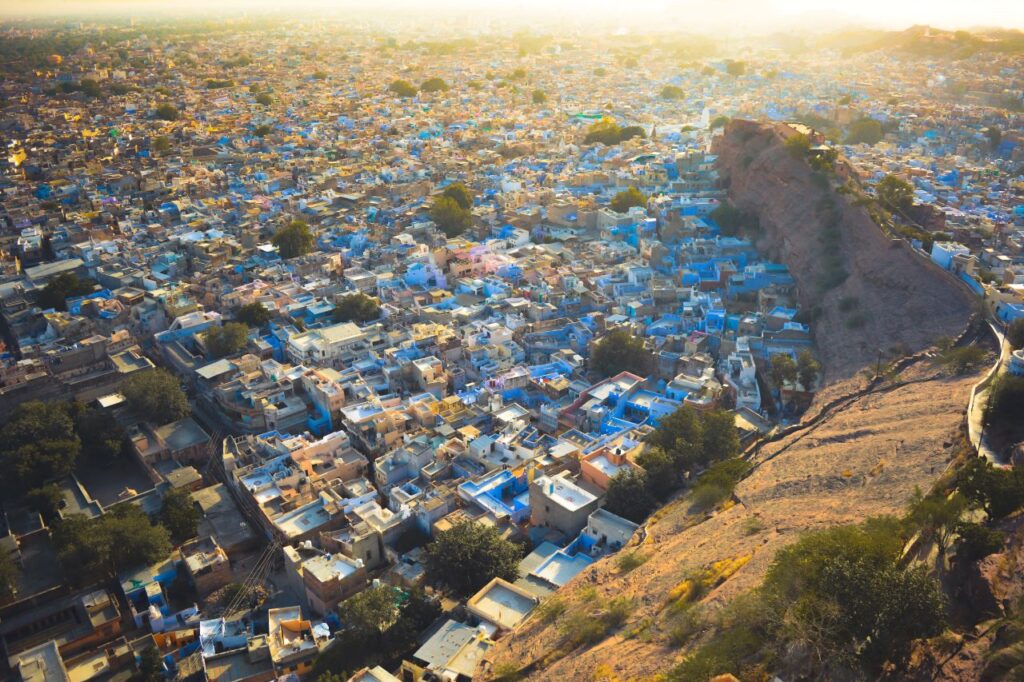
Examples of different types of European Houses
More than anything else, architectural style determines how a home appears and feels. There are a variety of house architecture types in Europe, each reflecting the trends, affluence, and sometimes just the general mood of the age in which they were created and built.
Some common characteristics of European house design are rooflines with sharply pitched hip or gable roof design and irregular massing, decorative aspects such as half-timbering, intricate windows, and brick or stonework are utilized in combination with brick, stone, and stucco.
European house architecture has evolved tremendously but some features unique to its style remain the same and listed below are some European houses to learn more about this style of house architecture.
Home to the monarch, Buckingham Palace is a remarkable example of Neoclassical French Architecture by john Nash. The Buckingham Palace was designed in the 19th century, in an era that undoubtedly produced masterpieces, with modifications and renovations continuing until the 20th century.
History
The location at Westminster in London had a mulberry plantation and the Duke of Buckingham’s mansion, which was eventually demolished to make way for King George III and Queen Charlotte’s new house architecture. However, their son George IV had a vision of making that basic house into a masterpiece, and he enlisted the help of John Nash and his team of architects. The crew began work on the remodeling in the 1820s and was heavily influenced by the post-Rococo architectural trend known as “Neoclassicism.” Following Queen Victoria’s ascension, the palace was designated as the official London residence of the British monarch in 1837.
European House Architecture
The King was enamored with French Neoclassical design, and the palace’s front façade displays those elaborate elements. The symmetry in elevation, which is supported by lofty powerful columns, is a wonderful example of neoclassical qualities. The façade, which is made of Portland stone, is undeniably spectacular, with a refined and uncomplicated appearance that is agreeable to the eye.
The palace is significantly bigger, with a floor area of 77,000 square metres and a height of 24 metres making it even more impressive. It has a total of 775 rooms, including 53 bedrooms,188 rooms for staff, and more than 90 offices. The Music Room, Drawing Room, and Throne Room are among the many rooms, each with its own function. The interior areas are decorated in a Belle Époque cream and gold colour scheme, with scagliola and blue and pink, dominating.
With various extensions occurring over the years, the palace evolved into a square layout with a quadrangle in the centre and two stories.
The Present
The palace is currently the residence of Queen Elizabeth II and Prince Philip, as well as the Duke of York and the Earl and Countess of Wessex. Apart from being a dwelling, the palace also serves as an art gallery, housing the Royal Collection, which includes precious artworks and furnishings. The Queen’s palace and art collection are not her personal property; they belong to the country.
The structure is an architectural marvel that symbolizes the beauty and grandeur of bygone centuries, in addition to being a historical and political marvel. Buckingham Palace has had its own path; there is plenty to see, learn, and be inspired by. The palace is indicative of a wide range of emotions, from citizens hoping to catch a sight of the Queen from the balcony to an architecture student awestruck by this regal grandeur.
The House in Ostrava was created by ti2 architekti and is based on the log style of European house Architecture. A log house, often known as a log cabin, is a conventional dwelling made of unmilled logs that are structurally similar to a log house. The phrase “log cabin” isn’t used by modern builders because it usually refers to a smaller, more rustic log structure, such as a summer cottage or a hunting cabin.
House in Ostrava is a modern twist on the log-type European house design that was erected in 2019 in the Czech Republic’s city of Ostrava and spans over 277 square metres. The house is fashioned like a thin, long figure that follows the undulating terrain. The bottom floor has three different height levels, and the house’s technical amenities are located in the basement.
The design is based on a rigorous zoning system for the day and night sections. The sloping roof design is about 30 metres long, with inner spaces ranging in height from intimate 2.3 metres to expansive 3.5 metres. The Facade is made up of metal trapeze plates that are vented. There are apertures on the longest facade sides, and the elementary block shape is connected by another volume consisting of a subterranean staircase.
It is a classic European house design with open floor plans, arches, hip roof design with European roofing materials like clay tiles and stone-clad walls showcasing a country house architecture located in Windsor. It’s a seamless amalgamation of old-world ideas and modern technology, offering its owner a 4-bedroom plus loft (6-bedroom septic), 6.5-bath farmhouse that blends into the typical Vermont backdrop.
The property has it all: a stunning 21+ acre setting with views of rolling meadows, Rush Meadow Valley, and Mount Ascutney, as well as endless stone walls, apple trees, a cascading river, and two ponds.
On the surface, it’s classic, yet on the inside, it’s hip with the first floor of the European house being open, with huge windows and high ceilings, plenty of light, and views from every window. A two-bay garage, carriage house party barn, wood room, and yoga studio are among the facilities that are connected. The three-season carriage barn’s enormous glass door opens to the stone terrace, and a massive stone fireplace and soaring ceilings make this a spectacular gathering spot for family and friends, with a nice guest suite on the second level.
This European house was built in a historical section of a small South Bohemian town that, despite its neglect, has a strong aura and potential. This European house is concealed from the hustle and bustle of the surrounding traffic in the little tranquil lanes next to the green patch of Kozina Square, although only a few feet separate the owners from the town centre with stores, services and offices, schools, cinema, theatre, and train station.
The restored house is seen as a viable alternative to suburban houses that obtrude on the landscape in an excessive manner. It has all the characteristics of a European house design on the outside and a minimalist and modern approach to the interior. It includes white stone encased walls and wide windows on the outside, as well as a gable roof style with orange clay tile as the roofing material.
Archways play an important role in interior design. This house has a fairly large living room with an attached outdoor terrace, an attic with children’s rooms and a playroom, a bedroom with its own bathroom, a garden with fruit trees, two parking spaces, and a spacious workshop with a car lift on a slightly smaller plot of land. Two adjoining houses are connected to form a residential building.
The view from this European house, which is located in the hills of southwest Serbia, opens up to the valley over the Lim River and the neighboring countries of Montenegro and Bosnia, and Herzegovina. The house is ideal, nestled close to nature on a hill surrounded by pines, Swiss stone pines, and larches. It hasn’t been occupied since 1992, due to the fact that it was left unfinished. The proprietors have indicated a desire to create a bright, inviting hideaway here 30 years later.
After three decades, GOLE GmbH – Architecture Office was able to bring this silent witness to a turbulent time into the present. The wish for an expansion for a new future was realised by dramatic, yet precisely dosed initiatives. The canopy was cut back to the facade, individual windows were relocated, and the facade was insulated for the first time. The role of the ground floor is reflected in its name: here is where things are fired and canned, cooked, and produced.
On the first level of this House Architecture, a piano nobile with a small kitchen and bedrooms was constructed. Here, the window frames have been transformed into nature-inspired picture frames. The heat is stored in the new stone slab floor throughout the day and released at night.
The top-level was transformed into a light-filled loft with a 360-degree view of the woods and valley: naked walls and soothing views. During huge family get-togethers, relatives are hosted here twice a year.
Two Story 5-Bedroom Georgian Home
As the name suggests it is a Georgian-style European house and some of the common qualities found in the Georgian-style house architecture are termed infinite in their variations, including symmetrical, centre-entry façade two-story houses and an infusion of the two-room-deep center-passage floor plan.
Some unique features in this particular house – Front external image with hipped roof design, elaborate columns, and wrought iron railings around the main door. Right outside is the view with balconies and a stairway leading to a kitchen with a french door. A double garage and arched windows can be seen on the left side of the house. Hipped and gable roof design, as well as an airy patio with a trellis roof, may be seen from the back. The living room and family room are separated by a carpeted stairway. The family room features many arched windows and is entirely open to the kitchen and dining area.
European house architecture has influenced designs all over the world and this California ranch-style house is one such example. The ranch house architecture is noted for its long, dense ground profile and minimalistic nature, which employs a limited number of interior and outdoor decors. This home combines modernist ideals with working ranches to create a relaxed and easygoing atmosphere.
Ranch style was popular among the postwar middle class from the 1940s through the 1970s, and it was first built in the 1920s. Although this design was able to be exported to other countries, its popularity diminished in the late twentieth century as the neo-eclectic house style grew prominent.
This California Ranch is a single-story house that has a neutral and minimal aesthetic in order to provide a cozy atmosphere for its owners. Ranch staff houses are known to be earthy and blend with the tones of nature and this house serves that just right. This house shows a sloping roof design and basic square windows which is common in this style.
Milton Slater Brown House
The Milton Slater Brown House is a splendid example of a Queen Anne-style European house that was vastly popular between 1700 to 1714 and then there was a revival in the 19th century.
This Queen Anne-style house has abandoned all pretenses of symmetry in its house architecture. The sharply pitched roof design is a complicated fusion of hipped and gable roofs, chimneys, dormers, and turrets, and is often irregular in shape. Bay windows protrude from the side walls in an apparently random pattern. Although porches contribute to the asymmetrical look, the main facade of a typical Queen Anne House usually has a gable that dominates the elevation, giving it a singular focal point.
The house’s details are an intricate blend of shapes, textures, and colours. There are a variety of walling textures, similar to the Stick Style House, with clapboard treatments, shingle patterns, and moldings. Spindles, brackets, finials, and columns are frequently used in combination. Queen Anne’s aesthetic impact was enhanced by the use of bold, rich, and bright hues. Along with a myriad of designs this house has three different roof designs including a dome-style roof over a room.
This house has a complex blend of shapes, textures, and colours in its detailing. There are a variety of walling textures, such as clapboard treatments, shingle patterns, and mouldings, much as there are in the Stick Style House. Spindles, brackets, finials, and columns in various combinations are also popular. Bold, rich, vivid colours gave the Queen Anne visual punch, thus paint schemes add to the cluttered look.
Pennycroft is a stunning five-bedroom family home built on a semi-rural property on the outskirts of Great Missenden, Buckinghamshire, to replace an outmoded 1930s house architecture. To adhere to the strict regulations in a designated ‘Area of Special Character,’ the design is a contemporary interpretation of local Arts and Crafts architecture that references successful architectural elements of the era while providing a solution that better suits the needs of modern-day family living.
A substantial brick base perforated with a series of holes supports a ‘clear storey’ with timber details above. The new construction consists of two structural elements: a massive two-story structure that houses the majority of the house and a vaulted single-story living area. A sleek glass bridge connects the two volumes, allowing them to be read independently while physically connecting to form an L-shaped footprint that frames the back garden.
Bovingdon handcrafted red brick with lime mortar, sourced locally, wraps around the entire lower floor, resulting in a classic, high-quality finish. A rhythmical arcade of deep timber reveals with glass and timber infill spans the entire upper floor. All of the wood is FSC certified Douglas Fir that has been treated to keep its original, deep amber colour. This arcade can also be interpreted as a clerestory, which illuminates the facade from within at night.
An off-center glass gable disturbs the rhythm on both sides of the volume, rising to a steep apex placed within a high-pitched roof design that echoes the form of historic Arts and Crafts structures. These exquisite gables are essential to focus points both inside and externally, emphasizing the location of two huge timber doors on the front facade, which serves as a welcome primary entry to the dwelling below.
Platform 5 Architects designed Backwater in the Czech Republic replaces an outmoded bungalow on a headland in an isolated lagoon in the Norfolk broads, giving practice director Patrick Michell a family home.
The home is divided into three low-rise sections with a slanted roof design that echoes the functioning boat shelters that are common on the Broads. To portray the form as an abstract folded plane, the roof design and side walls were coated in blackened timber shingles on the outside.
The timber shingles on the front and back elevations of the house architecture are kept untreated to weather and give a warm textured appearance. Timber boarding has been employed on the bottom as a roofing material on the waterside elevation to produce a refined look that matches the internal woodwork.
The greatest architectural drama is held for the waterside elevation, which is a straightforward manifestation of the three pitched bays that have been slightly faceted around the terraced ramp. The materiality of the neighbouring houses is contrasted by the timber shingle veneer, which is starting to weather back to offer a sympathetic presence against the trees and river.
For interiors, a basic plan allows for flexible living and fits family life by allowing diverse activities to take place at the same time via timber sliding doors. A huge kitchen and dining area is located in the centre bay, which flows into a double-height living space separated by a steel-clad fireplace. The third bay houses the house’s three bedrooms, which are separated across two stories and joined by an extraordinary spiral staircase that rises from the entrance hall.
House design in Indian style has been rich in traditional and vernacular architecture throughout History. Indian architecture house design has different residential typologies available in India, such as Haveli of Rajasthan, Wada of Maharashtra, Nalukettu of Kerala, Bamboo architecture of Assam, and Rajbari of Bengal.
North Indian- Leh, Ladakh
The Indian architecture design of homes in the North is inspired by the Tibets. The main essential component is the role of material due to extreme climatic conditions. The materials used were locally available, stones, timbers, mud, and sun-dried bricks, and rammed earth for plastering.
The plastering is done to insulate the house from cold winds. The rooms planned to face the south to receive maximum heat gain. This technique is used for solar energy nowadays. Roofs are basically flat as it rarely rains. The doors and windows are wooden.
The walls are thick and are made with wood, insulation goes inside those walls, plastic vapour barrier keeps it in tight, and seals out any airflow.
Whenever one talks about Indian vernacular architecture construction techniques in the North-East, the first word that pop-ups are Bamboo. The houses were made considering bamboo as the main structural element and were used for columns, beams, and roofs. The design of these houses was done considering bioclimatic strategies.
The main materials used were bamboo and timber on stilts and metal sheets and thatch for roofing. In Assam mainly 2 methods of construction(a) Ikra which is designed keeping in mind lightweight houses and locally available materials are used like bamboo, wooden planks, and thatch. The main factor is that these houses fulfill the earthquake safety requirement.
The other is Chang house which is built on a hilly region and is on stilts. This is to prevent flooding and landslides. The Indian architecture style house design are usually one story and have open spaces at both ends for seating and socializing. The stilts also provide protection from wild animals.
The Indian traditional house design of Punjab Kothi was designed considering the Punjabi and colonial design elements. The rooms were planned around the courtyard. The courtyards were like living rooms also known as baithak used for family gatherings. The room height was kept low and had a thatch roof.
The material used for construction is baked brick, surkhi (powdered brick), and timber doors ideal to eliminate uncomfortable heat. For landscaping, small gardens were kept in the baithak area. The courtyard was also used for sleeping during the summers. A verandah ran along with the courtyard where all the house chores were performed. The kitchen (Chula) was outdoor.
There were Havelis also in a Sikh culture which were inspired by Sikh and Sufi Islam culture. The courtyards were surrounded by verandahs for transitions and had arches all around.
House Design in India Style: Punjab House Design in India Style: Punjab
Rajasthan
The haveli architecture design of the home was designed considering the regional climatic conditions. The word haveli means a mansion and was a symbol of power and prestige. They also depicted the local culture and had lush green landscapes.
The planning of Havelis was done around the courtyard. The purpose of the courtyard design was that it kept the inner spaces airy and well-ventilated in the hot and dry region of Rajasthan. Also, it acts as a transition space and has a corner for a family deity with tulsi plants.
The materials used for construction were sandstone, marble, wood, and plaster. The Havelis were constructed close to each other so that there is not much space between them and it forms a narrow lane from which when air passes it is cooled which in turn keeps the interiors cool.
The Havelis were owned by rich landlords or noblemen and were a blend of Rajputs and Mughal elements. The jharokhas were not merely used for aesthetic purposes but also created a private space for women to have a panoramic view of the celebration and other activities. The climatic purpose of jharokhas according to modern ideology is to avoid direct sunlight inside. The Havelis nowadays are considered for adaptive reuse and turned to museums or hotels.
House Design in India Style: Rajasthan House Design in India Style: Rajasthan
Kolkata
The mansions of Kolkata borrowed their grace from Europe’s Greco-Roman heritage. The houses consist of large terraces and spacious porches. These one-storeyed mansions are surrounded by wide verandahs to fight the Bengal humidity.
These Indian architecture house design are also centered around a courtyard called Aangals and have a tulsi plant at the center. Mostly all Indian vernacular architecture has a courtyard. The floors are connected by curved corridors and staircases. The doors and windows have arches around them with vibrant colours.
The houses of Bengal are extravagant and full of intricate details and this lavishness is seen in movies like Devdas and Parineeta. The elements like jhilmils or wooden slates between high columns were designed to keep the direct sunlight from entering the interior. The houses had high ceilings and long pillars to keep the interior temperature down.
House Design in India Style: KolkataHouse Design in India Style: Kolkata
The landscaping had huge gardens with tall trees which enhanced the entrance facade. The houses in Kolkata have bold facades, lushful gardens, and red oxidized floors in the interiors.
Wadas of Maharashtra
The wadas represent the culture, religion, traditions, and pride of Marathas. Examples of wadas were seen in the movie Bajirao Mastani where the richness of Maratha and Peshwa culture is clearly visible and felt. Wadas were planned keeping in mind the climatology of the region and also the functionality of the spaces. Indian traditional house design was mostly based on bioclimate.
Wadas were planned to be rectangular in shape with two or three courtyards. The wadas had 3 gathering spaces for different purposes, the first for gatherings, next for office, and last for spaces like kitchen, storerooms, and balanthini kholi( delivery room). This gives us the idea of how the key idea behind planning was functionality. They were constructed in a modular and simple manner with a square grid pattern.
The aesthetics of the exterior were also kept in mind, with fine surface plastering, decorative windows, and exposed brick and wood as materials. The essential element that separates these wadas from other houses is the use of wooden brackets on the beams with the forms of dragons and lotus.
House Design in India Style: Maharashtra Indian traditional house design: Maharashtra
Pols of Ahmedabad
The pols of Ahmedabad represent Indian architecture house design which was designed keeping in mind climate, local materials, and social aspects of the community. There is a raised platform sitting space before entering the house called otala. Like other vernacular houses, pols also have a courtyard inside. The function of the courtyard is to collect rainwater. This is the essential part of the pols. The courtyards have tanks or tanku under them to collect water which is used throughout the year.
The pols have common walls which are economical and act as shear walls which in turn reduces the vibrational effect of Earthquakes and the front facade is less in width but the houses are more in-depth to keep the lane narrow. This shades the elevations which reduces the heat gain.
The planning depicts the social behavior, the front spaces are for the public while the depths for private rooms. The windows of the courtyard’s house are open at night to attract the cold wind and are closed during the day to minimize solar heat gain.
House Design in India Style: Ahmedabad House Design in India Style: AhmedabadIndian traditional house design: Ahmedabad
Nalukettu of Kerala
It is correct to call Kerala god’s own country, spacious lush greenhouses with complimentary scenic beauty. The materials used were derived from natural wood, terracotta roofing tiles, or laterite. The word nelukettu, ‘nelu’ meaning four, and ‘kettu’ meaning block. The blocks can be increased to eight or twelve i.e Ettukettu or Pathinaarukettu according to the owner.
The Indian architecture house design are unique and blend with nature from inside through the courtyard ‘Nadumuttam’ and tall trees and garden from the outside. The houses are constructed according to Vastu shastra with an entrance on the East and have a lot of windows and other openings for light and ventilation.
The roofs are either pitched or sloped and are embellished with incredible tiles. The entrance ‘padippura’ comprises a decorative door and tiled floor. After the padippura one enters the shaded verandah ‘Poomukham’ which is for seating purposes also known as ‘charupadi’.
House Design in India Style: KeralaIndian traditional house design Kerala
Conclusion for Indian style house design
It is evident from these that the most essential feature of Indian traditional house design is the courtyard. It reflects the amazing and versatile concepts of Indian houses based on bioclimate and functionality which should be derived in designing today. The uniqueness and essence of Indian vernacular Architecture are getting lost in the rush for the concrete jungle.
FAQ
Q: What is Indian architecture house design? A: Indian architecture house design encompasses a wide range of styles and techniques influenced by the country’s diverse cultures and climates. From the bamboo architecture of Assam to the havelis of Rajasthan, Indian architecture is known for its use of local materials, traditional techniques, and cultural significance.
Q: What are some key features of Indian architecture house design? A: Indian architecture house design often includes courtyards, verandahs, and open spaces to maximize natural light and ventilation. Traditional materials such as bamboo, timber, mud, and sun-dried bricks are used to create sustainable and climate-responsive homes.
Q: What is India style house design? A: India style house design refers to the unique architectural styles found across the country, influenced by its rich history and diverse cultures. From the palatial havelis of Rajasthan to the bamboo houses of Assam, India style house design reflects the country’s cultural heritage and environmental context.
Q: What are some popular Indian architectural styles? A: Some popular Indian architectural styles include the havelis of Rajasthan, wadas of Maharashtra, nalukettu of Kerala, bamboo architecture of Assam, and pols of Ahmedabad. Each style is unique in its design, materials, and cultural significance, reflecting the region’s history and traditions.
Q: How does Indian architecture house design incorporate sustainability? A: Indian architecture house design emphasizes sustainability by using locally sourced materials, traditional building techniques, and passive design strategies. Courtyards, verandahs, and open spaces are designed to maximize natural light and ventilation, reducing the need for artificial heating and cooling.
Q: What are some key considerations for designing an Indian-style house? A: When designing an Indian-style house, it’s important to consider the local climate, cultural traditions, and available materials. Courtyards, verandahs, and open spaces should be incorporated to maximize natural light and ventilation, while traditional materials such as bamboo, timber, and mud should be used for construction.
Contemporary house design is an architectural form that embodies various styles of architectural design that have been widely influenced. Contemporary architecture is different from the modern architecture of the late 20th century, including ecological features and varied creativity. In addition to adopting different styles and influences, contemporary house design also uses the latest technology and materials.
Explore the latest trends in house styles contemporary, where clean lines and innovative designs redefine modern living spaces.
Difference between Contemporary architecture and Modernist Architecture
Modernist architecture is just one type of architecture that is popular today, usually with simple straight lines, monochromatic color schemes, and minimal decor. On the other hand, contemporary house design incorporates whatever architecture is popular today (may or may not include modern architecture). For example, a modern house design can take on a traditional look with a craftsman style and a modern open floor plan, with the master bedroom on the main floor.
Ventilated outdoor living spaces, open layouts, and large windows that contribute to indoor/outdoor flow and energy efficiency are often prominent elements in contemporary home design. House styles contemporary represents a fusion of various architectural styles, embodying the essence of modern house architecture.
The use of curves allows you to create spaces that are not simple cubes, just like straight lines. Clean lines, open spaces, and uncomplicated decor are trademarks of house style contemporary. Curves often induce a sense of flowing winding routes, opening up endless possibilities in terms of house architecture modern.
Open floor plans
Another unique element of contemporary house design is the trend of open and bright spaces. Instead of using walls to define every room in a building, architects prefer open-plan rooms that flow from one to the other.
We no longer go through the door to the kitchen or dining room. Today, you will have a large space with subtle features, such as curved walls or slight changes in the shape of the room, to designate what was once an independent space. It also complements the extensive use of glass. Architects are using larger glass doors and windows to eliminate the boundaries between rooms, as well as the boundaries between indoor and outdoor. Modern house design are even equipped with glass railings to allow light and visual flow to move freely in the house.
Flat Roofs
For centuries, houses have been built with sloping roofs to prevent water, snow, and ice from depositing on the roofs. This inclined design helps prevent moisture damage and structural damage caused by the weight of accumulated precipitation in colder climates.
Flat roof house
Today, architects are choosing flat roofs, usually with raised edges that create shadows around the property. This makes it more comfortable in the shade outside and also helps reduce the need for air conditioning to keep the room cool in summer. Building shading and natural shading for landscape projects can help reduce energy costs and reduce the carbon footprint of modern house design.
Modern house design technology makes flat roofs possible, even in climates with heavy rain or snow. Flat roofs can be made of innovative roofing materials, such as PVC or EPDM rubber (ethylene propylene diene monomer). These materials are unlikely to deteriorate due to moisture, which means you will not leak in the end.
Contemporary house architecture modern is characterized by its innovative use of materials and focus on sustainable design principles.
Large, abundant windows
A decisive feature of contemporary house design is the most revolutionary use of glass. Today, nothing can reflect luxury and tranquility more than floor-to-ceiling windows. They allow natural light to enter and create a seamless connection from the inside to the outside environment, whether it is the large windows that connect the apartment owners with the bright lights of the city or the huge windows that visually welcome all landscape elements.
A roof with a layer of vegetation planted over a waterproof system, which is installed on a flat or slightly sloped roof. They are divided into three categories: extensive type, reinforced type, and semi-reinforced type. Extensive green roofs have shallow growing substrates (generally less than 6 inches), roof loads are moderate, plant diversity is limited, water requirements are minimal, and generally not can use. Intensive green roofs have a deep growth medium. Therefore, they have a greater structural load and require more frequent maintenance and watering. The semi-intensive green roof includes both types of features.
Integration into the surrounding landscape
The characteristic of contemporary landscape architecture is the subjective determination to shape the landscape in a space that reflects the experience of human life. These spaces are developed in accordance with nature to establish a relationship between modern house design and landscape.
Contemporary landscape architecture can be used not only to unify the building and the surrounding landscape but also to starkly contrast the differences between the two. The exact nature of this relationship is always determined by the project itself, its location, and the type of environment in which you work.
Integrated smart home technology
Smart home equipment helps to create a personalized environment in your modern home design to meet your lifestyle needs.
Smart Home Technology
Benefits
Convenience: Integrate your smart home equipment, you can control all aspects of the home environment through simple voice commands. You can adjust the thermostat, close the blinds, dim the lights and turn on your favorite movies while being wrapped in a blanket on the sofa. Customization opportunities allow you to create a schedule at modern home design for more freedom.
Security: Remote access to smart home devices gives you peace of mind because you can set alarms and notifications for security cameras and doorbells, motion detection, and even door and window sensors. With a few taps on your smartphone, you can be sure that your home is safe.
Potential savings: Automation has the potential to create homes that are more energy-efficient and thus cost-saving. These devices can be automated so that they only work when you want them to work.
Integrated customizable LED lighting
The benefit of LED lighting lies not only in its energy efficiency but also in its impressive long life. Although incandescent bulbs can usually only be used for about 1,000 hours, and only a few hours a day can be used for a year, LED lighting can usually be used for 50,000 hours or more, which may translate into decades at the same usage rate.
Smart Home Integration- between electric curtains, smart locks, smart thermostats, etc., smart home technology is rapidly expanding. Traditional and CFL bulbs have limited functions in smart homes and are difficult to integrate into existing settings. As a technologically advanced option, integrated LED lamps are designed to seamlessly integrate with smart home functions.
Benefits
Technological progress: Technology is constantly changing, as are the integrated LED lamps. Although the integrated LED fixtures may not seem technological, they are considered the latest lighting options available for house styles contemporary. Past innovations have vastly improved the sustainability, efficiency, color, quality, and affordability of LED lighting. As a viable product that saves consumers money and energy, future research and improvements bring LED lights into the spotlight. Compared to other lighting options that may be outdated or discontinued for years to come, integrated LED lighting is a good choice.
Directional Lighting – CFL and incandescent bulbs emit light and heat in all directions. This attribute creates an ambient effect that diffuses light into the room. If you use these types of bulbs in a fixture, the light must be reflected to shine in a certain direction and most of its intensity may be lost. The integrated LED light emits directional light, which can be adjusted to emit light in a specific direction. This makes integrated LED lamps an ideal choice for recessed lighting, task lighting, accent lighting, etc.
Reduce waste – LED lights in built-in fixtures have a much longer life than other types of lighting and need no replacement of bulbs. Over time, integrated LED fixtures to generate less waste than other options. You can exclude hazardous bulb materials from landfills while enjoying the practical benefits of efficient and environmentally friendly lighting options.
Materials used in Contemporary House Design
Bricks
Photo by Pixabay from Pexels
Bricks are like Lego blocks, through innovative thinking and exquisite craftsmanship, they can be combined to form a creative masterpiece. Although the shape of the bricks is very rigid, over time they have been showing different shapes and forming beautiful examples. Today, researchers are working to transform small building materials into sustainable building units.
Wood
Photo by Quang Nguyen Vinh from Pexels
The only renewable modern house design material added to the building not only provides a feeling of warmth but also the joy and comfort shared in the design compared to aesthetics and function. These specific materials can change any space. Its high tensile strength, sound absorption, and other characteristics (such as heat resistance and electrical resistance) make it a special material used in modern house design.
Concrete
Photo by Florencia Potter from Pexels
As a material for the pillars of modern house design, concrete is glued in a fixed ratio with cement, fine aggregate, and coarse aggregate. Using appropriate scaffolds, this compound can be easily molded into the desired shape to form columns, beams, slabs, foundations, etc. This rough material inspired Le Corbusier, one of the greatest architects. Additional research on concrete has led to the development of more materials to be used in contemporary house design, such as durable concrete, high-performance concrete, self-healing concrete, translucent concrete, and flexible concrete.
Steel is a material that can be used both as a structural material and as a visible material in architecture design of homes. Its tensile strength makes it an effective structural material, such as R.C.C., and structural materials such as space frames, cross-section beams, and trusses. Besides, it is also used as window and door frames, handrails, railings, door handles, etc. As a building material, steel has qualities such as durability, strength, lightweight, recyclability, and ability to withstand changes in climatic conditions.
The modern house design material used to achieve transparency and light, glass, is the most common facade element, providing visibility and protection from weather changes. Mies van der Rohe’s Farnsworth House and Phillip Johnson’s Glasshouse architectural samples proved that the scope of application of glass as a building material is reasonable. Researchers have been able to develop glass with a lower U value, which is a high thermal insulation performance that can adapt to the environment and help reduce the energy requirements of buildings.
Natural stones are still a fashionable building material. Despite its weight and volume, it is appreciated in the construction of contemporary house design for its wide range of textures, colors, and sizes. The material is durable and naturally usable.
Modular kits made of hard materials such as ceramic, stone, and even glass are used as materials for coating floors, walls, desktops, etc. It is a commonly used high-efficiency facing material in modern house design. Easy to transport, easy to repair, convenient size, and availability of multiple colors and textures make it a popular choice for designers. Today, the ceramic tile industry works towards the concept of recycling to achieve sustainable development goals.
Contemporary Architects
Frank Gehry
Canadian architect Frank Gehry has spent more than half a century fundamentally changing our view of architecture. Many of his projects have become world-renowned attractions, and many of his works have been listed as one of the most important buildings in contemporary architecture.
The British-Iraqi architect Zaha Hadid (1950-2016) left an indelible mark on the architectural landscape. Her eye-catching buildings decorate the skyline of major metropolises, and product designs, including furniture, jewelry, lighting, and shoes, can be found in modern house design around the world. This avant-garde designer, arguably the most famous architect of her time, has won numerous prestigious awards in her career, including the Pritzker Architecture Prize in 2004 and the Sterling Prize in 2010 and 2011.
Heydar Aliyev center
Norman Foster
Sir Norman Foster is a famous British architect for his innovative structural designs, such as the Berlin Parliament Building, the Hearst Building in New York City, and the London City Hall. Sir Norman Foster is one of the most sought-after architects in the world. His company Norman + Foster has built some of the best postmodern buildings in the world so far.
Discover the evolution of house architecture modern through contemporary design, where creativity knows no bounds
Santiago Calatrava
Calatrava is a world reference in the field of architecture and engineering. Initially, the Valencian architect moved to Zurich to achieve the most successful combination: studying engineering. Calatrava chose not only to retain the title of architect or engineer but to explore his artistic context as a painter and sculptor. Perhaps that is why his work is difficult to explain on an aesthetic level. The first Spanish architect is a benchmark of the best architectural projects in the world.
Lawrence Wilfred Baker is known by the name of Laurie Baker. He is a British-born architect who follows traditional low-cost and sustainable construction techniques for the architecture design of home in India. He is a man who counteracts India’s tendency to imitate the West by constructing impressive buildings with sustainable materials, recycled clay, shells, and bottles. Laurie Baker is a humanitarian, he doesn’t believe in building for the class, but for the masses. He is known for his “cost-cutting” policy on all his works, which is hard to see in modern house design. He used inexpensive construction techniques to build houses, hospitals, research institutes, slums, and government projects.
Sanjay Puri Architects is now one of the most sought-after architecture and design companies known for modern house design in India. “The evolution of innovative design solutions related to the environment contributes to the creation of sustainability and space and completely changes the way people experience” constitutes the essence of the philosophy of Sanjay Puri Architects.
Although Sanjay emphasizes design elements, environmental sustainability is still the foundation of all his architectural creations. He believes that sustainable architecture is the need of the future, and the motivation of every architect should be to create a sustainable environment.
Charles Correa
Charles Correa, the most iconic modern architect in India, has a prolific career. He has designed nearly 100 buildings in India in his lifetime. However, whether it is low-income housing or luxury apartments, Correa has Maintaining a universal approach that respects local conditions, meets the actual needs of its residents, and recognizes the spiritual nature and beauty of its country.
This is a thoroughly modern house design, but it also reacts strongly to its culture and climate. Like any architecture design of house, it is very functional, especially you can reduce the summer temperature to 35 degrees celsius, but using some very traditional methods. The two key traditional strategies he employs are the use of partitions and internal patios.
Surrounding the house around the patio and using perforated screens to adjust the light and reduce the heat is a feature of houses not only in India but also throughout the Middle East. Usually, these houses consist of several floors. In this house in Lucknow, the layering begins with a high concrete wall on the outside, separating the house from the road.
There are green plants outside (as part of the border) and inside. Next, most of the exterior skin of the house is made up of perforated partitions. Then a hollow area, in this case, a semi-indoor garden, begins the cooling and shading process. The second is the actual building envelope, here is the original concrete and glass, and finally the inner courtyard, which is open to the sky and brings light to the house while providing shade and natural ventilation.
The Crescent
The Crescent was designed by Sanjay Puri Architects to accommodate the offices of local real estate developers. It is located on a small plot at the intersection of two highways. The building is located in a convenient location for developers and customers and is intended as a publicity landmark.
According to the architect, this cladding material was chosen because of its “beautiful natural aging appearance, which adds to the architectural sculpture form of this small building”. The angular shape is a direct response to strong sunlight, which results in extreme temperatures for most of the year. The curved wall forms a protective barrier against the southern sun and opens to accommodate a series of layered windows facing north.
Located on a narrow and irregular site in Trivandrum, BRICKHAUS in Kerala, India aims to provide customers with respite and joy. It accommodates a young family, including doctors and their two sons. The plan addresses various requirements: a combination of novelty and functionality, public display, and private expression.
BRICKHAUS will naturally evoke a feeling of nostalgia. The house has a kind of ethnic charm, which is emphasized in the changes of light and shade through the opening of the window and the position and details of the material palette. The design also attempts to bring nature indoors, using context-detailed skylights and ventilation channels that define jali works to promote natural indoor cooling, complemented by the layout of internal gardens and pools, to jointly create a magical light.
In contemporary house design, Persian rugs are a phenomenal design element that can impart an unparalleled sense of warmth to any living space. By anchoring furniture and creating a cozy ambiance, they have become an incredibly fashionable and well-liked option for living rooms, bedrooms, and dining rooms. Furthermore, Persian rugs are often employed as eye-catching statement pieces, replete with bold patterns and colors that add a compelling sense of intrigue and allure to a room.
FAQ
Q. What is Contemporary House Design? A. House styles contemporary is a style that encompasses various architectural influences and styles, incorporating the latest technology and materials. It often features clean lines, open spaces, and innovative designs.
Q.How does Contemporary Architecture Differ from Modernist Architecture? A. Modernist architecture is a subset of contemporary architecture, characterized by simplicity, monochromatic color schemes, and minimal decor. Contemporary architecture, on the other hand, embraces a wider range of styles and influences, including modernist elements but also incorporating other popular architectural trends.
Q.What are the Key Principles of Contemporary Architecture?
Unconventional Volumes: Contemporary architecture often uses curves and unconventional shapes to create unique spaces and designs.
Open Floor Plans: Contemporary homes typically feature open-plan layouts that flow seamlessly from one room to another.
Flat Roofs: Unlike traditional sloped roofs, contemporary homes often have flat roofs with raised edges for a modern look and energy efficiency.
Large Windows: Contemporary architecture emphasizes natural light and often features large windows that blur the boundaries between indoor and outdoor spaces.
Q.What Materials are Commonly Used in Contemporary House Design? A. Contemporary architects often use a mix of traditional and innovative materials, including:
Bricks: Used creatively, bricks can form unique patterns and shapes, adding character to contemporary designs.
Wood: Provides warmth and texture, often used for flooring, cladding, and interior elements.
Concrete: A versatile material used for its durability and ability to be molded into various shapes.
Steel: Used for its strength and flexibility, often seen in structural elements and facades.
Glass: Integral to contemporary architecture, glass is used for its transparency and ability to bring in natural light.
Stone: Adds a natural and timeless element to contemporary designs.
Tiles: Versatile and durable, tiles are used for flooring, walls, and decorative elements.
Q.Who are Some Notable Contemporary Architects?
Frank Gehry: Known for his iconic and sculptural designs.
Zaha Hadid: Renowned for her futuristic and innovative designs.
Norman Foster: Famed for his sustainable and cutting-edge designs.
Santiago Calatrava: Known for his dynamic and structural designs.
Laurie Baker: Recognized for his sustainable and cost-effective designs in India.
Sanjay Puri: Known for his innovative and environmentally conscious designs in India.
Charles Correa: Known for his contextual and human-centered designs in India.
Colonial house designs are traditional and classic family homes designed in the U.S colonial era. They typically are of rectangular shape with gabled roofs, large symmetrical windows with a neutral colour palette.
Colonial houses are simple and have an influence over the residential sector.
Colonial houses evolved from cabin houses which can be built easily with wood which is easily available by the colonists hence the name originated.
History
In the colonial era, America was full of foreigners like the Spanish, French, Dutch, and British and all contributed to the culture of America especially the British. The Colonial-style can trace its influences to England.
The way architecture has evolved throughout the world so has the colonial houses. This house has a very basic, symmetrical design with two rooms, a fireplace, and a door at the center. But with time, they had taken on the opportunity of being basic and adapted new materials, techniques, and designs. Colonial houses are not just limited to one region but are shattered all over the world but with differences in ornamentation, although following the basic structure of traditional colonial houses.
Elements of Colonial House
As stated earlier, colonial houses are simplistic and symmetrical. The shape is rectangular which provides a spacious layout. Wood, brick, or modern vinyl siding material is used which provides a classy nature to the house. A gabled roof, central staircase, and fireplace are the enduring features of the colonial house.
As time evolved the design, roofing materials, roof design, planning, and materials changed according to the different regions which led to different styles of colonial houses.
Styles of Colonial Houses
Georgian Colonial
The colonists in the 1700s were introduced to the Georgian colonial home style during the time of King George. The features were similar to the classical colonial house architecture but a porch was added in the entrance with columns extending from the main structure.
Characteristics features of Georgian house
Two story houses, with balconies above the porch which can be small and round or wide and rectangular.
Twin chimneys
White columns with brick walls in the exterior.
Living and dining on the first floor.
Minimum pitched roof design with less overhangs.
French Colonial
These styles are colourful and are found in hot regions of the Southern United States like Louisiana and Mississippi. French Colonial stands out from simple style because of the two-story porches and vibrant colours.
Characteristics features of French house
Rooms are accessed by porch and not interior hallways
Wide porches surround the house with a lush green garden.
Overhangs past the house to keep the house cool
French doors and windows.
Hipped roof with dormers
Dutch Colonial
Dutch house architecture is one of the most popular among colonial houses. The unique feature is the gambrel roof. A gambrel roof is a gable roof with steep slopes on either two side. These were highly popular in the 1920s
Characteristics features of Dutch house
Chimneys at two sides
Material can be brick or stone
Gambrel roof design with different roofing materials
Dutch doors- half doors can be opened or closed for sunlight and breeze to flow in while keeping the children and pets inside.
Colonial architecture in India was introduced by British architects with the term Indo-Saracenic architecture. The basic layout was taken by other revivalist styles, such as Gothic revival and Neoclassical with a touch of Indian elements. In terms of Indian elements, Indo-Islamic decorations and ornamentations were designed and not architectural features from Hindu temples.
Some famous colonial-style architectural structures which are still there and famous are-
Colonial bungalows emerged during the time of the British Raj in India. The name bungalow emerged from Bangla meaning from Bengal. In India, originally the bungalows’ house architecture were huts with thatched roof design and mud walls. But after the arrival of the Britishers, the bungalows evolved completely.
The original planning of an Indian bungalow was around a courtyard where gatherings would take place, but the Britishers wanted a front and centered entrance with different roofing material than thatch. The bungalow should have separation in private and public spaces. The structure was then surrounded by a verandah on three or four sides. The essence of Indian bungalows was changed and made to suit the Britishers. Later, bungalows became a symbol of power and prosperity.
The bungalow has more spaces for servants as maximum work like laundry, cleaning, nanny, and headstock were all managed by the British madam/lady of the house. So this, in turn, increased the requirement of the rooms thus, expanding the size. But as time moved, families became nuclear and technology emerged the work of servants decreased, therefore, nowadays colonial houses are not that famous in India
Colonial Bungalows Today
Indian colonial bungalows or house architecture are now converted into retreats that offer luxurious stays in many different locations with lush green surroundings and a historic and elegant vibe. India’s diverse culture and traditions had lured the architects for the adaptive reuse of these colonial residences into the finest retreats.
The Imperial – Delhi
When looking at the exterior facade imperial retreat looks minimal and clean art deco lines, but the interior is a contrast to the exterior. The interiors are of Victorian and colonial architecture. This was built in 1931 by Blomfield and was designed to explore Lutyens Delhi and surrounding areas. A glimpse will take you to the olden colonial architecture times and luxury.
This is a famous ancient colonial house-style building in Mt. Abu built during the British raj. It is surrounded by greenery and sits at Aravali hills. It is home to a mesmerizing view with features of colonial architecture and represents symmetry.
Hotel Le Dupleix, Pondicherry, Tamil Nadu
This was initially built as a governor’s residence in the 18th century. It is a combination of Tamil elements and French architecture to form a colonial house. The roof design is not sloped as American colonial architecture. Now it is a 14room luxurious hotel with all the amenities in Pondicherry.
Example of Modern Colonial Houses
The Bald Hill Neighborhood of San Anselmo
.The home front entrance was also remodeled, an inviting porch was made with a gravel path, the rooms were increased in size and a walk-in closet was added. The renovation was done by combining old and new materials, by merging rustic and industrial details. The walls are floor-to-ceiling glass walls that provide views of the wildlife and greenery. The east wall is opened and provides flow between indoor and outdoor spaces. The roof design is similar to the Dutch colonial house design.
Dutch Colonial Inspired Beach House
This colonial space is located in Florida, designed by McAlpine Architects. It is 4800 square feet with five bedrooms and is three-story. It is not a typical beach house but has a layer of organic materials like wood, plush and organic fabrics which adds a layer of sophistication to the Dutch colonial house.
The house has large french windows overlooking the sea and the entrance has a dutch door, the overall house is of a neutral colour palette with lots of natural browns.
The Bottom Line
Colonial architecture over the years has evolved from a simple and symmetrical form to a more complex and asymmetrical form. Each region has added its bit to the basic style and multiplied the charisma of colonial architecture and made it theirs making it difficult to track its origin. After so many years, it is still in trend because of its minimalistic approach.
Unquestionably, architecture is a rising business with dazzling future opportunities throughout the world. The standards are increasing and so are the expectations with new and intriguing designs being created every day. Although the design is entirely subjective, some projects get nods of approval from many. I would think that the profession won in such rare situations.
In the list below we have compiled the top 10 up and emerging International Architects that are revolutionizing the profession daily. Irrespective of a mention, we completely respect the professional practice in Architecture done by the Architects that are not enlisted and do not, in any way, disregard their valuable work and contribution to the field.
Mass Design Group is an Architecture office of over 140 architects, landscape architects, engineers, builders, furniture designers, writers, filmmakers, and researchers from 20 different countries. They believe in the architectural design process of increasing access to purposeful, healing, and hopeful design. The firm’s acronym stands for Model of Architecture Serving Society.
The Wall Street Journal named the firm MASS, the Architecture Innovator of the Year in 2020 for their origins in healthcare and designing architecture as a medium for healing. They believe that every project has a mission and work with our partners throughout the design process — from early visioning to project completion — to create and implement a shared vision for how design can help achieve that mission.
Origin/ Birth: 2008
Location(s): Rwanda
Chief Architects: Michael Murphy and Alan Ricks
Style of Architecture: Contemporary
What Services Provided: Architecture, landscape design, engineering, planning, research, film, and community engagement.
The young team of architects and designers, led by founders Lukas Rungger and Stefan Rier and based in Bolzano (Italy) and Berlin (Germany), explores and examines interdisciplinary methods of application of architecture design, which are constantly evolving depending on the nature and requirements of each project. A holistic approach and strategy are central to noa*s way of conceiving design by adhering to the concept of “emergence,” where the whole is perceived to be far greater than the sum of its parts. Their professional practice in Architecture extends to residential, hospitality, commercial, mixed-use, exhibition, product, and experimental projects.
Origin/ Birth: 2010
Location(s): Bolzano (Italy) and Berlino (Germany)
Chief Architects: Lukas Rungger and Stefan Rier
Style of Architecture: Modernist and Contemporary Architecture with native elements
What Services Provided: Hospitality Architecture, Interior Design
Architecture is a configuration, believes the architecture office. They believe the architecture design process is a system, a situation, a trick, a structure, and an organization. SETUP architecture studio’s architectural works, design research, and construction projects incorporate digital and virtual means of organizing space and redefine the roles of local and global intelligent methods of making, creating, producing, and setting up architecture. The studio was founded in 2014 in the Netherlands and Iran, and it now operates on a global scale in a variety of design and production scales.
Origin/ Birth: 2014
Location(s): Netherlands and Iran
Chief Architects: Sina Mostafavi
Style of Architecture:
What Services Provided: Architectural works, design research, and construction projects
Patcharada Inplang, Thongchai Chansamak, and their builder team are the creators of the architecture office, Sher Maker. They have a strong intention, as well as an interest in the process and meaning of the architecture design process. They are interested in the origins of architectural formations that are influenced by local technology and material availability. They are pursuing the design of the atmosphere that has an impact on the building in both physical and ambiance terms.
Origin/ Birth: 2018
Location(s): Chiangmai, Thailand
Chief Architects: Ar.Thongchai Chansamak and Ar. Patcharada Inplang
The Architecture office, MUDA was founded in 2015 in Beijing, China, and Boston, Massachusetts, with the Chengdu office opening in 2017. MUDA is a place where people of different cultural backgrounds, mindsets, and creative design abilities are welcomed and valued. The architect team is made up of a diverse group of talented architects with forward-thinking ideas, extensive experience, professionalism, and distinct personalities. Among the design, practices are public architecture, cultural architecture, commercial architecture, urban planning, landscape design, and interior design. As a global leader in architecture, they have extensive experience in a wide range of markets and different applications of architecture design.
Origin/ Birth: 2015
Location(s): Beijing, China, and Boston, Massachusetts, and Chengdu
Chief Architects: Yun Lu
Style of Architecture: Contemporary, Modernist Architecture
What Services Provided: Architecture, Interior Design
The Professional Practice in Architecture by Atelier tao+c was founded in 2016, and its design works range from a pendant lamp to a compound development, from the interior of small urban apartments to the renovation of old rural houses, from street shops to a youth community, you name it and they’ve done it all. In addition to practical work, the office has been involved in research and teaching, with a focus on topics such as the revival of old buildings and objects in domestic landscapes, covering all applications of Architecture Design.
The scale and nature of the projects vary in the Architecture office. They’ve designed artist studios and masterplans for developers with a desire to make better cities. They’ve designed many houses and buildings in between these scales, all of which contribute to the richness of the places where one lives and works. Buildings that are well-designed make life easier, more comfortable, and more pleasurable with its applications of Architecture Design.
WilkinsonEyre is a leading architecture office in the world, with a portfolio of national and international award-winning projects. They have built a portfolio of bold, beautiful, intelligent architecture in applications of architecture design as diverse as culture, sport and leisure, education, infrastructure, residential, office, and large-scale master planning since our inception in 1983. A professional practice in architecture to look out for.
Origin/ Birth: 1983
Location(s): London, England, United Kingdom
Chief Architects: Jim Eyre Chris Wilkinson
Style of Architecture: Modernist Architecture
What Services Provided: Architectural services
Notable Projects
Compton & Edrich Stands, Lord’s Cricket Ground, London
Since its inception in 2001, the design firm has evolved into a dynamic, agile, 21st-century digital enterprise; an architecture office specializing in workplace design. They have developed a distinct client focus that generates and delivers profitable, long-term, and future-ready workplace solutions with their innovative applications of architecture design. Their ongoing mission is to continue revolutionizing the delivery of design and construction services in Asia and around the world. In Australia, China, India, Thailand, Singapore (HQ), and the United States, they have relevant project experience in over 80 cities and 15 office locations.
Origin/ Birth: 2001
Location(s): Bangalore, Bangkok, Beijing, Hong Kong, Hyderabad, Manila, Melbourne, Mumbai, New Delhi, New York, Pune, Singapore, Shanghai, Shenzhen, Sydney,Chennai.
Nature-inspired ideas are given structural form by Studio Saxe. The Costa Rica architects blend local knowledge with international design, combining a modern, global aesthetic with local expertise that includes craftsmanship, personal connections, and the sustainable sourcing of local materials. A clever design does not necessitate a lot of additional technology. They believe, true sustainability responds to natural conditions to reduce resource consumption while maximizing beautiful sensory experiences.